

readwithpride.com
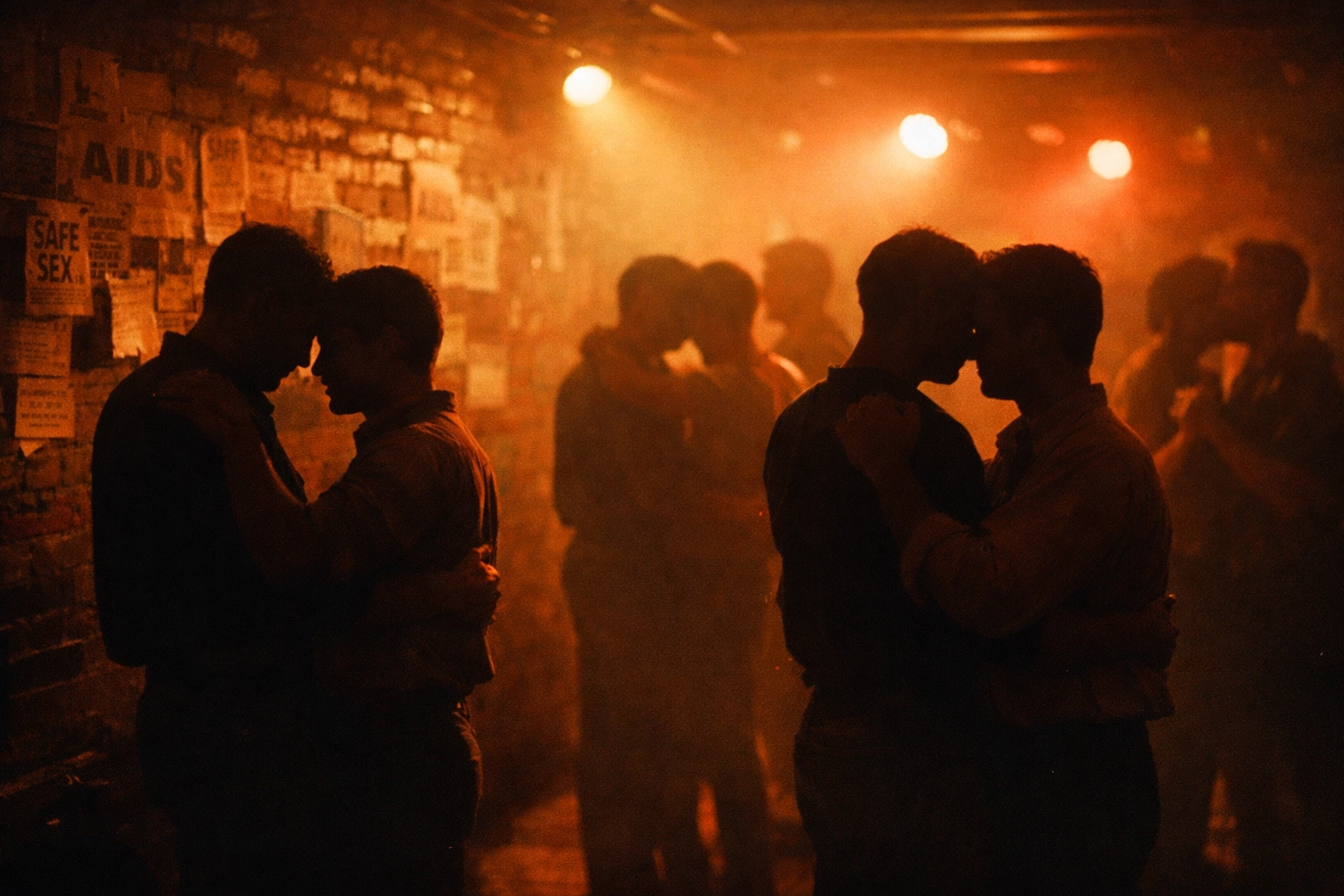
The bass hits you first. It rumbles through the floor, crawls up your spine, and settles somewhere deep in your chest. You're standing at the top of a narrow staircase in Manhattan, and below you is a world that doesn't officially exist. No sign above the door. No listing in the phone book. Just a bouncer with knowing eyes and a basement full of people who've come to be themselves for a few precious hours.
This was New York. This was survival. This was freedom.
When Dancing Was a Crime
Let's rewind to a time when being yourself could land you in handcuffs. Throughout the 1950s and 60s, gay bars in New York operated under constant threat. The State Liquor Authority could revoke a bar's license simply for serving "known homosexuals." Police raids were routine, violent, and designed to humiliate. Officers would line up patrons, check IDs, and arrest anyone wearing fewer than three pieces of "gender-appropriate" clothing.
But here's the thing about trying to suppress joy: it just goes underground.
The Stonewall Riots of 1969 changed everything, but the revolution didn't happen overnight. Even after that watershed moment, queer folks in NYC still needed spaces where they could let loose without fear. Enter the underground club scene, where disco balls became symbols of defiance and every song felt like a middle finger to the establishment.
The Birth of Underground Sanctuary
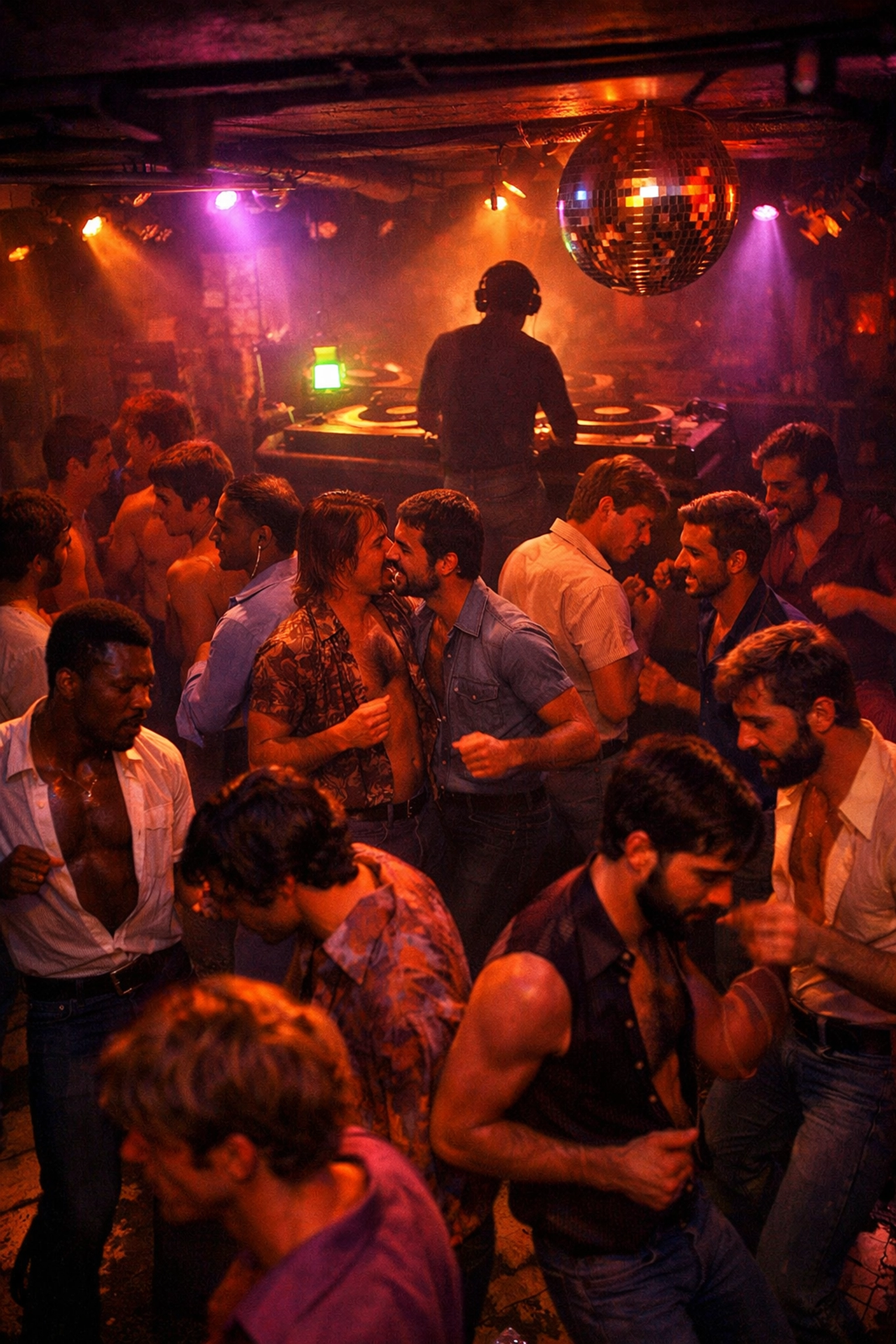
The early 1970s gave birth to something magical in New York's basements, warehouses, and forgotten spaces. These weren't your typical nightclubs with fancy facades and velvet ropes. These were raw, sweaty, transformative spaces where the music was loud enough to drown out the outside world's judgment.
The Loft, David Mancuso's legendary rent party venue, operated without a liquor license and technically wasn't even a club. It was a private party, invitation-only, where Black and Latino gay men, along with their straight allies, danced until dawn. No alcohol sales meant no liquor license to revoke. Genius.
Then came The Gallery, The Paradise Garage, and the Warehouse: each one a temple of sound where DJs like Larry Levan and Frankie Knuckles didn't just play music; they conducted emotional symphonies. These pioneers understood that for their predominantly queer, predominantly Black and brown audiences, the dance floor was sacred ground.
House Music: Built on Queer Foundations
When people talk about house music, they often skip over the most important part of its origin story: it was created by and for queer people of color. Frankie Knuckles, the "Godfather of House," was spinning records at the Warehouse in Chicago, but the sound was born from the disco revolution that exploded in NYC's underground gay clubs.
House music emerged from the ashes of disco's mainstream death, carrying with it all the liberation, pain, and ecstasy of queer experience. The four-on-the-floor beat became a heartbeat. The repetitive loops created a trance state where you could lose yourself: or maybe find yourself.
Songs like "Love Is the Message" by MFSB weren't just tracks; they were anthems of survival. The lyrics spoke directly to people who had to hide their love, who faced violence for existing, who found family on the dance floor when their biological families rejected them.
The Art of Invisibility
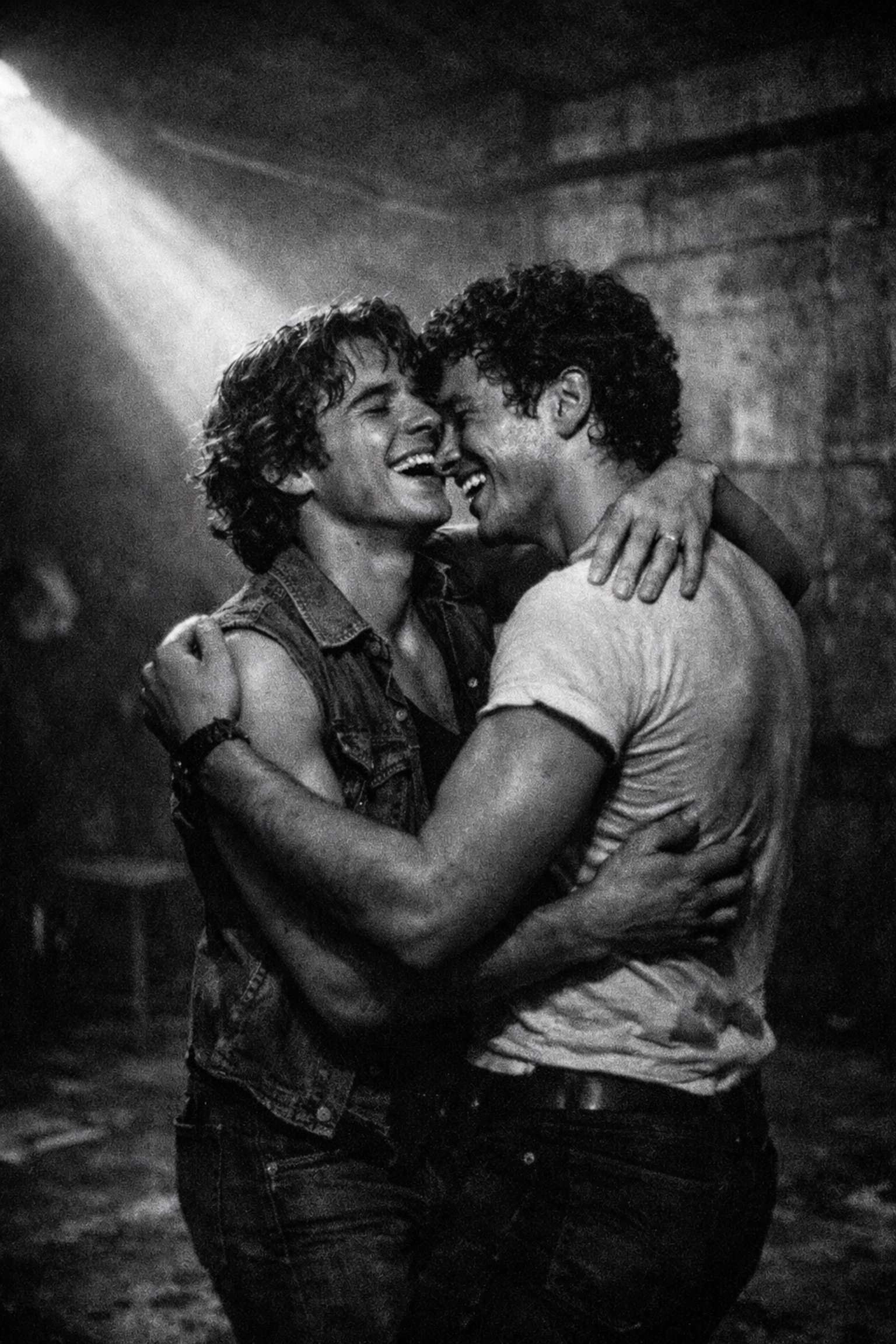
Here's what you need to understand about these underground spaces: they thrived on being invisible. Word of mouth was your invitation. You knew someone who knew someone. A telephone number scribbled on a napkin. A flyer passed hand-to-hand in the West Village.
The venues themselves were deliberately nondescript. A metal door in a warehouse district. A brownstone basement with blackened windows. The less official it looked, the safer it was. If the cops couldn't find you, they couldn't raid you.
But inside? Inside was technicolor revolution. Drag queens served as both performers and protective presences: if a raid went down, they were often the first to warn everyone, giving people precious seconds to hide or prepare. The community looked after itself because no one else would.
Dancing as Resistance
Let's talk about what it meant to dance in these spaces. This wasn't just recreation. This was political. Every body on that dance floor was making a statement: I exist. I refuse to hide. I deserve joy.
The music was deliberately euphoric because euphoria was an act of defiance. When the world tells you you're wrong, broken, sinful, or sick, choosing to lose yourself in music and movement is revolutionary. The underground club scene created temporary autonomous zones where heteronormative rules didn't apply.
You could kiss who you wanted. Dress how you wanted. Touch freely. Love openly. For those few hours, you got to live in the world as it should be rather than the world as it was.
The AIDS Crisis and the Dance Floor
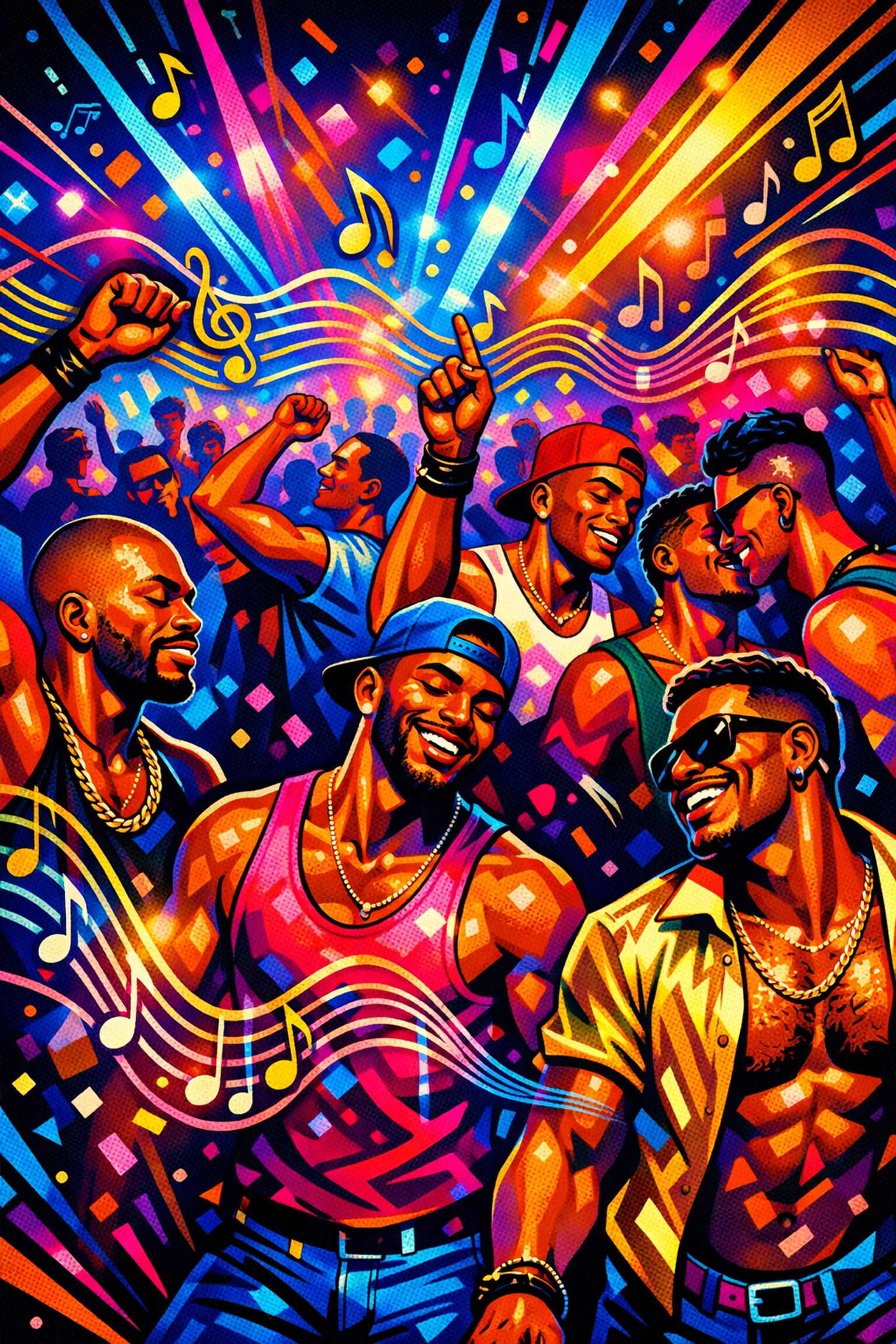
Then came the plague years. By the mid-1980s, AIDS was decimating the community. Friends disappeared. Lovers died. The dance floor became both a memorial and a protest.
Some clubs became spaces of collective mourning, where you danced for those who couldn't anymore. Others transformed into activist hubs, with flyers for ACT UP meetings mixed in with drink specials. The music got harder, angrier, more urgent. House music evolved into genres that reflected the community's rage and resilience.
DJs dedicated sets to friends lost to AIDS. Dance floors became sites of remembrance where every beat was a refusal to let the community be erased. When the government ignored the crisis and religious leaders called it divine punishment, the underground kept spinning records and kept dancing.
From Underground to Mainstream (Sort Of)
The 1990s saw some integration of underground club culture into the mainstream, but with a catch: the spaces that had been created by and for queer people of color were increasingly colonized by straight white audiences looking for "cool" nightlife experiences.
Suddenly, the Paradise Garage aesthetic was showing up in commercials. House music was playing in suburban shopping malls. But the people who built the scene were being pushed out by rising rents and changing neighborhoods.
Still, the underground persisted. New spaces emerged in Brooklyn, Queens, and the Bronx. The scene evolved, adapted, and survived because that's what queer culture does: it survives.
Today's Legacy
Walk into any gay club in New York today, and you're walking into history. The music might be different: EDM, hip-hop, pop remixes: but the fundamental purpose remains the same: creating space for authentic self-expression.
The basement parties still happen, though now they're more likely to be promoted through Instagram than word of mouth. The threat of police raids has diminished (though not disappeared entirely), but the need for queer-specific spaces hasn't.
What the disco and house music pioneers understood: and what continues to resonate: is that music and dance aren't frivolous. They're survival tools. They're community builders. They're how we process trauma, celebrate joy, and remind ourselves that we deserve to take up space in the world.
Reading Into the Beat
If you're craving stories that capture this energy: the liberation, the danger, the electric connection of queer community: check out the collection at Read with Pride. Our MM romance books and gay fiction explore the same themes of finding your people, claiming your space, and refusing to hide who you are.
From gay romance novels set in vibrant club scenes to LGBTQ+ fiction that explores queer history, there's a whole world of stories waiting. Because just like those underground DJs spinning records in basements across New York, our authors are keeping the culture alive, one story at a time.
The beat goes on. The dance continues. And somewhere in New York tonight, a basement door is opening, music is pulsing through the walls, and people are gathering to be gloriously, defiantly themselves.
That's the legacy. That's the revolution. That's what happens when you refuse to let them silence the music.
Find your next favorite story at readwithpride.com | Follow us on Instagram, Facebook, and X
#ReadWithPride #MMRomance #GayRomanceBooks #LGBTQFiction #QueerHistory #GayLiterature #MMRomanceBooks #GayBooks #LGBTQebooks #QueerFiction #GayNovels #NYCGayHistory #UndergroundClubScene #HouseMusic #DiscoRevolution #LGBTQCommunity #GayRomance #MMFiction #QueerStories #2026GayBooks

Leave a Reply
You must be logged in to post a comment.