

readwithpride.com
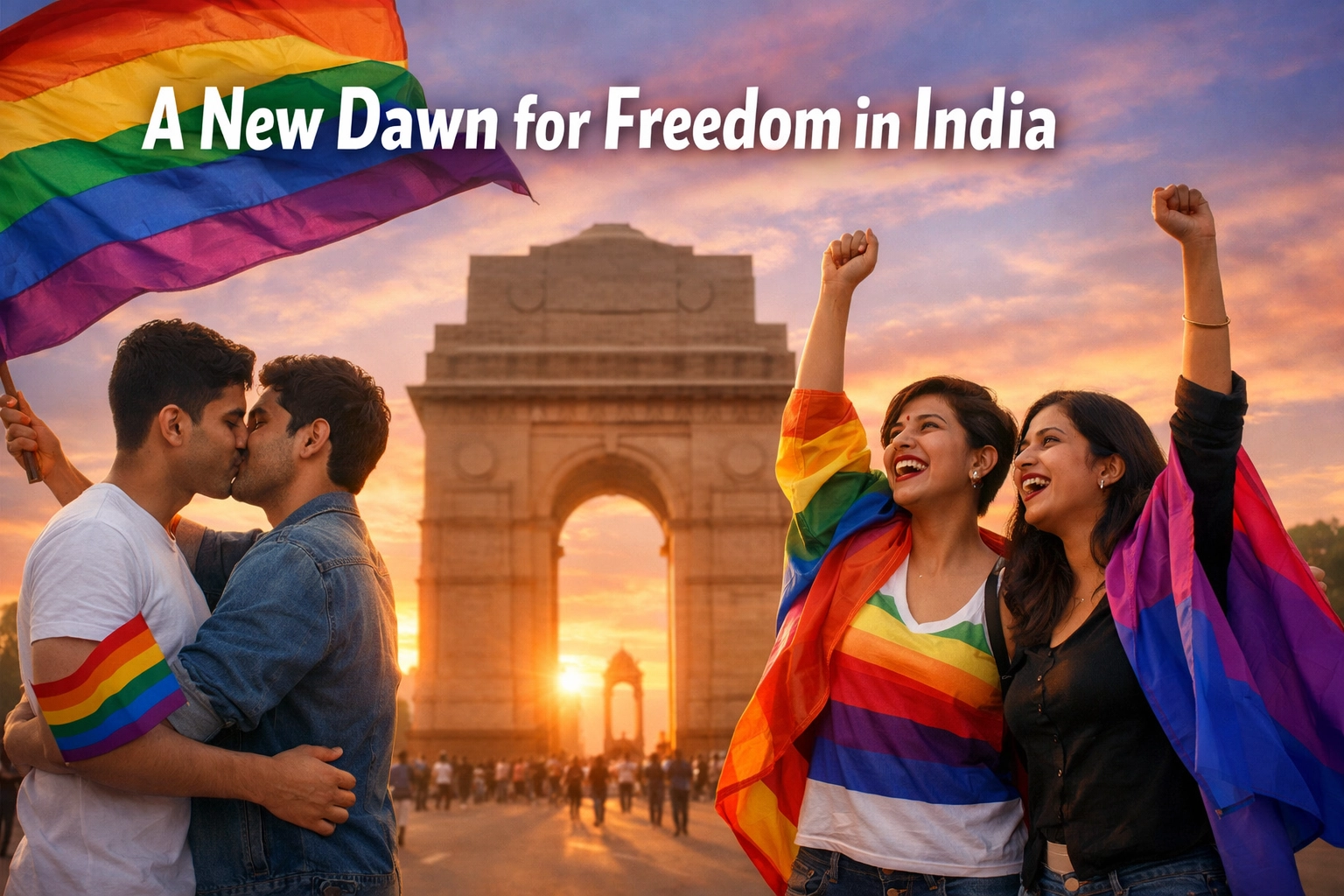
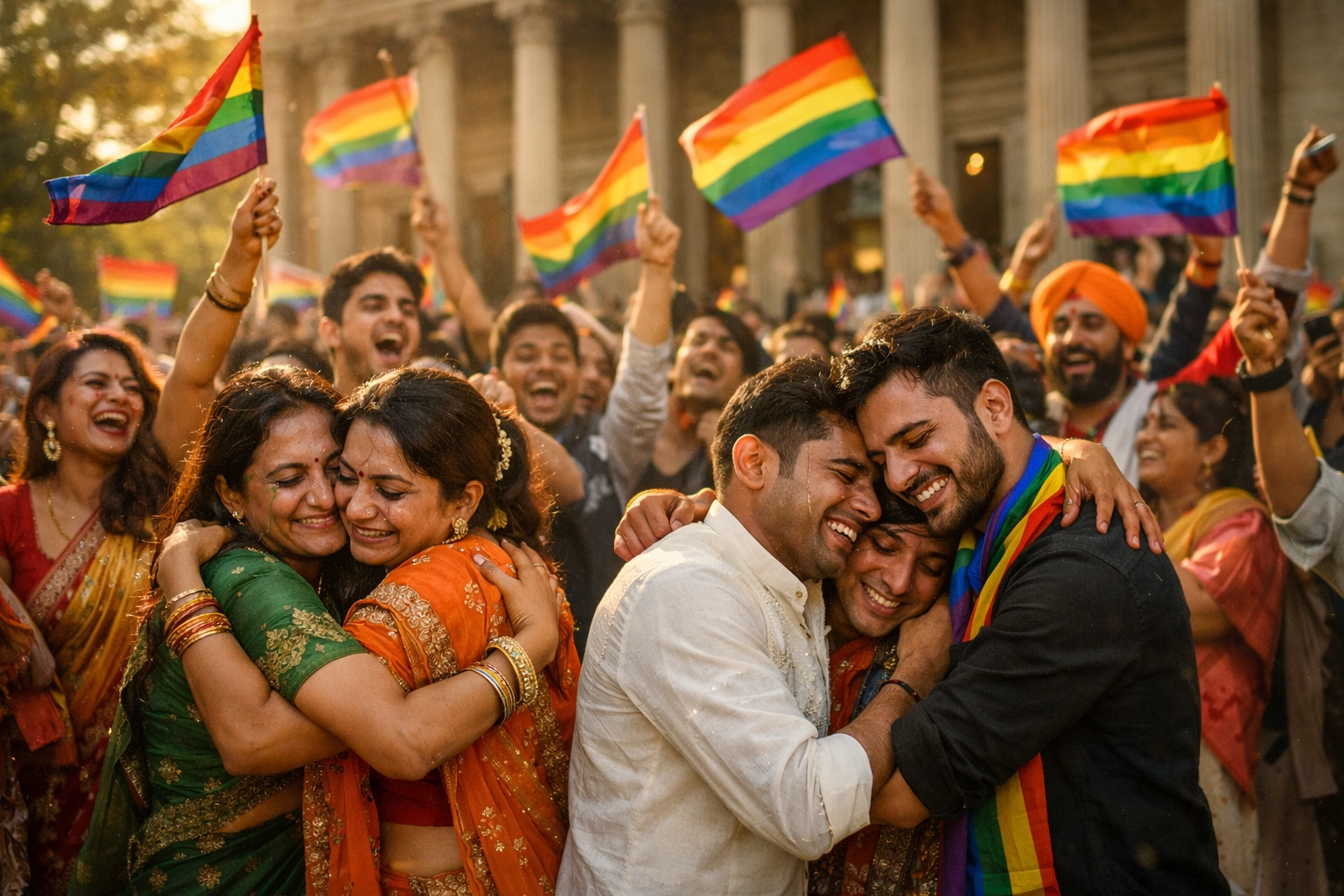
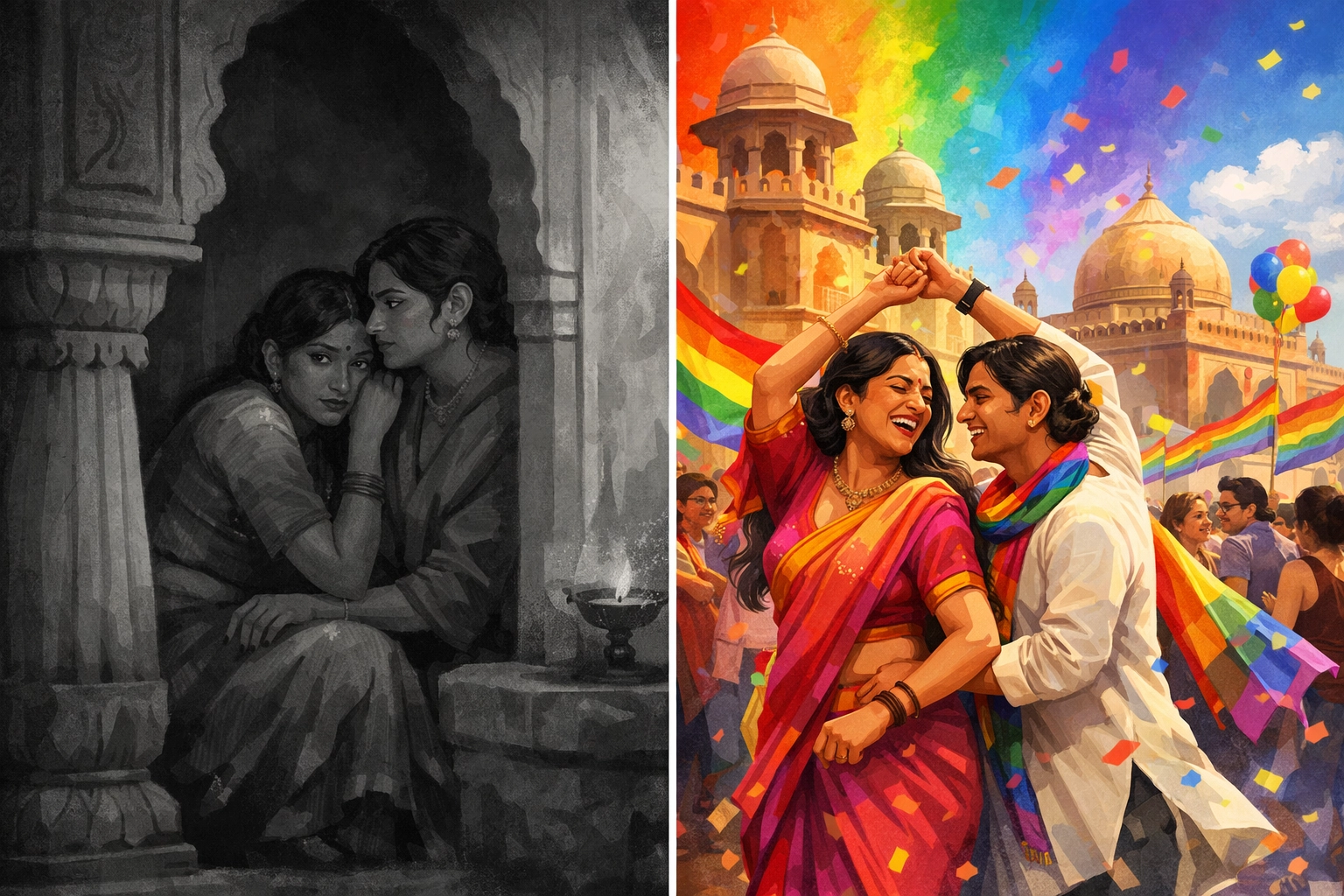
On September 6, 2018, India woke up to a different country. The Supreme Court of India struck down Section 377, a 158-year-old colonial-era law that criminalized consensual same-sex relationships. The courtroom erupted in cheers, tears flowed freely, and rainbow flags waved outside the building. But this wasn't just a legal victory: it was the beginning of a cultural revolution that would reshape Indian cinema, storytelling, and the lives of millions of queer Indians.
The Weight of Colonial Chains
Section 377 wasn't an Indian invention. It was a British import, drafted in 1860 when Queen Victoria's empire controlled the subcontinent. Ironically, while Britain itself decriminalized homosexuality in 1967, India: having gained independence in 1947: continued to enforce this oppressive law for another five decades after the colonizers left.
The law didn't just criminalize love; it criminalized existence. It forced queer Indians into the shadows, created a culture of fear and shame, and made authentic LGBTQ+ storytelling in Bollywood virtually impossible. Any filmmaker who dared to portray same-sex relationships risked censorship, public backlash, and accusations of promoting "illegal activities."
Bollywood's Closet Years
Before 2018, Bollywood's treatment of queer characters ranged from invisible to insulting. Gay characters were typically portrayed as comic relief: effeminate, flamboyant stereotypes designed to make straight audiences laugh rather than empathize. Films like Dostana (2008) pretended to be progressive by featuring two male protagonists who fake being gay, but it was ultimately a "no homo" story where straightness was reassured and celebrated.
The few filmmakers who tried to tell authentic queer stories faced enormous obstacles. Deepa Mehta's Fire (1996), which depicted a romantic relationship between two women, sparked protests and violence. Theaters were vandalized, and right-wing groups called it an attack on Indian culture. Onir's My Brother…Nikhil (2005), which told the story of a gay swimmer living with HIV, struggled to find distributors and received limited theatrical release.
The message was clear: queer love stories weren't welcome in Indian cinema.
The Moment Everything Changed
When the Supreme Court finally repealed Section 377, reading the verdict aloud for hours, Justice Indu Malhotra said something that resonated across the nation: "History owes an apology to the members of this community and their families for the delay in providing redressal for the ignominy and ostracism that they have suffered through the centuries."
That apology opened floodgates.
A New Era of Storytelling
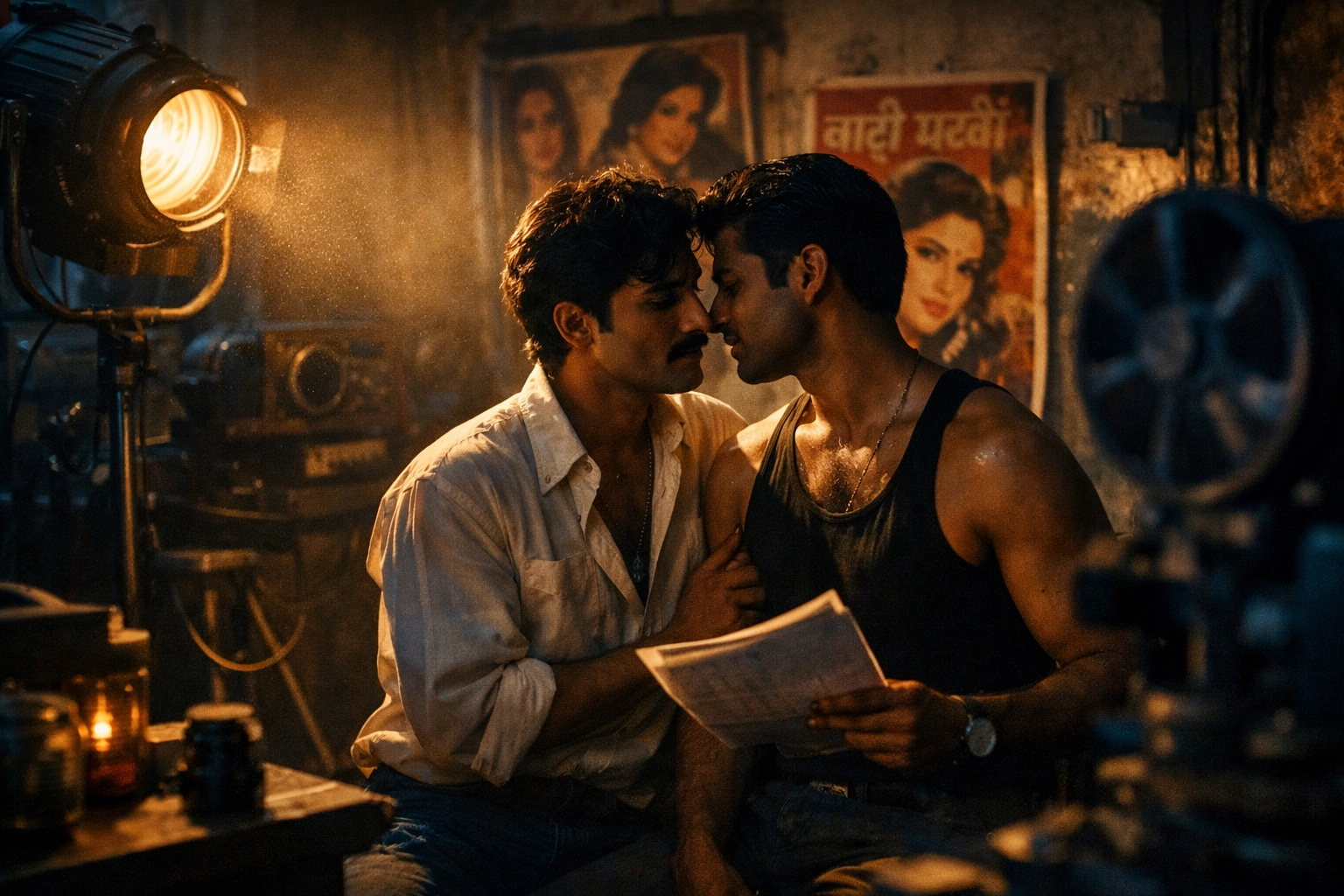
Post-2018, Bollywood began telling queer stories with unprecedented authenticity and nuance. Ek Ladki Ko Dekha Toh Aisa Laga (2019) became the first mainstream Hindi film to center a lesbian love story, starring major names like Sonam Kapoor and Anil Kapoor. While not perfect, it represented something revolutionary: a queer love story released in multiplexes across India, not hidden in art house theaters.
Shubh Mangal Zyada Saavdhan (2020) took things further, giving audiences a gay romance featuring Ayushmann Khurrana, one of Bollywood's biggest stars. The film didn't hide its queerness or apologize for it. It showed two men kissing on screen, fighting for family acceptance, and demanding their right to love: all wrapped in a commercial comedy format designed for mass appeal.
Streaming platforms accelerated this change. Netflix's Made in Heaven (2019) featured a gay wedding planner protagonist whose sexuality was central to the narrative. Amazon Prime's Aarya included LGBTQ+ characters whose storylines weren't defined solely by trauma. These shows reached millions of households, normalizing queer representation in ways theatrical releases never could.
Beyond Bollywood: Regional Cinema Steps Up
While Hindi cinema grabbed headlines, regional film industries told some of the most groundbreaking queer stories. Malayalam cinema gave us Moothon (2019), a gritty, unapologetic film about a young boy searching for his brother in Mumbai's underbelly and discovering complex queer relationships. Tamil cinema's Super Deluxe (2019) featured a transgender woman's storyline that treated her with dignity and complexity.
These regional films often took bigger risks than mainstream Bollywood, perhaps because they operated outside the massive commercial pressures of Hindi cinema. They proved that Indian audiences across languages and regions were hungry for authentic queer narratives.
The Documentary Boom
The repeal also unleashed a wave of queer documentaries that had been waiting in the wings. Films like Logging Out documented LGBTQ+ lives in tier-two and tier-three Indian cities, showing that queer identity wasn't just a metropolitan phenomenon. Rainbow Rishta explored arranged marriages within the LGBTQ+ community, tackling the intersection of traditional Indian values and modern queer identity.
These documentaries didn't just entertain: they educated. They became tools for families trying to understand their queer children, for schools teaching inclusivity, and for activists building community.
Social Media and the New Visibility
Parallel to cinema, Indian social media exploded with queer content creators, writers, and storytellers. Instagram and YouTube became platforms for queer Indians to share their coming-out stories, relationship journeys, and everyday lives. Influencers like Sushant Divgikr, Vqueeram, and Alok Vaid-Menon built massive followings, creating representation that mainstream media still struggled to provide.
This digital visibility fed back into Bollywood. Filmmakers and casting directors started following queer creators, understanding their stories, and recognizing the commercial potential of authentic representation. The walls between "real" queer voices and commercial entertainment began crumbling.
The Challenges That Remain
Despite this progress, significant barriers persist. The Indian censor board still wields enormous power, often demanding cuts to queer content deemed "too explicit." Marriage equality remains elusive: the 2018 ruling only decriminalized homosexuality; it didn't grant equal rights under family law.
Many Bollywood A-listers remain closeted, aware that public acknowledgment of their sexuality could damage their careers. The industry's dependence on overseas markets, particularly conservative diaspora audiences, creates pressure to tone down queer representation or frame it in palatable, non-threatening ways.
And while urban multiplexes screen queer films, small-town theaters often refuse to show them, limiting access for the very communities that most need representation.
The Power of Seeing Yourself
What the repeal of Section 377 truly unleashed wasn't just legal freedom: it was permission to exist visibly. For a young gay person in Jaipur or Kolkata, seeing Ayushmann Khurrana kiss another man on screen, or watching a lesbian wedding in Made in Heaven, sends a powerful message: You are not alone. Your love is not wrong. You belong.
This is why representation in Indian cinema matters so profoundly. In a country of 1.4 billion people, where regional languages create dozens of distinct film industries, cinema remains the most powerful cultural force. When Bollywood tells your story, it validates your existence in a way few other institutions can.
Looking Forward
The journey from colonial oppression to authentic queer storytelling in Indian cinema took 158 years. The road ahead remains long: true equality requires more than Supreme Court rulings and Bollywood films. It requires changing hearts and minds, dismantling centuries of stigma, and building a society where queer Indians don't just survive but thrive.
But September 6, 2018, proved that change is possible. Every queer film released since then, every authentic character portrayed, every story told without shame, builds toward that future. Indian cinema is finally catching up with the reality of Indian lives: diverse, complex, and beautifully queer.
For more LGBTQ+ stories, books, and romance that celebrates love in all its forms, visit readwithpride.com. Discover MM romance books, gay romance novels, and queer fiction that speaks to your heart.
Follow us:
- Facebook: Read With Pride
- Instagram: @read.withpride
- Twitter: @Read_With_Pride
#ReadWithPride #LGBTQIndia #Section377 #QueerBollywood #GayRomance #MMRomance #QueerFiction #IndianCinema #LGBTQRepresentation #GayRomanceBooks #QueerStories #BollywoodPride #LGBTQCommunity #MMRomanceBooks #GayLoveStories #QueerCinema #LGBTQRights #IndianPride #LGBTQBooks2026 #GayFiction

Leave a Reply
You must be logged in to post a comment.