

readwithpride.com
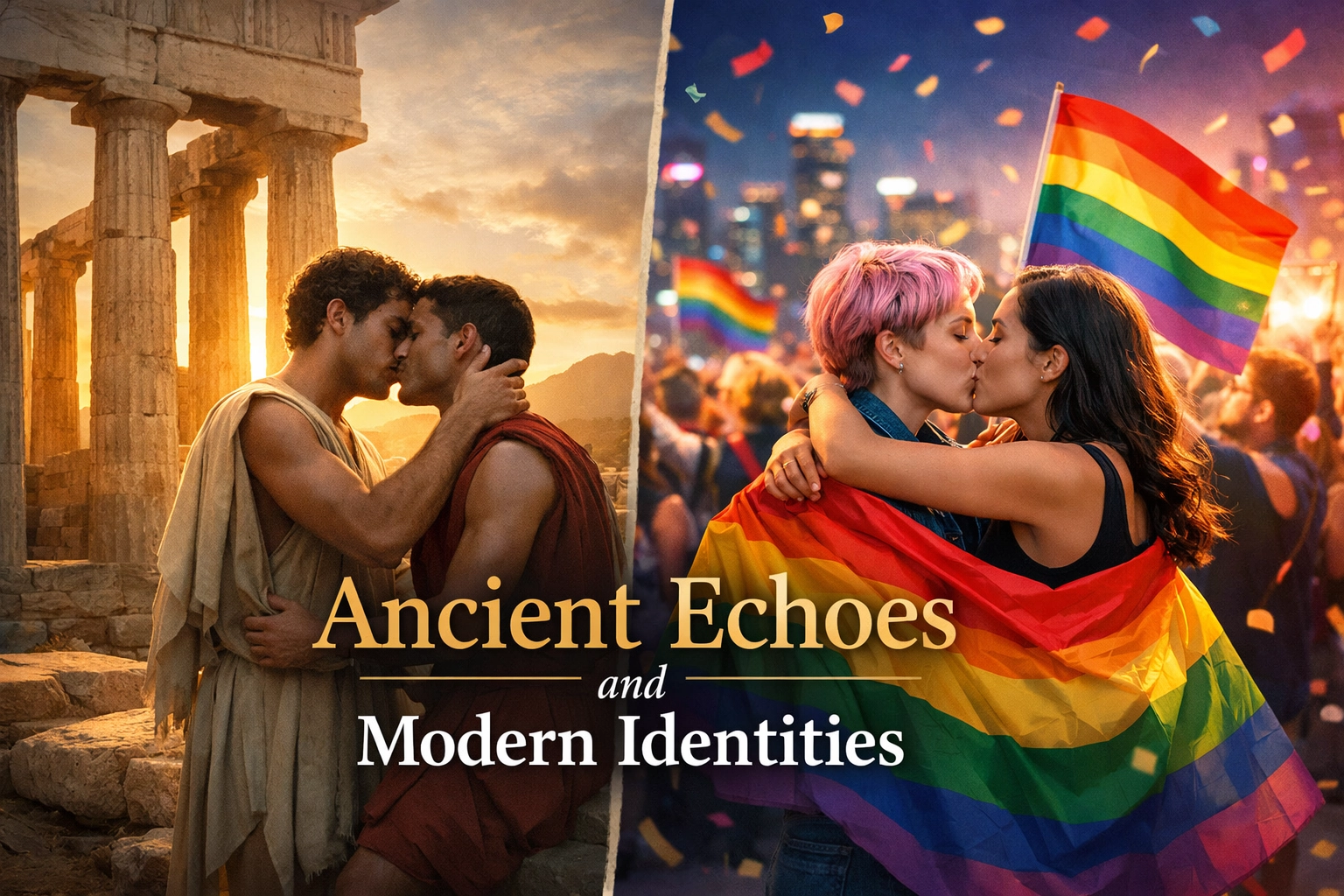
Long before colonial laws tried to erase it, long before pride parades and rainbow flags, India held space for queerness. Not in the margins, but woven into the very fabric of its mythology, carved into temple stones, and celebrated in ancient texts. The truth? Being gay, trans, or somewhere beautifully in between isn't some "Western import", it's as old as the Ganges itself.
When Gods Bent Gender
Let's talk about Shikhandi. Born as Shikhandini, this warrior from the Mahabharata transitioned and became instrumental in the Kurukshetra war. The gods didn't condemn this transformation, they facilitated it. Shikhandi received masculinity from a yaksha and went on to play a crucial role in Bhishma's death, one of the epic's most pivotal moments.
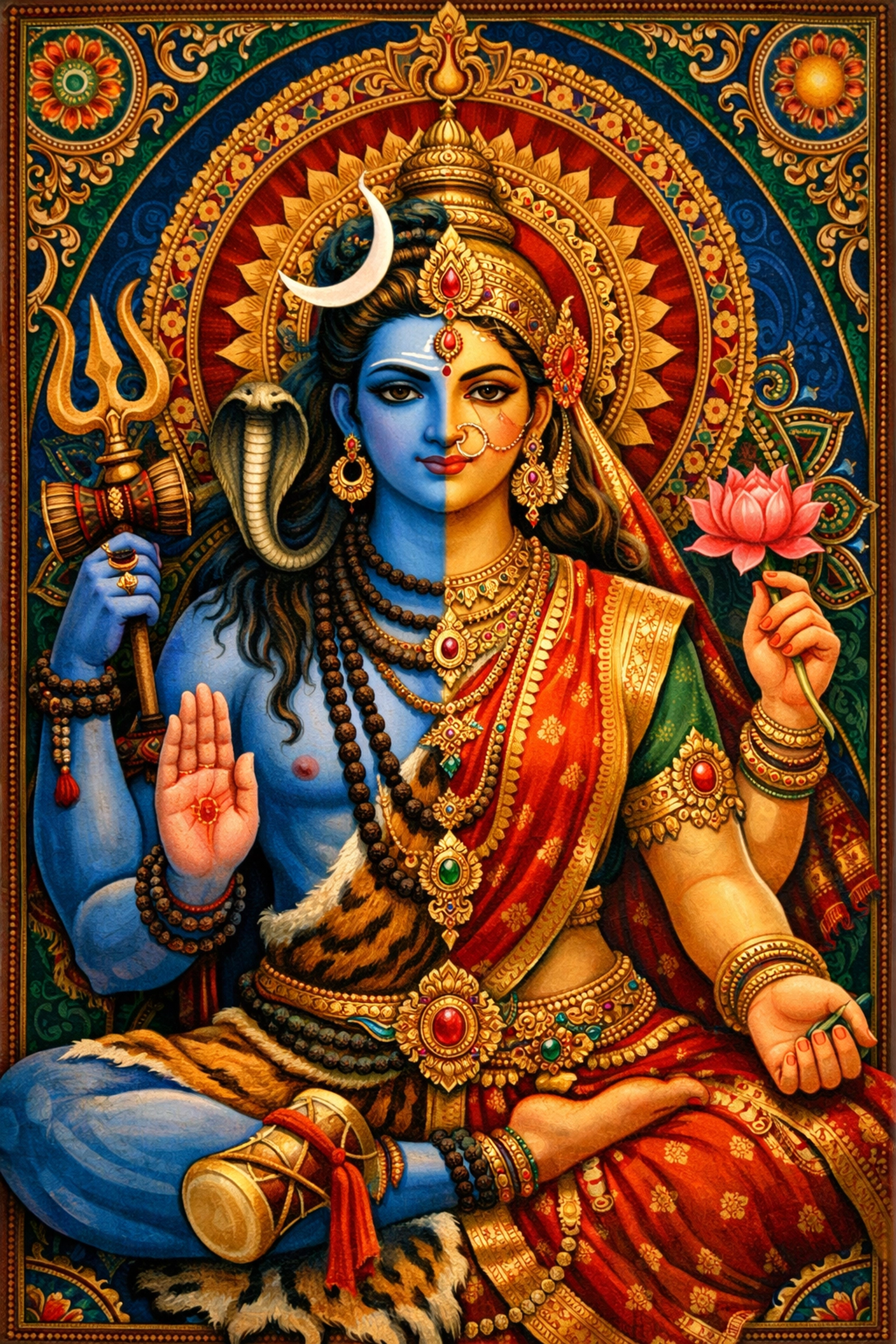
Then there's Ardhanarishvara, literally the lord who is half-woman. Shiva and Parvati merge into one divine form, half-male and half-female, representing the inseparability of masculine and feminine energies. This wasn't metaphor tucked away in obscure texts, this was mainstream devotion, worshipped in temples, celebrated in art.
And Mohini? Lord Vishnu's female avatar wasn't just a disguise. When Vishnu became Mohini to distribute the nectar of immortality, even Shiva fell for her allure. Their union produced Ayyappa, a deity worshipped by millions. The gods themselves engaged in gender fluidity and same-sex attraction without shame or scandal.
Carved in Stone, Written in Sanskrit
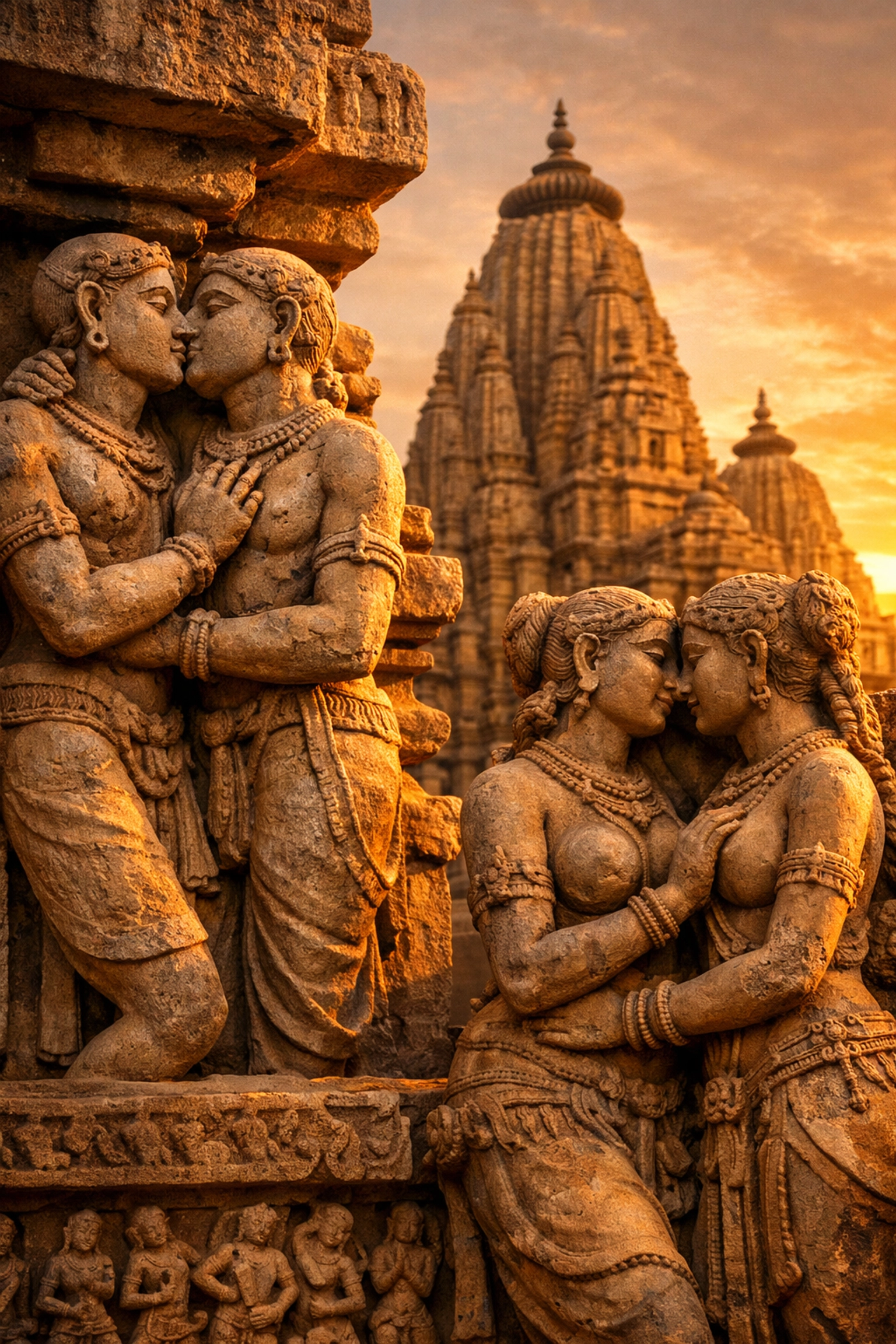
Walk through the temples of Khajuraho, and you'll see it all carved in exquisite detail. Among the famous erotic sculptures are depictions of same-sex couples in intimate embraces. These weren't hidden away or considered scandalous, they were celebrated alongside heterosexual unions as part of human experience.
The Kama Sutra, that ancient text everyone thinks they know, actually discusses same-sex relationships matter-of-factly. It describes "tritiya prakriti" (the third nature), people who don't fit into binary gender categories. This wasn't condemnation; it was acknowledgment, classification, inclusion.
Ancient Sanskrit literature is filled with references to diverse sexualities and gender expressions. The Arthashastra mentions tax revenues from sex workers of all genders. Buddhist texts describe "pandaka," a term encompassing various gender and sexual minorities, without the moral panic that colonialism would later import.
The Colonial Erasure
So what happened? How did a culture that carved queer love into its sacred temples become one where LGBTQ+ individuals faced criminalization?
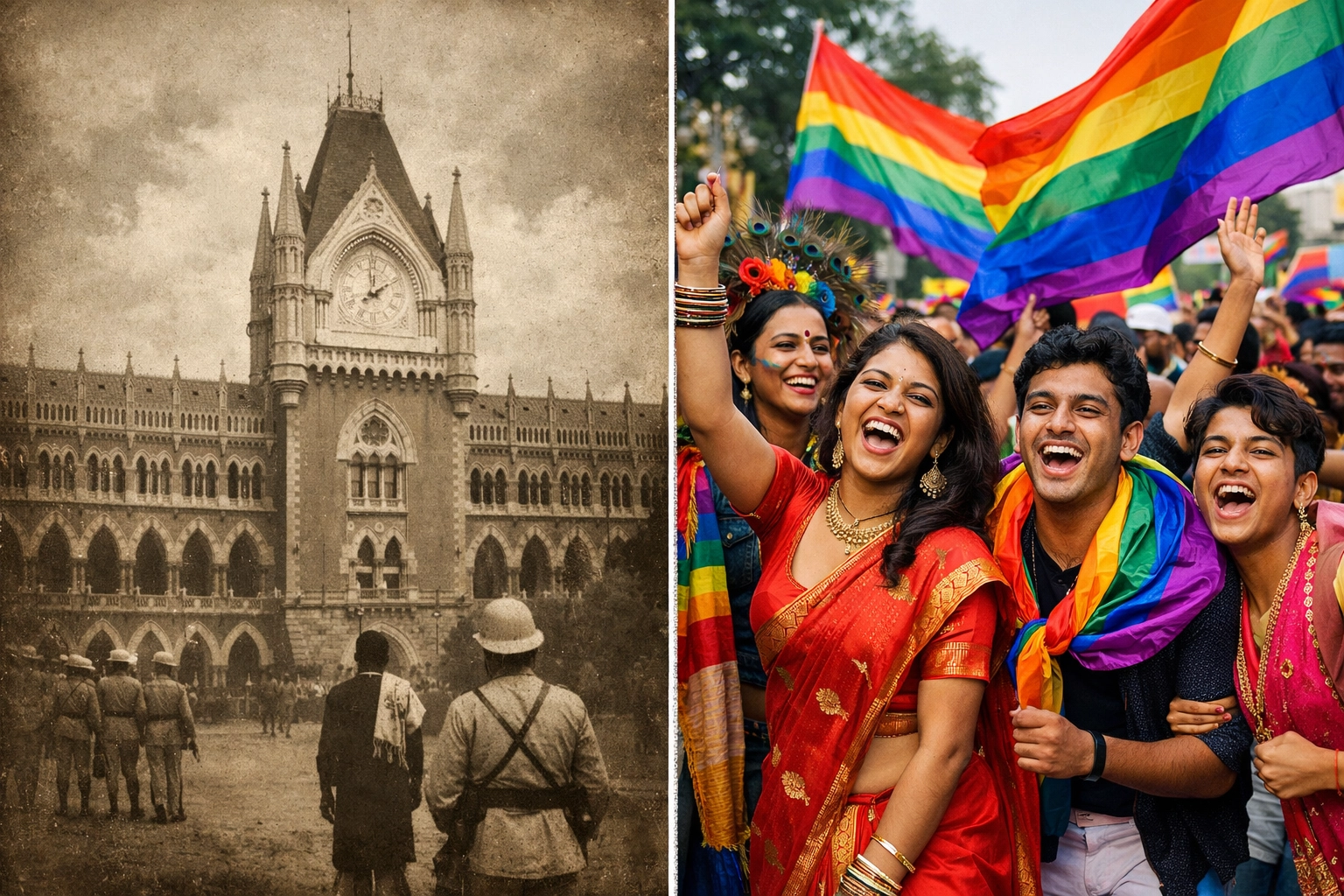
Enter the British Raj and Section 377 of the Indian Penal Code, introduced in 1860. This Victorian-era law criminalized "carnal intercourse against the order of nature," imposing up to ten years of imprisonment. Suddenly, what had been part of India's cultural tapestry for millennia became illegal, immoral, foreign.
The colonial project wasn't just about extracting resources, it was about imposing Victorian morality, rewriting history, and convincing Indians that their own traditions were somehow backward. The supreme irony? Queerness became labeled a "Western influence" precisely because the West had first tried to stamp it out.
For over 150 years, that law stood. Generations grew up believing that being gay was un-Indian, against culture, against religion. The ancient echoes were still there, carved in stone and written in Sanskrit, but they'd been drowned out by colonial legislation and internalized homophobia.
The Spirit That Never Died
But here's the thing about spirits, they're resilient. Even during the darkest decades, queer Indians existed, loved, created families, and built communities. They might have done it in the shadows, but they did it.
The hijra community, recognized as a third gender in South Asian culture for centuries, never disappeared despite discrimination. They maintained their traditions, their spiritual roles in blessing newborns and newlyweds, their place in the social fabric, even when that place was marginalized.
Underground gay bars existed in Mumbai long before decriminalization. Secret house parties in Delhi connected queer folks who thought they were alone. Literature and film found coded ways to tell queer stories even when explicit representation was impossible.
And activists never stopped fighting. From the 1990s onward, organizations like ABVA (AIDS Bhedbhav Virodhi Andolan) and later the Naz Foundation challenged Section 377 in courts, built community support, and kept pushing for recognition and rights.
The 2018 Revolution
On September 6, 2018, the Indian Supreme Court struck down Section 377. Justice Indu Malhotra's words rang out: "History owes an apology to the members of this community and their families."
But it wasn't just a legal victory, it was a cultural reclamation. Young Indians began exploring their heritage, discovering that being queer wasn't un-Indian at all. They found Shikhandi and Mohini, read the Kama Sutra with fresh eyes, visited Khajuraho and saw their own identities reflected in ancient stone.
The conversation shifted. Instead of asking "Can Indians be gay?" people started asking "How did we forget we always were?"
Bollywood's Slow Awakening
The Hindi film industry has been dancing around queerness for decades. Item numbers with same-sex chemistry, comedic sidekicks whose homosexuality was the punchline, villains coded as effeminate, representation existed, but rarely with dignity.
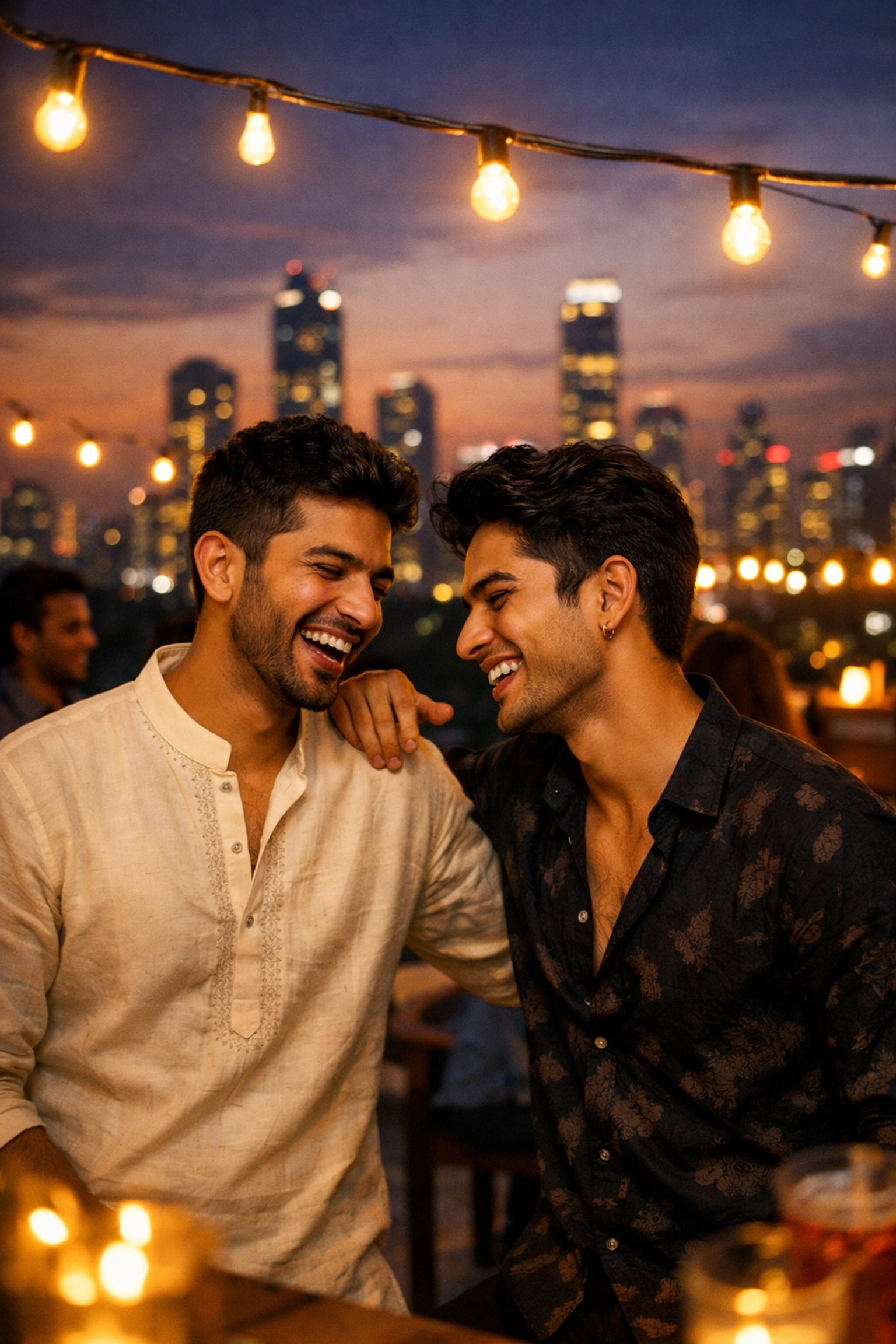
Films like "Fire" (1996) sparked riots for depicting a lesbian relationship. "Girlfriend" (2004) sensationalized queer women. Even sympathetic portrayals like "My Brother… Nikhil" (2005) centered tragedy more than joy.
But things are changing. "Kapoor & Sons" (2016) featured a gay character whose storyline wasn't just about being gay. "Shubh Mangal Zyada Saavdhan" (2020) was a full-blown gay romantic comedy that topped box office charts. "Badhaai Do" (2022) explored lavender marriages and lesbian identity with both humor and heart.
Web series have pushed even further. "Made in Heaven" wove queer characters and storylines throughout its narrative about Delhi's wedding industry. "Four More Shots Please!" featured a bisexual main character whose sexuality was just one aspect of her life. The platforms have given creators space to tell nuanced queer stories without the censorship battles that theatrical releases often face.
Living Between Worlds
For queer Indians today, especially those in the diaspora, identity often means bridging worlds. There's the India of mythology and temples, where queerness was divine. There's the India of colonialism and Section 377, where it was criminal. And there's the India of today, where it's legal but still struggling for social acceptance.
Many LGBTQ+ Indians find strength in reclaiming their heritage. They point to ancient texts when relatives claim being gay is "against culture." They invoke Ardhanarishvara when explaining non-binary identity. They're not importing Western concepts: they're rediscovering Indian ones.
At the same time, they're creating new traditions. Pride parades in Mumbai, Delhi, and Bangalore draw thousands. Queer film festivals showcase Indian LGBTQ+ cinema. Dating apps connect people across cities and continents. Community organizations provide support networks that didn't exist for previous generations.
The Road Ahead
Decriminalizing homosexuality was crucial, but it wasn't the finish line. Same-sex marriage remains unrecognized. Transgender rights, despite a 2019 act, still lack proper implementation. Conversion therapy isn't banned. Rural India lags behind urban centers in acceptance.
But the spirit: that ancient spirit that produced Shikhandi and Mohini, that carved queer love into temple walls: is stronger than ever. Every queer Indian living openly, every Bollywood film that gets it right, every family that chooses love over prejudice, is proof that you can't legislate identity out of existence.
The echoes of ancient acceptance are getting louder, amplified by modern voices refusing to be silenced. From the temples of Khajuraho to the clubs of Mumbai, from Sanskrit texts to Instagram posts, the message is clear: queer Indians have always existed, will always exist, and are finally, beautifully, reclaiming their rightful place in the culture that was always theirs.
Looking for more LGBTQ+ stories that celebrate identity and heritage? Explore MM romance books and gay fiction at Read with Pride, where diverse voices and authentic representation meet great storytelling.
Follow us for more: Facebook | Instagram | X/Twitter
#ReadWithPride #LGBTQIndia #QueerHistory #GayBollywood #MMRomance #QueerFiction #LGBTQBooks #GayRomanceBooks #IndianLGBTQ #Section377 #QueerHeritage #AncientWisdom #ModernIdentity #LGBTQCommunity #GayLiterature #QueerStories #Representation #PrideIndia #LGBTQRights #GayIndia

Leave a Reply
You must be logged in to post a comment.