


readwithpride.com
Let's talk about getting naked, but make it historical. The naturist movement isn't just about ditching your clothes at the beach (though that's definitely part of it). It's a fascinating journey of rebellion, body acceptance, and the pursuit of authenticity that spans centuries. And guess what? The LGBTQ+ community has been part of this story from pretty early on. So grab your metaphorical towel (or don't), and let's dive into how naturism evolved from a wild idea into a legitimate lifestyle movement.
Where It All Started: The Birth of an Idea
Believe it or not, the word "naturism" predates your great-great-great-grandparents. Back in 1778, a Belgian dude named Jean Baptiste Luc Planchon coined the term, though he was talking more about healthy living in general, not specifically about stripping down. Think of it as the OG wellness movement, minus the Instagram influencers and overpriced green juice.
For about a century, naturism stayed pretty theoretical. People philosophized about living naturally and getting back to basics, but nobody was actually organizing group skinny-dips just yet. That all changed when the late 19th century rolled around and society started feeling seriously claustrophobic.
The First Brave Souls: Early Naturist Clubs
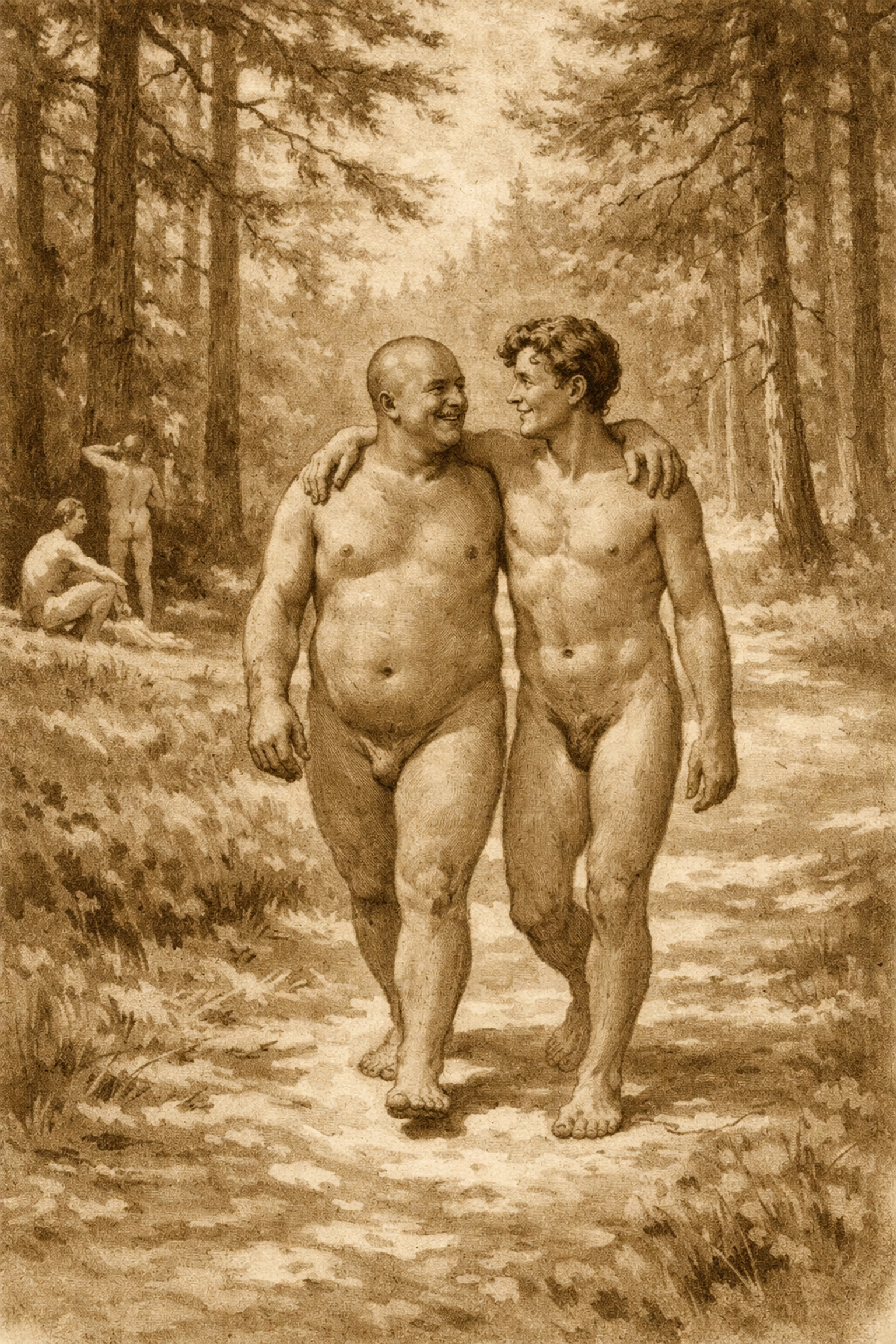
The first official naturist club has an origin story worthy of a novel. In 1891, Charles Edward Gordon Crawford, an English judge working in British India, founded the Fellowship of the Naked Trust. Yes, that was the actual name, and yes, it's absolutely iconic. Crawford and his two fellow members were pioneers, though the club dissolved when he died in 1894. Short-lived? Sure. But someone had to be first.
Meanwhile, Germany was cooking up something much bigger. The industrial revolution was in full swing, cities were becoming concrete jungles, and people were fed up with Victorian moral restrictions that made even table legs seem scandalous. In response, the Naturheil-Verein-Essen-Ruhr was created in 1893 (officially recognized in 1905), and by 1903, the first large-scale naturist club, Freilichtpark (Open-Air Park), opened near Hamburg.
Germany Takes the Lead: Philosophy Meets Practice
Germany became the epicenter of the naturist movement, and it wasn't just about getting a tan in the buff. In 1902, philosopher Heinrich Pudor started writing about how nudity could revolutionize education and sports. He coined the term Nacktkultur (Nude Culture) in 1903, connecting nudity with vegetarianism and broader social reform.
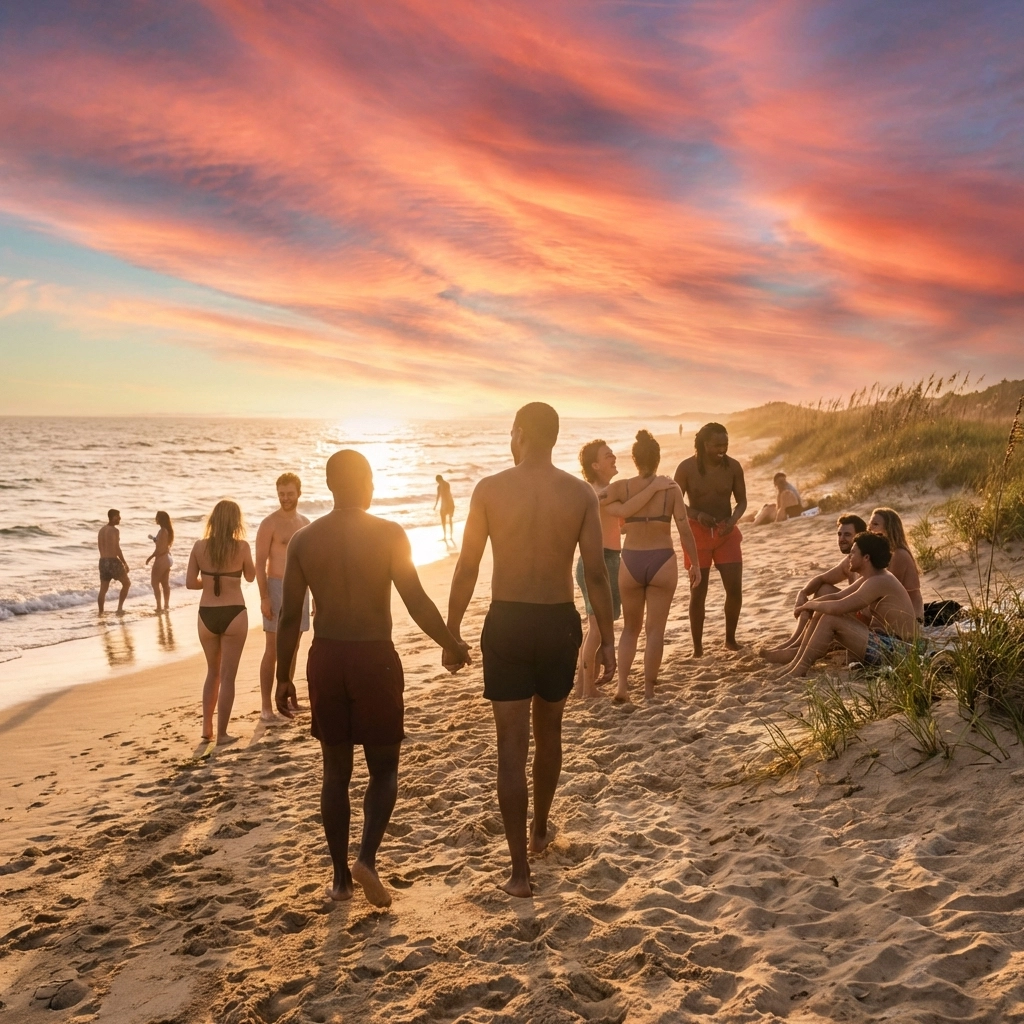
The movement borrowed heavily from contemporary health trends like Lebensreform (life reform) and youth movements like Wandervogel. It was essentially a giant middle finger to rapid industrialization and urban sprawl. The message? Get back to nature, move your body, eat plants, and stop being so damn repressed.
From 1902 to 1932, Germany published the first naturist journal and developed a network of about 200 member clubs. In 1926, Adolf Koch established a naturist school in Berlin that was groundbreaking for allowing mixed-gender participation and organized exercise programs. The Berlin school even hosted the first International Congress on Nudity in 1929. Imagine that conference networking session.
Going Global: France and America Join the Party
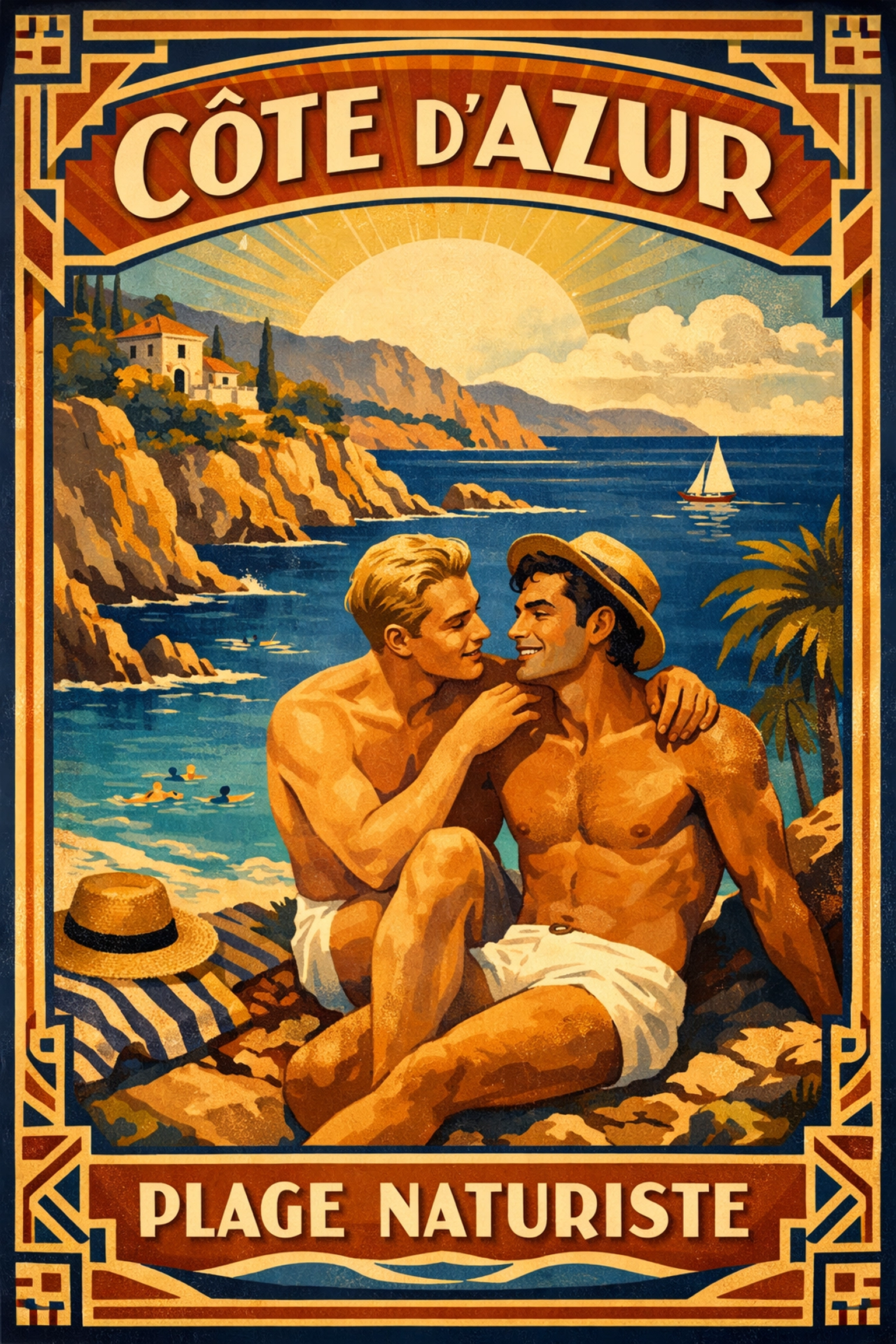
France developed its own flavor of naturism starting in 1920 when Marcel Kienné de Mongeot began promoting it as a health remedy for his family's tuberculosis: and as a way to reconnect with ancient Greek traditions (because the Greeks knew how to party, philosophically speaking). He launched the magazine Vivre intégralement in 1926 and founded France's first naturist club, Sparta Club, at Garambouville.
A landmark 1926 court decision established that nudism was totally legal on private, fenced, and screened property. By 1936, the naturist movement had official recognition in France. Physicians André and Gaston Durville took it further by establishing Héliopolis on the Île du Levant, studying naturism's actual health benefits rather than just philosophizing about them.
Across the Atlantic, America was fashionably late to the naked party. Kurt Barthel founded the American League for Physical Culture in 1929 and organized the first nudist event. Around 1930, he established the American Gymnosophical Association (try saying that three times fast), and in May 1932, he founded Sky Farm in New Jersey: America's first official nudist camp. By 1932, naturist facilities were popping up nationwide like sunflower seeds.
The Complicated Politics of Getting Naked
Here's where things get especially relevant for our Read with pride community. Initially, naturism became closely associated with left-wing political movements, pacifists, and: you guessed it: homosexuals. In the early 20th century, naturism represented freedom from societal constraints, which naturally attracted people who were already living outside mainstream norms.
Unfortunately, this association had consequences. When Hitler's regime took power in Germany, restrictions on the naturist movement kicked in hard. The Nazis had very specific ideas about bodies, purity, and who deserved freedom, and naturism's inclusive, progressive roots didn't fit the agenda.
As the movement matured through the mid-20th century, it lost some of its universalist identity. Some clubs became exclusive to specific social classes or ethnic and religious groups: which was disappointing, considering naturism's roots in breaking down barriers. But the movement persevered, and in 1951, several European and American nudist organizations formed the International Naturist Federation (INF) to unite various national groups.
The Modern Connection: Body Liberation Meets LGBTQ+ Pride
Fast forward to today, and naturism has evolved into something both broader and more nuanced. The core philosophy remains: embrace your body, reject shame, and connect authentically with nature and other people. Sound familiar? These themes resonate deeply with LGBTQ+ experiences of coming out, embracing authentic identity, and rejecting societal shame.
Modern naturist spaces increasingly recognize and celebrate diversity: including sexual orientation and gender identity. Many LGBTQ+ individuals find naturist communities welcoming, affirming spaces where bodies are celebrated as they are, without the hypersexualization or judgment that can exist elsewhere.
The parallels between naturist liberation and queer liberation aren't coincidental. Both movements challenge societal norms about bodies, identity, and what's considered "appropriate." Both advocate for spaces where people can exist authentically without fear of judgment. And both have historically faced moral panic, legal restrictions, and ridicule before gaining broader acceptance.
Why This History Matters
Understanding naturism's roots helps us appreciate it as more than just a quirky hobby. It's been a vehicle for social reform, health advocacy, and personal liberation for over a century. The movement's early connection to other marginalized groups: including the LGBTQ+ community: reveals how intertwined our struggles for authenticity and acceptance have always been.
Whether you're a committed naturist, occasionally enjoy clothing-optional beaches, or prefer keeping your swimsuit firmly in place, the history is worth knowing. It's about humans continually pushing back against unnecessary restrictions, whether those restrictions involve clothing, sexual orientation, gender expression, or anything else that keeps us from living authentically.
Explore more stories about liberation, authenticity, and living proudly at readwithpride.com: where we celebrate all the ways people break free from societal constraints, clothes optional.
Connect with us:
- Facebook: Read With Pride
- Instagram: @read.withpride
- X/Twitter: @Read_With_Pride
#Naturism #NaturistHistory #BodyPositivity #LGBTQ+ #QueerHistory #BodyLiberation #ReadWithPride #LGBTQBooks #QueerFiction #AuthenticLiving #LGBTQCommunity #HistoryMatters #FreedomOfExpression #NaturistMovement #BodyAcceptance #LGBTQPride #GayBooks #QueerLiterature #MMRomance #LGBTQReading

Leave a Reply
You must be logged in to post a comment.