

readwithpride.com
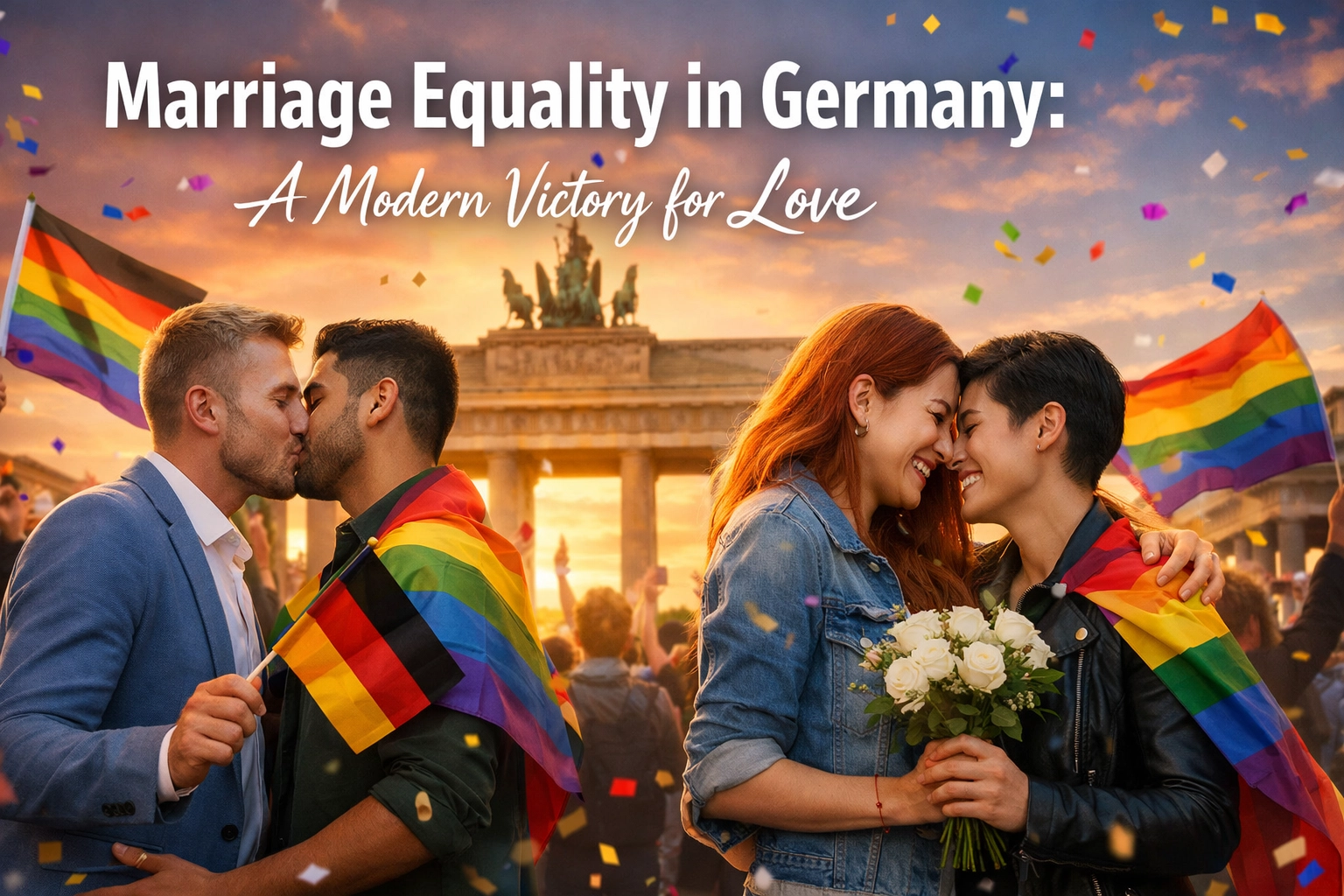
On October 1, 2017, something beautiful happened in Germany. After more than 25 years of advocacy, protests, and political maneuvering, same-sex couples could finally walk into a registry office and say "I do" with full legal recognition. It wasn't just a legislative win, it was a cultural earthquake that shifted how an entire nation understood love, commitment, and equality.
The story of how Germany got there? It's messy, hopeful, and surprisingly dramatic. Let's dive in.
The Long Road to "Ehe für Alle"
Germany's journey toward marriage equality didn't start in 2017. It started way back in the late 1980s when LGBTQ+ activists and legal scholars began asking a simple question: why can't we get married like everyone else?
By 1990, the Gay Federation in Germany was already demanding the right to marry for same-sex couples. A year later, they'd drafted actual legislation. But this was post-reunification Germany, a country still figuring out its identity. The idea of two men or two women standing at an altar together? That was too radical for most politicians to even consider.
For years, the conversation went nowhere. But the community didn't give up.
The Compromise: Registered Partnerships
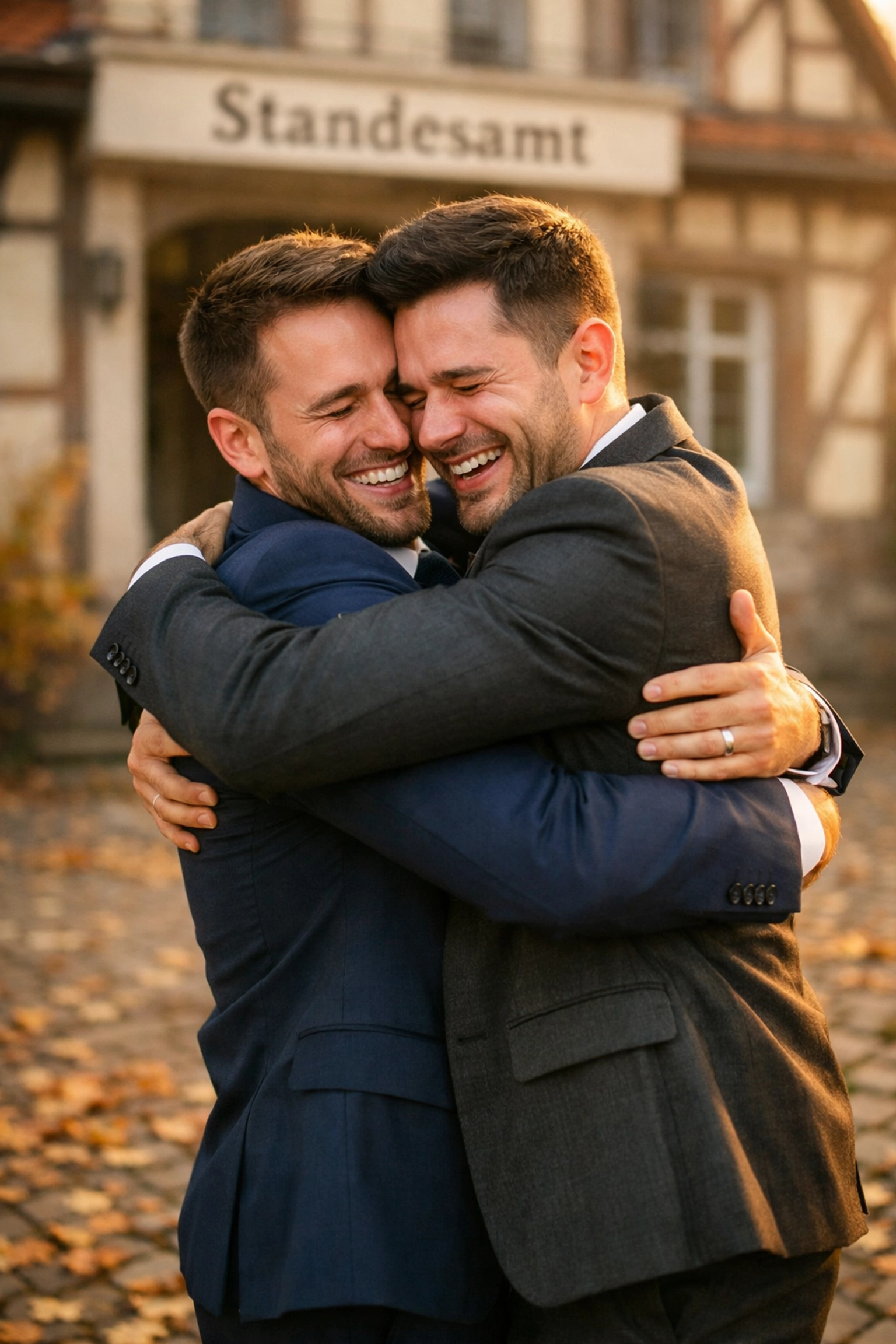
In 2001, Germany introduced something called eingetragene Lebenspartnerschaft, registered life partnerships. It was progress, sure, but it was also a half-measure. Same-sex couples got inheritance rights, health insurance benefits, and eventually, adoption rights. But it wasn't marriage. The word itself was off-limits.
It's like being told you can have a cupcake but not call it a cupcake. You get the frosting and the cake part, but everyone's weirdly insistent that it's a "registered baked good." Not quite the same, is it?
For 16 years, German LGBTQ+ couples lived in this legal limbo. Close, but not equal. Recognized, but not fully. And with every passing year, the frustration grew louder.
The Unexpected Breakthrough
Here's where things get interesting. On June 26, 2017, Chancellor Angela Merkel, who had opposed same-sex marriage for her entire political career, did a televised Q&A with a German women's magazine. Someone asked her about marriage equality.
Instead of deflecting or giving a political non-answer, Merkel dropped a bombshell. She said the issue should be decided through a conscience vote rather than along party lines.
Wait, what?
This was huge. For years, Merkel's conservative CDU/CSU party had blocked any attempt to bring marriage equality to a vote. But by calling for a conscience vote, she essentially freed her party members to vote however they personally felt. Suddenly, conservative politicians who privately supported equality could actually do something about it.
The timing wasn't accidental either. All of Merkel's potential coalition partners, the Greens, FDP, and SPD, had publicly stated they wouldn't form a government without a commitment to legalize same-sex marriage. The political pressure had reached a breaking point.
Four Days That Changed Everything
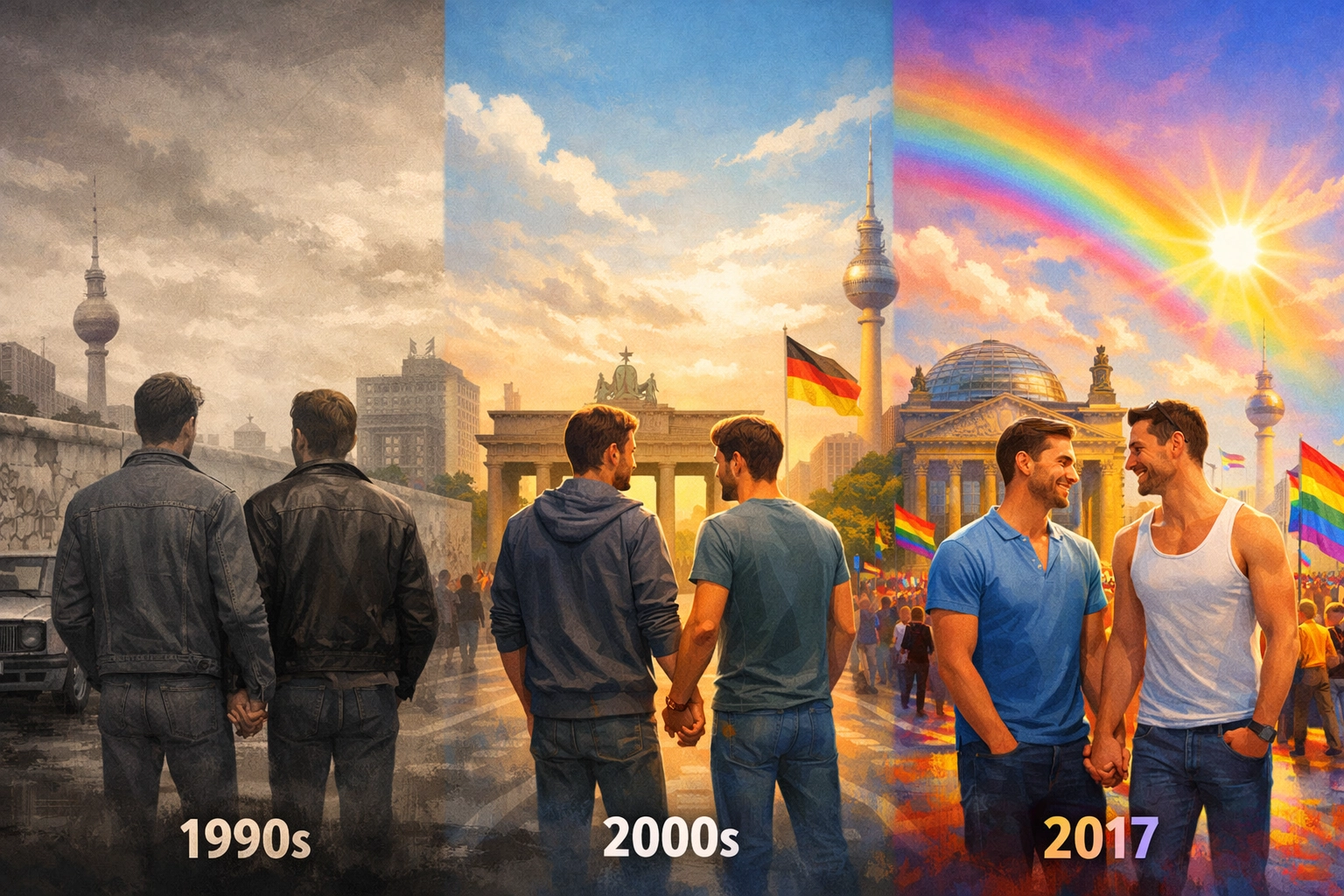
On June 30, 2017, just four days after Merkel's interview, the Bundestag voted on marriage equality. The tension in the chamber must have been electric. This was it. After decades of waiting, the moment had arrived.
The final tally: 393 in favor, 226 against, with 4 abstentions.
Marriage equality had passed.
Here's the kicker: while Merkel herself voted against the measure (she later said she'd struggled with the decision), 75 members of her own conservative party voted yes. Every member of the SPD, Die Linke, and the Greens voted in favor. The vote wasn't anonymous, either, every deputy's position was publicly recorded. For LGBTQ+ Germans watching, it meant something profound to see exactly who stood with them.
What Victory Looked Like
The new law didn't just grant same-sex couples the right to marry, it gave them complete marital equality, including the right to adopt children together. No asterisks, no "separate but equal" nonsense. Just marriage. Real, full, legal marriage.
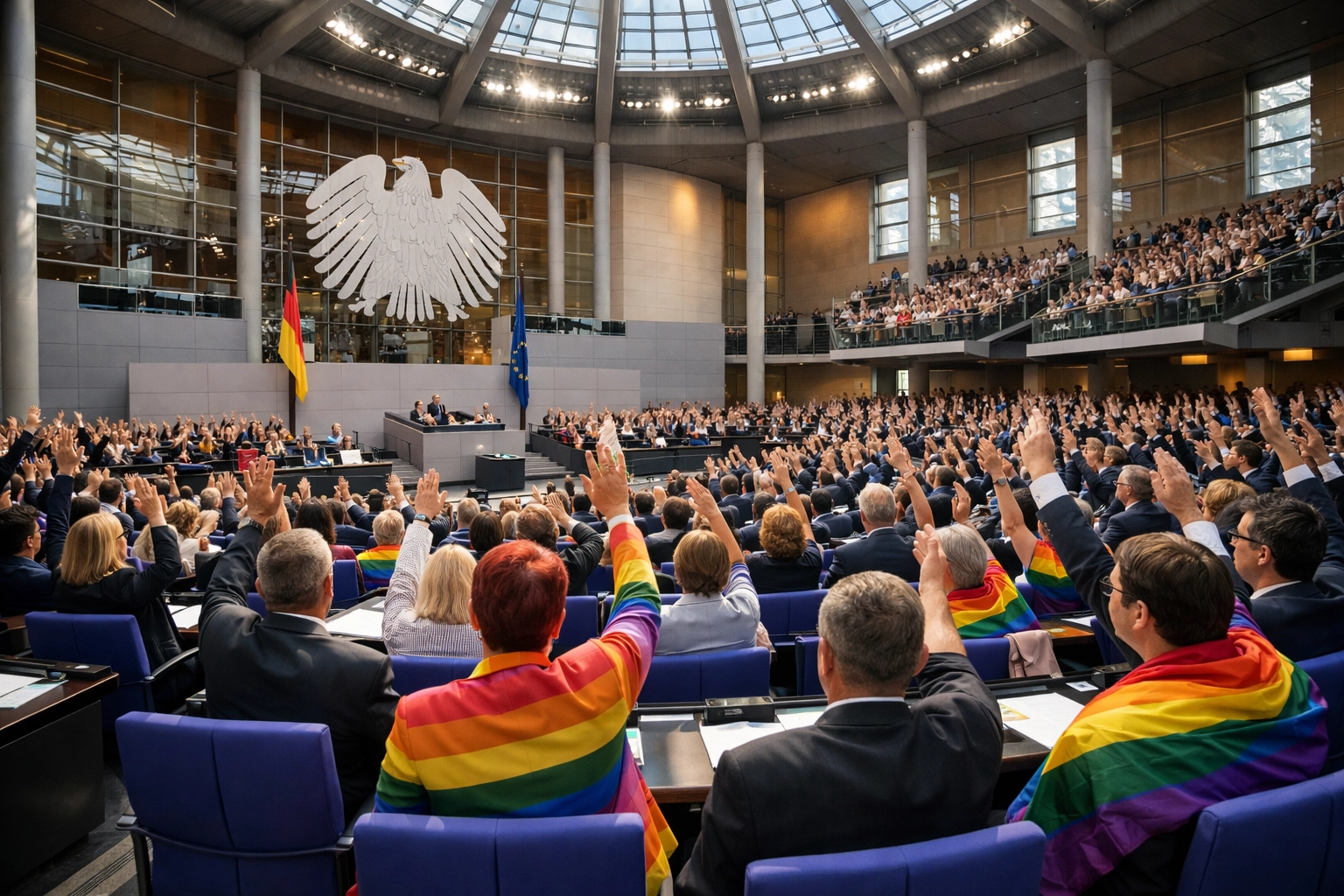
When October 1 rolled around and the law officially took effect, Karl Kreile and Bodo Mende became the first same-sex couple to marry under the new legislation. They'd been together for 38 years. Let that sink in. Nearly four decades of commitment, and they finally got to make it official at Berlin's Schöneberg town hall.
Their wedding wasn't just a personal milestone, it was a national one. In the span of a few months, Germany had transformed from a country that tolerated same-sex relationships to one that fully celebrated them.
Why It Mattered Beyond the Law
Legal recognition is essential, obviously. It affects everything from taxes to hospital visitation rights to adoption. But the cultural impact of marriage equality runs deeper than any of that.
When a country says "yes, you can marry," it's also saying "your love is legitimate." It's telling LGBTQ+ youth that their future relationships deserve the same respect as anyone else's. It's telling older LGBTQ+ people who lived through decades of discrimination that their lives and loves matter.
For MM romance readers and queer fiction fans, Germany's marriage equality victory opened up new storytelling possibilities too. Suddenly, gay romance novels could feature German characters planning weddings, navigating in-laws, and dealing with all the beautiful, mundane complications of married life. Those stories matter. They reflect a reality that didn't legally exist before 2017.

The Bigger Picture
Germany's path to marriage equality wasn't unique, but it was distinctly German, methodical, politically complex, and ultimately decisive. The country went from registered partnerships to full equality in 16 years, which sounds slow until you remember that social change rarely happens overnight.
What made the 2017 victory especially meaningful was how it happened. It wasn't imposed by courts (like in the U.S.) or driven by a referendum (like in Ireland). It came through parliamentary debate and conscience voting. German society had shifted enough that even conservative politicians felt comfortable supporting it.
That's the thing about progress, it builds. Every protest, every conversation, every coming-out story chips away at prejudice until suddenly, the unthinkable becomes inevitable.
Love Won
At its core, Germany's marriage equality law recognized a simple truth: "it is no longer gender that determines whether people can marry… it is love, partnership and the promise to be there for each other in good and bad times."
That's what marriage is supposed to be about, right? Not which pronouns you use or what your birth certificate says, but whether you're committed to building a life with someone. Whether you're ready to show up for each other through the messy, beautiful chaos of existence.
For LGBTQ+ Germans, October 1, 2017, was the day their country finally said: yes, your love counts. Yes, you belong. Yes, you're equal.
And for those of us who love gay romance books, MM fiction, and queer love stories? It's another reminder that the happy endings we read about aren't just fantasy. They're possible. They're real. They're worth fighting for.
Explore more LGBTQ+ stories and perspectives at readwithpride.com
Follow us:
- Facebook: facebook.com/readwithpride
- Instagram: @read.withpride
- X/Twitter: @Read_With_Pride
#MarriageEquality #GermanyPride #LGBTQHistory #EheFürAlle #ReadWithPride #QueerHistory #LoveWins #MMRomance #GayRomanceBooks #LGBTQFiction #QueerFiction #GermanPride #EqualityMatters #LoveIsLove #PrideHistory

Leave a Reply
You must be logged in to post a comment.