

readwithpride.com
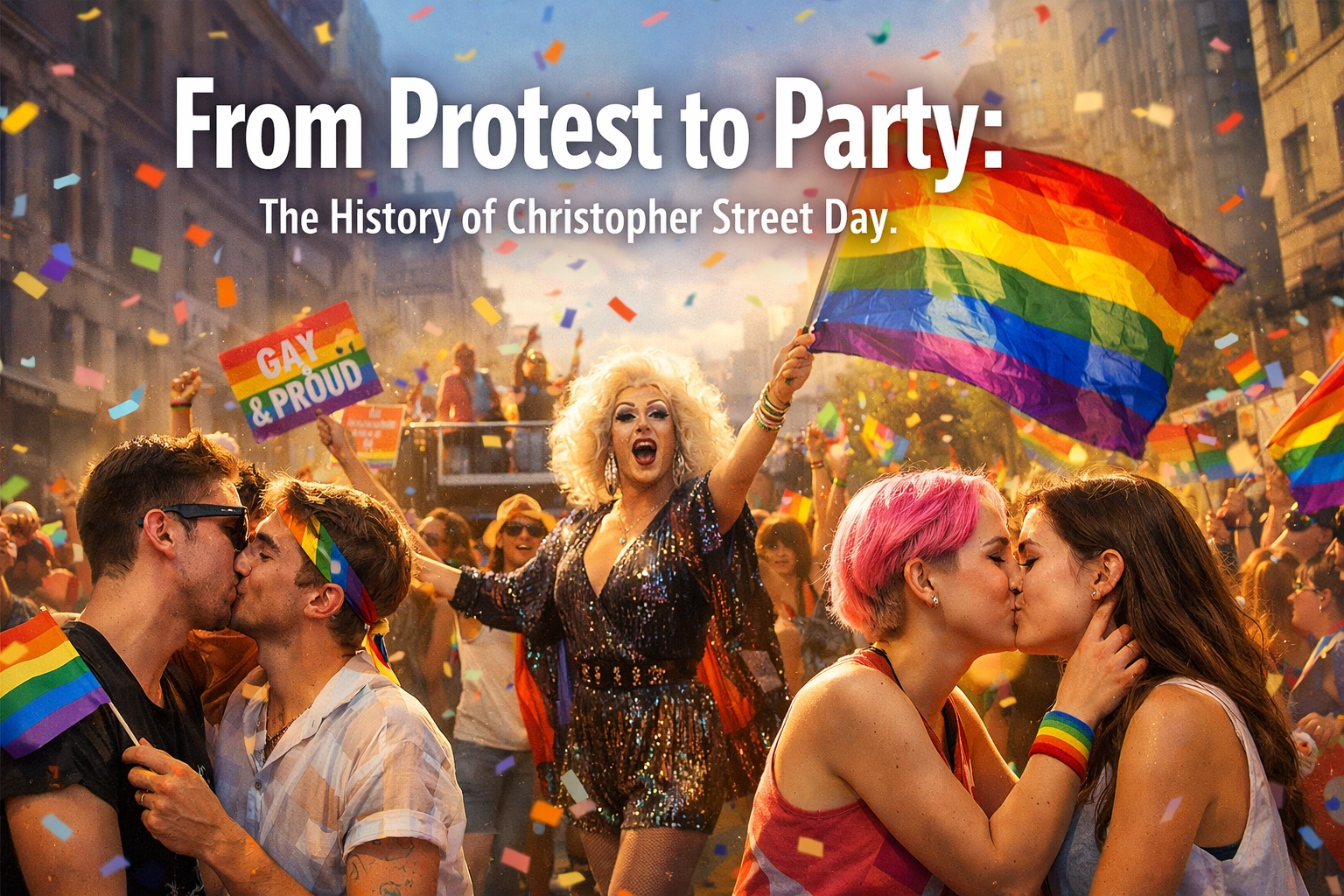
Picture this: it's a sunny Saturday in Berlin, Cologne, or Hamburg. The streets pulse with music, rainbow flags flutter from every balcony, and hundreds of thousands of people dance, march, and celebrate together. This is Christopher Street Day (CSD), Germany's biggest Pride celebration. But here's the thing: what looks like one massive party today actually started as an act of defiance, born from broken glass and bruised bodies on a hot summer night in New York City.
The journey from protest to party is a fascinating one, full of courage, political battles, and the slow but steady march toward acceptance. Let's dive into how Christopher Street Day became what it is today.
The Night That Changed Everything
To understand CSD, we need to travel back to June 28, 1969, and visit a dive bar called the Stonewall Inn on Christopher Street in Greenwich Village, New York. This wasn't just any bar, it was one of the few places where LGBTQ+ folks could gather, dance, and be themselves without judgment. Well, mostly without judgment.
Police raids on gay bars were routine back then. Officers would burst in, demand IDs, arrest people whose gender presentation didn't match their documents, and generally harass patrons just for existing. It was systemic oppression wrapped in a badge. But on that June night, something shifted. When police raided the Stonewall Inn, the patrons fought back.
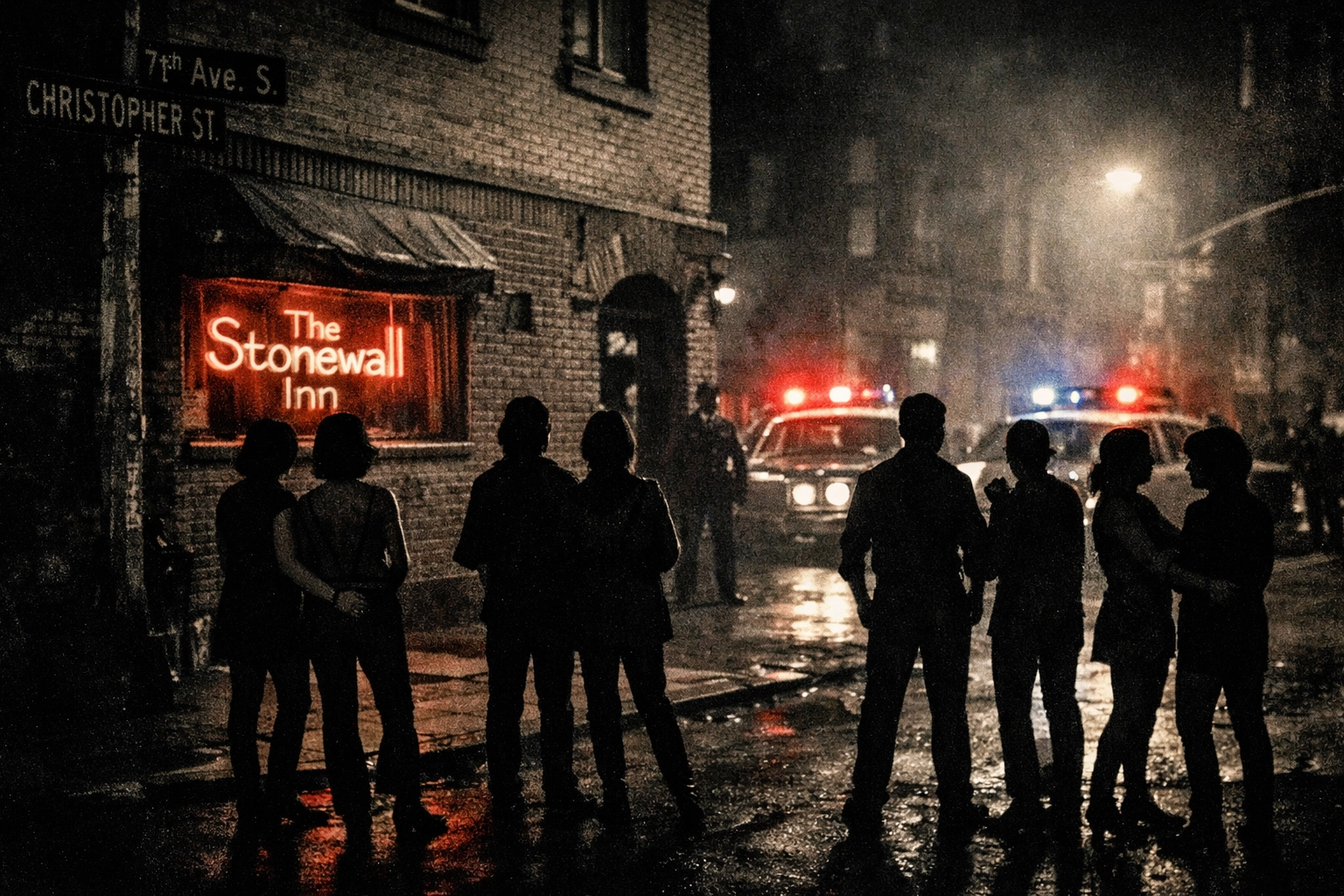
What followed were several days of riots that sparked the modern gay liberation movement. Trans women, drag queens, lesbians, and gay men stood their ground against police brutality. It wasn't pretty, it wasn't planned, but it was necessary. The Stonewall Riots became the flashpoint that said: enough is enough.
The First March: A Statement of Pride
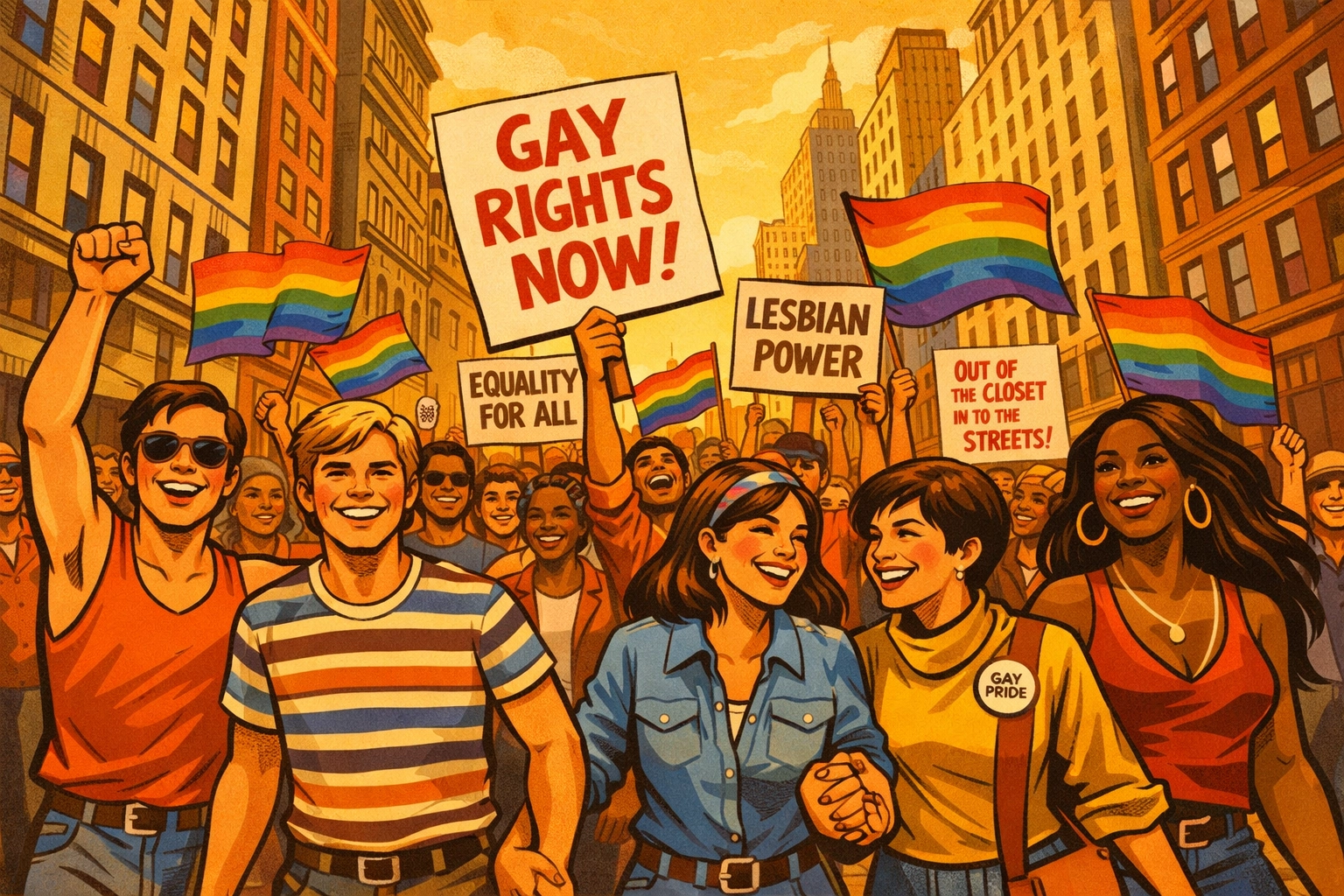
One year after Stonewall, on June 28, 1970, activists organized the first Christopher Street Liberation Day March. It started with just a few hundred brave souls willing to walk openly through New York City streets, but by the time the march reached Central Park, thousands had joined.
This wasn't a parade in the celebratory sense we know today. It was a political act. Organizers deliberately called the lead-up "Gay Pride Week," and the march itself was framed as a declaration: we're here, we're queer, and we're not going anywhere. Despite political disagreements within the community, diverse gay groups came together "to affirm our pride, our lifestyle and our commitment to each other."
The energy was contagious. Within months, similar marches popped up in Chicago, San Francisco, and Los Angeles. The movement was spreading, and it wouldn't be long before it crossed the Atlantic.
CSD Comes to Germany
Fast forward to 1979. While the American gay rights movement was gaining momentum, Germany was still grappling with its own oppressive laws. That year, the first Christopher Street Day demonstrations took place in Berlin and Bremen. Attendance? Just a few hundred people. But those few hundred were mighty.
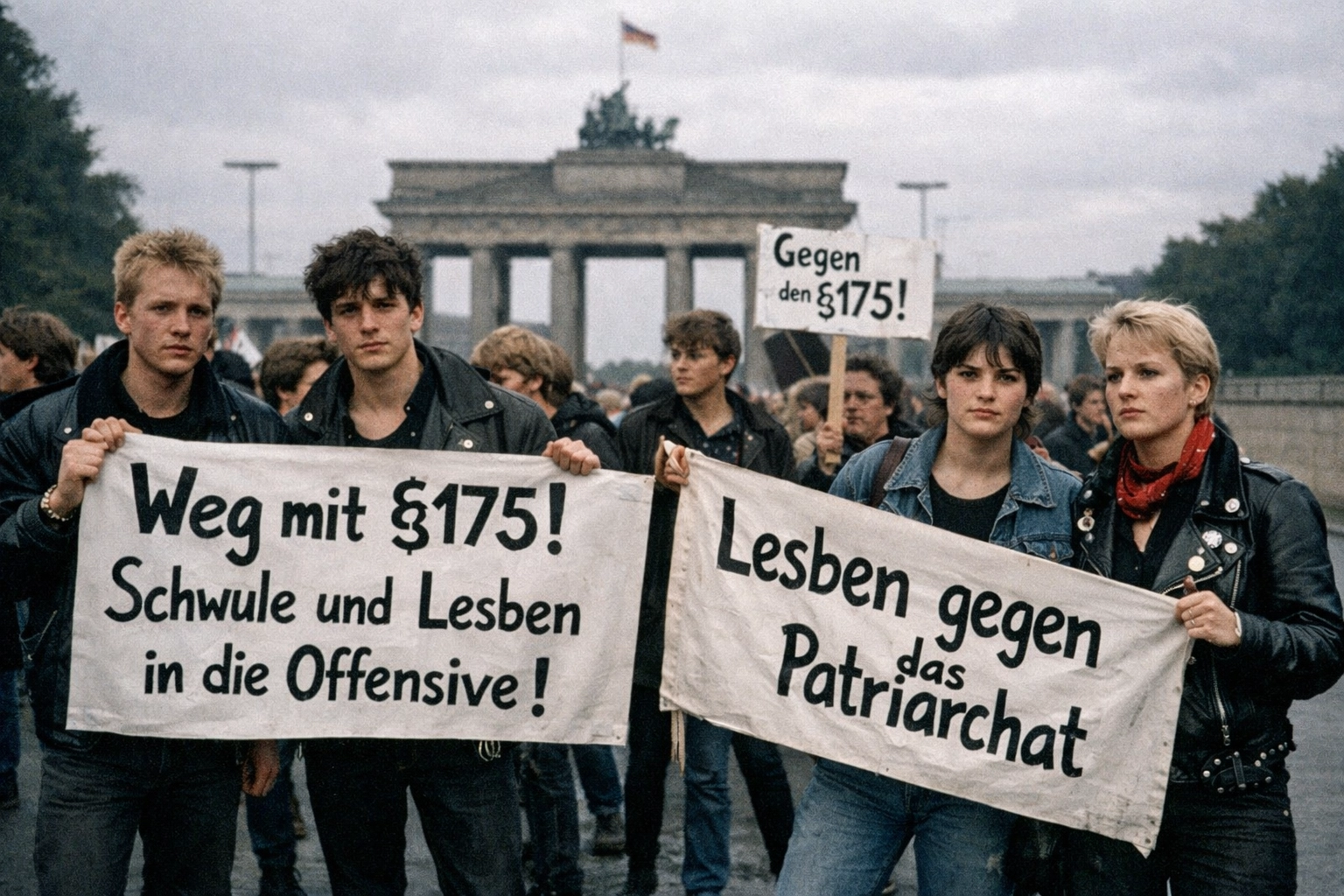
The German CSD movement had a specific target in its sights: Paragraph 175 of the German Criminal Code. This law, which dated back to 1871 and was actually strengthened during the Nazi era, criminalized homosexual acts between men. Yes, you read that right, being gay was literally illegal in Germany until shockingly recently.
Early CSD marchers in Germany weren't just celebrating; they were demanding legislative change. They were fighting for the right to exist without fear of arrest, prosecution, or imprisonment. The atmosphere was tense, political, and absolutely necessary.
The Long Fight for Legal Recognition
Paragraph 175 is worth dwelling on for a moment because it shaped the entire character of German CSD events for decades. Under this law, thousands of gay men were prosecuted, imprisoned, and had their lives destroyed simply for loving who they loved. The Nazi regime used it to send gay men to concentration camps, where many died. Even after World War II, the law remained on the books in West Germany.
CSD demonstrations throughout the 1980s and early 1990s kept the pressure on. Activists gave speeches, politicians were challenged, and every march became a public demand for repeal. Finally, in 1994, Paragraph 175 was abolished. It had taken over a century, but the law that had caused so much suffering was gone.
This victory fundamentally changed the nature of CSD. While the fight for equality was far from over, this massive legal milestone allowed the celebrations to breathe a little easier, to incorporate more joy alongside the activism.
The Transformation: Politics Meets Party
Here's where things get interesting, and a bit complicated. As Germany's LGBTQ+ rights improved and societal acceptance grew, CSD events began to evolve. What started as purely political demonstrations transformed into something dual-natured: part protest, part celebration.
Modern Christopher Street Day events in Germany are explicitly designed to serve both purposes. Yes, there are political speeches. Yes, there are demands for further equality (marriage equality didn't come to Germany until 2017, and trans rights remain a hot topic). Yes, politicians attend and make promises. But there's also dancing, music, elaborate floats, and an atmosphere that's been compared to carnival processions or techno parades.
Some activists have mixed feelings about this evolution. Has CSD become too commercialized? Too focused on partying and not enough on politics? These are valid questions that get debated within the community every year. But there's also something powerful about reclaiming joy, about celebrating openly in spaces where our predecessors were arrested just for existing.
CSD Goes Mainstream
Today's Christopher Street Day celebrations in Germany are absolutely massive. Berlin Pride, Cologne Pride, and Hamburg Pride attract hundreds of thousands: sometimes over a million: participants and spectators. When Cologne hosted Europride in 2002, 1.2 million people showed up. That's not a typo. Over a million people came together to celebrate LGBTQ+ pride in one city.
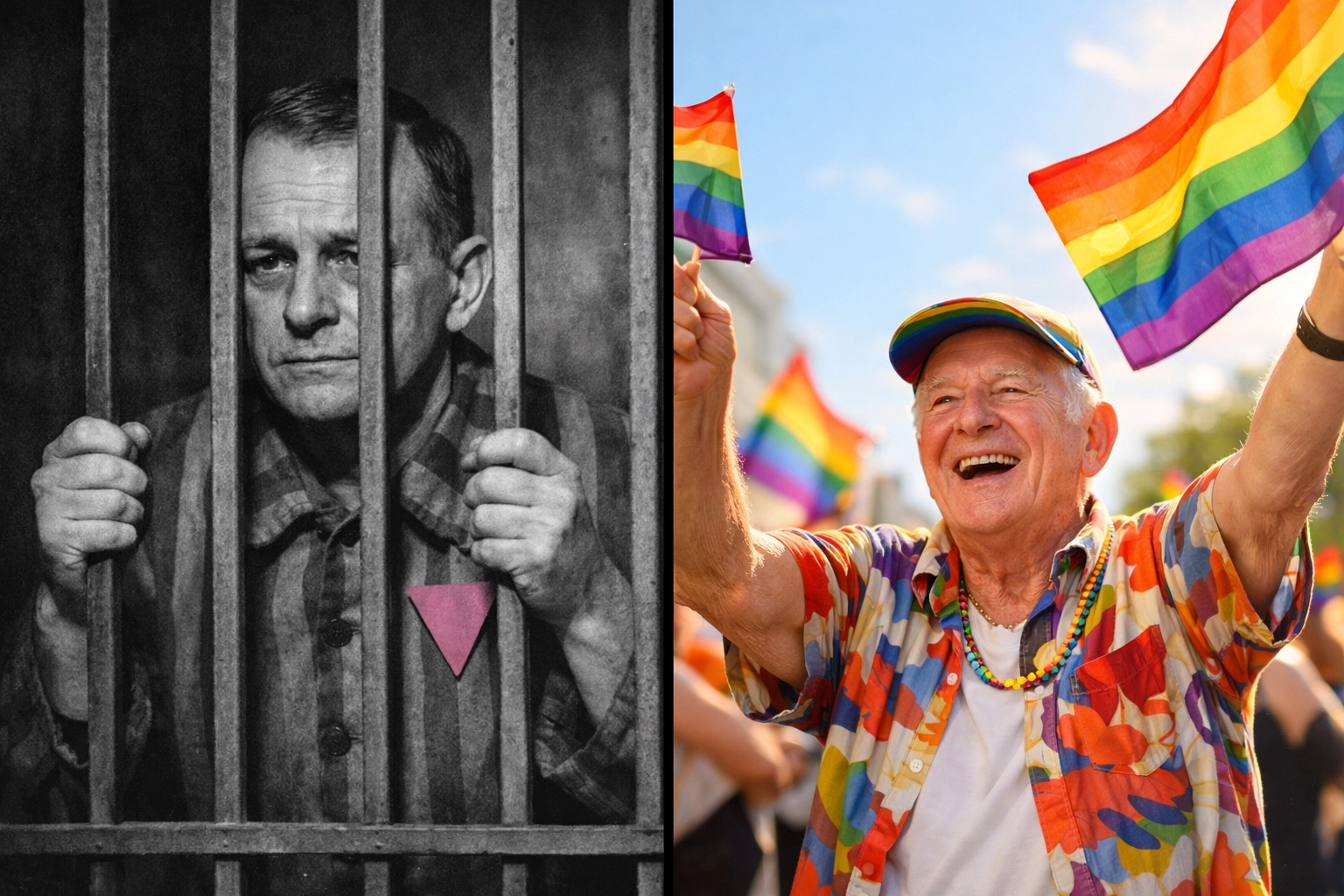
The events have also spread out calendar-wise. Rather than all clustering around the historic June 28 date, different German cities host their CSD celebrations throughout the summer months, from June through August. This logistical shift allows more people to attend multiple events and gives each city its own moment in the spotlight.
Corporate sponsors now line the parade routes. International brands want rainbow-colored visibility. Politicians from major parties march alongside activists. It's become mainstream in a way that would have been unimaginable to those first few hundred marchers in Berlin and Bremen in 1979.
What CSD Means Today
So what's the verdict? Is Christopher Street Day still meaningful, or has it lost its radical edge?
The truth is nuanced. CSD remains politically relevant: each year brings new themes addressing current LGBTQ+ rights issues, from asylum for queer refugees to trans healthcare access to combating rising homophobia in parts of Europe. The speeches, the slogans, the demands for equality: they're all still there.
But CSD is also a celebration, and that matters too. For young LGBTQ+ people growing up in Germany today, these events provide visibility, community, and affirmation that previous generations could only dream of. For older activists who fought through the dark days of Paragraph 175, seeing millions of people celebrate openly represents a hard-won victory.
The party and the protest aren't mutually exclusive. They're two sides of the same coin: claiming public space, demanding recognition, and celebrating survival and joy in equal measure.
Reading Our Way Through History
Understanding LGBTQ+ history helps us appreciate how far we've come and how far we still need to go. At Read with Pride, we believe in the power of stories: both real and fictional: to connect us to our community's past and imagine our future. Whether you're into MM romance books, queer historical fiction, or contemporary gay novels, reading with pride means honoring those who fought before us.
From the brave souls at Stonewall to the activists who marched for the repeal of Paragraph 175, from the first tentative German CSD to today's million-person celebrations: this is our history. And it's worth celebrating, learning about, and continuing to fight for.
So next time you're dancing at a Pride event, take a moment to remember: every rainbow flag, every public kiss, every open celebration stands on the shoulders of people who risked everything just to be seen.
Want to explore more LGBTQ+ stories and history? Check out our collection of gay romance novels and MM fiction that celebrate our community's diverse experiences.
Follow us for more LGBTQ+ content:
- Facebook: Read with Pride
- Instagram: @read.withpride
- Twitter/X: @Read_With_Pride
#ReadWithPride #ChristopherStreetDay #CSD #LGBTQHistory #PrideHistory #GermanPride #StonewallRiots #LGBTQRights #MMRomance #GayBooks #QueerHistory #PrideMonth #BerlinPride #ColognePride #GayRomanceBooks #LGBTQCommunity

Leave a Reply
You must be logged in to post a comment.