

readwithpride.com
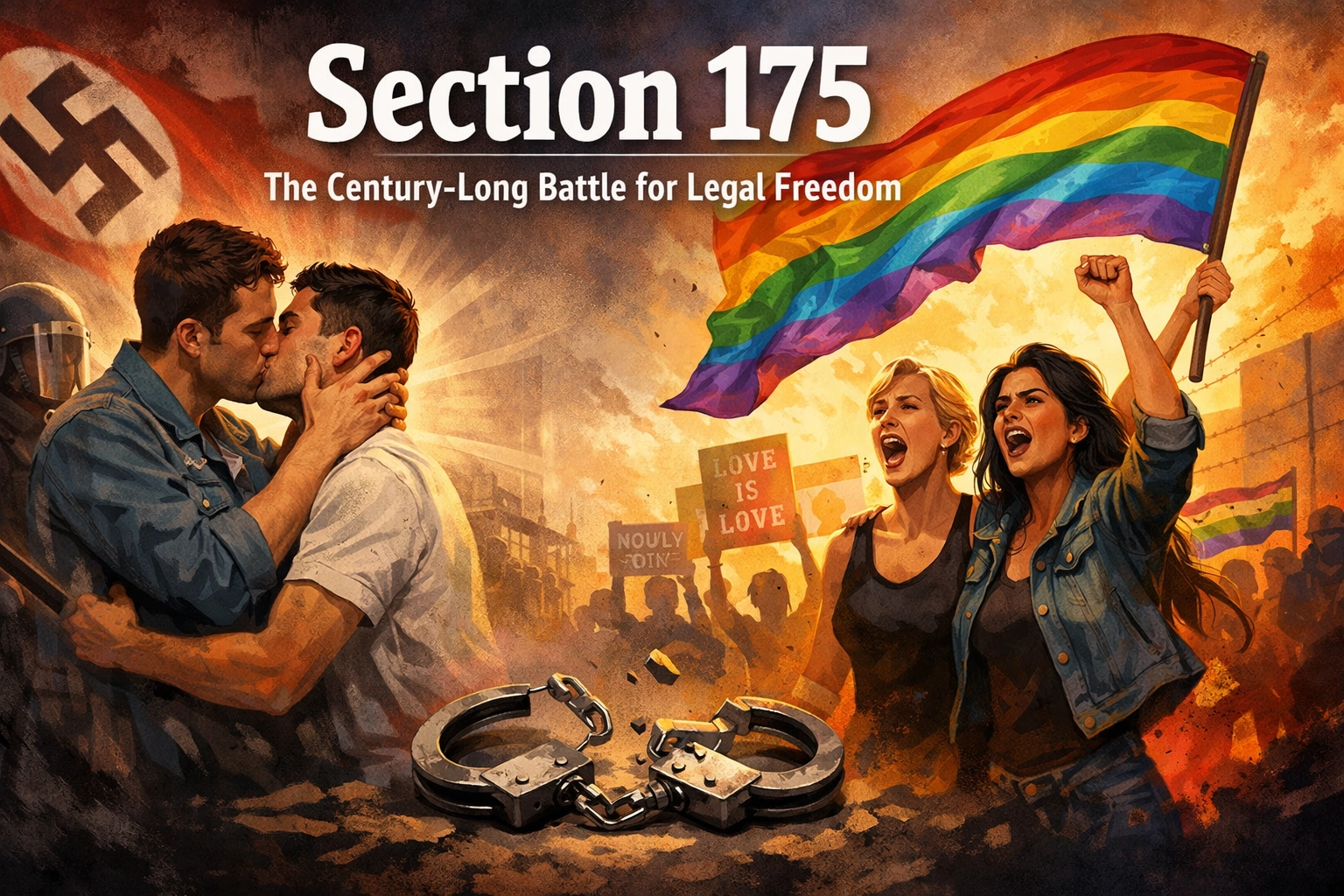
When we talk about LGBTQ+ history, it's easy to focus on the celebrations, the first pride marches, the legal victories, the moments when love finally won. But there's another side to our story, one that's darker and harder to face. For over a century, one law in Germany cast a shadow over countless lives, destroyed futures, and turned love into a crime. That law was Paragraph 175, and its story is one we need to remember.
The Birth of Legal Persecution
Picture this: it's 1871, and Germany has just unified as an empire. Along with creating a new nation, lawmakers codified a criminal statute that would haunt gay men for more than 123 years. Paragraph 175 didn't come out of nowhere, it built on Prussian legal traditions dating back to 1794. The law was simple, brutal, and devastatingly effective: sexual relations between men were now officially criminal.
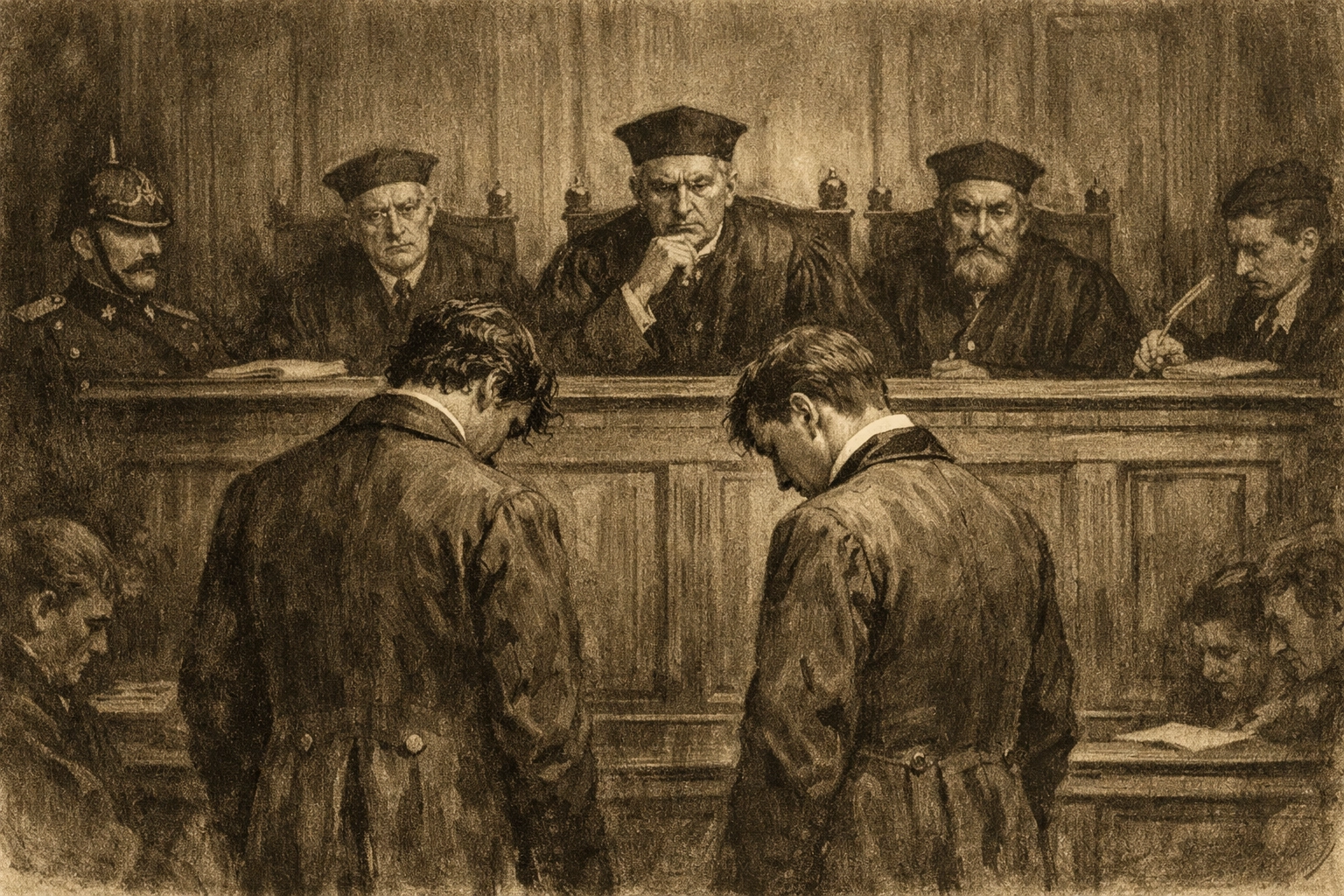
In its early years, courts interpreted the law narrowly. Prosecutors needed substantial evidence of "intercourse-like" acts to secure a conviction. It was still terrible, but at least there were some limits. Even with these restrictions, approximately 140,000 men would be convicted under this law before it was finally abolished. Let that number sink in. That's 140,000 lives upended, careers destroyed, families torn apart, all for the crime of loving someone.
A Glimmer of Hope, Then Darkness
Here's where the story gets interesting, and heartbreaking. By the 1890s, brave sexual reformers started pushing back against what they called the "disgraceful paragraph." They weren't alone, either. Major political figures like August Bebel of the Social Democratic Party joined the cause. Momentum built slowly but surely through the early 20th century.
Then came 1929, a watershed moment. A Reichstag Committee actually voted to repeal the law, with support from the Social Democrats, Communist Party, and German Democratic Party. Can you imagine? Germany was on the verge of becoming one of the first nations to decriminalize homosexuality. Progressive, forward-thinking, decades ahead of its time.
But history had other plans. The rise of the Nazi Party didn't just halt progress, it reversed it catastrophically.
The Nazi Years: When Bad Became Worse
In 1935, the Nazis took Paragraph 175 and turned it into a weapon of mass persecution. They didn't just tweak the law; they fundamentally transformed it. What had been a misdemeanor became a felony. Maximum sentences jumped from six months to five years in prison. But the real horror wasn't just in the harsher penalties, it was in how easily men could now be convicted.
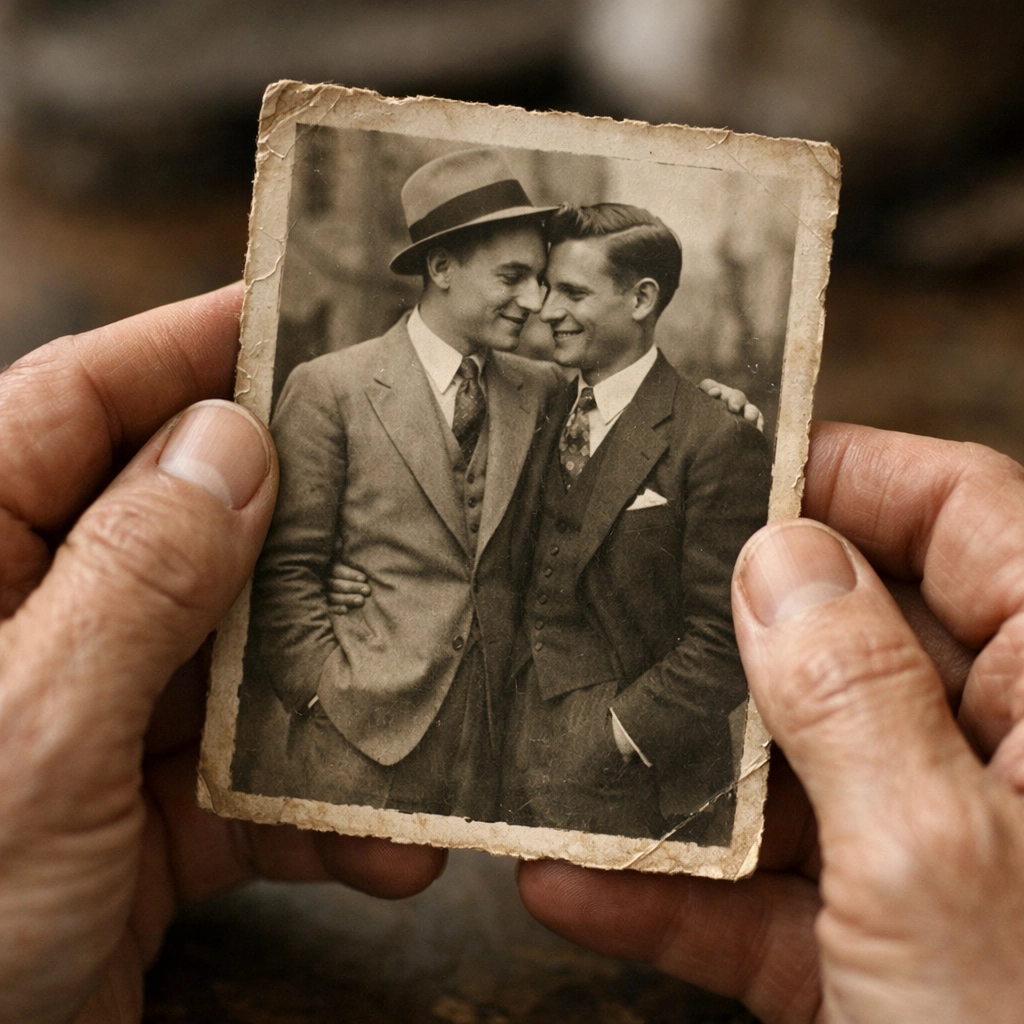
The Nazis eliminated the requirement for proving "intercourse-like" acts. Suddenly, gossip could get you arrested. A letter could land you in prison. Even innocent physical contact between men became grounds for prosecution. The regime created Paragraph 175a to cover "qualified cases", sexual coercion, relations with subordinates, or relationships with men under 21, with penalties of up to ten years.
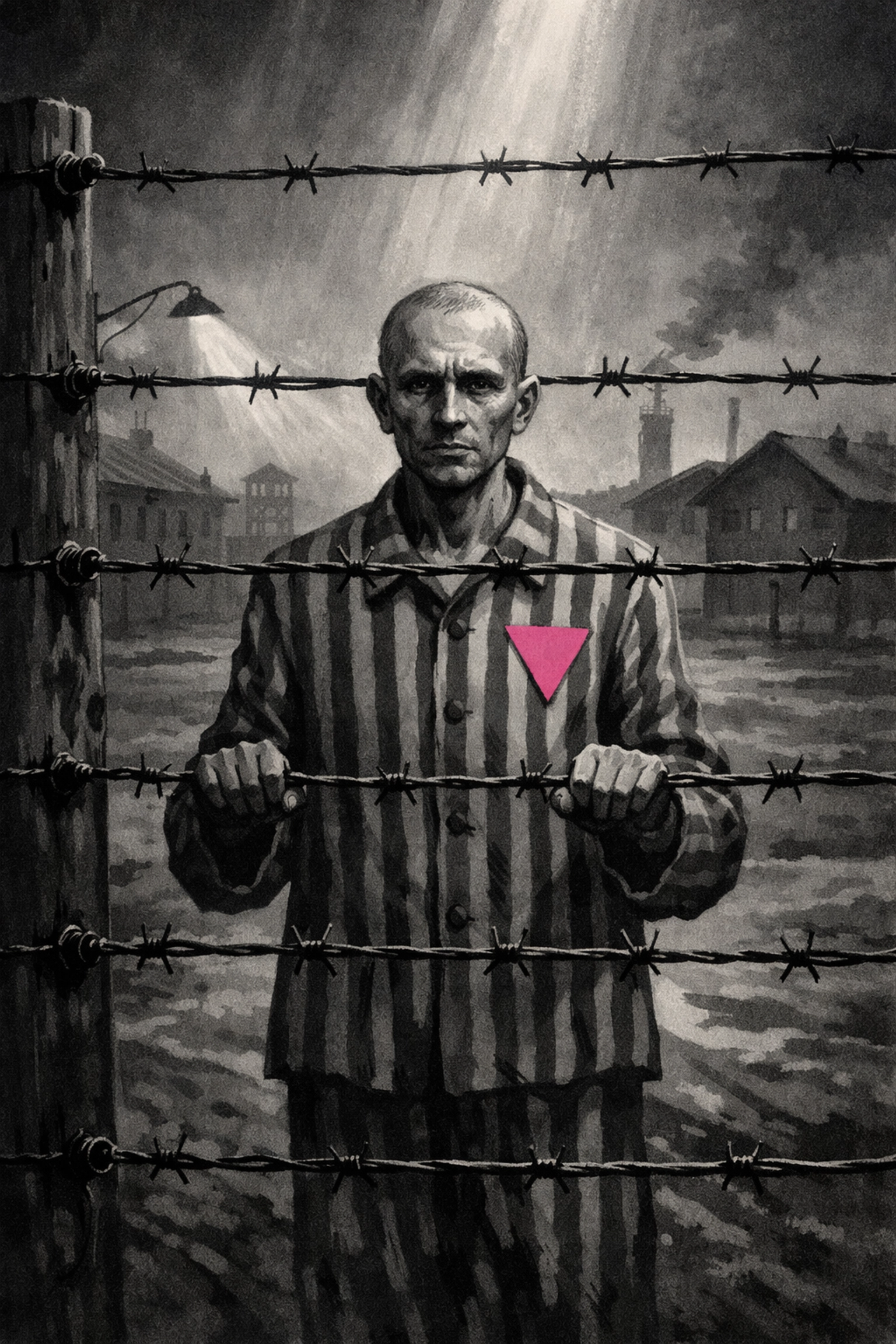
Tens of thousands of investigations followed. Men were dragged from their homes, their lives, their families. Many ended up in concentration camps, forced to wear pink triangles that marked them as gay. While we often talk about the Holocaust's impact on Jewish people, Roma, and other groups, the persecution of gay men under the Nazis remains one of history's most under-recognized atrocities.
A Tale of Two Germanys
After World War II ended in 1945, you'd think Germany would want to distance itself from Nazi laws, right? Well, here's where things get complicated, and frankly, infuriating.
East Germany actually took the progressive route. They adopted the narrower 1871 version of the law in 1952, stopped enforcing it in 1957, and fully abolished Paragraph 175 in 1968. Meanwhile, West Germany, the supposedly democratic, Western-aligned half, kept using the Nazi's 1935 version. Let that irony sink in for a moment.
Between 1949 and 1969, West Germany arrested approximately 100,000 men under this Nazi-era law, with about 59,000 convicted. Two decades after defeating fascism, West Germany was still using fascist legislation to persecute its own citizens.
Slow Steps Toward Justice
Change came gradually, painfully slowly. In 1969, West Germany finally reformed the law, raising the age of criminal liability for homosexual acts to 21 (while heterosexual sex remained legal at 14, because that makes total sense). Progress, I guess, but deeply discriminatory progress.
The real breakthrough happened on November 23, 1973. The social-liberal coalition government renamed the statute from "Crimes against morality" to "Offenses against sexual self-determination" and kept only provisions protecting minors. It wasn't perfect, but at least the law's focus shifted from criminalizing consensual adult relationships to protecting vulnerable young people.
Still, Paragraph 175 remained on the books, a ghost of persecution past haunting modern Germany.
The Final Chapter
When the Berlin Wall fell in 1989 and Germany prepared for reunification, legislators faced a choice: extend West Germany's revised law to the East, or abolish the statute entirely. After more than a century of legal persecution, after 140,000 convictions, after countless lives destroyed, Germany finally made the right call.
On March 10, 1994, Paragraph 175 was struck entirely from the German legal code. Not reformed, not revised, abolished. It was over.
But here's the thing about historical injustice: the damage doesn't disappear when you repeal the law that caused it. Survivors of Nazi persecution under Paragraph 175 weren't granted restitution like other Holocaust survivor groups. Many fought for decades just for official recognition of the suffering they endured. Some never received it.
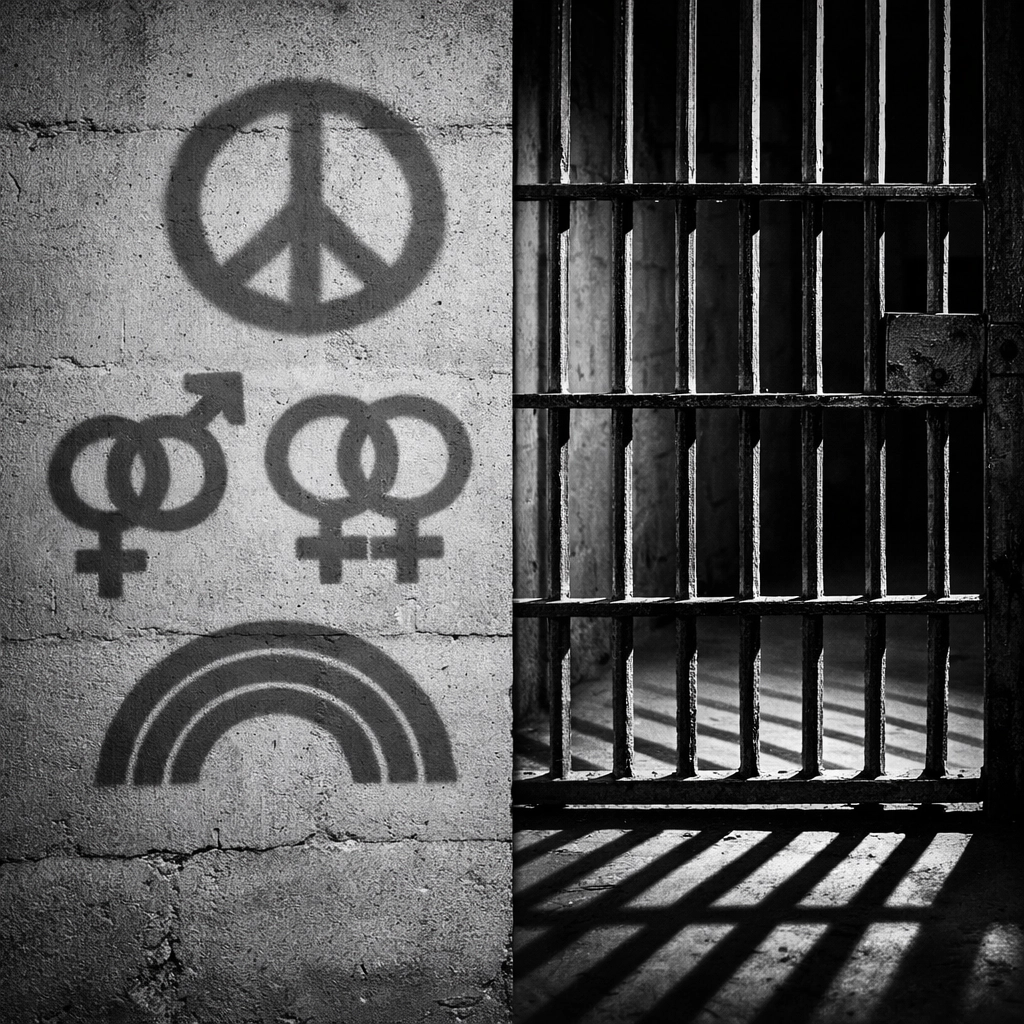
Why This History Matters
If you're reading this on Read with Pride, you probably love gay romance books and MM fiction, stories where queer characters get happy endings, where love conquers all, where being gay isn't a tragedy. Those stories matter. They're powerful, necessary, and beautiful.
But we also need to remember the real history behind why those stories are so important. For 123 years, loving another man was literally illegal in Germany. Men went to prison, to concentration camps, to their deaths for the "crime" of being who they were. Understanding that history makes every gay love story, every MM romance novel, every queer fiction book we read today an act of defiance and celebration.
The next time you pick up one of those heartfelt gay novels or steamy MM romance books, remember: our community fought for over a century just for the right to exist. Every gay love story we tell now is a victory they helped win.
Moving Forward
Today's LGBTQ+ community stands on the shoulders of those who suffered under laws like Paragraph 175. When we read contemporary gay romance or explore historical MM fiction set in different eras, we're engaging with a heritage of resistance, survival, and ultimately, triumph.
The story of Paragraph 175 reminds us why representation in literature matters so much. Why we need diverse gay fiction, authentic queer authors, and stories that reflect the full spectrum of LGBTQ+ experiences, including the painful parts of our history.
So yeah, read those bestselling MM romance books. Devour that gay fantasy romance series. Lose yourself in whatever gay contemporary fiction speaks to your heart. But also remember the real people who fought so we could have these stories. Remember the 140,000 men convicted, the countless others who lived in fear, and the decades-long battle for legal freedom that finally ended on a March day in 1994.
Their struggle is our story. Their victory is our inheritance. And their memory is our responsibility.
Want to explore more LGBTQ+ history and discover incredible gay romance books? Visit us at readwithpride.com and follow our journey on Facebook, Instagram, and Twitter/X.
#LGBTQHistory #GayHistory #Paragraph175 #GermanHistory #QueerHistory #ReadWithPride #MMRomance #GayRomance #LGBTQBooks #GayFiction #QueerFiction #MMBooks #GayLiterature #LGBTQPride #NeverForget #HistoricalGayRomance #GayRomanceBooks #LGBTQCommunity #QueerReading #GayBookClub

Leave a Reply
You must be logged in to post a comment.