

readwithpride.com
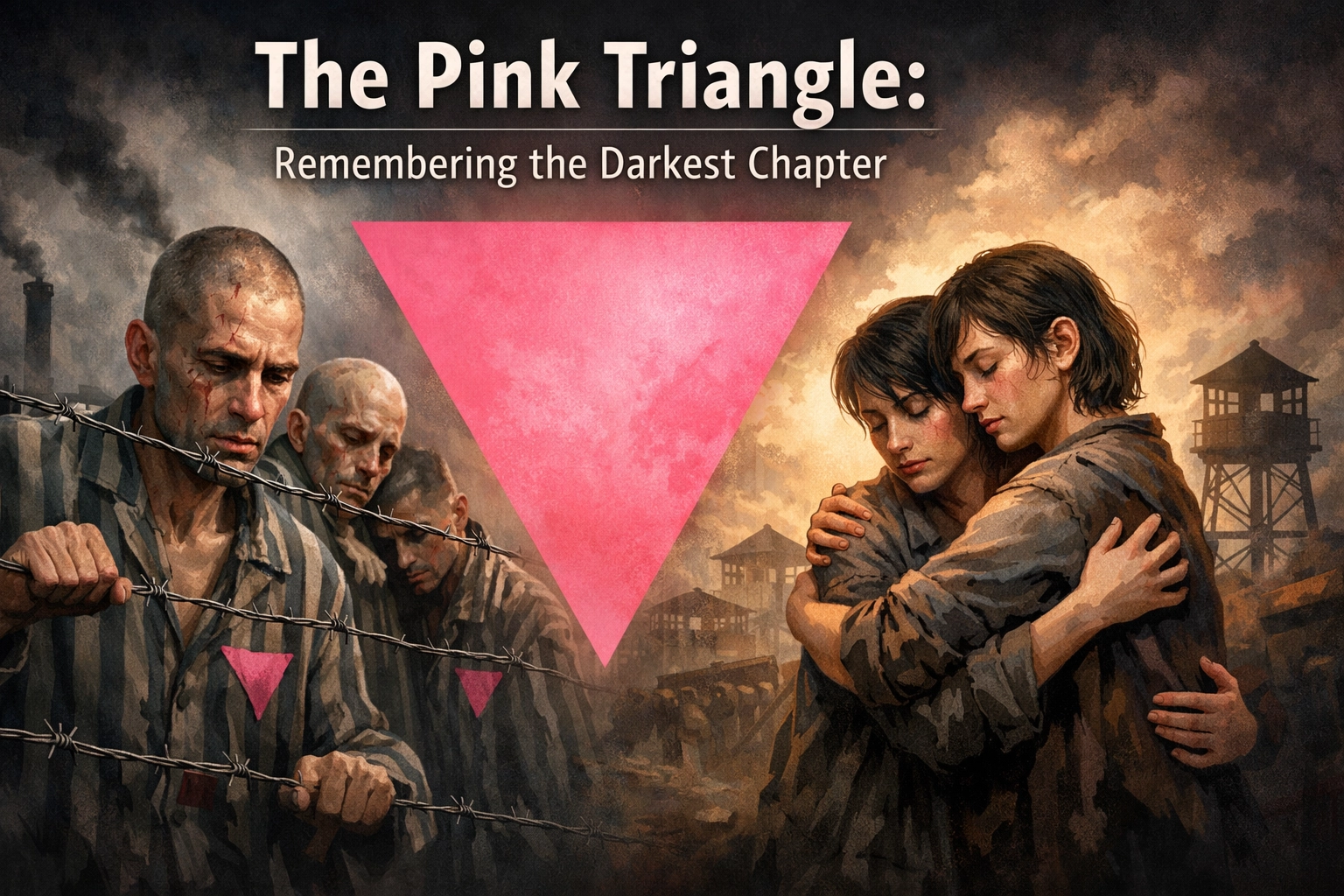
Today, when we see the pink triangle at Pride marches or on rainbow flags, it stands as a defiant symbol of resilience. But its origins tell one of the most harrowing stories in LGBTQ+ history, a chapter we cannot, and must not, forget.
A Symbol Born from Persecution
The pink triangle wasn't chosen by our community. It was forced upon us. During the Holocaust, Nazi concentration camps used this inverted triangle to identify and mark gay men as prisoners, singling them out for systematic brutalization that ranks among history's darkest persecutions. While the exact numbers remain tragically incomplete due to destroyed records, historians estimate that approximately 10,000 gay men were officially incarcerated under this classification, though the true number was likely much higher.
What made this persecution particularly insidious was how it built upon existing laws. The Nazis didn't create homophobia from scratch; they weaponized it.
Paragraph 175: The Legal Foundation of Horror
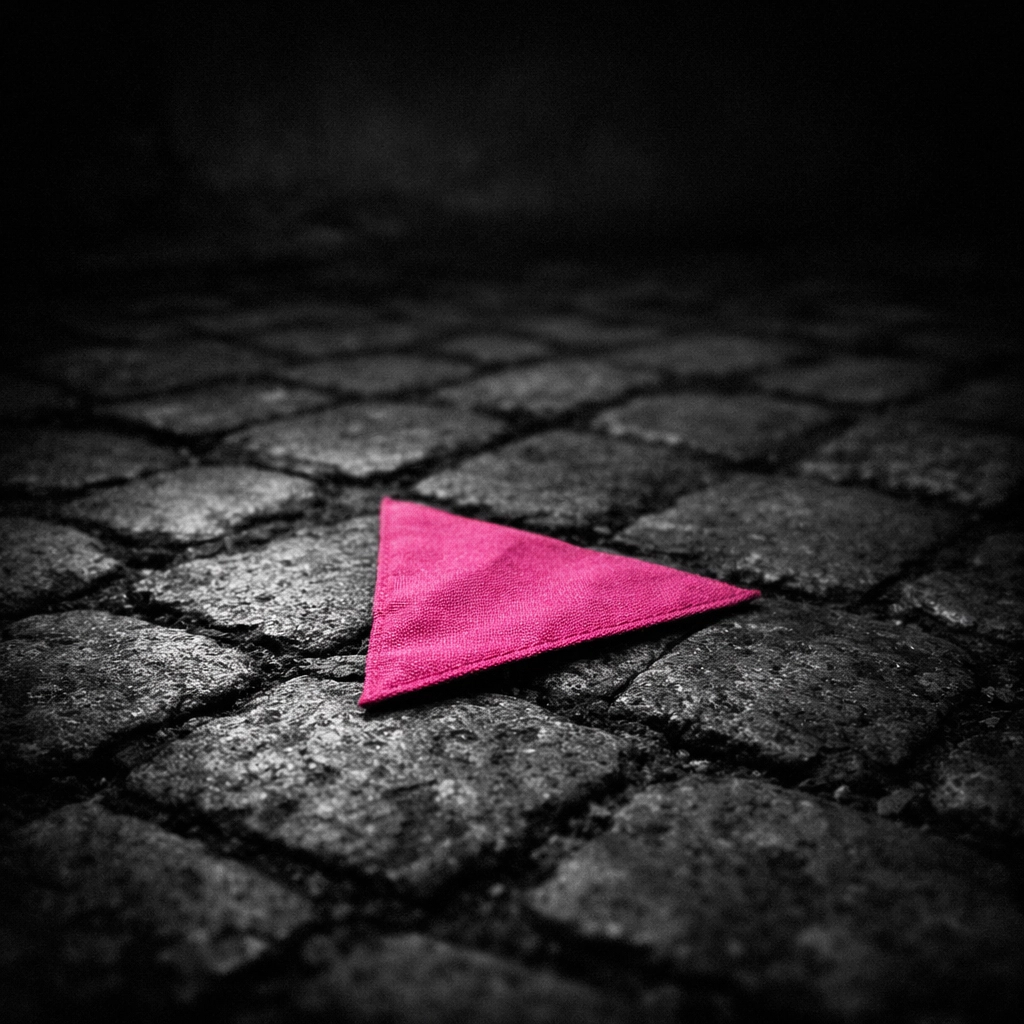
The groundwork was laid decades before Hitler's rise. Paragraph 175 of the 1871 German criminal code had already criminalized same-sex acts between men, but when the Nazi Party seized power in the early 1930s, they saw an opportunity. In 1935, under Heinrich Himmler's leadership, they rewrote and dramatically strengthened the law, casting a wider net that could ensnare men based on something as simple as a look or a letter.
By 1936, the Reich Central Office for the Combating of Homosexuality and Abortion was established, yes, they paired the two together: creating a bureaucratic machine dedicated to surveillance, arrest, and persecution. Thousands of men were rounded up, often without trial, and sent first to prisons before being transferred to labor and concentration camps.
The message was clear: gay men were enemies of the state, threats to the "master race," and their very existence needed to be erased.
Inside the Camps: A Hierarchy of Suffering
Not all concentration camp prisoners faced the same horrors, though all endured unspeakable suffering. Pink triangle prisoners, however, occupied the lowest rung of the camp hierarchy: and that position was deliberately engineered to ensure their destruction.
Upon arrival at camps like Sachsenhausen, new gay prisoners were subjected to immediate, ritualized brutalization. Survivors later testified to being forced to stand naked in freezing snow while SS guards beat them with clubs if they dared cry out. The cruelty was the point.
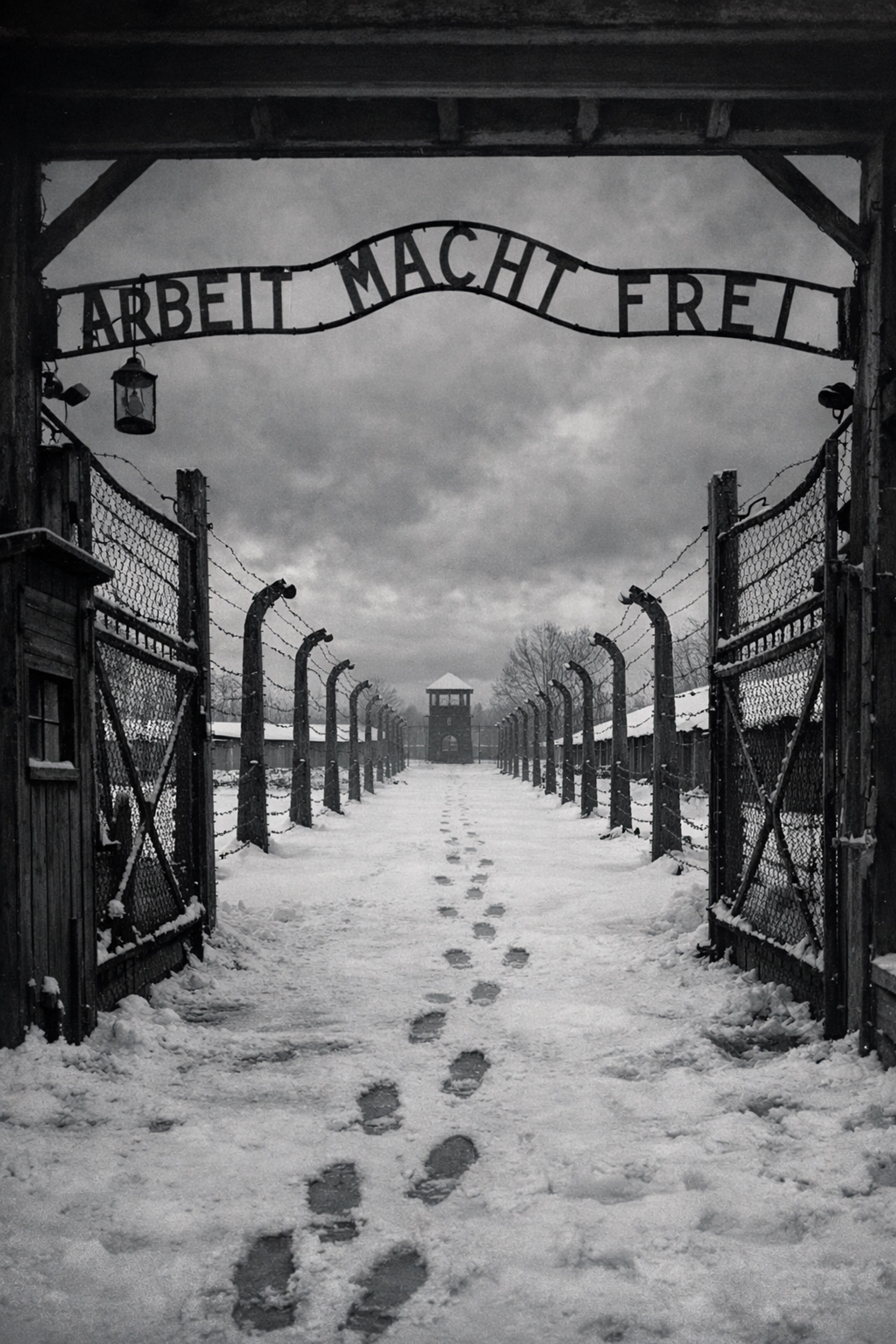
Daily life involved deliberate humiliation designed to break the spirit. Prisoners were forced to sleep with their hands outside their blankets to prevent masturbation. Their work assignments were intentionally degrading: one documented task involved shoveling snow from one side of a street to the other, then back again, endlessly: Sisyphean torture with no purpose except suffering.
Pink triangle prisoners were also isolated in separate blocks: Block 35 at Sachsenhausen, for instance: which barred them from life-saving jobs in kitchens or administrative positions. While political prisoners or Jehovah's Witnesses might find protective roles that offered access to food or warmth, gay men were deliberately relegated to the most brutal, exposed labor.
Death by Design
The statistics are chilling. Pink triangle prisoners suffered a higher mortality rate than political prisoners and Jehovah's Witnesses. This wasn't random; it was engineered genocide.
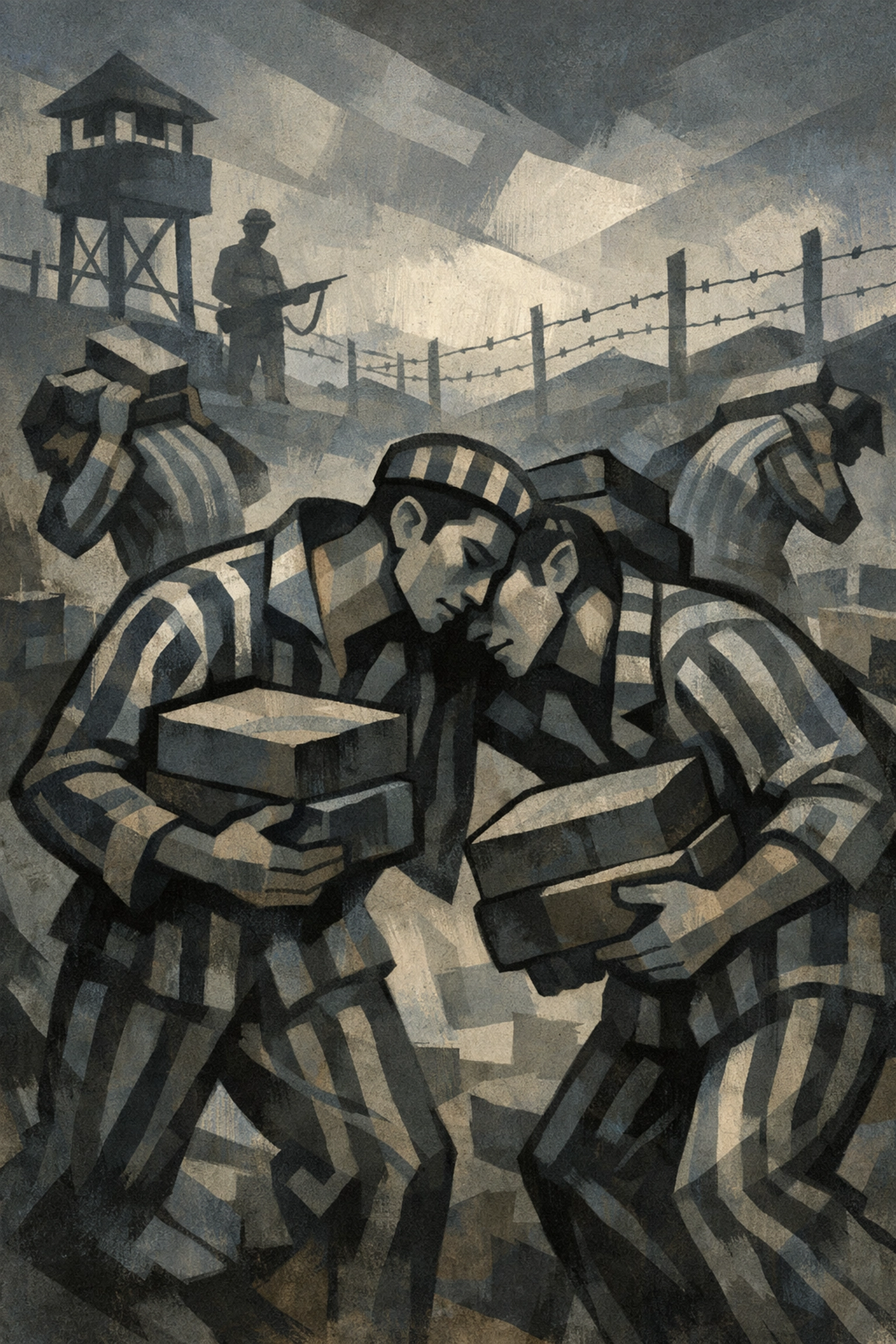
The Klinkerworks concrete factory, a satellite camp of Sachsenhausen, became particularly deadly. Gay prisoners were sent there to melt clay in extreme heat and move bricks: backbreaking labor that proved fatal for malnourished, exhausted men. One survivor recounted that two-thirds of his fellow prisoners died within just two months. A postwar guard testimony was even more damning: "I am aware homosexuals had no chance of survival, and that orders were given to kill them."
Beginning in November 1942, concentration camp commandants were officially authorized to order the forced castration of pink triangle prisoners: a final, horrifying attempt to erase not just individuals but the very possibility of gay desire.
The Unbearable Weight of Isolation
Perhaps one of the most devastating aspects of the pink triangle prisoners' experience was their profound isolation. Unlike other prisoner groups who could band together for mutual support and survival, gay men were shunned even by fellow inmates. Fear of guilt-by-association meant that other prisoners kept their distance, leaving pink triangle wearers isolated and powerless.
This social isolation had deadly practical consequences. In concentration camps, survival often depended on networks: access to smuggled food, extra clothing, information about upcoming "selections." Pink triangle prisoners, cut off from these lifelines, faced starvation and exposure at higher rates.
Research from Camilo José Cela University in Madrid revealed a heartbreaking statistic: the suicide rate among gay prisoners at Sachsenhausen was ten times greater than that of the general camp population. When hope dies, so does the will to survive.
After Liberation: Continued Persecution
The horror didn't end with liberation. While Allied forces freed the camps in 1945, Paragraph 175 remained on the books in West Germany until 1969: and wasn't fully repealed until 1994. Gay men who survived the concentration camps found themselves re-arrested, their testimony dismissed, their suffering unacknowledged. For decades, pink triangle survivors were excluded from Holocaust remembrance ceremonies and denied reparations.
The silence was deafening. The mainstream historical narrative of the Holocaust initially overlooked gay victims entirely, their stories erased a second time through institutional forgetting.
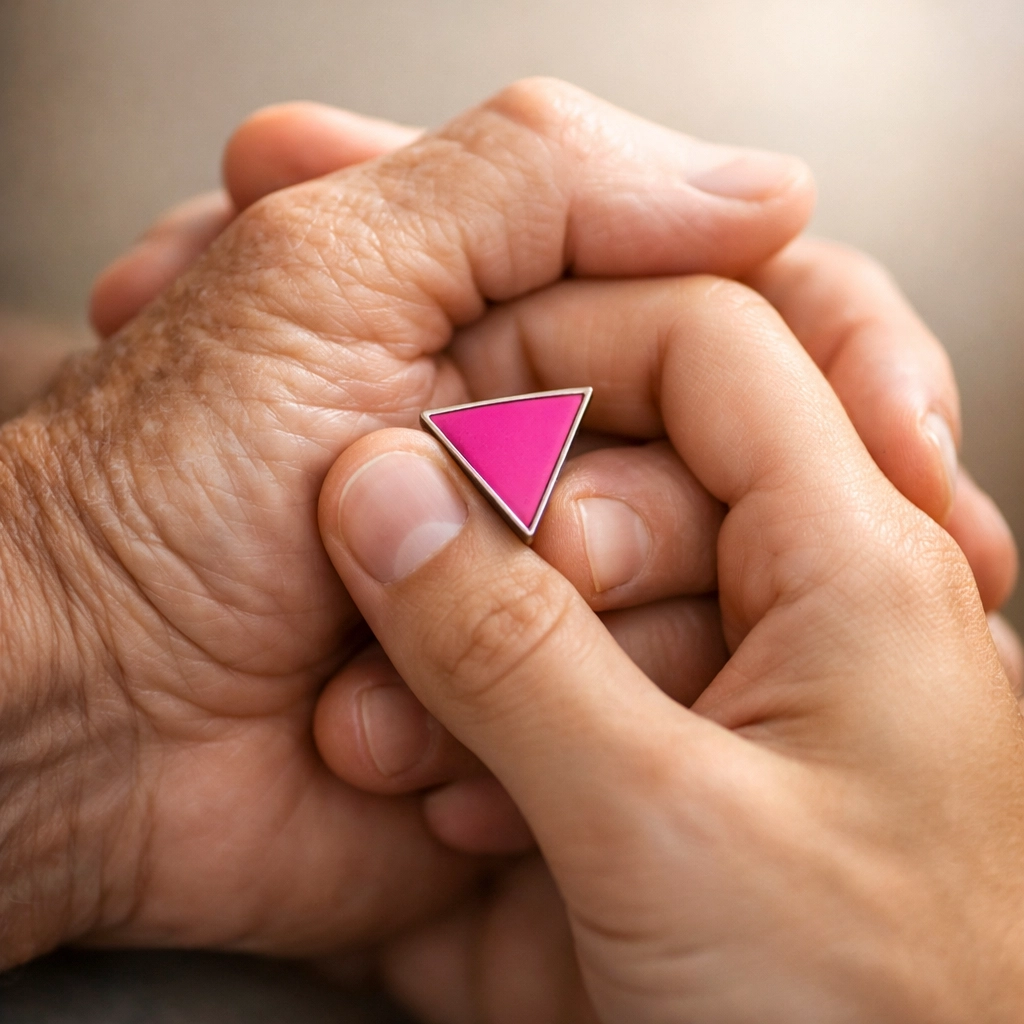
Reclaiming the Triangle: From Badge of Shame to Symbol of Pride
Over the past fifty years, something powerful has happened. The LGBTQ+ community worldwide has reclaimed the pink triangle, transforming a symbol of shame into one of pride and defiance. It appears on Pride flags, protest signs, and memorials: a reminder that we survived, and we will not be silent about what was done to us.
This reclamation matters. Every time we wear or display the pink triangle, we're saying: we remember. We honor those who died. We refuse to let their suffering be forgotten or minimized.
Reading LGBTQ+ literature and gay romance novels: including the powerful MM romance books available at Read with Pride: is one way we continue to affirm our existence and celebrate our stories. Every love story we tell, every happily-ever-after we write, is an act of resistance against those who tried to erase us.
Why This History Matters Now
You might wonder why we're revisiting such dark history. The answer is simple: because it's not safely in the past. Anti-LGBTQ+ legislation continues to emerge worldwide. Books featuring gay characters face banning. Our rights remain precarious in many places.
The pink triangle reminds us that persecution can escalate quickly when societies allow dehumanization to take root. It started with a law. It ended with death camps.
We remember not to dwell in trauma, but to stay vigilant. To recognize warning signs. To speak up when we see injustice. To support organizations documenting LGBTQ+ history and protecting our rights.
Moving Forward with Memory
The men who wore the pink triangle deserve more than our tears: they deserve our commitment. We honor them by living openly, by telling our stories through gay fiction and queer literature, by refusing to go back into the shadows.
Their suffering bought us the freedom to love openly, to write gay love stories with happy endings, to build the vibrant, visible community we have today. The least we can do is remember their names, tell their stories, and ensure that "never again" means exactly that.
When you see the pink triangle at Pride, pause for a moment. Remember the men who died wearing it. Then celebrate the fact that we've transformed a symbol of genocide into one of resilience.
That's the power of our community: we survive, we remember, and we refuse to be erased.
Follow us for more LGBTQ+ history and contemporary stories:
- Facebook: Read with Pride
- Instagram: @read.withpride
- Twitter/X: @Read_With_Pride
Explore our collection of gay romance books and LGBTQ+ fiction at readwithpride.com
#PinkTriangle #LGBTQHistory #HolocaustRemembrance #NeverForget #GayHistory #QueerHistory #ReadWithPride #LGBTQBooks #GayRomance #MMRomance #QueerFiction #GayLiterature #LGBTQPride #RememberingThePast #LGBTQRights #GayBooks #HistoricalRemembrance #QueerCommunity #PrideHistory

Leave a Reply
You must be logged in to post a comment.