

readwithpride.com
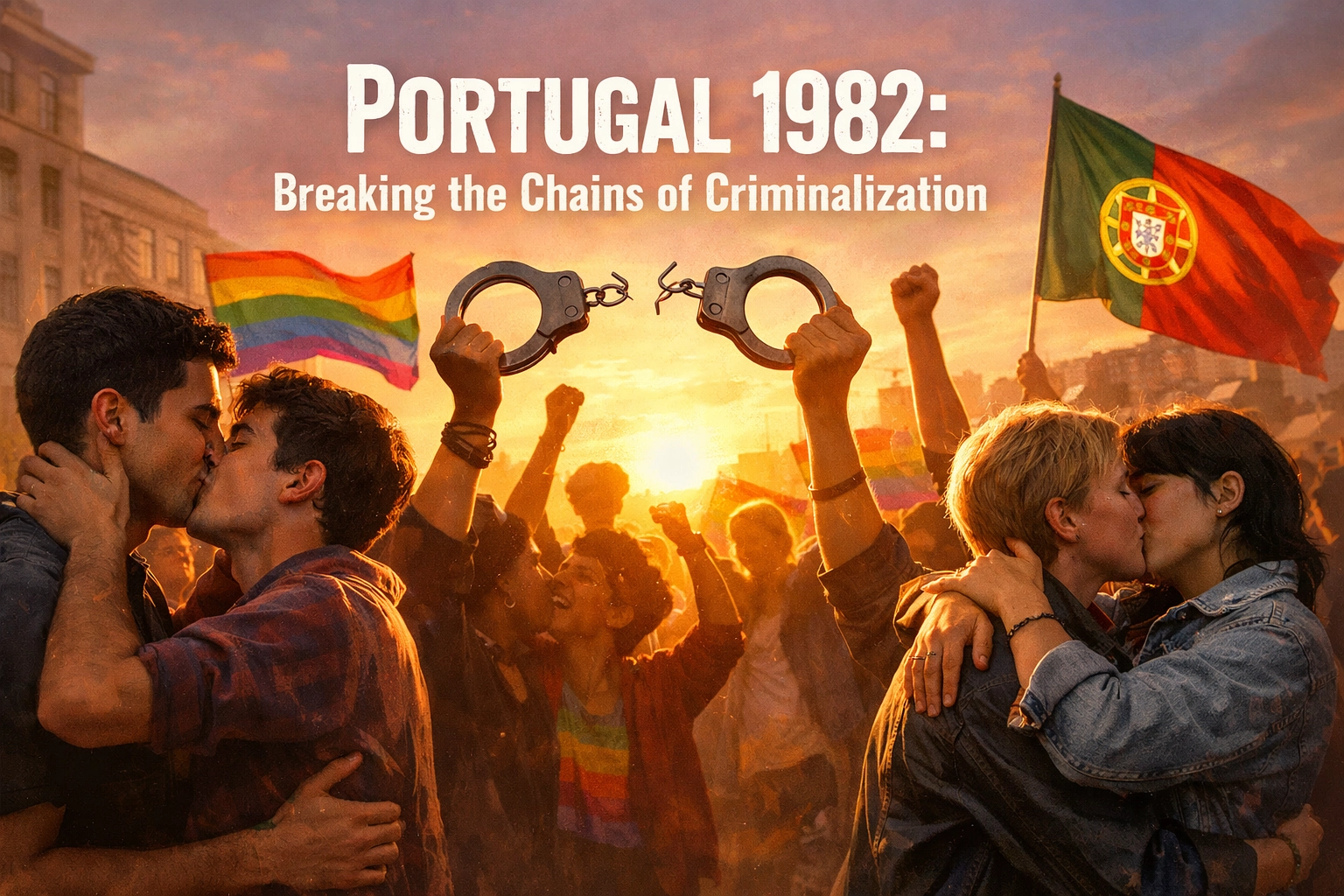
Imagine living in a country where loving someone could land you in prison. Where a kiss, a touch, or even just being yourself could make you a criminal. For gay people in Portugal before 1982, this wasn't a dystopian novel: it was everyday reality. But that year, something remarkable happened that would forever change the landscape of queer life on the Iberian Peninsula.
The Weight of the Past
Portugal's relationship with homosexuality through most of the 20th century was, to put it mildly, hostile. Under the Estado Novo dictatorship led by António de Oliveira Salazar and later Marcello Caetano, the country remained locked in a deeply conservative, Catholic framework that viewed any deviation from heteronormative behavior as both a sin and a crime.
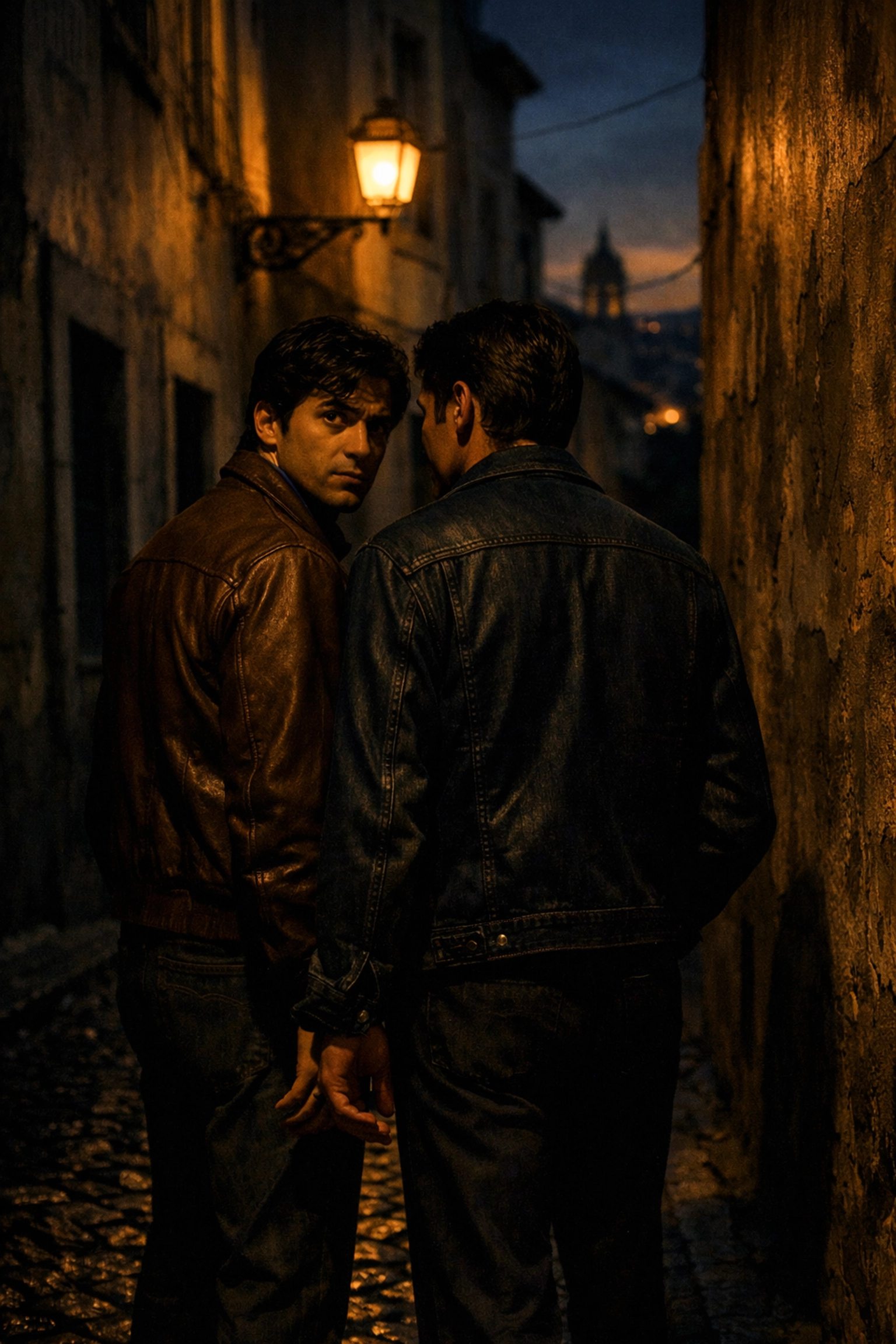
The Portuguese Penal Code didn't just frown upon gay relationships: it actively criminalized them. Men loving men, women loving women: all of it was illegal, punishable by imprisonment, social ostracism, and forced "treatment" programs that were nothing short of torture. Gay people lived in the shadows, developing coded language, secret meeting places, and an underground culture born from necessity rather than choice.
Thedictatorship fell in 1974 during the Carnation Revolution, a largely peaceful coup that brought democracy to Portugal. But legal change doesn't happen overnight. While political prisoners were freed and press censorship ended, gay Portuguese people still lived under the threat of prosecution. The old laws remained on the books, relics of a fascist past that refused to die quietly.
The Turning Point
In 1982, eight years after democracy arrived, Portugal finally revised its Penal Code. Tucked within broader legal reforms was a quiet but revolutionary change: homosexuality was decriminalized. No more prison sentences. No more state-sanctioned persecution. For the first time in modern Portuguese history, being gay wasn't a crime.
It wasn't a Pride parade moment. There were no rainbow flags flying over Lisbon's Praça do Comércio. The change happened in legislative chambers, through bureaucratic processes, without fanfare. But for Portugal's LGBTQ+ community, it was everything. It was the difference between living in constant fear and being able to breathe, just a little.
The decriminalization didn't mean acceptance: far from it. Social stigma remained powerful, the Catholic Church's influence was still deeply entrenched, and discrimination in housing, employment, and family life continued unchecked. But the law no longer defined gay people as criminals. That single shift created space for something new to grow.
Life After Decriminalization
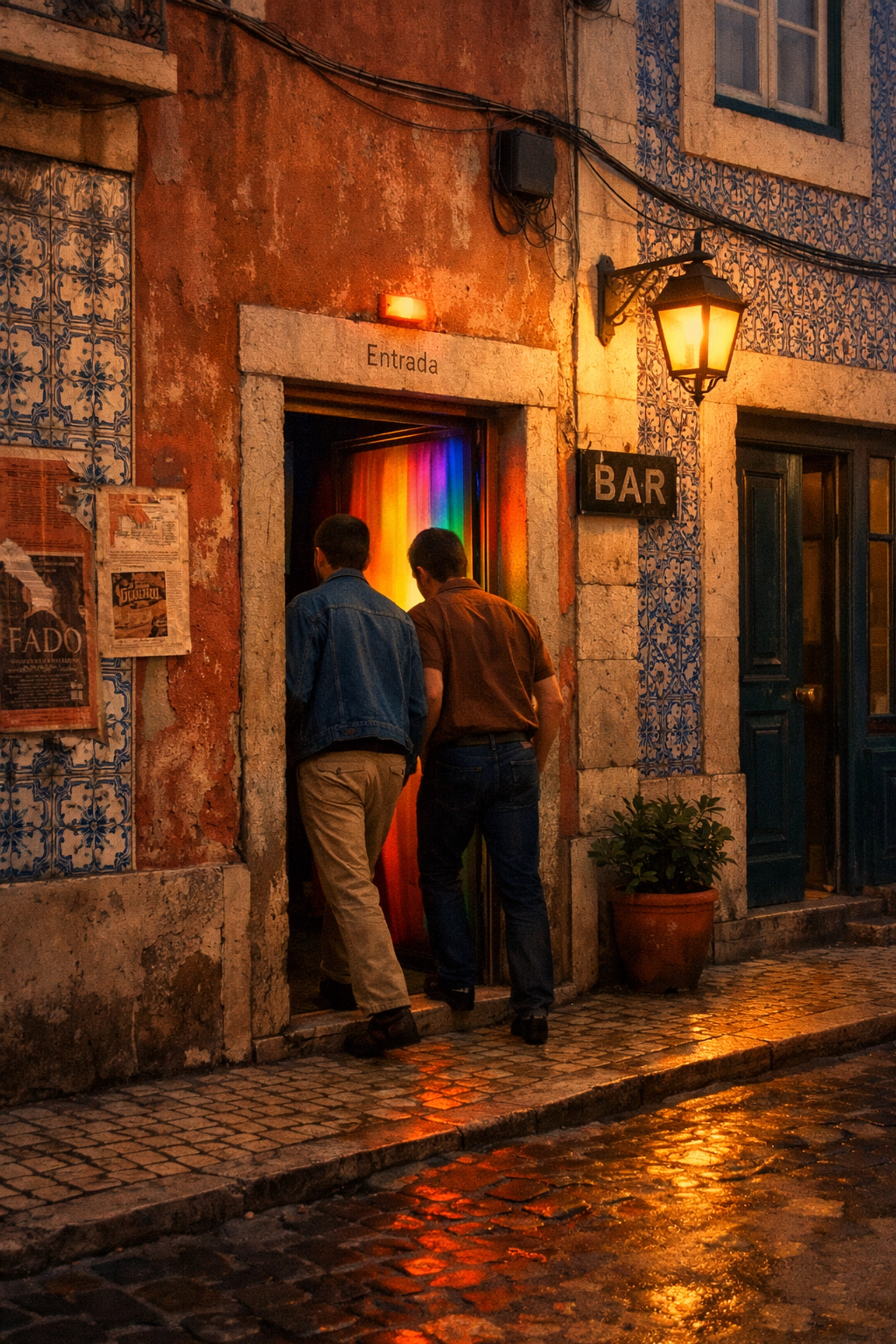
The years following 1982 saw gradual but significant changes. Gay bars and social spaces began operating more openly in Lisbon and Porto. While still discreet, they no longer had to function as speakeasies dodging constant police raids. Activists started organizing more publicly, laying groundwork for future advocacy.
The HIV/AIDS crisis of the 1980s hit Portugal's gay community hard, as it did worldwide. But decriminalization meant that health outreach could happen without people fearing arrest. Support networks formed. Information spread. The community that had survived in the shadows began finding ways to care for each other in the light.
It would take decades more for broader equality measures. Same-sex marriage didn't become legal until 2010. Adoption rights came later. But 1982 was the foundation: the moment when Portugal said, however quietly, that gay people deserved to exist without state persecution.
The Iberian Context
Portugal's 1982 decriminalization happened in an interesting regional context. Spain, still emerging from its own fascist dictatorship under Franco, was navigating similar questions. While Spain had already reformed some laws through the 1970s, both countries were part of a broader Southern European shift toward democracy and human rights.
The Iberian Peninsula had been Europe's conservative holdout for decades. Now, both nations were racing to modernize, to join the European Community (now the EU), to prove they belonged in the democratic fold. LGBTQ+ rights weren't driving these changes: economic and political considerations were: but they benefited from the momentum.
Comparing the two countries today, both have become relatively progressive LGBTQ+ destinations. Lisbon and Barcelona host major Pride celebrations. Madrid's Chueca neighborhood is one of Europe's most famous gay districts. But the road from criminalization to celebration was long, and 1982 Portugal was still at the very beginning of that journey.
Stories That Couldn't Be Told
Think about all the love stories that were lived in secret before 1982. The couples who couldn't hold hands on Lisbon's cobblestone streets. The men who met in parks after dark, always watching for police. The women who built lives together but had to call each other "roommates" or "cousins."

Those stories mostly weren't written down. They couldn't be. Publishing gay fiction in pre-1982 Portugal would have been dangerous for authors, publishers, and readers alike. The rich tradition of Portuguese literature remained largely heterosexual by necessity, not choice.
This is why platforms like Read with Pride matter so much today. MM romance books and gay fiction give voice to experiences that were silenced for generations. When you read a gay love story set in Portugal: whether historical or contemporary: you're engaging with a literary tradition that was literally illegal until 1982.
The Legacy Lives On
Portugal today is unrecognizable from its 1982 self when it comes to LGBTQ+ rights. It consistently ranks among Europe's most gay-friendly countries. But that progress didn't happen automatically. It happened because people: brave, determined people: kept pushing, organizing, and refusing to accept that decriminalization was enough.
The generation who lived through 1982 as adults are in their 60s and 70s now. They remember what it meant to suddenly not be criminals anymore. Their stories deserve to be told, remembered, and honored. They're part of a global queer history that spans cultures, languages, and borders.
For younger LGBTQ+ people in Portugal and worldwide, 1982 might seem like ancient history. But it's crucial context. Every right we have today: marriage equality, adoption rights, anti-discrimination protections: builds on moments like this. Decriminalization was just the first step, but it was the necessary step. You can't build a house without a foundation.
Why This Matters for Readers
If you're into gay romance novels or MM fiction, understanding this history enriches every story you read. Those "coming out during a difficult time" narratives? They're rooted in real experiences like pre-1982 Portugal. Historical gay romance set in this era captures genuine danger and courage.
Contemporary queer fiction set in Portugal carries echoes of this past. Characters might have grandparents who lived through criminalization. Families might still carry conservative attitudes shaped by decades of legal and social repression. The texture of Portuguese LGBTQ+ life today is woven from threads that include 1982.
The best LGBTQ+ fiction doesn't just entertain: it connects us to our history and each other. Whether you're reading steamy MM romance or heartfelt gay love stories, you're part of a literary tradition that people fought to make possible. Every time you download a gay romance book, you're exercising freedoms that didn't exist in most of the world just a few decades ago.
Moving Forward
Portugal 1982 reminds us that progress happens in moments: sometimes dramatic, often quiet. Laws change. Societies evolve. What seems impossible becomes inevitable, then becomes history.
The chains of criminalization were broken that year, but the work of building true equality continues. In Portugal, across the Iberian Peninsula, and worldwide, LGBTQ+ people keep writing their own stories: in life, in law, and in literature.
Every MM romance you read, every gay fiction novel you recommend, every time you engage with queer stories, you're participating in something those brave Portuguese queers of 1982 were just beginning to imagine: a world where their lives weren't just legal, but celebrated.
Discover more LGBTQ+ stories and history at Read with Pride.
Follow us: Facebook | Instagram | X/Twitter
#ReadWithPride #MMRomance #GayRomance #LGBTQHistory #PortugalHistory #GayFiction #QueerHistory #LGBTQBooks #GayRomanceBooks #MMBooks #GayLiterature #QueerFiction #GayLoveStories #LGBTQRights #HistoricalLGBTQ #MMRomanceBooks #GayNovels #Pride2026 #LGBTQReading #ReadWithPride2026

Leave a Reply
You must be logged in to post a comment.