

readwithpride.com
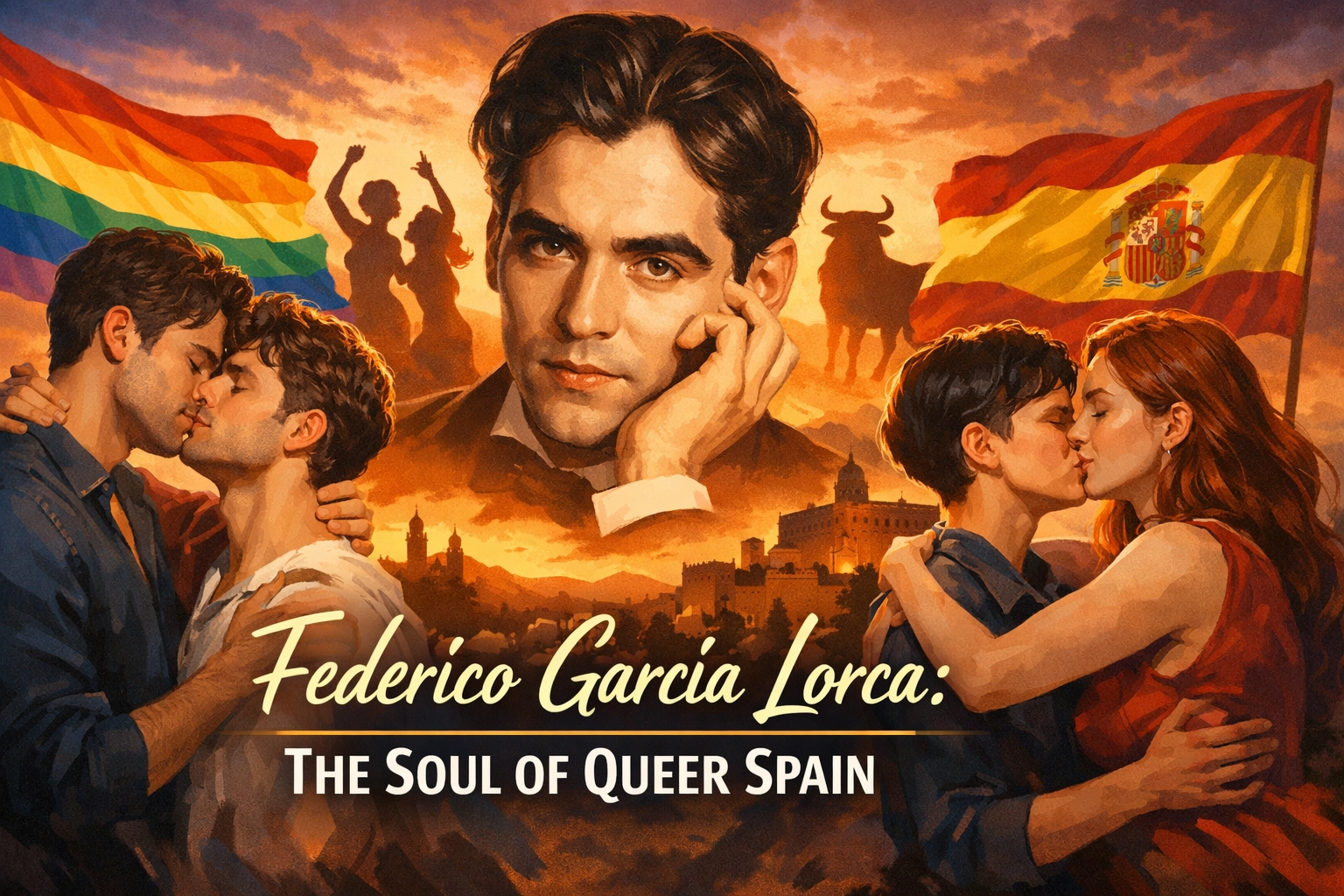
There's something profoundly powerful about an artist who refuses to hide. In the 1920s and 30s, when being openly gay could cost you everything, your career, your freedom, your life, Federico García Lorca wrote desire into every line of poetry, every stage direction, every verse. He didn't whisper. He sang.
Born in 1898 in the sun-drenched hills of Granada, Lorca would become Spain's most celebrated poet and playwright of the 20th century. But more than that, he became a symbol, a martyr, really, of what happens when art and identity collide with fascism. His story isn't just Spanish history. It's queer history, written in blood and verse.
The Artist Who Couldn't Be Contained
Lorca started as a pianist. Music coursed through his veins before words did. But by his late teens, he'd discovered his true calling: writing that could make the page burn. By the 1920s, he was part of the "Generation of '27," Spain's avant-garde literary movement that included Salvador Dalí and Luis Buñuel. These weren't just friends, they were collaborators, lovers, rivals, muses.
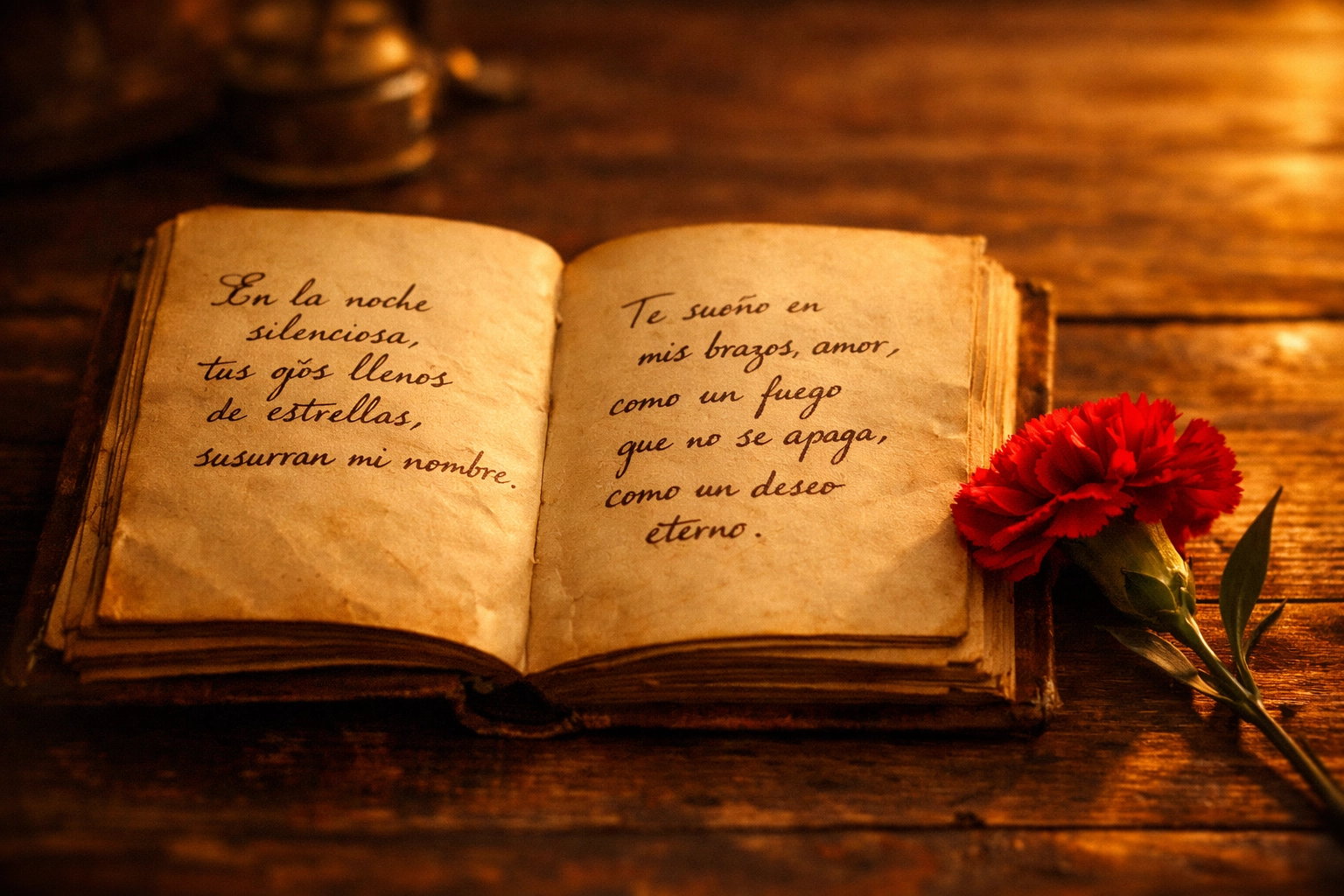
His breakthrough came with Romancero Gitano (Gypsy Ballads) in 1928, a poetry collection that wove Andalusian folklore with modernist sensibility. But it was his plays, the so-called "Rural Trilogy" including Blood Wedding, Yerma, and The House of Bernarda Alba, that cemented his genius. These weren't polite parlor dramas. They were raw explorations of repression, desire, and the violence of denying who you are.
Sound familiar? That's because Lorca wasn't just writing about rural Spanish women trapped by convention. He was writing about himself.
Love, Loss, and Salvador Dalí
Let's talk about Dalí. Because you can't understand Lorca without understanding the man who broke his heart.
Their relationship was intense, passionate, and ultimately unrequited. Lorca fell hard for the surrealist painter, and while Dalí was attracted to him, he couldn't, or wouldn't, fully reciprocate. When Dalí turned his attention to Gala, the woman who would become his wife and muse, Lorca's world shattered.
The late 1920s found Lorca in crisis. His fame was growing, but so was his depression. The tension between needing to be visible as a successful author and having to hide his sexuality became unbearable. Spain wasn't kind to queer men. Hell, nowhere was. But Lorca felt the walls closing in.
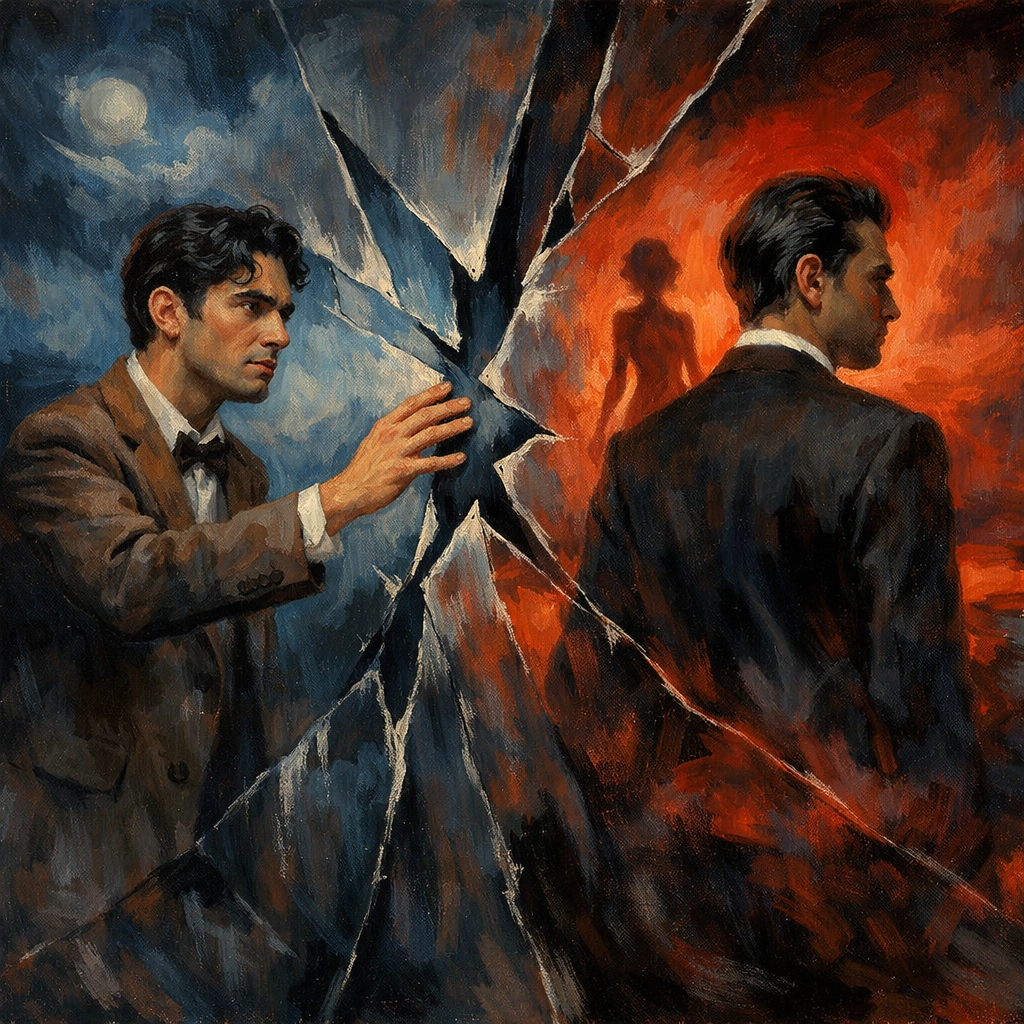
So he did what many queer artists have done when home becomes unbearable: he left. In 1929, he traveled to the United States and Cuba, spending time in New York City. The result was Poeta en Nueva York (Poet in New York), a surrealist masterpiece that channeled his alienation, his queerness, and his witness to American capitalism's brutality into something transcendent.
La Barraca and the Art of Resistance
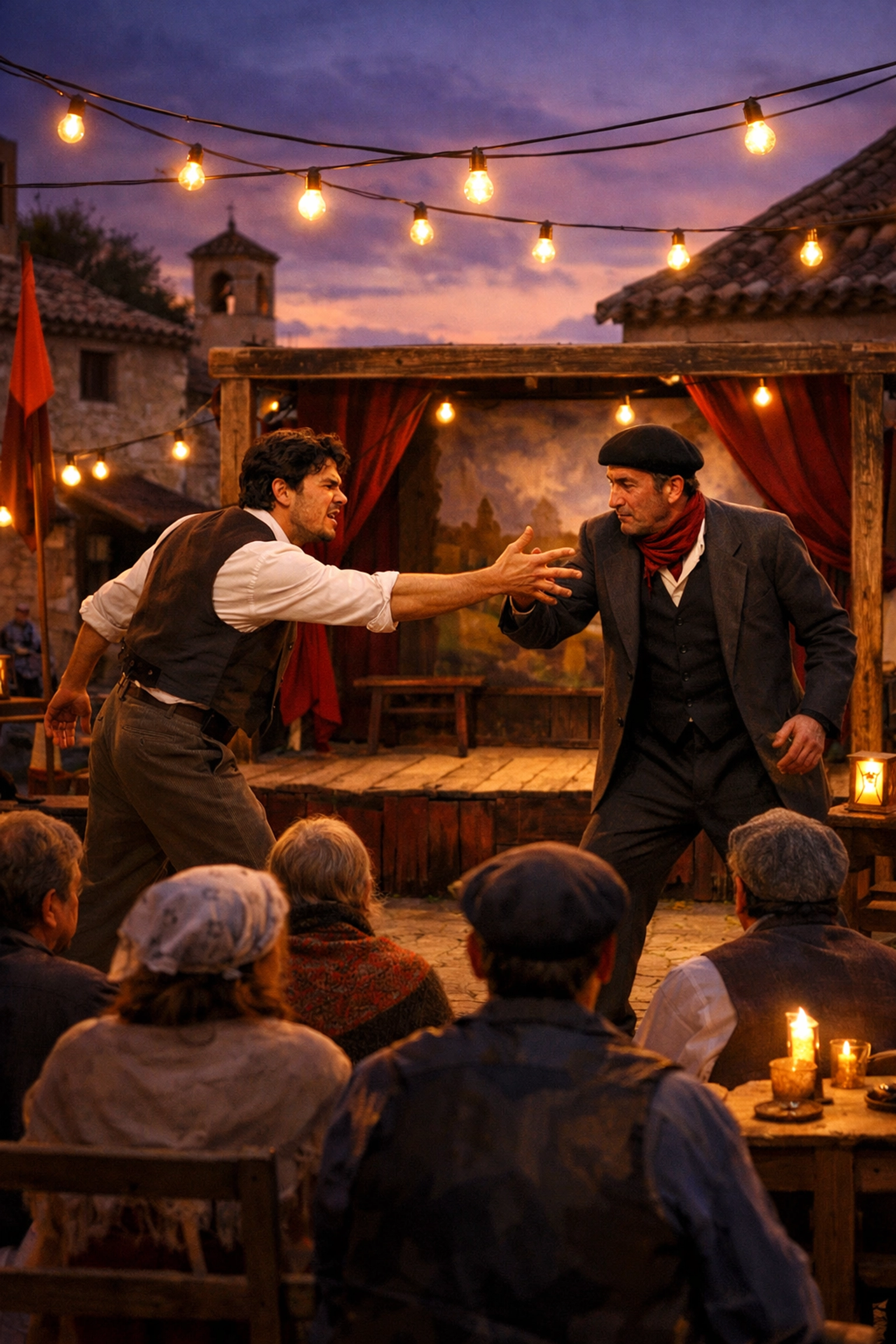
When Lorca returned to Spain in 1930, he could have played it safe. He could have written crowd-pleasers, kept his head down, survived. Instead, he co-founded La Barraca, a traveling theater company that brought experimental, politically charged plays to small towns across Spain.
This wasn't just about art. It was activism. Through La Barraca, Lorca challenged the conservative Catholic values suffocating Spanish culture. His plays featured themes of female sexuality, gay desire, and revolutionary politics. And he refused: refused: to censor himself, even as fascism began its deadly rise across Europe.
Reading Lorca's work today, you can feel his defiance in every line. This was a man writing queer love stories in an era when homosexuality could get you arrested, institutionalized, or worse. He was creating what we now recognize as gay fiction and queer literature decades before those terms existed, weaving gay love stories into the fabric of Spanish culture whether the establishment liked it or not.
For contemporary readers searching for LGBTQ+ books or gay romance novels, Lorca's work might seem like a different beast from modern MM romance or gay contemporary romance. But the DNA is the same: stories about people loving who they love, damn the consequences.
The Night They Came for Him
August 1936. The Spanish Civil War had just erupted, splitting the country between Republicans and Nationalists. Granada fell quickly to Franco's fascist forces.
Lorca was at his family's summer home. Friends urged him to leave, to flee to Madrid or beyond. But Lorca, perhaps naively, believed his fame would protect him. He was Spain's most celebrated writer. Surely they wouldn't touch him.
They came for him anyway.
The Nationalist forces didn't just hate Lorca for his leftist politics. They hated him for being a "maricón": a slur for gay men. They hated him for refusing to hide his sexuality, for putting queer desire on stage and page, for challenging every oppressive norm they held sacred.
On August 18 or 19, 1936: the exact date remains uncertain: Federico García Lorca was driven to a remote hillside outside Granada. He was 38 years old. They shot him and left his body in an unmarked grave that has never been definitively located.
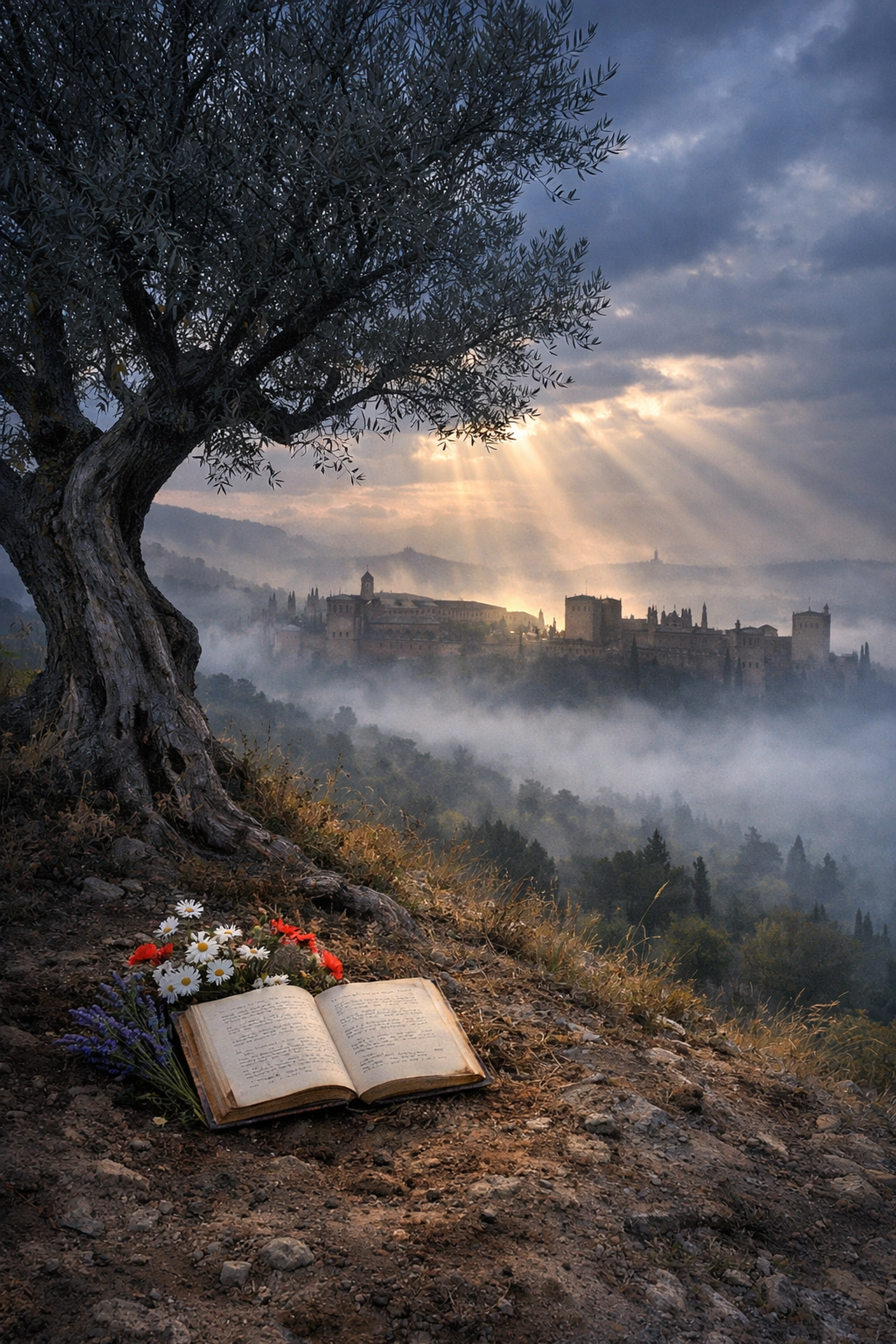
His assassination wasn't just murder. It was erasure. The fascists wanted to silence not just the man, but everything he represented: artistic freedom, sexual liberation, political resistance.
They failed.
Legacy That Refuses to Die
Lorca's death made him immortal. His work was banned under Franco's dictatorship, but it survived in whispers, in contraband editions, in the hearts of those who refused to forget. When Spain finally emerged from fascism decades later, Lorca's poetry and plays exploded back into public consciousness.
Today, he's not just remembered: he's celebrated. His face appears on murals across Spain. His works are studied worldwide. And for queer people, especially those seeking LGBTQ+ fiction and gay literature that tells the truth about living under repression, Lorca remains essential reading.
His refusal to compartmentalize his identity, to separate the artist from the queer man, feels remarkably modern. He would have understood today's readers searching for gay novels and MM fiction that don't shy away from the complexity of queer life. He lived it. He wrote it. He died for it.
Why Lorca Matters Now
In 2026, when you can find countless MM romance books and gay romance novels at Read with Pride, it's easy to forget how recently this freedom arrived. Lorca reminds us that every gay love story we can now read openly was once dangerous to write, to publish, to possess.
His life and death also remind us that artistic freedom and sexual freedom are inseparable. The same forces that want to ban LGBTQ+ books today echo the fascists who murdered Lorca ninety years ago. Every banned book list, every library purge, every attempt to erase queer stories from the shelves: it's all connected.
That's why we keep reading Lorca. That's why his story matters. Not just as history, but as warning and inspiration both.
Federico García Lorca was the soul of queer Spain not because he was perfect, but because he was honest. He loved openly, wrote fearlessly, and paid the ultimate price. His legacy lives on in every writer who refuses to hide, in every reader who seeks out queer fiction that tells the truth, in every person who believes that love: in all its forms: deserves to be celebrated on the page and in the world.
Follow us for more LGBTQ+ literary history and discover incredible gay books and MM romance at Read with Pride.
Connect with us:
Facebook | Instagram | Twitter/X
#FedericoGarciaLorca #QueerHistory #LGBTQBooks #GayLiterature #SpanishCivilWar #QueerPoetry #MMRomance #GayFiction #ReadWithPride #LGBTQHistory #QueerAuthors #GayRomanceBooks #SpainLGBTQ #QueerCulture #GayBooks2026 #LGBTQReading #QueerResistance

Leave a Reply
You must be logged in to post a comment.