

readwithpride.com
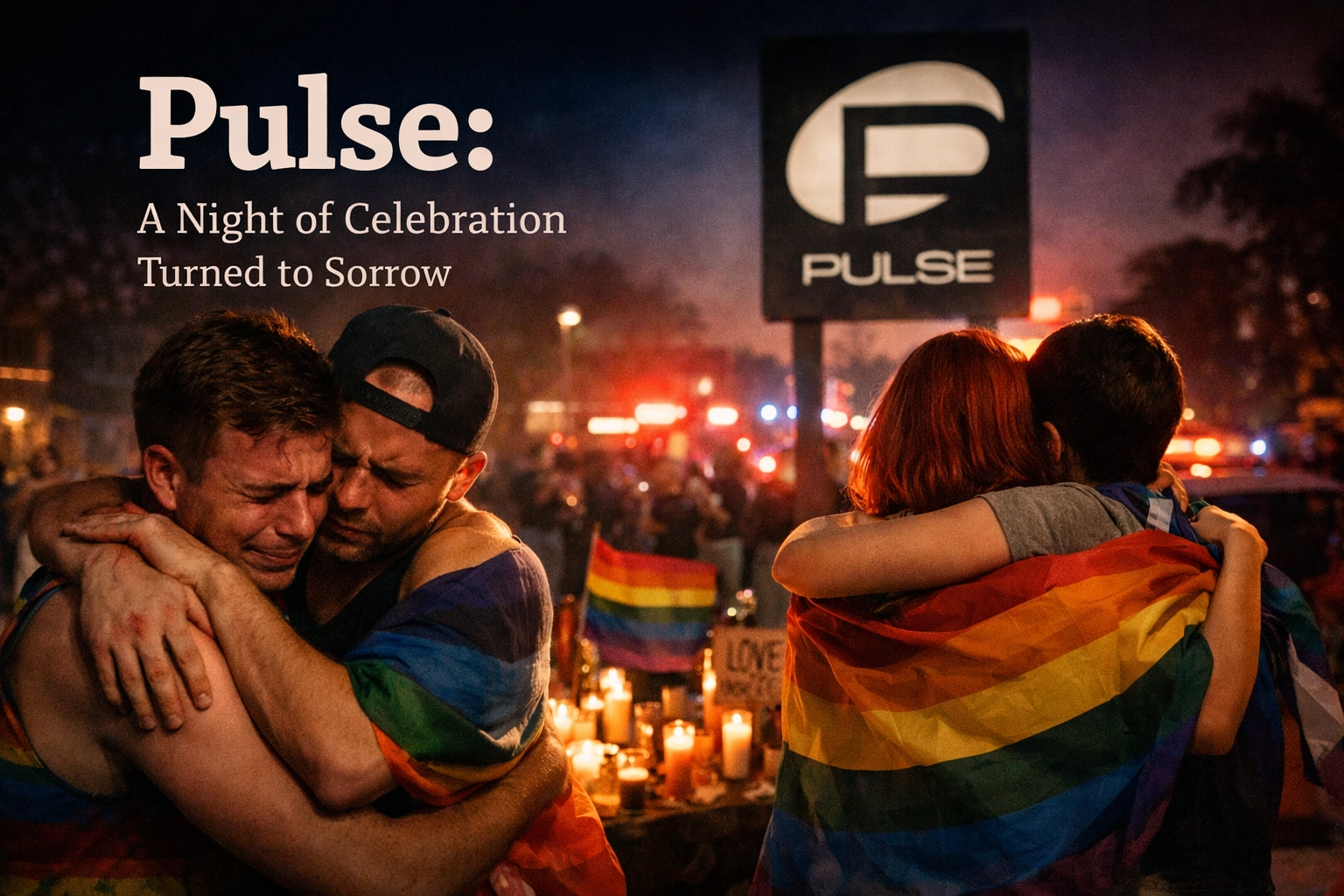
There are places in our community that become more than just venues. They transform into sanctuaries: spaces where we can let our guard down, be unapologetically ourselves, and celebrate the beautiful chaos of queer life. Pulse nightclub in Orlando, Florida was one of those places. Until June 12, 2016, when a night of joy became one of the darkest moments in LGBTQ+ history.
A Safe Haven for the Latinx LGBTQ+ Community
Pulse wasn't just another club. Founded by Barbara Poma in memory of her brother, who died from AIDS-related complications, it had become a lifeline for Orlando's LGBTQ+ community, particularly for Latinx queer folks. Every Saturday night, "Latin Night" transformed the venue into a vibrant celebration of identity, culture, and love: a place where being brown, queer, and proud wasn't just accepted but celebrated.
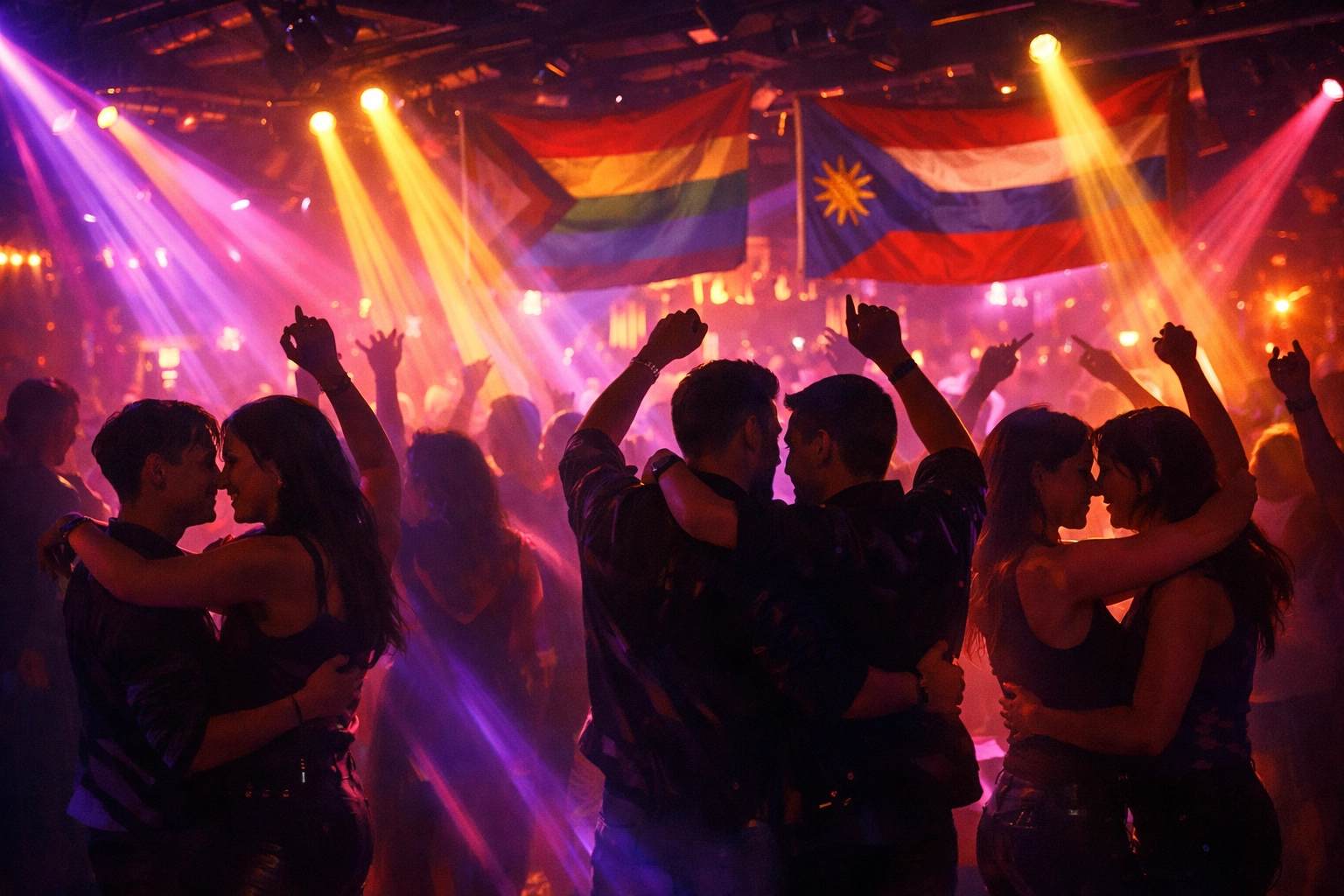
On that particular Saturday night, over 300 people packed the dance floor. The music was loud, the energy electric. Friends were making memories, strangers were becoming friends, and love was literally in the air. It was exactly what a safe space should be: pure, unfiltered joy.
When Safety Shattered
At 2:02 a.m., that safety shattered in the most violent way imaginable.
Omar Mateen, a 29-year-old security guard, entered through the southern entrance and opened fire on the crowd. What followed was three hours of absolute terror. An off-duty police officer working security engaged him immediately, but Mateen's superior firepower forced a tactical withdrawal. Within minutes, the joyful sounds of celebration were replaced by gunfire, screams, and sirens.
Dozens fell in those first minutes: killed or severely wounded by direct shots or ricochets in the packed venue. Those who could, ran. Others hid wherever they could find cover, including bathrooms where Mateen would eventually take hostages. Some people texted goodbye messages to loved ones, not knowing if they'd ever send another.
The Longest Night
For three agonizing hours, the standoff continued. At 2:35 a.m., Mateen called 911 and professed allegiance to ISIS, adding a layer of extremist ideology to the violence. But make no mistake: this was an attack on queer people, specifically queer Latinx people, in their own space.
Survivors trapped inside faced an impossible nightmare. Some played dead among bodies. Others barricaded themselves in bathroom stalls, trying to stay silent while listening to the horror unfold around them. People held each other, strangers became lifelines, and the community's resilience showed even in the darkest moments.
By 4:21 a.m., Mateen claimed he would place bomb vests on four hostages within 15 minutes. The threat proved to be a bluff: no explosives were ever found: but it forced law enforcement's hand. At 5:02 a.m., Orlando police triggered controlled detonations and breached the club's wall with an armored vehicle. Twelve minutes later, after engaging approximately a dozen officers in a gun battle, Mateen was killed.
The Unbearable Cost
Forty-nine beautiful souls were stolen from us that night. Forty-nine people who went out to dance, to love, to live. Fifty-eight more were wounded, their lives forever changed. Autopsies revealed the brutality of the attack: many victims were shot multiple times from close range, with over a third shot in the head. More than 200 gunshot wounds total across the 49 who died.

The victims were predominantly young Latinx individuals: people like Luis Omar Ocasio-Capo, just 20 years old. Stanley Almodovar III, 23, who posted on Facebook hours before that he was heading out with friends. Eddie Jamoldroy Justice, 30, who texted his mother from a bathroom, "Mommy I love you. In club they shooting." Amanda Alvear, 25, who was on Snapchat capturing the joy of the night before it all went wrong.
These weren't statistics. They were sons and daughters, brothers and sisters, friends and lovers. They were baristas and accountants, students and dreamers. They were us.
The Aftermath: A Community in Mourning
The response from the LGBTQ+ community and allies worldwide was immediate and overwhelming. Vigils were held in cities across the globe. Blood donation centers saw lines stretching for blocks as people waited hours to help survivors. The usually contentious blood donation policies that excluded many gay and bisexual men were temporarily relaxed: a bittersweet silver lining to unspeakable tragedy.
Orlando's queer community came together in ways both heartbreaking and beautiful. Strangers opened their homes to displaced club-goers. Therapists offered free counseling. Local businesses donated food, water, and supplies. The hashtag #OrlandoUnited became a rallying cry, and rainbow flags flew at half-mast around the world.
But underneath the solidarity was rage. Rage at the violence. Rage at a society that still, in 2016, allowed queer spaces to be targeted. Rage at the persistent homophobia and transphobia that creates the conditions for such hatred to flourish.
What Pulse Means for Our Community
Pulse isn't just a tragedy in our past: it's a wound that still aches. It reminded us, brutally, that even our safe spaces aren't guaranteed. That celebration can turn to massacre. That being visible, being proud, being ourselves can still make us targets.
For many younger members of the LGBTQ+ community, particularly those who came out after marriage equality, Pulse was a wake-up call. The progress we'd made: the rights won, the acceptance gained: suddenly felt fragile. The illusion of safety was shattered.
The attack also highlighted the intersectionality of oppression. These were largely Latinx victims, facing discrimination not just for being queer but also for their ethnicity. It was a reminder that some of us face multiple layers of marginalization, and our movements must reflect and protect those most vulnerable.
Reading, Remembering, Moving Forward
At Read with Pride, we believe in the power of stories to heal, to educate, and to honor. The darkest moments in our history aren't easy to revisit, but they're essential to understand. When we read LGBTQ+ fiction, gay romance novels, and MM romance books, we're not just entertaining ourselves: we're affirming that our lives, our loves, and our stories matter.
Every time we celebrate queer literature, we're reclaiming space. Every time we support LGBTQ+ authors and stories, we're saying that our community will not be silenced by violence or fear.
The 49 angels of Pulse went out that night to celebrate life. The best way we can honor them is to keep living ours: loudly, proudly, and together.
We remember. We resist. We persist.
Explore more LGBTQ+ stories and find your next great read at readwithpride.com. Follow us on Facebook, Instagram, and X/Twitter as we continue to honor and uplift queer voices.
#PulseOrlando #RememberPulse #LGBTQ #LGBTQHistory #QueerHistory #ReadWithPride #LGBTQBooks #GayRomance #MMRomance #QueerLiterature #NeverForget #OrlandoUnited #LGBTQCommunity #Pride #LoveIsLove #QueerStories

Leave a Reply
You must be logged in to post a comment.