

readwithpride.com
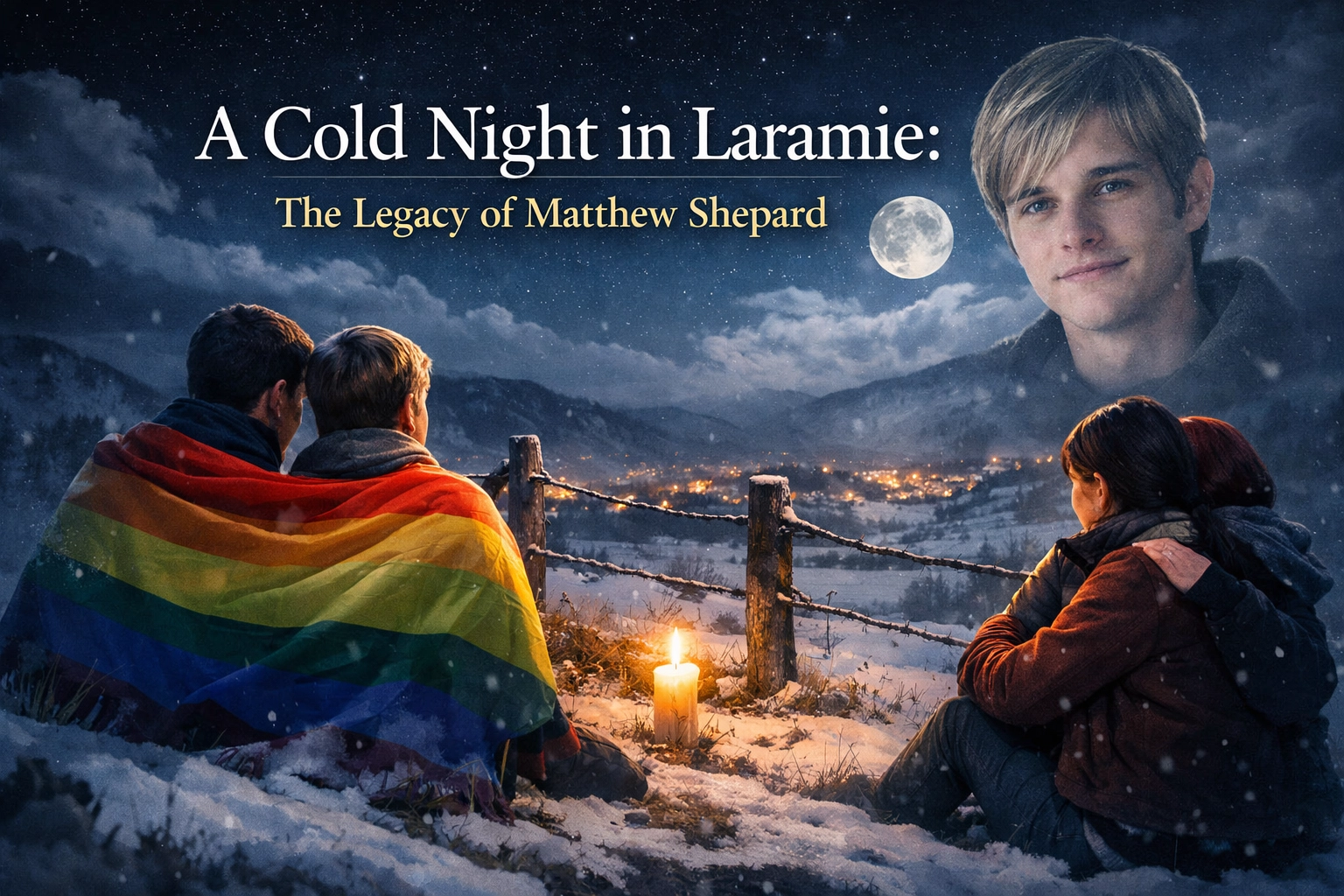
Some stories are so painful that they change the world. The murder of Matthew Shepard on a freezing October night in Wyoming became one of those moments: a tragedy that forced America to confront the deadly reality of anti-LGBTQ+ violence and ultimately transformed hate crime legislation forever.
A Night That Changed Everything
October 6, 1998, started like any other Tuesday evening in Laramie, Wyoming. Matthew Shepard, a 21-year-old University of Wyoming student, had attended a meeting of the campus LGBT student group before heading to the Fireside Lounge, a local bar. He was small: barely 5'2" and 105 pounds: soft-spoken, and by all accounts, kind-hearted. He was also openly gay in a time and place where that could be dangerous.
Around midnight, Matthew accepted a ride from two men he'd met at the bar: Aaron McKinney and Russell Henderson. They were both 21 years old. They told Matthew they were gay too. It was a lie.
Instead of driving him home, McKinney and Henderson drove Matthew to a remote area on the outskirts of Laramie. What happened next was unthinkable.

The Attack
McKinney struck Matthew 19 to 21 times in the head with the butt of a .357-caliber pistol. The blows fractured his skull in multiple places. As Matthew begged for his life, the two men continued their assault. They robbed him of his wallet, shoes, and identification. Then they tied him to a split-rail fence: a buck-rail fence used for livestock: with clothesline, leaving him spreadeagled like a scarecrow in near-freezing temperatures.
They left him there to die.
Matthew hung on that fence for approximately 18 hours. The temperature that night dropped to the mid-20s Fahrenheit. He was in shock, hypothermic, and barely clinging to life when a mountain biker named Aaron Kreifels found him the next evening. Kreifels initially thought Matthew was a scarecrow: a Halloween decoration left in the field. When he realized it was a person, he immediately sought help.
The injuries were catastrophic. Matthew's face was so badly beaten that the only areas not covered in blood were the tracks left by his tears.
A Nation Awakens
By the time Matthew's parents, Judy and Dennis Shepard, reached Poudre Valley Hospital in Fort Collins, Colorado, where their son had been airlifted, the story had already gone national. President Bill Clinton sent his best wishes. Media outlets from around the world descended on Laramie, a quiet college town of about 27,000 people that suddenly found itself at the center of an international conversation about hate and intolerance.
Matthew never regained consciousness. He died on October 12, 1998, six days after the attack. He was kept on life support long enough for his parents to say goodbye.
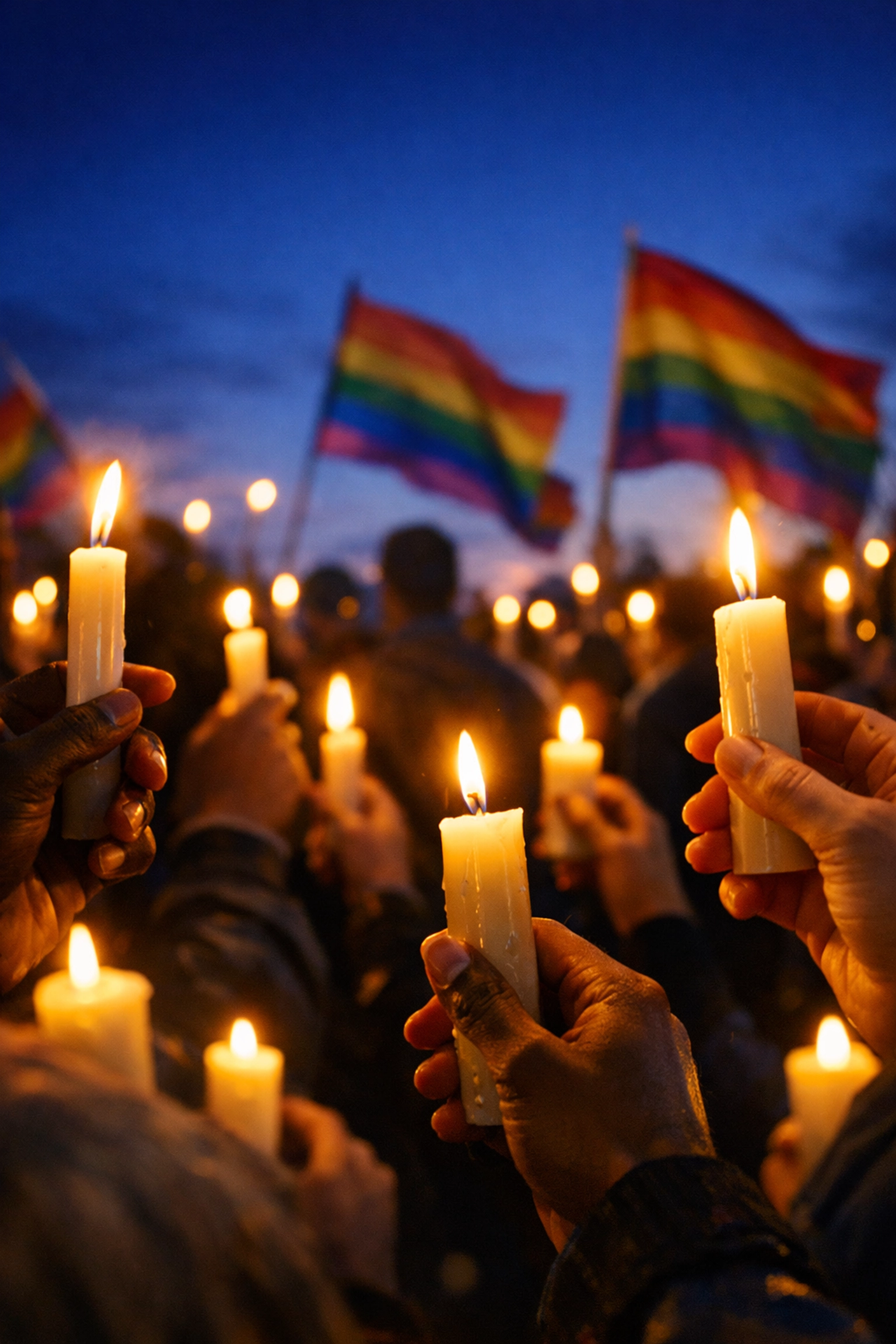
The funeral became a flashpoint. Members of the Westboro Baptist Church: infamous for their anti-gay protests: picketed Matthew's memorial service with signs reading "God Hates Fags" and "Matt in Hell." It was a grotesque display that only strengthened the resolve of those who wanted justice for Matthew and protection for LGBTQ+ people everywhere.
Justice and Controversy
Aaron McKinney and Russell Henderson were arrested shortly after the attack. Henderson quickly accepted a plea deal to avoid the death penalty, receiving two consecutive life sentences without the possibility of parole. He would later claim in interviews that he thought they were just going to rob Matthew, but that McKinney "snapped."
McKinney's trial was more complex. His defense attorneys attempted to use what became known as the "gay panic defense," claiming that Matthew had made a sexual advance toward McKinney, triggering a violent rage. The judge ultimately barred this defense strategy, but the damage was done: the suggestion that Matthew's sexuality had somehow provoked his own murder added another layer of pain to an already devastating case.
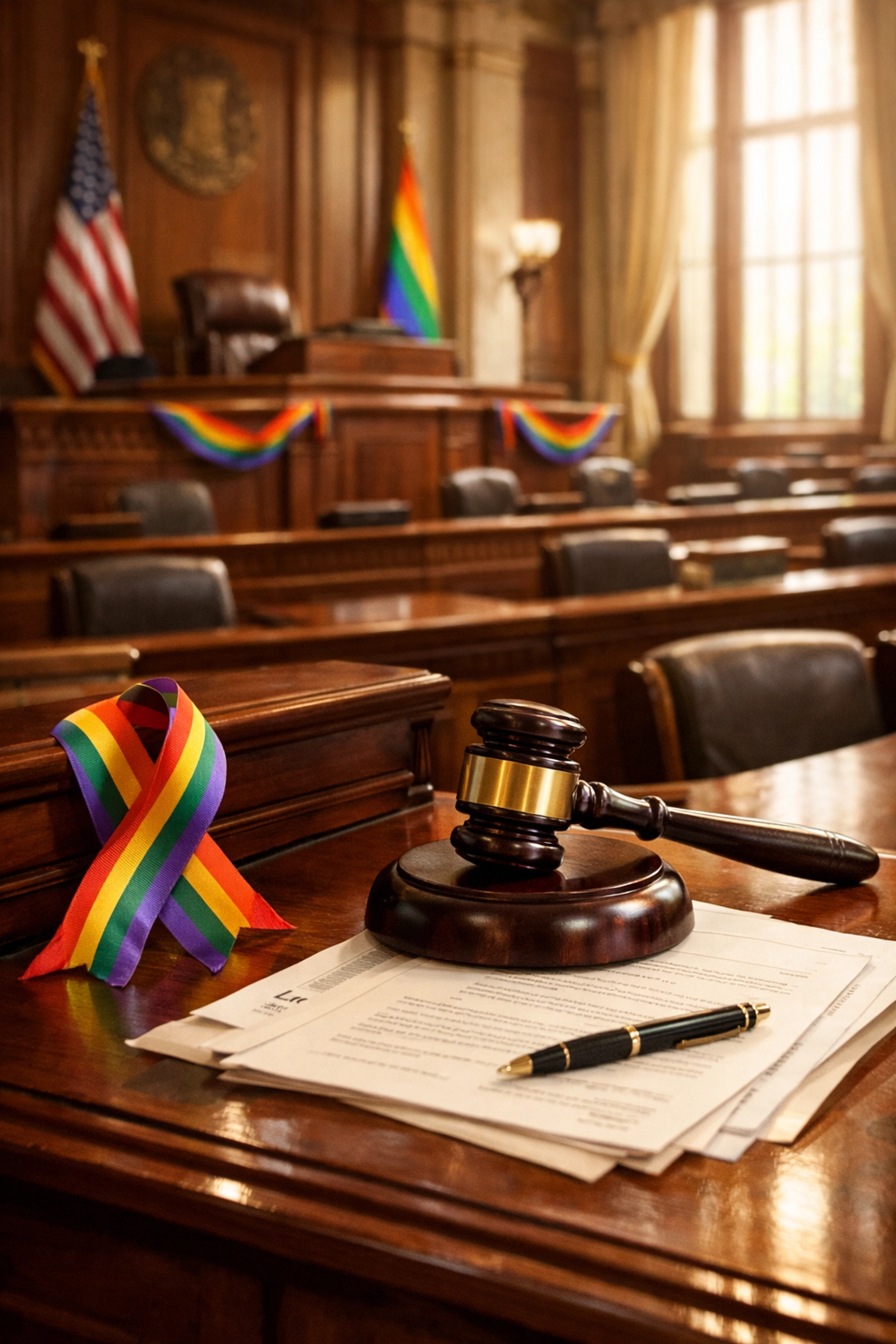
McKinney was convicted of felony murder and sentenced to two consecutive life terms without parole. In a 2009 interview from prison, McKinney admitted that his hatred for homosexuals had played a role in the attack, contradicting earlier claims that it was purely a robbery gone wrong.
The debate over whether Matthew's murder was primarily motivated by homophobia or by robbery and methamphetamine use has persisted for years. Some journalists and authors have suggested the motive was more complex than initially reported. But for the LGBTQ+ community and for Matthew's family, the distinction mattered less than the undeniable fact that a young gay man was beaten to death and left to die alone in the cold.
The Matthew Shepard Act
Matthew's death became a catalyst for change. For years, advocates had pushed for federal hate crime legislation that included protections based on sexual orientation and gender identity. The brutal nature of Matthew's murder: and the national attention it received: gave that movement unprecedented momentum.
It took more than a decade, but on October 28, 2009, President Barack Obama signed the Matthew Shepard and James Byrd Jr. Hate Crimes Prevention Act into law. The legislation expanded the 1969 federal hate crime law to include crimes motivated by a victim's actual or perceived gender, sexual orientation, gender identity, or disability. It also removed the requirement that the victim be engaging in a federally protected activity, making it easier to prosecute hate crimes.
Judy Shepard, Matthew's mother, attended the signing ceremony. She had spent 11 years transforming her grief into advocacy, founding the Matthew Shepard Foundation to promote diversity, equality, and acceptance. "Matt would be thrilled that his death has helped so many people," she said.
A Legacy That Endures
Today, Matthew Shepard's story is taught in schools and universities as part of LGBTQ+ history. The fence where he was attacked is no longer standing: it was removed to prevent it from becoming a macabre tourist attraction. But memorials to Matthew exist across the country, from the Matthew Shepard Memorial Bench in Laramie to the countless pride events held in his honor.
In 2018, on the 20th anniversary of his death, Matthew's ashes were interred at the Washington National Cathedral in Washington, D.C.: a powerful statement that LGBTQ+ lives matter and deserve dignity, even in death.
The cold night in Laramie that took Matthew's life also awakened something in America. It forced people who had never thought about anti-LGBTQ+ violence to confront its reality. It gave a face and a name to the statistics. And it proved that one life: and one death: could change the course of history.
For those of us in the LGBTQ+ community, Matthew's story is both heartbreaking and motivating. We read about his life in gay literature and LGBTQ+ fiction that honors his memory. We share his story to remind ourselves why visibility matters, why acceptance matters, and why we must never stop fighting for equality.
At Read with Pride, we believe that stories: both real and fictional: have the power to change hearts and minds. Matthew Shepard's story is one we must never forget. Because remembering Matthew means honoring his life, learning from his death, and committing ourselves to a world where no one else has to die simply for being who they are.
Remember Matthew. Read with Pride.
Follow us for more LGBTQ+ history and stories that matter:
- Facebook: Read With Pride
- Website: readwithpride.com
- Twitter/X: @Read_With_Pride
- Instagram: @read.withpride
#MatthewShepard #LGBTQHistory #ReadWithPride #GayHistory #HateCrimeLegislation #LGBTQRights #NeverForget #QueerHistory #MatthewShepardAct #LGBTQBooks #GayFiction #QueerLiterature #MMRomance #LGBTQCommunity #PrideHistory #GayRights #Equality #LoveIsLove

Leave a Reply
You must be logged in to post a comment.