

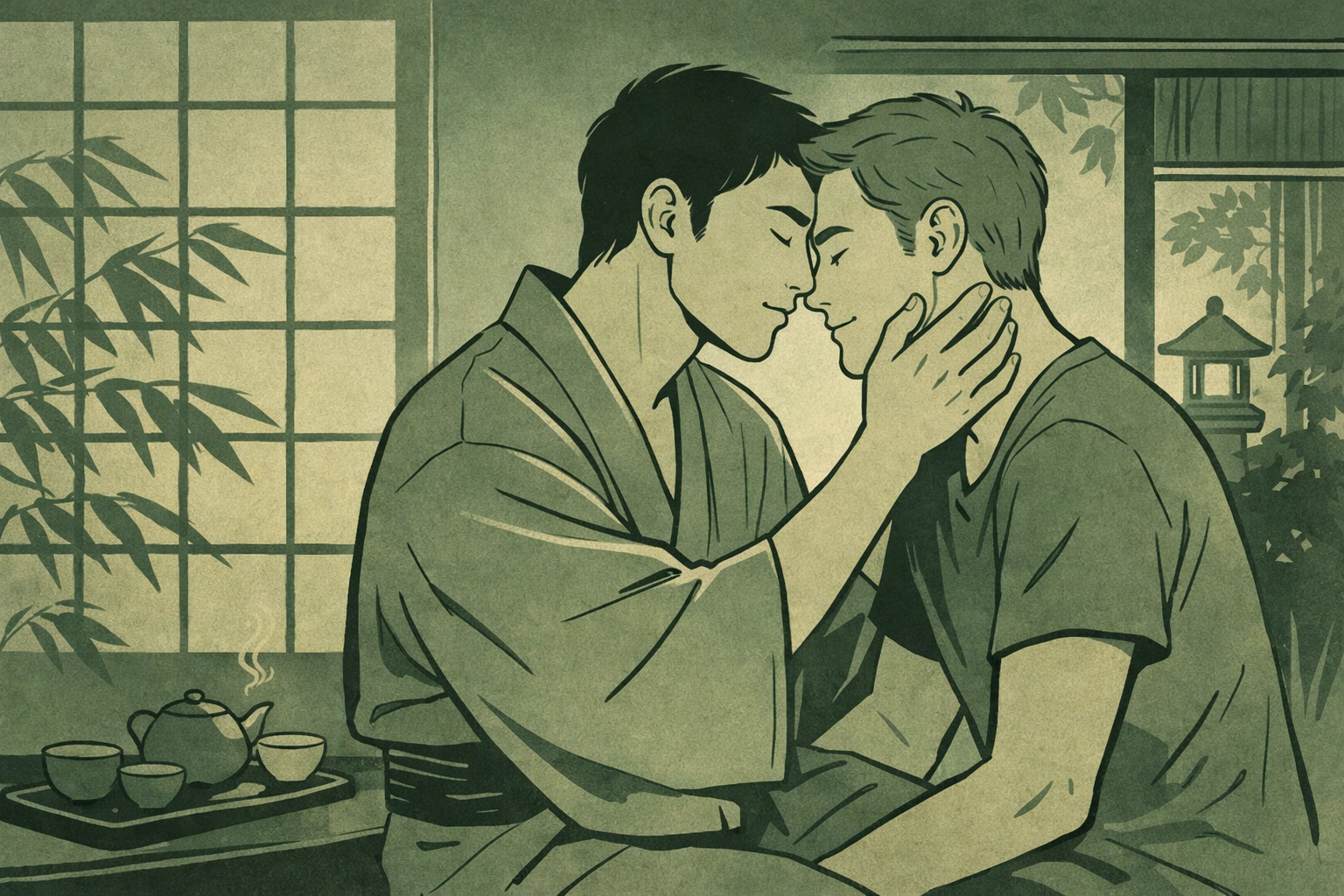
There's a narrow staircase in Shinjuku Ni-chōme. No sign outside. Just a worn wooden door and the faint glow of amber light seeping through frosted glass. You climb two flights, your heart hammering: not from exertion, but from anticipation. At the top, a man in his sixties greets you by name, though you've only been here twice. He remembers your drink. He remembers you mentioned your mother's illness last month. He asks how she's doing.
This is omotenashi: Japan's philosophy of wholehearted hospitality: and in the shadowed corners of Tokyo's LGBTQ+ community, it means survival.
What Omotenashi Really Means (And Why It Matters for Queer Lives)
Omotenashi isn't just customer service. It's the art of anticipating needs before they're spoken. It's creating an atmosphere where guests feel genuinely cared for, not merely served. Rooted in the precision and mindfulness of the Japanese tea ceremony, omotenashi means offering your full attention without expectation of reward or recognition.
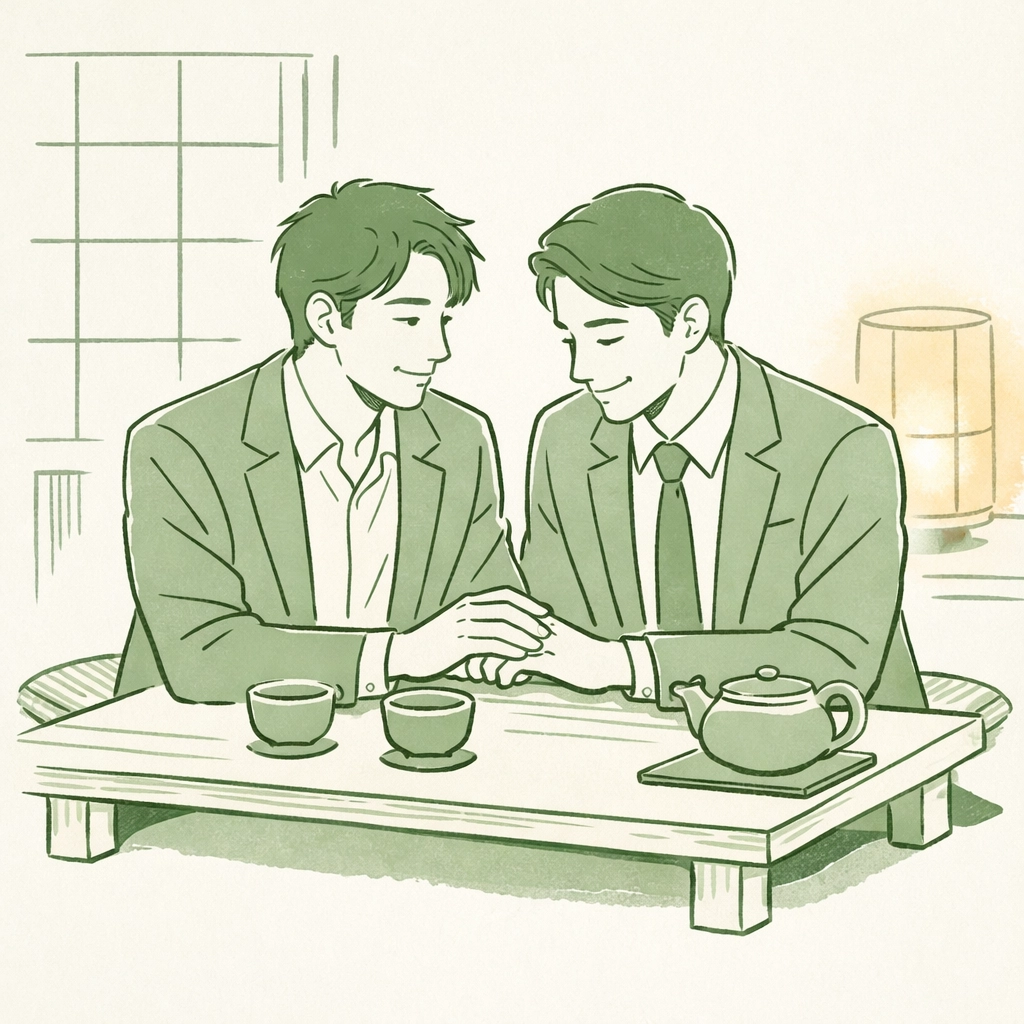
For gay men, lesbians, and bisexual people navigating a society where tatemae (public face) often conceals honne (true feelings), these small specialized bars offer something radical: a space where the mask can drop. Where omotenashi isn't about pretending: it's about finally being seen.
The Geography of Safety: Ni-chōme and Beyond
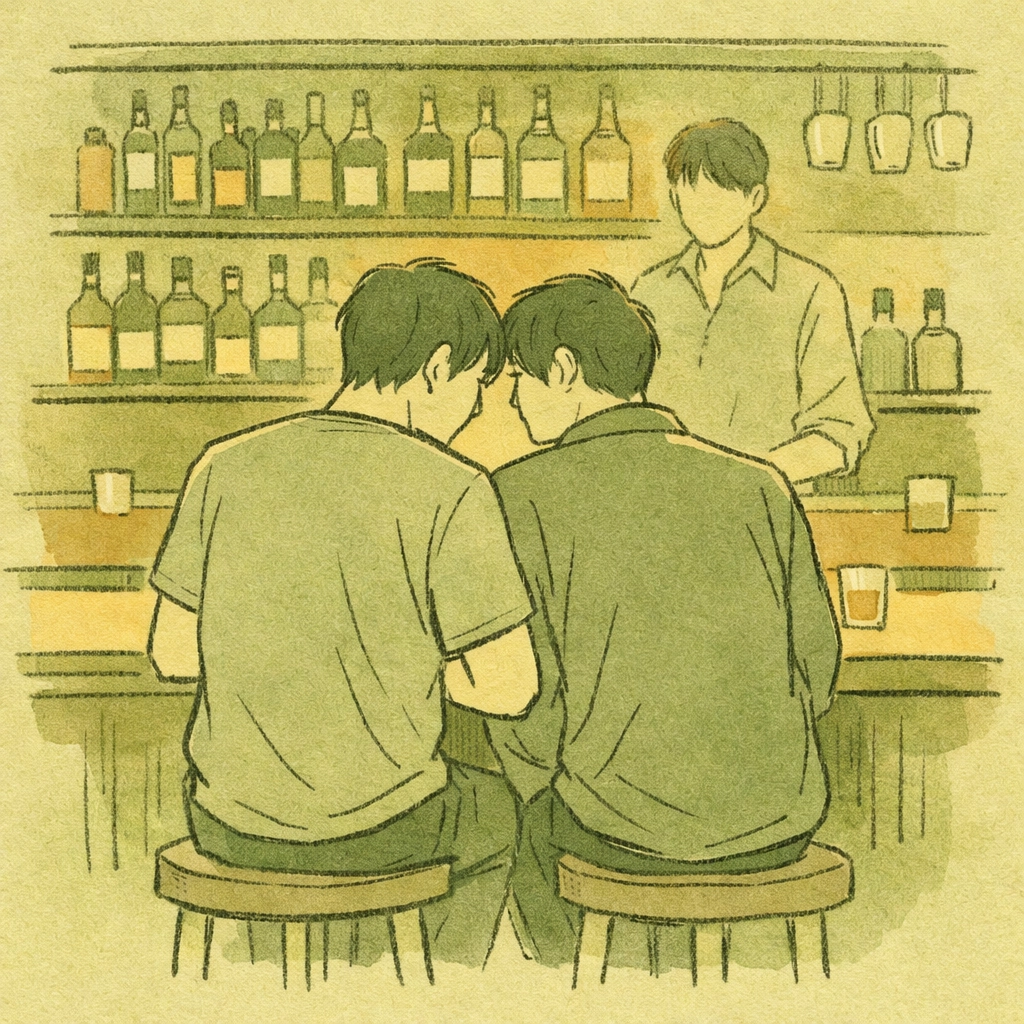
Shinjuku Ni-chōme remains Tokyo's beating heart of queer nightlife, with over 300 bars packed into just a few blocks. But unlike Western gay districts with rainbow flags and street festivals, Ni-chōme operates quietly. Discretion is its own form of omotenashi. Many bars are members only or require introduction. They're small: sometimes seating only six or eight people. The mama-san or master knows every patron. Strangers are carefully vetted.
This isn't exclusion for its own sake. It's protection. In a country where same-sex marriage remains illegal in most prefectures and where workplace discrimination is common, these tiny establishments become pressure valves. They're where salarymen shed their corporate armor. Where teachers and civil servants who can't be out at work finally exhale.
The Ritual of Welcome
Walk into a gay bar in Osaka's Doyama-cho district, and the ritual begins immediately. The master bows. Your coat is taken with care: not tossed on a hook, but smoothed and hung properly. Your preferred seat is remembered. If it's occupied, you'll be gently guided to the next best option with an apology so sincere you almost feel guilty for arriving.
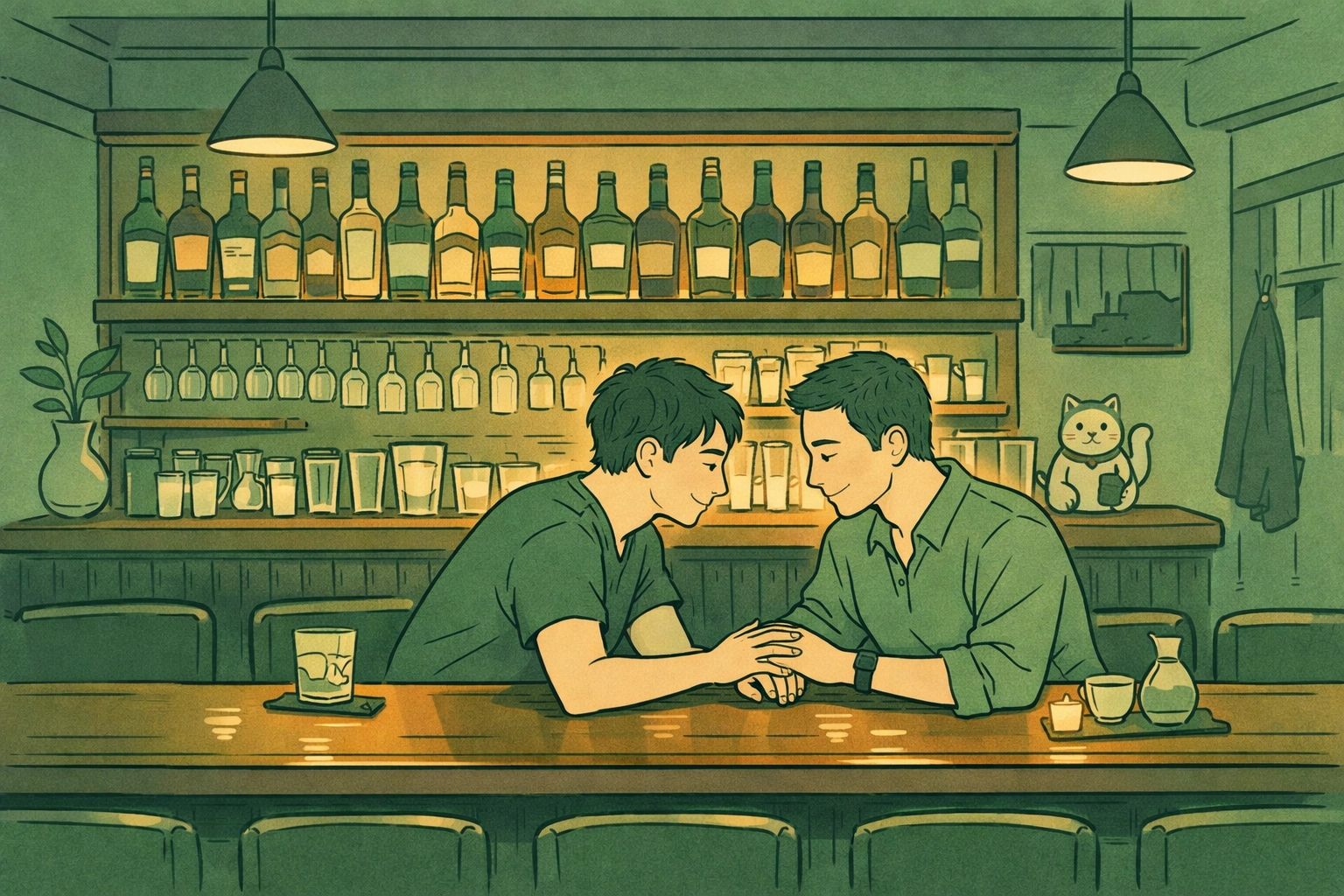
The drinks aren't just poured: they're crafted. Ice is hand-cut. Garnishes are considered. Even a simple whisky highball becomes an act of devotion. This attention to detail is classic omotenashi, but in the context of gay romance and queer connection, it takes on deeper meaning. Every careful gesture says: You matter. You're worth this effort. You belong here.
For men exploring their sexuality or newly out, this meticulous care can be transformative. It's often the first time someone has treated their identity not as shameful or invisible, but as worthy of celebration and precision.
The Emotional Architecture of These Spaces
Japanese gay bars rarely advertise. They survive on word-of-mouth and loyalty. The economics are brutal: rent in Ni-chōme is expensive, and capacity is limited. Yet mama-sans and masters maintain these spaces year after year, often at personal financial loss.
Why? Because they understand what these bars represent. They're not just businesses. They're sanctuaries for LGBTQ+ fiction made real: places where the emotional depth found in the best MM romance books and gay novels manifests in wood and whisky and whispered conversation.
The mama-san who runs a lesbian bar in Shinjuku's Golden Gai once told a journalist: "I don't make money. But I give people a place to breathe. That's worth more than profit."
This is omotenashi at its most radical: hospitality as activism, care as resistance.
Shadows and Light: The Duality of Queer Japanese Life
Japan's relationship with homosexuality is complex. Historically, same-sex relationships weren't criminalized the way they were in the West. During the Edo period, male-male relationships among samurai and monks were documented and even romanticized. Yet modern Japan inherited Western homophobia alongside industrialization, creating a peculiar tension.
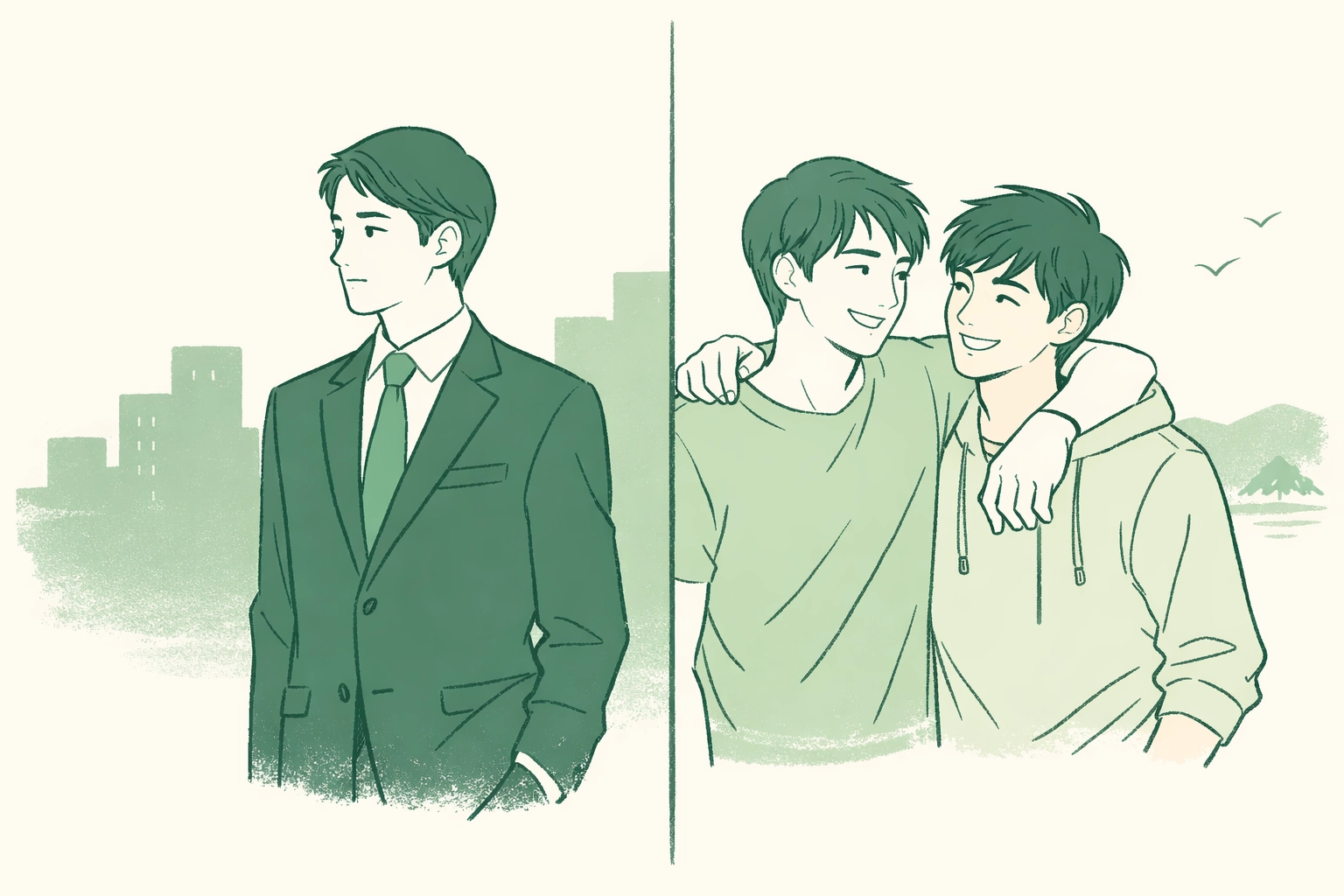
Today, you can be openly gay in Ni-chōme but closeted at your office five subway stops away. You can find gay romance thriving in manga and novels, yet struggle to introduce a same-sex partner at family gatherings. This split existence: the shadowed self and the authentic self: makes the omotenashi of gay bars all the more vital.
These spaces hold both versions of you without judgment. The bar master who greets you in your business suit on Friday understands you'll return Saturday in leather. The continuity of care bridges the fracture.
What Western Readers Can Learn
For those of us consuming MM fiction, gay fiction, and queer literature set in Japan, understanding omotenashi adds crucial dimension. It explains why so many Japanese gay romance stories feature bars as pivotal settings. Why a seemingly simple scene: two men sharing silence over drinks: can carry such emotional weight.
The best MM novels and gay love stories set in Japan capture this tension: the smallness of safe spaces, the enormity of what happens within them. When you read about characters finding connection in a tiny bar in Osaka, you're reading about omotenashi as lifeline.
If you're interested in exploring these themes in contemporary LGBTQ+ fiction, consider titles that examine cultural tension and intimate spaces. The emotional architecture of these stories mirrors the physical architecture of the bars themselves: small, carefully crafted, deeply meaningful.
The Next Generation
Younger LGBTQ+ Japanese are creating new models. Online communities offer connection without geography. Some activists push for visibility and legal rights. Yet the bars endure. Why?
Because omotenashi can't be replicated digitally. The weight of a careful pour. The warmth of remembered detail. The sanctuary of a space that exists just for you: these are analogue experiences. Irreplaceable.
As marriage equality slowly expands across Japan's prefectures and younger generations demand authentic representation in gay books and LGBTQ+ ebooks, these bars may evolve. But they won't disappear. The need for places where omotenashi and queerness intersect: where hospitality becomes haven: remains profound.
Reading with Pride, Living with Intention
Whether you're exploring MM romance, gay contemporary romance, or gay historical romance that touches on Japanese culture, recognizing the role of omotenashi enriches your understanding. These aren't just atmospheric details: they're lifelines, carefully maintained across generations.
At Read with Pride, we celebrate stories that honor these quiet acts of resistance and care. From emotional MM books to heartfelt gay fiction, the best narratives understand that sometimes hospitality is the most radical act of all.
Follow Us on Social Media
Stay connected with the latest in LGBTQ+ romance and queer fiction:
📚 Visit our home: ReadWithPride.com
📖 Explore our collection: Read with Pride Store
📷 Instagram: @dickfergusonwriter
🐦 X/Twitter: @DickFergus94902
👥 Facebook: Dick Ferguson Writer
#ReadWithPride #MMRomance #GayRomance #LGBTQBooks #GayFiction #QueerFiction #JapaneseCulture #MMNovels #GayBooks #LGBTQEbooks #GayLiterature #GayLoveStories #MMFiction #ReadingWithPride #GayContemporaryRomance #EmotionalMMBooks #QueerLiterature #GayRomanceBooks #JapaneseLGBTQ #Omotenashi #2026GayBooks

Leave a Reply
You must be logged in to post a comment.