

readwithpride.com
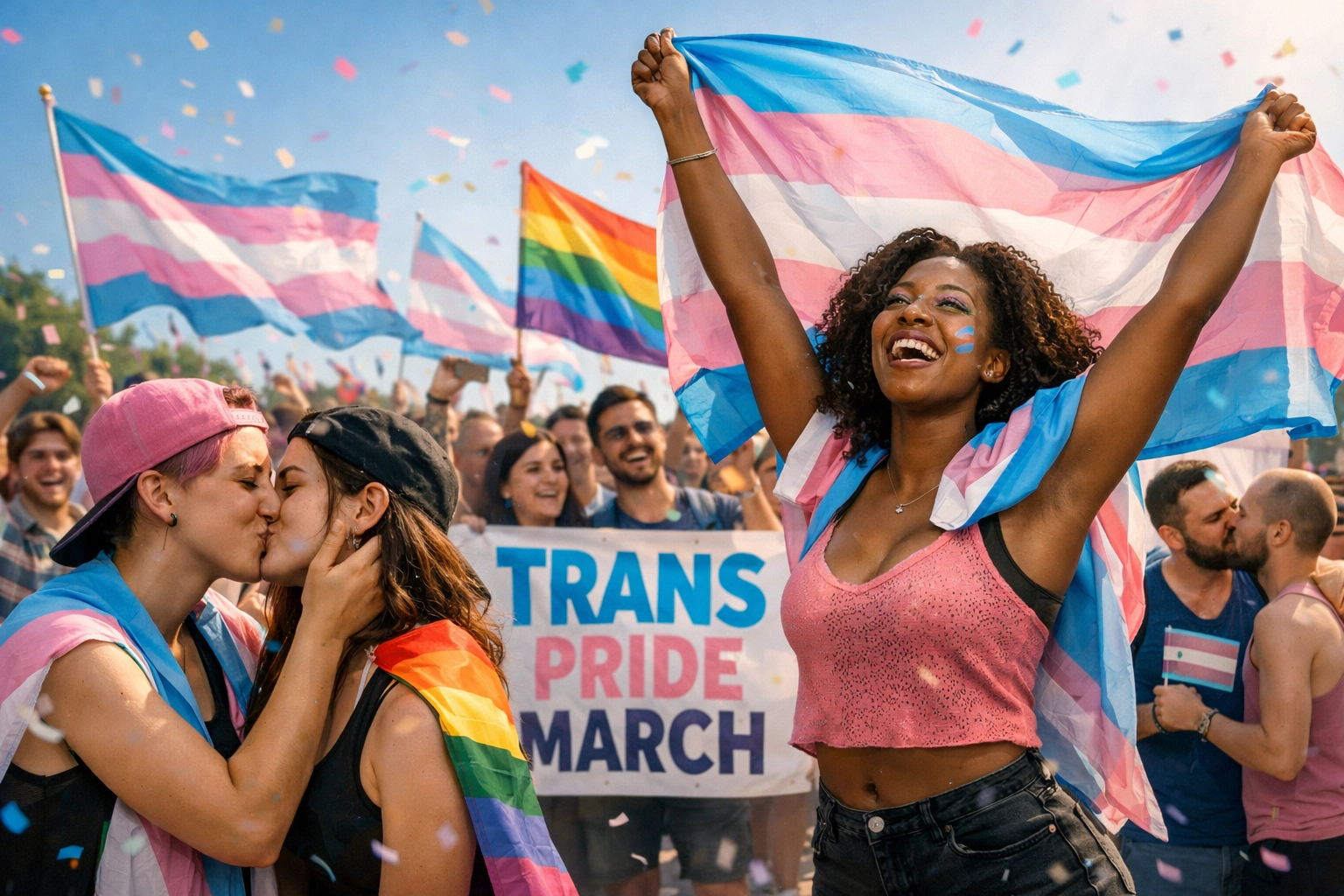
Picture this: June 26, 2009, Toronto. A small group expects maybe ten people to show up for something that's never been done before. Instead, over 1,500 people flood the streets, marching from Bloor and Church to Church and Wellesley. The air is electric with joy, defiance, and something that had been missing for too long: total, unapologetic visibility for the trans community.
This was the first Trans Pride March in Canada, and it changed everything.
When Pride Wasn't Enough
For decades, trans folks had been showing up to Pride parades, standing shoulder to shoulder with the broader LGBTQ+ community. They marched, they celebrated, they fought for rights. But here's the thing: those events were often centered around gay men and lesbians. Trans voices, trans struggles, trans joy? They were there, but they weren't always front and center.
Karah Mathiason saw this gap. She felt it personally, having experienced discrimination even within queer spaces. As political attacks on the trans community intensified, the need for a dedicated space became impossible to ignore. Trans people deserved more than a spot in someone else's parade. They deserved their own celebration, their own march, their own moment to be the stars of the show.
From Ten Expected to 1,500 Strong
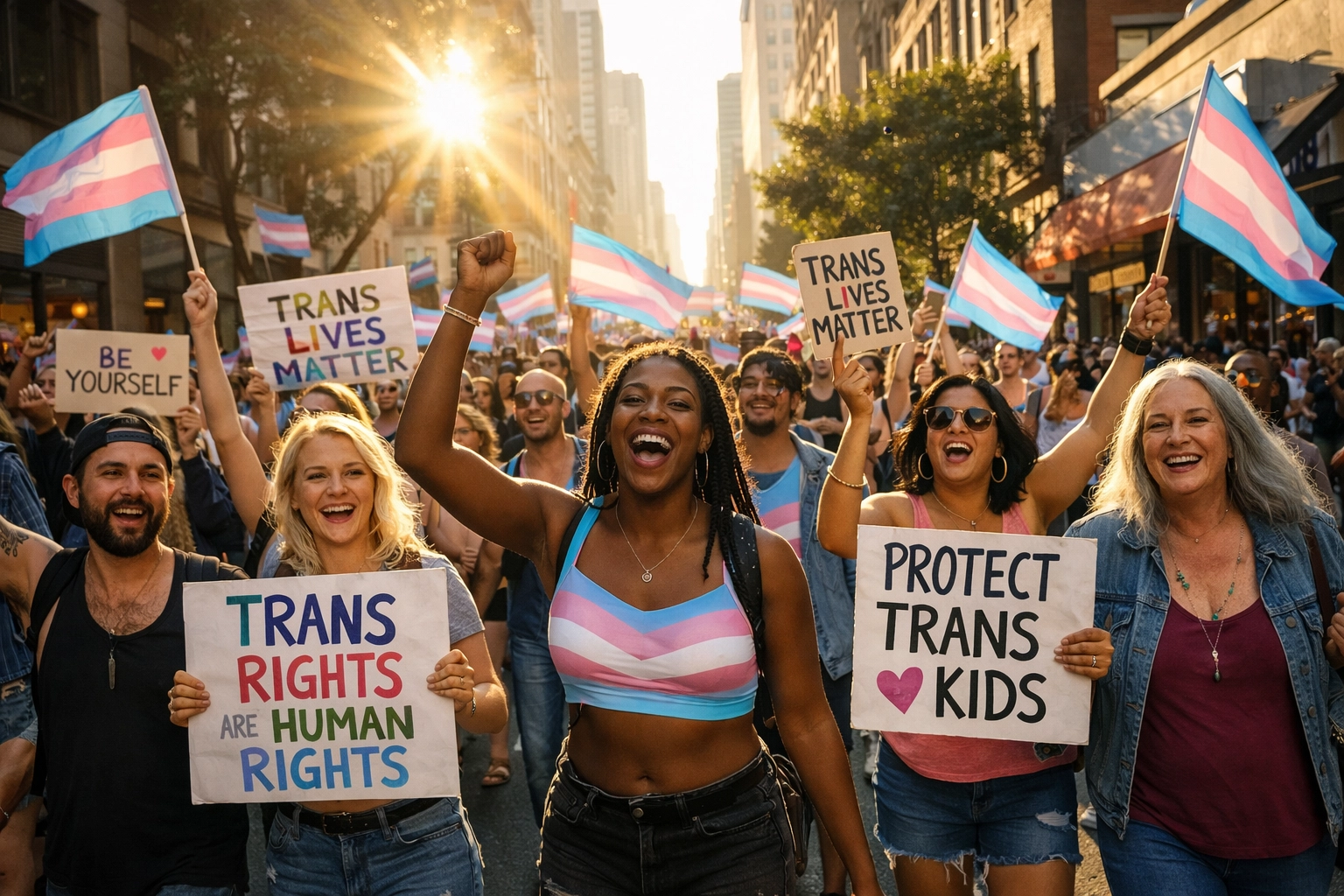
When Karah and her wife Diane Grant started organizing the first Trans Pride March, they weren't sure what to expect. Would anyone come? Would it be just a handful of dedicated activists walking down a quiet street?
The answer came loud and clear. Over 1,500 people showed up.
Think about that for a second. In 2009: long before trans rights became a mainstream conversation, before visibility reached anything close to where it is today: more than a thousand people came together to say: We see you. We celebrate you. You matter.
The march itself was everything traditional Pride sometimes wasn't. No corporate sponsors slapping logos on everything in sight. No massive marketing campaigns. Just community. Raw, authentic, beautiful community coming together to lift each other up.
The Revolutionary Power of Joy
Here's what mainstream narratives often miss: trans activism isn't just about fighting against oppression. It's about joy. It's about celebration. It's about looking at a world that tells you you're not valid and saying, "Watch me thrive anyway."
That first Trans Pride March was a masterclass in revolutionary joy. People dancing in the streets. Signs held high with pride and humor. Strangers becoming friends. Elders and youth marching side by side. Every step was an act of resistance and an act of love.
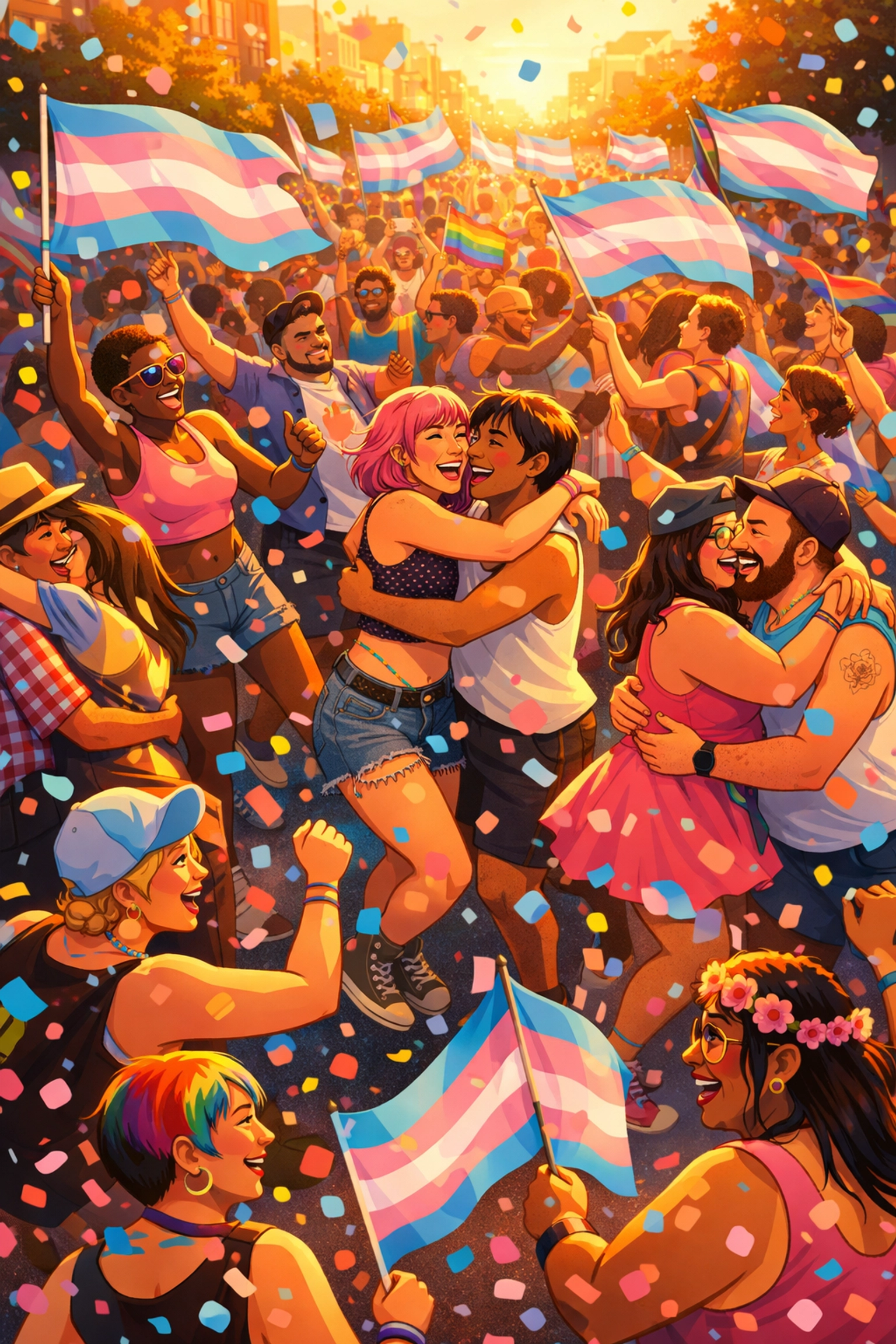
This wasn't just a political statement: though it absolutely was that. It was a reclamation of space, of visibility, of the right to exist joyfully and openly. For many attendees, it was the first time they'd seen themselves reflected in such overwhelming numbers. For some, it was life-changing.
Honoring the Shoulders We Stand On
Of course, the 2009 Toronto march didn't emerge from a vacuum. Trans women of color had been at the forefront of LGBTQ+ resistance long before that summer day. Marsha P. Johnson and Sylvia Rivera were there at Stonewall in 1969, throwing the first bricks (or pennies, depending on who you ask). Before that, trans folks fought back at Compton's Cafeteria in San Francisco in 1966.
These pioneers risked everything so future generations could march freely down city streets. They fought police violence, societal rejection, and erasure from their own community's history. The first Trans Pride marches honored that legacy while creating something new: spaces designed from the ground up with trans experiences at the center.
Why Community-Led Matters
One of the most radical aspects of that first Toronto Trans Pride March was its structure: or lack thereof. No corporate sponsors. No massive production budgets. No watering down of the message to make it palatable to mainstream audiences.
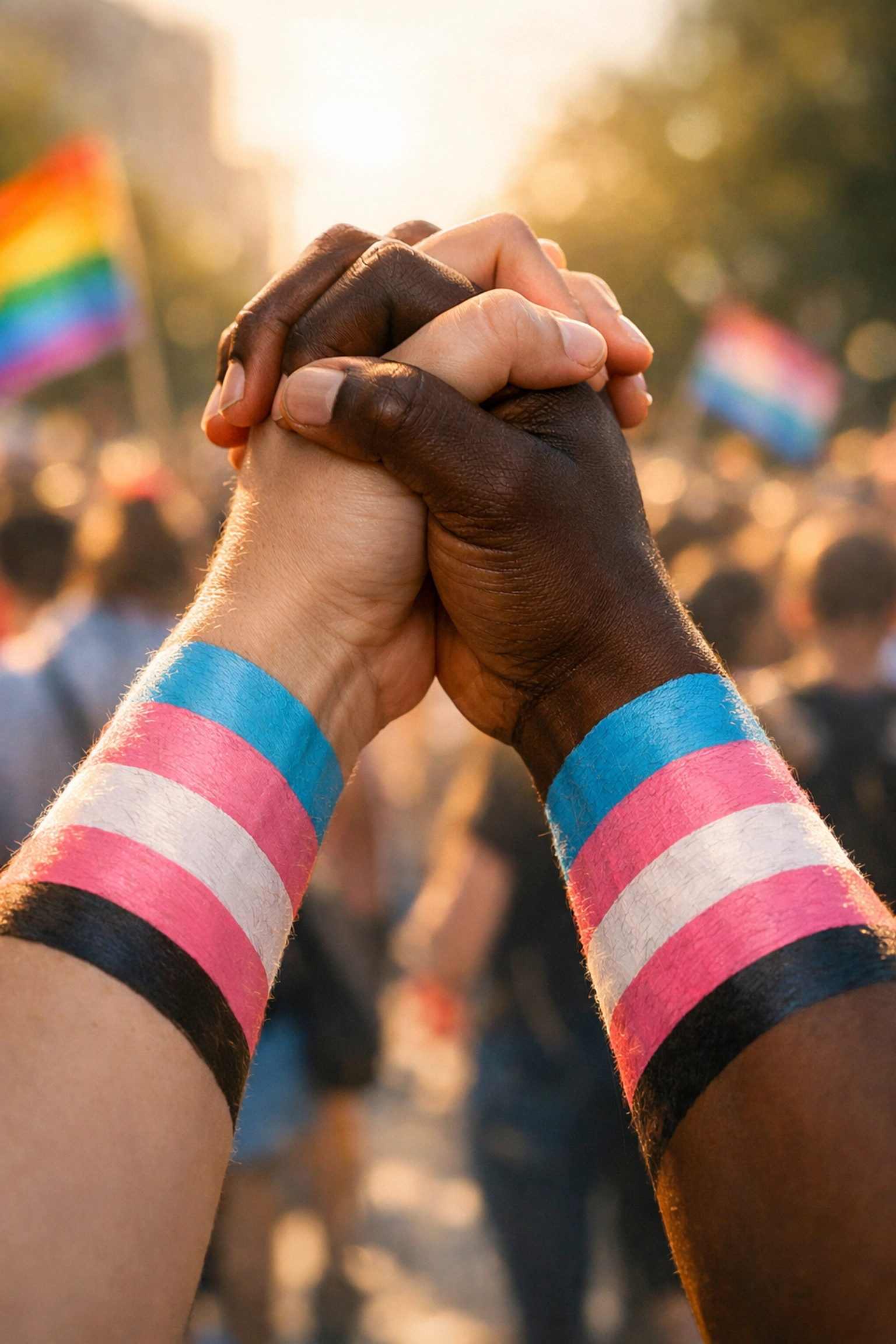
It was community-based and community-run, and it stayed that way. This wasn't about rainbow capitalism or brands jumping on the bandwagon during Pride month. This was about trans people creating space for themselves, on their own terms, with their own voices leading the way.
That model has continued. Year after year, Trans Pride marches maintain their grassroots character. They remain spaces where authenticity trumps marketing, where real stories matter more than photo ops, where the community's needs drive the agenda: not corporate interests or political calculations.
The Ripple Effect
That Toronto march in 2009 sent ripples across the globe. Other cities took notice. Other communities started organizing. Trans Pride events began popping up everywhere: London, Los Angeles, Seattle, Sydney. Each one unique, each one reflecting its local community, but all sharing that same core purpose: centering trans voices and celebrating trans existence.
These marches became more than annual events. They became lifelines. Safe spaces where trans folks could gather without fear, where questioning individuals could see themselves represented, where allies could show up and learn how to better support their trans friends and family.
For younger generations especially, these marches offer something precious: visibility. The knowledge that you're not alone. That there's a whole community of people who understand, who care, who will march beside you.
Reading Our Stories, Celebrating Our Lives
At Read with Pride, we believe in the power of stories. Trans stories. Queer stories. Stories that reflect the full, beautiful spectrum of LGBTQ+ experiences. Because representation matters: in the streets and on the page.

The same joy and empowerment that defined those first Trans Pride marches? That energy lives in queer fiction, in MM romance books, in LGBTQ+ literature that dares to tell authentic stories. When we read books featuring trans characters written with care and respect, when we discover gay romance novels that reflect our experiences, we're participating in another form of visibility.
Every story read, every book shared, every review written: it's all part of building that same inclusive community that filled Toronto's streets in 2009.
The Future Is Trans Joy
Those first Trans Pride marches taught us something vital: joy is resistance. Visibility is power. Community is everything.
As we move forward, as new challenges emerge and old fights continue, we carry that spirit with us. We march not just in June, but every day. We celebrate not just at official events, but in every moment we choose authenticity over assimilation.
The trans community has always been here, will always be here. Those first marches simply made what was always true impossible to ignore: trans people deserve to be seen, heard, celebrated, and loved exactly as they are.
So here's to Karah Mathiason and Diane Grant. Here's to those 1,500 people who showed up when only ten were expected. Here's to every Trans Pride march that followed. And here's to all of us: continuing to build spaces where everyone belongs, where joy is the loudest anthem, and where pride means never apologizing for being exactly who we are.
Join the conversation! Follow us on Instagram, Facebook, and X/Twitter to stay connected with the LGBTQ+ reading community. Discover more inspiring stories and find your next favorite read at readwithpride.com.
#TransPride #LGBTQHistory #TransVisibility #QueerJoy #ReadWithPride #LGBTQBooks #TransRights #PrideHistory #QueerFiction #GayBooks #MMRomance #LGBTQLiterature #TransCommunity #QueerReads #AuthenticStories #LGBTQReading #TransJoy #PrideMonth #QueerLove #CommunityPower

Leave a Reply
You must be logged in to post a comment.