

readwithpride.com
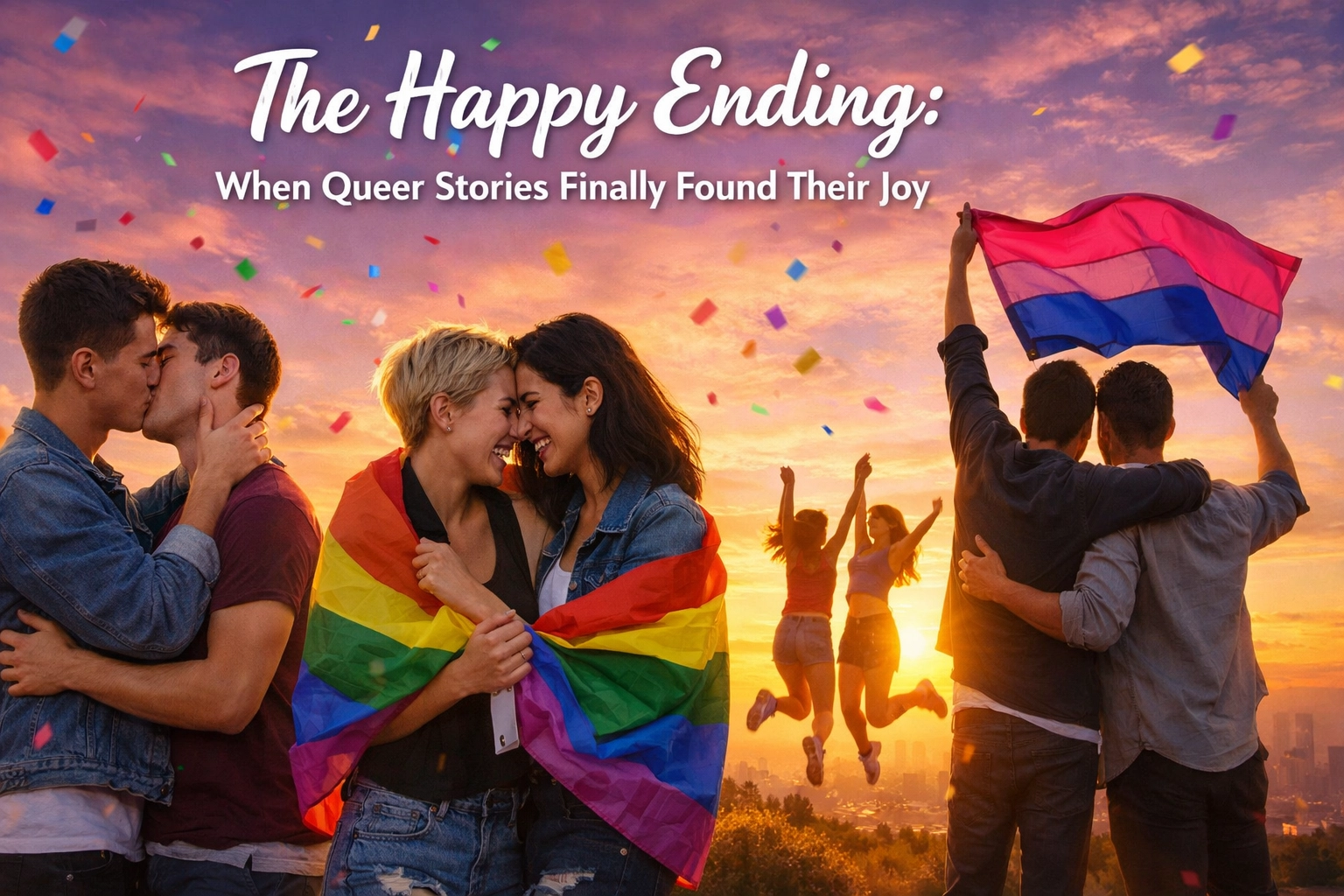
For decades, queer audiences knew the drill: fall in love with a character who finally gets to be themselves, watch them find happiness, and then brace yourself for the inevitable tragedy. The "bury your gays" trope wasn't just a storytelling pattern, it was practically a genre requirement. But somewhere between the 2010s and now, something shifted. The narrative changed. And suddenly, queer characters were allowed to do something revolutionary: they were allowed to live happily ever after.
This isn't just about happy endings. It's about the radical act of imagining queer joy as something worth celebrating on screen.
The Dark Ages of Queer Storytelling
Let's be real, for most of television and film history, being queer on screen came with an expiration date. Whether it was AIDS-related deaths in the 1980s and 90s, tragic suicides, or convenient plot devices that removed LGBTQ+ characters before the credits rolled, the message was clear: queer love stories don't get fairy tale endings.
Think about it. Brokeback Mountain gave us one of cinema's most beautiful gay love stories, and then shattered hearts with a tire iron. Buffy the Vampire Slayer gave fans Willow and Tara, a groundbreaking lesbian relationship, only to kill Tara just after a moment of perfect happiness. Even shows that meant well couldn't seem to imagine queer characters getting their happy ending without some devastating twist.
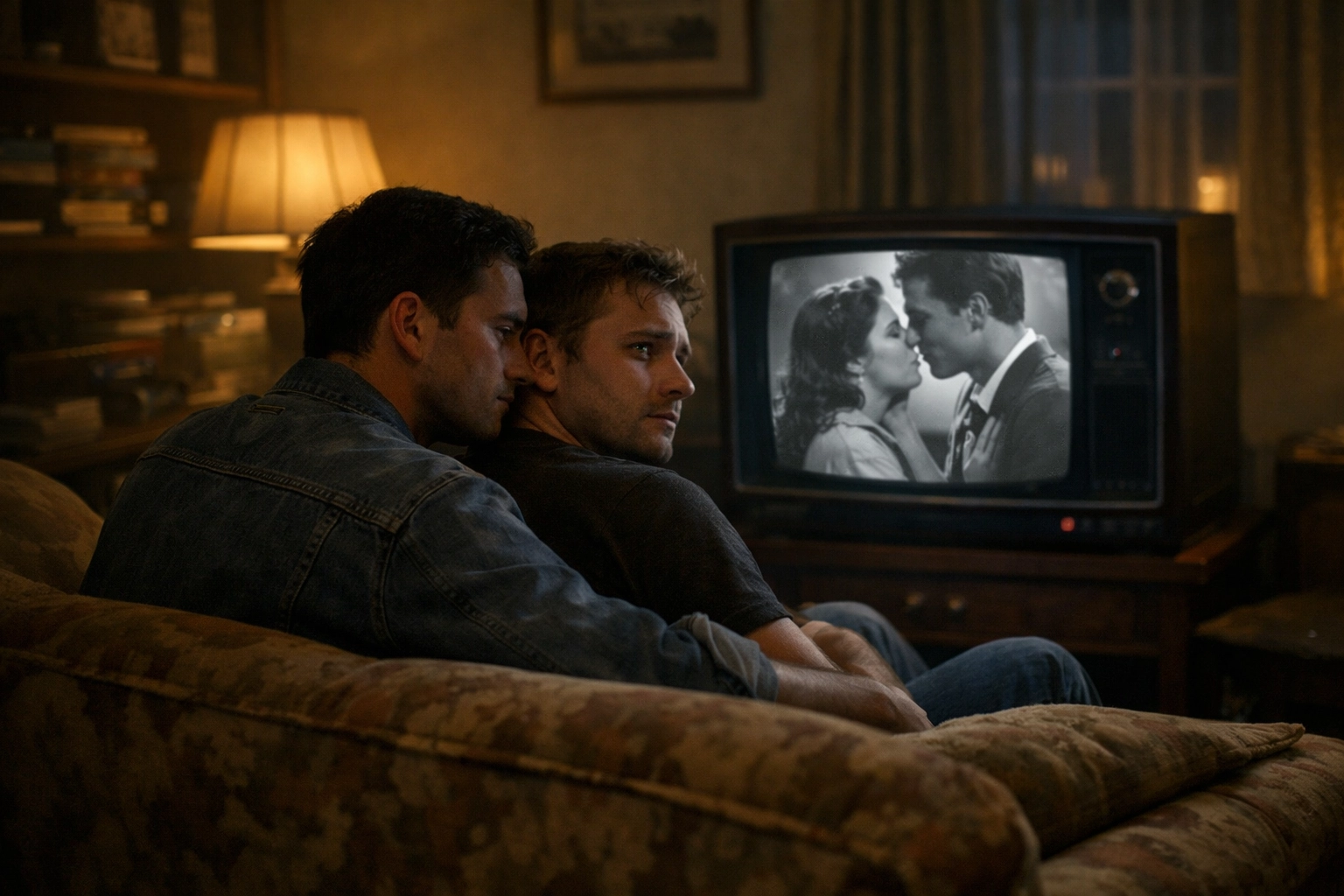
The pattern was so predictable that it became a trope, then a meme, and eventually a rallying cry for change. Audiences started demanding better. They wanted to see themselves not just surviving, but thriving. They wanted the messy middle parts, sure, but they also wanted the sunset ride into happiness that straight characters had enjoyed for decades.
The Turning Point: When Joy Became Revolutionary
Something magical happened in the mid-2010s. Creators started listening. More importantly, queer creators started getting the chance to tell their own stories, and unsurprisingly, those stories included a whole lot more joy.
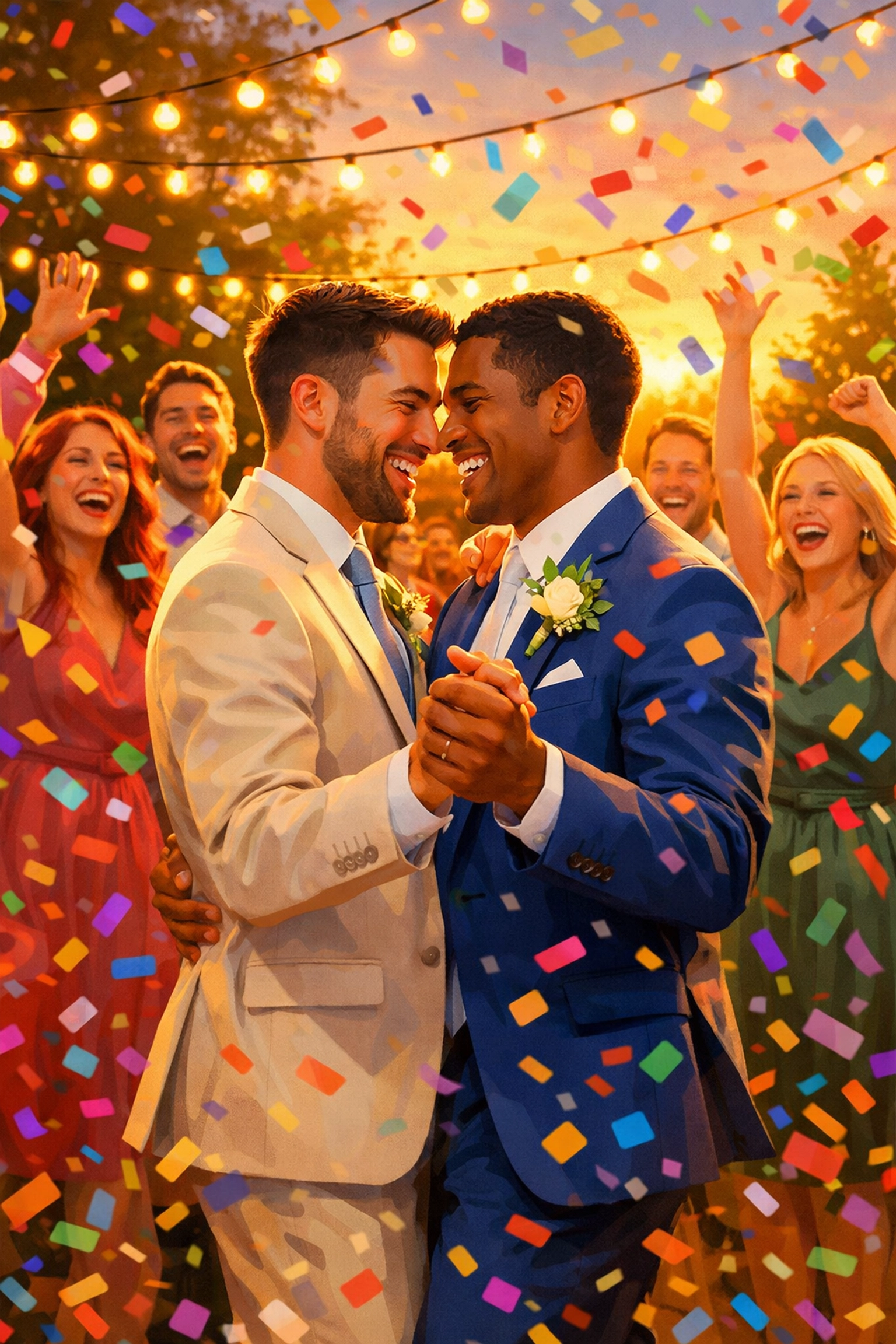
Schitt's Creek gave us David and Patrick's love story, complete with a wedding that felt like a collective exhale for queer audiences everywhere. No coming out trauma. No tragic ending. Just two men building a life together in a town that celebrated them. The show's creator, Dan Levy, made a deliberate choice to show queer love as something normal, joyful, and worth celebrating without the shadow of tragedy hanging over it.
Then came Heartstopper, the Netflix adaptation that took the internet by storm. Nick and Charlie's story is so achingly wholesome, so full of gentle moments and genuine happiness, that it feels like a love letter to every queer kid who grew up watching characters like them die on screen. It's proof that queer YA stories can be about first love and school dances and figuring things out, not just pain and rejection.
Pose gave us ballroom culture, found family, and yes, heartbreak, but also triumph, love, and community. Feel Good explored addiction and complicated relationships while still landing on hope. Love, Victor took the Love, Simon universe and expanded it into a full series where the protagonist gets to be messy, make mistakes, and still end up happy.
Even shows like The L Word: Generation Q and Queer as Folk (the 2022 reboot) approached queer stories with a new lens, one that acknowledged struggle but refused to let tragedy define the narrative.
Why Happy Endings Matter More Than You Think
Here's the thing about representation: it shapes how we see ourselves and what we believe is possible. When every queer story ends in death, rejection, or loneliness, it sends a message, especially to young LGBTQ+ people, that happiness isn't in the cards for them. That their love stories are inherently tragic.
But when queer characters get happy endings? When they get to kiss in the rain, have awkward first dates, build careers, adopt kids, grow old together, or just exist without their queerness being the source of endless trauma? That's when storytelling becomes transformative.
Happy endings in queer media aren't just feel-good moments, they're acts of resistance. They counter decades of cultural messaging that positioned LGBTQ+ lives as cautionary tales. They tell queer audiences, especially young ones: you deserve joy. Your love is valid. Your story doesn't have to end in tragedy.
This shift in visual media has also influenced the world of gay romance books and MM romance novels. The explosion of LGBTQ+ fiction with happy endings, from steamy contemporary MM romance to heartfelt gay historical romance, shows that audiences are hungry for these narratives. Platforms like Readwithpride.com have seen a surge in readers seeking gay romance books that prioritize joy, connection, and yes, those satisfying happily-ever-afters.
The Ripple Effect: From Screen to Page
The movement toward joyful queer narratives hasn't stayed confined to TV and film. Gay literature, particularly MM romance, has exploded with stories that center queer happiness. Readers are devouring enemies-to-lovers MM romance, forced proximity tropes, and slow-burn love stories where the characters don't just survive: they get the life they deserve.
Books like Red, White & Royal Blue (which later became a film) proved that queer romance novels could be bestsellers without trauma being the central theme. The success of gay romance series shows that audiences want to see themselves falling in love, overcoming obstacles, and building futures together.
Whether it's gay contemporary romance set in small towns, gay fantasy romance with dragons and destiny, or gay spy romance with international intrigue, the common thread is clear: queer characters are finally allowed to have adventures, fall in love, and stick around for the sequel.
The Stories We Deserve
We're living in a golden age of queer storytelling. While there's still work to be done: we need more trans narratives, more queer stories featuring people of color, more bisexual and asexual representation: the shift toward happiness is undeniable.
This doesn't mean we should abandon stories about struggle. The queer experience includes hardship, and those stories matter too. But we also deserve stories about first dates, wedding planning, adopting rescue dogs, terrible puns, Sunday morning pancakes, and growing old together.
We deserve the full spectrum of human experience: not just the tragic parts.
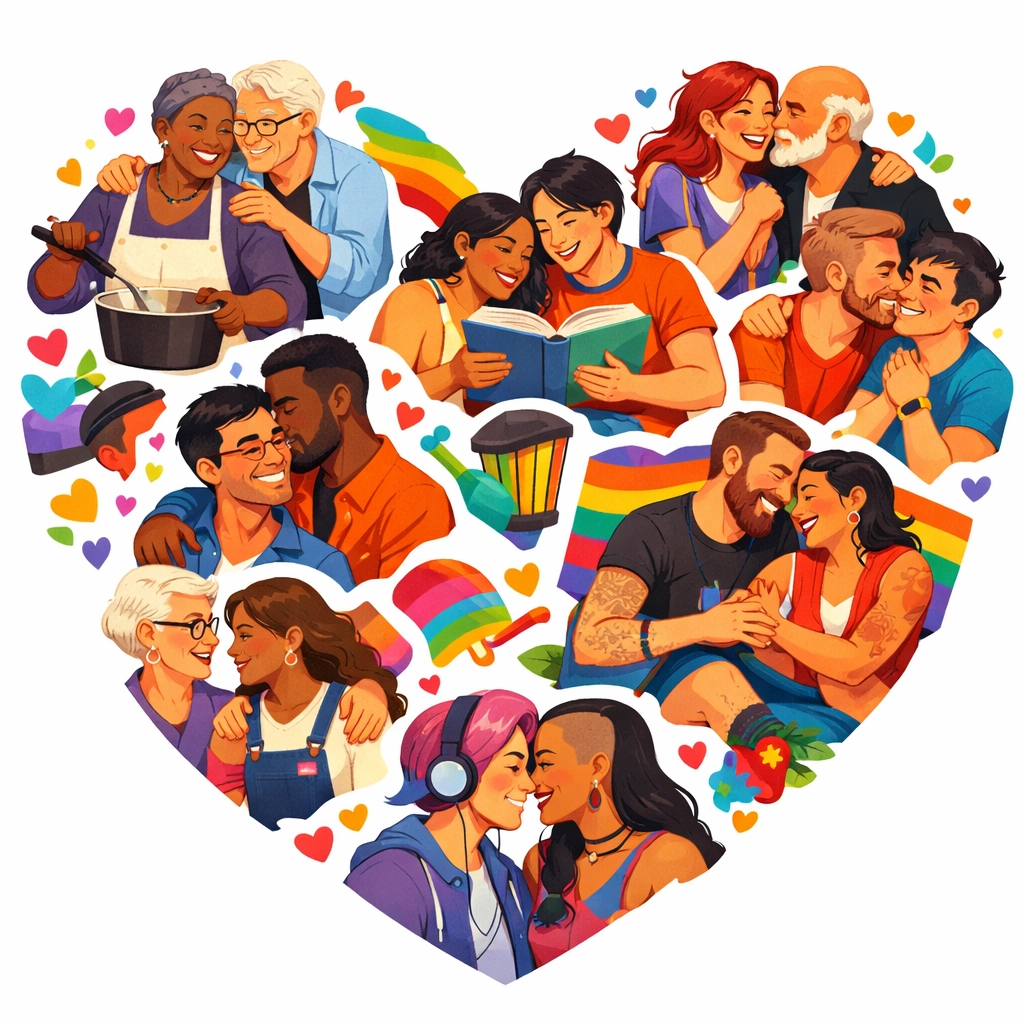
Finding Your Happy Ending
If you're looking for more joyful queer stories, whether on screen or on the page, there's never been a better time to dive in. From the best MM romance books of 2026 to classic gay novels that paved the way, the options are endless.
Check out Readwithpride.com for curated collections of gay fiction, MM romance books, and LGBTQ+ ebooks that celebrate queer joy. Whether you're into heartfelt gay love stories, steamy MM romance, or emotional queer fiction, there's something waiting for you.
The happy ending isn't just a trope: it's a promise. A promise that our stories matter, our love is real, and our joy is worth celebrating.
And honestly? That's the kind of revolution we can all get behind.
Follow us for more LGBTQ+ content and recommendations:
- Instagram: @read.withpride
- X/Twitter: @Read_With_Pride
- Facebook: Read With Pride
#MMRomance #GayRomanceBooks #LGBTQBooks #QueerFiction #ReadWithPride #GayLoveStories #QueerJoy #LGBTQRepresentation #MMRomanceBooks #GayFiction #QueerHappyEndings #MMContemporary #GayBooks2026 #LGBTQEbooks #QueerLiterature #GayRomanceNovels

Leave a Reply
You must be logged in to post a comment.