

readwithpride.com
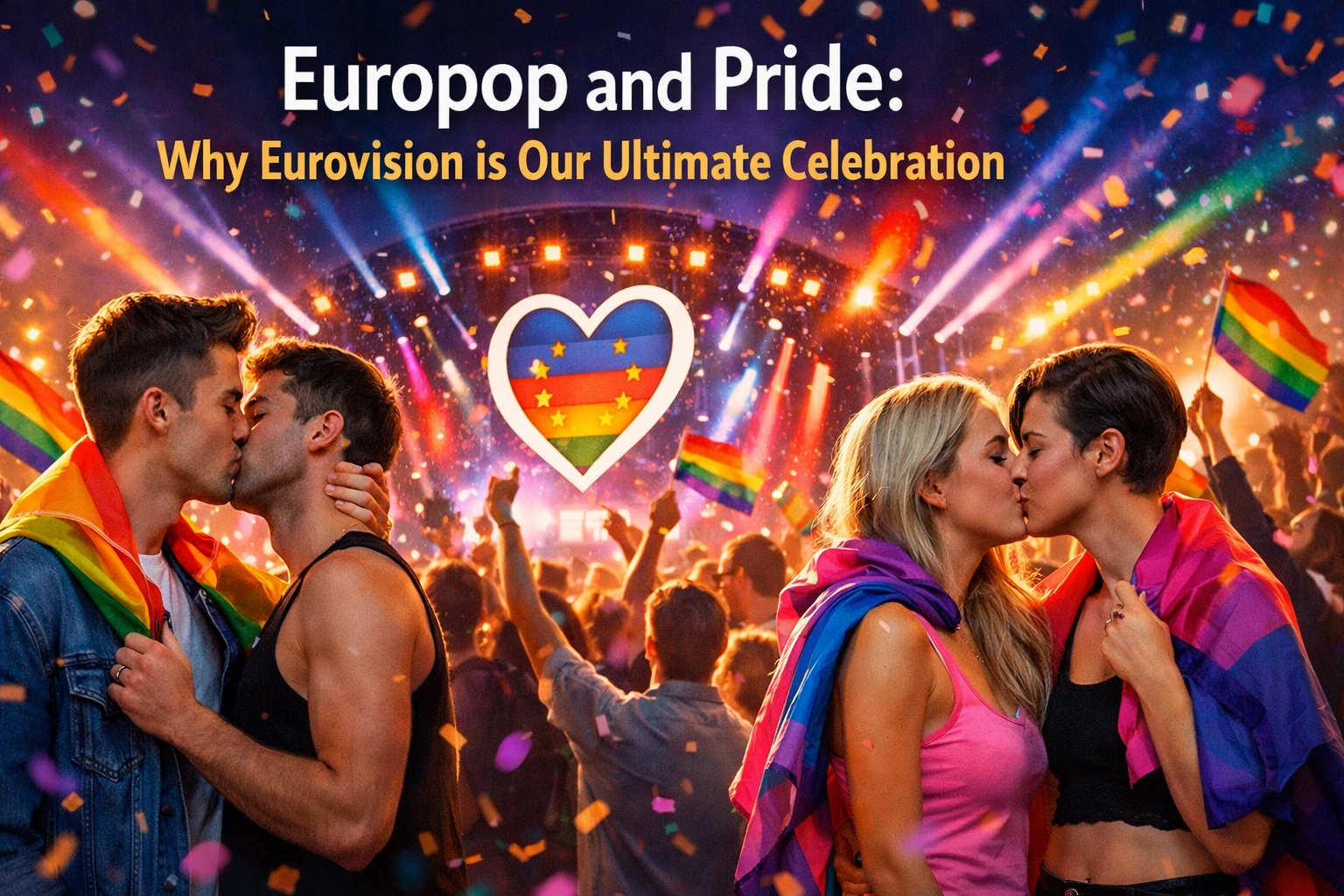
Every May, something magical happens. Across the globe, millions of LGBTQ+ people gather around screens, in bars, living rooms, and watch parties, to witness what can only be described as the queerest night on television. The Eurovision Song Contest isn't just a music competition. It's become our unofficial holiday, our Super Bowl, our collective moment of pure, unapologetic joy.
But why? What is it about this decades-old European singing contest that has captured the hearts of queer communities worldwide?
The Glitter, The Camp, The Unabashed Excess
Let's be honest: Eurovision is extra. And we absolutely love it for that.
Where else can you witness a Finnish heavy metal band dressed as monsters competing against a Ukrainian techno-folk act wearing elaborate traditional costumes, followed by a Swedish pop star descending from the ceiling on a mechanical unicorn? Eurovision doesn't just embrace camp, it celebrates it, crowns it, and gives it a confetti cannon.
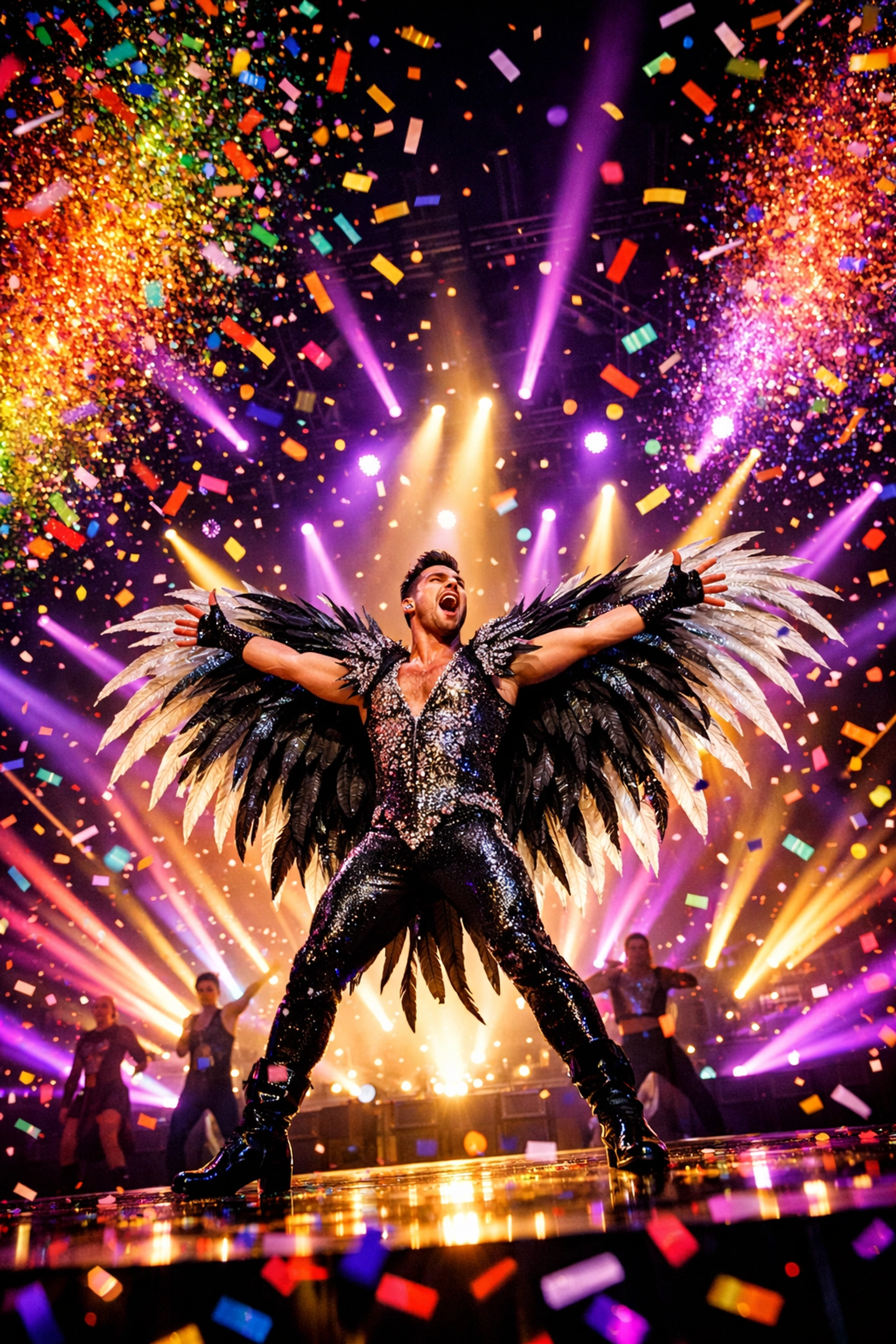
For LGBTQ+ folks who've spent lifetimes being told we're "too much," Eurovision says the opposite. It screams: be MORE. Be louder, sparklier, weirder, and more fabulous than you ever thought possible. In a world that often demands conformity, Eurovision is a three-hour celebration of absolute chaos and creativity.
The theatrical performances, the over-the-top staging, the sequins upon sequins upon sequins, it's all deeply, gloriously queer. Not necessarily in terms of sexuality, but in terms of sensibility. It's about rejecting the ordinary and embracing the spectacular.
A History of Queer Visibility
Eurovision's relationship with the LGBTQ+ community isn't just about aesthetics. The contest has provided some of the most powerful moments of queer visibility in mainstream media.
In 1998, Dana International won the contest representing Israel, becoming the first openly transgender artist to triumph on the Eurovision stage. Her victory with "Diva" wasn't just a musical win, it was a statement that resonated across the world at a time when transgender visibility was virtually nonexistent in mainstream media.
Fast forward to 2014, and Conchita Wurst, the bearded drag persona of Austrian singer Tom Neuwirth, took the trophy with the powerful anthem "Rise Like a Phoenix." Her win came during a time of increasing anti-LGBTQ+ legislation in parts of Europe, making her victory feel even more significant. She literally rose like a phoenix on that stage, beard and gown combining in a way that challenged every gender norm, and the entire continent voted to make her their winner.
These weren't accidents. They were moments when Europe collectively chose visibility, diversity, and love over fear.
A Safe Space in an Unsafe World
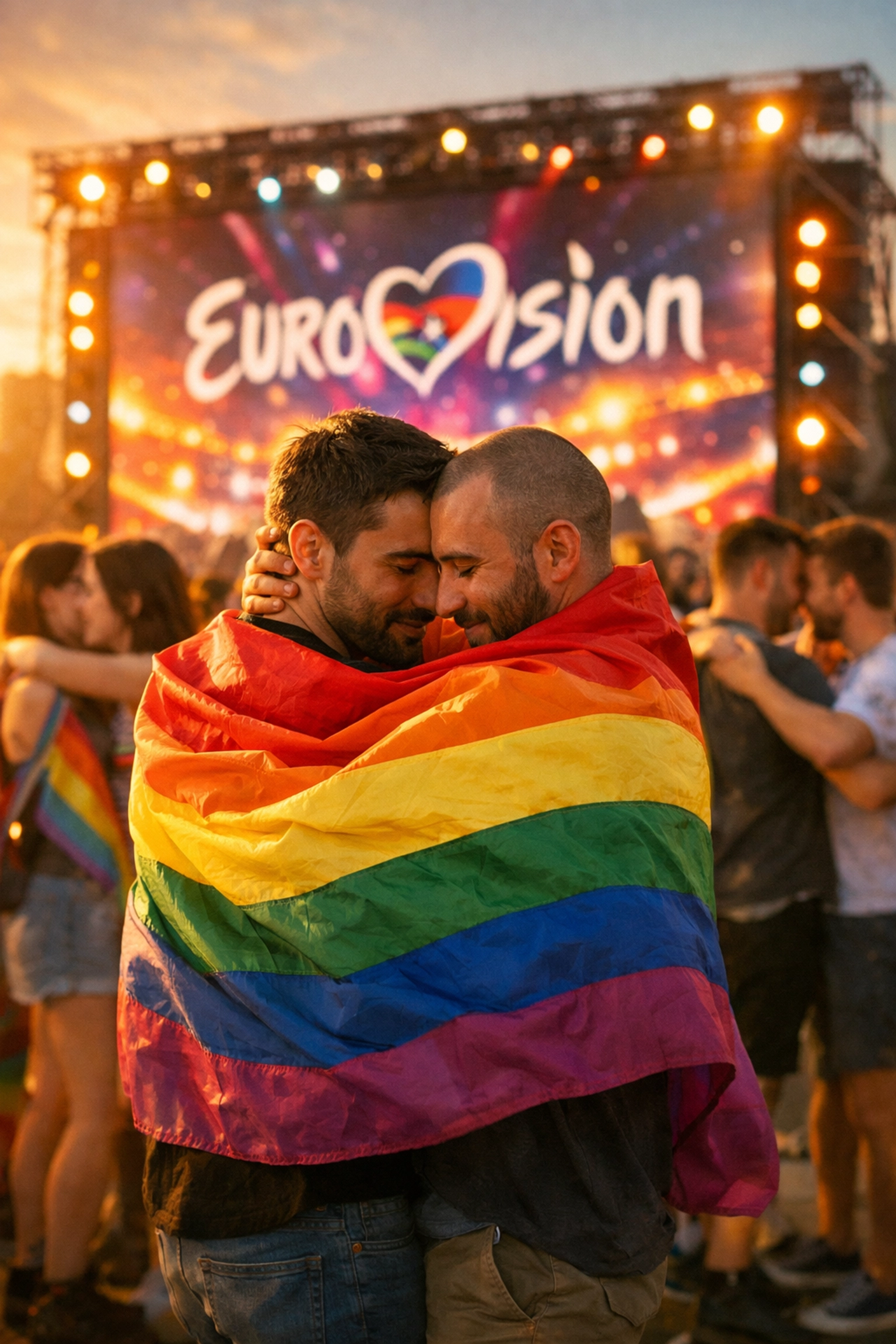
Here's something beautiful about Eurovision: for one night, the entire show becomes a safe space.
The audience is packed with rainbow flags. The green room (where performers wait) becomes a melting pot of languages, cultures, and identities all supporting each other. Host cities transform into temporary queer havens, with Pride flags flying alongside national banners.
In countries where LGBTQ+ rights are still struggling, Eurovision broadcasts can be one of the few times queer visibility reaches mainstream television. When millions tune in, they see drag queens, gender non-conforming performers, same-sex duets, and overtly queer staging. For young queer kids watching in conservative homes or repressive countries, these moments can be life-changing.
Eurovision says: you belong here. Your identity is celebrated here. Your existence is worth cheering for.
The Music That Soundtracks Our Lives
Let's talk about Europop, that infectious, upbeat, sometimes cheesy, always catchy music that defines Eurovision. It's the soundtrack to countless Pride celebrations, gay bars, and queer gatherings around the world.
These songs are designed to be anthems. They're about love, resilience, hope, and self-expression. They're meant to be sung loudly, danced to freely, and felt deeply. From ABBA's "Waterloo" to Loreen's "Euphoria," Eurovision has given us songs that transcend the competition itself.
For the LGBTQ+ community, these become more than just pop songs. They become our songs. We reclaim them, remix them, perform them in drag shows, and blast them during Pride parades. The joy and liberation in these tracks mirror our own journeys toward self-acceptance and celebration.
Unity Through Diversity
Eurovision's motto is "United by Music," and that's not just corporate speak. The contest genuinely brings together nations with complicated histories and different political systems under one very sparkly roof.
For queer people, this resonates deeply. We exist in every country, every culture, every language. We're a global community connected by shared experiences, even when we're separated by borders. Eurovision mirrors that reality, it's a reminder that despite differences, we can come together in celebration.
The voting process alone is a lesson in international solidarity. Countries that might have political tensions still exchange points. The diaspora votes for their homelands. Neighbors support neighbors. It's messy, dramatic, and occasionally controversial, but it's also a powerful display of connection.
The Community It Creates
Visit any Eurovision watch party in a queer bar, and you'll understand instantly why this matters so much. The energy is electric. People arrive in costume. Bingo cards get printed. Drinking games are established. Strangers become friends over shared outrage at surprising voting results.
It's not really about the music anymore, it's about the ritual. It's about having a shared cultural touchstone that's unapologetically ours. While straight America has the Super Bowl and straight Britain has the FA Cup Final, we have Eurovision. And honestly? Our celebration involves way better outfits and significantly more glitter.
The online community is equally vibrant. Social media explodes every Eurovision season with memes, reactions, analyses, and debates. We dissect performances, predict winners, and create a digital space that feels inclusive and joyful.
Why It Still Matters in 2026
As we approach another Eurovision season, the contest feels more important than ever. In an era where LGBTQ+ rights are facing renewed challenges in various parts of the world, having a mainstream platform that celebrates queerness, even if not explicitly, remains vital.
Eurovision continues to push boundaries. It features non-binary performers, same-sex couples in romantic performances, and songs with explicitly inclusive messages. It normalizes diversity in a way that reaches hundreds of millions of viewers.
For those of us who love MM romance books and queer fiction, Eurovision offers something similar to what we find in those stories: representation, joy, triumph, and the celebration of love in all its forms. Just as platforms like Read with Pride provide spaces for LGBTQ+ narratives, Eurovision creates a televised space where queer aesthetics and values take center stage.
More Than a Contest
At the end of the day, Eurovision matters because it reminds us that joy is resistance. Celebration is activism. Visibility is power.
When we gather together, whether in person or online, to watch sparkly performers sing about love and hope, we're doing more than just enjoying a music contest. We're building community. We're creating shared memories. We're celebrating ourselves.
So yes, the songs might be cheesy. The voting might be political. The staging might be absolutely ridiculous. But it's ours. It's a space where we can be loud, proud, and unapologetically fabulous.
And in a world that still needs reminding that LGBTQ+ lives matter, that queer joy is valid, and that diversity makes everything better: Eurovision continues to deliver that message, twelve points at a time.
This May, when the contest returns, millions of us will once again gather to watch. We'll laugh, we'll cry, we'll argue about who should have won, and we'll already be counting down to next year.
Because Eurovision isn't just our ultimate celebration: it's a reminder that we exist, we're fabulous, and we're not going anywhere.
Join the conversation! Follow us on Instagram, Facebook, and X for more celebrations of LGBTQ+ culture, joy, and community. Looking for more queer love stories? Explore our collection of MM romance books and gay fiction at readwithpride.com.
#Eurovision #LGBTQ+ #Pride #Europop #QueerCulture #MMRomance #GayRomance #ReadWithPride #LGBTQBooks #QueerJoy #EurovisionSongContest #CampCulture #GayFiction #LGBTQCommunity #PrideMonth #QueerVisibility #GayBooks #EurovisionPride #CelebrateDiversity #LoveIsLove

Leave a Reply
You must be logged in to post a comment.