

readwithpride.com
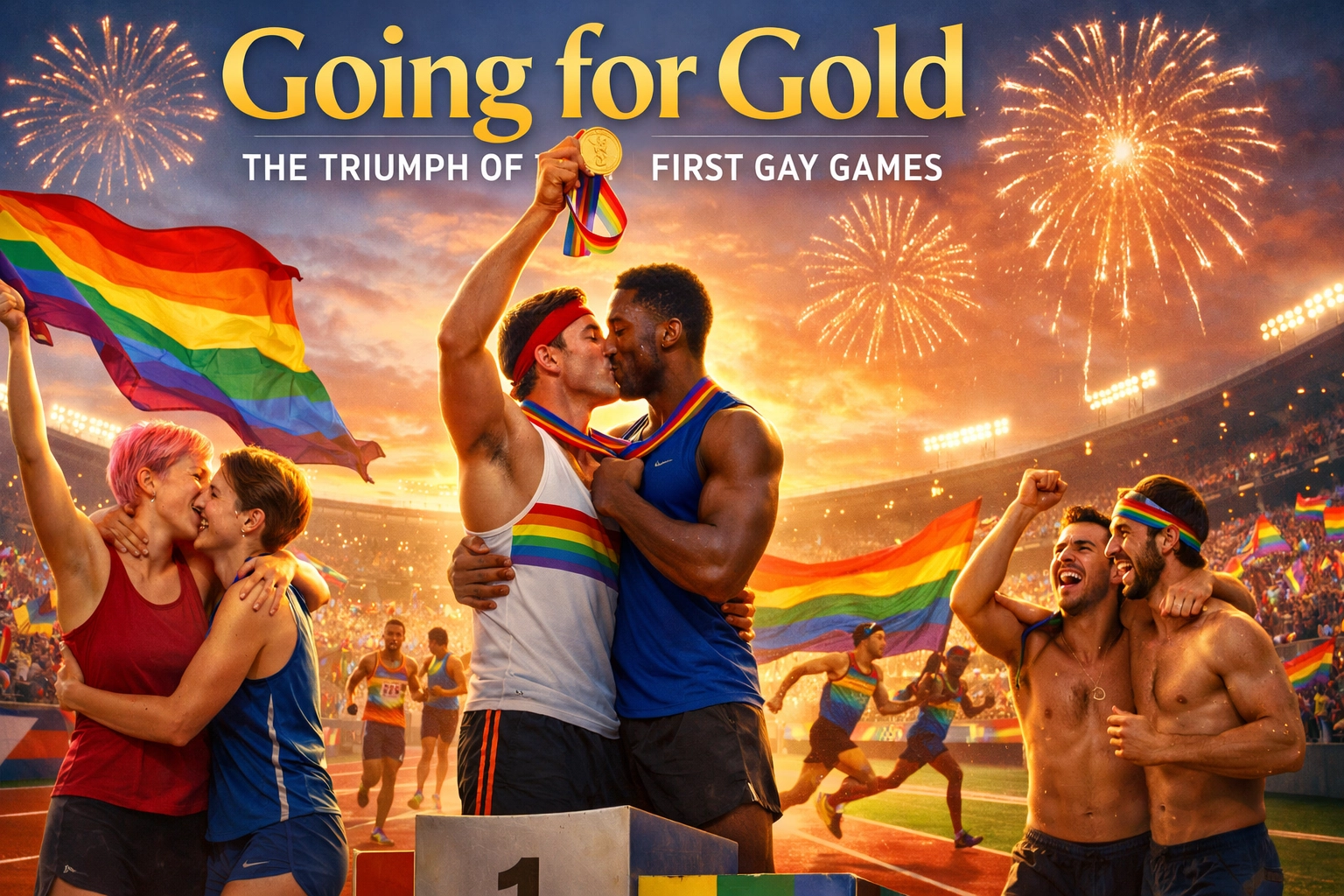
Picture this: It's August 1982 in San Francisco. The city is buzzing with energy, and over 1,350 athletes from more than 170 cities around the world are about to make history. Not by breaking world records or winning gold medals, though plenty of those happened too, but by simply showing up. By being visible. By proving that you could be athletic and gay at the same time, two things society insisted were mutually exclusive.
Welcome to the first Gay Games, a moment of pure joy and defiance that changed the landscape of LGBTQ+ sports forever.
A Vision Born from Exclusion
The Gay Games didn't materialize out of thin air. They were born from necessity, from the very real experience of being shut out, mocked, and denied. Tom Waddell knew this firsthand. An Olympic decathlete who competed in the 1968 Mexico City Olympics, Waddell had lived the double life many LGBTQ+ athletes of his era endured, talented, accomplished, but forced to hide a fundamental part of who he was.
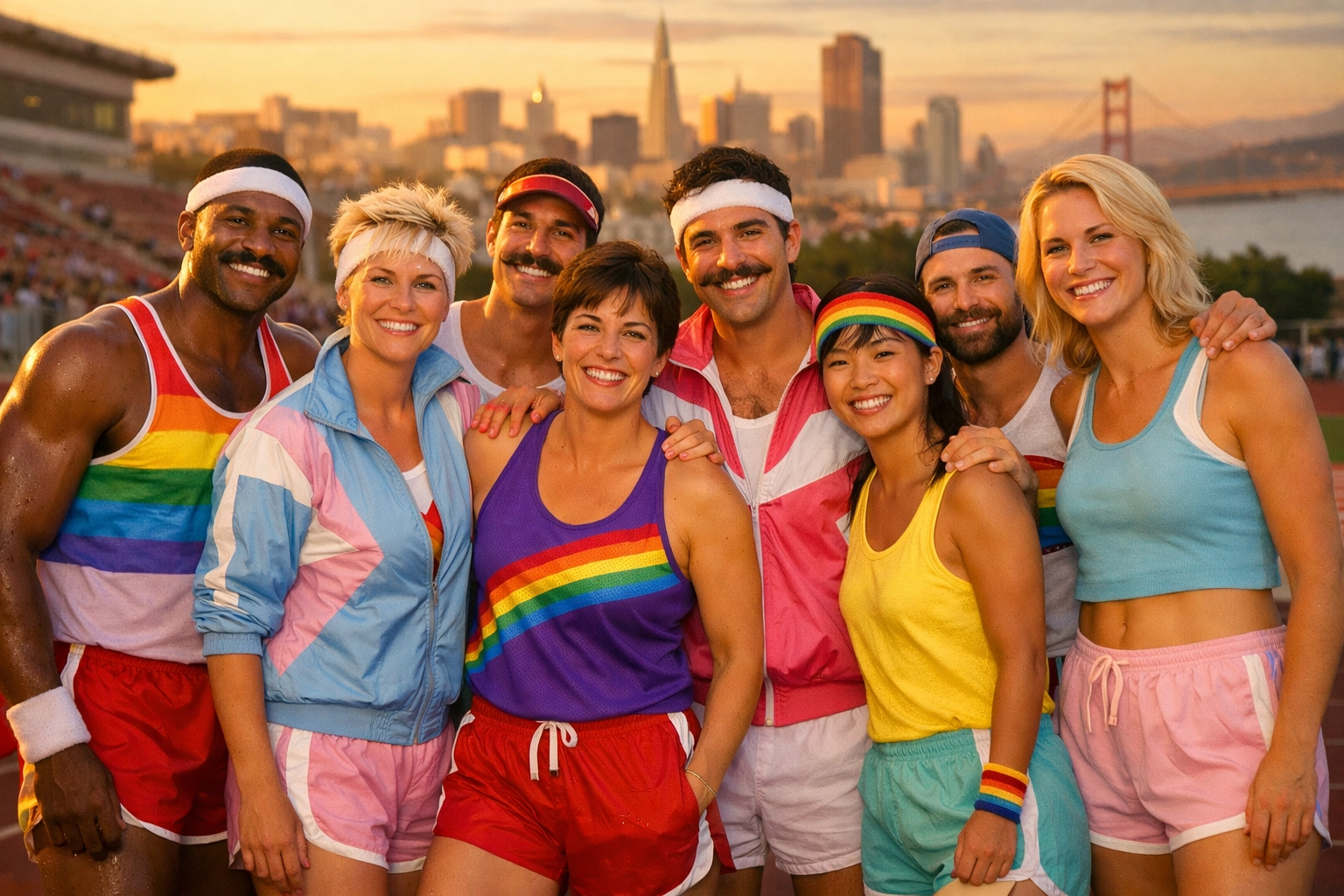
Working alongside visionaries like Brenda Young and Rikki Streicher, Waddell wanted to create something revolutionary: a sporting event that celebrated inclusion over nationalism, participation over perfection, and community over competition. Originally dubbed the "Gay Olympics," the event would eventually take its current name after the U.S. Olympic Committee, in a move that surprised absolutely no one, sued to protect their trademark.
But here's the thing: Waddell and his team weren't trying to copy the Olympics. They were trying to transcend it. While the traditional Olympics pitted countries against each other in a medal-hungry frenzy, the Gay Games would represent cities, not nations. Medal counts were banned. Record-keeping was discouraged. The message was clear: this wasn't about being the best. It was about being yourself.
The Games Begin
When the opening ceremony kicked off at Kezar Stadium, something magical happened. A torch, lit at the Stonewall Inn in New York City, the birthplace of the modern LGBTQ+ rights movement, had made its way across the country. That symbolic flame connected two historic moments: the rebellion of 1969 and the celebration of 1982.
And then? Tina Turner took the stage.
Yes, that Tina Turner. Her presence alone sent a message to the world: this wasn't some fringe event happening in the shadows. This was legitimate, celebrated, and worthy of international attention.
The competition itself spanned nine days and featured sixteen different sports: basketball, billiards, bowling, cycling, diving, golf, marathon running, physique competitions, powerlifting, soccer, softball, swimming, tennis, track and field, volleyball, and wrestling. From endurance athletes to bodybuilders, from team sports to solo competitors, there was something for everyone.
More Than Medals
What made the Gay Games so revolutionary wasn't just that LGBTQ+ people were competing: it was how they were competing. Rick Thoman, a track and field participant, summed it up perfectly when he reflected on the cultural landscape of the early 1980s. Society simply didn't acknowledge that someone could be both athletic and gay. The stereotypes were ironclad: gay men were effeminate, weak, incapable of physical prowess. Lesbians were either invisible or dismissed as "mannish."
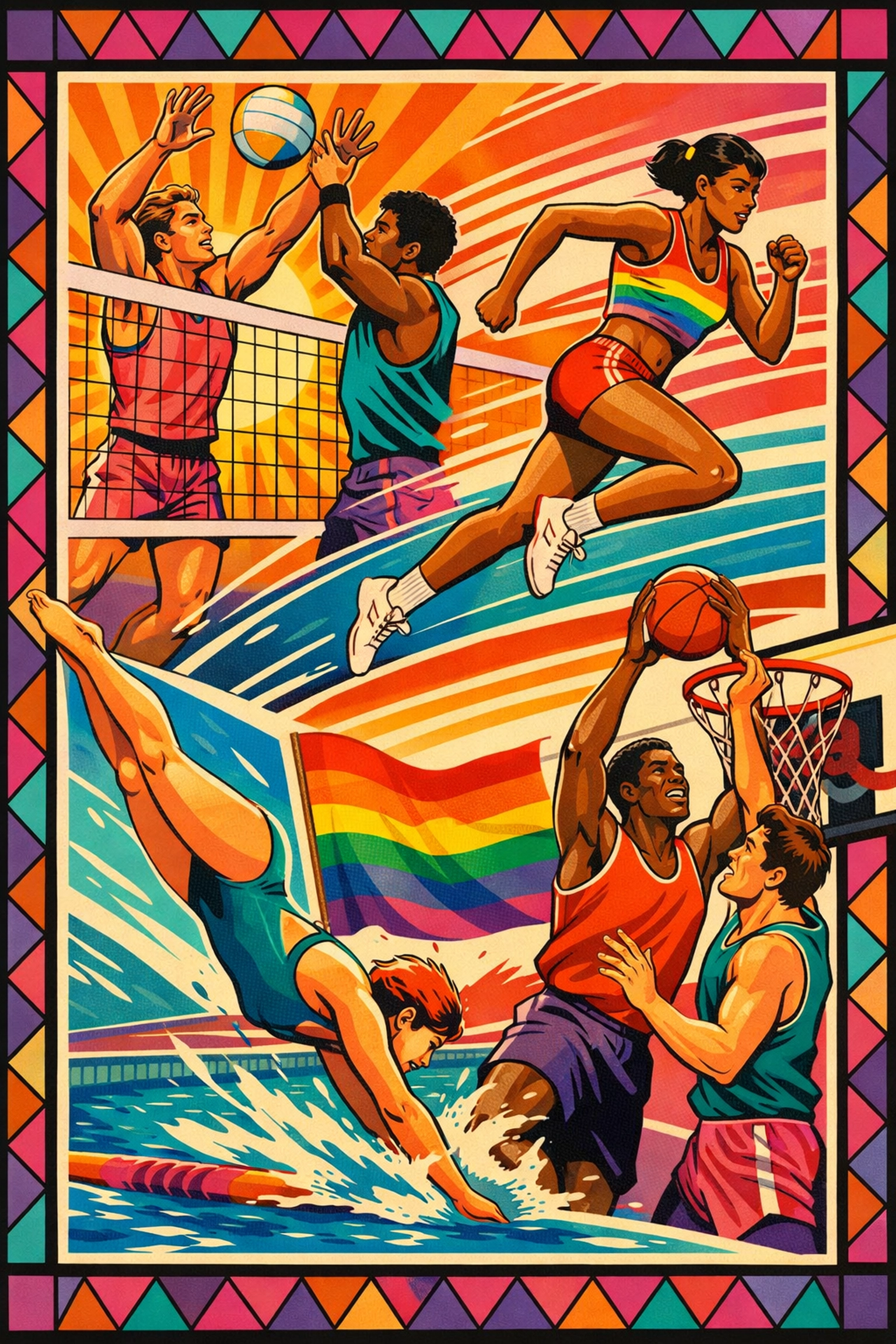
The Gay Games obliterated those stereotypes in real time. Here were LGBTQ+ athletes at every level: from casual participants trying a sport for the first time to serious competitors with years of training: all united by a simple truth: sports belong to everyone.
For many participants, this was the first time they'd been able to compete openly as themselves. No more hiding relationships, no more careful pronoun management in locker rooms, no more fear of being discovered and kicked off a team. The freedom was intoxicating. The community was transformative.
And critically, the Games weren't just for elite athletes. The emphasis on participation meant that someone who'd never picked up a tennis racket could play alongside someone who'd been competing for decades. Age, ability, experience: none of it mattered. What mattered was showing up.
A Cultural Earthquake
The impact of those nine days in San Francisco rippled far beyond the Bay Area. Almost immediately, gay sports leagues began popping up across America. Softball teams, bowling leagues, swimming clubs, running groups: suddenly, LGBTQ+ people had spaces where they could be athletic without compromise.
The Games also challenged the broader culture. Mainstream media coverage, while sometimes awkward and occasionally offensive by today's standards, nonetheless forced a conversation. Here was undeniable proof that LGBTQ+ people were athletes, were strong, were capable, were visible.
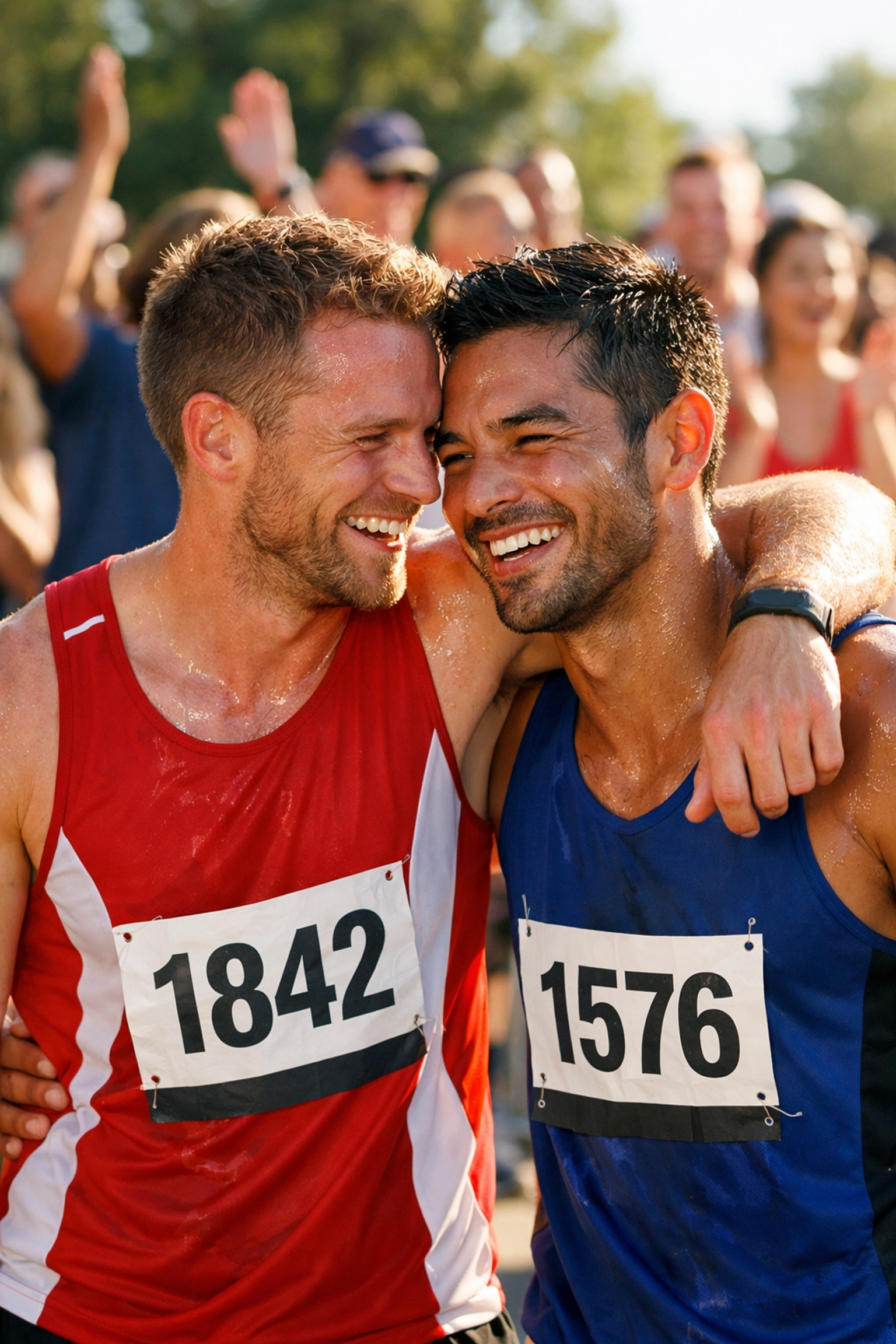
For young queer kids watching from home: and yes, despite limited coverage, people were watching: the Games offered something desperately rare: possibility. You didn't have to choose between being out and being an athlete. You could be both. You could be whole.
The Legacy Lives On
The first Gay Games sparked a movement that continues today. Held every four years, the Games have grown exponentially. The 2026 edition will take place in Valencia, Spain, attracting thousands of participants from around the globe. What started with 1,350 athletes in a single city has become a worldwide phenomenon, a testament to the power of visibility and community.
But beyond the numbers, beyond the growth, the true legacy of those first Gay Games lies in what they represented: joy. In the midst of the AIDS crisis that was just beginning to decimate the community, in a political climate that was hostile at best and violent at worst, LGBTQ+ people came together to celebrate athletic achievement and queer pride.
They proved that sports weren't the exclusive domain of cisgender, heterosexual athletes. They proved that competition could be collaborative, that winning could coexist with community building, that you could chase personal bests while lifting up everyone around you.
And they proved something perhaps even more fundamental: that LGBTQ+ people deserve spaces of pure, unadulticated joy.
Why This Matters Today
Looking back at 1982 from our vantage point in 2026, it's easy to see how far we've come. Out LGBTQ+ athletes compete at the highest levels of professional sports. Marriage equality is the law in many countries. Pride parades fill streets worldwide.
But it's also easy to forget how recent these victories are, how hard-won, how fragile. The first Gay Games happened because exclusion and discrimination were the norm. They happened because LGBTQ+ athletes were tired of hiding, tired of being told they didn't belong, tired of having to choose between authenticity and their passion for sport.
The Games were a radical act of self-determination, a joyful middle finger to a society that said queer people couldn't be athletic, couldn't build community through sports, couldn't create something beautiful and meaningful and lasting.
They were right about one thing though: queer people did create something lasting. And we're still celebrating it today.
If you're looking for more stories of LGBTQ+ triumph, resilience, and community, explore the collection at Read with Pride, where queer narratives take center stage in MM romance, gay fiction, and LGBTQ+ literature that celebrates every facet of our diverse community.
Follow Read with Pride:
Facebook | Instagram | X/Twitter | Website
#GayGames #LGBTQHistory #QueerSports #GayAthletes #PrideInSports #LGBTQCommunity #QueerJoy #GayHistory #ReadWithPride #LGBTQFiction #MMRomance #GayRomanceBooks #QueerStories #LGBTQEbooks #GayLiterature #HistoricMoments #TomWaddell #SanFranciscoPride #QueerVisibility #SportsForAll

Leave a Reply
You must be logged in to post a comment.