

The Truth About Forbidden Attraction in Blended Families
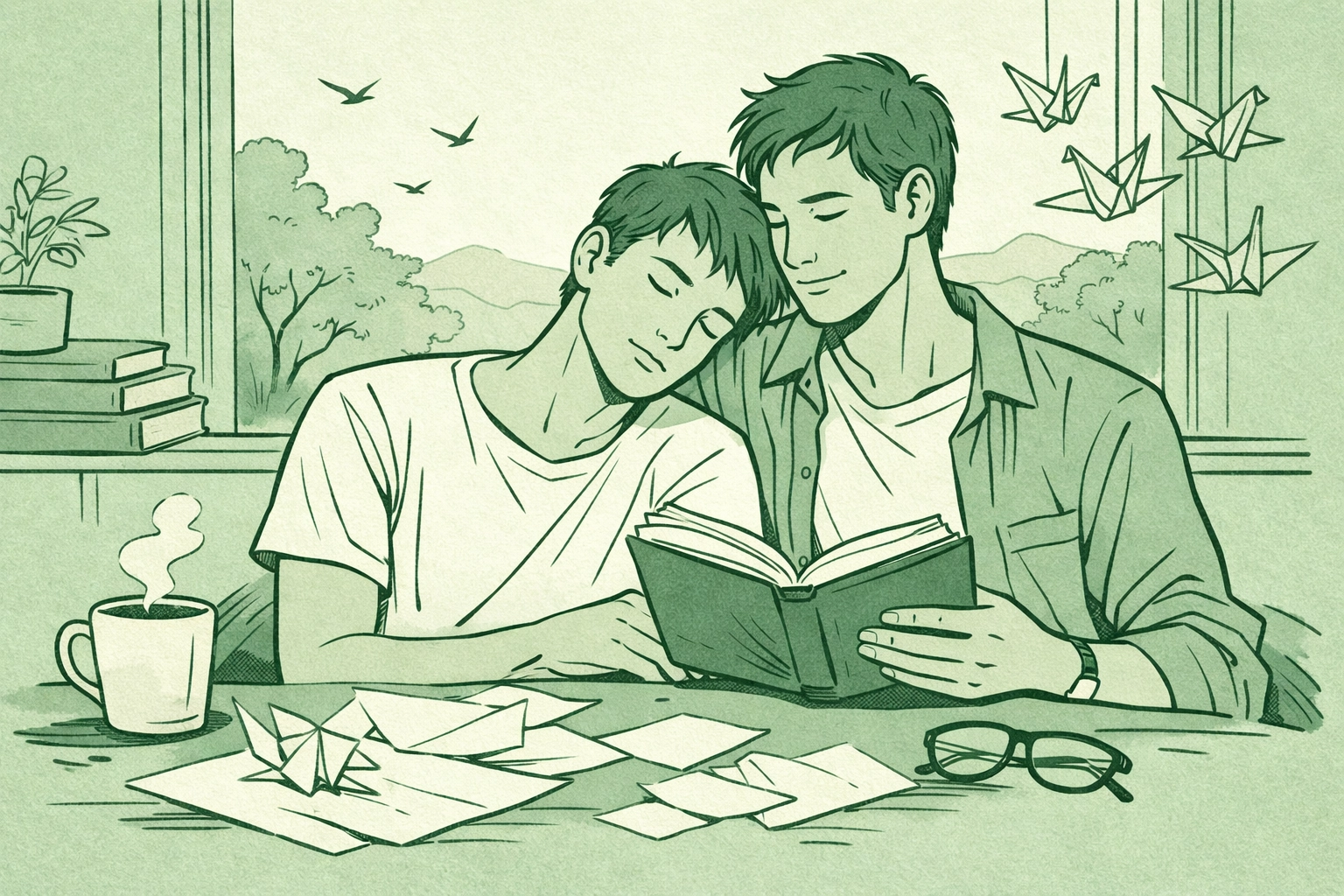
When parents say you're brothers, but your heart refuses to listen. Paper Brothers explores the raw, aching territory where family duty collides with romantic desire: a story theme that's captivating readers of MM romance and gay fiction in 2026.
This isn't about blood. It's about the paper-thin definitions that try to contain something much deeper.
Browse our complete collection of LGBTQ+ ebooks and gay romance books at Read with Pride featuring stories that challenge conventional family narratives.
What Makes Step-Brother Romance So Compelling?
The step-brother dynamic in gay romance books offers readers something uniquely powerful: forbidden love without biological taboo. These are men thrown together by circumstance, forced to call each other "family" while battling attractions that refuse categorization.
The Paper Family vs. The Real Heart
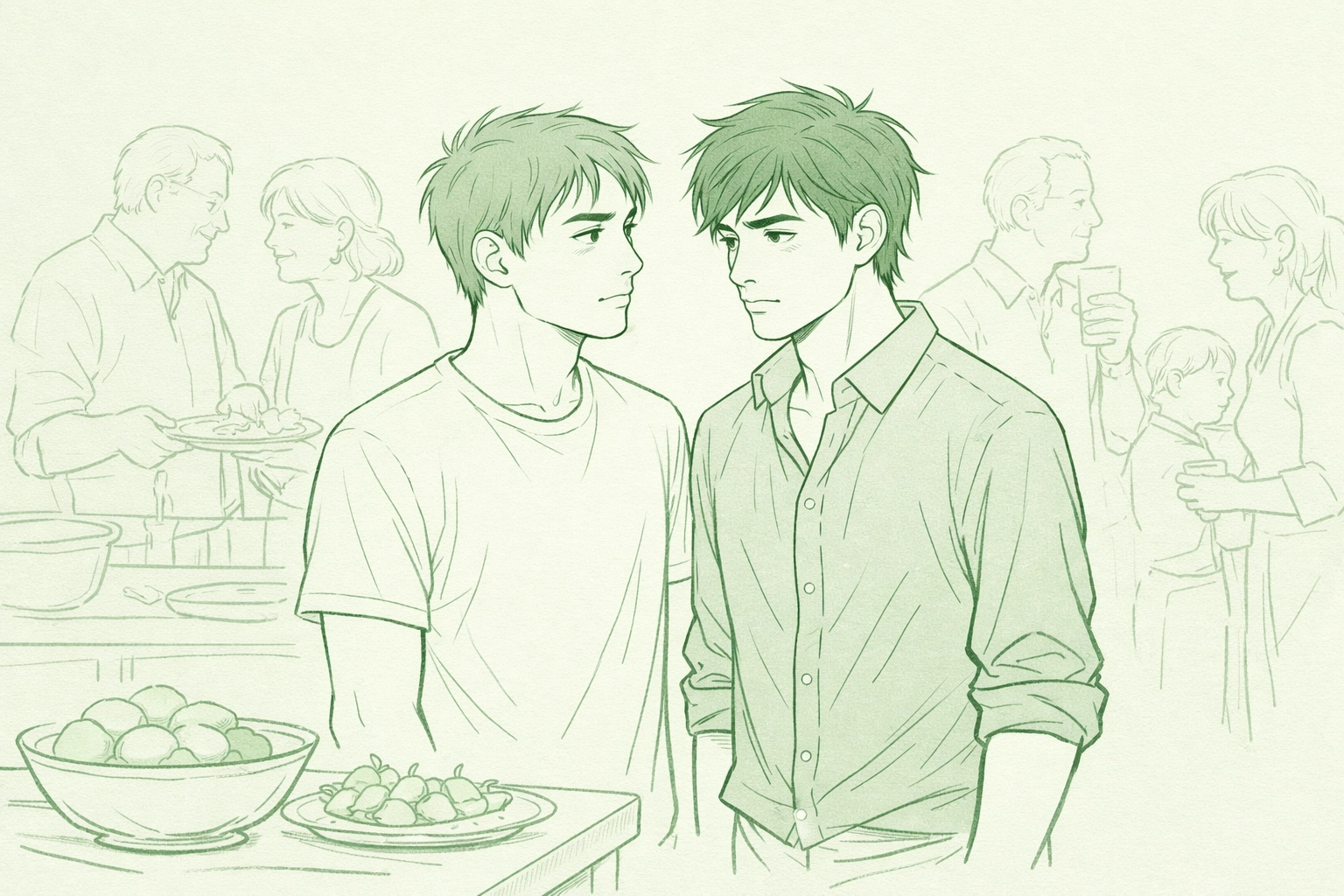
When two families merge: especially in LGBTQ+ households with multiple parents: the resulting relationships exist in a grey zone. You're brothers on paper. Legal documents say so. Your parents' marriage certificates declare it. Society expects you to perform brotherhood.
But desire doesn't read contracts.
Popular gay books exploring this theme understand a fundamental truth: the heart recognizes no bureaucracy. You can sign all the documents you want, change your last name, move into the same house: but you cannot legislate away chemistry.
The Emotional Confusion of Defined Roles
This is where MM romance with emotional depth truly shines. The confusion isn't about sexuality: it's about identity within imposed structure.
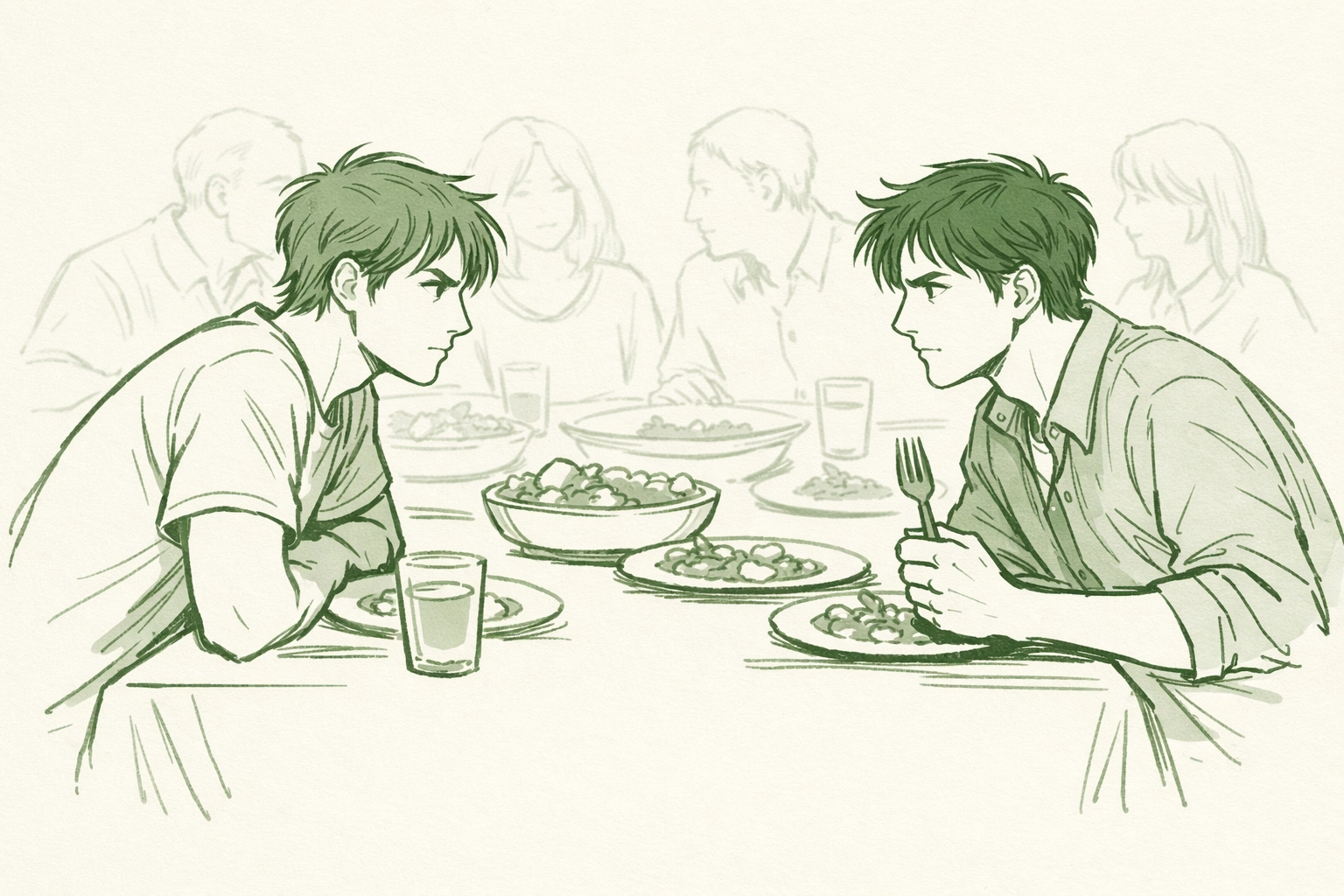
You know you're gay. That's clear. But what happens when the person who makes your pulse race sits across from you at family dinner? When your mother introduces him as "your brother" to neighbors? When his father and yours discuss blended family dynamics while you're drowning in want?
The role becomes a cage. "Brother" is a word that erases possibility before it can breathe.
Why Readers Can't Get Enough of This Trope
MM novels featuring step-brother dynamics have surged in popularity because they capture a very real modern experience. Blended families are everywhere. LGBTQ+ households adopting, remarrying, co-parenting: creating beautiful, complex family units where traditional labels don't quite fit.
The Isolation of Dual Identity
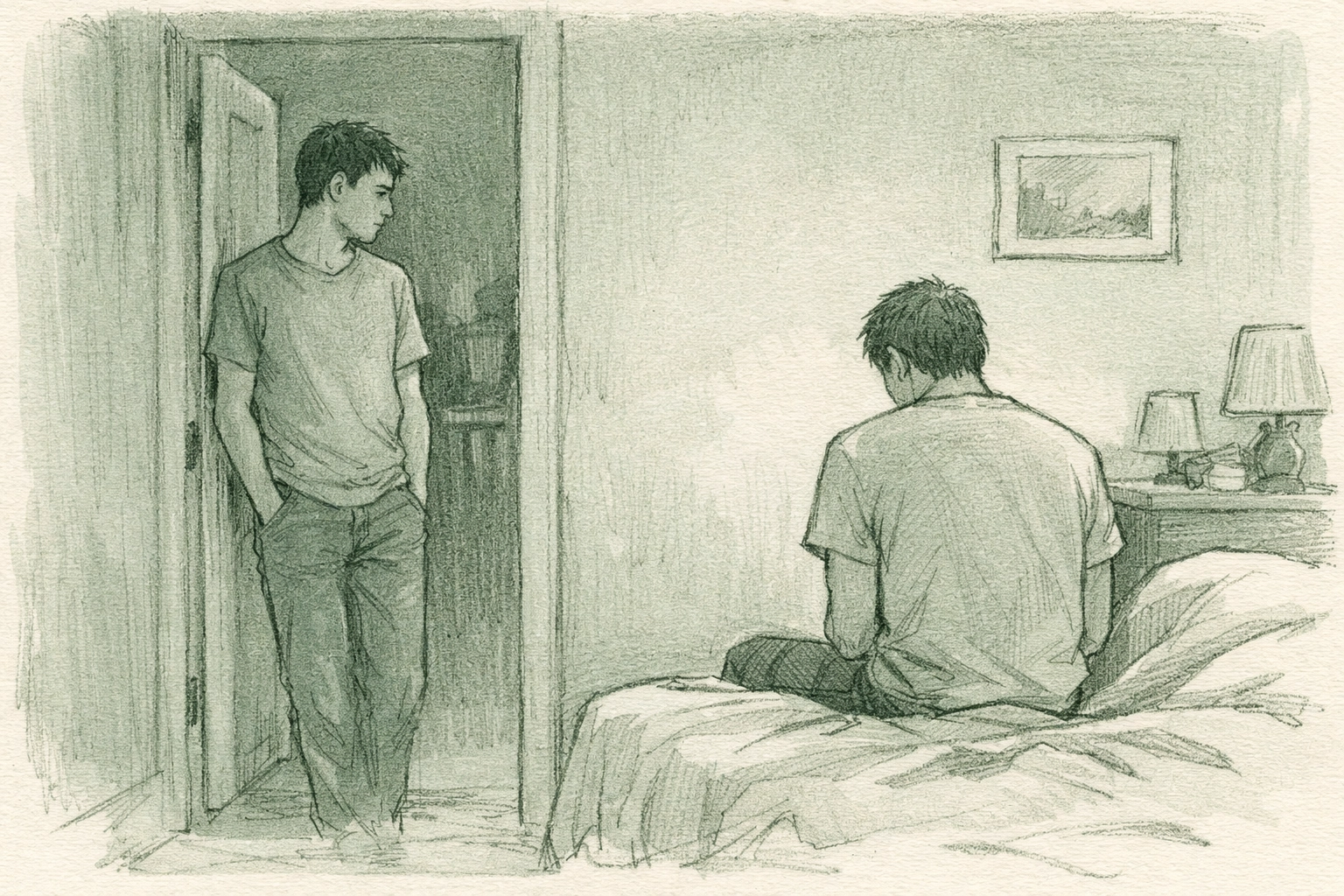
One of the most poignant aspects of the Paper Brothers dynamic is the profound isolation it creates. You cannot tell your friends because they'll judge the "incest" without understanding the nuance. You cannot tell your parents because they've worked so hard to create this blended family: your confession would be a betrayal of their efforts.
You certainly cannot tell him.
So you exist in silence. You watch him date other men. You smile at family gatherings while your chest aches. You play the role of supportive brother while memorizing every glance, every accidental touch, every moment his laughter fills a room.
Gay love stories that explore this territory understand that silence has weight. That performance has cost.
The Forbidden Touch
In traditional MM contemporary romance, the "will they/won't they" tension drives the plot. But in step-brother narratives, that tension multiplies exponentially because every interaction is witnessed.
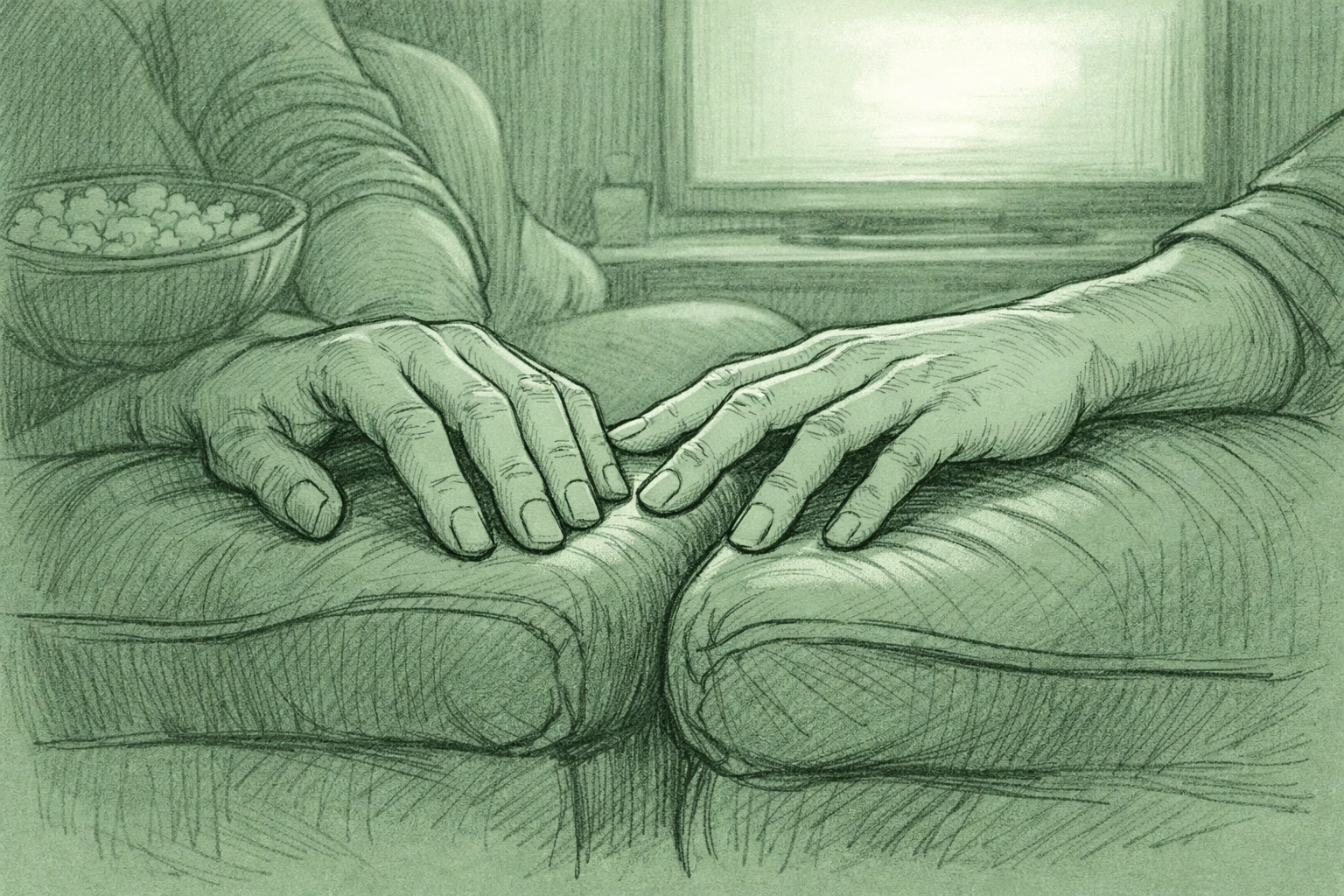
Family dinners. Holiday gatherings. Casual moments in shared spaces. There's no privacy for longing looks. No safety for "accidental" contact. Every gesture must be calculated, measured, brotherly.
The first real touch: when it finally comes: carries the weight of months or years of restraint. It's not just a kiss. It's an earthquake.
The Literary Appeal: More Than Just Forbidden Romance
Gay fiction exploring the Paper Brothers theme offers readers something beyond surface-level taboo. It's a meditation on how we define family, how society imposes structure on relationships, and how authentic connection refuses containment.
Questions Without Easy Answers
These stories force uncomfortable questions:
- When does a legal family become a real one?
- Who decides which relationships are acceptable?
- What do we owe to the family structure versus what we owe ourselves?
- Is it possible to love someone as both chosen family and romantic partner?
Award-winning gay fiction doesn't shy from complexity. It sits in the discomfort and asks readers to sit there too.
The Coming Out (Again) Narrative
For men already navigating their identity as gay or bisexual, falling for a step-brother creates a second closet. You've already come out once: to family, friends, the world. You've claimed your identity.
Now you're hiding again. This time, not your sexuality, but the specific object of your desire.
Gay romance books exploring bisexuality often feature this layered coming-out experience, where each revelation peels back another layer of authentic self, often at great personal cost.
Why This Matters for LGBTQ+ Literature in 2026
The Paper Brothers theme represents where queer fiction is heading: toward nuance, complexity, and the spaces between traditional definitions.
Modern LGBTQ+ families don't fit neat boxes. Two dads marrying two other dads. Lesbian moms co-parenting with gay fathers. Polyamorous configurations. Chosen family that becomes legal family.
In these beautiful, messy structures, romance can bloom in unexpected places. And gay literature must reflect that reality: even when it's uncomfortable.
Explore more boundary-pushing MM romance at dickfergusonwriter.com where emotional authenticity meets literary craft.
The Resolution: Redefining Brotherhood
The most powerful Paper Brothers narratives don't end with simple rejection or acceptance. They end with redefinition.
Perhaps you can be brothers and lovers. Perhaps the paper definition was always too small to contain what you actually are to each other. Perhaps family is something you create through choice, not something imposed by legal documents.
The best heartfelt gay fiction understands that resolution isn't about choosing between family and romance: it's about expanding what family can mean.
The Four-Parent Conversation
Inevitably, these stories must confront the parents. Two dads, two moms, or any combination: the adults who created this blended family structure must reckon with its unintended consequences.
These confrontations are where poignant becomes powerful. Because these parents are often queer themselves. They've fought for their own right to love freely. They understand that hearts don't follow rules.
But they're also parents. They've built something they believe in. And watching their sons redefine it can be terrifying.
New gay releases 2026 are tackling these conversations with unprecedented honesty and grace.
Read Stories That Understand Complexity
The Paper Brothers theme isn't about shock value or cheap taboo. It's about the aching space between who we're told to be and who we actually are. It's about the families we're given and the families we choose. It's about loving in the margins of acceptable and making those margins your home.
Read with Pride offers a curated collection of MM romance, gay novels, and LGBTQ+ fiction that refuses easy answers and honors emotional truth.
For stories exploring forbidden attraction, family dynamics, and the courage to love authentically, visit our complete catalog of steamy MM romance and emotional MM books.
Follow Dick Ferguson for more LGBTQ+ literature insights:
📷 Instagram: @dickfergusonwriter
🐦 X/Twitter: @DickFergus94902
📘 Facebook: Dick Ferguson Writer
📚 Read with Pride: www.readwithpride.com
#PaperBrothers #MMRomance #GayRomance #LGBTQBooks #ReadWithPride #QueerFiction #GayFiction #StepBrotherRomance #ForbiddenLove #MMNovels #GayLoveStories #LGBTQRomance #GayBooks #ContemporaryGayRomance #EmotionalMMBooks #GayRomanceBooks #BlendedFamilies #QueerLiterature #2026GayBooks #ReadingWithPride #GayBookRecommendations #MMAuthors #HeartfeltGayFiction #LiteraryMMRomance

Leave a Reply
You must be logged in to post a comment.