

readwithpride.com
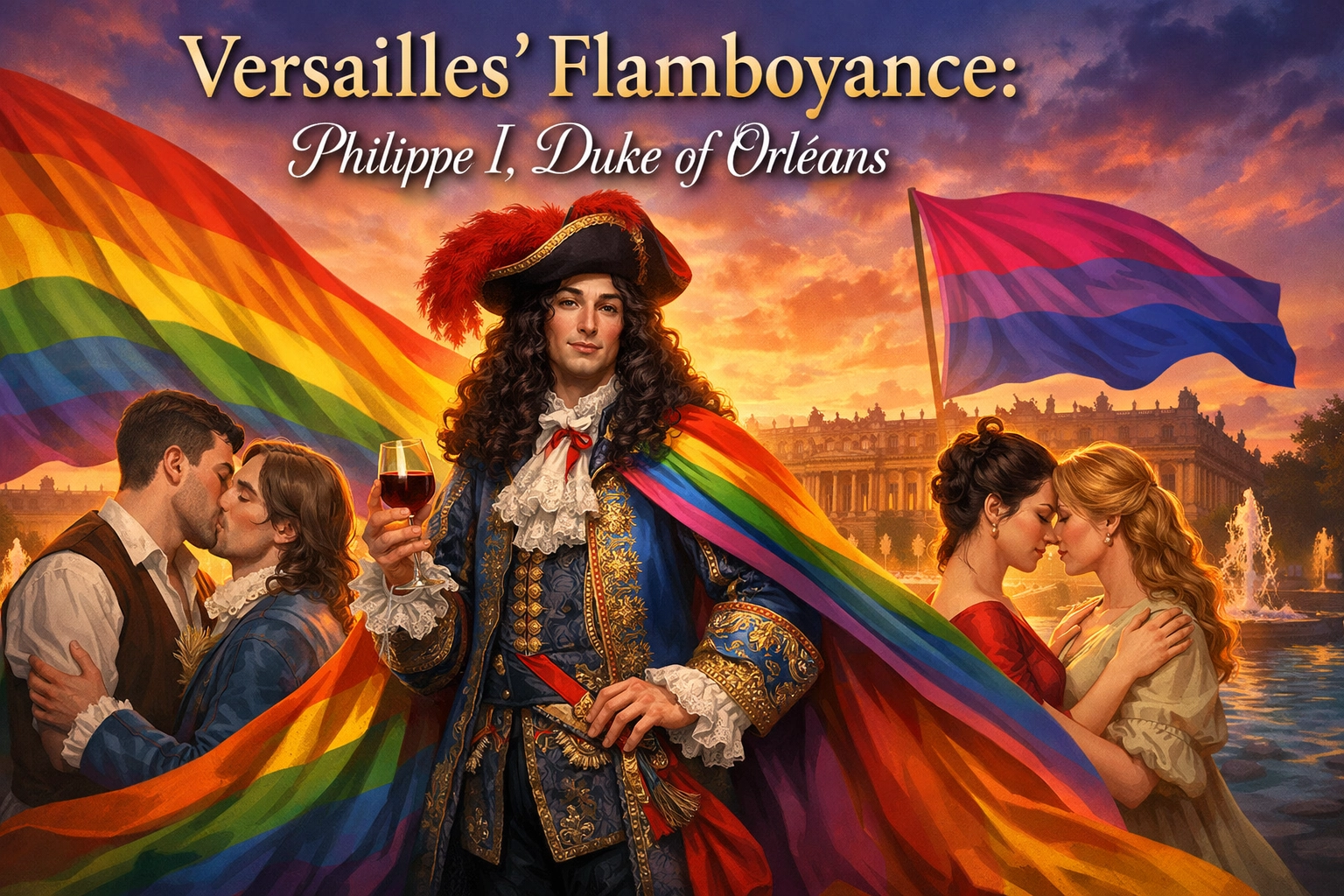
Long before rainbow flags and pride parades, there was Philippe I, Duke of Orléans, a man who refused to tone down his fabulousness for anyone, not even his brother, the Sun King himself. Known simply as "Monsieur" (because when you're that iconic, you only need one name), Philippe lived his queer truth so openly at the French court that it would make modern celebrities blush.
This wasn't a man hiding in shadows or coding his desires in secret letters. Philippe wore his identity on his bejeweled sleeves, literally. He strutted through the halls of power in heels, ribbons, and makeup, surrounded by male lovers, and somehow still managed to be one of the most respected military commanders of his era. Talk about breaking stereotypes.
The Boy Who Wore Pearls
Philippe's journey into flamboyance wasn't entirely his choice, at least not at first. His mother, Anne of Austria, deliberately raised him to be effeminate to ensure he'd never pose a political threat to his older brother Louis XIV. She dressed him in gowns as a child, encouraged him to wear jewelry, and surrounded him with feminine influences.
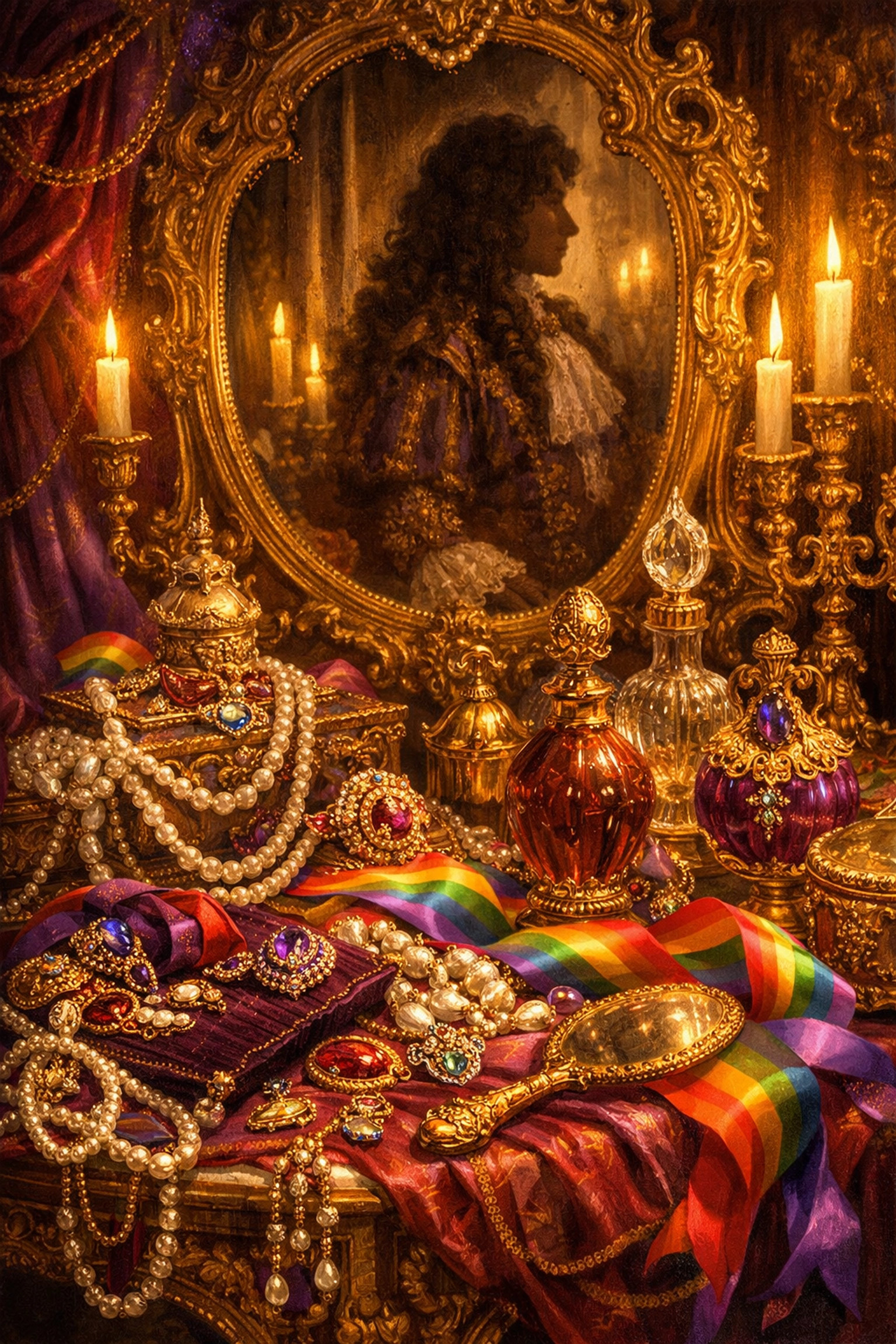
But here's where the story gets interesting: Philippe didn't just accept this fate, he owned it. He transformed what was meant to diminish him into his personal brand of power. He became the most fashion-forward figure at court, setting trends that others scrambled to follow. His wardrobe rivaled the king's in splendor, his collection of jewels was legendary, and his attention to makeup and perfume became the stuff of court gossip.
Philippe understood something revolutionary for his time: presentation is power. While others might have resented being feminized, he weaponized it, turning every appearance into a performance that commanded attention and respect.
Love Lives Louder Than Whispers
Unlike many historical queer figures whose relationships we piece together from coded language and speculation, Philippe's love life was an open book, a very gay, very dramatic book. His most famous lover was the Chevalier de Lorraine, a relationship so intense and tumultuous it caused international incidents.
The Chevalier wasn't just a fling; he was Philippe's great love, his constant companion, and occasionally, his biggest headache. Their relationship was so public that when Philippe's first wife, Henrietta of England, complained about the Chevalier's influence, she wasn't whispering to confidantes, she was making formal complaints to the king. The drama reached such heights that Louis XIV eventually exiled the Chevalier, though Philippe managed to bring him back.
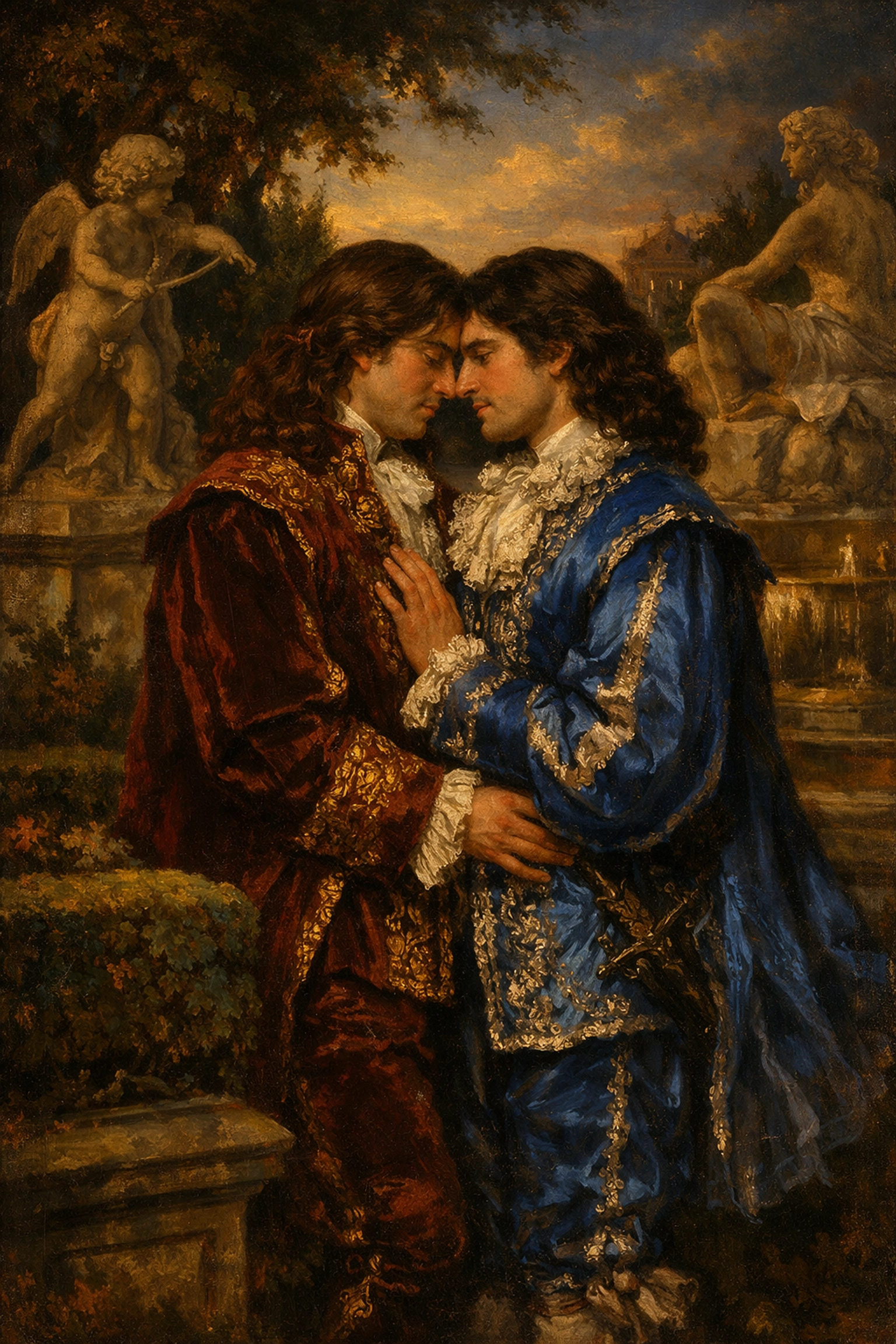
Philippe's second marriage to Elizabeth Charlotte of the Palatinate (known as Liselotte) provides some of the most fascinating primary sources about his life. Liselotte, a pragmatic German princess, wrote extensively about her husband's preferences in her letters. She wasn't scandalized; she was matter-of-fact about it. She noted that Philippe preferred the company of young men, that he surrounded himself with attractive male favorites, and that their marriage was one of convenience and genuine friendship rather than passion.
This arrangement worked surprisingly well. Philippe fulfilled his dynastic duties (he had children with both wives), while maintaining relationships with men including the Marquis d'Effiat and the Chevalier de Châtillon. The court knew, the king knew, Europe knew, and Philippe didn't care.
A Warrior in Heels
Here's where Philippe's story becomes truly extraordinary: this man who loved fashion, jewelry, and other men was also one of France's most capable military commanders. In 1677, he led French forces to a decisive victory at the Battle of Cassel, crushing William of Orange (yes, that William of Orange, who would later become King of England).
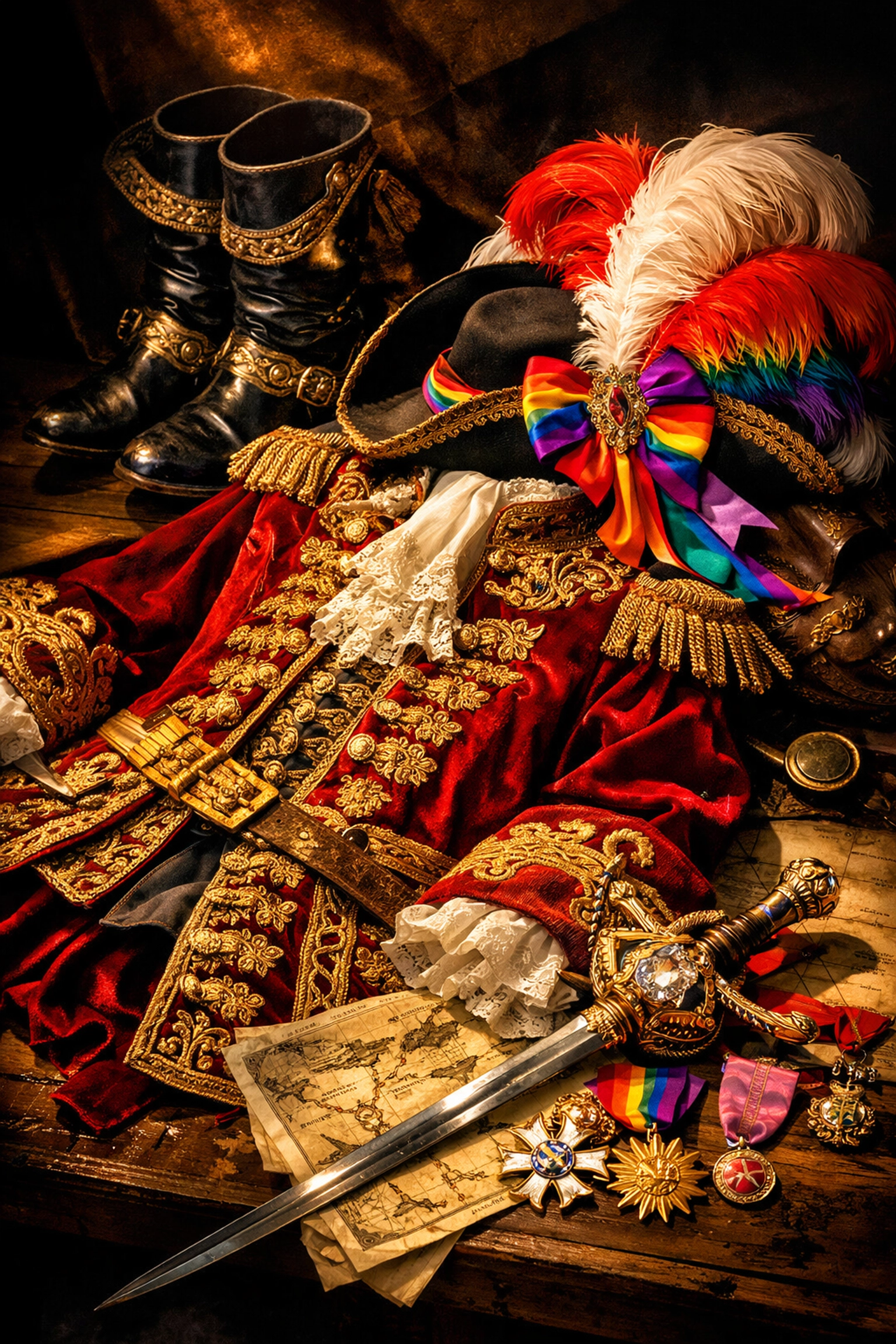
Imagine the scene: Philippe arriving at military camp in his finery, managing battles with the same attention to detail he applied to court ceremonies, and completely obliterating the enemy. His soldiers respected him not despite his flamboyance but alongside it. He proved you could wear ribbons and kick ass: sometimes simultaneously.
Sadly, his very success became a problem. Louis XIV, paranoid about anyone outshining him, effectively retired Philippe from military service after Cassel. The Sun King's ego couldn't handle his little brother being both fabulous and a war hero. Philippe was forced to channel his energies elsewhere, which led to some of the most magnificent architectural achievements of the era.
Building His Own Paradise
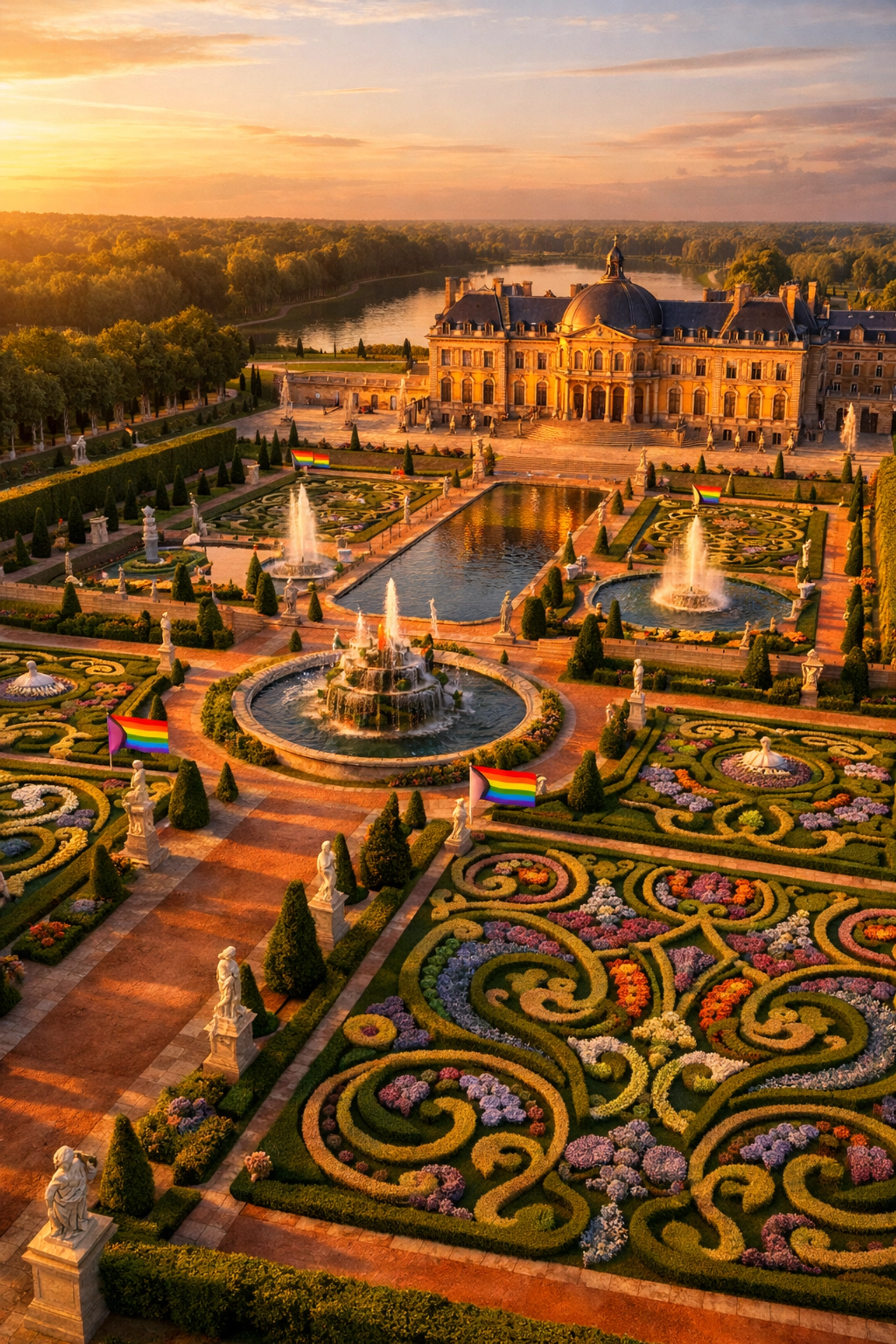
If Philippe couldn't command armies, he'd command aesthetics. He purchased the Château de Saint-Cloud and transformed it into what contemporaries called an "alternative Versailles." Working with the legendary garden designer Le Nôtre and painter Pierre Mignard, Philippe created a palace that rivaled his brother's in beauty and exceeded it in personal expression.
Saint-Cloud became Philippe's kingdom, a place where he could surround himself with his lovers, his art collection, and his chosen family without the constant scrutiny of Versailles. The gardens featured elaborate waterworks, the interiors showcased his incredible art collection (the Orleans Collection would become one of the most significant art assemblages in European history), and every detail reflected his exquisite taste.
This wasn't just a pretty house: it was a statement. Philippe was declaring that he could create magnificence on his own terms, outside his brother's shadow. He invested in public works too, helping fund the Canal d'Orléans, proving he was more than a pretty face in expensive clothes.
The Legacy of Monsieur
Philippe died at Saint-Cloud in 1701, likely from a stroke, though some historians suggest the stress of constantly navigating court politics while being himself took its toll. He was sixty-one, had outlived both his wives, and had secured the Orleans line that would eventually rival the main Bourbon branch in power and prestige.
But his real legacy isn't measured in titles or territories: it's in the sheer audacity of living authentically in an era when doing so could mean death. Philippe existed in a court where saying the wrong thing could land you in the Bastille, yet he openly loved men, dressed as he pleased, and demanded respect on his own terms.
He wasn't perfect. He could be vain, petty, and occasionally cruel (court life did that to people). But he was himself, unapologetically and consistently. In an age of rigid gender roles and severe punishment for sodomy, Philippe I, Duke of Orléans, wore heels to battle and brought his boyfriend to state dinners.
Why Philippe Matters Today
Reading about Philippe feels like discovering a forgotten hero of queer history. His story reminds us that LGBTQ+ people have always existed, have always been fabulous, and have always found ways to carve out space for authenticity even in the most restrictive societies.
For those of us who love gay historical romance and queer fiction, Philippe's life reads like the best MM romance books: drama, passion, political intrigue, and a protagonist who refuses to compromise who he is for anyone. His story deserves to be as well-known as any king or queen in the history books.
At Read with Pride, we celebrate stories like Philippe's: tales of queer resilience, love, and authenticity that span centuries. Whether you're into gay romance novels set in historical periods or contemporary MM fiction, these stories of real queer lives inform and inspire the LGBTQ+ fiction we love today.
Philippe's legacy lives on not just in history books but in every person who chooses to live authentically despite pressure to conform. He showed us that you can be fierce, flamboyant, capable, and completely yourself: all at once.
Want more incredible LGBTQ+ history and the best gay romance books? Follow us on Facebook, Instagram, and Twitter for daily doses of queer joy and MM romance recommendations.
#ReadWithPride #LGBTQHistory #GayHistory #QueerHistory #PhilippeOfOrleans #Versailles #MMRomance #GayRomanceBooks #LGBTQFiction #QueerFiction #GayHistoricalRomance #FrenchHistory #LouisXIV #QueerRoyalty #GayBooks #LGBTQBooks #HistoricalLGBTQ #GayLiterature #MMHistoricalRomance #QueerLove

Leave a Reply
You must be logged in to post a comment.