

readwithpride.com
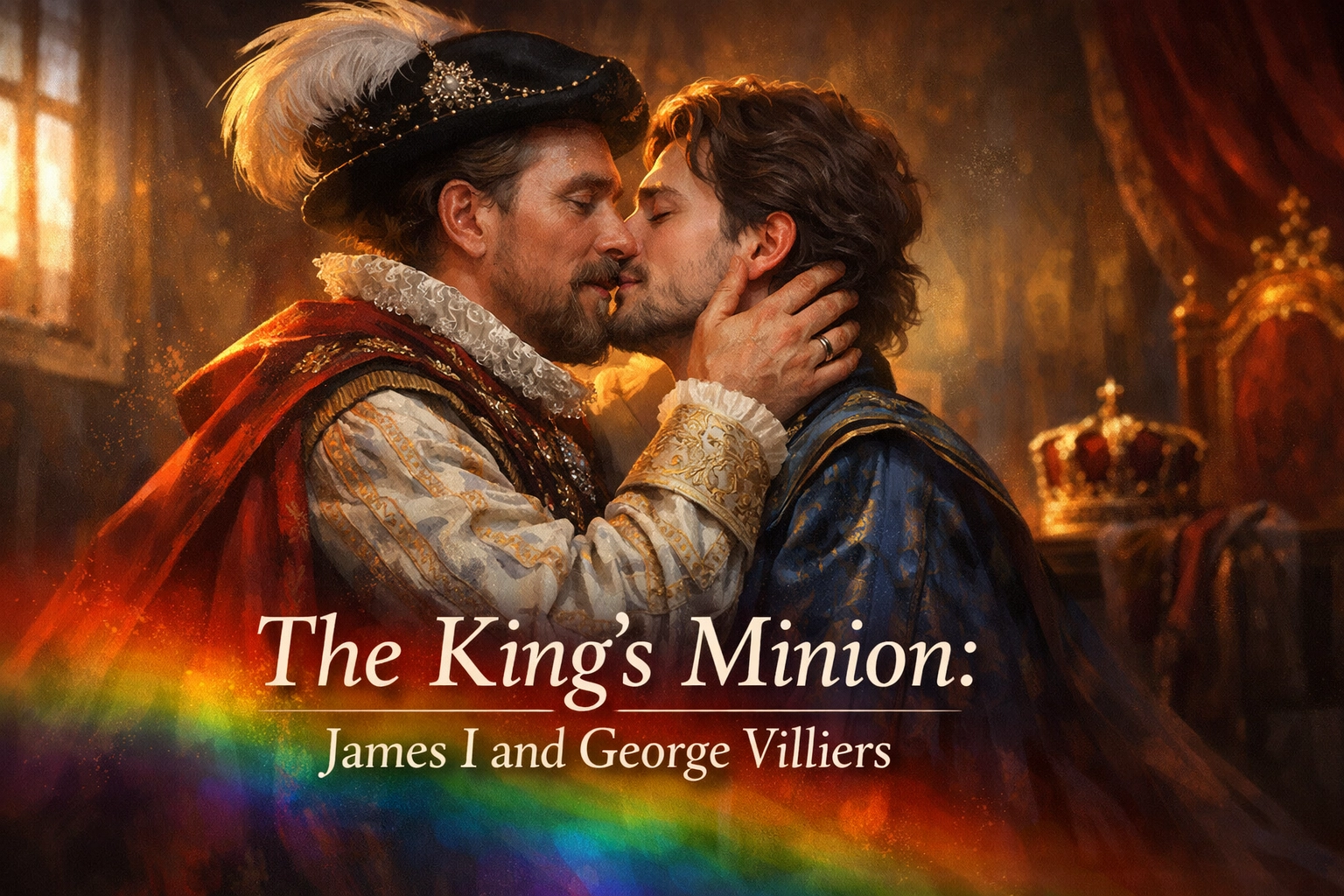
When we talk about queer history, we often think of hidden love letters, coded language, and relationships buried in historical footnotes. But King James I of England? He wasn't exactly subtle about his affection for George Villiers, the Duke of Buckingham. In fact, their relationship was so open that James literally stood up at court and declared his love for George, comparing their bond to that of Christ and John the Apostle. Talk about making it official.
This is the story of a king and his favorite, a relationship that scandalized Parliament, reshaped English foreign policy, and gave us some of the most revealing love letters in royal history.
The Cupbearer Who Caught a King's Eye
Picture this: It's 1614, and you're George Villiers, a good-looking young man from a relatively minor gentry family. You've got charm, you can dance, and you're about to be positioned as a cupbearer at Apethorpe Palace in Northamptonshire. Why? Because certain courtiers are tired of the current royal favorite, Robert Carr, and they need someone new to catch King James's attention.
And catch it, you did.
James I was already known for his male favorites. Born in 1566, he became King of Scotland as an infant and later King of England in 1603, uniting the crowns. He was also openly affectionate with men, particularly those who served close to him. But when Villiers entered the picture, something shifted. This wasn't just another court infatuation, this was the real deal.
Villiers had everything James loved: youth, beauty, wit, and an ability to make the aging king feel alive. Within months, Robert Carr was yesterday's news, and George Villiers was the new obsession at court.
From Nobody to Duke: The Fastest Rise in English History
If you think modern influencers have a fast track to fame, wait until you hear about George Villiers' meteoric rise through the ranks of English nobility.
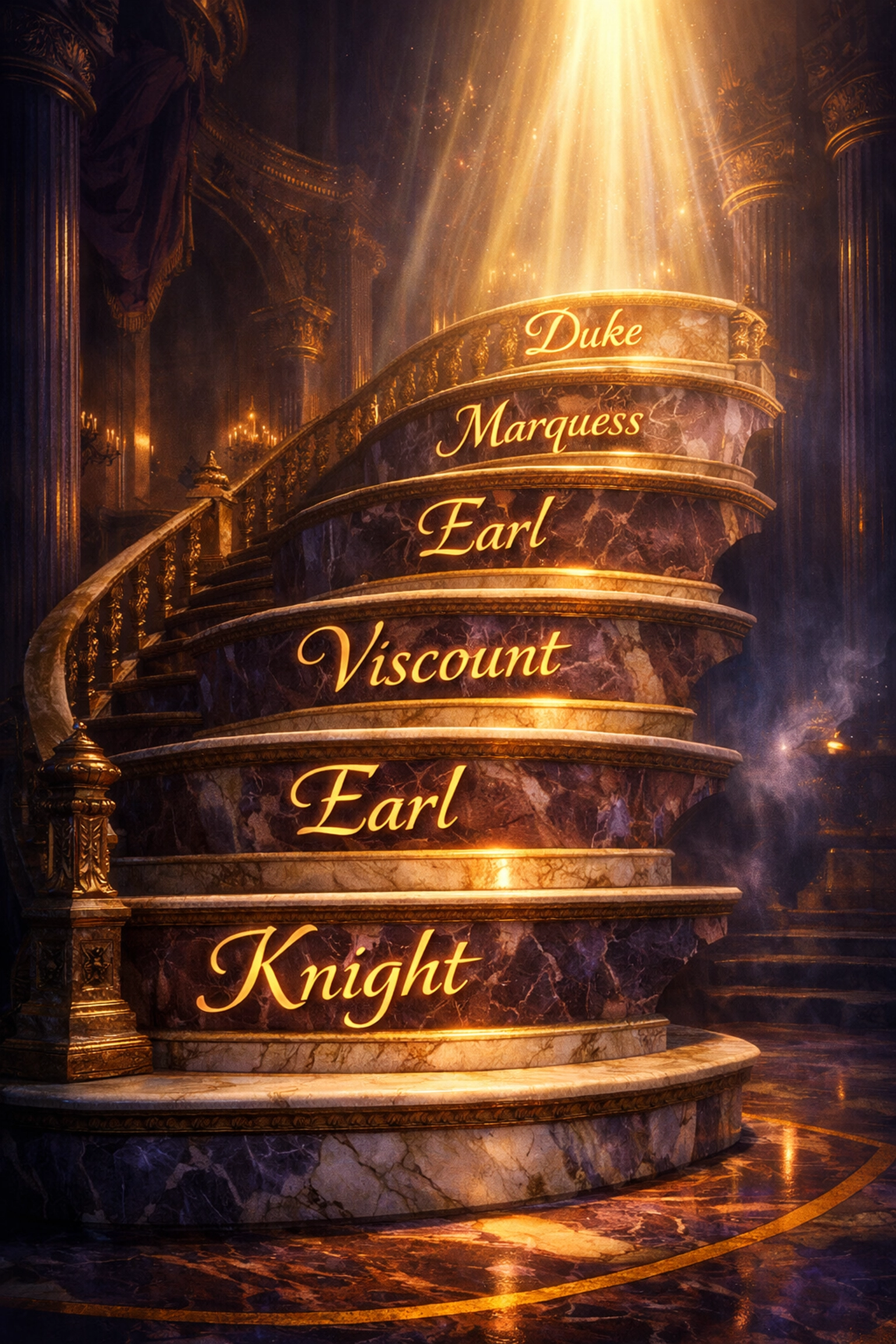
1615: Knighted and appointed Gentleman of the Bedchamber
1616: Made Viscount Villiers
1617: Elevated to Earl of Buckingham
1618: Promoted to Marquess of Buckingham
1623: Created Duke of Buckingham
That's right, in just eight years, he went from minor gentleman to one of the most powerful dukes in England. And it wasn't just titles. Villiers engineered marriages for his siblings into noble families, secured titles for his brothers, and married Lady Katherine Manners, connecting himself to one of England's wealthiest families.
The power he wielded was unprecedented. He controlled access to the king, influenced appointments, and essentially became James's chief advisor on matters of state. If you wanted anything from the king, you had to go through George Villiers first.
"I Love the Duke More Than Any Other Man"
Here's where things get really interesting. James I didn't just favor Villiers politically, he was openly, publicly affectionate with him in ways that left absolutely no one at court confused about the nature of their relationship.
In 1617, James stood before his court and literally toasted Villiers, declaring: "I love the Duke of Buckingham more than any other man." He then went on to compare their relationship to that of Christ and John the Apostle, the disciple whom Jesus loved.
But the real evidence of their relationship comes from their letters. These weren't your standard "Dear Sir" formal correspondence. These were intimate, affectionate, sometimes downright steamy letters that historians have analyzed for centuries.
James called George his "sweet child and wife," signed letters as "your dear dad and husband," and wrote passages that are… well, let's just say they leave little to the imagination about the physical nature of their relationship. Modern historians who've studied these letters describe them as evidence of a "deep, complex, probably sexual relationship."
The level of intimacy in these letters would make even modern romance novels blush. This wasn't coded language or plausible deniability, this was a king writing openly about his desire for his favorite.
The Politics of Passion
Of course, when your boyfriend is essentially running the country, people are going to have opinions. And Parliament? They were not happy.
Villiers' influence over James extended far beyond the bedroom. He fundamentally reshaped English foreign policy, often against James's own instincts. The king favored peace with Spain and the Habsburg empire, but Villiers had other ideas.
Teaming up with the future Charles I (James's son), Villiers pushed for a more aggressive stance against Habsburg dominance in Europe. He played a crucial role in sabotaging Prince Charles's proposed marriage to the Spanish Infanta Maria Anna, a union James had hoped would secure peace with Spain.
Instead, Villiers pressured James toward war with Spain, a complete reversal of the king's established diplomatic approach. His arrogance and interventionist style made him deeply unpopular with both Parliament and the nobility, who saw him as an upstart with far too much power for someone who'd started as a cupbearer.
But James couldn't or wouldn't rein him in. Love, as they say, is blind, even when you're a king.
The Favorite Who Outlasted His King
When James I died in 1625, many assumed Villiers' power would die with him. After all, royal favorites rarely survived the transition to a new monarch. But George Villiers pulled off something almost unprecedented in European court politics: he became the favorite of both father and son.
Charles I, who had been Villiers' ally in pushing for war with Spain, kept him on as his chief advisor and favorite. This was virtually unheard of, to be the intimate favorite of two successive monarchs was an achievement no one else in Europe had managed during that era.
But Villiers' continued power only made him more enemies. His unpopularity had grown to dangerous levels, and various political factions wanted him gone.
On August 23, 1628, just three years into Charles I's reign, George Villiers was assassinated. He was stabbed to death by John Felton, a disgruntled army officer who had been passed over for promotion. Felton became a folk hero almost overnight, celebrated in taverns across England for killing the man many saw as a corrupt, power-hungry opportunist.
What This Relationship Tells Us
The story of James I and George Villiers matters for several reasons. First, it shows that queer relationships at the highest levels of power weren't always hidden or coded. James was open about his affection for men, and while it caused scandal, it didn't cost him his throne.
Second, it demonstrates how personal relationships shaped politics. Villiers' influence over James fundamentally altered England's foreign policy and set the stage for conflicts that would dominate the 17th century.
And finally, it's a reminder that LGBTQ+ history isn't just about struggle and oppression. Yes, there was scandal and controversy, but there was also genuine love, passion, and partnership. James and George's relationship, whatever its political consequences, was real.
Reading More Royal Queer History
If you're fascinated by royal queer relationships and the hidden (or not-so-hidden) love stories throughout history, you'll find plenty more to explore at Read with Pride. From MM romance books that imagine these historical connections to gay fiction exploring royal courts and forbidden love, there's an entire world of LGBTQ+ literature celebrating these stories.
The relationship between James I and George Villiers reminds us that queer love has always existed, even in the halls of power, even when it was scandalous, even when it changed the course of history. Their letters survive, their story endures, and their unabashed affection for each other stands as testament to a love that wouldn't be hidden: even from Parliament.
Discover more LGBTQ+ history and explore our collection of gay romance books, MM novels, and queer fiction at readwithpride.com. Follow us on Facebook, Instagram, and X/Twitter for more stories celebrating queer history and literature.
#ReadWithPride #LGBTQHistory #QueenHistory #JamesI #GeorgVilliers #MMRomance #GayRomanceBooks #QueenFiction #LGBTQLiterature #GayHistoricalRomance #RoyalHistory #GayBooks #LGBTQEbooks #QueerHistory #HistoricalLGBTQ

Leave a Reply
You must be logged in to post a comment.