

readwithpride.com
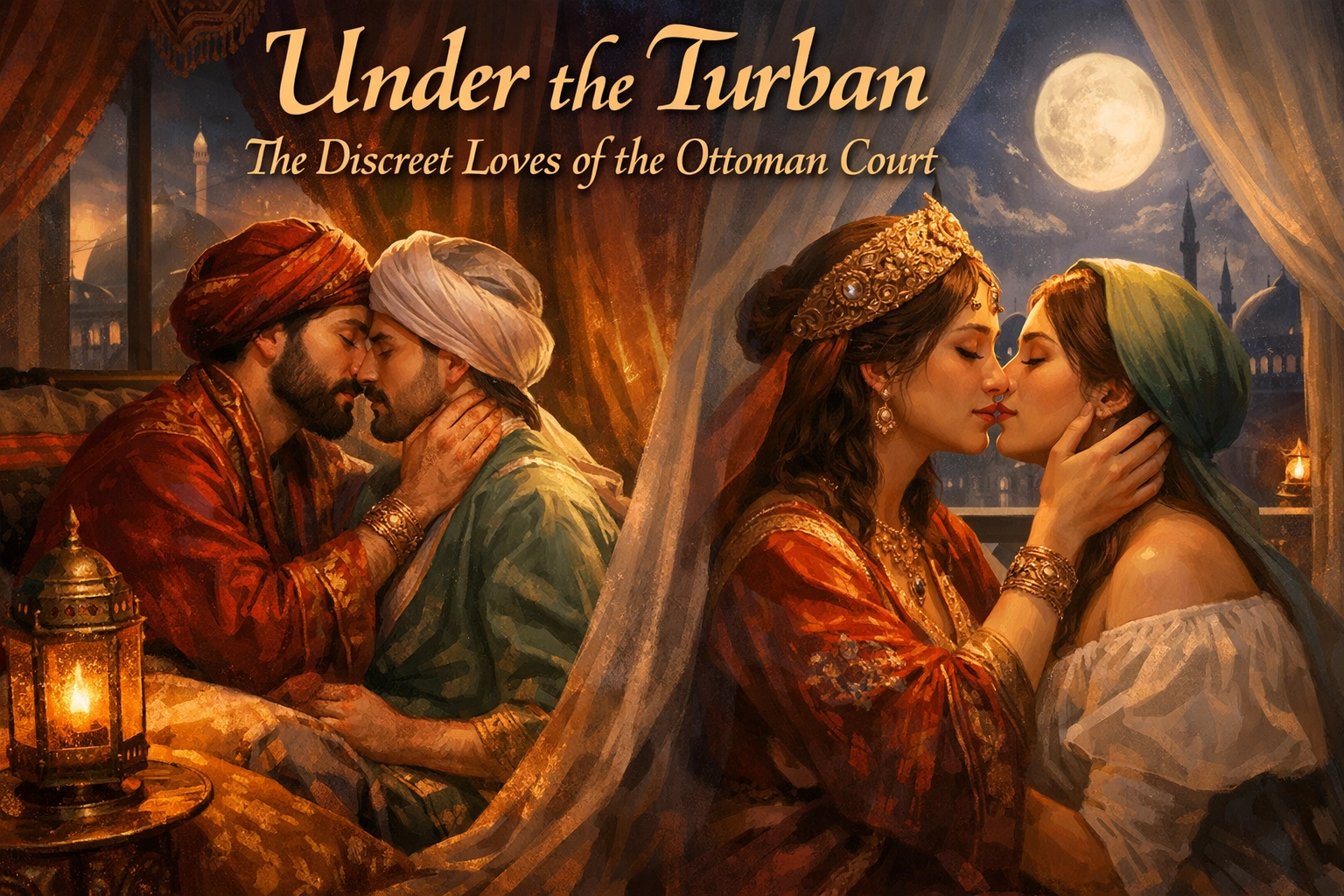
Behind the towering walls of Topkapi Palace, where power and passion intertwined like the arabesques decorating its halls, the Ottoman sultans ruled one of history's most magnificent empires. But there's another story woven into those silk curtains and marble corridors: one of desire, devotion, and the complex relationships between powerful men and their beautiful companions.
For centuries, the Ottoman court operated under codes and customs that allowed for intimate male relationships to flourish in ways that would surprise many modern readers. This wasn't some hidden scandal whispered about in dark corners. It was part of the refined, sophisticated culture of one of the world's greatest empires.
The Poetry of Desire
Ottoman poetry didn't dance around the subject. Sultans, viziers, and court poets wrote openly about their attraction to beautiful young men. These weren't crude texts hidden away: they were celebrated works of art, recited at gatherings and copied into illuminated manuscripts.
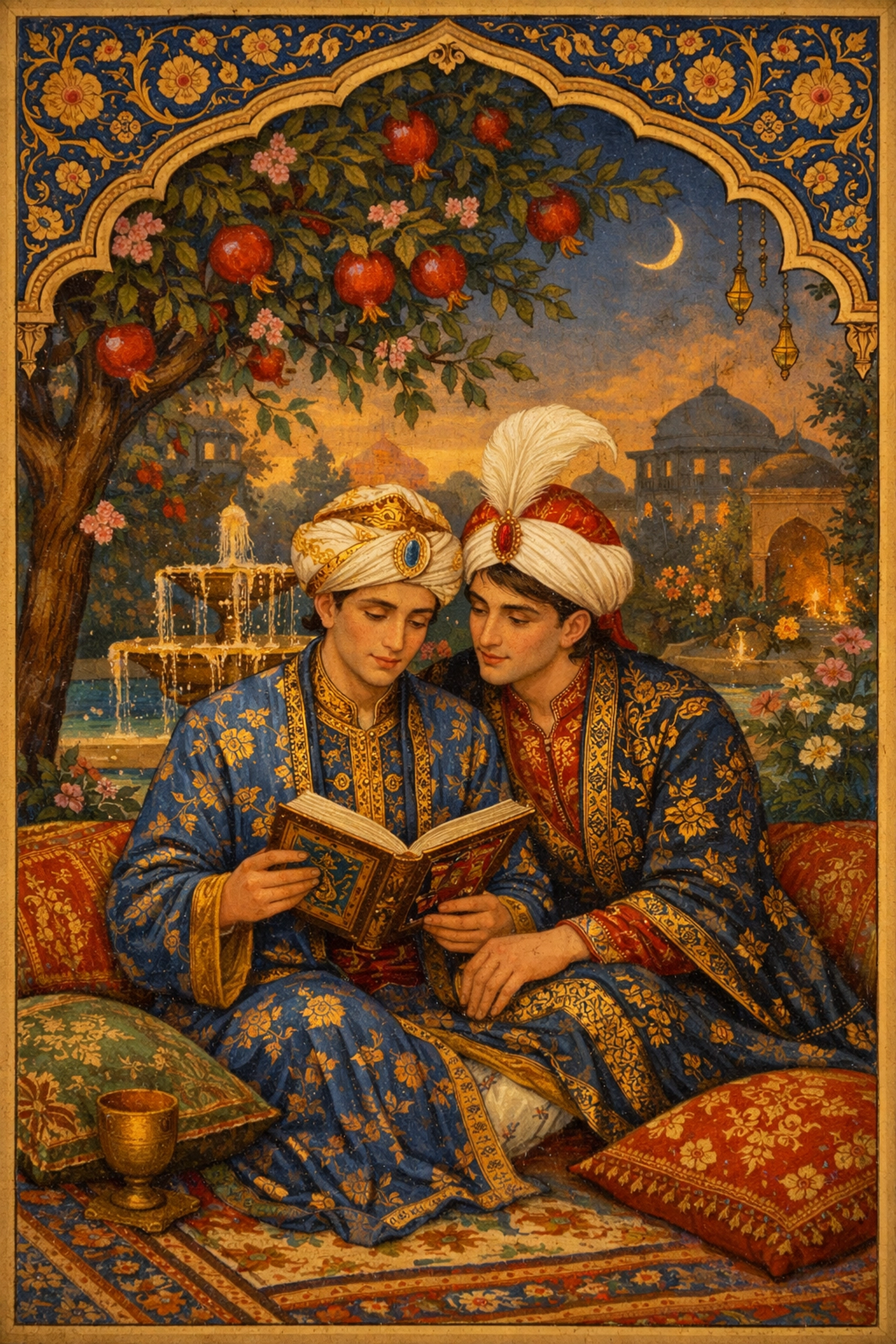
The gazel form, perfected by Ottoman poets, frequently celebrated male beauty with an intensity that would make a romance novelist blush. Young men with peach-fuzz beards, dark eyes, and graceful movements appeared throughout Ottoman literature as objects of refined desire. This wasn't considered scandalous: it was considered cultured, sophisticated, even spiritual.
The greatest Ottoman poets, from Baki to Nedim, wrote verses dripping with longing for young men. Their words captured the tension between earthly desire and divine love, using the beauty of boys as a metaphor for approaching the divine. But make no mistake: the physical desire was right there on the page, barely veiled in metaphor.
The Pages of the Palace
Within the walls of Topkapi Palace operated a unique system. Young boys, often from Christian families in the Balkans, were brought to Istanbul through the devshirme system. These weren't slaves in the way Western audiences might imagine: many rose to positions of incredible power, becoming generals, admirals, and grand viziers.
But their journey often began in the palace pages' quarters, where they received an elite education in languages, arts, military tactics, and courtly manners. They also learned the subtle art of court politics and the even subtler art of catching a sultan's eye.
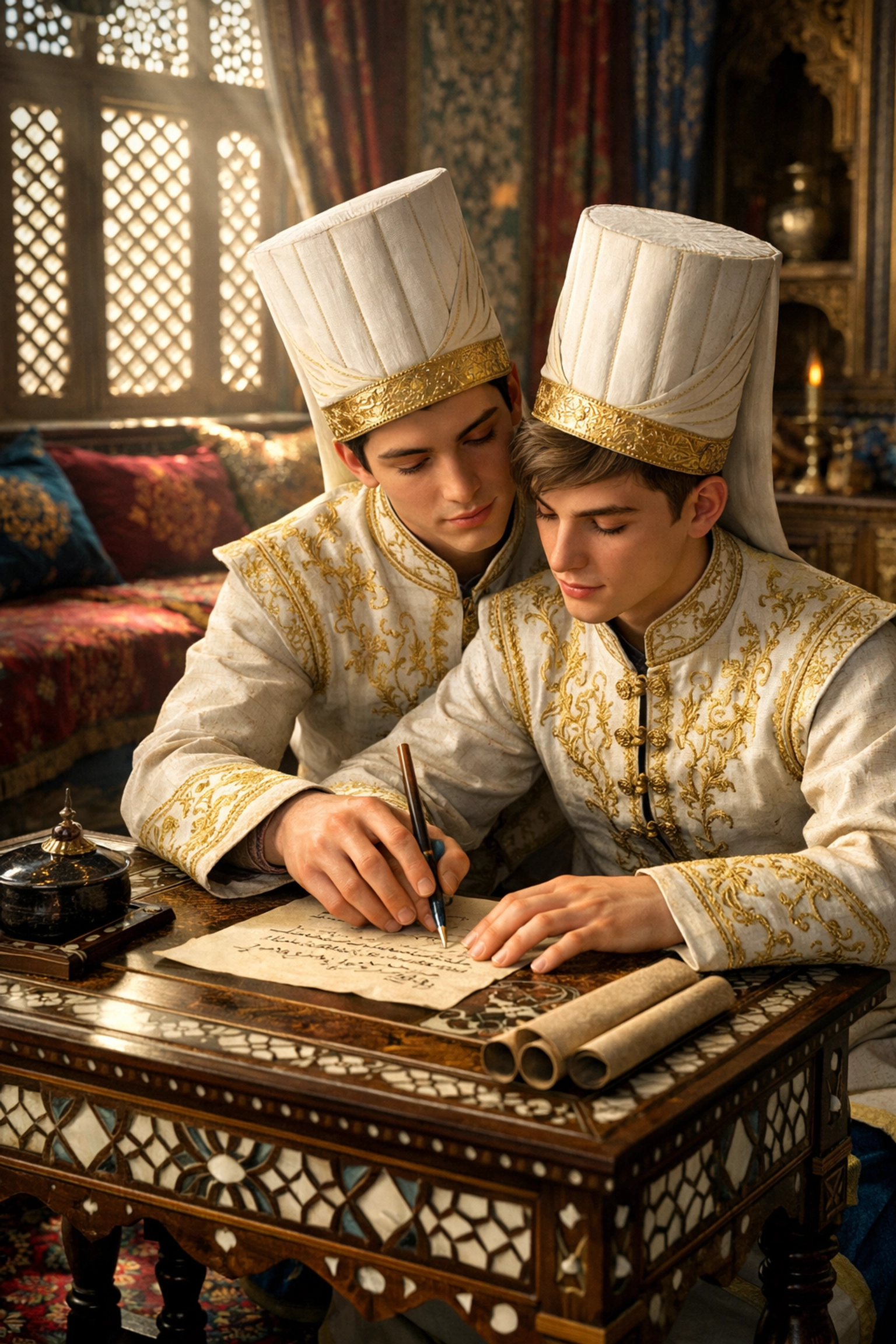
The most beautiful and talented pages served in the inner chambers, closest to the sultan himself. These young men: adolescents and young adults: became companions, confidants, and sometimes lovers to the most powerful men in the empire. The relationships ranged from platonic mentorship to passionate romance, and everything in between.
The Köçeks: Dancing Between Worlds
If you really want to understand Ottoman attitudes toward male beauty and desire, you need to know about the köçeks. These were professional dancers: young men and boys who performed at weddings, festivals, and private gatherings for the elite.
Dressed in elaborate feminine costumes, with long hair and graceful movements, köçeks occupied a fascinating space in Ottoman society. They weren't considered women, and they weren't exactly considered men either: they existed in their own category, celebrated for their artistic skill and their beauty.
Wealthy patrons competed to hire the most famous köçeks. Powerful men fell in love with them, wrote poems about them, and sometimes fought duels over them. The most successful köçeks could become wealthy and influential in their own right, navigating the complex social world with the skill of any courtesan.
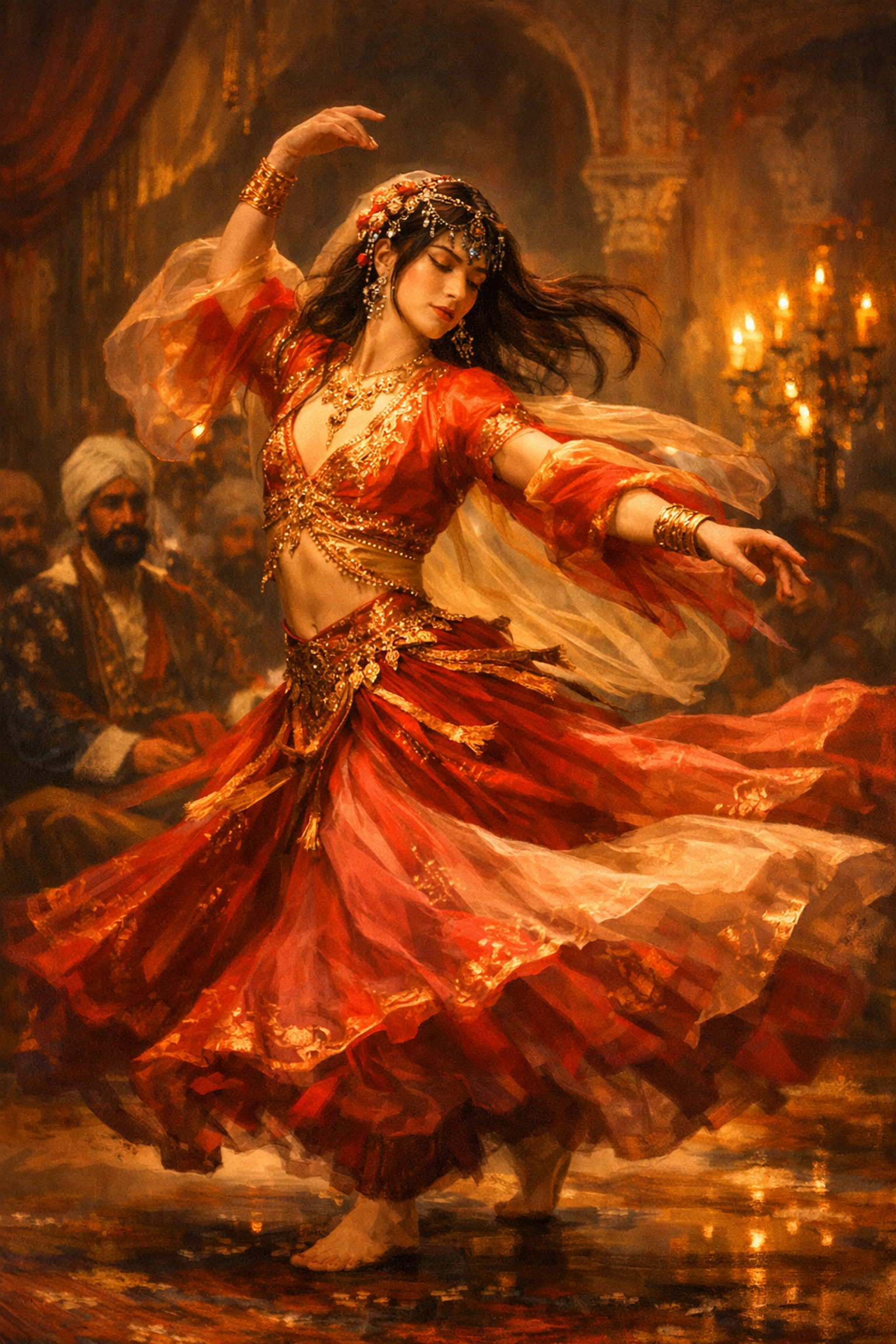
The performances themselves could be intensely erotic, blending dance, music, and barely concealed seduction. For the Ottoman elite, attending these performances and appreciating male beauty wasn't a guilty pleasure: it was a sign of refined taste and cultural sophistication.
Imperial Desires
Several Ottoman sultans are known to have had male lovers or shown preference for the company of beautiful young men. Mehmed the Conqueror, who captured Constantinople and transformed it into Istanbul, was said to have been deeply attached to several young men at his court.
One story tells of his infatuation with a beautiful page named Radu, brother to Vlad the Impaler. Whether Radu returned his affections or simply understood the game of court politics, their relationship became legendary: and later inspired countless stories about love and power in the Ottoman world.
Sultan Murad IV, known for his military prowess and iron-fisted rule, also maintained close relationships with young men in his inner circle. His devotion to certain pages was observed by foreign ambassadors, who noted the sultan's favoritism and the obvious intimacy between them.
These weren't relationships conducted in shame or secrecy. They were part of the fabric of court life, accepted by those who mattered and understood within the context of Ottoman culture and Islamic mystical traditions.
The Hammam Culture
No discussion of Ottoman male intimacy would be complete without mentioning the hammam: the public bath. These weren't just places to get clean. They were social centers, places of relaxation, and spaces where the usual rules of propriety were suspended.
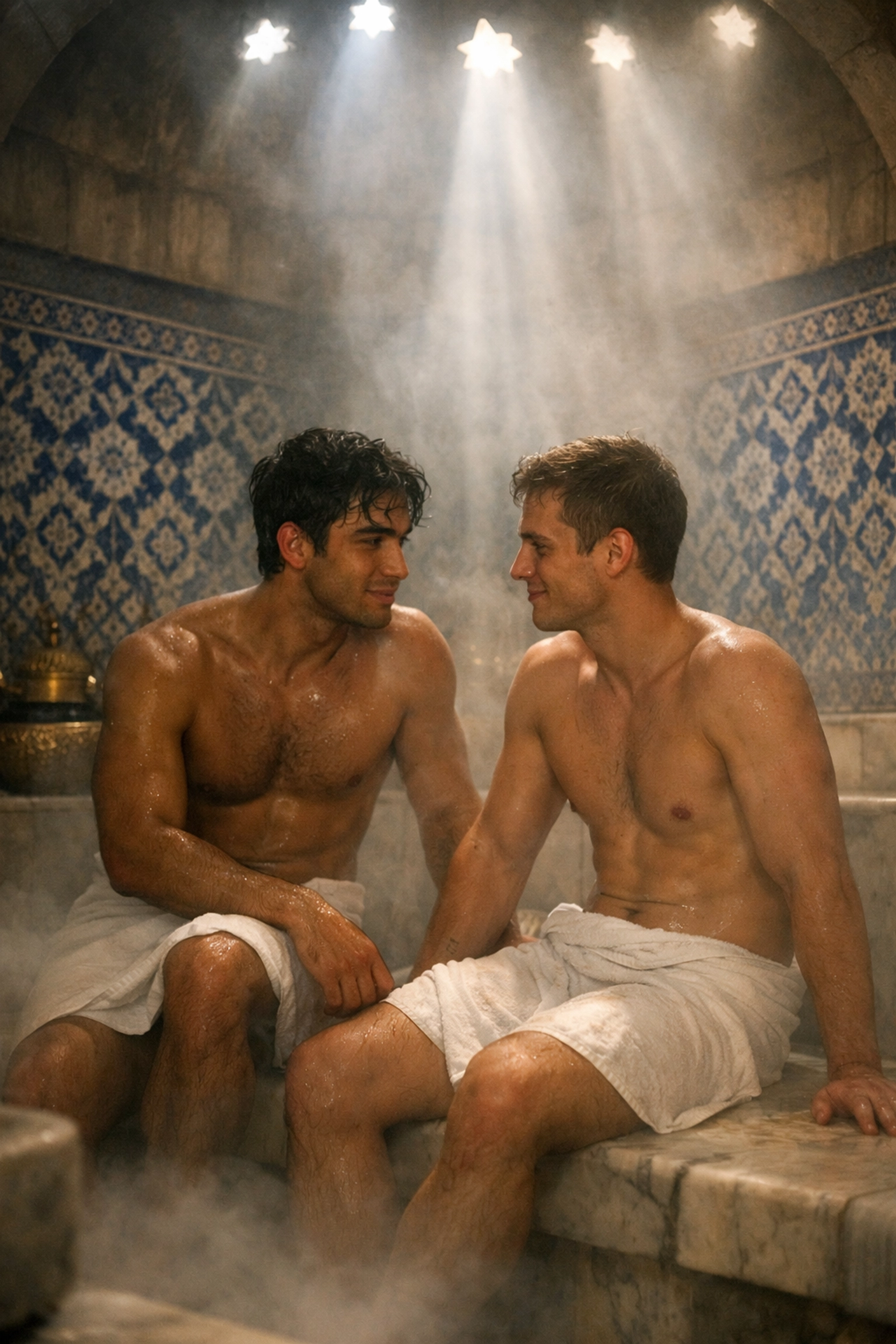
Young men called tellaks worked in the hammams, providing massage and personal services to the patrons. The relationship between a man and his favorite tellak could become quite personal, even intimate. The hammam provided a socially acceptable space for physical closeness between men that might have raised eyebrows in other contexts.
Foreign travelers often commented on the openness of these interactions, sometimes scandalized, sometimes intrigued. But for Ottoman men, the hammam was simply part of life: a place where bodies, friendships, and sometimes more developed naturally and without apology.
Love in a Time of Empires
What makes Ottoman same-sex relationships so fascinating isn't just that they existed: queer love has existed everywhere and always. It's how they were integrated into a sophisticated, powerful culture that valued male beauty, emotional intimacy between men, and the poetic expression of desire.
This wasn't a modern understanding of gay identity: that concept didn't exist yet. But it was a culture that made room for men who loved men, for relationships that defied easy categorization, and for the expression of desire in all its forms.
Reading about these historical connections reminds us that the story of LGBTQ+ love isn't new, isn't Western, and certainly isn't simple. It's as complex and varied as the cultures that shaped it.
At Read with Pride, we're passionate about uncovering these hidden histories and celebrating love in all its forms across time and cultures. These Ottoman stories of passion and power deserve to be told with the same pride and authenticity as any contemporary MM romance or gay love story.
The sultans may be gone, and Topkapi Palace is now a museum, but the legacy of those discreet loves lives on: in poetry, in history, and in every story we tell about love that refuses to be confined by convention.
Want more hidden LGBTQ+ history and the best in gay romance books? Follow us on Facebook, Instagram, and X for daily doses of queer fiction, historical discoveries, and MM romance recommendations that'll make your heart race.
#ReadWithPride #LGBTQHistory #OttomanEmpire #MMRomance #GayRomance #QueerHistory #HistoricalLGBTQ #GayFiction #LGBTQBooks #QueerLove #MMBooks #GayLoveStories #HistoricalRomance #LGBTQCommunity #PrideReading #GayHistoricalRomance #QueerFiction #LGBTQReading

Leave a Reply
You must be logged in to post a comment.