

readwithpride.com
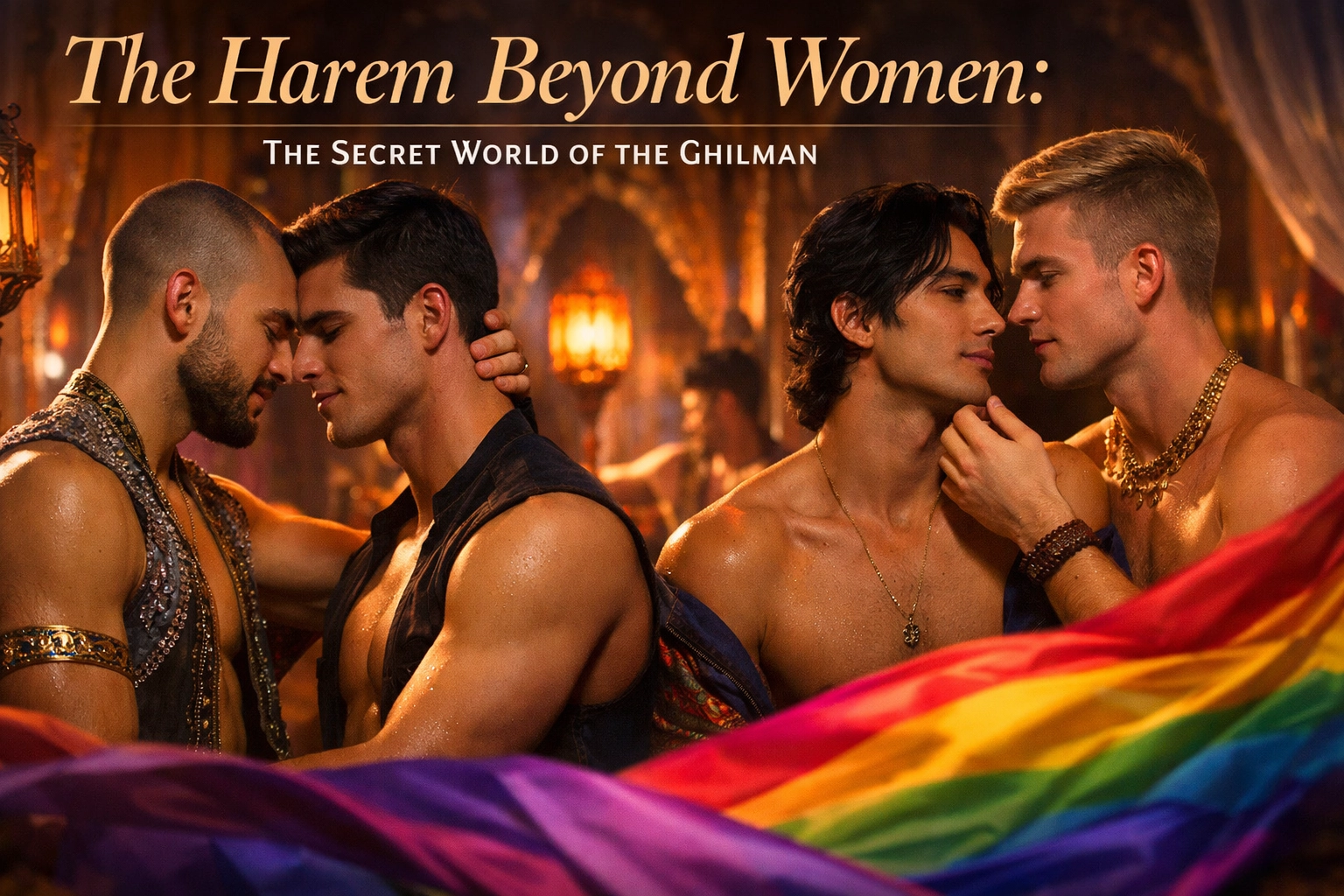
When we think of Ottoman palaces, the image that comes to mind is usually the harem, a space filled with women vying for the sultan's attention. But hidden within those same marble corridors was another world entirely, one that history books conveniently glossed over for centuries. Welcome to the secret realm of the ghilman: beautiful young men who served, enchanted, and sometimes ruled from the shadows of the most powerful empire in the world.
This isn't your typical historical romance, though it's got all the elements, power, passion, forbidden love, and political intrigue. And honestly? It's a story that deserves to be told at Read with Pride.
Beyond the Veil: Understanding the Ghilman
The word ghilman (singular: ghulam) literally means "youths" in Arabic, and in the Ottoman Empire and other Muslim dynasties, these weren't just any young men. They were carefully selected, often from Turkic or Christian backgrounds, brought into the palace system, and trained in everything from military arts to music, poetry, and the delicate dance of court politics.
Think of them as the empire's most exclusive finishing school graduates, except their curriculum included swordplay, calligraphy, and how to capture the heart of the most powerful man in the world.
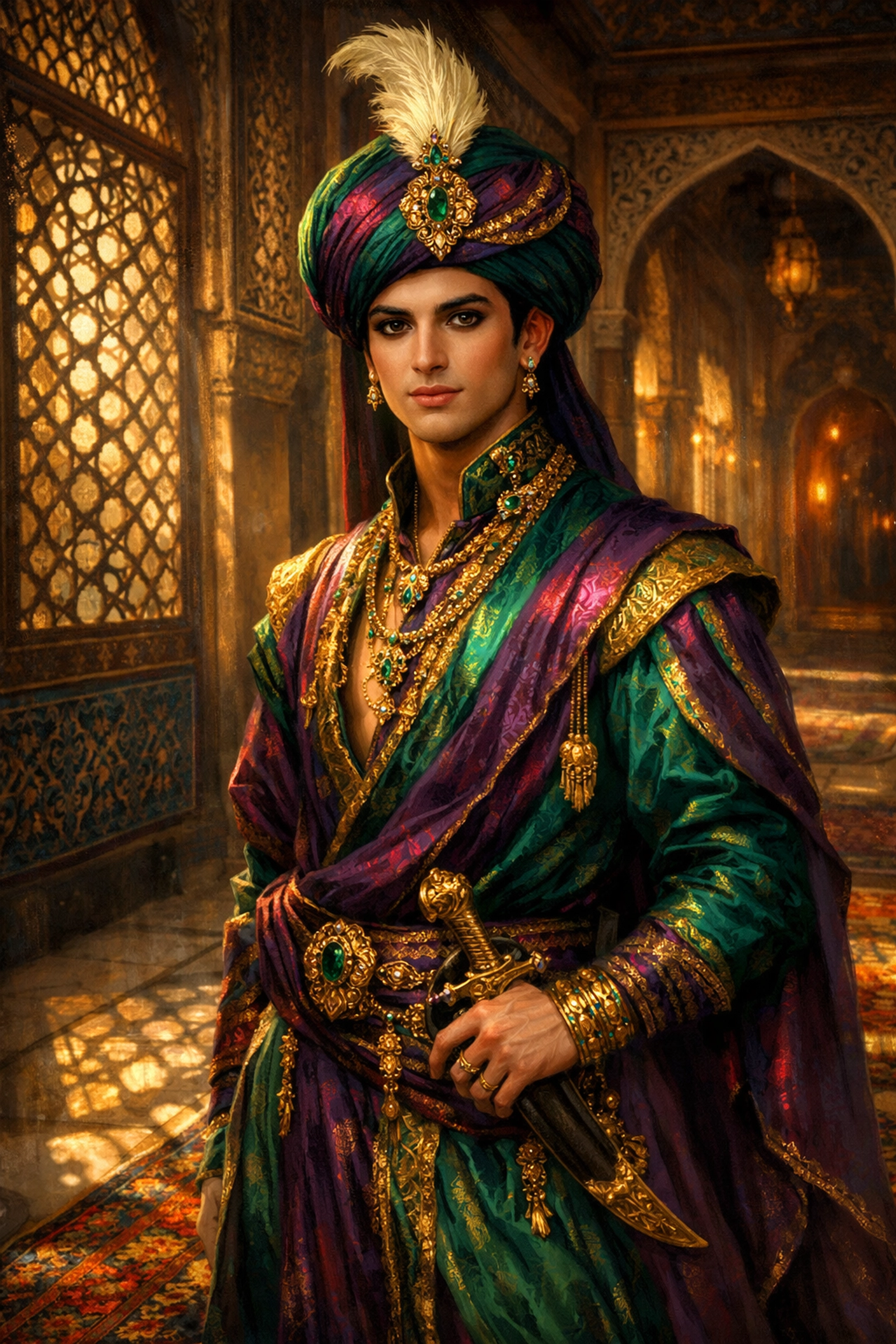
These young men wore elaborate uniforms, adorned themselves with jewelry, and were known for their striking beauty. Historical records describe them beautifying themselves "in elaborate fashion," which is 15th-century speak for "they knew how to werk it." They received special favors from their masters, lived in luxury, and occupied a space in the palace hierarchy that was both privileged and precarious.
The Persian Precedent and Caliph Al-Amin
The Ottoman Empire didn't invent this system, they inherited it. The practice traces back to Persian courts and was formally established in the Arabic world by Caliph Al-Amin in the 9th century. Al-Amin, who ruled the Abbasid Caliphate from 809 to 813 CE, wasn't exactly subtle about his preferences. Historical chronicles record that he openly favored his ghilman and established their presence as a recognized institution within the palace.
This wasn't just about personal attraction, though that was certainly part of it. The ghilman system served multiple purposes: military (they were trained cavalrymen), political (they had no family dynasties to threaten the throne), and personal (intimate companionship for rulers who lived in gilded cages of power).
The homosexual subculture that developed around the ghilman became an open secret in palace life. While public discourse maintained certain proprieties, within the palace walls, these relationships were acknowledged, sometimes even celebrated in poetry and art.
Beauty, Power, and Political Influence
Here's where things get really interesting. Some ghilman didn't just warm beds, they shaped empires.
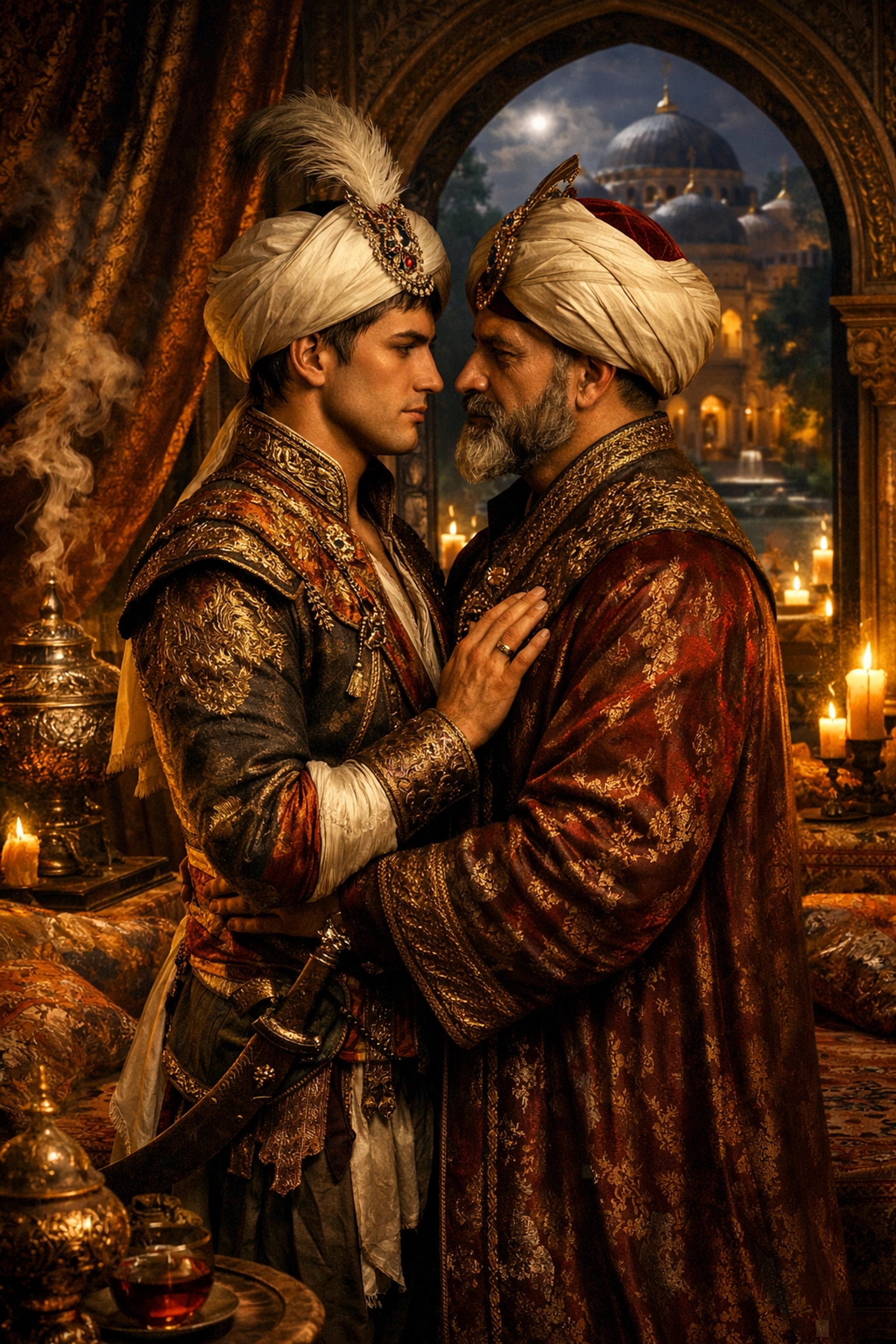
Because these young men had intimate access to sultans and caliphs, they wielded enormous soft power. A whispered word during a private moment could change the course of military campaigns, shift alliances, or doom political rivals. Historical records document numerous instances where ghilman favorites influenced major decisions, appointed (or removed) governors, and in some cases, briefly ruled regions themselves.
In medieval India, some ghilman rose to become governors and military commanders. They led armies, administered provinces, and accumulated wealth that would make modern billionaires jealous. The catch? Most never founded lasting dynasties, their power was tied to their relationships rather than bloodlines, which meant it could vanish as quickly as it appeared.
This actually made them useful to rulers. Unlike nobles with family claims and hereditary ambitions, ghilman depended entirely on imperial favor. They couldn't threaten the succession because they couldn't pass their positions to sons. This created a unique dynamic where intimate relationships and political loyalty intertwined in complex ways.
The Daily Life Behind Palace Walls
So what was daily life actually like for these young men?
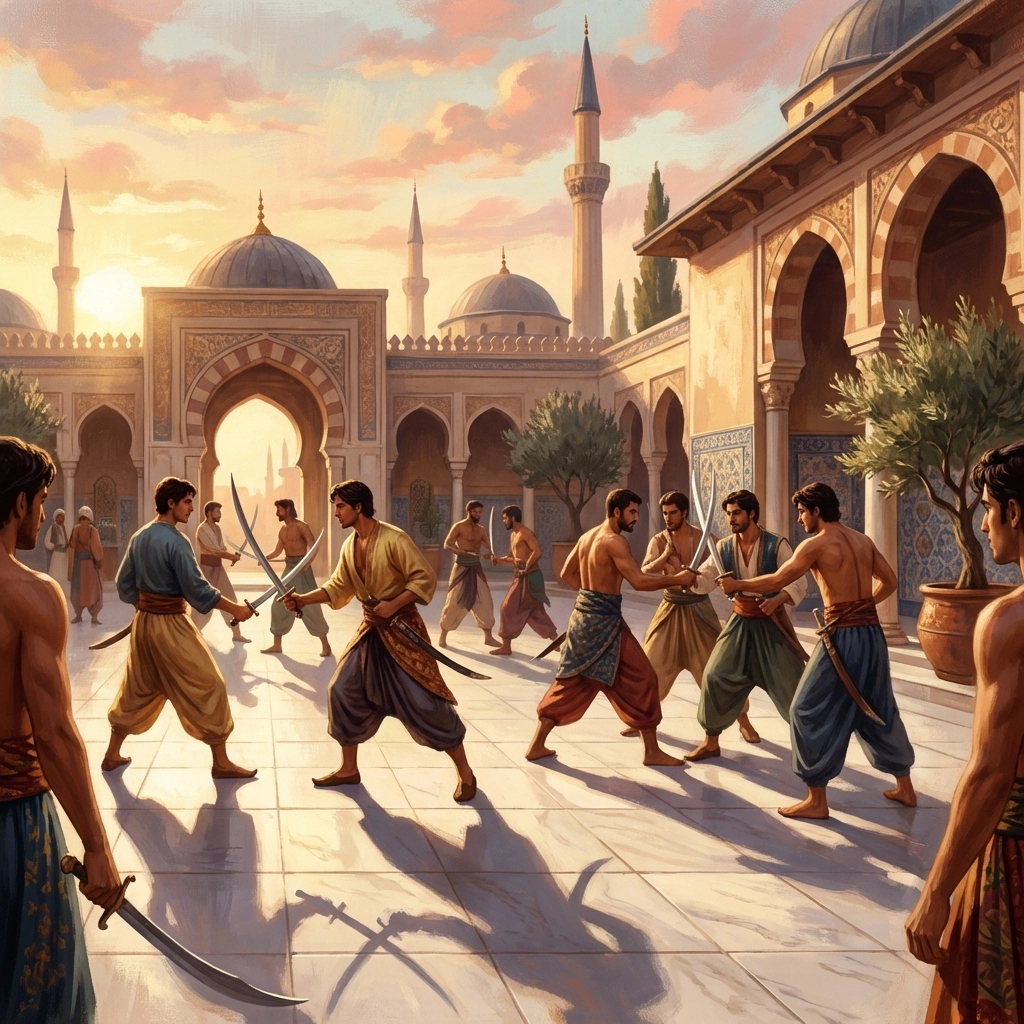
The ghilman lived in designated quarters within the palace complex, trained rigorously in military arts, and received education in literature, music, and court etiquette. They served as companions, bodyguards, cup-bearers, and sometimes lovers to the empire's elite. Their training began young, often as teenagers, and they spent years perfecting not just combat skills but also the arts of conversation, poetry, and that indefinable quality the Ottomans prized: zarif (refinement).
The best comparison might be to the samurai of Japan or the pages of European courts, except with an explicitly recognized romantic and sexual dimension. These weren't platonic relationships dressed up in euphemisms, historical sources are pretty clear about what was happening.
Some ghilman formed deep, lasting bonds with their masters. Others navigated a more transactional world, using their positions to accumulate wealth and influence before age made them less desirable. The system was simultaneously a path to extraordinary privilege and a form of servitude, complex, morally ambiguous, and deeply human.
The Legacy for Queer History
Why does this matter today, especially for readers at Readwithpride.com?
Because the ghilman system shatters simplistic narratives about sexuality, history, and culture. We're often told that same-sex relationships were universally condemned in historical Muslim societies, or that queer identity is somehow a "Western invention." The ghilman tell a different story.
These weren't relationships happening in secret, shameful corners. They occurred at the very center of imperial power, involving the most important men in one of history's greatest empires. Yes, the power dynamics were complicated and often exploitative by modern standards. But the existence of this system demonstrates that human sexuality and desire have always been more complex than the neat categories we try to impose.
For contemporary LGBTQ+ folks, especially those interested in gay historical romance or MM fiction, the ghilman offer rich material. It's real history with all the elements of great romance: forbidden attraction, power imbalances that create tension, palace intrigue, and relationships that could topple kingdoms.
The best MM romance books often explore themes of power, vulnerability, and desire in historical settings, and honestly, the real history of the ghilman is as dramatic as any gay romance novel could be.
Finding These Stories Today
If you're fascinated by historical LGBTQ+ narratives like the ghilman system, you'll find plenty of contemporary fiction exploring similar themes. The MM romance genre has exploded with historical gay fiction that brings these hidden histories to life, from gay historical romance set in royal courts to MM fantasy inspired by Ottoman and Persian settings.
The beauty of platforms like Read with Pride is discovering these stories that traditional publishing often overlooked. Whether you're into enemies-to-lovers dynamics set in historical harems, slow-burn romance between powerful men and their protégés, or political intrigue with queer protagonists, there's a growing library of LGBTQ+ ebooks exploring these themes.
The Story Continues
The ghilman system lasted for centuries across multiple empires before gradually fading as those empires modernized and reformed. But the stories remain, waiting in historical records, poetry, and chronicles. They remind us that queer love and desire have always been part of human history, even in places and times we might not expect.
These weren't just footnotes or scandals, they were central to how empires functioned, how power operated, and how people loved. That's a legacy worth remembering, celebrating, and yes, reading about with pride.
Connect with us and discover more untold LGBTQ+ histories:
📚 Readwithpride.com
📘 Facebook
🐦 Twitter/X
📷 Instagram
#ReadWithPride #LGBTQHistory #GayHistory #MMRomance #QueerHistory #OttomanEmpire #GayRomanceBooks #HistoricalLGBTQ #GayFiction #MMHistoricalRomance #QueerStories #LGBTQBooks #GayLiterature #HiddenHistory #PalaceSecrets #GayHistoricalFiction #LGBTQReading #MMBooks #GayNovels #2026LGBTQ

Leave a Reply
You must be logged in to post a comment.