

readwithpride.com
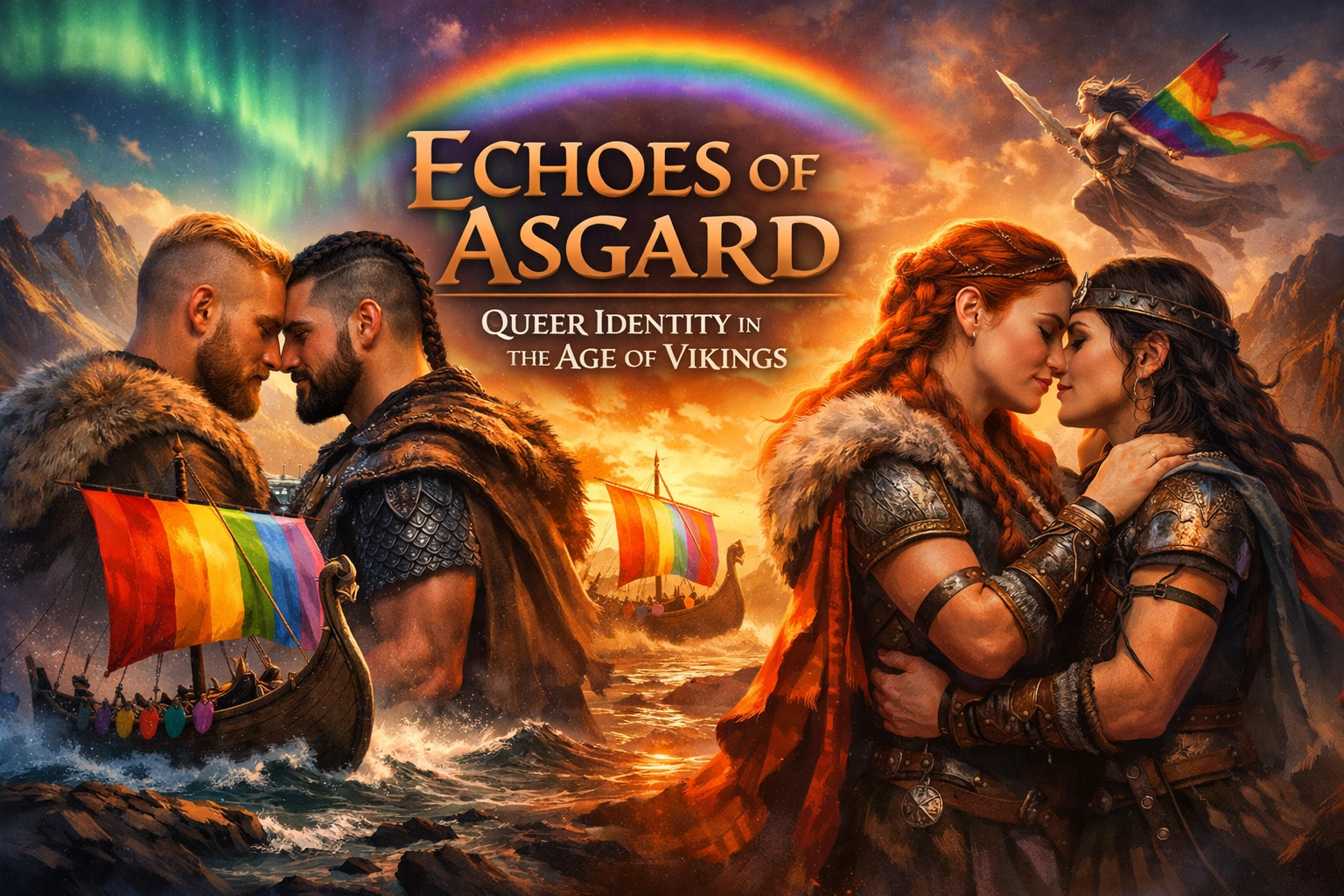
Think Vikings were all hypermasculine warriors with beards, axes, and zero tolerance for anything outside strict gender norms? Time to let the gods set the record straight, or should we say, delightfully queer.
The Norse world was far more fluid than most history books would have you believe. When your pantheon includes a genderfluid trickster god who gives birth to an eight-legged horse, a wisdom god accused of being "too feminine" for practicing magic, and a thunder god who once cross-dressed to infiltrate a giant's wedding, you're working with a cultural framework that understood gender and sexuality as something far more complex than binary.
When Gods Break All the Rules
Let's start with Loki, the ultimate queer icon of Norse mythology. This shapeshifting deity didn't just blur gender lines, he obliterated them entirely. Loki transformed into a mare, became pregnant, and gave birth to Sleipnir, Odin's eight-legged horse. In other tales, he shifted between male and female forms as easily as most people change clothes. The Norse didn't see this as scandalous backstory material, it was just Loki being Loki.
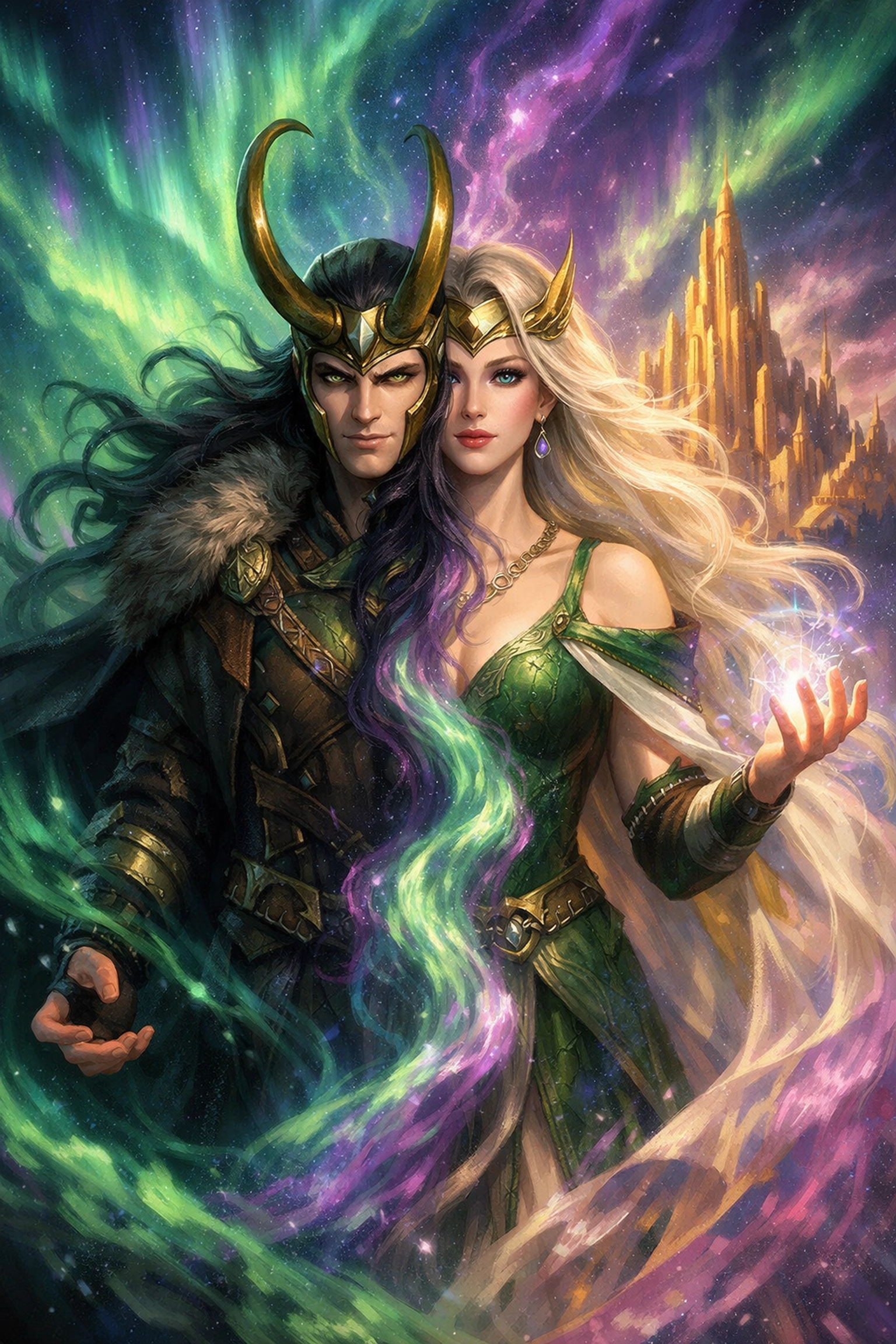
Modern interpretations have caught up with what the sagas always knew. The 2014-2015 comic series Loki: Agent of Asgard explicitly portrays Loki as pansexual and genderfluid, using different pronouns depending on presentation. But the Vikings beat Marvel to this understanding by about a thousand years.
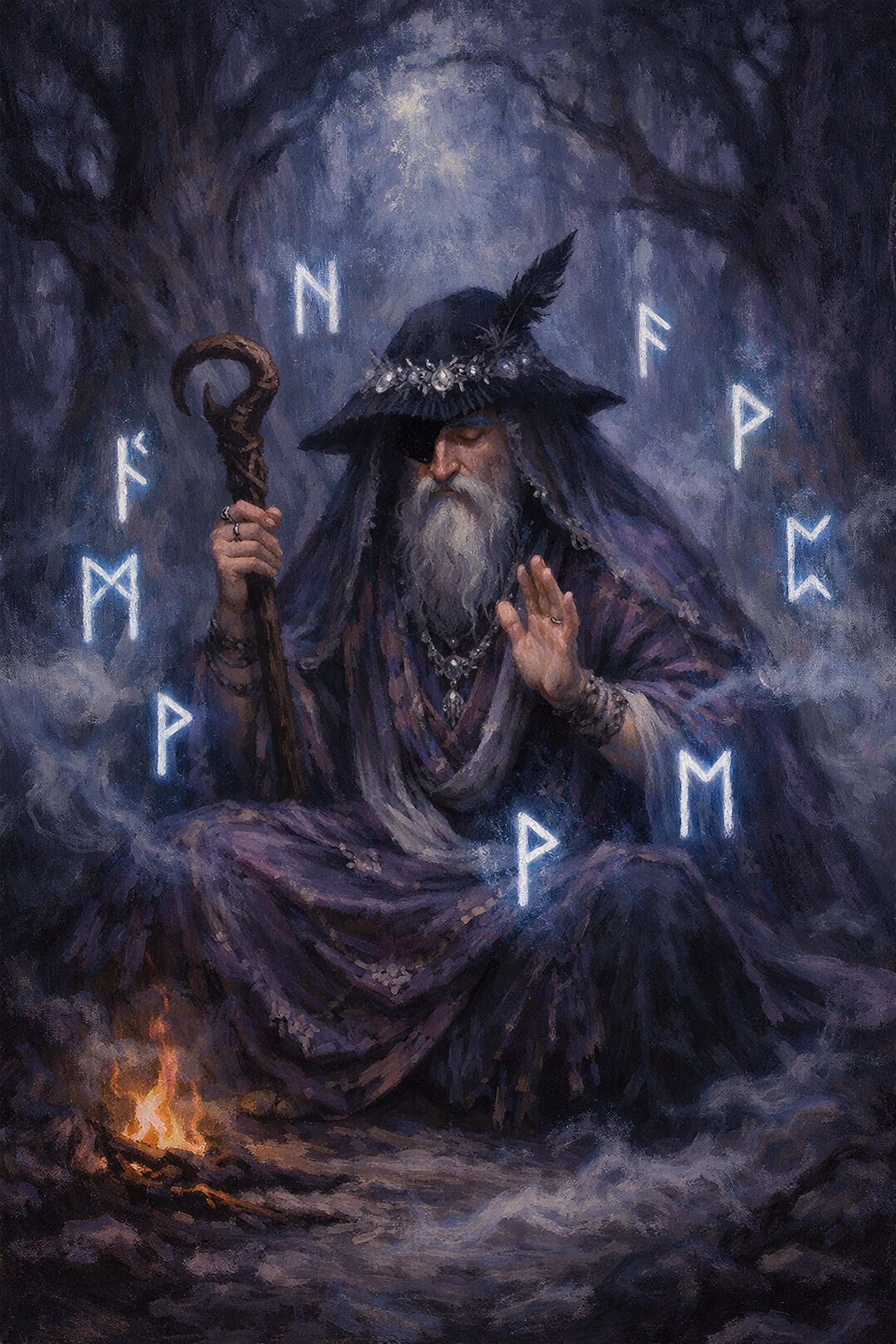
Then there's Odin, the All-Father himself, who repeatedly faced accusations of being ergi, an Old Norse term that roughly translates to "doing gender wrong." Why? Because Odin practiced seiðr, a form of magic traditionally associated with women. In Viking culture, this was considered a serious breach of masculine performance. The poem Loki's Quarrel features Loki directly insulting Odin's gender presentation, while in Harbard's Song, even Thor calls his father "queer" over his magical practices and sexual encounters.
Yes, you read that right. The god of war, wisdom, and poetry: the literal patriarch of the Norse pantheon: was considered too feminine by his society's standards.
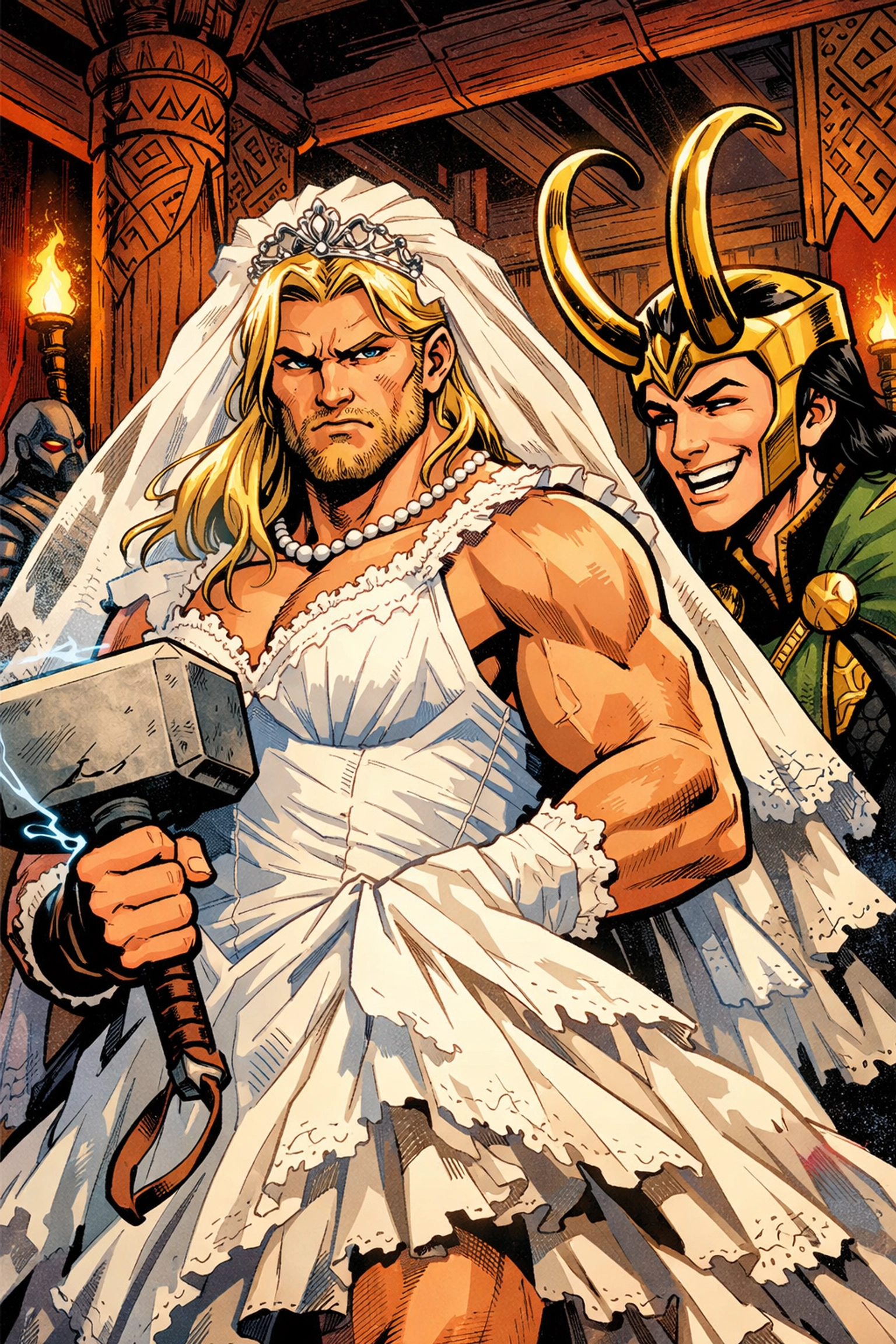
Even Thor, that hammer-wielding embodiment of Viking masculinity, has a cross-dressing story in his mythology. When a giant stole Mjölnir and demanded the goddess Freya as ransom, Loki suggested Thor dress as a bride to retrieve it. The story plays it for laughs: the joke being that even the giants somehow fail to recognize the most masculine god in existence beneath the veil: but the tale's very existence demonstrates that Vikings could imagine and accept gender play, even among their most revered figures.
The Language of Gender Transgression
The Vikings had specific vocabulary for gender nonconformity, which tells us something important: they thought about it enough to need words for it. Ergi encompassed meanings including unmanliness, cowardice, and what they considered "female lust." It wasn't exactly a compliment, but its existence proves that Vikings recognized gender and sexual variance as real phenomena that required social frameworks to understand.
The culture promoted separate gender spheres: effeminacy in men was frowned upon, and a woman could divorce her husband for wearing women's clothing. But here's where it gets interesting: historical and literary evidence shows that both men and women regularly defied these stereotypes.
Wealthy Viking widows enjoyed remarkable freedom. They kept their dowries and weren't subject to male relatives' control the way Christian women in other parts of Europe were. These women could be praised as "valiant" and "forceful": traits elsewhere reserved exclusively for men. Women also participated in skaldic verse composition, traditionally a masculine domain, with their work preserved in literature written by men.
Life Aboard the Longships
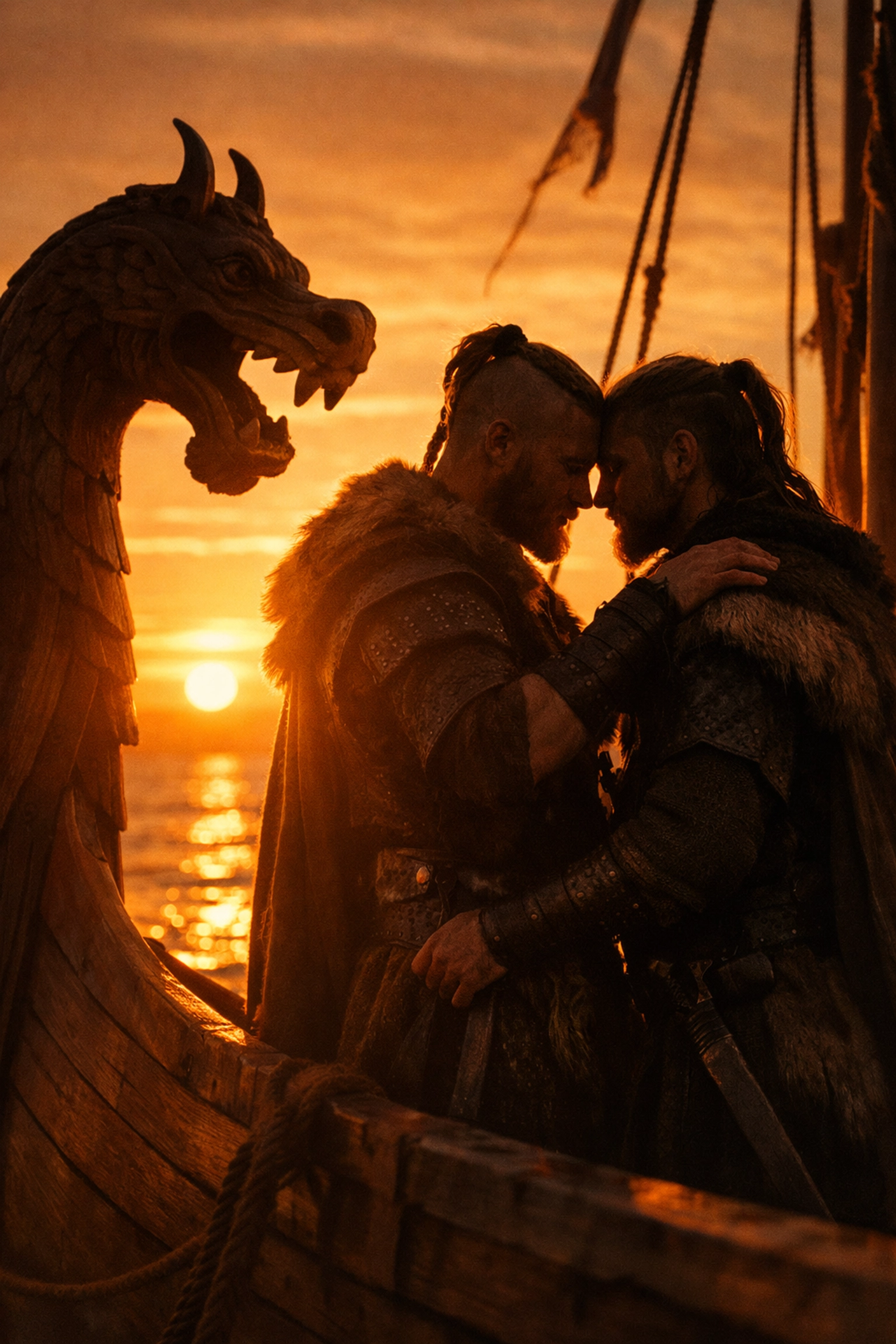
Viking crews spent months at sea in close quarters, creating their own social dynamics away from the rigid structures of settled communities. The longships became spaces where the usual rules could bend, where the bonds between warriors went deeper than simple brotherhood, and where the fluid sexual ethics of the Norse gods might find earthly expression.
Historical records hint at these relationships through careful language and preserved poetry. The sagas speak of warriors with bonds described in language that goes beyond typical military camaraderie. While Vikings maintained public performance of gender norms, the realities of life at sea: and the examples set by their own deities: suggest a more nuanced understanding of love, loyalty, and desire.
The concept of ergi might have been an insult on land, but aboard a ship where survival depended on absolute trust and intimate cooperation, the lines between acceptable masculine behavior and forbidden territory likely shifted with the tides.
Why the Gods Mattered
The presence of queer narratives in Norse mythology wasn't accidental or trivial. These were the stories Vikings told themselves about the nature of reality, power, and identity. When your gods can change gender, practice "women's magic," and cross-dress for strategic purposes, it creates cultural space for human beings to exist outside rigid categories.
The mythology didn't necessarily translate to complete social acceptance: clearly, terms like ergi carried negative connotations. But it did provide a framework for understanding gender and sexual variance as part of the natural order of things, not violations of it. The gods' behavior suggested that gender fluidity and diverse sexuality were concepts the Viking world could not only imagine but celebrate as sources of power, wisdom, and cunning.
Reading Our Way Back to Understanding
Today, we're still unpacking what Viking culture really looked like beyond the pop culture stereotypes. Modern LGBTQ+ fiction and queer literature increasingly explores these historical complexities, giving readers gay romance and MM romance books set in Norse-inspired worlds where gender fluidity isn't a modern invention but an ancient truth.
At Read with Pride, we're committed to highlighting these stories: both the historical truths and the contemporary MM romance that builds on them. Whether you're into gay historical romance that explores Viking-era relationships or gay fantasy romance featuring Norse-inspired worlds where queerness is celebrated, these narratives matter. They remind us that our existence isn't new, experimental, or against tradition. We've always been here, riding the waves and breaking the rules alongside trickster gods.
The Vikings understood something that took the rest of the world far too long to relearn: gender and sexuality exist on spectrums, not in boxes. When Loki shifts forms, Odin embraces magic, and Thor dons a wedding dress, they're not breaking nature's laws: they're embodying them.
So the next time someone tries to tell you that queer identity is a modern invention, tell them about the Vikings. Tell them about the gods who shapeshifted, the warriors who loved each other on longships, and the culture that created space for gender variance even while struggling with it. We've been sailing these waters for a thousand years, and the journey's far from over.
Follow us for more LGBTQ+ history, book recommendations, and queer stories:
Facebook: Read with Pride
Instagram: @read.withpride
X/Twitter: @Read_With_Pride
Website: readwithpride.com
#ReadWithPride #MMRomance #GayRomanceBooks #LGBTQBooks #QueerFiction #VikingHistory #QueerHistory #NorseMythology #GenderFluid #LokiIsQueer #GayHistoricalRomance #MMRomanceBooks #GayFantasyRomance #LGBTQRomance #QueerLiterature #GayBooks #MMNovels #LGBTQReads #HistoricalQueerStories #2026GayBooks

Leave a Reply
You must be logged in to post a comment.