


readwithpride.com
The fog rolled thick through Spitalfields on the evening Edmund Ashworth first saw him. Not across a ballroom or through the polished windows of a gentleman's club, but in the soot-stained doorway of a silk weaver's garret, where Thomas Finch stood with blackened hands and eyes that held more fire than any drawing room Edmund had ever entered.
Victorian London was a city of crossings: bridges over the Thames, class lines carved deeper than the cobblestones, and boundaries no respectable man was meant to breach. But love, as Edmund would learn, cared nothing for respectability.
The Silk and the Smoke
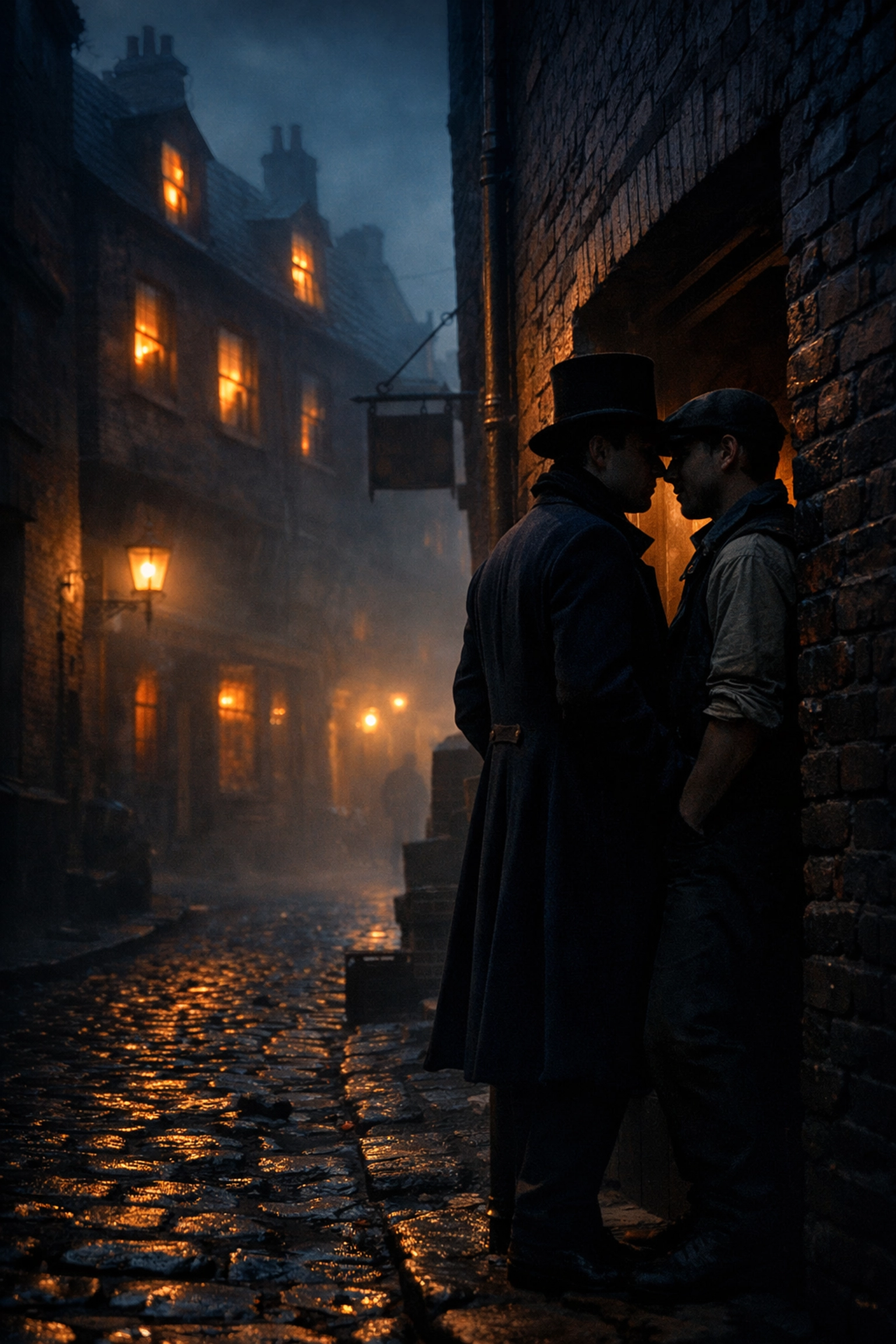
In 1873, the silk trade of East London existed in two worlds simultaneously. The wealthy draped themselves in Spitalfields silks that cost fifty pounds for a single dress: money Thomas Finch's family wouldn't see in two years of labor. Edmund's own waistcoat, embroidered with French silk, cost more than the garret Thomas shared with six other weavers.
The irony wasn't lost on either of them. Edmund commissioned designs from the workshop where Thomas labored sixteen hours a day, fingers perpetually stained with dye, lungs thick with fiber dust. Their worlds should never have touched, yet they collided with the inevitability of Thames meeting sea.
"You shouldn't be here, sir," Thomas had said that first night, voice rough with exhaustion and something else: defiance, maybe, or pride despite the poverty surrounding them.
Edmund, who'd spent his entire life doing precisely what he should, found himself returning anyway.
When Worlds Collide
The challenges began immediately. How does a gentleman of means court a weaver without drawing attention that could destroy them both? The Labouchere Amendment of 1885 would soon make their very existence criminal, but even before the law caught up, society had its own brutal punishments for men who loved outside their station: and outside the bounds of what was deemed natural.
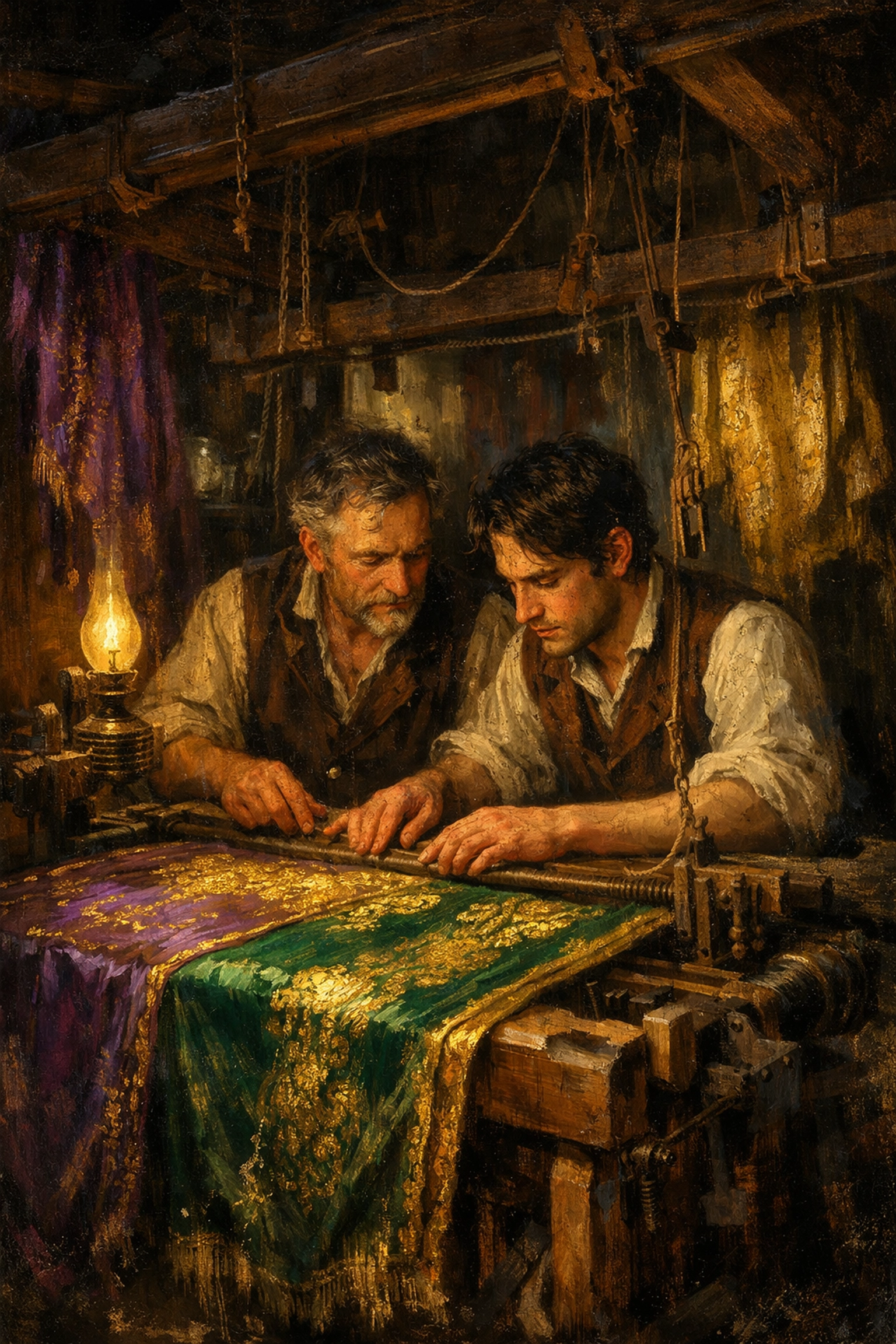
Edmund couldn't invite Thomas to his Mayfair townhouse. Thomas couldn't be seen entering through the servants' entrance: questions would be asked, connections made. So they met in the liminal spaces of London: the fog-shrouded docks at dawn, the anonymous crowds of Whitechapel markets, the British Museum where a wealthy patron and a self-educating worker might plausibly cross paths.
These stolen moments came at a cost Thomas paid more heavily. Every hour away from the loom meant lost wages his family desperately needed. Edmund's absence from dinner parties and business meetings raised eyebrows, but Thomas's absences meant hunger for his younger siblings.
"You think this is romance," Thomas said one night, anger and affection warring in his voice. "Meeting in shadows, pretending the world outside doesn't exist. But I live in that world, Edmund. I can't afford your fantasies."
The Price of Secrecy
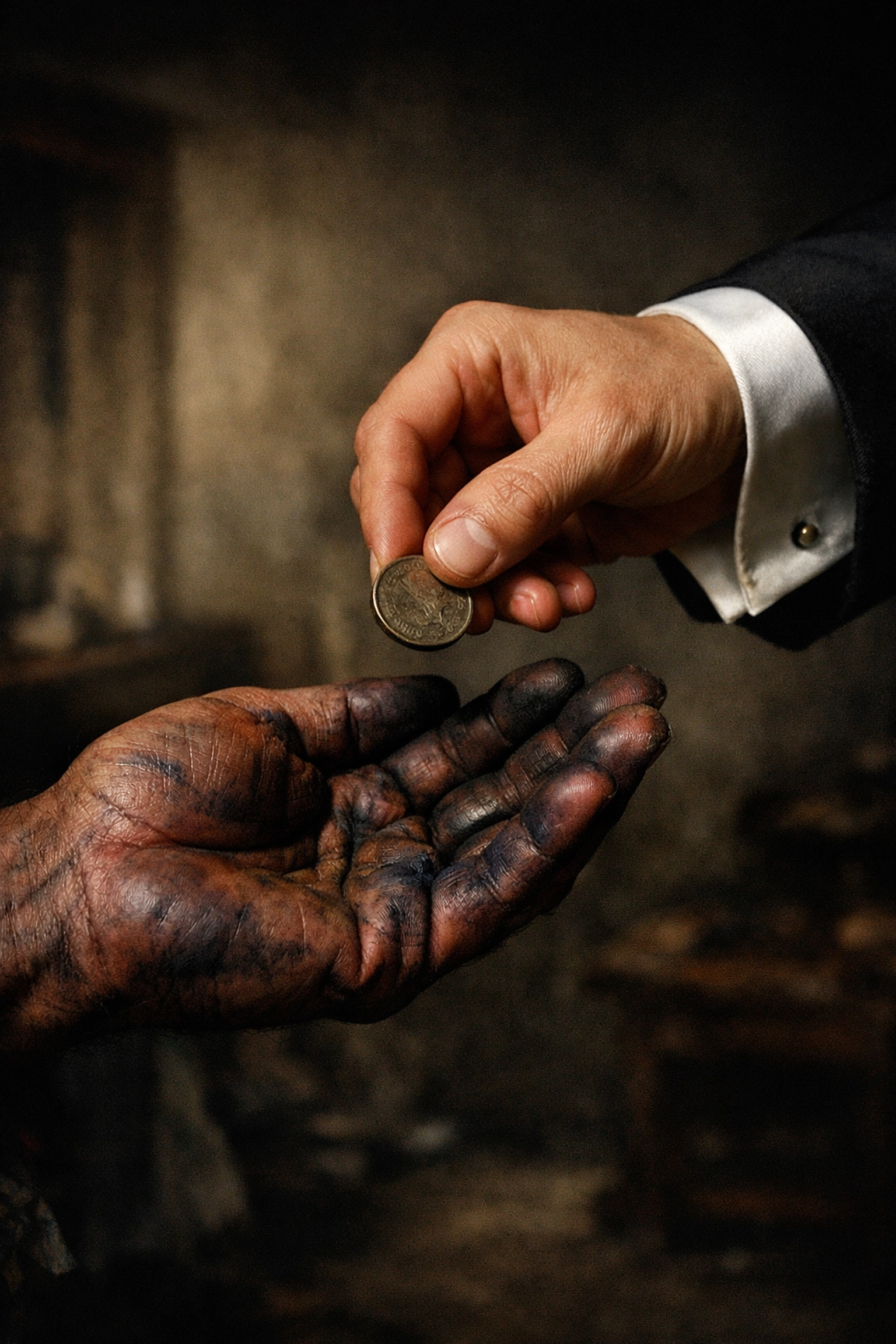
What gay historical romance often glosses over is the grinding practicality of class difference. Edmund could slip Thomas money, but the gesture reeked of exactly what their relationship wasn't: a transaction, a kept man arrangement that reduced love to commerce. Thomas's pride bristled against every offered coin, even as his family's need made refusal nearly impossible.
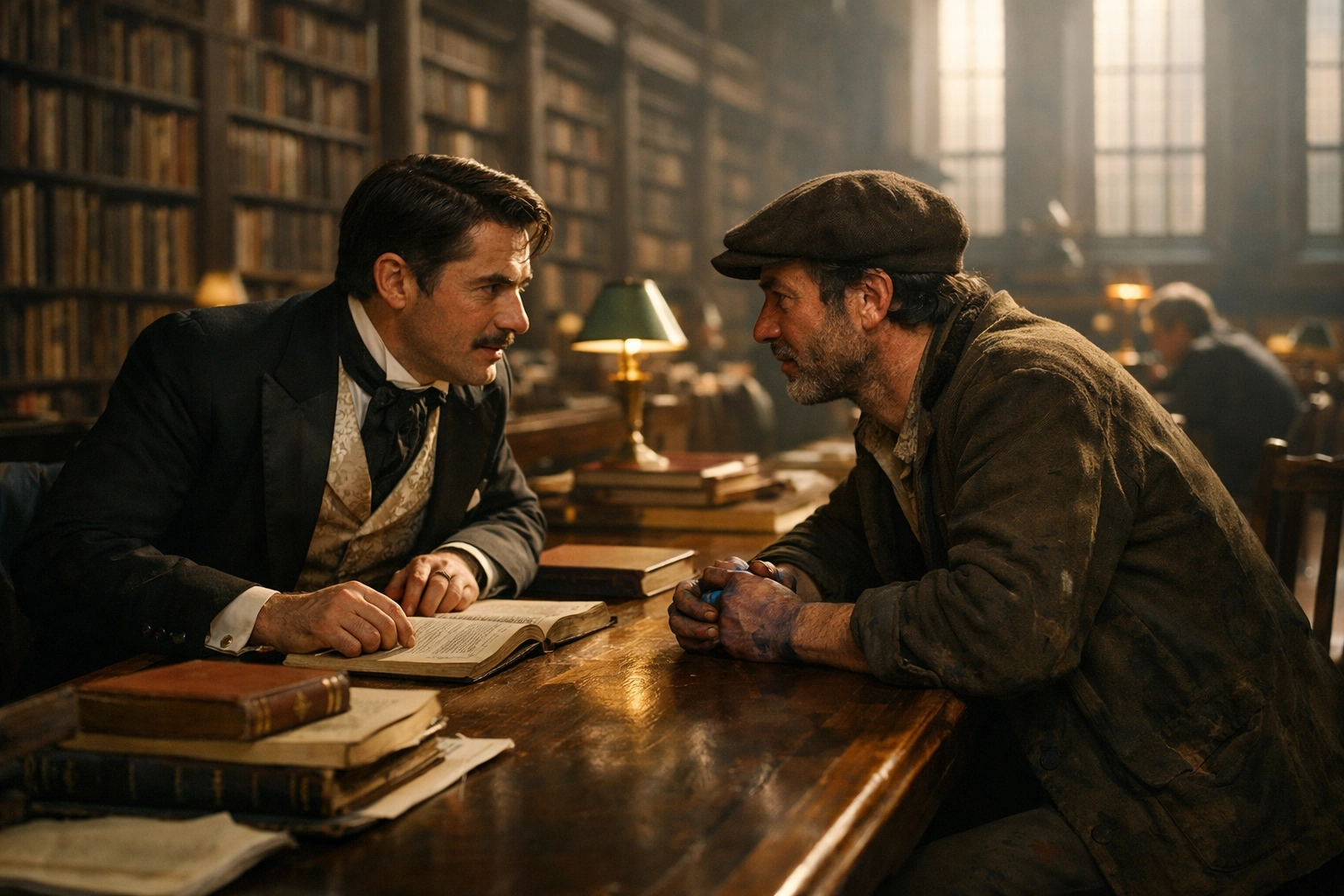
The silk workshop where Thomas labored employed hundreds in conditions that would make modern readers flinch. Children wound silk thread until their fingers bled. Women dyed fabrics with chemicals that burned their skin. Men like Thomas wove intricate patterns by candlelight until their eyes failed, all to produce luxury goods they'd never own.
Edmund saw this world through Thomas's eyes and felt the foundations of his privilege crack. How could he commission another silk waistcoat knowing Thomas might have woven it? How could he attend dinner parties where silk-clad women complained about servants while Thomas's sister died of consumption in a freezing garret?
Yet leaving his world entirely wasn't an option. Edmund's wealth came from family investments he couldn't simply abandon without raising suspicions that would endanger both of them. The money that made him an unsuitable lover for Thomas in one sense was the only protection they had in another: paying for discreet lodgings, bribing constables who looked too closely, funding the silences that kept them safe.
Love Against the Grain
The MM romance of silk and soot wasn't built on grand gestures but small rebellions. Edmund teaching Thomas to read French so he could design his own silk patterns. Thomas introducing Edmund to the radical politics of the East End, where men whispered about workers' rights and a world remade. They carved out a life in the margins, knowing it could never be enough and refusing to settle for less than everything.
Their relationship existed in constant negotiation. When could they risk being seen together? How much could Edmund help without condescension? How much could Thomas accept without losing himself? These weren't dramatic obstacles to overcome but daily calculations that wore them both thin.
The Labouchere Amendment passed in 1885, making "gross indecency" between men punishable by up to two years hard labor. Oscar Wilde's trial a decade later would prove no amount of wealth or fame offered true protection. But poverty offered even less. Working-class men caught in "compromising situations" faced not just prison but complete social annihilation: loss of employment, eviction, starvation.
Edmund and Thomas existed in the space between these dangers, too visible to be completely safe, too careful to be completely free.
The Crossing That Matters
Their story doesn't have the neat resolution modern LGBTQ+ romance might demand. Thomas never became wealthy. Edmund never fully understood the weight of poverty. But they built something real in the impossible space between silk and soot: a relationship that acknowledged its own contradictions and loved anyway.
Victorian London was a city of crossings, and the one that mattered most was the one they made together, day after difficult day, across the chasm that separated their worlds.
This is one story in a much longer history of gay love stories that challenged not just gender norms but class boundaries: relationships that forced both partners to see beyond their circumstances and love someone the world insisted they shouldn't even know. At Read with Pride, we believe these stories matter because they remind us that love has always found ways to cross uncrossable lines.
The silk may have faded and the soot washed clean, but the courage it took to love across London's divides remains as relevant today as it was 150 years ago.
Discover more LGBTQ+ historical fiction and contemporary MM romance novels at readwithpride.com.
Follow us for more queer stories:
#ReadWithPride #MMRomance #GayRomance #LGBTQBooks #HistoricalRomance #GayHistoricalRomance #QueerFiction #GayLoveStories #MMRomanceBooks #VictorianRomance #ClassDivide #ForbiddenLove #GayFiction #LGBTQHistory #QueerHistory #GayNovels #MMHistoricalRomance #LGBTQLiterature #GayBooks2026

Leave a Reply
You must be logged in to post a comment.