

readwithpride.com
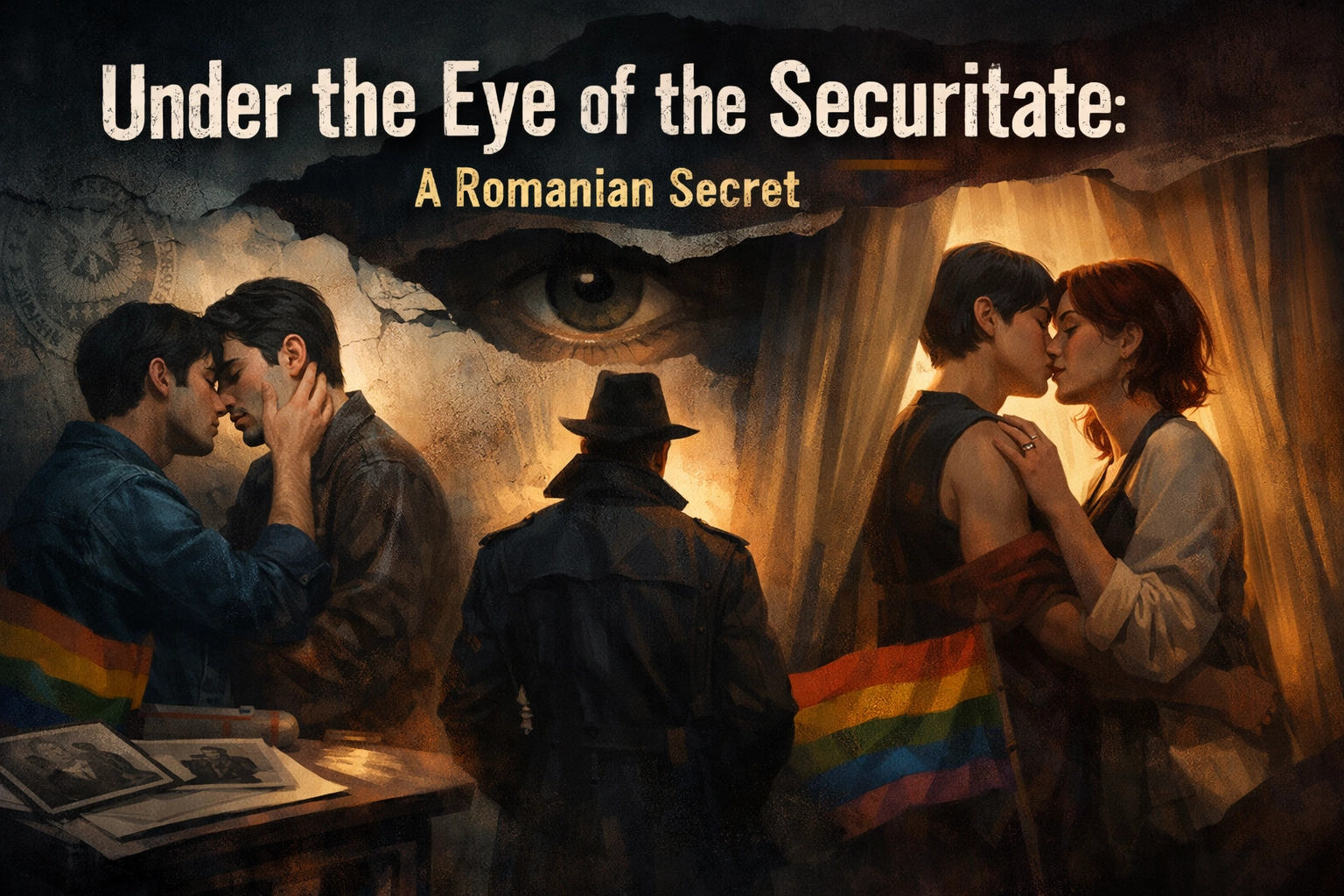
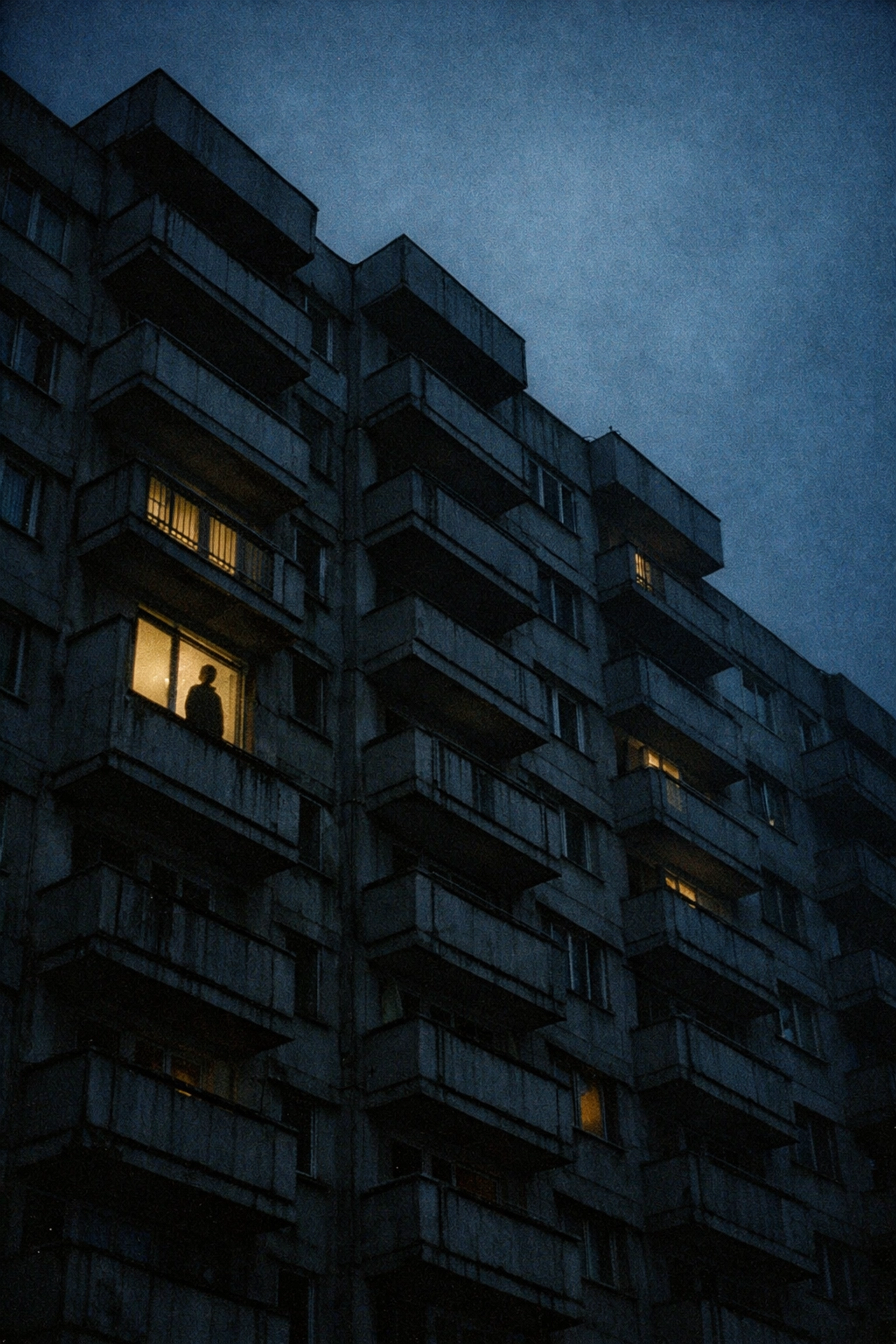
The walls in Bucharest had ears. That's what everyone said in the 1980s, and they weren't being poetic: they were being literal. Every apartment block, every university lecture hall, every café where students gathered to share smuggled Western music had someone listening. Someone reporting. Someone who might notice that you looked at another man just a beat too long.
readwithpride.com
A City of Whispers and Shadows
For Andrei, a literature student at Bucharest University, life was a performance. Not the kind you'd see on stage, but the exhausting daily theater of pretending to be someone else. In Nicolae Ceaușescu's Romania, being yourself: if yourself happened to be gay: could land you in prison under Article 200 of the Penal Code. Five years if they caught you. More if they wanted to make an example.
The winters were the hardest. Not just because heating was rationed and the apartments were freezing, but because the cold gave people fewer places to hide. The parks where you might catch a stolen glance in summer were empty. The public bathrooms: dangerous meeting spots that everyone knew about, including the Securitate: became traps coated in ice.
Andrei lived in a communal apartment with three other students. Every night, he'd lie in his narrow bed listening to the radiator clank and wondering if his roommate, Mihai, suspected anything. Mihai was always friendly, almost too friendly. Was he genuinely kind, or was he filing reports? The Securitate had informants everywhere. Your best friend. Your professor. Even family members turned each other in for extra ration cards or a better apartment assignment.
readwithpride.com
The Weight of Article 200
Article 200 didn't just criminalize "sexual relations between persons of the same sex": it criminalized existence. It meant you couldn't trust anyone with your truth. It meant every friendship was questioned, every moment alone with another man was suspect. The law created a nation of amateur detectives, all watching each other, all terrified of being watched themselves.
The queer community in Bucharest existed in coded gestures and desperate silences. A certain look across a crowded tram. A word emphasized in a particular way. Meeting someone often meant risking everything: your education, your family relationships, your freedom. And yet people still found each other, because loneliness can be just as unbearable as fear.
Andrei had learned the signals from an older student who'd graduated before getting arrested. "Never write anything down," the man had warned him one night in a darkened doorway. "Never use the phone. And never, ever trust someone who seems too eager to understand."
Living Between Two Worlds
By day, Andrei was the model communist youth. He attended mandatory political meetings. He memorized passages from Ceaușescu's speeches. He dated a girl named Elena from his comparative literature class: not seriously, just enough to deflect questions. Elena was kind, and he suspected she had her own secrets. Maybe that's why she never pushed when he kept their relationship chaste, blaming exhaustion from his studies.
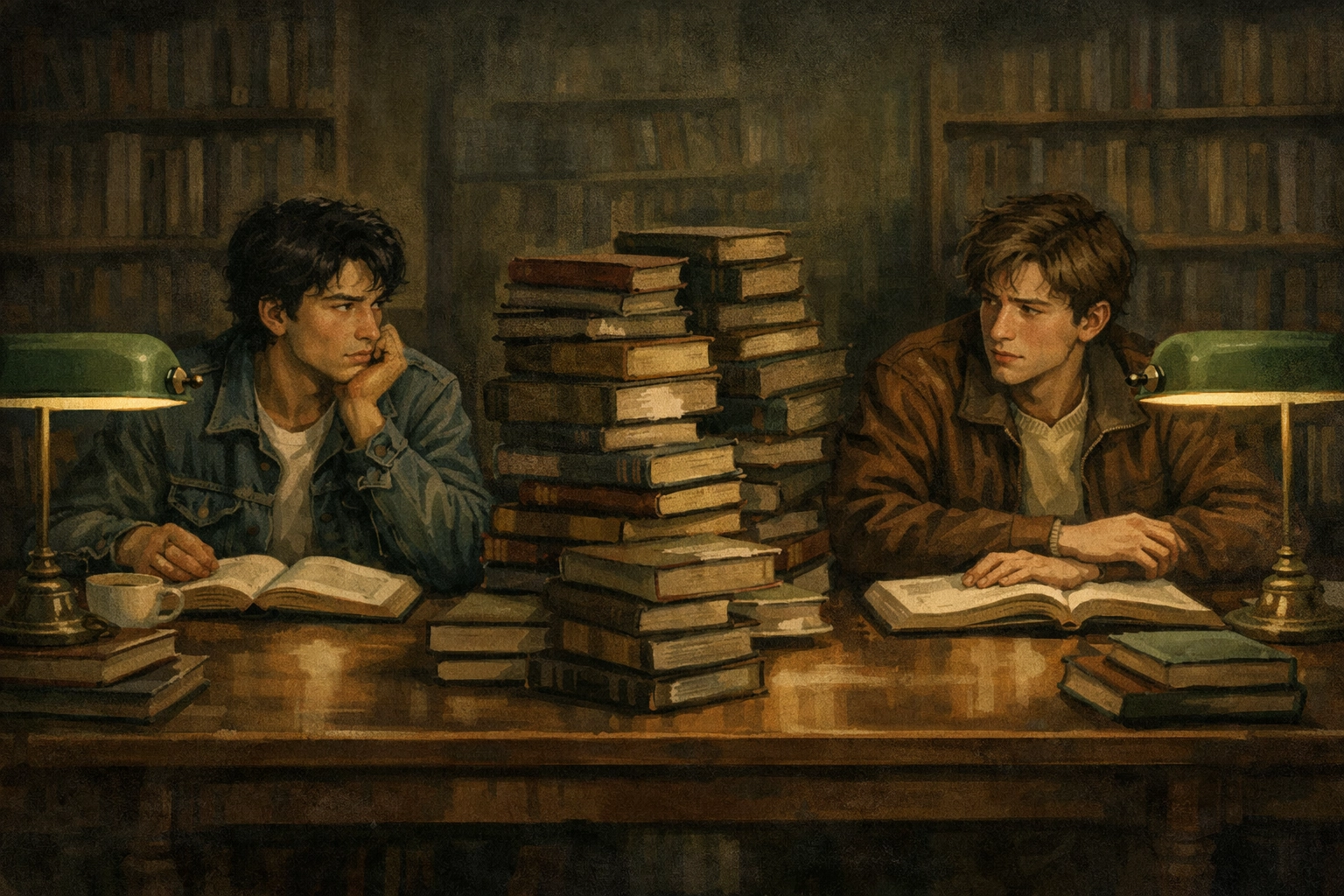
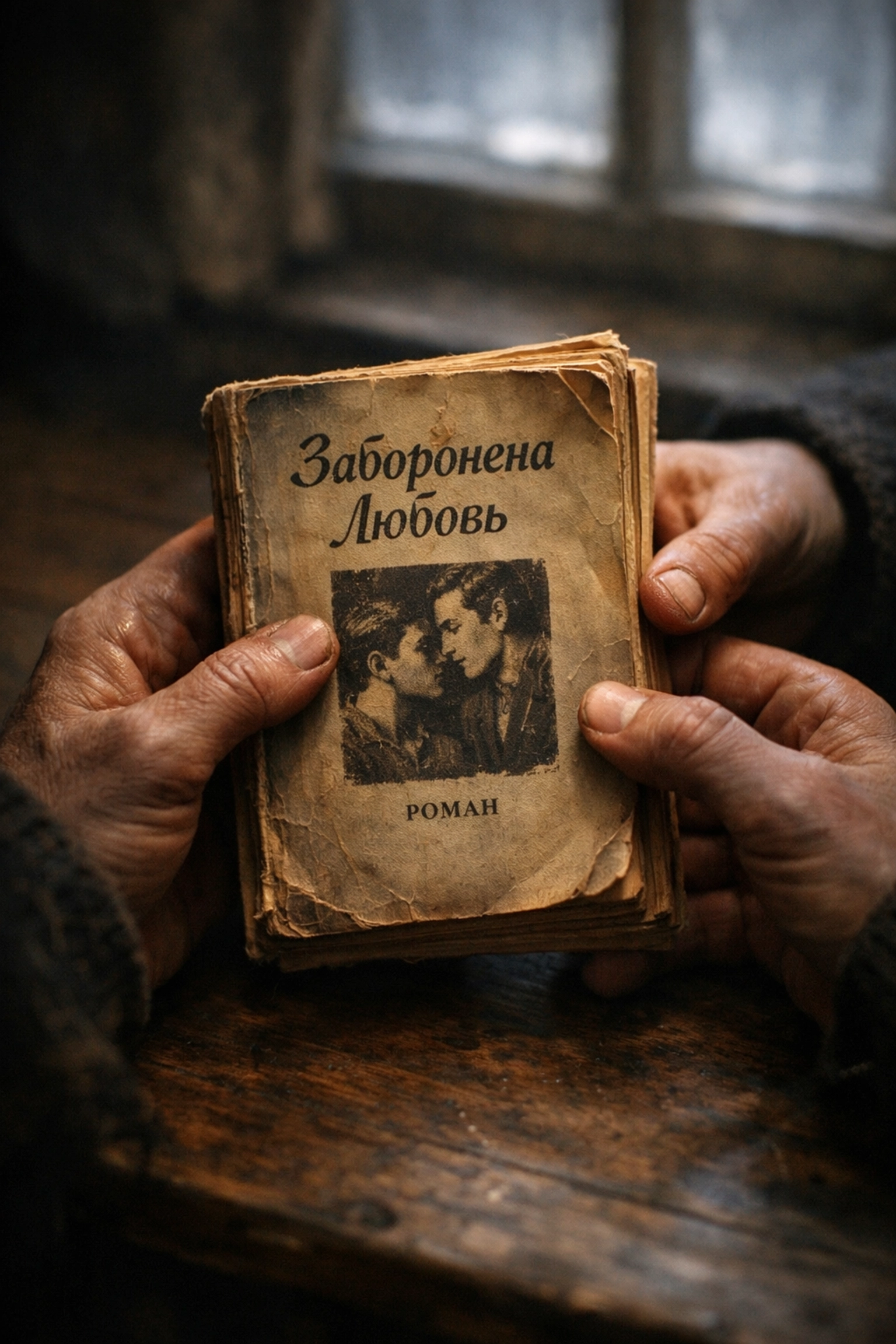
The university library became his refuge. Between the dusty stacks of Romanian classics and censored foreign literature, he could lose himself in stories about people who lived freely. He'd discovered Western gay literature through a professor who'd traveled abroad before the borders tightened: books by Oscar Wilde, E.M. Forster's "Maurice," James Baldwin. These books were passed hand to hand, read in single nights, never kept long enough to be found during one of the random apartment searches.
readwithpride.com
Reading those stories felt like breathing. They proved that somewhere, somehow, people like him existed openly. But they also made the cage of his own life feel smaller.
The Securitate's Shadow
The Securitate wasn't just watching: they were everywhere, invisible and omnipresent. They had files on millions of Romanians, thick dossiers filled with details of daily life. Who you spoke to. What you bought at the market. Whether you told political jokes. And for people like Andrei, whether you fit the profile of someone committing "crimes against nature."
Sometimes the fear was abstract, a constant low hum of anxiety. Other times it was terrifyingly concrete. Like when Andrei heard that Radu, a student from the engineering faculty, had been arrested. Radu had been more careless, meeting someone regularly, someone he'd trusted. That someone had been an informant. Radu's family disowned him. His name became a cautionary tale whispered in the dark.
After that, Andrei stopped going to the places where he might meet others. For six months, he lived like a monk, speaking to no one about anything real, keeping his desires locked so deep inside that some days he wondered if they'd disappeared entirely.
Small Acts of Rebellion
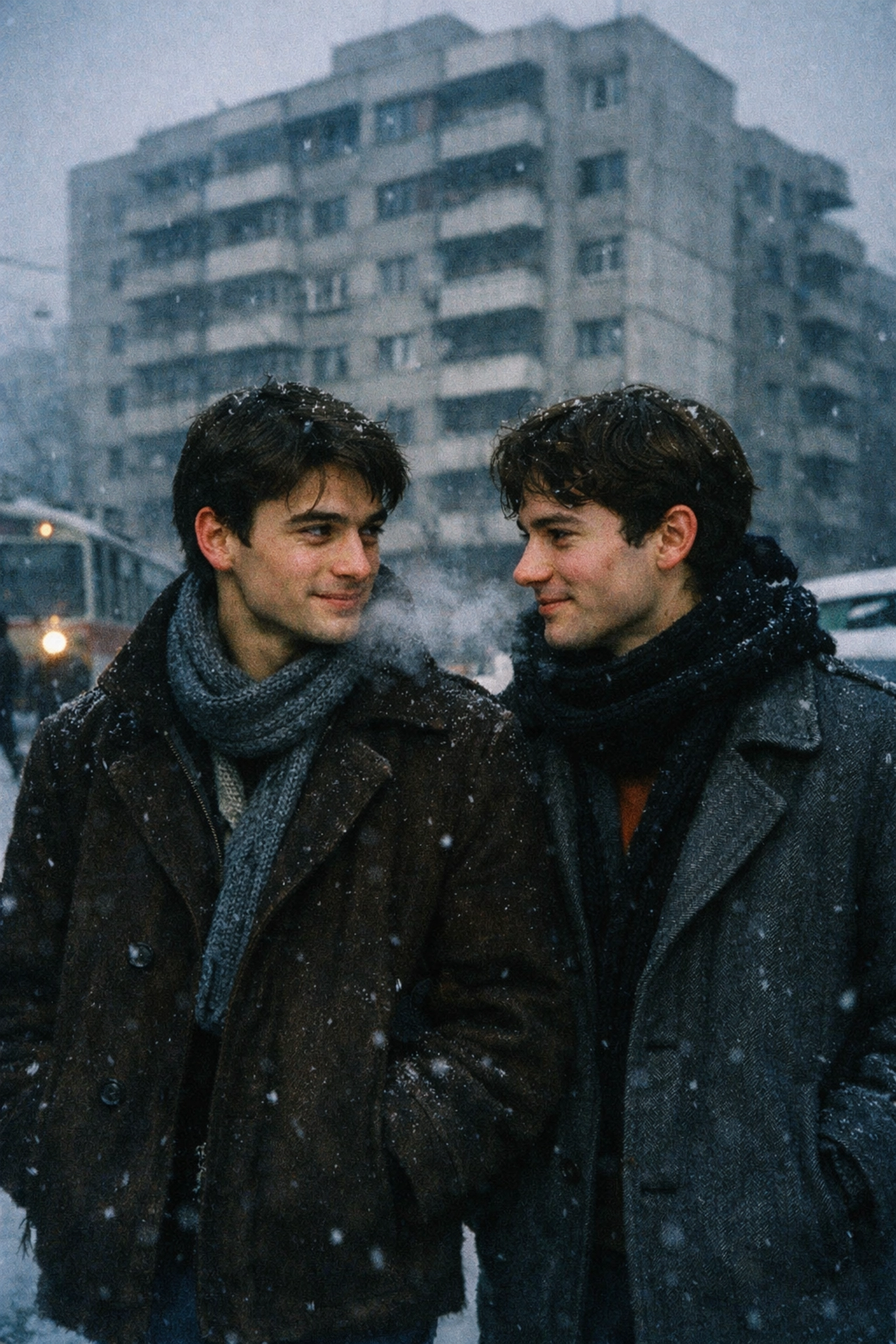
But humans weren't meant to live in complete isolation. Slowly, carefully, Andrei began to rebuild a tiny circle of trust. There was Stefan, who worked at the National Theatre and had a way of talking about Brecht's plays that made Andrei's heart race. They never explicitly acknowledged what they both knew, but they'd meet for coffee: always in public, always with a textbook open between them like a shield.
There was Cosmina, a brave soul who let her apartment be used for occasional gatherings. Nothing overtly queer: just parties where young people could relax, drink homemade țuică, and not perform perfect communism for a few hours. Where men could talk to men without someone timing how long the conversation lasted.
These small rebellions kept Andrei alive. They reminded him that even in the darkest times, connection found a way. That Read with pride wasn't just something you did in freedom: it was an act of resistance in oppression.
readwithpride.com
The Cost of Survival
By his final year at university, Andrei had become an expert in survival. He'd learned to divide himself into pieces: the public self that was safe, and the private self that existed only in his head. He'd learned that paranoia could keep you alive, but it could also kill your soul. He'd learned that some desires don't disappear just because acknowledging them could destroy your life.
He graduated with honors in 1988. Within two years, Ceaușescu would be executed and the Securitate officially dissolved. Article 200 would remain on the books until 2001. By then, Andrei would be in his thirties, having spent his entire youth in hiding.
The files the Securitate kept still exist in archives. Millions of pages documenting who loved whom, who met where, who whispered what in the dark. Some people have requested their files and found their entire lives laid out in bureaucratic language: every secret they thought they'd kept, every person who'd reported them, even friends and lovers who'd fed information to the secret police.
Andrei never requested his file. Some things, he decided, were better left unknown.
Remembering the Shadows
Stories like Andrei's remind us why LGBTQ+ literature matters so deeply. During those years in Romania, and in every place where being yourself was criminalized, gay books and queer fiction weren't just entertainment: they were lifelines. MM romance novels and gay love stories proved that happy endings existed somewhere, even if not yet in your own country.
Today, when we read MM romance books or explore gay historical fiction, we're not just enjoying stories. We're honoring everyone who lived through times when such stories had to be hidden, when loving someone could cost you everything, when survival meant learning to be invisible.
The shadows of the Securitate are long, but they're not forever. Every LGBTQ+ book published, every gay novel shared, every MM fiction story that ends in hope rather than tragedy is a small victory over that darkness.
Explore more LGBTQ+ stories and support queer voices at readwithpride.com
Follow us for more gay romance books, MM romance, and LGBTQ+ fiction:
- Facebook: Read With Pride
- Instagram: @read.withpride
- X/Twitter: @Read_With_Pride
#ReadWithPride #LGBTQHistory #GayHistory #MMRomance #GayRomanceBooks #QueerFiction #LGBTQFiction #GayLiterature #MMBooks #GayBooks #CommunistRomania #LGBTQRights #HistoricalLGBTQ #QueerHistory #Article200 #GayHistoricalRomance #LGBTQEbooks #GayNovels #PrideReading #2026GayBooks

Leave a Reply
You must be logged in to post a comment.