

readwithpride.com
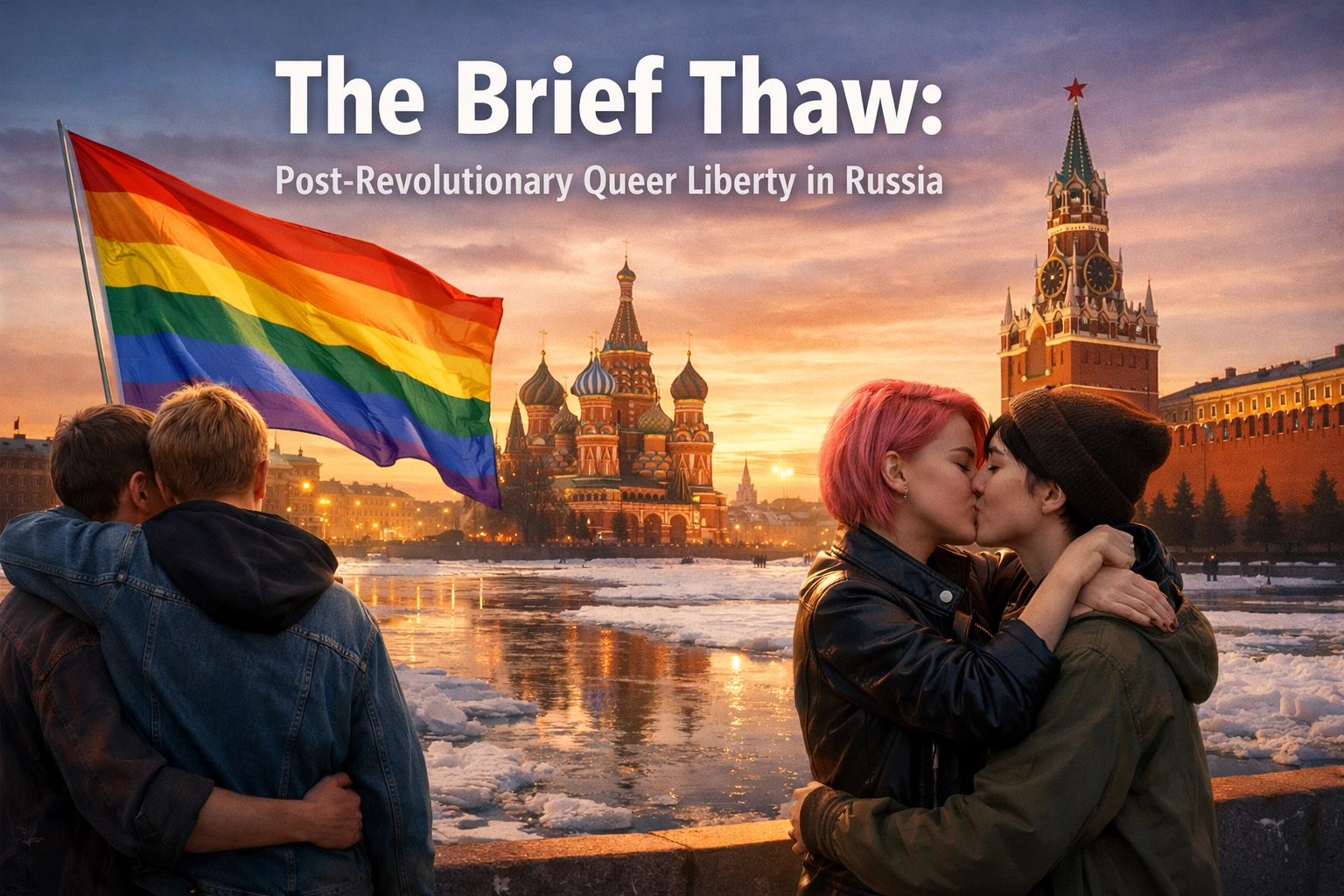
There's something heartbreaking about hope that arrives too soon. In the chaotic aftermath of the 1917 October Revolution, as the Bolsheviks tore down centuries of tsarist rule, something remarkable happened that most history books skip over: for a brief, shining moment, Russia became one of the first countries in the world to decriminalize homosexuality.
Yeah, you read that right. Revolutionary Russia: before it became the Soviet surveillance state we learned about in school: actually removed laws criminalizing same-sex relations. It wasn't an accident, and it wasn't because they forgot to write the law. It was deliberate, principled, and ahead of its time.
But like so many queer stories throughout history, this one doesn't have a happy ending.
When Revolution Meant Freedom (Sort Of)
When the Bolsheviks swept into power, they weren't just interested in redistributing wealth and land. They wanted to completely overhaul society, including its legal system. The old tsarist laws? Tossed in the trash where they belonged. The new Communist Party government set about writing fresh Criminal Codes in 1922 and 1926, building what they believed would be a more progressive, rational society.
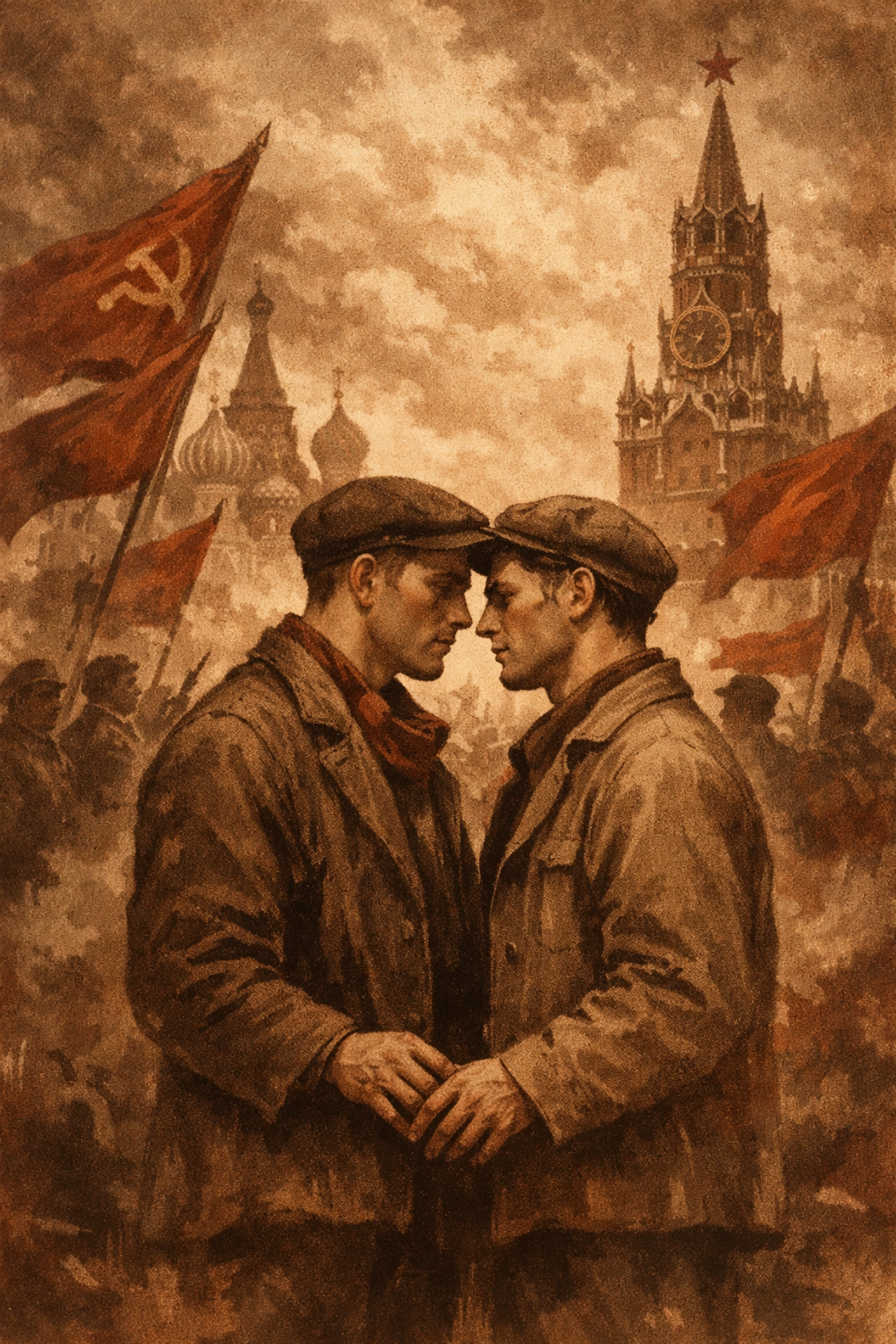
And here's where it gets interesting: when they wrote these new codes, they intentionally left out any article prohibiting homosexual acts. This wasn't an oversight or bureaucratic sloppiness. According to historian Dan Healey's research into archival materials, there was "a principled intent to decriminalize the act between consenting adults, expressed from the earliest efforts to write a socialist criminal code in 1918 to the eventual adoption of legislation in 1922."
Think about the timeline here. While most of Europe and North America were still throwing queer people in prison: or worse: the newly formed Soviet Union was saying, "Actually, what consenting adults do is their own business." This made Russia one of the first modern nations to decriminalize same-sex relations between men. It's the kind of historical footnote that doesn't fit neatly into anyone's narrative, which is probably why it gets glossed over so often.
The Cold Reality Behind Legal Progress
But before we get too excited about this revolutionary moment, we need to talk about the massive gap between legal decriminalization and actual social acceptance. Spoiler alert: they're not the same thing. Not even close.
Sure, homosexual activity was no longer technically illegal in Russia proper, but here's the catch: it remained illegal in other territories throughout the Soviet Union. The USSR was a patchwork of republics, each with its own complicated relationship to the central government's policies. What Moscow decided didn't automatically translate to Tashkent or Tbilisi.
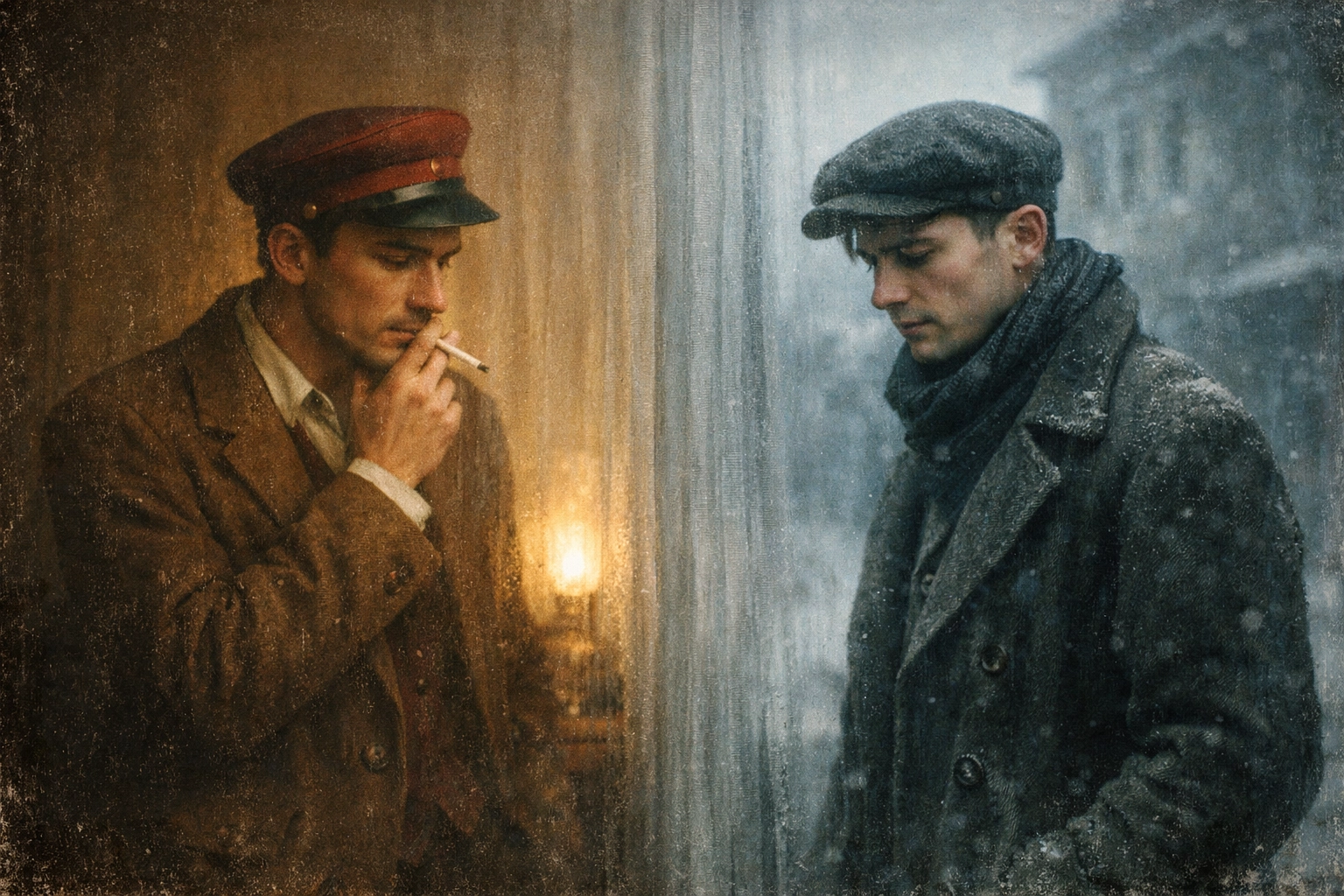
Even in places where same-sex relations were decriminalized on paper, queer people still faced relentless persecution. Workplace discrimination was rampant. Social stigma was crushing. The law might not have sent you to prison, but your neighbors, coworkers, and family could still make your life unbearable. Visibility meant vulnerability, and most LGBTQ+ individuals learned quickly to keep their heads down and their private lives very, very private.
This is a pattern we've seen repeated throughout queer history: legal tolerance doesn't equal social acceptance, and social acceptance doesn't equal safety. You can change the law overnight, but you can't legislate away centuries of cultural prejudice.
Enter Stalin: When the Brief Thaw Froze Over
The window of relative legal tolerance was always precarious, held open by political winds that could shift at any moment. And shift they did: violently: when Joseph Stalin consolidated power in the late 1920s and early 1930s.
Stalin had his own ideas about what Soviet society should look like, and queer people definitely weren't part of the picture. In 1933, he signed a decree that introduced the infamous Article 121 to the Criminal Code, which punished "sodomy" with imprisonment for up to five years. Just like that, the brief thaw was over, replaced by an ice age that would last sixty years.
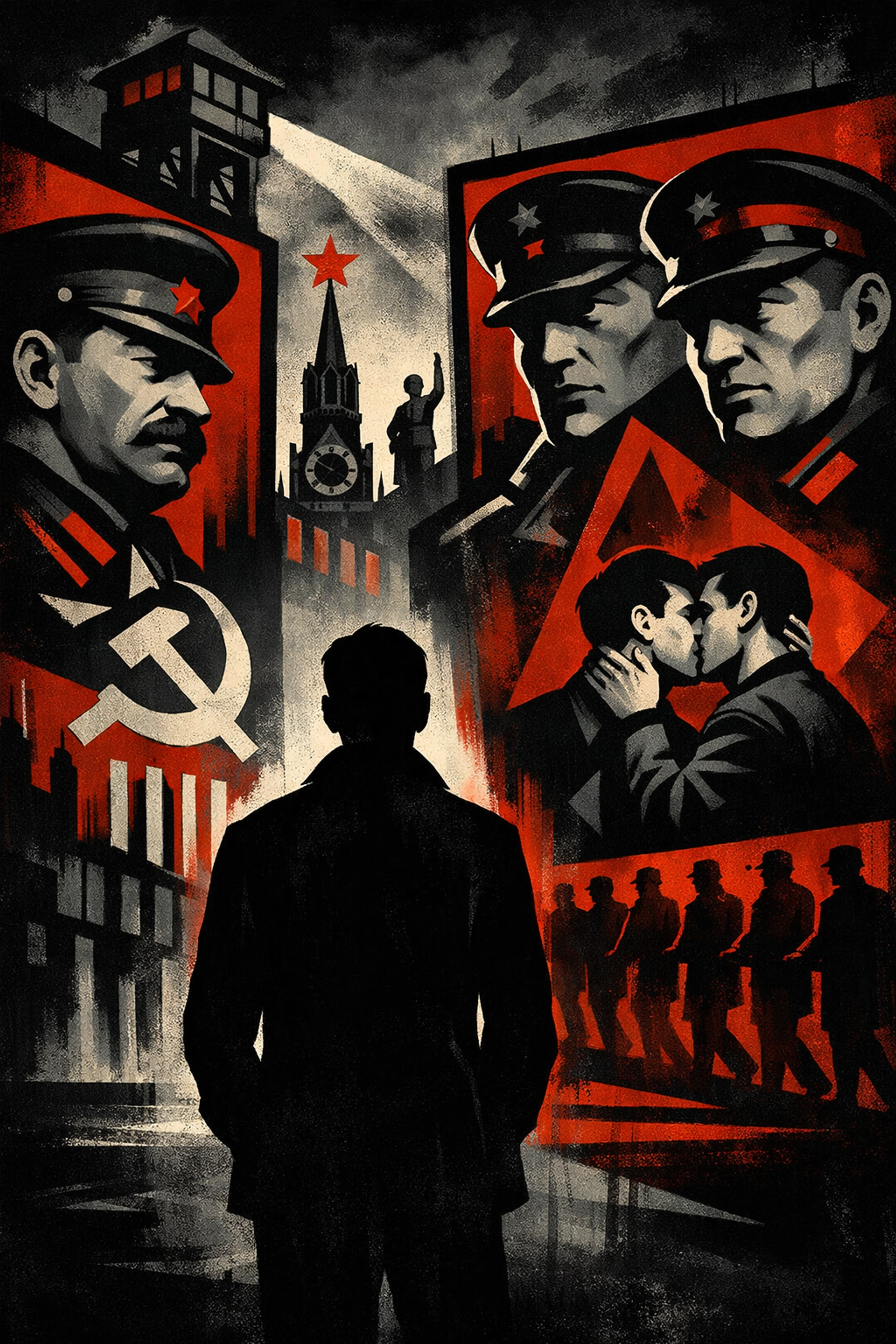
Declassified Soviet documents later revealed the personal nature of Stalin's vendetta. He personally demanded the anti-gay law following police raids on residences in Moscow and Leningrad. What prompted these raids? Who knows. Maybe Stalin genuinely believed homosexuality was a threat to Soviet masculinity and strength. Maybe he was looking for another group to scapegoat as he tightened his authoritarian grip. Maybe both.
What we do know is that Article 121 became a tool of terror. It wasn't just used to prosecute consensual relationships between men: it was weaponized against political enemies, used to blackmail and control, and became another cudgel in Stalin's arsenal of oppression. The law existed in a system where accusations alone could destroy lives, where show trials replaced justice, and where paranoia was state policy.
The Long Shadow of Article 121
Article 121 didn't disappear with Stalin's death in 1953. It outlived him by forty years. Throughout the Cold War era, while Western countries began their slow, painful march toward gay rights, the Soviet Union remained locked in its Stalinist position. Being openly gay in the USSR meant risking everything: your freedom, your career, your family relationships, your entire life.
The law created a culture of secrecy and fear that extended far beyond Russia's borders. Other Communist states followed the Soviet lead, implementing their own versions of Article 121. For queer people living under Communist regimes from East Germany to Cuba, the message was clear: the revolution wasn't for you.
It wasn't until 1993: two years after the Soviet Union's collapse: that Russia's new Criminal Code finally removed Article 121. The decriminalization came not from progressive reform but from the chaos of a dying empire. And even then, legal decriminalization didn't mean the end of homophobia or violence. Old attitudes die hard, especially when they've been reinforced by state policy for sixty years.
What This History Teaches Us
The story of queer life in revolutionary and Soviet Russia is a reminder that progress is never guaranteed, never permanent, and never as simple as changing a law. Those brief years between 1922 and 1933 show us both the possibility of radical change and its fragility. They show us that progressive legal frameworks mean nothing without cultural transformation to support them.
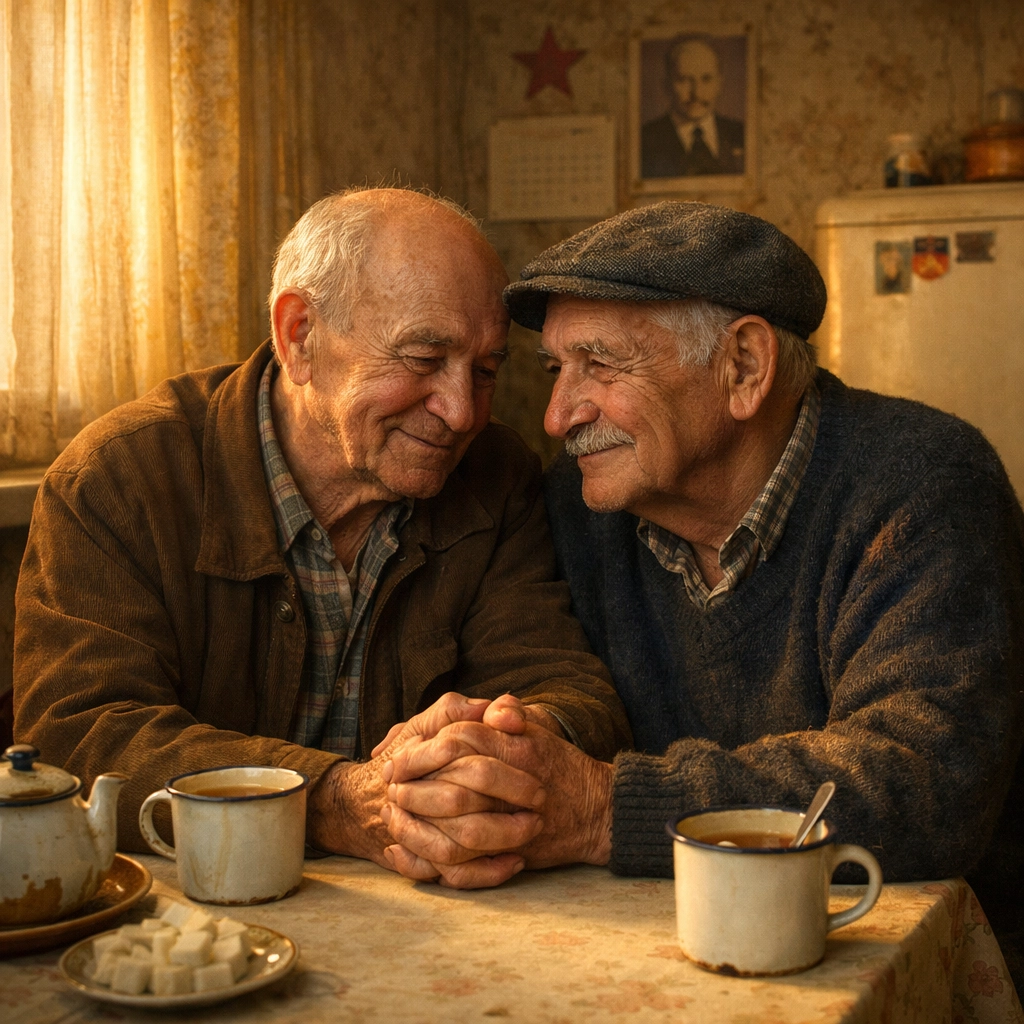
For anyone exploring MM romance books set in historical contexts, this era offers rich, complicated territory. The tension between legal tolerance and social persecution, the brief hope followed by brutal repression, the courage it took to love someone in a system designed to punish that love: these are the elements that make historical queer fiction so powerful.
This chapter of queer history also challenges our assumptions about political systems and LGBTQ+ rights. The early Bolsheviks: hardly liberal by any modern standard: nonetheless saw decriminalization as consistent with their revolutionary values. Meanwhile, Stalin's totalitarian state, which claimed to champion equality and progress, violently suppressed queer people. The lesson? Our rights and freedoms are always up for negotiation, always vulnerable to whoever holds power.
Remembering the Brief Thaw
Today, when we talk about gay romance novels or LGBTQ+ fiction, stories set in Communist Russia remain relatively rare. Maybe that's because the history is so bleak, so devoid of happy endings. But there's value in remembering this period: the hope and the horror of it. The people who loved each other during those brief years of legal tolerance, who dared to believe things might be different. The people who survived Stalin's purges. The people who loved in secret for decades, waiting for a freedom that wouldn't arrive in their lifetime.
Their stories matter. Every queer story matters, even: especially: the ones without fairy-tale endings.
If you're interested in exploring more LGBTQ+ historical fiction and contemporary stories that honor our complex history, check out the collection at Read with Pride. Because understanding where we've been helps us appreciate how far we've come: and reminds us how much we still have to protect.
Follow us for more LGBTQ+ stories and history:
- Facebook: Read with Pride
- Instagram: @read.withpride
- X/Twitter: @Read_With_Pride
#ReadWithPride #LGBTQHistory #QueerHistory #MMRomance #GayFiction #LGBTQBooks #QueerFiction #GayRomanceBooks #HistoricalLGBTQ #SovietHistory #GayHistoricalRomance #LGBTQLiterature #GayBooks #QueerStories #MMRomanceBooks #GayLoveStories #LGBTQReading #2026Books

Leave a Reply
You must be logged in to post a comment.