

readwithpride.com
When we talk about LGBTQ+ history, we often celebrate the victories, Stonewall, marriage equality, Pride parades that shut down entire city blocks. But there's another side to our story, one written in surveillance files and whispered warnings, in coded languages and lives lived in the margins. In 1980s Poland, while the world watched the Solidarity movement challenge communist rule, another group was being systematically hunted, documented, and terrorized by the state.
This is the story of Operation Hyacinth, and the thousands of men who survived it.
The Pink Files
November 15, 1985. Across Poland, security forces and the Citizens' Militia launched simultaneous raids in colleges, factories, offices, and anywhere gay men might gather, cafés that served as unofficial meeting spots, parks where connections were made in the shadows, public toilets that functioned as the only semi-safe spaces for intimacy. Under orders from Minister of Internal Affairs Czesław Kiszczak, the operation aimed to systematically register and surveil every homosexual man in Poland.
The result? Between 11,000 and 14,251 men were detained, interrogated, and documented. Each received a file marked "Karta homoseksualisty", Card of a homosexual. These became known as the "pink files" or "różowe kartoteki," a bureaucratic catalog of people whose only crime was loving someone of the same gender.

Think about that number for a moment. Fourteen thousand lives interrupted, identities exposed, futures compromised. In a country of roughly 37 million people at the time, this wasn't just surveillance, it was a calculated effort to map and control an entire community.
What They Said vs. What They Meant
The official line? Polish authorities claimed Operation Hyacinth was about public health and safety. They talked about preventing HIV transmission, controlling criminal activity, and fighting prostitution. It was 1985, after all, the height of the AIDS crisis, when fear and misinformation turned already marginalized communities into targets worldwide.
But here's what the pink files were really about: blackmail and control.
Security services wanted compromising information they could use to coerce cooperation with state authorities. Got information about opposition figures? Share it, or we'll share your file with your employer, your family, your neighbors. Some scholars believe the operation specifically targeted the nascent gay rights movement that had begun organizing in the early 1980s. The SB (Secret Service) agents were particularly interested in investigating whether opposition figures, those challenging communist rule, were concealed within LGBT groups.
It was surveillance as weapon, documentation as threat. And it was devastatingly effective.
How It Worked
The interrogations were intimate violations. Men were asked explicit questions about their private lives, their partners, where they met, what they did. Some were coerced into signing statements, admissions of who they were, what they'd done, who else they knew. The state wanted names, always more names, building a web of connections that could be exploited when needed.

Imagine being pulled from your daily routine, maybe you're at work, maybe you're just having coffee, and suddenly you're in an interrogation room answering questions about your most private moments. Questions designed to humiliate, to break you down, to make you understand that your life belongs to the state now.
For many in the LGBT community, these weren't just files gathering dust in some archive. They were loaded guns pointed at your career, your family relationships, your safety. In a society where homosexuality wasn't just stigmatized but could cost you everything, the pink files were instruments of terror.
Going Deeper Underground
The immediate effect of Operation Hyacinth was predictable: the community went deeper into the shadows. Gathering places were abandoned overnight. Trust became impossible, was that person you just met genuinely interested, or were they an informant? Men fled the country when they could, seeking asylum in the West where being gay might not make you a target of state surveillance.
International media condemned the operation, but back home, the Polish government simply denied it existed. When questioned in December 1988, government spokesman Jerzy Urban stated flatly that Operation Hyacinth never took place. Despite thousands of documented cases, despite the files themselves, the official position was denial.
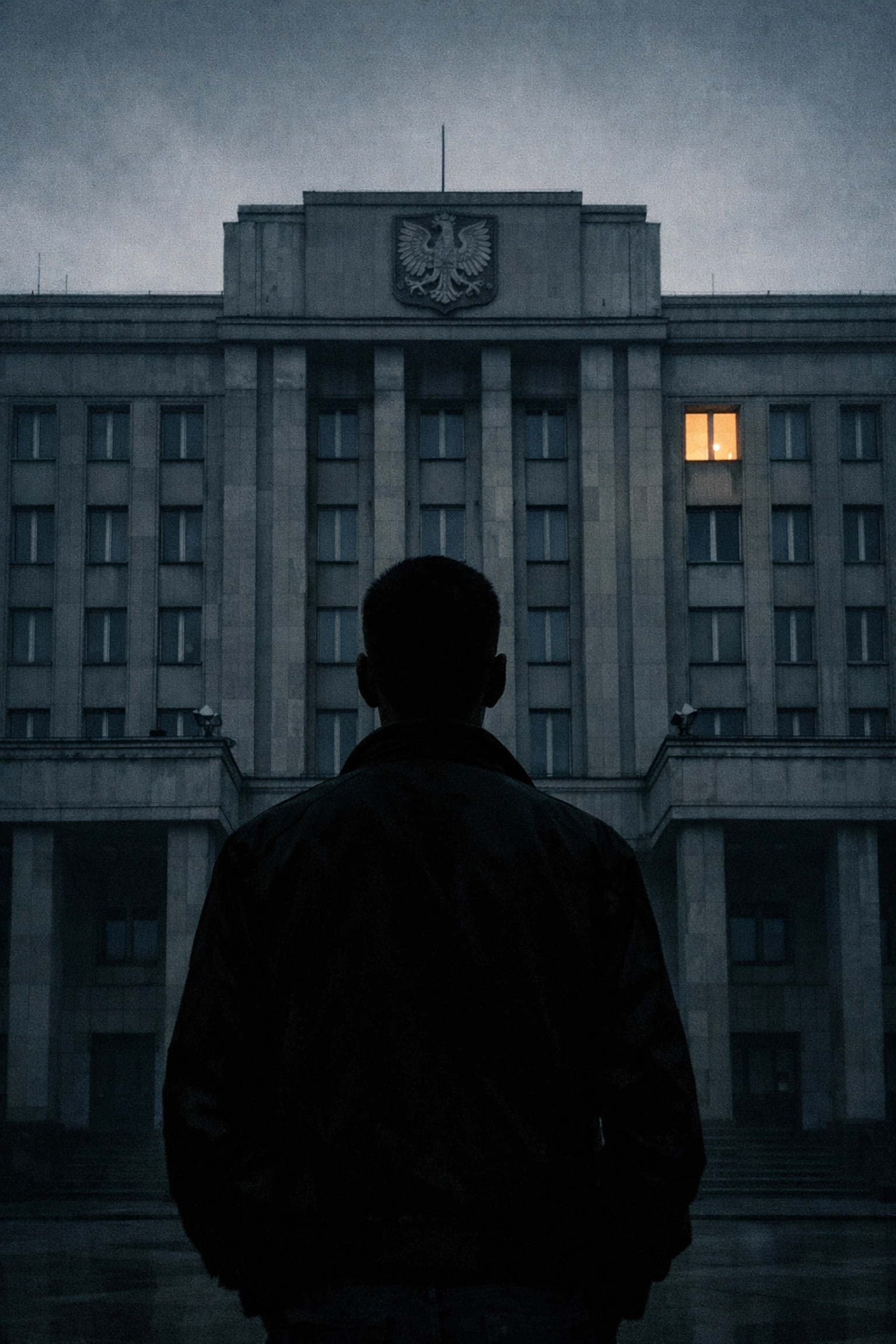
This gaslighting was its own form of violence. Not only had these men been surveilled and threatened, but the state refused to even acknowledge it had happened. Their trauma didn't officially exist.
The Unexpected Catalyst
But here's where the story takes an unexpected turn, one that reminds us why LGBTQ+ history matters, why reading about these moments of darkness illuminates the incredible resilience of our community.
Operation Hyacinth didn't destroy the gay rights movement in Poland. It catalyzed it.
In response to the operation, activists founded the Warsaw Gay Movement in 1990, Poland's first legal LGBT organization. Some historians draw direct parallels to Stonewall, how persecution and violence can spark not surrender but resistance. The operation forced the gay community to achieve unprecedented self-awareness and organization. When the state tries to document and control you, sometimes the response is to stand up and say: Yes, we exist. And we're not going anywhere.
This is a pattern we see throughout queer history. Oppression breeds resistance. Darkness illuminates the need for change. Every anti-gay law, every raid, every act of state violence plants seeds of the liberation movement that will eventually bloom.
Where Are the Files Now?
Here's the chilling part: nobody really knows what happened to all those pink files. They can't be reliably located, which means they could still exist somewhere, a potential weapon waiting to be used. Or they could have been destroyed, erasing this chapter of history along with any accountability for those who carried it out.
In February 2008, Poland's Institute of National Remembrance determined that Operation Hyacinth was legal under 1980s regulations. Legal, despite the clear human rights violations. Legal, despite the lives ruined and the community terrorized. This is what happens when prejudice gets codified into law: atrocities become paperwork, persecution becomes policy.
Why This Story Matters Today
At Read with Pride, we believe in the power of stories: both fictional and historical: to illuminate who we are and where we've been. When you pick up MM romance books or gay fiction, you're not just reading love stories. You're engaging with a tradition of resistance, of people who loved despite everything telling them not to.
Operation Hyacinth happened less than 40 years ago. There are survivors still living with the consequences, still wondering if those files exist somewhere. This isn't ancient history: it's a reminder that the fight for LGBTQ+ rights is ongoing, that progress isn't inevitable, and that visibility and community remain our greatest defenses.
The men who survived Operation Hyacinth maintained their connections, their relationships, their identities despite the surveillance state trying to document them out of existence. They refused to be erased. And in doing so, they laid the groundwork for the more open, more visible LGBTQ+ community that exists in Poland today: still fighting, still pushing forward, still refusing to disappear.
That's the power of our community. That's why these stories matter. That's why we read with pride.
Follow us on social media:
Facebook | Instagram | X/Twitter
Explore more LGBTQ+ stories and history at readwithpride.com
#OperationHyacinth #LGBTQHistory #GayHistory #QueerHistory #PolandHistory #ReadWithPride #MMRomance #GayFiction #LGBTQBooks #QueerFiction #GayRomanceBooks #LGBTQPride #GayRights #CommunistPoland #PinkFiles #GayLiterature #HistoricalLGBTQ #QueerResilience #GayRomance #LGBTQReading

Leave a Reply
You must be logged in to post a comment.