

readwithpride.com
Imagine a place where the Berlin Wall felt a million miles away. Where artists painted nude figures on the beach without fear, where whispered conversations about forbidden love could happen in tea houses overlooking the Baltic Sea, and where the ever-watchful eyes of the Stasi seemed to blink: just a little. That place was Hiddensee, a tiny island off the coast of East Germany that somehow became one of the GDR's most unexpected queer sanctuaries.
The Island at the Edge of Everything
Hiddensee wasn't exactly easy to get to. This car-free island, just 17 kilometers long and barely a kilometer wide at its narrowest point, required determination to reach. You had to take a ferry from Stralsund or Schaprode, and you needed the proper papers. But for those who made it, Hiddensee offered something precious and rare in communist East Germany: a sliver of freedom.
The island had always attracted artists, writers, and intellectuals. Gerhart Hauptmann, the Nobel Prize-winning playwright, had a summer home there. But beyond its bohemian credentials, Hiddensee developed something else: a reputation as a place where difference was tolerated, where unconventional relationships could exist without constant scrutiny, where queer people could breathe.
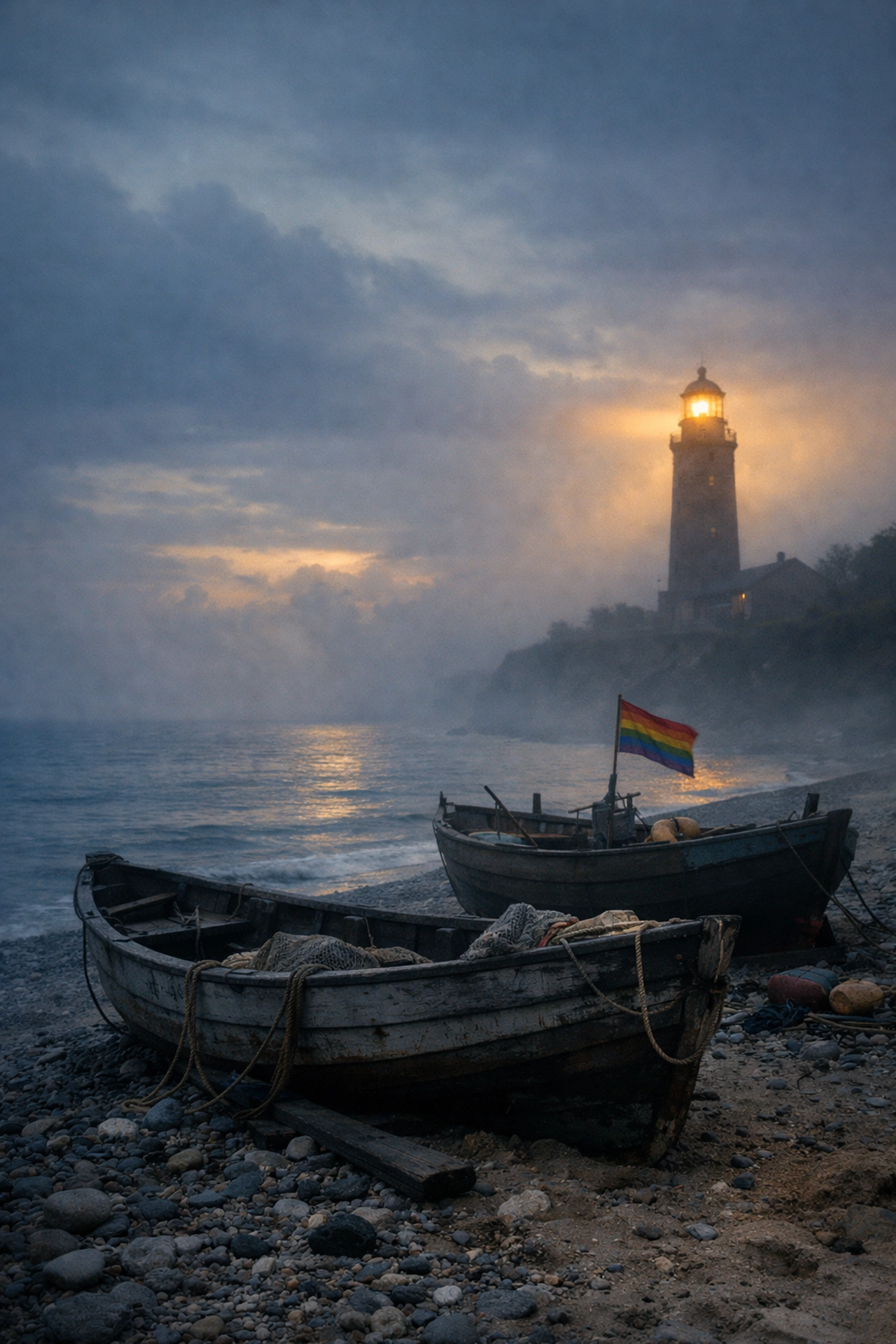
Being Queer Behind the Iron Curtain
To understand what Hiddensee meant, you need to understand what it was like being queer in the GDR. Officially, homosexuality was decriminalized in East Germany in 1968 (earlier than in West Germany, where Paragraph 175 remained until 1969). But decriminalization didn't mean acceptance.
The Stasi, East Germany's notorious secret police, kept extensive files on queer citizens. They monitored meeting places, photographed people at gay bars, and used sexuality as blackmail material. Queer people risked losing jobs, housing, and educational opportunities. Many lived double lives: conforming publicly while seeking connection in the shadows.
The GDR's official stance was complicated. The state sometimes portrayed itself as more progressive than the West, yet queer people remained outsiders in a society built on rigid conformity. You were expected to marry, have children, and contribute to building socialism. Anything else was viewed with suspicion.
How an Island Became a Haven
So how did Hiddensee become different?
Geography helped. The island's isolation made it harder for authorities to maintain constant surveillance. Resources were stretched thin, and with only a few hundred permanent residents, the Stasi presence was lighter than in Berlin or Leipzig.
But more importantly, Hiddensee had cultivated a culture of looking the other way. The permanent residents: fishermen, innkeepers, and shopkeepers: had learned that tolerating the summer visitors meant economic survival. Artists brought money. They filled guesthouses, bought fish, and kept the island alive during the tourist season.
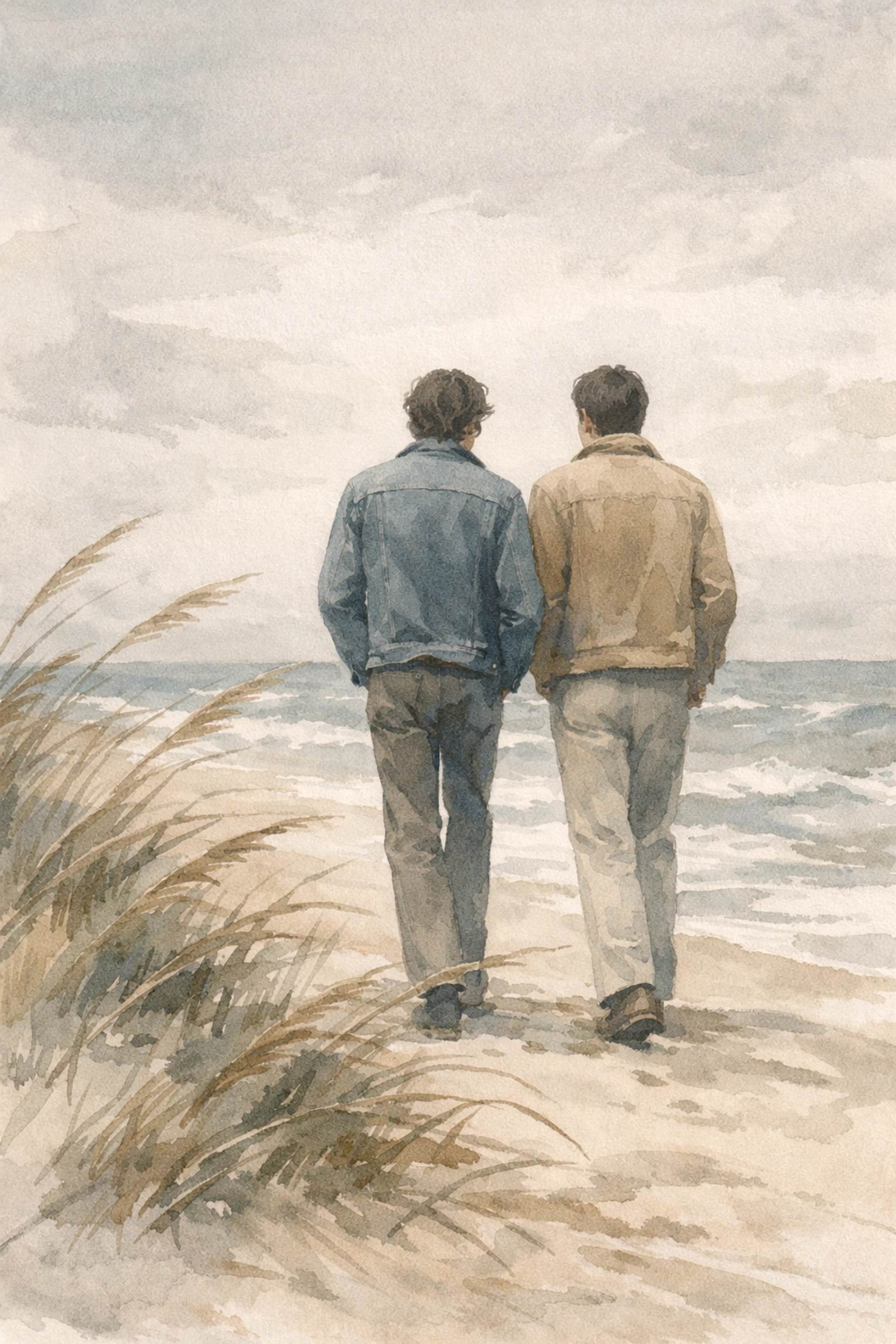
This practical tolerance extended to the island's queer visitors. Two men sharing a room? Two women walking arm-in-arm along the beach? On Hiddensee, people tended to mind their own business. It wasn't open celebration: the GDR was never that: but it was something closer to acceptance than most queer people experienced anywhere else in East Germany.
Life on the Island of Freedom
During summer months, Hiddensee transformed. Artists arrived from across the GDR, some openly queer, others exploring identities they had to hide back home. They rented rooms in the villages of Vitte, Kloster, and Neuendorf. They painted, wrote poetry, and gathered in small groups that felt almost conspiratorial in their intimacy.
The nude beaches were particularly significant. The FKK (Freikörperkultur, or free body culture) movement was popular in East Germany, and Hiddensee had several designated areas. These beaches became spaces where bodies weren't policed in the same way, where queer desire could exist more openly under the guise of naturism.
Evening gatherings happened in private homes and small cafés. People read poetry, discussed banned books smuggled from the West, and formed relationships that would have been dangerous in Berlin. The island offered what the mainland couldn't: genuine community, however temporary.
The Stasi's Watchful Eye
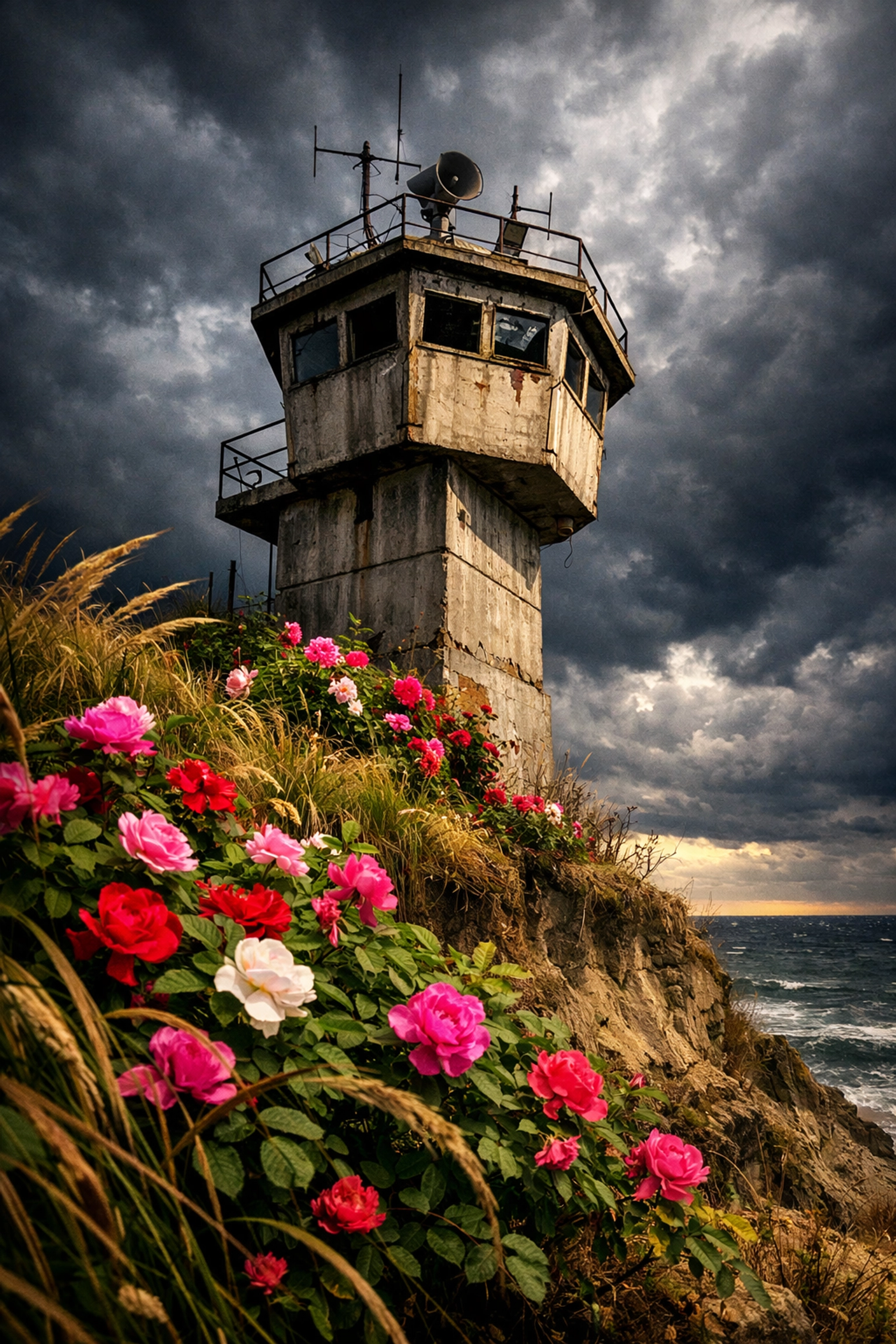
Don't romanticize it too much, though. The Stasi was still there. Informants lived on the island. Files were kept. Photographs were taken. Some visitors to Hiddensee found themselves interrogated about their activities or the people they'd met when they returned home.
But the surveillance seemed almost half-hearted compared to the mainland. Perhaps the authorities concluded that allowing a pressure valve: a place where dissidents and outsiders could gather under supervision: was better than pushing everyone underground. Or perhaps the sheer logistics of monitoring a remote island made heavy-handed control impractical.
Whatever the reason, Hiddensee maintained its reputation as a refuge throughout the 1970s and 1980s, right up until the fall of the Berlin Wall in 1989.
After the Wall Fell
When Germany reunified, Hiddensee changed. Tourism exploded. Property values skyrocketed. The intimate, slightly shabby island of the GDR years became a destination for wealthy West Germans seeking unspoiled nature.
Some of the old guard: the artists and queer people who'd found sanctuary there: mourned the loss of that particular magic. The island became prettier, more prosperous, but also more conventional. The urgency that had made those summers so intense disappeared. Freedom was everywhere now, which meant Hiddensee was no longer special.
But the island's history remains. Today, LGBT travelers visit Hiddensee to walk the same beaches and paths where their queer predecessors found brief moments of liberation. The stories survive in memoirs, photographs, and the memories of those who were there.
What Hiddensee Teaches Us
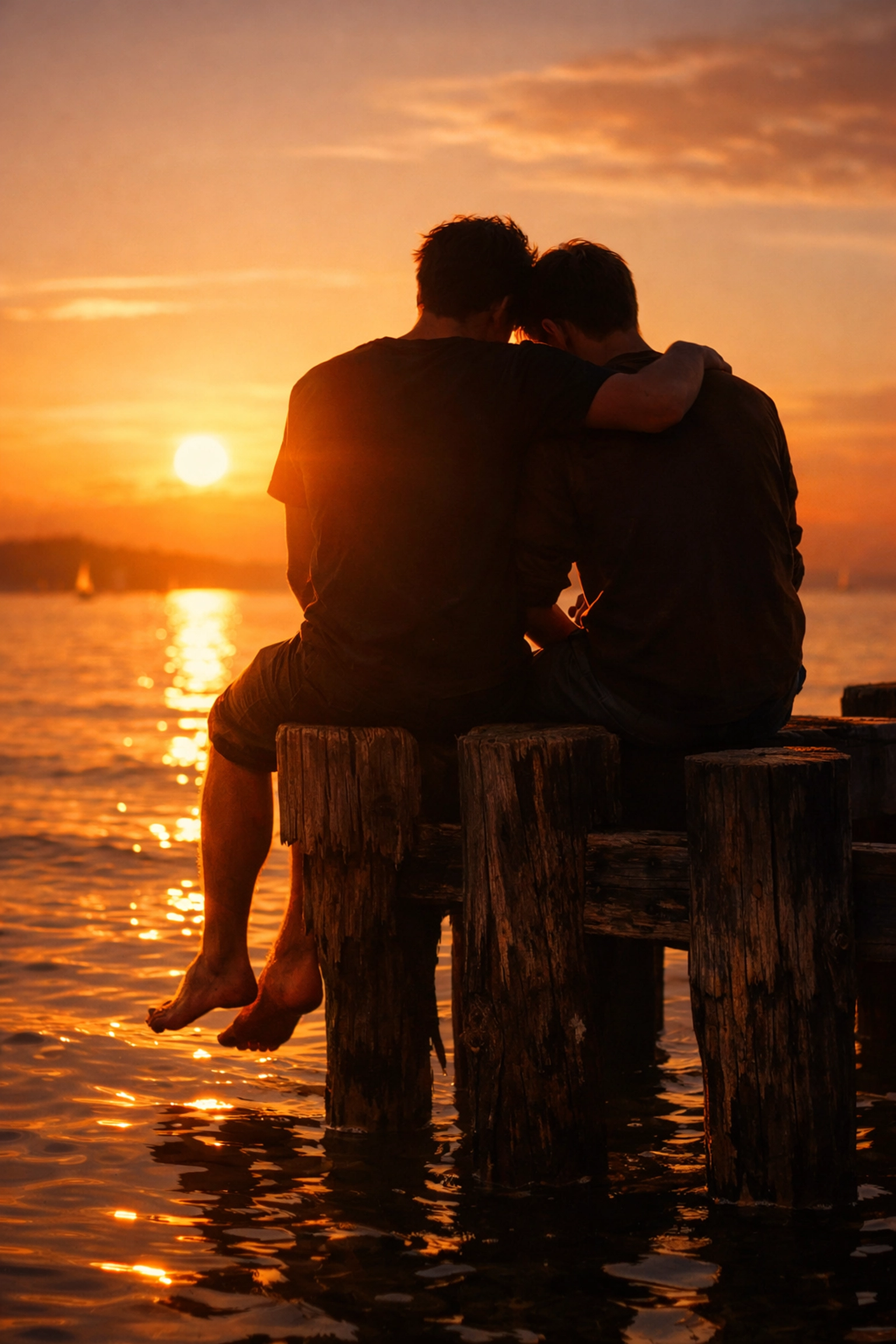
The story of Hiddensee reminds us that queer community finds a way, even in the most unlikely places. When mainstream society offers no space for authentic existence, people create their own sanctuaries. Sometimes those sanctuaries are bars or clubs. Sometimes they're entire islands.
It also shows us the complexity of queer history. Hiddensee wasn't a paradise: it was a compromise, a tiny space of relative safety carved out within a repressive system. The people who gathered there were brave, but they still had to be careful. Their freedom was conditional and temporary.
These stories matter because they're part of our collective queer history, the hidden chapters that don't make it into mainstream narratives. They remind us that our community has always been resilient, creative, and determined to find joy and connection despite the obstacles.
Finding These Stories Today
If you're drawn to stories of queer resilience and hidden histories, there's an entire world of gay fiction and MM romance books exploring these themes. Contemporary LGBTQ+ fiction increasingly looks back at these historical moments, bringing to life the experiences of queer people behind the Iron Curtain and in other challenging circumstances.
At Read with Pride, we celebrate stories of queer love and community across all settings: historical and contemporary, joyful and challenging. Whether you're looking for gay historical romance set in repressive regimes or MM contemporary stories about finding refuge and community, there's a book waiting for you.
The spirit of Hiddensee lives on in every story about queer people creating space for themselves when the world offers none. That's what the best gay romance novels capture: not just the romance itself, but the courage it takes to love authentically in a world that often demands conformity.
Hiddensee may have been one small island off the East German coast, but its legacy is universal. Wherever queer people are denied their freedom, they find ways to create pockets of sanctuary. They find their own Hiddensee.
Explore more LGBTQ+ stories and history at readwithpride.com
Connect with us:
Facebook: facebook.com/profile.php?id=61586883027069
Instagram: @read.withpride
X/Twitter: @Read_With_Pride
#HiddenseeHistory #QueerHistoryMatters #LGBTQHistory #GDRHistory #GayRomanceBooks #MMRomance #ReadWithPride #QueerFiction #GayHistoricalRomance #LGBTQBooks #GayLiterature #QueerResilience #CommunistHistory #EastGermanyHistory #GayBooks2026 #MMHistoricalRomance #QueerSanctuaries #LGBTQCommunity #GayFiction #PrideReads

Leave a Reply
You must be logged in to post a comment.