

![[HERO] Whispers in Gorkey Park: Gay Life in the USSR](https://cdn.marblism.com/sN8-RkEj4BA.webp)
readwithpride.com
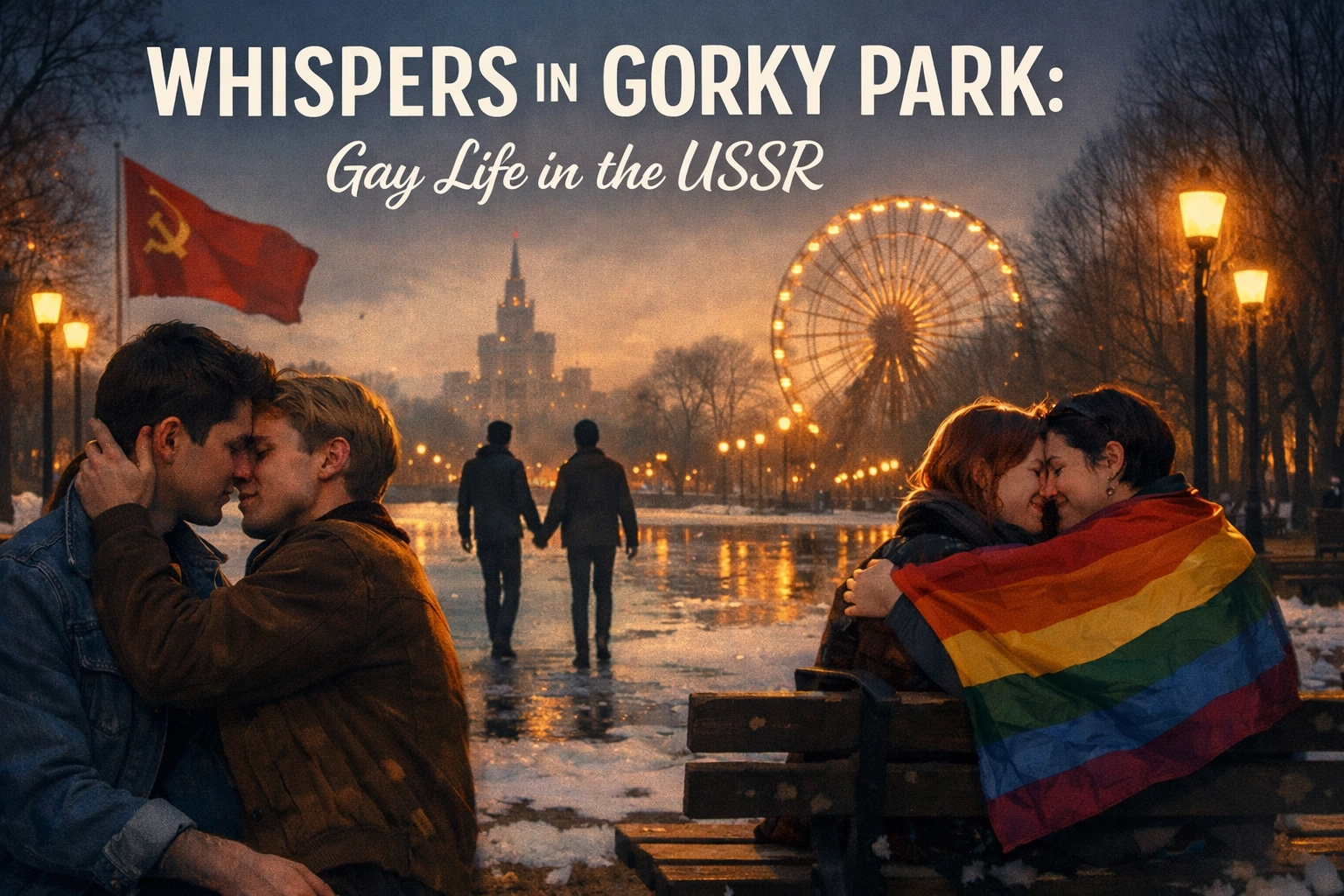
The birch trees stood like silent sentinels along the paths of Gorky Park. It was a crisp October afternoon in 1976, and Dmitri: not his real name, of course: sat on a bench with a copy of Pravda folded precisely in half, the sports section facing outward. He wasn't reading. He was waiting.
This wasn't just any bench. This was the bench, three rows from the main fountain, facing away from the main path. And that newspaper? That was the signal. A language without words, spoken in the shadows of one of the world's most repressive regimes.
The Language of Survival
Gay life in the Soviet Union during the 1970s wasn't just hidden: it was criminalized, pathologized, and ruthlessly suppressed. Article 121 of the Soviet penal code, enacted in 1933 under Stalin, made male homosexuality punishable by up to five years of hard labor in the GULAG. But even laws couldn't erase desire. They just drove it underground, into the parks, the public bathrooms, the fleeting glances on the Metro.
In Moscow's Gorky Park, a complex system of codes evolved. Men seeking connection learned to communicate through seemingly innocent gestures. A newspaper folded a certain way. Standing in a specific location near the Neskuchny Garden entrance. Wearing a particular color scarf. Even the way you lit a cigarette could mean something.
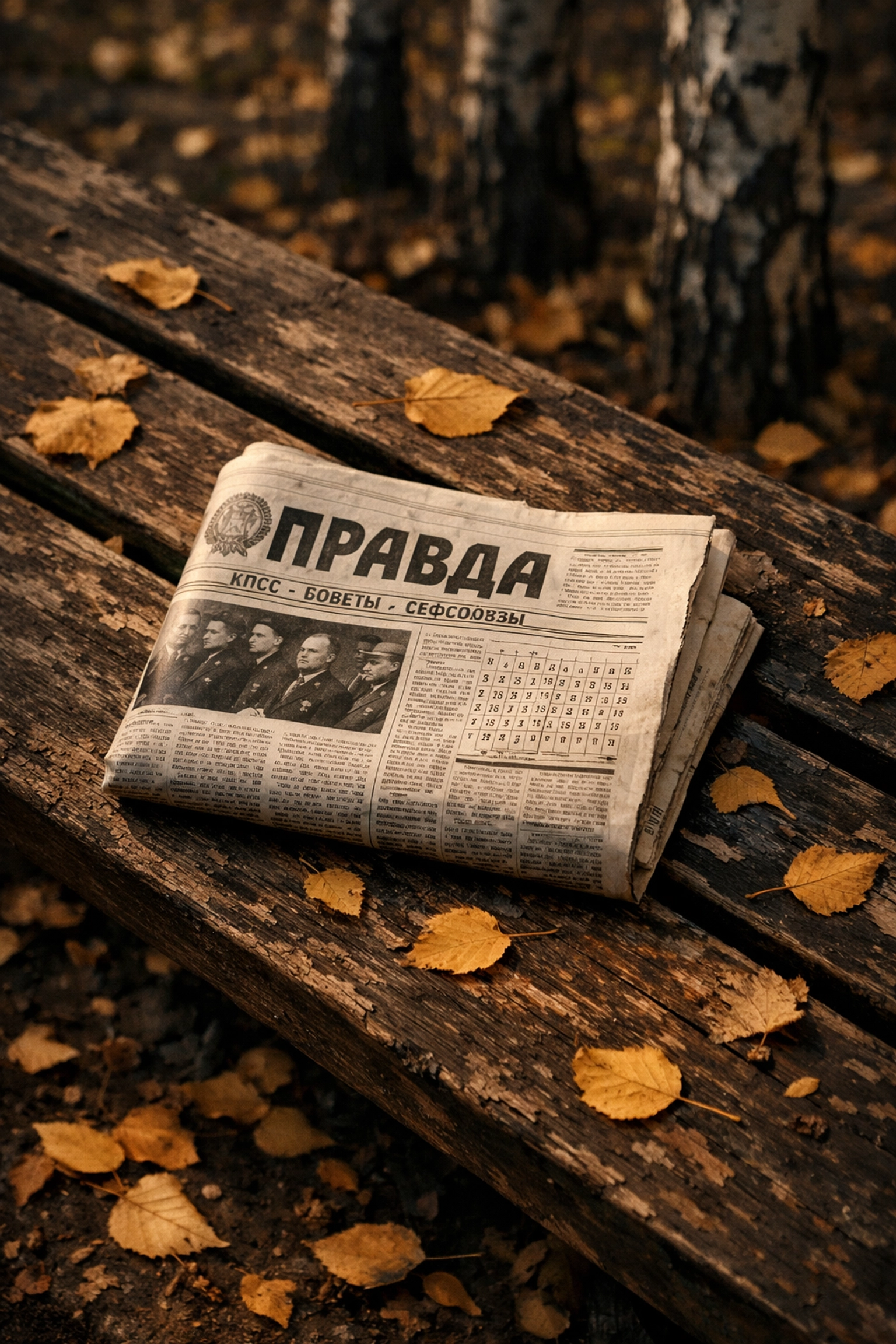
The bench near the old fountain became legendary among those who knew. But knowing came with risks. Every connection could be a genuine encounter: or a KGB trap.
"We lived in two worlds," one survivor recalled decades later. "In one world, we were model Soviet citizens. Coworkers, sons, sometimes even husbands. In the other world, the real world, we met in shadows and spoke in whispers."
The Eyes Were Always Watching
The KGB's presence was omnipresent, though often invisible. Plainclothes officers would stake out known cruising areas, posing as interested men themselves. Once they had evidence: even just a conversation, a suggestive look, an address exchanged: they could make an arrest.
But it wasn't always immediate. Sometimes, the KGB would collect names, building files. They'd wait for the right moment to apply pressure, to turn someone into an informant. The threat of exposure was itself a weapon of control. A gay man who worked in any position of responsibility: a teacher, a government clerk, anyone with access to information: could be blackmailed into cooperation.
The paranoia was suffocating. Could you trust the man you met at the park? The friend of a friend who came to a private gathering? Even lovers sometimes wondered if the person they held in the dark might betray them in the light.
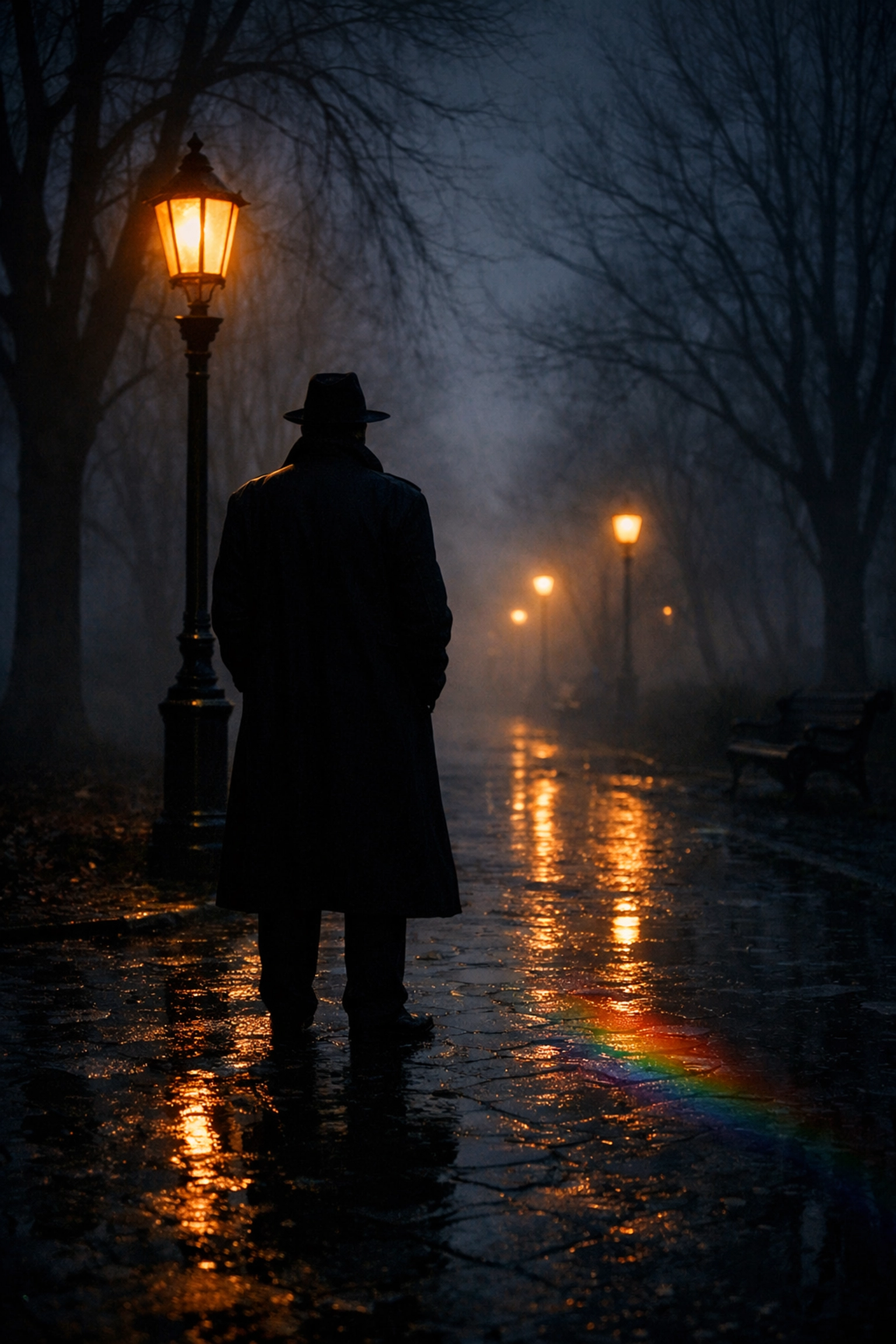
Moscow's underground gay community developed its own counter-surveillance techniques. Meetings would be arranged through elaborate chains of communication. Someone would tell someone, who would tell someone else. Locations changed constantly. Private apartments became sanctuaries, but only the most trusted few knew their addresses.
The Double Life
For gay men in the USSR, marriage to women wasn't just common: it was often expected, especially for anyone hoping to advance in the Communist Party or in professional life. The pressure to conform was immense. A man in his late twenties who remained unmarried attracted suspicion.
These marriages created their own quiet tragedies. Women who knew or suspected, living in silent compromise. Children raised in households built on necessary lies. Men torn between duty and desire, between survival and authenticity.
"I loved my wife," one man said years later, after emigrating. "But I wasn't in love with her. She knew, I think. We never spoke of it. What would have been the point? We were both trapped in the same system."
Between 800 and 1,000 men were imprisoned annually under Article 121 during the Soviet era. But the true toll: the lives lived in fear, the loves never pursued, the suicides, the broken spirits: can never be counted.
Finding Joy in the Darkness
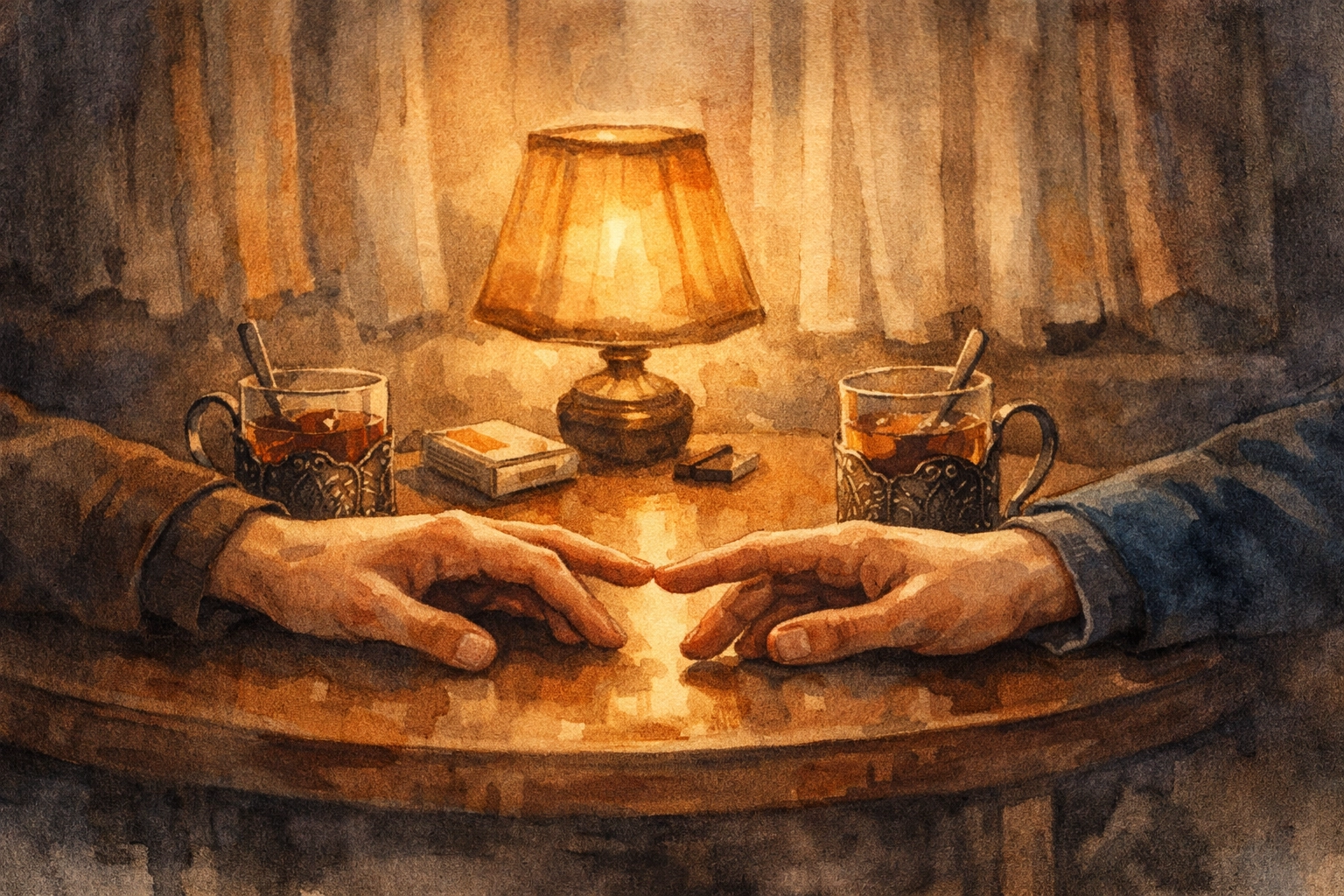
Yet even in this atmosphere of surveillance and suppression, moments of genuine connection and joy emerged. Private parties happened in apartments where curtains stayed drawn. In certain public bathhouses, men found brief encounters and longer glances. Along the Moscow River, on summer nights, the darkness offered cover.
Some found ways to build lasting relationships. Partners would live as "roommates" for decades, their truth known only to a tight circle of equally vulnerable friends. These relationships required extraordinary trust and courage.
The Moscow gay community developed its own cultural touchstones. Certain foreign films that made it past the censors and featured subtle queer themes became beloved. Poetry was passed hand-to-hand, verses that spoke in metaphor and allusion. Photographs were treasured but dangerous: evidence that had to be hidden or destroyed.
Music, too, became a form of connection. Western pop records, smuggled in or recorded from Radio Luxembourg, carried messages of a world where things were different. David Bowie, Elton John, Freddie Mercury: though few Soviet fans knew these artists were themselves gay or bisexual, something in their music resonated.
The Leningrad Awakening
By the early 1980s, a small spark of activism flickered to life. In Leningrad, approximately thirty gay men formed what they called the "Gay Laboratory" in 1983. They met to discuss their experiences, study foreign languages (hoping to access information about gay life abroad), and dream of change.
Their goals were modest by Western standards: they wanted Article 121 repealed. They wanted to stop being criminals for existing. They studied materials about gay liberation movements in other countries and discussed how such concepts might apply to Soviet reality.
It lasted barely three years. By 1986, KGB pressure had become too intense, and the group dissolved. Several members were interrogated. Some lost their jobs. But for a brief moment, gay men in the USSR had organized, had spoken their truth to each other, had imagined possibility.
The Long Shadow
The Soviet approach to homosexuality didn't end with the USSR. Article 121 remained on the books until 1993, two years after the Soviet collapse. The stigma, the prejudice, the learned habits of secrecy: those persist even today in post-Soviet states.
But the stories from Gorky Park, from the Neskuchny Garden, from apartments where curtains stayed closed: these stories matter. They remind us that love and desire and the human need for connection can't be legislated away, no matter how harsh the penalties.
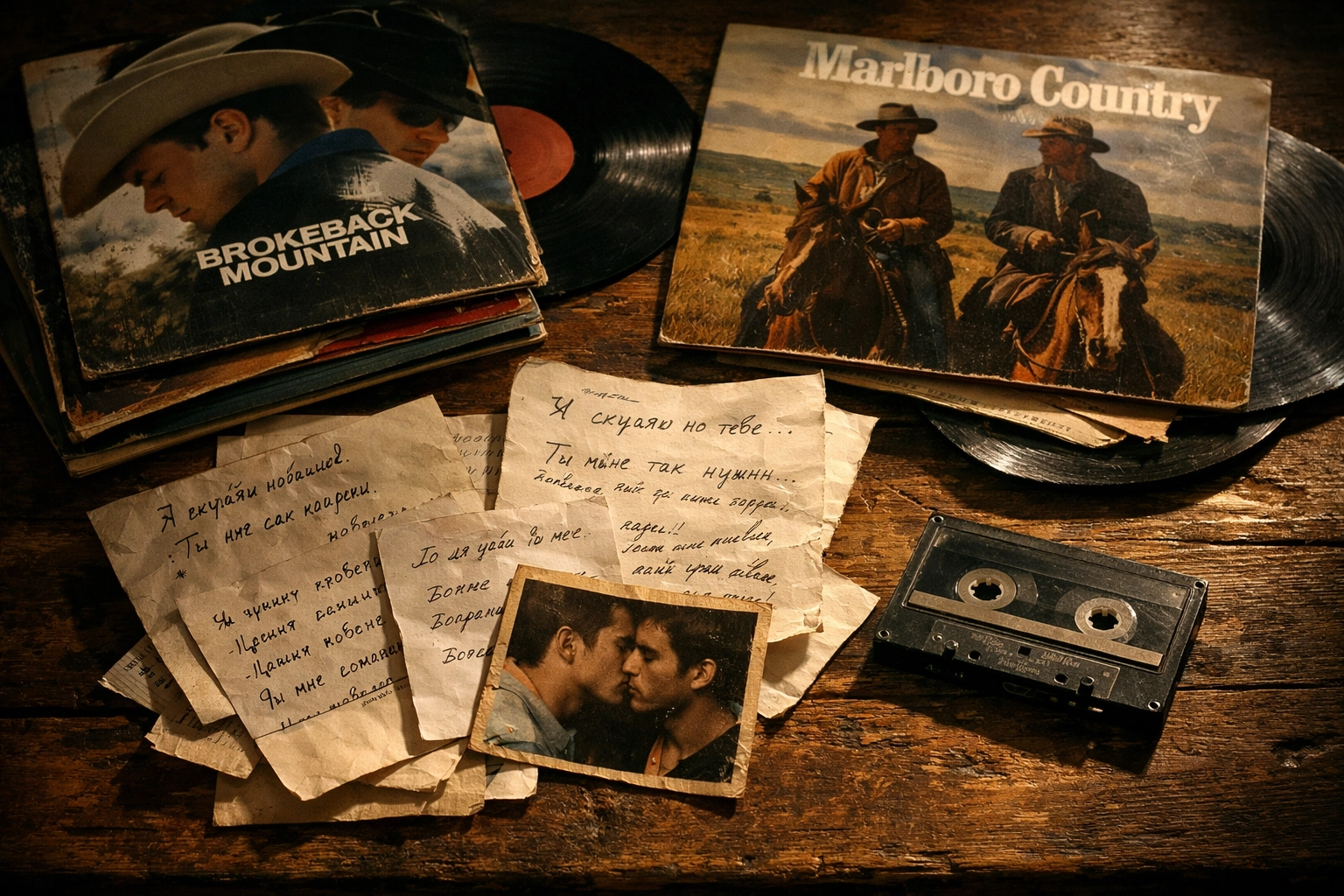
The men who navigated those dangerous years showed remarkable courage. They created community in the cracks of a totalitarian system. They loved despite the risks. They survived.
At Read with Pride, we believe these stories deserve to be told, remembered, and honored. From the secret codes of Soviet parks to contemporary MM romance books that celebrate queer love openly, we're dedicated to amplifying LGBTQ+ voices and experiences. Explore our collection of gay romance novels and queer fiction that spans history, genre, and imagination.
Follow us:
#ReadWithPride #LGBTQHistory #GayHistory #SovietUSSR #GorkyPark #QueerResistance #MMRomance #GayRomanceBooks #LGBTQFiction #QueerStories #GayLiterature #HistoricalLGBTQ #MMRomanceBooks #GayBooks #ReadwithPride #LGBTQEbooks #QueerFiction

Leave a Reply
You must be logged in to post a comment.