

readwithpride.com
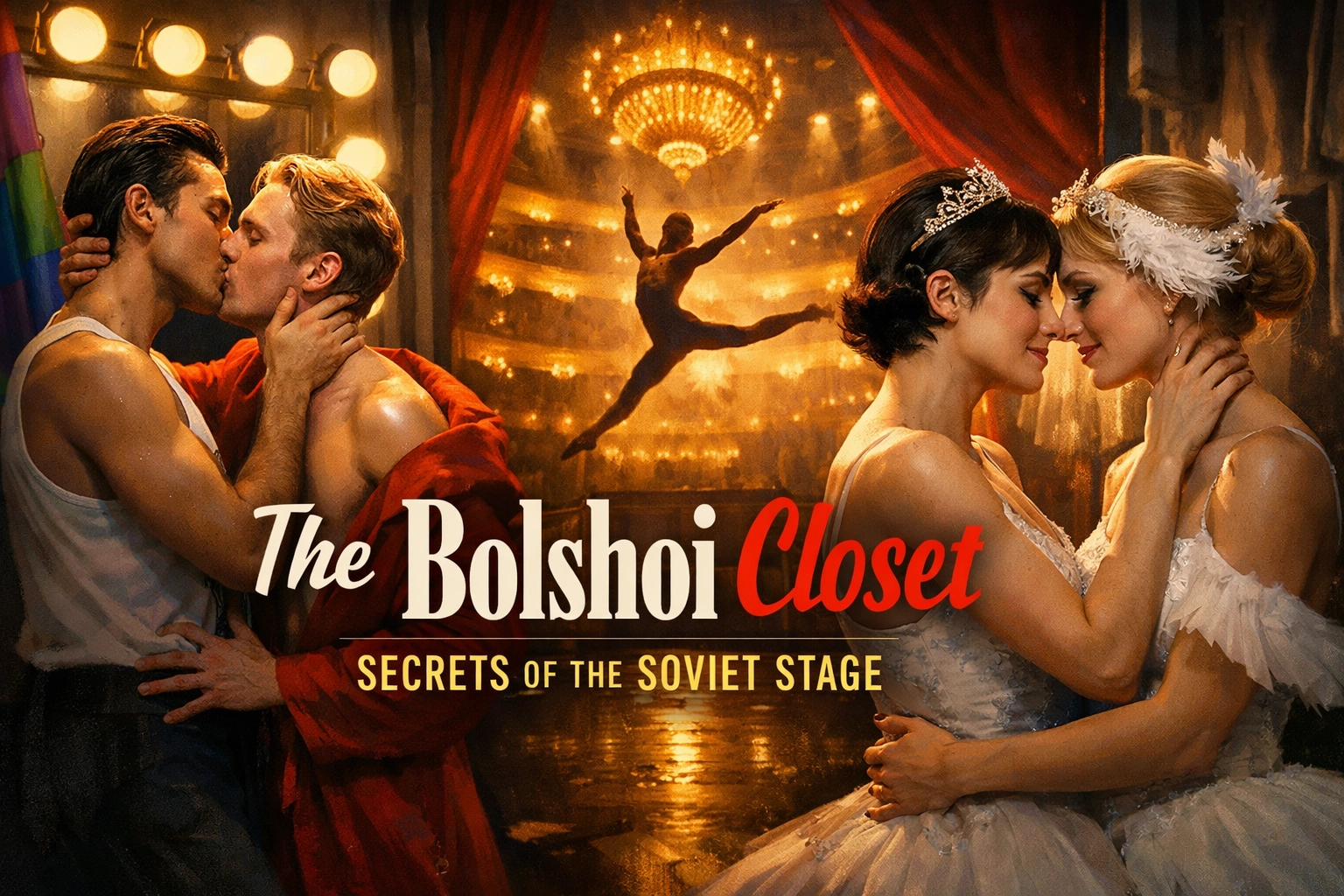
The red velvet curtains. The gilded balconies. The crystal chandeliers catching the light during standing ovations. Moscow's Bolshoi Theatre represented the pinnacle of Soviet cultural achievement, a showcase for the regime's supposed superiority. But behind those magnificent stage doors, another drama played out in whispers and shadows, one that never made it into the official programs.
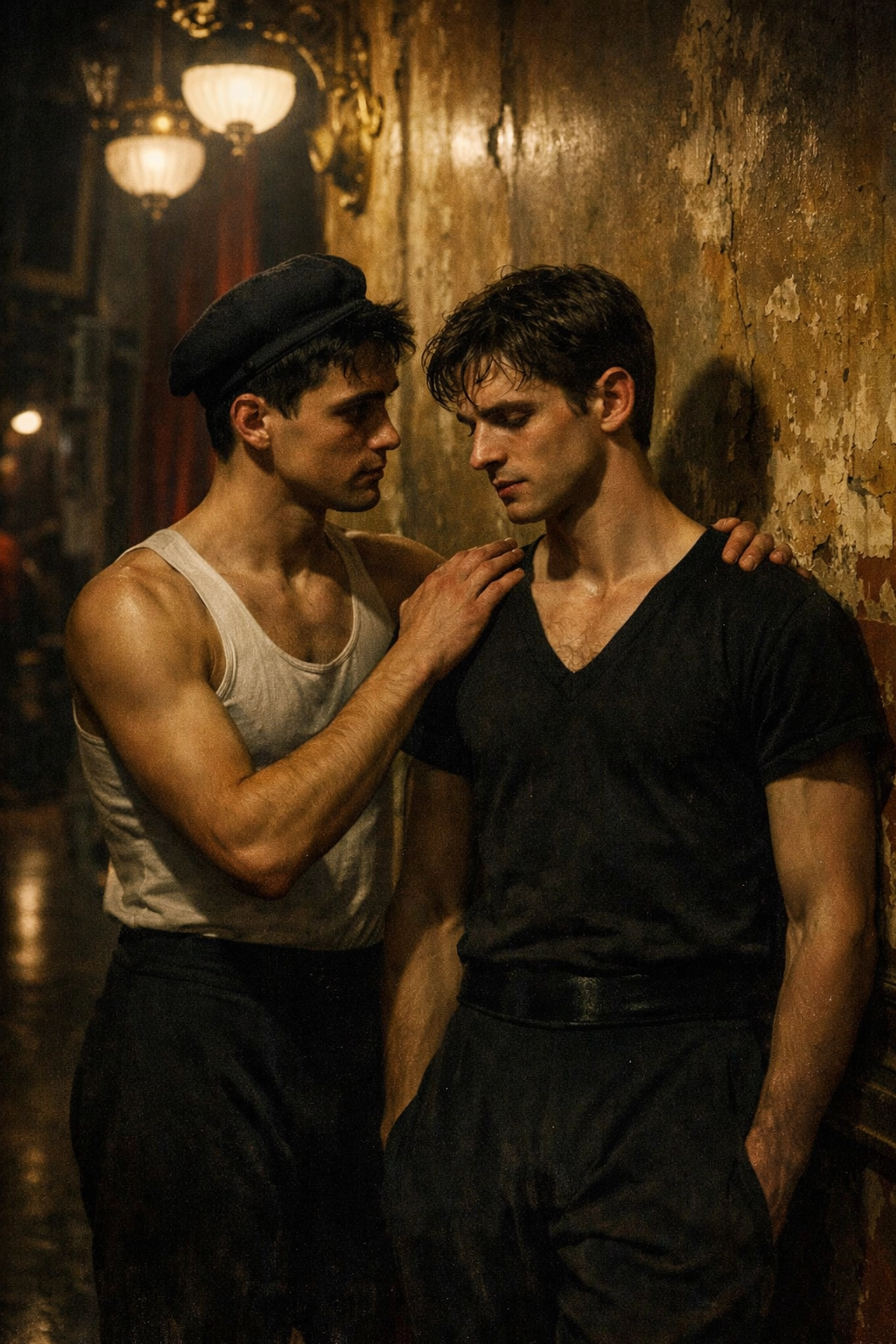
For decades, some of the most talented dancers, choreographers, and musicians who graced the Bolshoi's legendary stage lived double lives. They married women they didn't love. They performed heterosexuality as convincingly as they performed Swan Lake. Their greatest act wasn't on stage, it was surviving in a society where being gay could destroy everything they'd worked for.
The Iron Closet
Soviet ideology didn't officially acknowledge that gay people existed. Homosexuality had been decriminalized briefly after the 1917 Revolution, but Stalin reversed that in 1933, making it punishable by up to five years of hard labor. The law remained on the books until 1993. But the real punishment wasn't always legal, it was social, professional, and absolute.
For artists at the Bolshoi, the stakes were impossibly high. These weren't just careers; they were lifelong callings that began in childhood. Dancers started training at age ten at the Bolshoi Ballet Academy. By their twenties, the best had already sacrificed everything, their bodies, their childhoods, their freedom, for the privilege of dancing on that stage.
Being discovered as gay meant losing it all instantly. No appeals. No second chances. Just erasure.
The Lavender Marriages
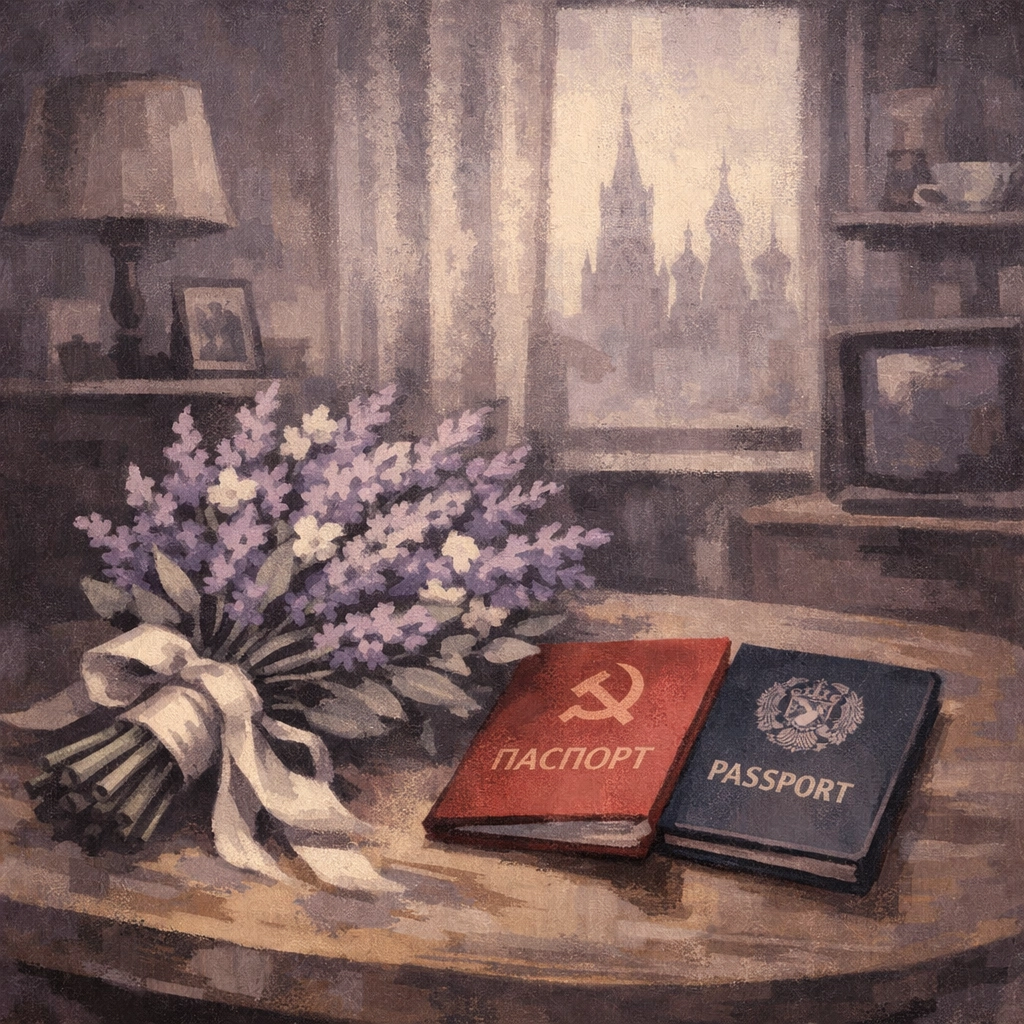
The solution, whispered about in dressing rooms and communal apartments, was the "fictitious marriage", what we'd call a lavender marriage in the West. A gay man would marry a lesbian woman, or sometimes a sympathetic straight woman who needed cover of her own. Both would maintain public appearances while living essentially separate private lives.
These arrangements required remarkable trust. One jealous ex-lover, one bitter former friend, one careless word overheard by the wrong person, any of these could trigger an investigation. The KGB kept files on "morally unstable" individuals, a category that explicitly included homosexuals. Informants were everywhere, even within the theatre itself.
Some marriages were purely pragmatic, roommate situations with separate bedrooms and discrete understandings. Others developed into genuine, if platonic, partnerships. The couples shared apartments, attended official functions together, and sometimes even raised children, often the biological offspring of secret same-sex relationships.
One principal dancer, whose name remains protected even now, maintained a twenty-year marriage while conducting a parallel relationship with a male choreographer. They communicated through coded language in rehearsal notes. A "coffee after practice" meant meeting at a trusted friend's apartment. "Reviewing yesterday's performance" meant it was safe to call from a public phone booth.
Secret Sanctuaries
Finding safe spaces for actual gay life required creativity and constant vigilance. Certain bathhouses were known gathering spots, though they were heavily surveilled. More reliably, private apartments belonging to sympathetic allies served as temporary sanctuaries, places where dancers could drop their masks for a few precious hours.
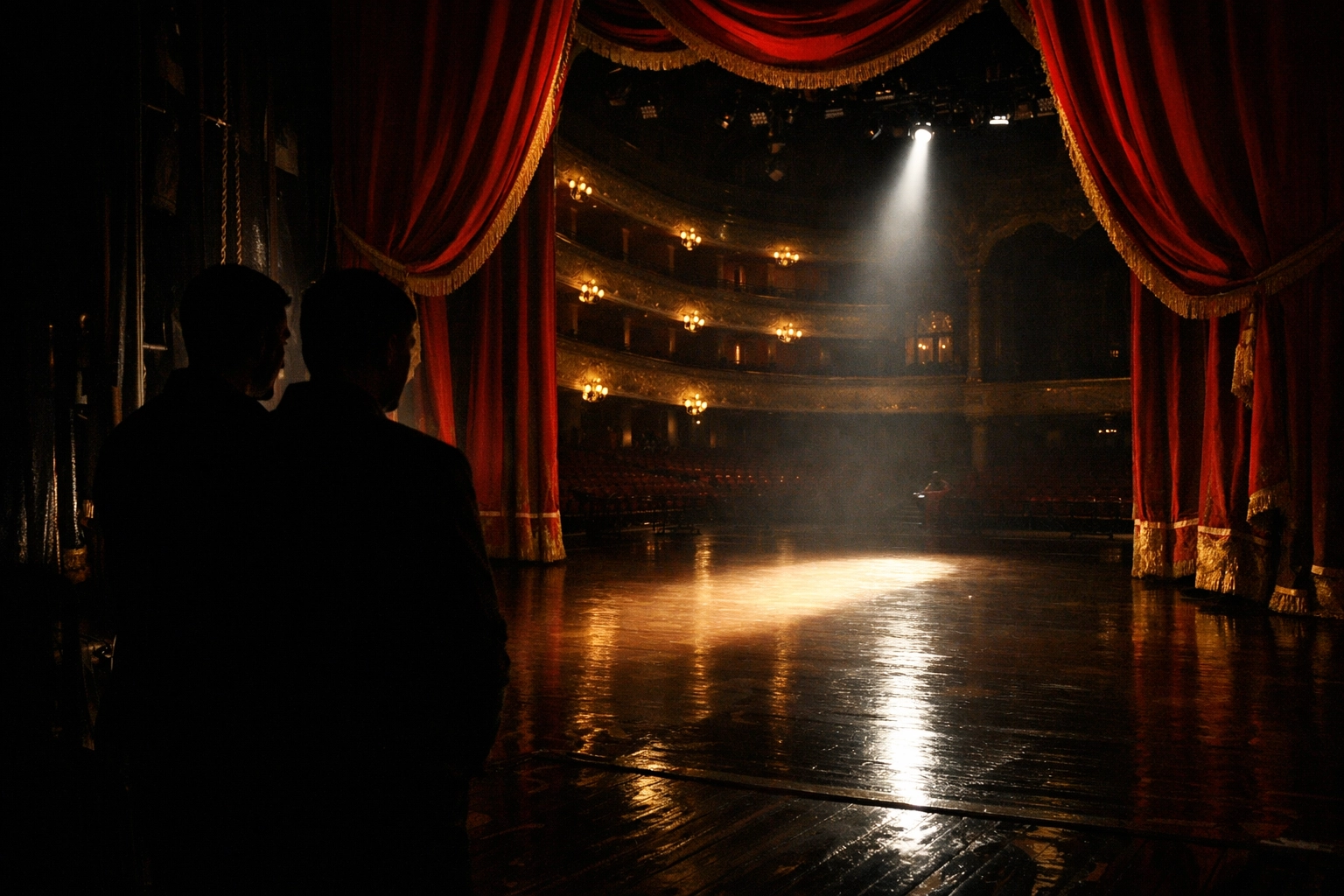
The backstage areas of the Bolshoi itself paradoxically offered both danger and opportunity. The labyrinthine corridors, costume rooms, and storage areas created pockets of privacy. Late-night rehearsals when most staff had gone home. Long tours to Leningrad (now St. Petersburg) or other cities where surveillance was slightly less intense. These moments of relative freedom were rare and treasured.
Some gay men at the Bolshoi developed elaborate systems of coded communication. Certain pieces of jewelry, the way a scarf was tied, even specific ballet movements could convey messages to those who knew how to read them. A particular way of wearing one's rehearsal clothes might signal availability or interest. These codes were never written down, they couldn't be.
The Cost of Discovery
Not everyone successfully navigated the tightrope. Stories circulated, and still do, about promising careers cut short by exposure. A talented violinist in the Bolshoi orchestra who disappeared after being arrested in a bathhouse raid. A principal dancer whose "mental breakdown" and sudden retirement coincided suspiciously with rumors about his private life.
The official line was always something else: alcoholism, political unreliability, family emergencies. But those within the theatre community understood the real reasons. The fear was the point. The regime wanted everyone to understand that deviation from Soviet norms, sexual or otherwise, would be punished.
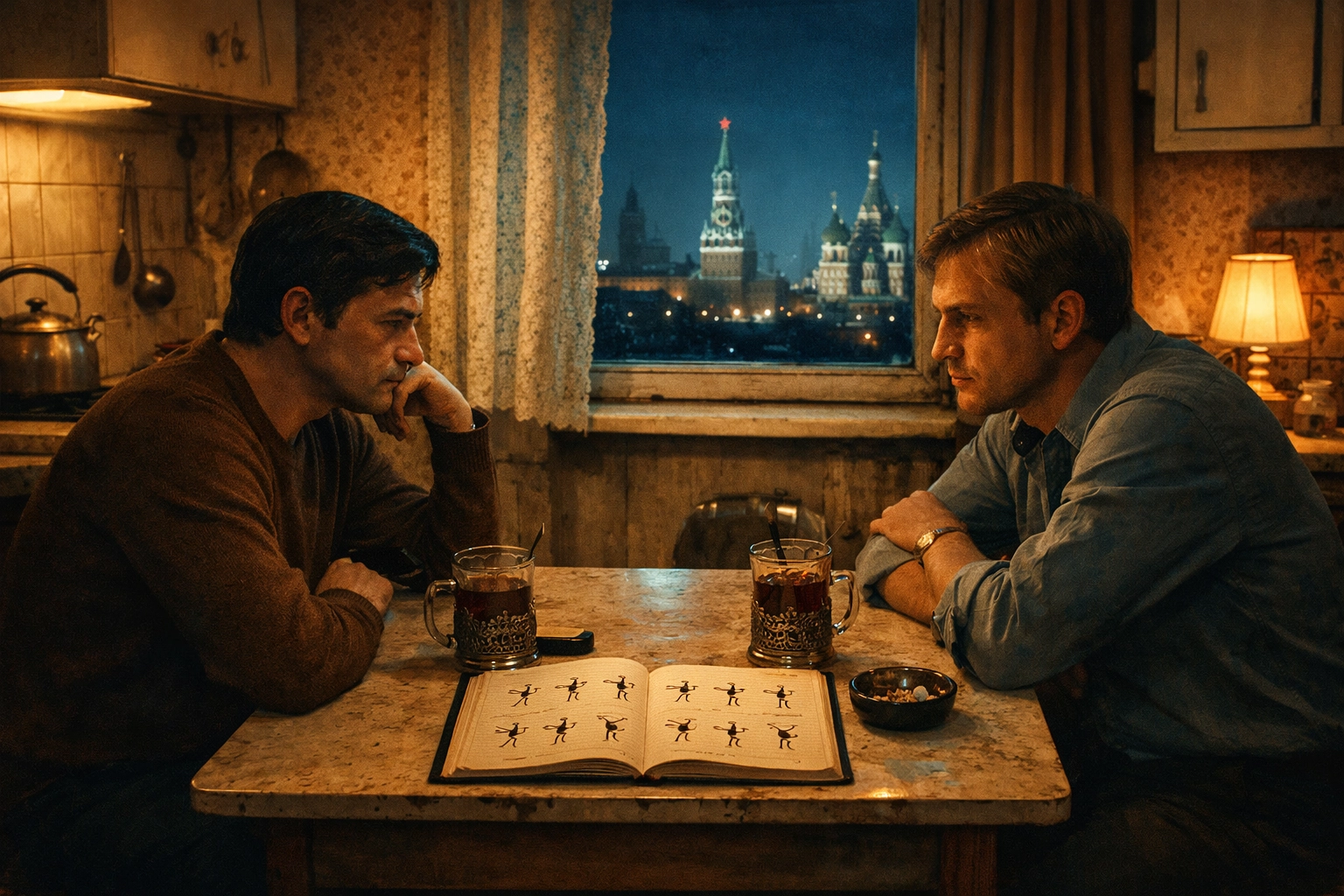
Some artists chose exile over the constant performance. During foreign tours, a few defected to the West, though this option came with its own agonizing costs. Defectors could never return to the Soviet Union, meaning permanent separation from family and friends. They also faced being branded traitors, with all the implications that carried for loved ones left behind.
Post-Soviet Revelations
When the Soviet Union collapsed in 1991 and homosexuality was finally decriminalized in 1993, some of these secret histories began emerging. Memoirs were published. Documentaries were made. Elderly dancers and musicians finally felt safe enough to acknowledge what everyone in their circle had always known.
The revelations were bittersweet. Yes, the truth could finally be told: but so many had already died, their stories lost. The AIDS crisis that devastated gay communities worldwide had reached Russia too, claiming artists who'd survived decades in the closet only to face a new threat just as freedom seemed within reach.
Contemporary interviews with surviving Bolshoi artists from the Soviet era reveal the psychological toll of those double lives. Depression, substance abuse, and relationship difficulties plagued many, even after the need for secrecy ended. The habit of concealment, learned so thoroughly for survival, proved difficult to unlearn.
A Hidden Legacy
The story of gay life at the Bolshoi during the Soviet era remains incompletely told. Archives are incomplete or restricted. Many participants are still alive and understandably reluctant to speak publicly, given Russia's current political climate and recent laws against "gay propaganda."
But the legacy matters, especially for those of us who love MM romance books and gay literature. These weren't fictional characters in a historical romance novel: they were real people whose love stories were stolen from them by political ideology. They were artists who gave the world transcendent beauty while being denied the right to love openly.
Their stories remind us why authentic LGBTQ+ representation matters, why projects like Read with Pride exist. Every gay romance novel, every M/M book that ends happily, every story where queer characters get to live and love without fear: these are luxuries that countless people throughout history were denied.
The Bolshoi's stage has seen some of history's most magnificent performances. But some of the most impressive acting happened offstage, in the daily survival of those who had to hide their truest selves to pursue their art. Their courage deserves to be remembered, honored, and told: even if belatedly, even if incompletely.
The red velvet curtains rise and fall. The chandelier still sparkles. And somewhere in that beautiful, terrible building, the ghosts of those secret lives still dance.
Discover more LGBTQ+ history and powerful queer fiction at readwithpride.com. Follow us on Facebook, Instagram, and X/Twitter for daily book recommendations and LGBTQ+ stories that matter.
#LGBTQHistory #MMRomance #GayRomanceBooks #QueerFiction #BolshoiTheatre #SovietHistory #ReadWithPride #GayLiterature #LGBTQBooks #HistoricalLGBTQ #GayHistory #MMRomanceBooks #QueerReads #GayFiction #PrideReading

Leave a Reply
You must be logged in to post a comment.