

readwithpride.com
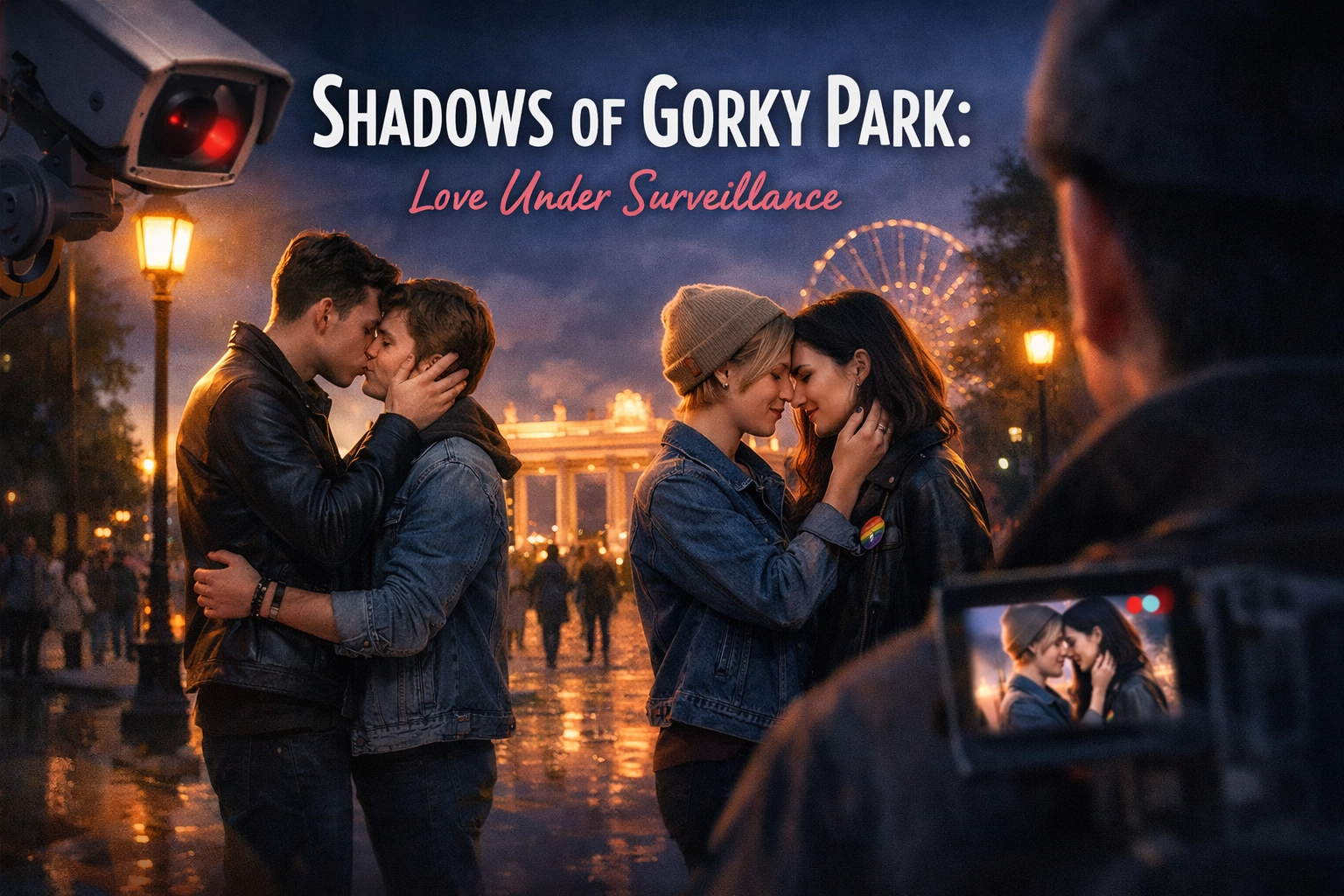
In the heart of Moscow, along the winding paths of Gorky Park, a different kind of history unfolded in the shadows. While families strolled past the fountains and couples posed for photographs by the river, another community found connection in whispered conversations and stolen glances. This is the story of gay men who risked everything: their freedom, their careers, their lives: simply to be seen and loved in a country that refused to acknowledge their existence.
The Iron Closet: Life Under Article 121
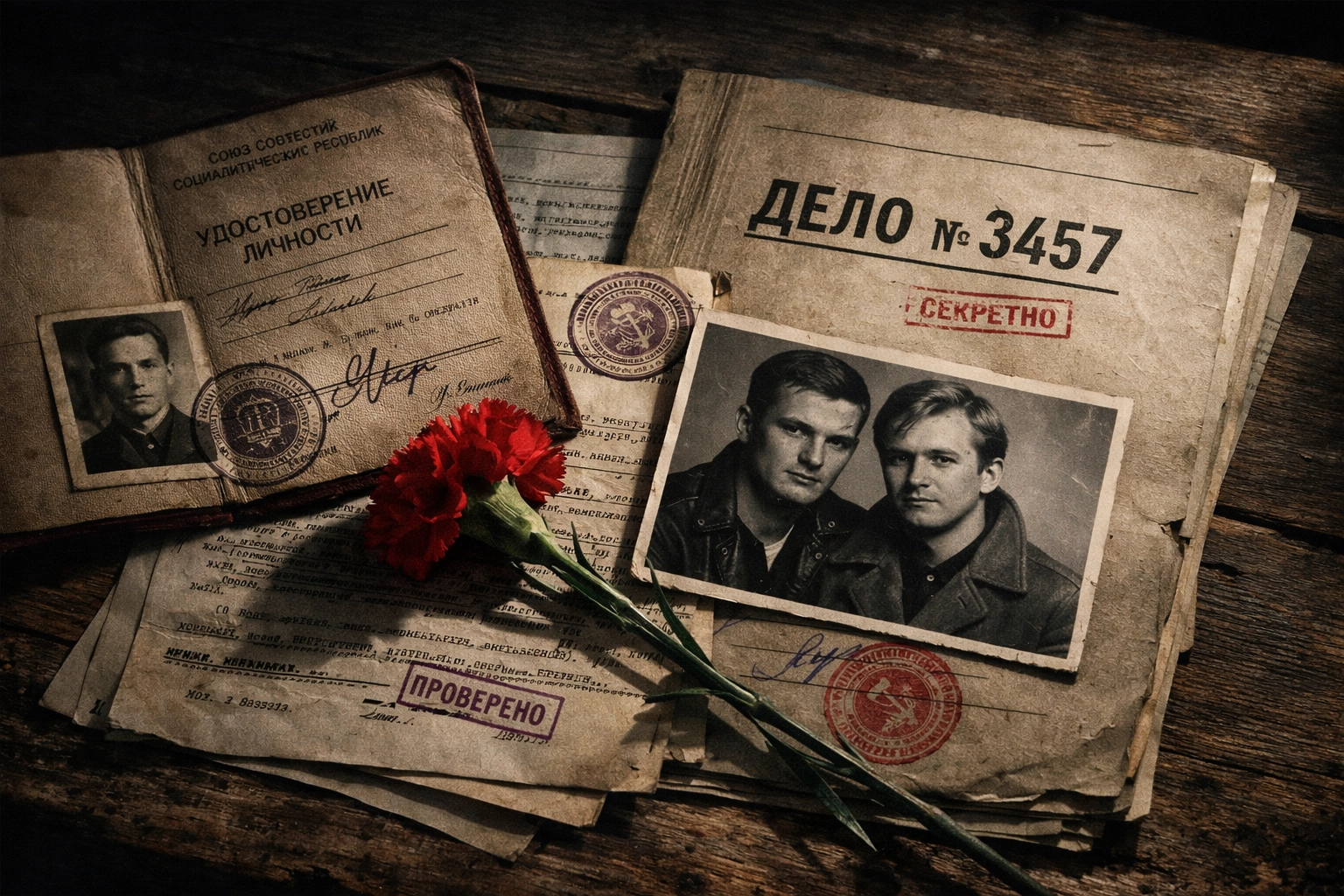
Between 1934 and 1993, homosexuality wasn't just taboo in the Soviet Union: it was a criminal offense. Article 121 of the Soviet criminal code prescribed up to five years of hard labor for "muzhelozhstvo" (sexual relations between men). Lesbian relationships weren't criminalized, not out of tolerance, but because Soviet ideology simply refused to admit they existed. Women, after all, were supposed to be too pure for such "depravity."
The law created an atmosphere of constant terror. Gay men lived double lives, marrying women to maintain appearances while seeking connection in the only spaces available to them: public parks, certain bathhouses, theater foyers after performances, and the dark corners of train stations. Every encounter carried the weight of potential catastrophe.
Gorky Park: Where Fountains Met Forbidden Love
Gorky Park, officially named after Maxim Gorky in 1932, became one of Moscow's most significant cruising grounds despite: or perhaps because of: its popularity as a family destination. The park's extensive grounds, spreading across 300 acres along the Moscow River, offered both opportunity and danger.
Certain areas became known within the community. The paths near the Pushkin Embankment, the benches behind the Neskuchny Garden, and the areas near the old Pioneer Pond were understood meeting places. Men would walk these circuits repeatedly, making eye contact, exchanging the briefest nods, communicating entire conversations through glances that lasted mere seconds.
The language of cruising in Gorky Park was elaborate and necessarily subtle. A lit cigarette held at a particular angle. Lingering too long at a specific fountain. These signals had to be precise enough to communicate intent but vague enough to maintain plausible deniability if the wrong person noticed.
The Watchers in the Shadows
But Gorky Park was never safe. The Soviet state deployed multiple layers of surveillance to enforce Article 121 and maintain ideological purity. The KGB had informants everywhere, and any Soviet citizen could be an observer reporting "anti-social behavior" to authorities.
Most feared were the volunteer patrols: the "druzhinniki." These citizen vigilantes, wearing red armbands emblazoned with "ДНД" (People's Volunteer Patrol), roamed public spaces to enforce socialist morality. Some were true believers in Soviet ideology. Others were simply bullies who enjoyed the power. And some, it was whispered, were themselves gay men who had been caught and forced to become informants to avoid prison.
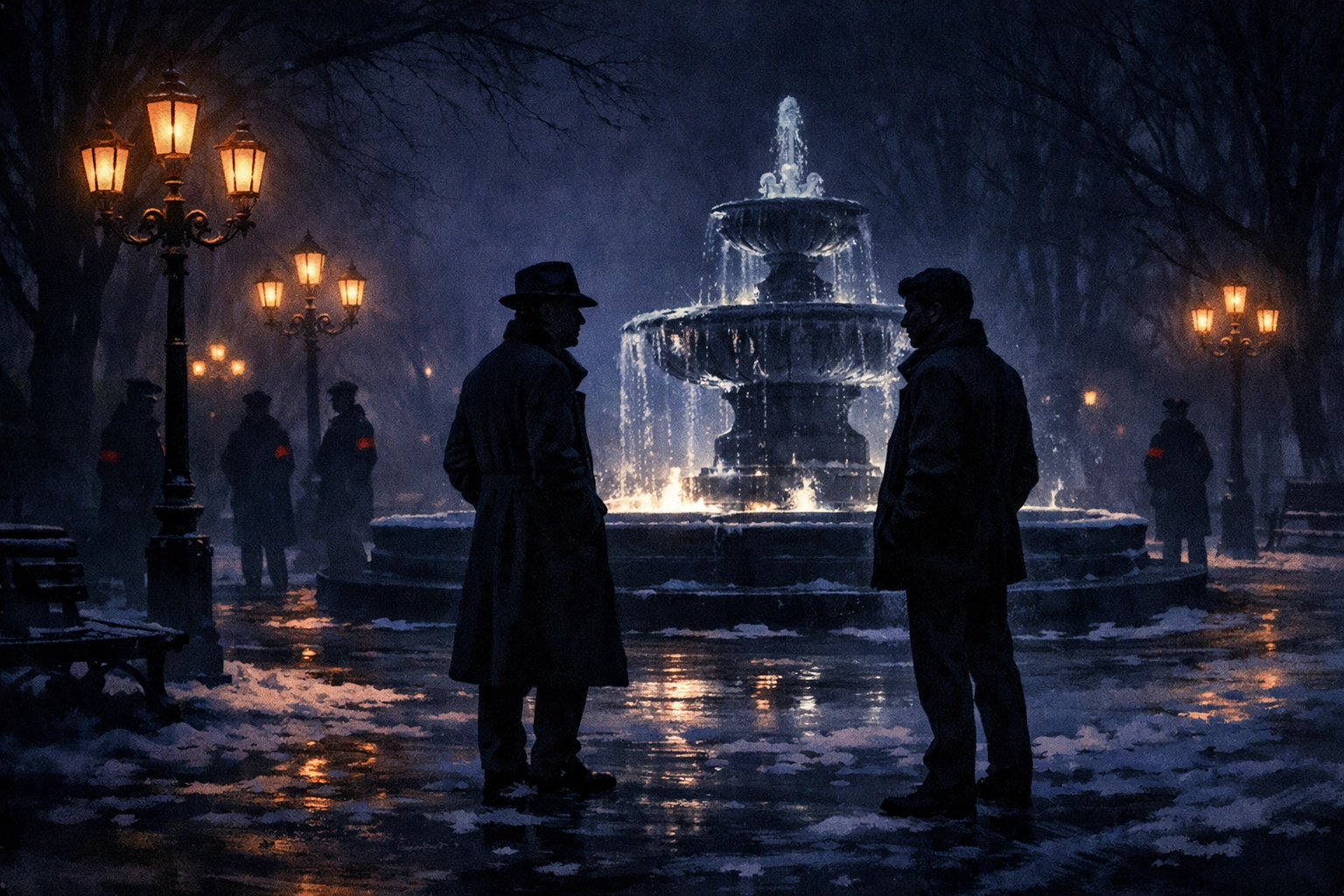
The druzhinniki operated with near impunity. They could detain, interrogate, and beat suspected homosexuals before turning them over to police. Many gay men reported being followed for weeks, their routines documented, their cruising patterns mapped. The patrols would sometimes wait until a connection was made, until two men walked together toward a more secluded area, before pouncing with accusations and threats.
Entrapment was common. Attractive young men, sometimes militia officers themselves, would cruise the known areas, waiting for approaches. Once contact was made and intent established, the trap would spring. Documents would be demanded. Bribes extracted. Arrests made. The system was designed not just to punish but to terrorize: to make every connection feel like a potential catastrophe.
Stories Whispered in the Dark
Dmitri (not his real name) was a music teacher in the 1970s. Twice a week, he would visit Gorky Park after his evening classes, walking the familiar circuits with his heart pounding. "You learned to read people instantly," he later recalled. "A split-second too long looking at the wrong person could destroy your life. But the need for connection, for love, for simply being acknowledged: it was stronger than the fear."
He described the elaborate precautions: never going to the same spot twice in a week, changing walking patterns, having a prepared story about waiting for a friend or enjoying the evening air. Some men carried books or newspapers as props, something to explain their presence. Others would bring children: borrowed nephews or neighbors' kids: as cover for their visits to the park.
Viktor, an engineer who cruised Gorky Park in the 1980s, remembered the night he was caught by a patrol. "They surrounded me and another man near the embankment. We hadn't even touched: just talked for maybe ten minutes. They took us to a militia station, photographed us, threatened to inform our workplaces and families. I paid them everything I had in my wallet. The other man, I never saw him again. I heard later he'd been sent to a psychiatric hospital."
The Psychiatric Solution
When Stalin recriminalized homosexuality in 1934, the Soviet state framed it as both a crime and a mental illness: a "bourgeois perversion" that socialism would eventually eliminate. Throughout the Soviet era, gay men who were caught often faced a choice: prison or "treatment."
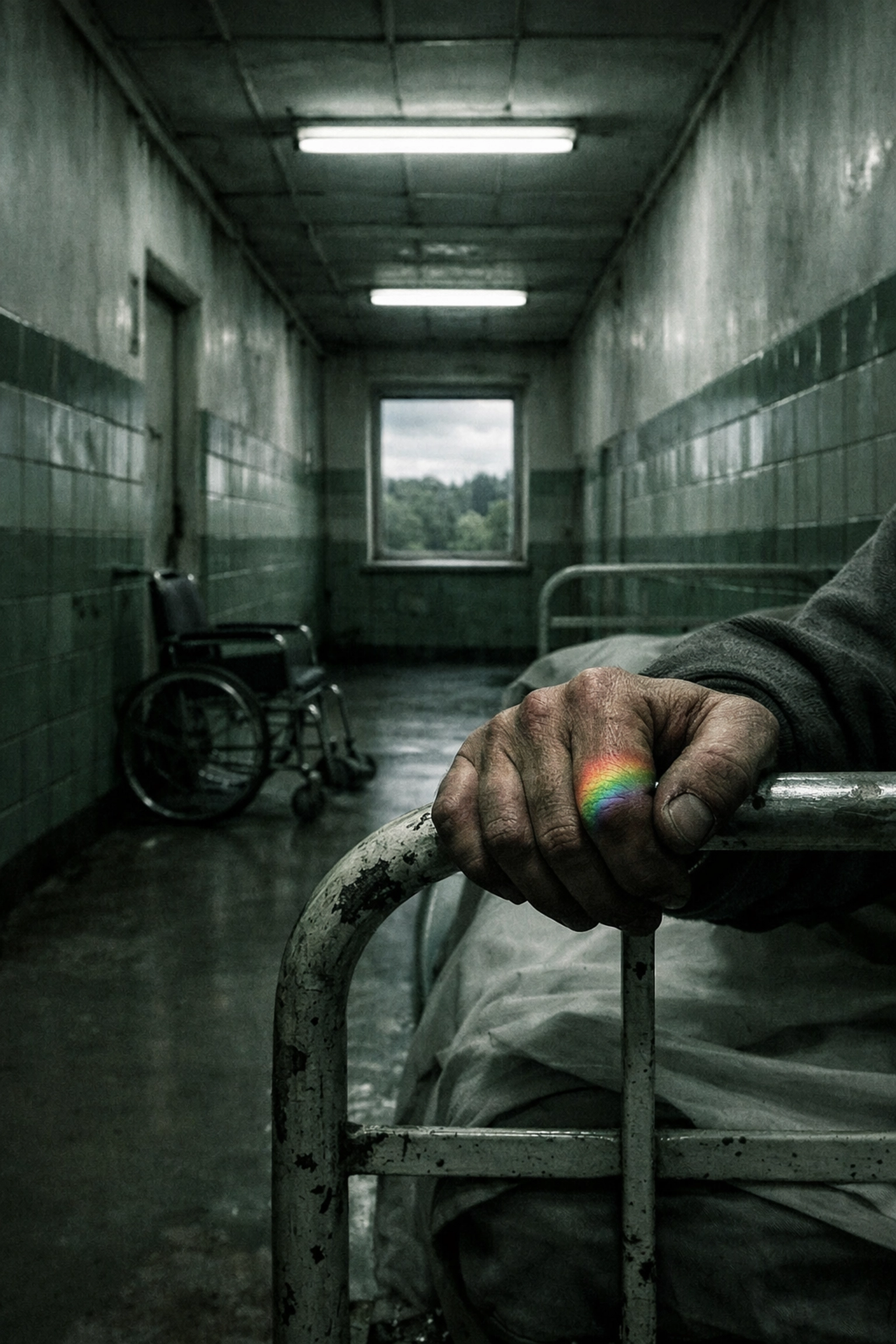
The psychiatric hospitals were in some ways worse than prison. Forced medications, aversion therapy, insulin shock treatments: all aimed at "curing" homosexuality. Men who entered these facilities often emerged broken, unable to work, rejected by families who'd learned their secret. Some never emerged at all.
Yet even knowing this, men returned to Gorky Park. They returned because isolation was its own kind of death. They returned because love and desire couldn't be legislated away. They returned because in those brief moments of connection: a conversation by the fountain, a shared cigarette, an exchanged phone number written on a scrap of paper and hidden in a pocket: they could remember they were human.
The Culture of Silence and Signals
Within the broader Soviet gay community, information about safe and dangerous spaces circulated through an underground network more elaborate than any samizdat literature distribution. Newcomers were cautiously vetted before being let into the knowledge. Certain bathhouses on certain days. The back rows of particular theaters during ballet performances. Train stations after midnight. And always, always, Gorky Park.
The community developed its own argot, words that meant nothing to outsiders but everything to those in the know. "Blue" (goluboi) became code for gay, allegedly derived from the blue uniforms worn by sailors in the Navy, another space where homosexual relationships were an open secret despite being criminalized. To say you were going "to see the blue fountain" or "meeting a friend near the blue pine" was understood.
After the Fall: New Dangers
When the Soviet Union collapsed in 1991 and Article 121 was finally repealed in 1993, many assumed life would improve for gay Russians. But the transition to a new Russia brought new challenges. The economic chaos of the 1990s created a vacuum filled by organized crime. Gorky Park and other cruising grounds became hunting grounds for gangs who would rob, beat, and sometimes kill gay men, knowing their victims couldn't report crimes without outing themselves.
Even today, Gorky Park has been renovated into a modern urban park with outdoor cinemas and coffee shops, WiFi and cycling paths. The old cruising grounds are illuminated now, surveilled by cameras, frequented by crowds. The shadows where men once found each other have been deliberately lit away. And with Russia's "gay propaganda" law passed in 2013, a new kind of silence has descended: different from Soviet repression but oppressive nonetheless.
Remembering the Brave
The men who walked the paths of Gorky Park under surveillance, who risked everything for moments of connection, were among history's bravest. They lived in an era that denied their existence, criminalized their love, and offered them no future. Yet they persisted. They found each other in the darkness. They created community where none was permitted. They loved when love was illegal.
Their stories are largely unrecorded. The Soviet state kept meticulous records of arrests but not of lives lived or loves found. The men themselves, survivors of an oppressive era, often took their stories to graves, unwilling or unable to revisit traumas that ran too deep. But their courage echoes forward. Every LGBTQ+ person in Russia today who dares to live authentically stands on ground prepared by those who cruised Gorky Park when every step was an act of defiance.
At readwithpride.com, we believe in preserving and sharing LGBTQ+ history from around the world. These stories of resilience matter. They remind us that queer love has always existed, even in the most hostile environments, and that our community's strength comes from generations who refused to disappear, no matter the cost.
Follow us for more LGBTQ+ history and stories:
- Facebook: Read With Pride
- Instagram: @read.withpride
- X/Twitter: @Read_With_Pride
Explore our collection of gay romance books, MM romance novels, and LGBTQ+ fiction that celebrate queer love across time and geography at readwithpride.com.
#ReadWithPride #LGBTQHistory #GayHistory #SovietHistory #GorkyPark #QueerResilience #MMRomance #GayRomanceBooks #LGBTQFiction #GayLiterature #QueerBooks #RussianHistory #LGBTQRights #GayBooks #QueerHistory #HiddenHistory #LGBTQCommunity #GayRomance #PrideHistory

Leave a Reply
You must be logged in to post a comment.