

readwithpride.com
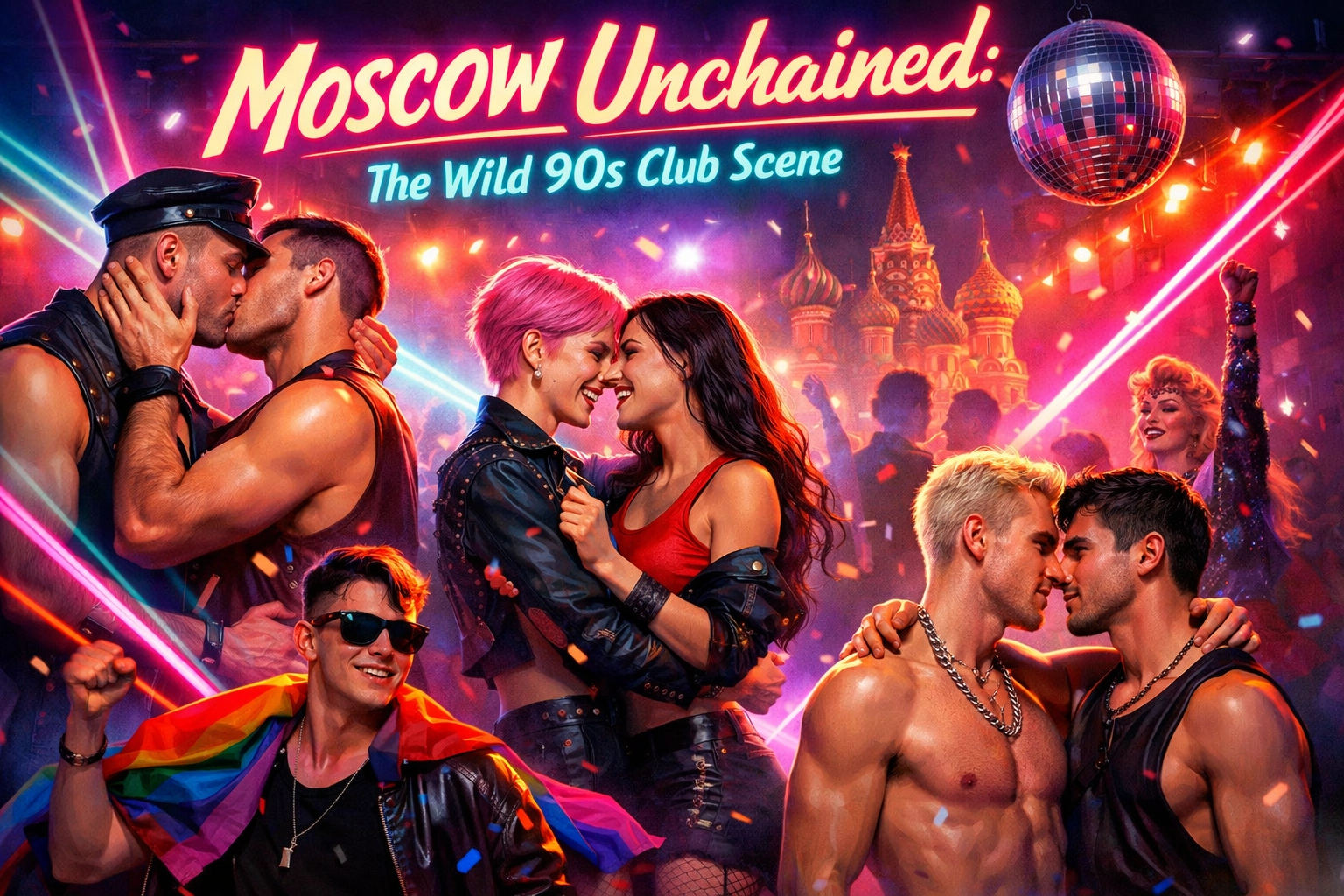
The fall of the Berlin Wall had nothing on what happened when the Soviet Union collapsed. Suddenly, Moscow wasn't just thawing, it was on fire. And nowhere was that transformation more visible, more visceral, or more fabulous than in the city's explosive nightclub scene of the 1990s.
For LGBTQ+ folks who'd spent decades hiding in shadows, dodging Article 121 (the anti-sodomy law), and living double lives, the 90s weren't just about freedom. They were about reclaiming joy, dancing until dawn, and building a community that refused to apologize for existing.
When the Curtain Finally Fell
December 1991. The Soviet flag came down from the Kremlin for the last time, and that same month, something equally revolutionary happened: the Gagarin Party. Named after the cosmonaut who'd conquered space, this wasn't your babushka's Palace of Culture disco. This was Moscow's first genuine rave, hundreds traveling from St. Petersburg, thousands from Moscow's underground art scene, all converging on an abandoned building that the art community had quietly purchased.
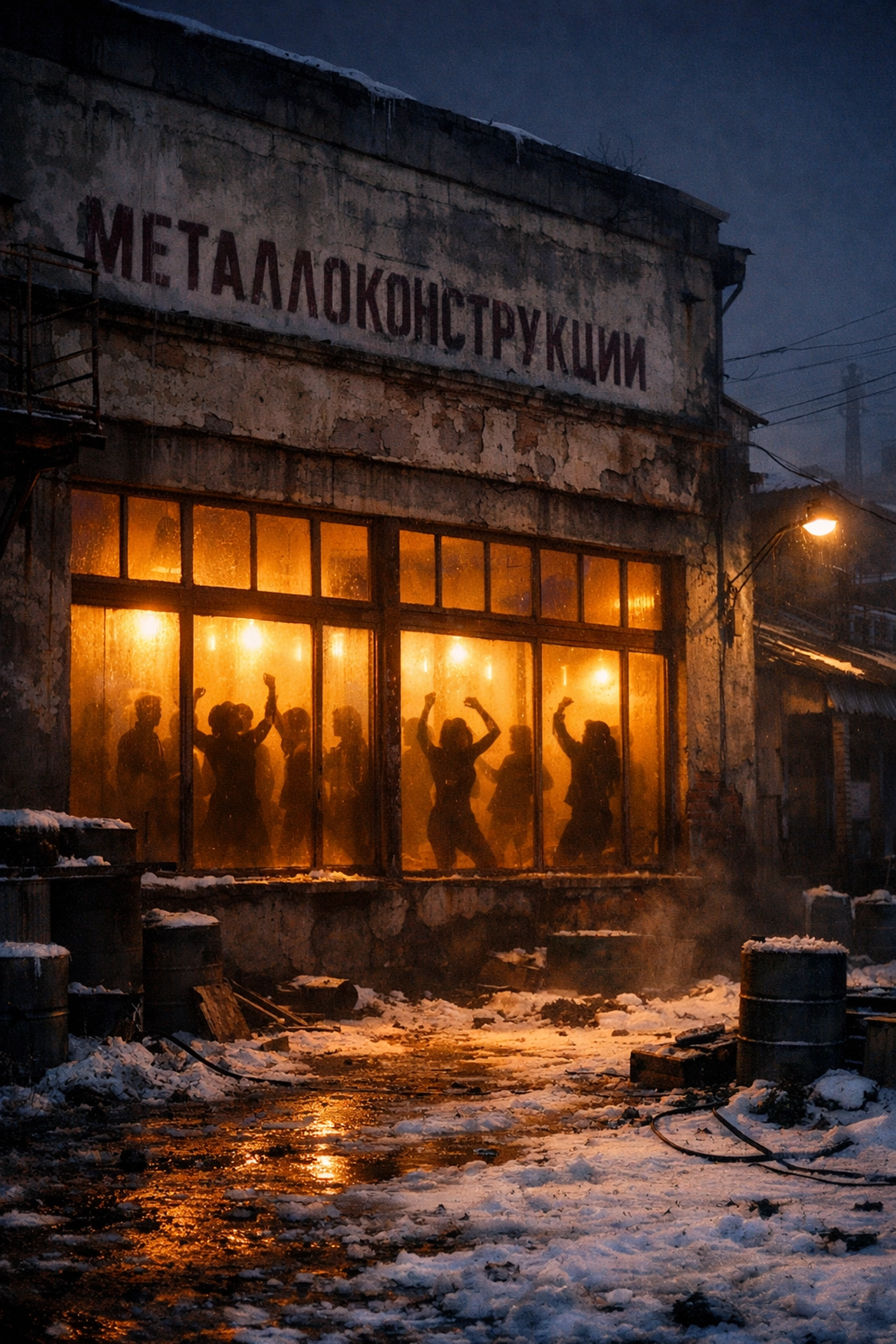
The art crowd had been planning this since the late 80s, buying up forgotten Soviet spaces and transforming them into sanctuaries beyond state control. These weren't clubs yet, they were experiments in freedom, all-night parties where you could finally be yourself without KGB informants lurking in corners.
But 1993 changed everything. That's when Russia decriminalized same-sex relationships, striking down the law that had sent countless gay men to labor camps. Suddenly, what had been whispered about in code could be celebrated, carefully, but celebrated nonetheless.
Enter the Legendary 'Chance'
If you were queer in 90s Moscow and you hadn't been to 'Chance,' did you even exist? This club didn't just put Moscow on the global gay map, it rocketed the city into the stratosphere. We're talking top 10 gay clubs in the world. In a country where, just years earlier, being gay could land you in a Siberian prison camp.
'Chance' was revolutionary not just because it existed, but because it thrived. The music was cutting-edge techno and house, none of that watered-down Soviet disco nonsense. The lighting? Imported from the West. The crowd? A glorious mix of artists, musicians, drag queens, journalists, and anyone brave enough to walk through those doors and claim their space.
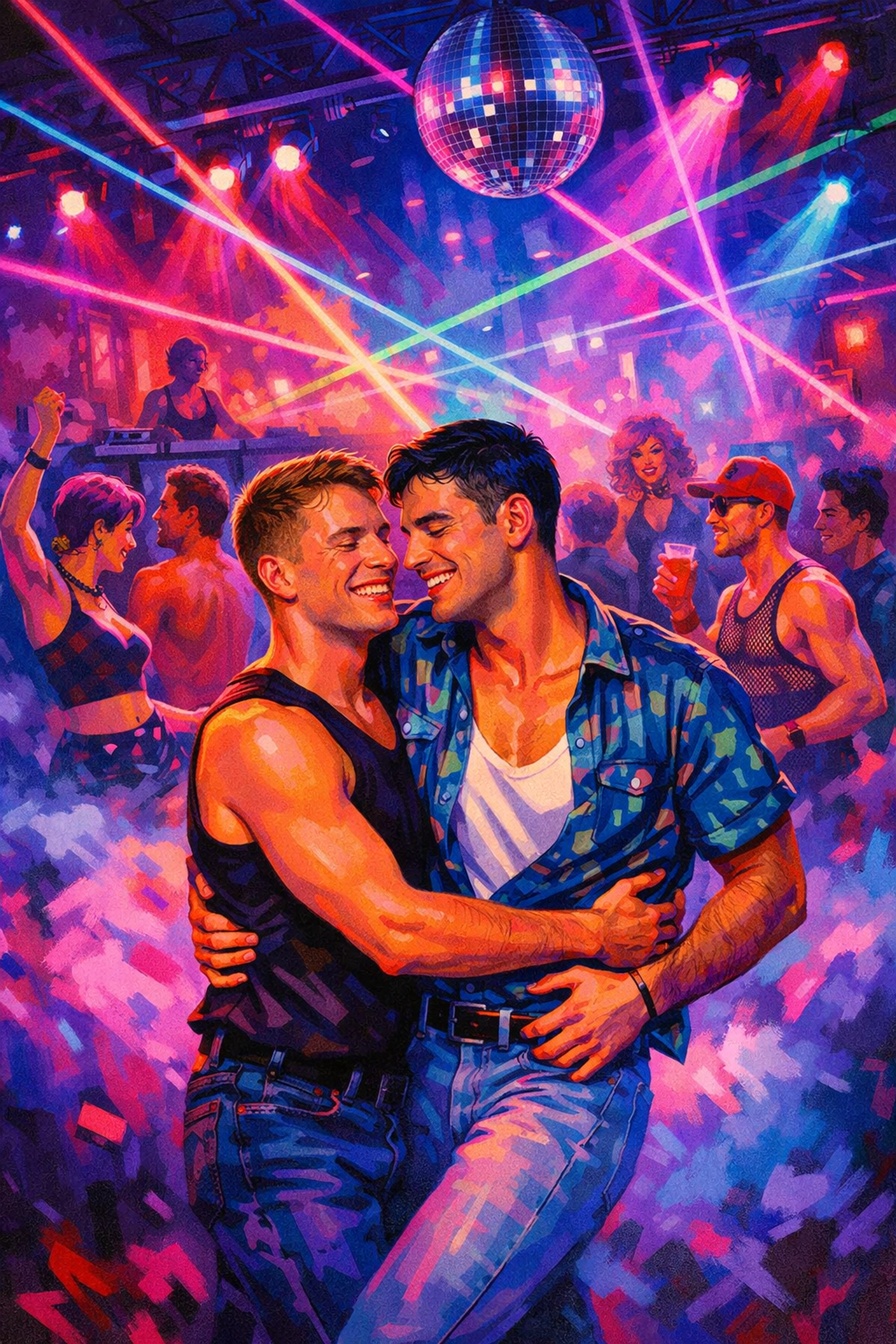
But 'Chance' wasn't alone. 'Three Monkeys' opened its doors, as did 'Central Station', the latter known for its particularly tight security. And not the discriminatory kind, the protective kind. See, even as gay clubs flourished, Moscow was still Moscow. Homophobic violence was real, and club owners knew it. Central Station's face control wasn't about keeping queer people out; it was about keeping them safe inside.
The irony wasn't lost on anyone. These clubs had bouncers not to enforce Soviet-style conformity, but to create sanctuaries where you could kiss who you wanted without someone pulling a knife. Because yes, knives were a problem.
The Beautiful Chaos of It All
Here's what nobody tells you about 90s Moscow nightlife: it was absolutely feral. The clubs themselves were stunning, venues like 'Titanic' had $1.5 million poured into their design, featuring laser light shows that would make any modern festival jealous. DJs were flying in from London and Berlin. The sound systems were world-class.
But step wrong on someone's foot? Forget to apologize? That could escalate to a knife fight faster than you could say "glasnost." Guns circulated despite entrance rules because, well, who was going to frisk the club owner's friends? Drug dealers operated openly, greasing palms when necessary, which was always.
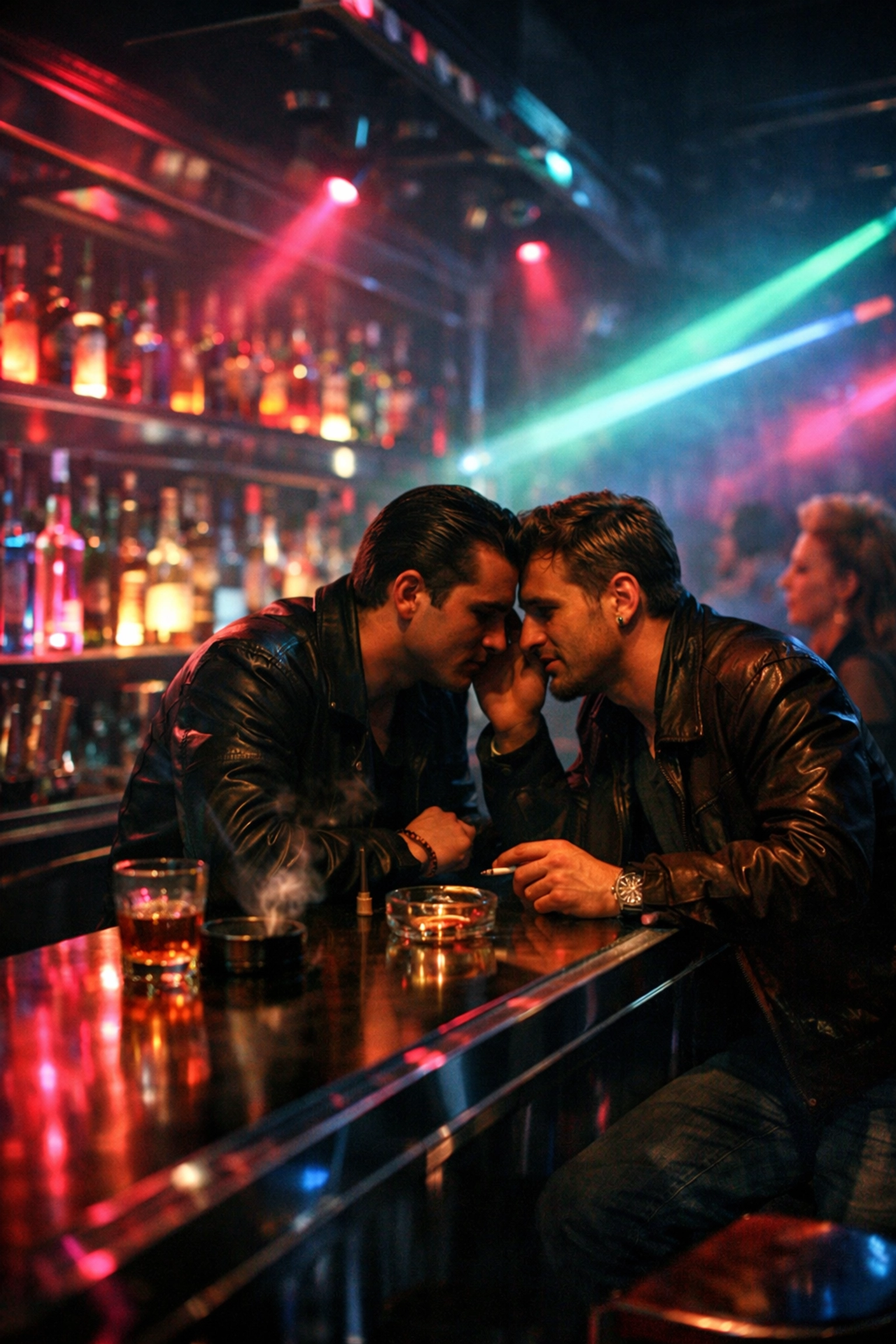
For queer patrons, this added another layer of danger on top of the inherent risk of simply being visible. Yet people kept coming. They kept dancing. They kept claiming space in a city that had spent 70 years telling them they didn't exist.
The crowd was wild in the best and worst ways. You'd have MM romance unfolding on one side of the dance floor while a business deal: or a fistfight: went down on the other. Boris Yeltsin's daughter partied alongside drag performers and underground artists. Expatriates mixed with locals who'd never left Moscow but somehow knew every word to house music tracks in English.
The Price of Pretension
By the late 90s, something started to shift. The raw, revolutionary energy began calcifying into something uglier: exclusivity for exclusivity's sake. New clubs like 'Zeppelin,' 'XIII,' and 'Gallery' didn't just have face control: they had attitude. They mocked people at the door. They deliberately created hierarchies, deciding who was cool enough, rich enough, connected enough.
The gay clubs weren't immune. As wealth concentrated and the new Russian elite flexed, some venues started catering to a different crowd: wealthier, less connected to the underground art scene that had birthed this entire movement, more interested in status than liberation.
It's a story as old as gentrification: the pioneers create something beautiful and dangerous and free, then people with money show up and smooth out all the interesting edges until what's left is just another expensive bottle service club where nobody actually connects.
By the early 2000s, most of the legendary clubs had closed. 'Titanic' couldn't compete. 'Chance' became a memory. The spaces that had once felt revolutionary became relics, unable to hold onto their magic once that magic became commodified.
What We Can Learn From the Dance Floor
Looking back at Moscow's 90s gay club scene from 2026, it's easy to romanticize or to focus only on the danger. But the truth is more complex and more human. These clubs represented a moment when everything felt possible because everything was uncertain. The Soviet Union was gone. Nobody knew what came next. And in that liminal space, queer people carved out rooms where they could exist fully, even if just until dawn.
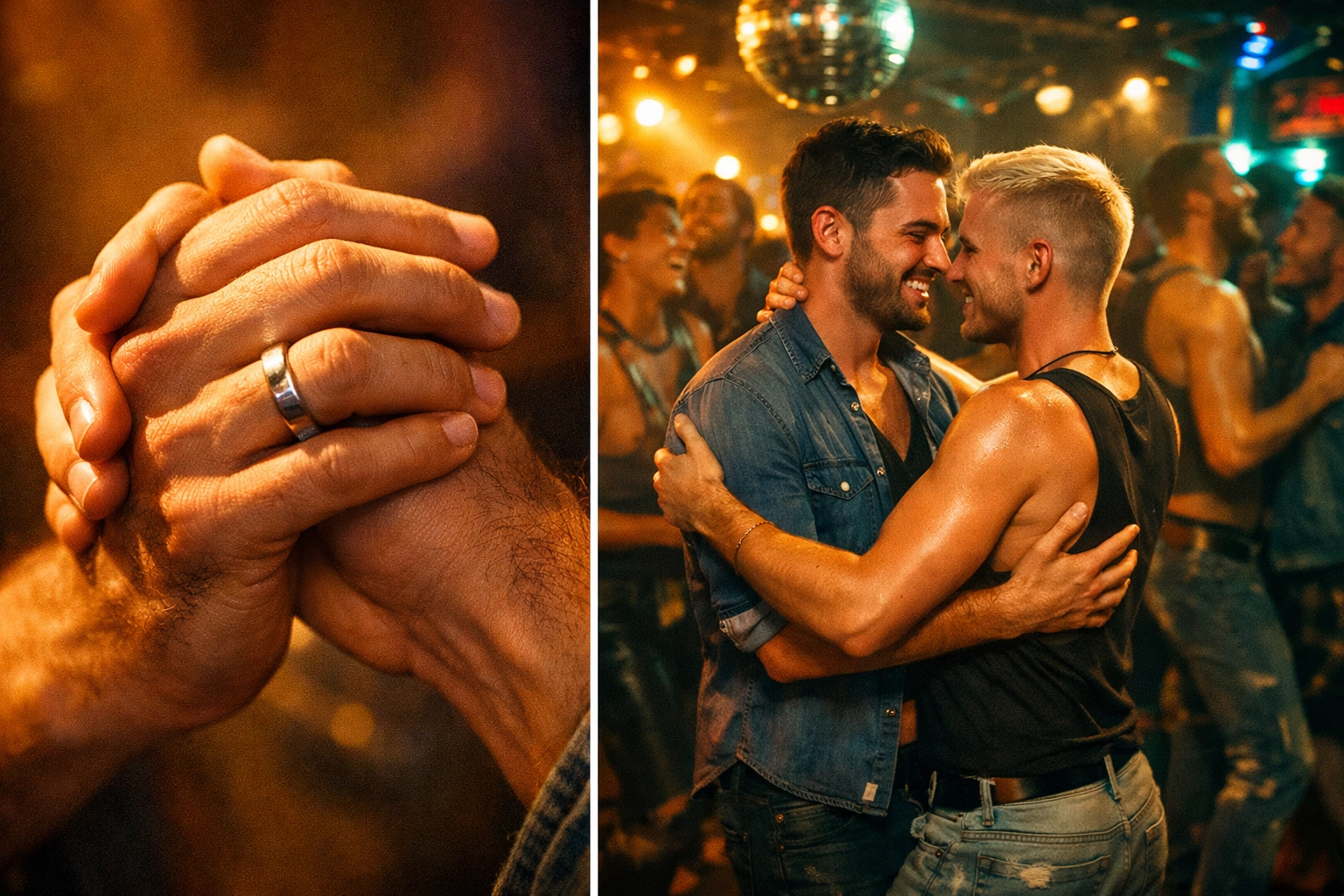
The legacy of clubs like 'Chance' lives on: not in the buildings themselves, but in the generations of LGBTQ+ Russians who learned you could dance with your lover in public, who discovered community on sticky club floors, who understood that visibility, even dangerous visibility, was a form of resistance.
For those of us consuming gay fiction and MM romance books today, there's something powerful in remembering these real stories. The slow-burn romance that unfolded over months of chance encounters at Three Monkeys. The enemies-to-lovers arc between a DJ and a journalist who kept showing up to critique his sets. These weren't just tropes: they were lives lived in the margins that became, for one wild decade, almost mainstream.
Moscow's 90s club scene was messy, dangerous, exhilarating, and transformative. It proved that even in the harshest conditions, queer joy finds a way to survive: and to dance until the sun comes up.
Looking for more LGBTQ+ stories that celebrate our history and community? Explore our collection at Read with Pride, where every story matters and every voice deserves to be heard.
Follow us for more queer history and contemporary gay romance:
- Facebook: Read With Pride
- Instagram: @read.withpride
- Twitter/X: @Read_With_Pride
#ReadWithPride #LGBTQHistory #GayMoscow #QueerHistory #90sClubScene #MMRomance #GayFiction #QueerCulture #LGBTQBooks #GayRomanceBooks #RussianLGBTQHistory #ChanceClub #QueerResilience #GayClubs #LGBTQCommunity #HistoricalLGBTQ

Leave a Reply
You must be logged in to post a comment.