

readwithpride.com
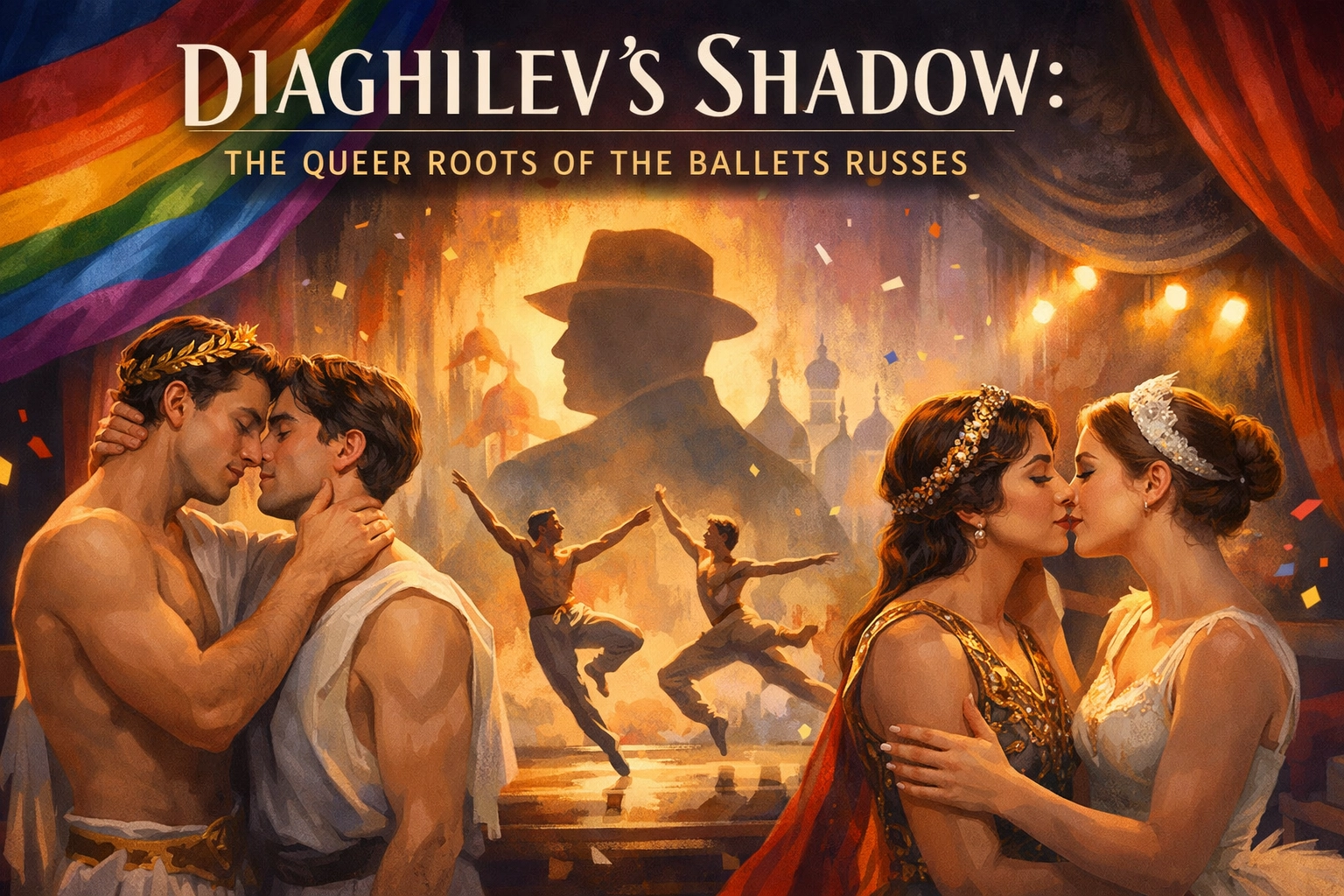
When we think of revolutionary art movements, we often picture paint-splattered studios or smoke-filled literary salons. But in the early 1900s, one of the most radical cultural revolutions was happening in tutus and ballet slippers, and it was gloriously, unapologetically queer.
Welcome to the world of Sergei Diaghilev and his legendary Ballets Russes, where the pirouettes were matched only by the personal drama, and where love between men wasn't just tolerated, it was the creative fuel that powered one of the most influential art companies in history.
The Impresario Who Refused to Hide
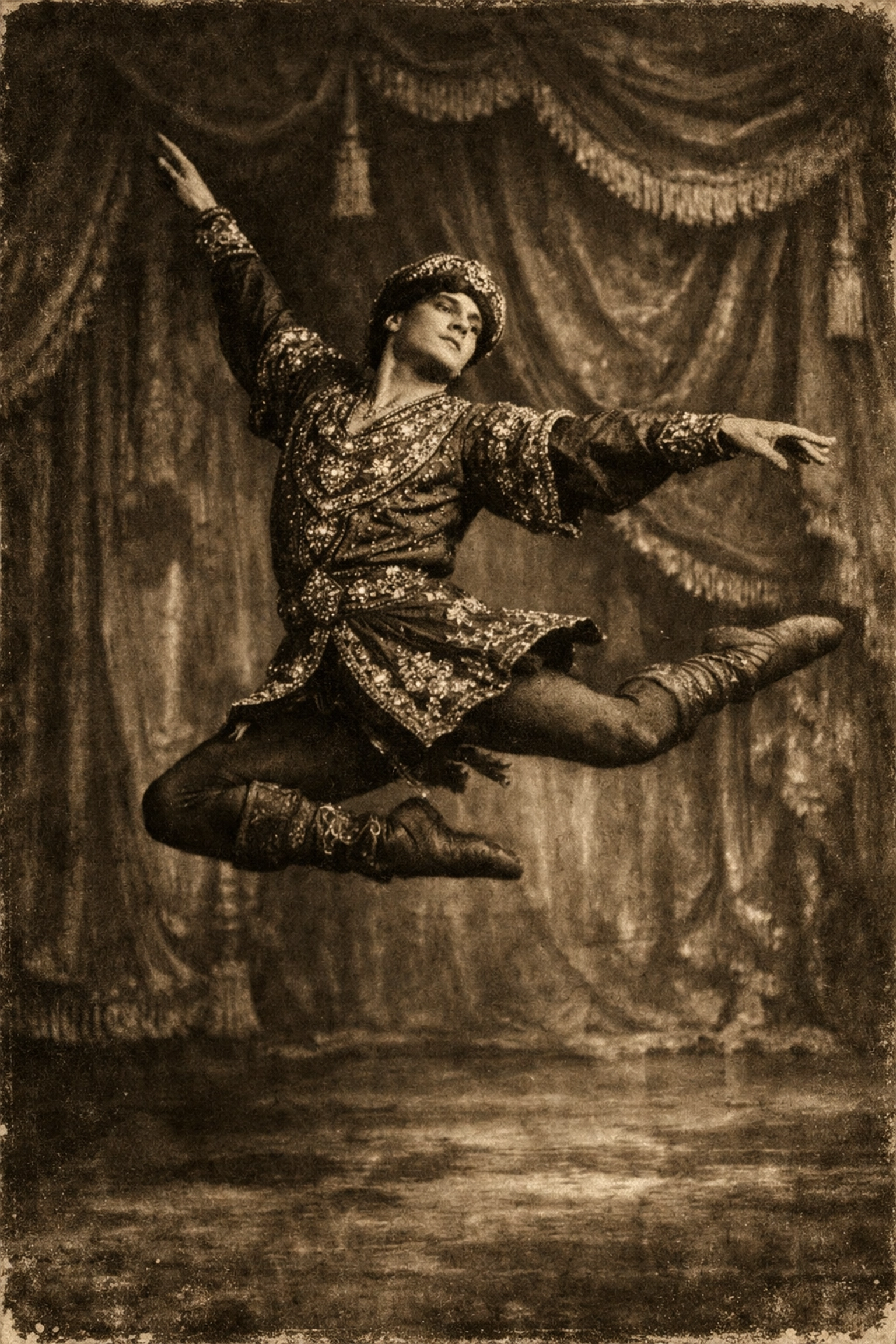
Imagine being openly gay in 1909. Not discreetly gay. Not "confirmed bachelor" gay. But walking-hand-in-hand-with-your-male-lover, everyone-knows-and-we're-not-pretending gay. That was Sergei Diaghilev.
Born into minor Russian nobility in 1872, Diaghilev arrived in St. Petersburg with grand ambitions and even grander tastes. He wasn't a dancer or a choreographer himself, he couldn't even read music particularly well. But what he possessed was something far more powerful: vision, charisma, and an uncanny ability to spot genius in others.
Composer Nicolas Nabokov later described him as "perhaps the first grand homosexual who asserted himself and was accepted as such by society." In an era when Oscar Wilde's imprisonment was still fresh in collective memory, Diaghilev's openness was nothing short of revolutionary. He didn't just live his truth, he built an empire around it.
A Company Built on Romance
The Ballets Russes wasn't just a dance company. It was, in many ways, a family, a chosen family of queer artists and their allies who found in each other both creative collaboration and personal connection.
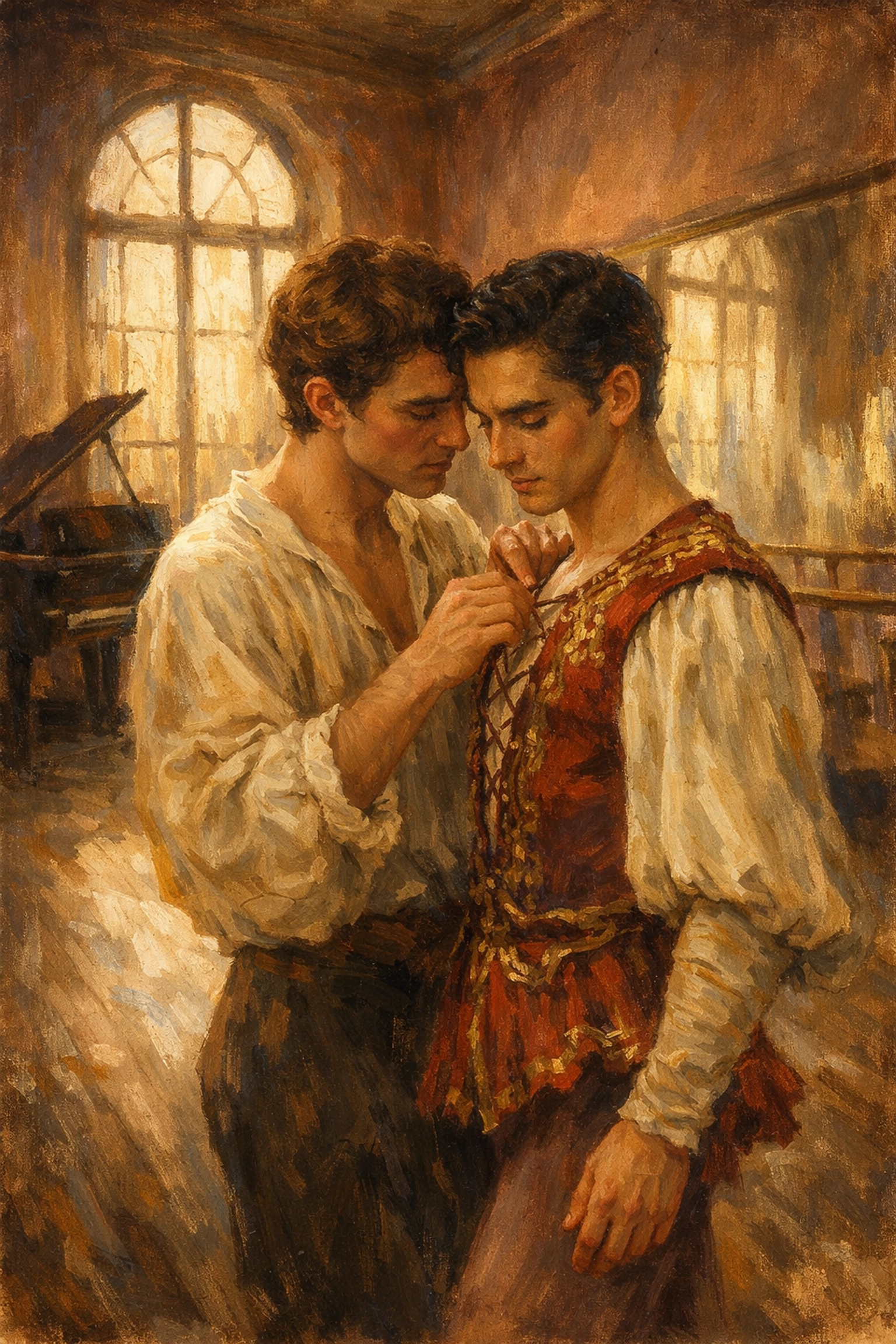
Diaghilev's romantic relationships weren't kept behind closed doors. They were central to the company's story. First came Vaslav Nijinsky, the phenomenal dancer whose otherworldly talent matched his devastating beauty. Their passionate affair lasted five years and produced some of ballet's most iconic moments. When Nijinsky eventually married a woman (to Diaghilev's heartbreak), it nearly destroyed both men.
Then there was Leonide Massine, who succeeded Nijinsky as both principal dancer and Diaghilev's lover. After Massine came Boris Kochno, who became Diaghilev's secretary and partner. Finally, Serge Lifar entered the picture, the last of Diaghilev's great loves, who was with him until the impresario's death in 1929.
These weren't just workplace romances. Each relationship fundamentally shaped the artistic direction of the Ballets Russes. The men Diaghilev loved became the faces and creative forces of the company. Some called it "the gay mafia," but really, it was just talented people doing extraordinary work while being authentically themselves.
Rewriting the Rules of Ballet
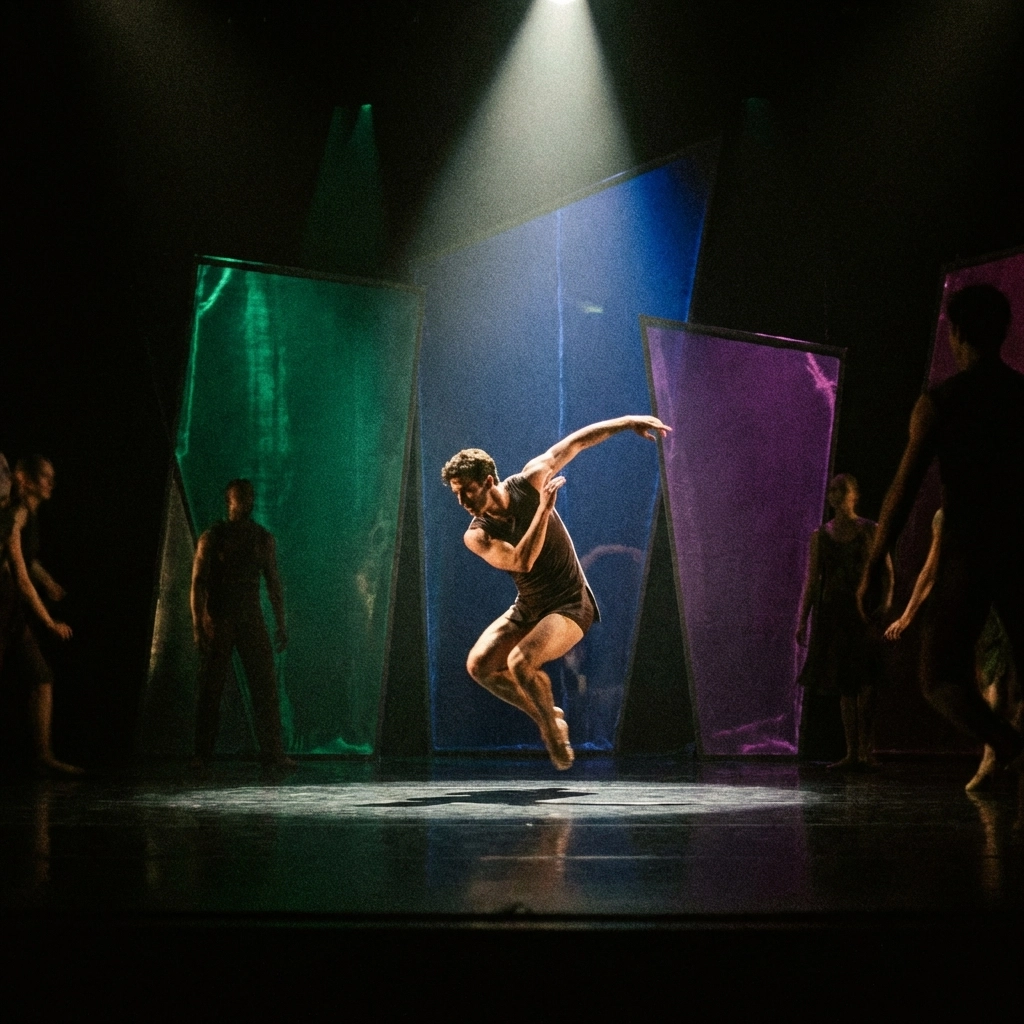
Here's where things get really interesting. Diaghilev didn't just put on pretty shows, he completely upended ballet's traditional gender dynamics.
For centuries, ballet had centered the ballerina. She was the star, the focal point, the reason audiences bought tickets. Male dancers were essentially glorified furniture, there to lift the ladies and fade into the background.
Diaghilev said, "Not on my watch."
He deliberately foregrounded male dancers in lead roles, transforming them into erotic focal points in their own right. The male body became art, spectacle, and object of desire, not just for the traditional female gaze, but for queer audiences who finally saw themselves reflected on stage.
Take Nijinsky's L'Après-midi d'un faune (The Afternoon of a Faun). The 1912 premiere caused a scandal. Nijinsky's movements were angular, animalistic, sensual in ways that made audiences profoundly uncomfortable. The final moment, where the faun, alone on stage, mimes sexual gratification with a scarf, was considered obscene. But it was also brilliant, challenging, and utterly queer in its rejection of conventional beauty and desire.
This was the power of Diaghilev's vision: he created a new gestural language of movement that challenged gender conventions and opened up space for different expressions of sexuality and desire.
A Sanctuary in the Spotlight
The Ballets Russes became more than entertainment, it became a gathering space, a cultural landmark, a queer institution before we even had language for such things.
Wherever the company performed, it attracted gay men who recognized something of themselves in the performances. The shows provided "images, legends, spaces, and institutions through which queer artists and fans could achieve some degree of" cultural identity and community.
Think about what that meant in the early 20th century. This was before Stonewall, before pride parades, before most of our modern LGBTQ+ rights frameworks existed. Yet here was a mainstream, celebrated, internationally acclaimed company that was fundamentally queer in its DNA, and everyone knew it.
The Ballets Russes made it possible for queer people to gather publicly, to celebrate beauty and artistry that reflected their own experiences and desires. It was radical precisely because it was so visible, so successful, so undeniable.
The Legacy Lives On
Diaghilev died in Venice in 1929, broke and exhausted but having changed the world. The Ballets Russes died with him, no one could replicate his particular magic.
But the influence? That's still everywhere.
The company's alumni went on to found major ballet companies around the world. Its aesthetic innovations, the integration of avant-garde art and music, the elevation of male dancers, the theatrical spectacle, became the foundation of modern ballet. And its model of queer creative collaboration, of turning personal relationships into artistic fuel, set a template that continues today.
When you see a male ballet dancer command the stage with power and sensuality, that's Diaghilev's legacy. When queer artists create spaces where their communities can see themselves reflected, that's his influence. When we talk about the importance of authentic LGBTQ+ representation in art, well, Diaghilev was doing that before most of us were born.
Finding Our Stories
This is just one story from a century of queer life in St. Petersburg and Moscow: a history that's often been erased, ignored, or deliberately obscured. But these stories matter. They remind us that we've always been here, creating beauty, building communities, refusing to hide even when the world demanded it.
Want to explore more queer history and contemporary LGBTQ+ stories? Visit Read with Pride for an incredible collection of gay romance novels, MM fiction, and queer literature that continues the tradition of authentic storytelling that Diaghilev helped pioneer.
Because every time we read our stories, share our experiences, and celebrate our history, we're doing what Diaghilev did: refusing to stay in the shadows, transforming pain into beauty, and creating art that changes the world.
Follow us for more LGBTQ+ content and history:
- Facebook: Read With Pride
- Instagram: @read.withpride
- X/Twitter: @Read_With_Pride
- Website: readwithpride.com
#ReadWithPride #LGBTQHistory #QueerHistory #BalletHistory #SergeiDiaghilev #BalletsRusses #GayHistory #QueerArt #LGBTQBooks #MMRomance #GayRomance #QueerFiction #LGBTQReading #GayLiterature #HistoricalLGBTQ #StPetersburg #RussianBallet #QueerCulture #GayRomanceBooks #LGBTQPride

Leave a Reply
You must be logged in to post a comment.