

readwithpride.com
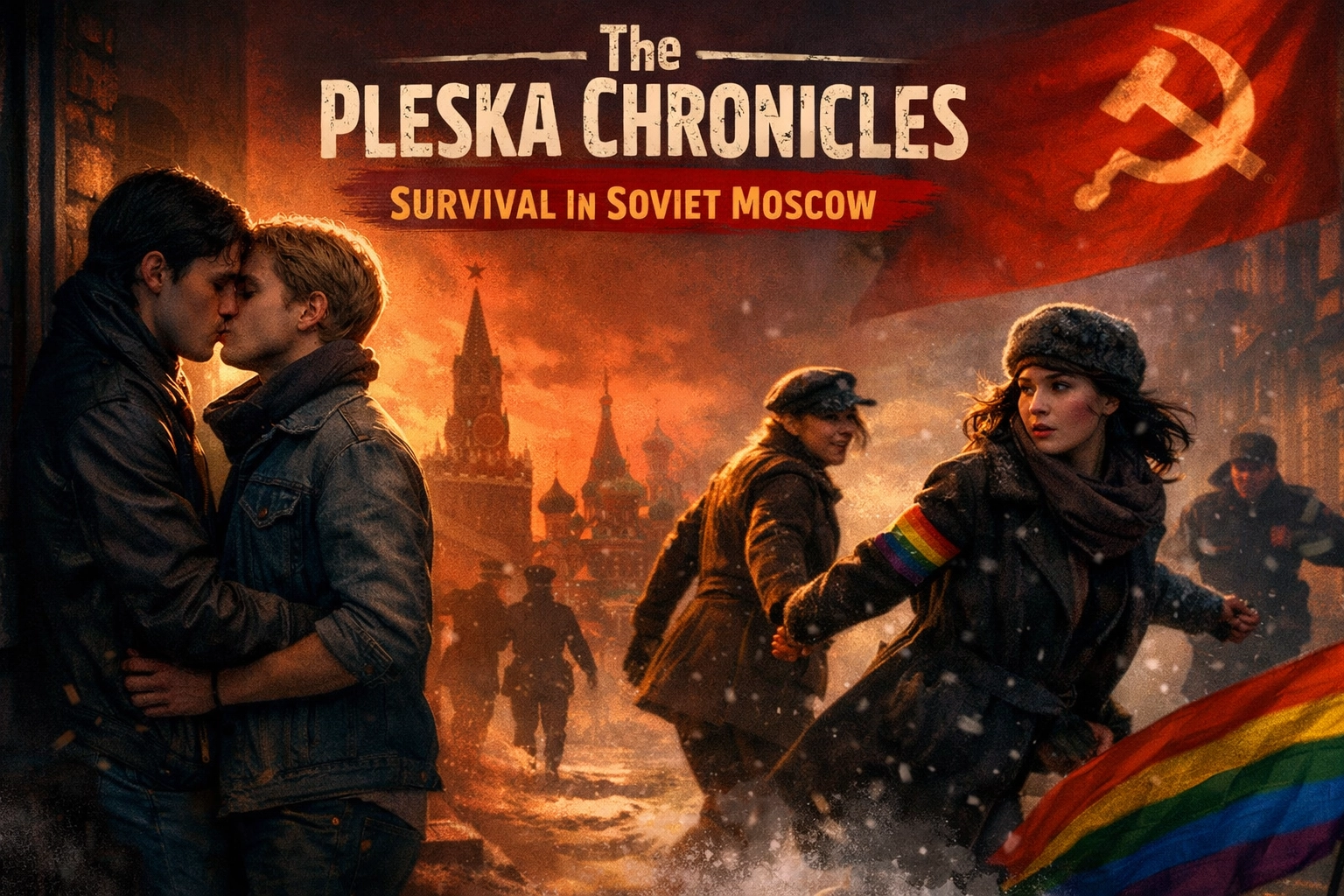
The word pleška doesn't appear in any official Soviet dictionary. You won't find it in Pravda or mentioned in Politburo meetings. Yet for decades, it was whispered in shadowed corners of Moscow and St. Petersburg: a code word for survival, for connection, for the dangerous act of simply existing as a gay man under Soviet rule.
A pleška was a cruising spot. A public toilet. A park bench. A bathhouse corner. These weren't romantic meeting places: they were sites of resistance born from desperation, where love and desire collided with the brutal reality of Article 121.
Article 121: The Law That Made Love a Crime
On December 17, 1933, Stalin's government reinstated the criminalization of male homosexuality with Article 121 of the Soviet Criminal Code. The charge was called muzhelozhstvo, literally "male-on-male intercourse": and it carried a sentence of up to five years in labor camps.
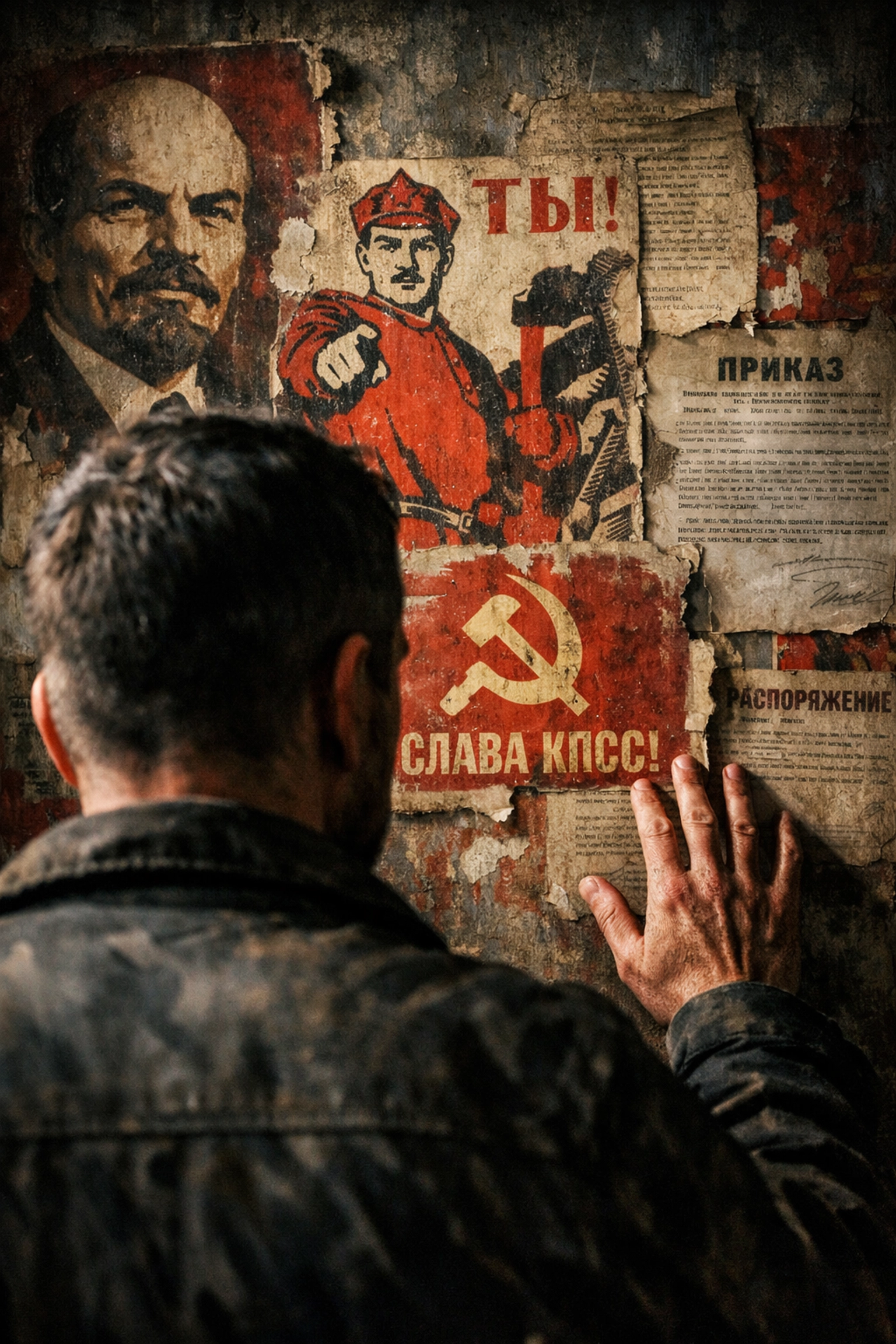
This wasn't just a law. It was a weapon. A tool of political persecution, social control, and pure terror.
Gay men weren't just criminals in the eyes of Soviet law: they were considered ideological enemies. The official narrative painted homosexuality as a "bourgeois perversion" imported from the decadent West. Never mind that same-sex love had existed in Russia for centuries. Never mind the rich queer history buried beneath layers of Orthodox Christianity and Communist propaganda.
Under Lenin, homosexuality had been briefly decriminalized between 1917 and 1933. But Stalin crushed that brief window of relative freedom with brutal efficiency. From 1934 until 1993, when Article 121 was finally repealed, thousands of men were arrested, imprisoned, and destroyed.

The Geography of Danger: Moscow's Secret Spaces
When you can't exist openly, you learn to read a city differently. For gay men in Soviet Moscow, certain spaces became known through whispered networks and dangerous trial-and-error. These were the pleškas: plural: scattered across the capital like forbidden islands in a hostile sea.
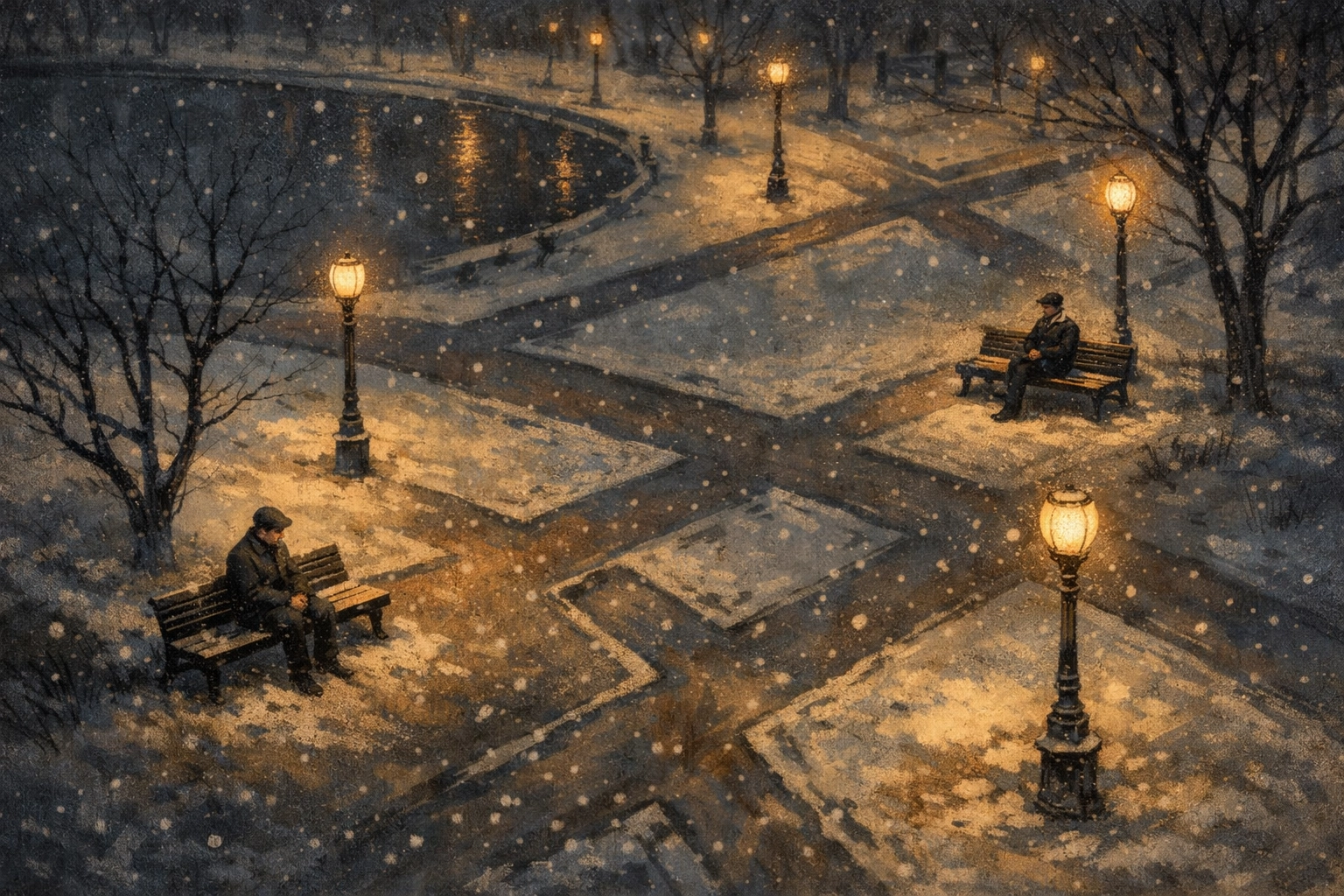
Chistye Prudy was perhaps the most famous. This historic park near the Boulevard Ring became a nocturnal meeting ground. Men would linger by specific benches, near certain trees, using coded glances and carefully timed walks to signal interest. The ballet was choreographed by necessity: too obvious and you'd be arrested; too subtle and you'd miss your only chance at connection.
Public toilets: tualets: near metro stations were equally notorious. Belorusskaya, Kurskaya, and Komsomolskaya stations all had underground conveniences that served dual purposes. These weren't romantic venues. They were grimy, dangerous, and constantly surveilled. But they were places where men could meet, exchange glances, and take calculated risks.
The Sanduny Baths, one of Moscow's oldest bathhouses, maintained a complicated reputation. While officially family-friendly, certain sections and certain hours became understood meeting times for gay men. The steam and darkness provided cover, but also made men vulnerable to police raids and violent attacks.
The Code Language of Survival
Surviving as a gay man in Soviet Russia meant becoming fluent in an invisible language. Everything was subtext. Everything was risk.
Men developed elaborate systems of signals. A certain way of standing. Holding a newspaper folded in a specific manner. The angle of a cigarette. Lingering eye contact: but not too long. Walking a particular route through a park at a specific time.
The Russian word goluboi (light blue) became coded slang for gay men, though using it openly was dangerous. Men would ask "are you a music lover?" or mention interest in "Greek culture": oblique references that meant everything to those who knew, and nothing to those who didn't.
But these codes could fail. KGB informants learned the signals too. Plain-clothes police would pose as gay men, entrap others, and make arrests. Every encounter was a gamble. Every conversation could end in a labor camp.
Famous Lives in the Shadows
Not everyone arrested under Article 121 was anonymous. The law destroyed careers, silenced voices, and erased cultural contributions.
Sergei Parajanov, the legendary Armenian-Georgian filmmaker, was arrested in 1973 on homosexuality charges (among other politically motivated accusations). His surreal, beautiful films like The Color of Pomegranates made him an international sensation, but his sexuality made him a target. He served four years in labor camps, where his health was permanently damaged.
Gennady Trifonov, a Soviet singer and performer, lived his entire career hiding his sexuality. When rumors began circulating in the 1970s, he faced constant threats of exposure and arrest. He died young, his talent constrained by the necessity of secrecy.
Countless others: poets, artists, academics, ordinary workers: lived double lives or destroyed themselves trying. Many took the path of marriage to women, living in agony to maintain appearances. Some emigrated when they could. Many simply disappeared into the Gulag system, their names forgotten.
The Violence Was Both Official and Unofficial
Police raids on pleškas were routine and brutal. Men would be beaten during arrests, publicly humiliated, and often raped in custody. Trials were swift and predetermined. Evidence was irrelevant: an accusation was enough.
But the violence didn't only come from the state. Knowing that gay men occupied a completely unprotected legal status, street thugs targeted pleškas for robberies and beatings. They knew victims couldn't report crimes without incriminating themselves.
Blackmail was epidemic. Someone who discovered your secret: a neighbor, a coworker, even a sexual partner: could threaten exposure at any moment. Pay up or face arrest. Do what we say or your family learns everything. The power dynamics were poisonous.
Some men, broken by this constant terror, became informants themselves. They'd help police identify others in exchange for leniency. The community couldn't trust itself.
Why They Kept Meeting
Given the risks, the violence, the very real possibility of years in a labor camp: why did men keep going to the pleškas?
Because humans need connection. Because desire doesn't disappear under threat of imprisonment. Because even in the most oppressive systems, people find ways to be themselves, even for stolen moments.
The pleškas weren't just about sex, though that was certainly part of it. They were about seeing yourself reflected in another person's eyes. About not being alone. About resistance through simple existence.
Every man who showed up at Chistye Prudy or descended into a metro toilet was performing an act of courage. They chose visibility: however brief and dangerous: over the slower death of complete isolation.
The Long Shadow: 1993 and Beyond
When Article 121 was finally repealed in 1993, it didn't erase decades of trauma. Thousands of men had been imprisoned. Countless lives had been destroyed. An entire generation had learned to live in fear.
Even after decriminalization, social stigma remained intense. Violence against LGBTQ+ people continued. New laws in recent years: like Russia's "gay propaganda" law: demonstrate that acceptance remains distant.
But the stories of the pleškas matter. They're part of queer history that deserves to be remembered, honored, and understood. These weren't just sordid encounters in public bathrooms: they were acts of resistance against totalitarian erasure.
The men who risked everything in Soviet Moscow's parks and metro stations weren't just looking for sex. They were insisting on their humanity in a system determined to deny it. That's worth remembering.
Explore more LGBTQ+ history and compelling queer stories at Read with Pride: where authentic voices and untold narratives find their home. Discover our collection of MM romance books, gay historical fiction, and LGBTQ+ literature that honors our complex, beautiful, and resilient community.
Follow us:
- Facebook: Read With Pride
- Instagram: @read.withpride
- X/Twitter: @Read_With_Pride
#ReadWithPride #LGBTQHistory #SovietHistory #GayHistory #QueerResistance #MMRomance #LGBTQBooks #GayLiterature #QueerStories #HistoricalLGBTQ #GayRomanceBooks #Article121 #MoscowHistory #QueerSurvival #LGBTQFiction #GayBooks #MMRomanceBooks #QueerFiction #LGBTQRights #GayRomanceNovels

Leave a Reply
You must be logged in to post a comment.