

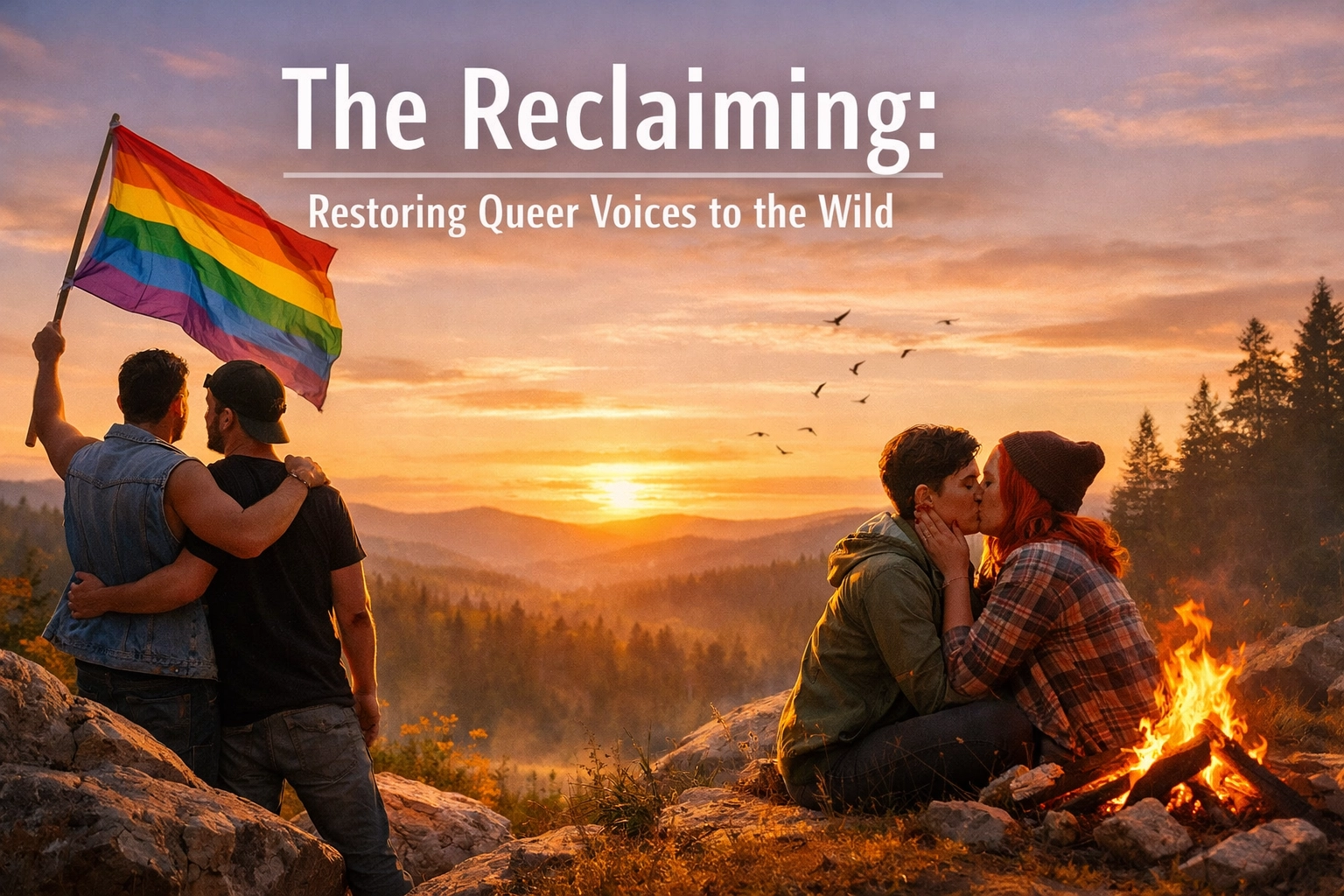
readwithpride.com
Deep in the Amazon rainforest, nestled among the Munduruku people, there exists a word that has no direct English translation: a word that describes someone who embodies both masculine and feminine energies, someone who moves between worlds. Across the Pacific Northwest, the Tlingit people have honored their "IXTáachL" for generations: individuals whose spirits transcended the binary long before "non-binary" entered mainstream vocabulary. And in the cloud forests of Papua New Guinea, the Etoro people traditionally viewed same-sex love not as deviance, but as essential to their cosmology.
These aren't fairy tales or romanticized myths. They're documented realities that colonialism tried desperately to erase: and that modern researchers and indigenous LGBTQ+ activists are now fighting to restore.
The Great Erasure
When European colonizers pushed into the world's most remote forests: from the Amazon basin to the Congo, from Borneo's interior to the isolated valleys of the Andes: they brought more than diseases and guns. They brought a very specific, very rigid understanding of gender and sexuality shaped by Victorian morality and Christian doctrine. What they found horrified them.
Indigenous communities across every forested continent had developed rich, complex understandings of human sexuality and gender that made room for what we'd now call LGBTQ+ identities. The Hijra of South Asian forests, the Muxe of Oaxaca, the fa'afafine of Samoa: these weren't marginalized outcasts. They were often spiritual leaders, healers, artists, and respected community members.
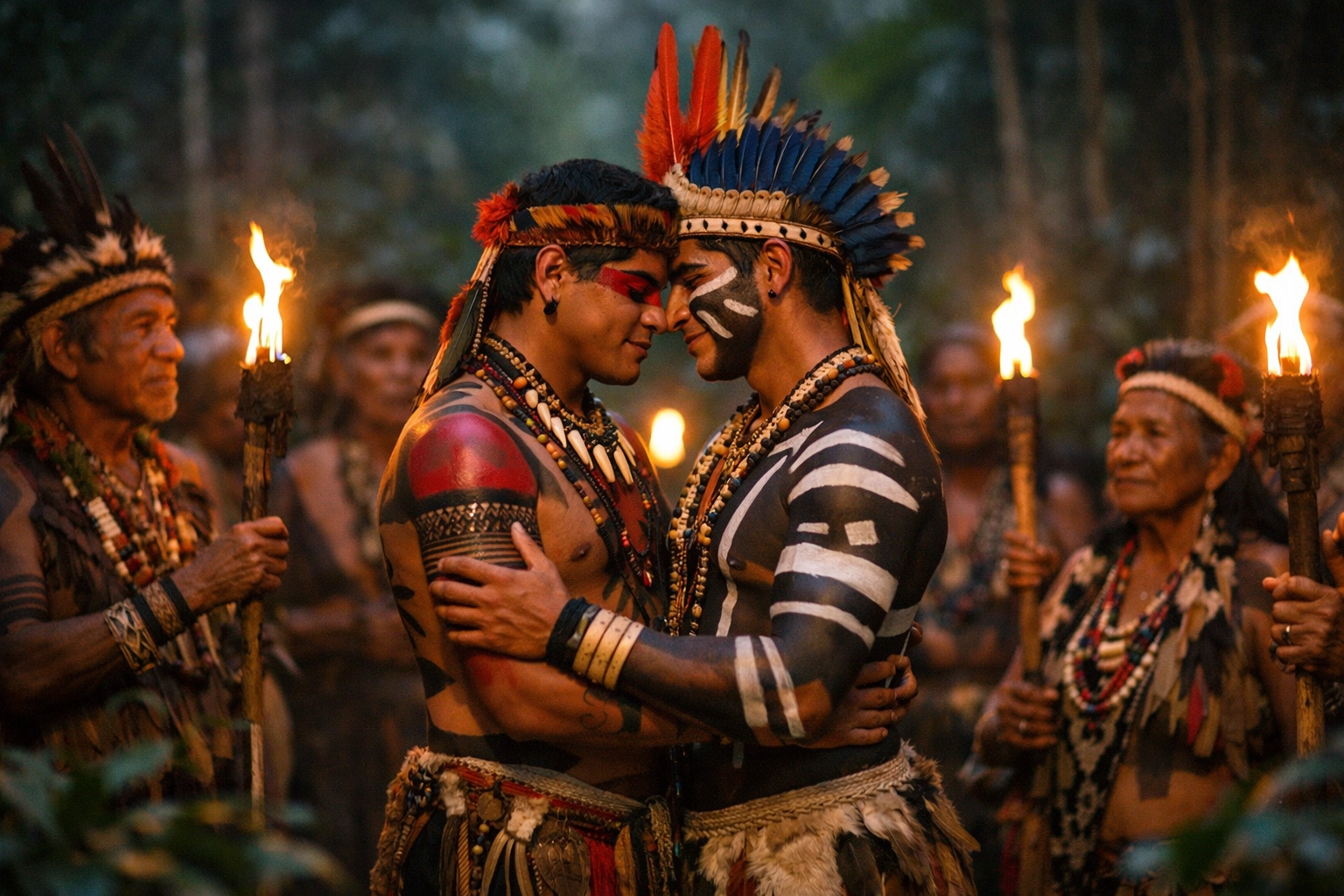
Colonial records are filled with scandalized accounts of "abominations" and "perversions" among forest peoples. Missionaries and administrators set about systematically criminalizing, punishing, and "correcting" these expressions of queerness. Indigenous languages were banned. Traditional spiritual practices were outlawed. Children were taken from their communities and forced into schools where they learned shame for who they were and where they came from.
Within a few generations, centuries of acceptance were buried under layers of imposed stigma.
What the Forest Remembers
Here's what makes this story different from the narrative many of us grew up with: queerness isn't a modern, Western invention that needs to be "tolerated" by traditional societies. The archaeological and anthropological evidence keeps piling up, and it tells a very different story.
In the Xingu region of Brazil, researchers working with the Kamayurá people documented elaborate rituals acknowledging multiple genders that date back centuries. Among the Kayapó, also in the Amazon, oral histories describe same-sex partnerships woven into the very fabric of their social structure: partnerships that were ended not by indigenous custom but by Catholic missionaries in the 1960s.
Further north, we're learning that Two-Spirit identities among Native American forest communities like the Ojibwe and Cree weren't just "accepted": they were celebrated. Two-Spirit people often served as mediators between men and women in disputes, led crucial ceremonies, and were sought out for their unique perspective. The Zuni people of the Southwest honored their lhamana, individuals assigned male at birth who took on women's roles, as gifted artists and potters.
The deeper researchers dig: both literally and figuratively: the clearer it becomes that the supposedly "natural" homophobia and transphobia we're told to expect from "traditional" cultures is actually the import, not the original product.
The Reclaimers
Today, a movement is growing in forests, villages, and cities worldwide. Indigenous LGBTQ+ activists and allied researchers are digging through colonial archives, interviewing elders, analyzing old linguistic records, and reconstructing the pre-colonial reality of queer life in forest civilizations.
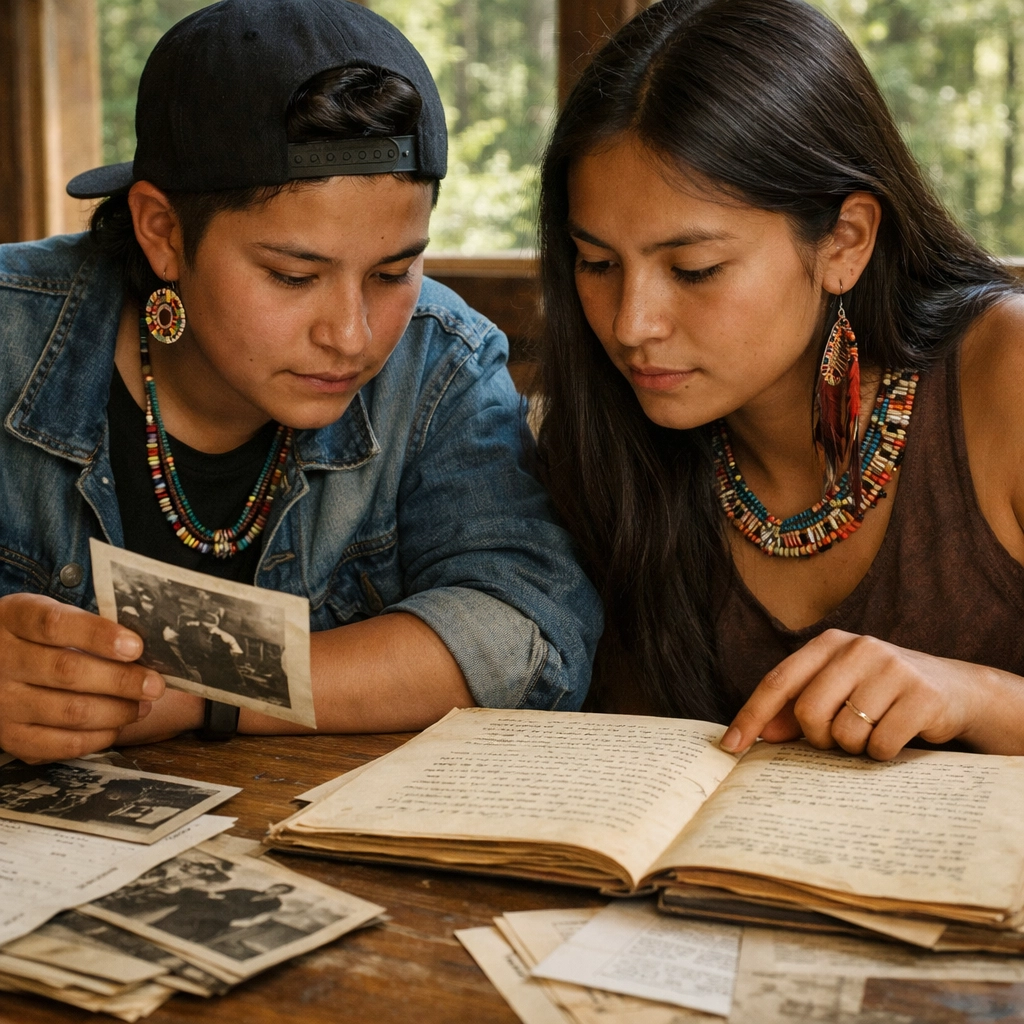
People like Dr. Qwo-Li Driskill (Cherokee), whose academic work documents Two-Spirit history and fights to reclaim indigenous queer narratives from both colonial erasure and non-indigenous appropriation. Or activists with the Brazilian organization Identidade preserving the stories of muxirum (a traditional term for same-sex attracted people) among Amazonian communities before the last elders who remember pre-missionary life pass away.
These reclaimers face a double challenge. They're fighting the legacy of colonialism that convinced their own communities that queerness is "foreign." And they're also pushing back against Western LGBTQ+ movements that want to claim their histories as validation without understanding the specific cultural contexts.
"Our ancestors weren't 'gay' or 'lesbian' in the way those terms are used now," explains an Ache activist from Paraguay (speaking on condition of anonymity due to ongoing threats). "They had their own words, their own understanding. When we reclaim our history, we're not just adding ourselves to the Western LGBTQ+ story: we're recovering entire worldviews that colonizers destroyed."
Why It Matters Now
You might wonder why ancient forest cultures matter to someone living in Manchester or Miami in 2026. Here's why: the same stigma used to justify erasing queer indigenous histories is the stigma we still face today.
When politicians claim that LGBTQ+ acceptance is "against traditional values," they're often weaponizing colonial-era myths. When religious leaders insist that same-sex love is "unnatural," they're ignoring thousands of years of human history: including the histories their own missionaries worked to erase.
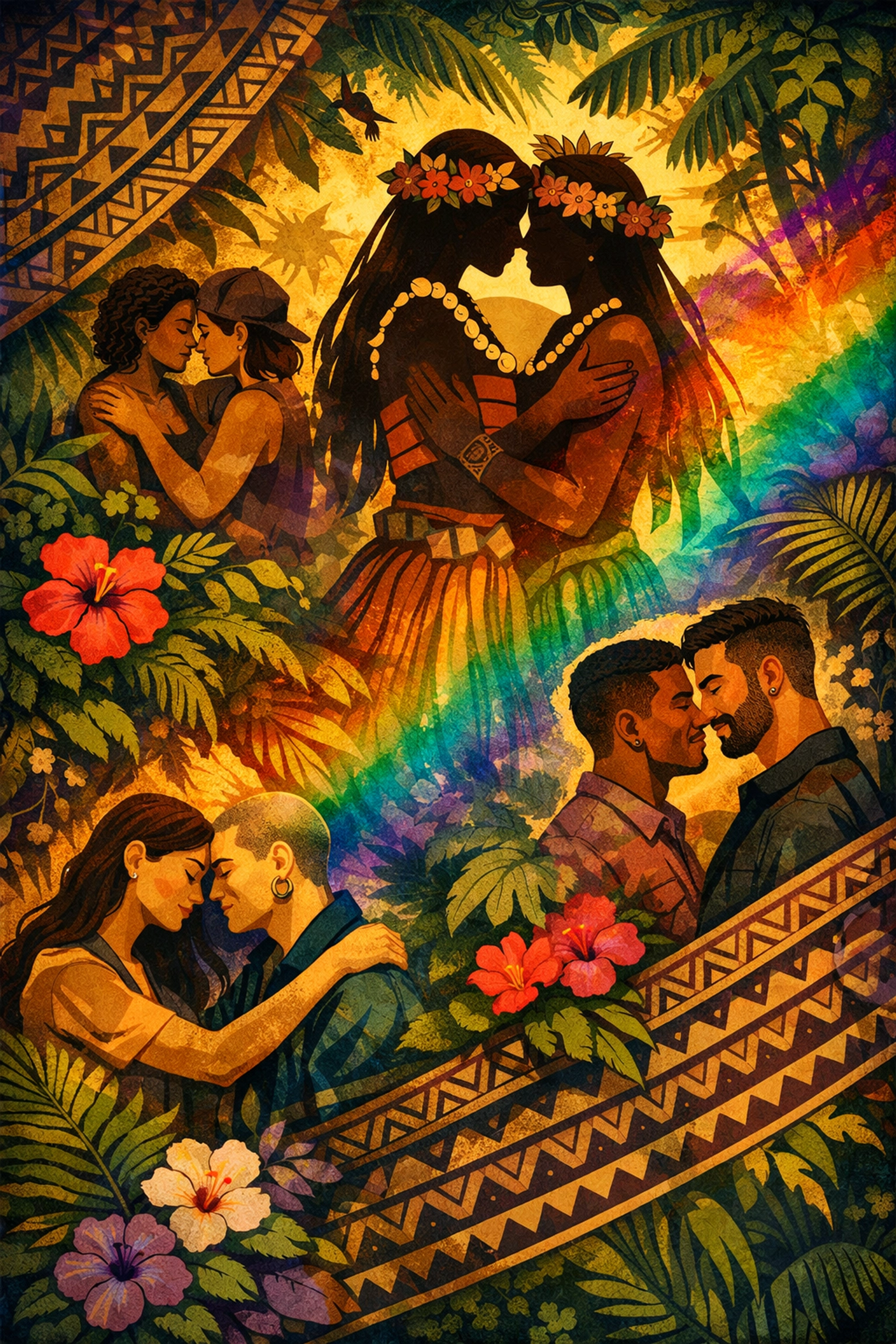
Reclaiming these stories isn't about appropriation or using indigenous cultures as shields for modern queer identity. It's about telling the truth: human sexuality and gender have always been diverse, and societies have found countless ways to honor that diversity. The idea that there's one "natural" way to be human, sexually and romantically, is the historical aberration: not the existence of people like us.
For young LGBTQ+ people struggling with shame, especially those from cultures where queerness is dismissed as "Western influence," these recovered histories can be lifesaving. They prove that your ancestors might not have seen you as broken or wrong: colonial powers just wanted you to think they did.
Reading Between the Trees
The work of recovery continues. Anthropologists are using new methods to reanalyze old data with less biased eyes. Linguists are uncovering gendered pronouns and relationship terms in dying languages that reveal complex understandings of identity. Archaeologists are reinterpreting burial sites and artifacts through a queer lens: and finding partnerships and expressions of gender variance that previous generations of researchers deliberately overlooked or explained away.
At Read with Pride, we believe these stories deserve to be told, preserved, and celebrated. The history of LGBTQ+ people doesn't begin with Stonewall or Ancient Greece: it stretches back into the deepest forests, the oldest communities, the first human societies.
Every time an indigenous LGBTQ+ activist recovers a word, documents a ritual, or shares an elder's memory, they're not just preserving the past. They're providing ammunition for the present, proof that the world has always had room for all of us: and can again.
The Path Forward
The reclamation work happening now in the Amazon, in Papua New Guinea, in the forests of Canada and the jungles of Southeast Asia isn't finished. Many languages are dying, taking their queer vocabularies with them. Elders who remember pre-colonial attitudes are passing away. Climate change threatens the physical forests where these cultures developed.
But the work continues, and it's gaining momentum. Universities are funding indigenous-led research projects. LGBTQ+ organizations are partnering with forest communities to document and share these histories. And slowly, the truth is emerging from under centuries of deliberate erasure.
We're learning that the wild was never as hostile to queer people as civilization claimed. The forests held space for us long before the cities did. And the more we uncover these truths, the harder it becomes to argue that our existence is somehow "unnatural" or "modern."
The trees remember, even when people forget. And now, finally, we're learning to listen.
Discover more stories celebrating LGBTQ+ history and culture at readwithpride.com. Follow our journey on Facebook, Instagram, and X.
#ReadWithPride #LGBTQHistory #QueerIndigenous #TwoSpirit #LGBTQBooks #QueerFiction #IndigenousLGBTQ #GayHistory #QueerStories #LGBTQCulture #MMRomance #GayRomanceBooks #QueerActivism #LGBTQPride #ReadwithPride #DecolonizeQueerHistory #ForestCivilizations #IndigenousWisdom #LGBTQRights #QueerHeritage

Leave a Reply
You must be logged in to post a comment.