

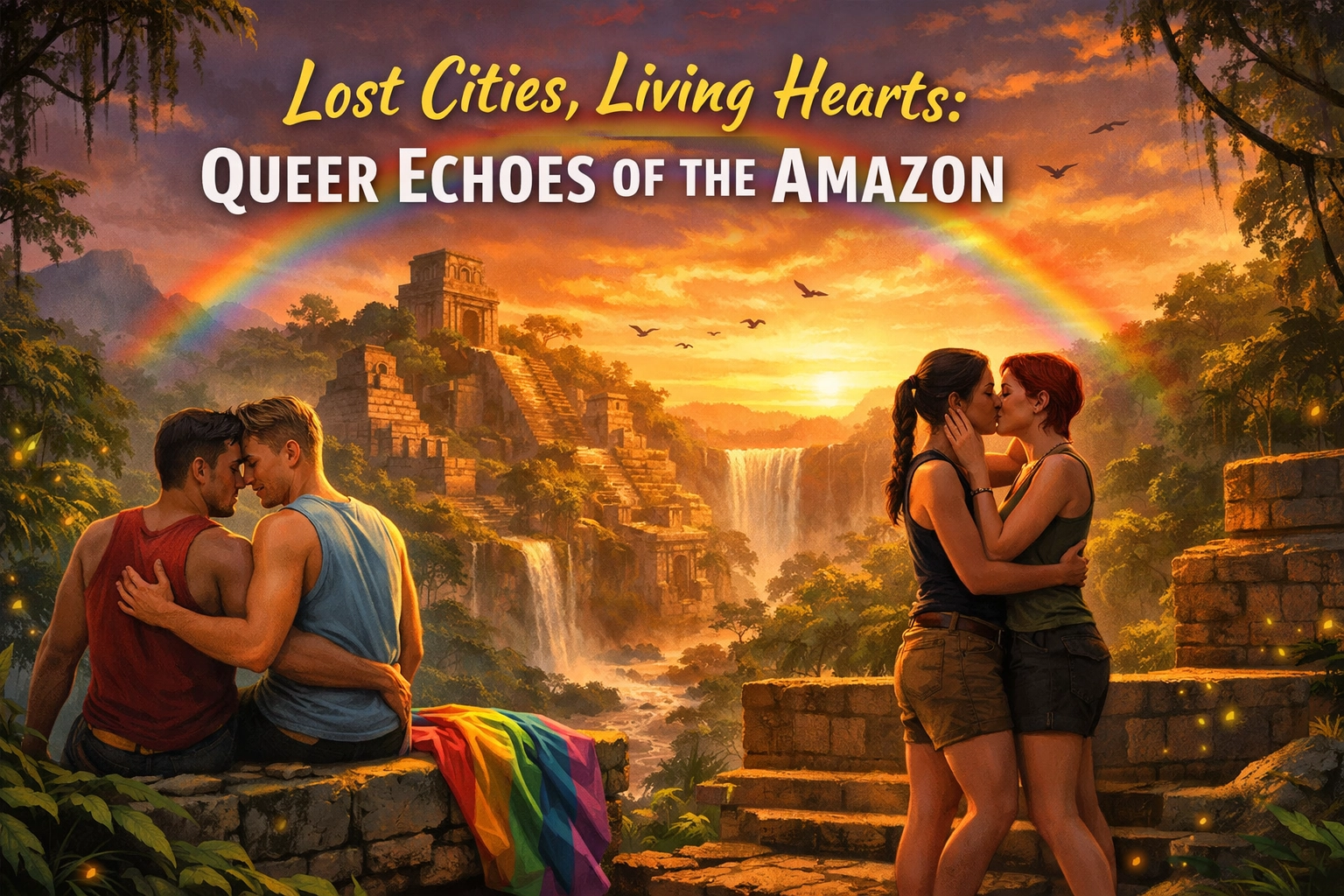
readwithpride.com
When we think about lost civilizations, we usually imagine crumbling temples and golden treasures. But what about the love stories? The partnerships that defied categorization? The gender-fluid shamans who held power in societies we're only now rediscovering?
Deep in the Amazon basin, beneath centuries of vegetation and colonial erasure, lies evidence of complex civilizations that thrived long before European contact. And within these lost cities and forest communities, there are tantalizing hints of queer lives lived openly, honored, and celebrated.
The Jungle Keeps Its Secrets (But Not Forever)
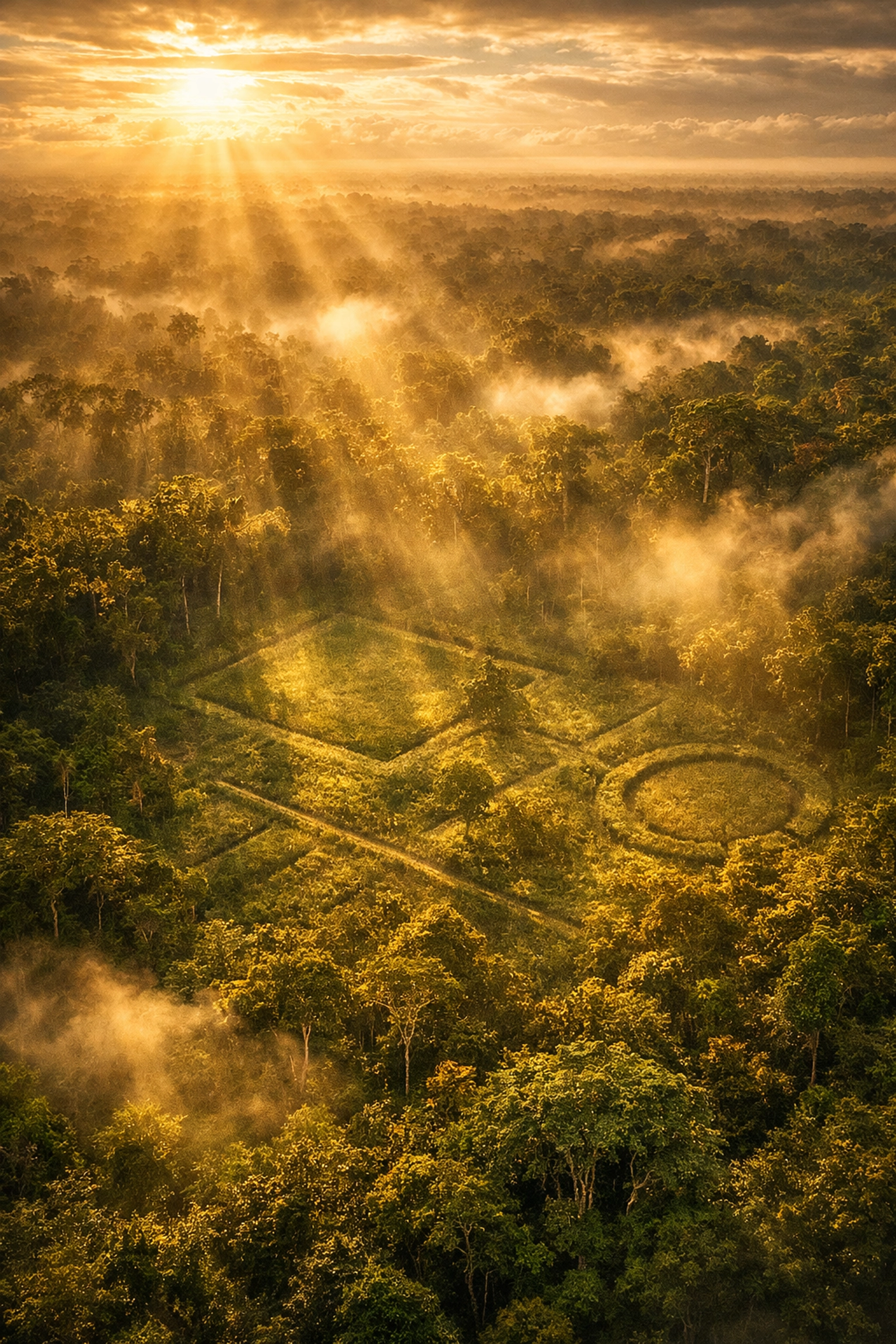
For decades, archaeologists dismissed the Amazon as too hostile for large-scale civilization. They were spectacularly wrong. Using LIDAR technology and ground-penetrating radar, researchers have uncovered vast networks of roads, plazas, and settlements hidden beneath the forest canopy. We're talking about cities that housed tens of thousands of people, with sophisticated social structures that often looked radically different from European norms.
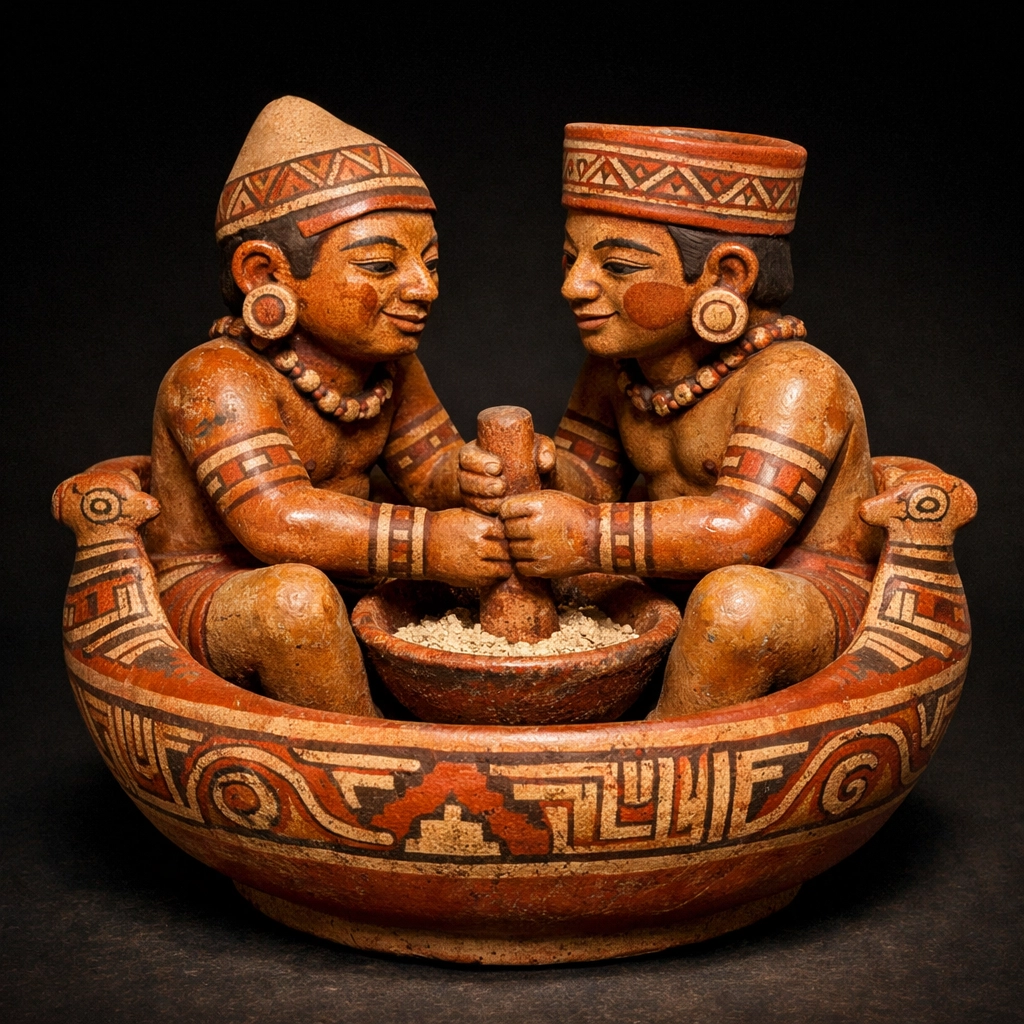
The Marajoara culture, which flourished on Marajó Island between 400-1400 CE, left behind elaborate pottery depicting human figures in various intimate poses. Some ceramic vessels show what appear to be same-sex couples in domestic settings, grinding manioc together or sharing ceremonial drinks. While Western archaeologists initially dismissed these as "ritual objects" (because apparently, everything that doesn't fit heteronormative assumptions must be "ritual"), indigenous scholars and queer archaeologists have pushed for more honest interpretations.
These weren't just decorative pieces. They were part of everyday life, suggesting that same-sex partnerships were integrated into the social fabric rather than hidden away.
More Than Two: Gender Beyond the Binary
Here's where it gets really interesting. Many Amazonian cultures had – and still have – more than two gender categories. The Shipibo-Konibo people of Peru recognize individuals who embody both masculine and feminine spirits. The Kayapó people of Brazil have long acknowledged gender-diverse members who play specific ceremonial roles.
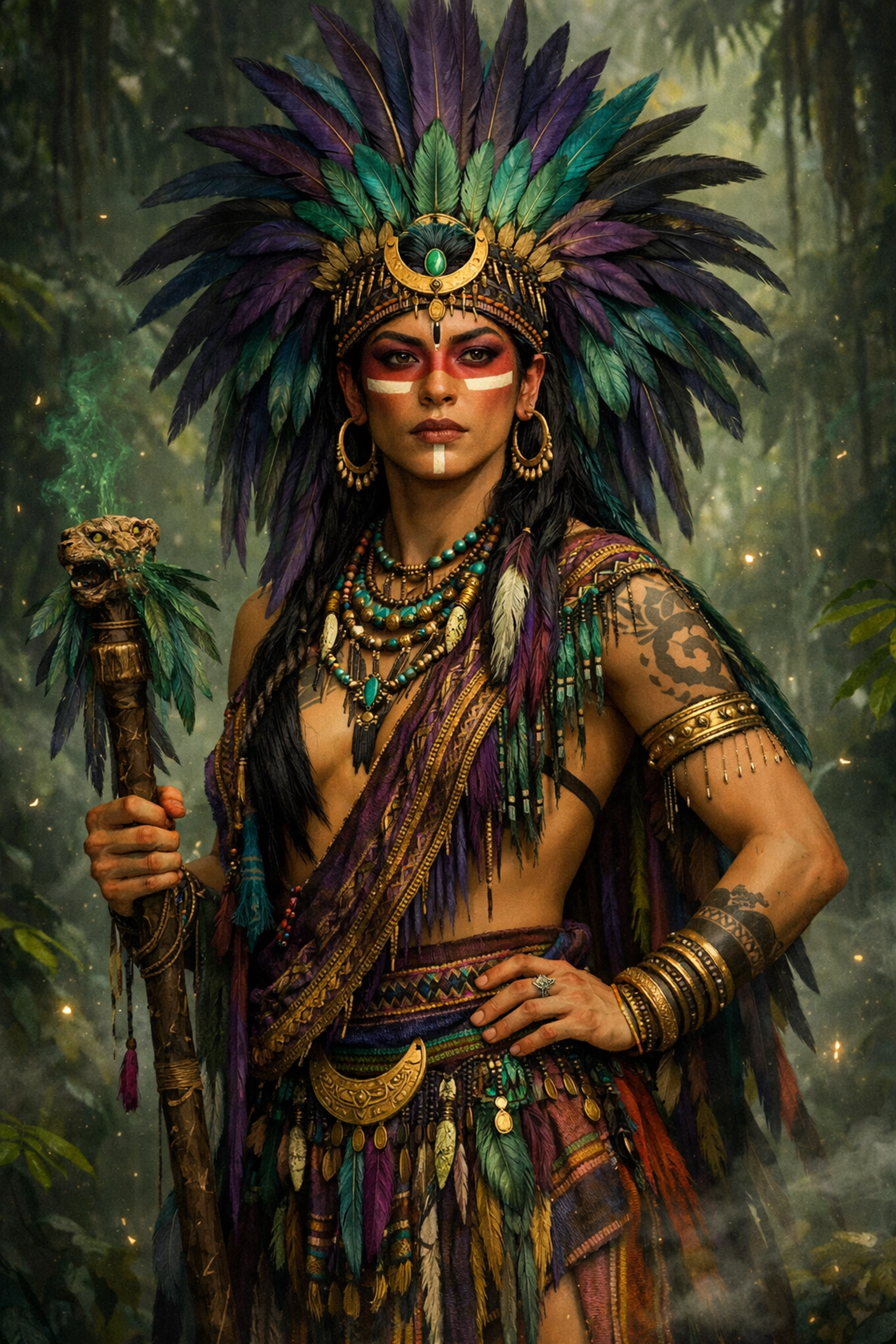
When Spanish and Portuguese colonizers arrived, they were horrified by what they saw. Their written accounts (dripping with moral panic) actually provide us with some of our best evidence. They described indigenous leaders who dressed in ways that defied European gender norms, warriors who took same-sex partners, and spiritual leaders whose power derived partly from their liminal gender status.
The irony? In trying to document the "sins" they wanted to eradicate, these colonizers accidentally preserved proof of indigenous queer lives for us to rediscover centuries later.
The Shaman's Path: Queer Spirituality in the Forest
In many Amazonian societies, spiritual leaders who embodied both masculine and feminine qualities held tremendous power. These individuals often served as intermediaries between the human and spirit worlds, precisely because they existed between traditionally defined categories.
The Yagua people of the northern Amazon had a specific role for individuals who would be considered two-spirit or gender non-conforming today. These spiritual practitioners were sought out for their healing abilities and prophetic visions. Their status wasn't just tolerated – it was revered.
Recent ethnographic work with the Matis people has revealed similar patterns. Gender-diverse individuals within the community are often given special responsibilities in ceremonies and decision-making processes. They're not outliers; they're integral to how the society functions.
Lost Cities, Living Memory
In 2022, archaeologists announced the discovery of a massive pre-Columbian urban center in the Bolivian Amazon – a network of settlements that likely housed up to 100,000 people. The society that built these cities had a complex class structure, specialized labor, and sophisticated agricultural systems.
What we're finding in the archaeological record challenges pretty much everything we thought we knew about "primitive" societies. These weren't simple hunter-gatherer groups. They were building monuments, managing forests, and creating social structures that often seemed more flexible around gender and sexuality than modern Western society.
Ceramic art from these sites includes figures that don't fit neatly into male or female categories. Body positioning, clothing, and accompanying symbols suggest a recognition of gender diversity that was woven into the culture's artistic and possibly religious expression.
The Evidence in Plain Sight
Look, we need to be honest about the limitations of archaeology. Ancient people didn't leave behind questionnaires about their sexual identities. But they left art, burial practices, and settlement patterns that tell us something about their social norms.
At sites throughout the Amazon, archaeologists have found:
- Burial sites where same-sex individuals are interred together with grave goods suggesting partnership or family bonds
- Pottery showing intimate same-sex couples in non-ritualistic contexts (yes, ancient people also just lived their lives)
- Architectural evidence of housing arrangements that don't conform to heteronormative family structures
- Figurines depicting individuals with both male and female characteristics, often in positions of authority or spiritual significance
The Yanomami people, whose territories span Venezuela and Brazil, have oral histories that include stories of shape-shifters and gender-fluid culture heroes. These aren't modern inventions; they're narratives that have been passed down for generations, pointing to a cultural continuity that predates colonial contact.
Why This Matters for Queer Fiction and LGBTQ+ History
When we talk about LGBTQ+ history, the conversation usually starts in ancient Greece or maybe Stonewall if we're feeling particularly ahistorical. But queer lives have existed in every culture, on every continent, throughout human history.
The Amazon basin represents one of the most biodiverse and culturally diverse regions on Earth. Indigenous Amazonian societies developed in relative isolation from Old World cultures, which means their acceptance of gender diversity and same-sex relationships evolved independently. This isn't about Western values being "imposed" on traditional societies – it's about recognizing that diverse gender and sexual expressions are as old as humanity itself.
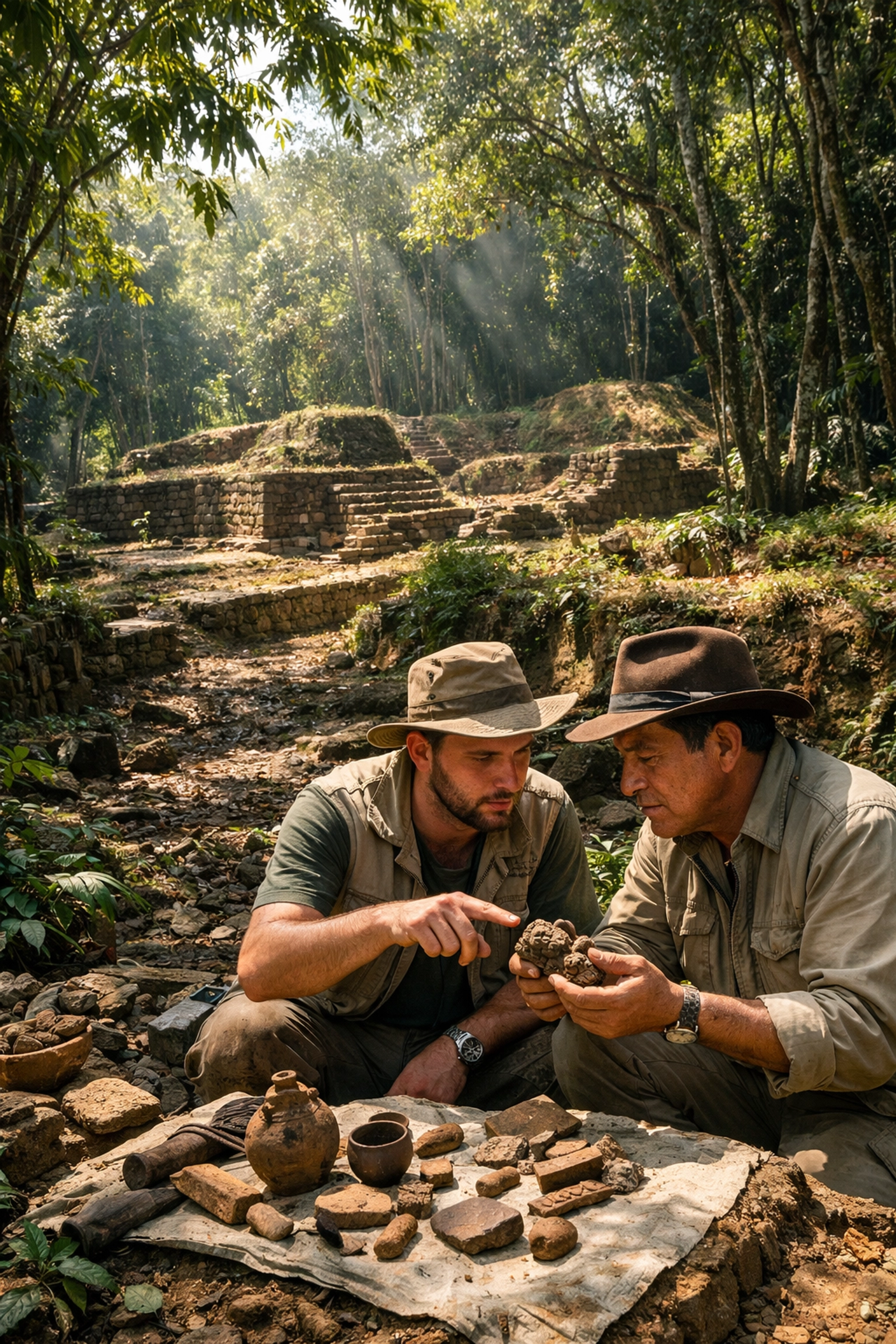
For queer readers, especially those exploring MM romance books or gay historical fiction, these stories matter. They expand our understanding of where and how queer lives have been lived. They challenge the narrative that acceptance of LGBTQ+ people is some modern Western invention.
The Colonial Catastrophe
We can't talk about lost Amazonian civilizations without addressing why they're lost. European colonization didn't just bring swords and disease – it brought a rigid gender binary and violent homophobia that didn't exist in many indigenous cultures.
Jesuit missionaries specifically targeted gender-diverse individuals and same-sex couples for "correction." Spanish conquistadors used trained dogs to attack people they deemed sexually deviant. The Portuguese colonial government systematically destroyed indigenous cultural practices, including ceremonies that honored gender diversity.
The societies didn't simply collapse. They were systematically dismantled, their populations decimated by disease and violence, their cultural practices criminalized and erased.
What we're uncovering now are fragments – tantalizing glimpses of what was lost. And it's a stark reminder that homophobia and transphobia often arrive hand-in-hand with colonization.
Modern Indigenous Voices
The most important perspective on all this comes from indigenous Amazonians themselves. In recent years, indigenous LGBTQ+ activists from Brazil, Peru, Ecuador, and Colombia have been sharing their experiences and reclaiming traditional roles that colonization tried to erase.
They're not interested in fitting into Western queer categories. They're reviving indigenous understandings of gender and sexuality that existed long before Pride flags and rainbow capitalism. And they're doing it while fighting for land rights, cultural survival, and the protection of the Amazon itself.
These aren't just historical curiosities. They're living traditions being reclaimed and celebrated by indigenous queer people today.
What We're Still Learning
Every year brings new discoveries. Ancient settlements emerge from beneath the forest floor. Anthropologists work more closely with indigenous communities to understand oral histories. Queer scholars bring new interpretations to archaeological evidence that was previously explained away.
The Amazon still holds countless secrets. There are likely dozens of major archaeological sites still waiting to be discovered. And with them, more evidence of how diverse human societies have always been when it comes to gender and sexuality.
For those of us at Read with Pride, these stories are fuel for the imagination. They're proof that queer love stories aren't new, aren't Western, and aren't going anywhere. They've been part of human civilization from the beginning, even in the most unexpected places.
The lost cities of the Amazon are being found again. And with them, we're rediscovering queer ancestors who lived, loved, and thrived in societies that made space for them.
Now that's a history worth celebrating.
Looking for more LGBTQ+ stories that challenge conventional narratives? Explore our collection of gay romance novels and MM fiction at readwithpride.com. Follow us on Instagram, Facebook, and X for daily queer history, book recommendations, and community conversations.
#ReadWithPride #LGBTQHistory #QueerHistory #MMRomance #GayRomanceBooks #QueerFiction #IndigenousLGBTQ #AmazonHistory #LostCivilizations #GayBooks #LGBTQEbooks #QueerArchaeology #TwoSpirit #GenderDiversity #LGBTQLiterature #GayFiction #QueerAuthors #HistoricalLGBTQ #MMBooks #GayRomance2026

Leave a Reply
You must be logged in to post a comment.