

readwithpride.com
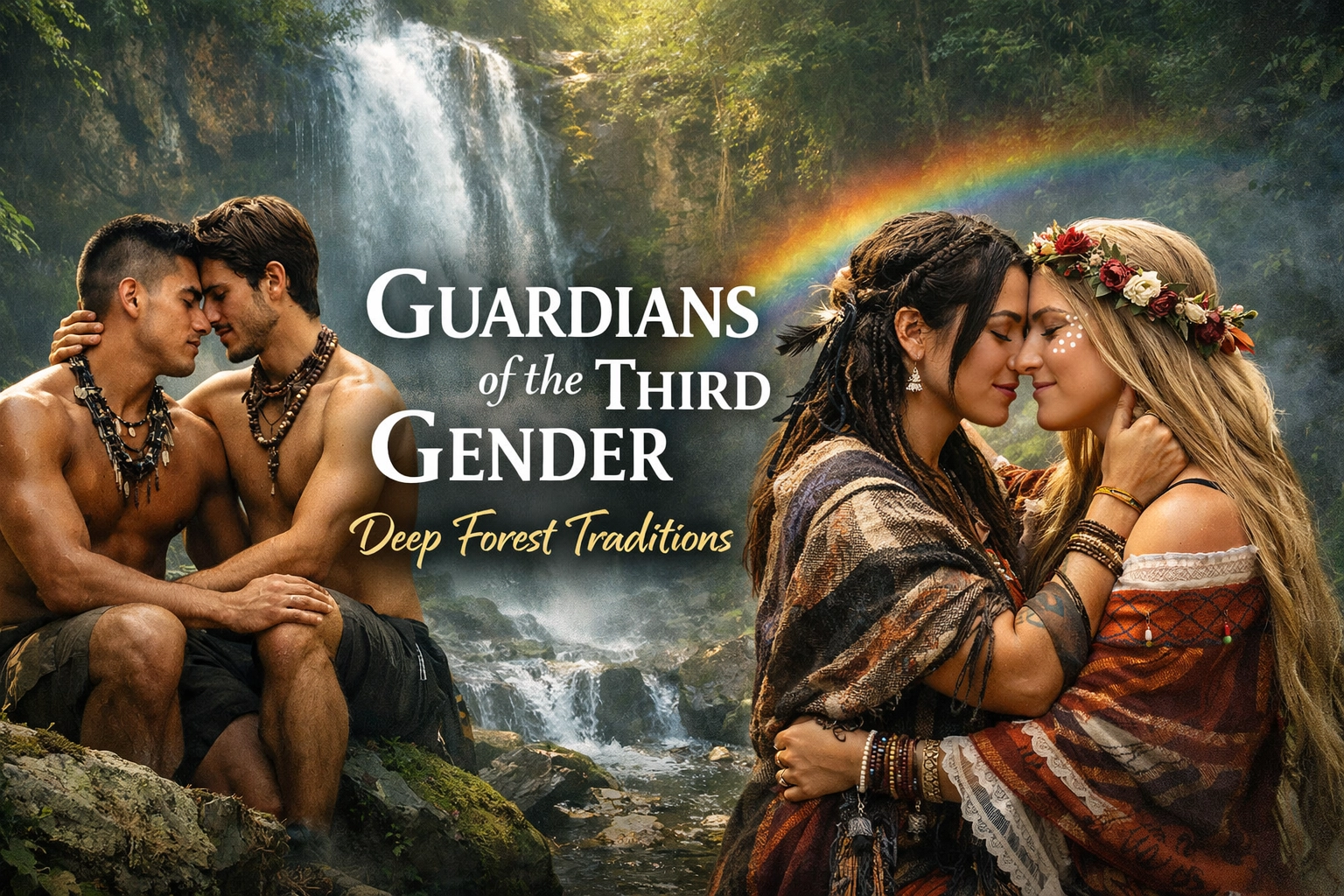
Long before Western society started having conversations about gender identity, Indigenous communities across Central and South America already had it figured out. Deep in the forests and remote villages where ancient traditions still pulse with life, third gender individuals weren't just accepted: they were revered as spiritual guides, healers, and essential pillars of their communities.
Today, we're diving into the hidden world of these guardians, exploring traditions that have survived centuries of colonization, Christianity, and cultural erasure. Spoiler alert: these stories will make you rethink everything you thought you knew about gender.
The Muxe: Oaxaca's Third Gender Legacy
In the lush valleys of Oaxaca, Mexico, the Zapotec people have maintained one of the most beautiful gender traditions in the Americas. The muxe (pronounced "moo-shay") are individuals assigned male at birth who embody both masculine and feminine qualities, occupying a distinct third gender category that's been recognized for centuries.
Unlike the binary thinking that colonizers brought with them, the Zapotec worldview sees muxe as blessed, not broken. In towns like Juchitán, muxe are considered good luck, often taking on specialized roles as artists, caregivers, small business owners, and keepers of cultural knowledge. Families with a muxe child often feel fortunate, believing they'll be taken care of in old age with particular devotion.
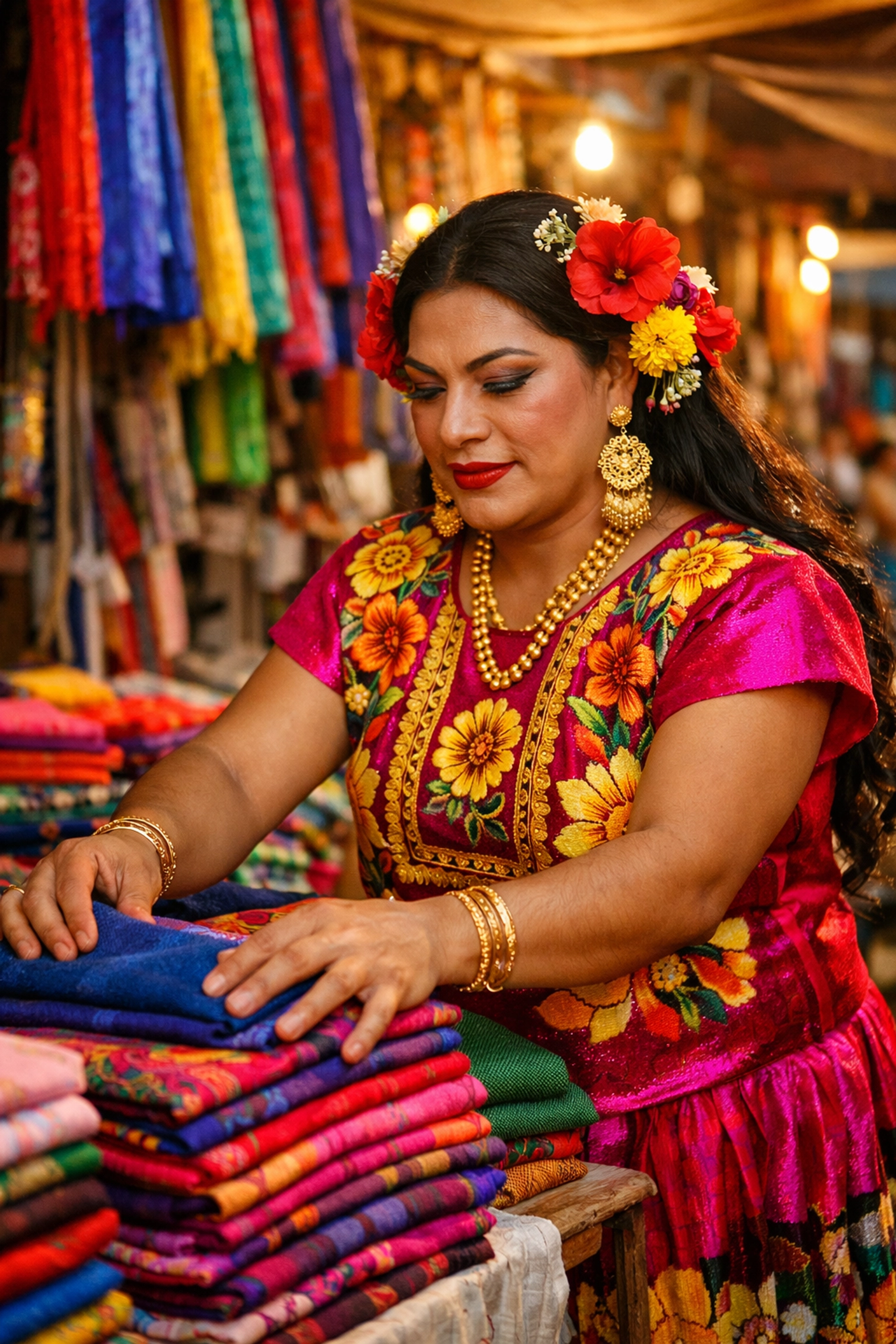
What's fascinating is how this tradition has persisted despite intense pressure to conform to Western gender norms. The muxe identity isn't about transitioning from one gender to another: it's about existing in a space that honors complexity, fluidity, and cultural specificity. They're not men trying to be women; they're muxe, full stop.
Forest Guardians and Shamanic Power
When we venture deeper into the Amazon basin and the cloud forests of the Andes, we encounter even more ancient traditions. The Inca recognized the quariwarmi, literally "men-women": as shamanic figures who mediated between different realms of existence. These individuals weren't just gender-variant; they were considered spiritually powerful precisely because of their ability to embody multiple aspects of creation.
In Andean cosmology, duality and balance are everything. The quariwarmi represented the androgynous creative force that existed before the world split into binary categories. They performed essential rituals during planting and harvest seasons, blessed unions, and served as intermediaries between the human and spiritual worlds. Their presence wasn't tolerated: it was required for the community to thrive.
Similar patterns appear among various Amazonian peoples. Third gender shamans often lived on the edges of villages, closer to the forest, where they gathered medicinal plants and communed with spirits. Their liminal gender status made them ideal bridges between the civilized and the wild, the known and the mysterious.
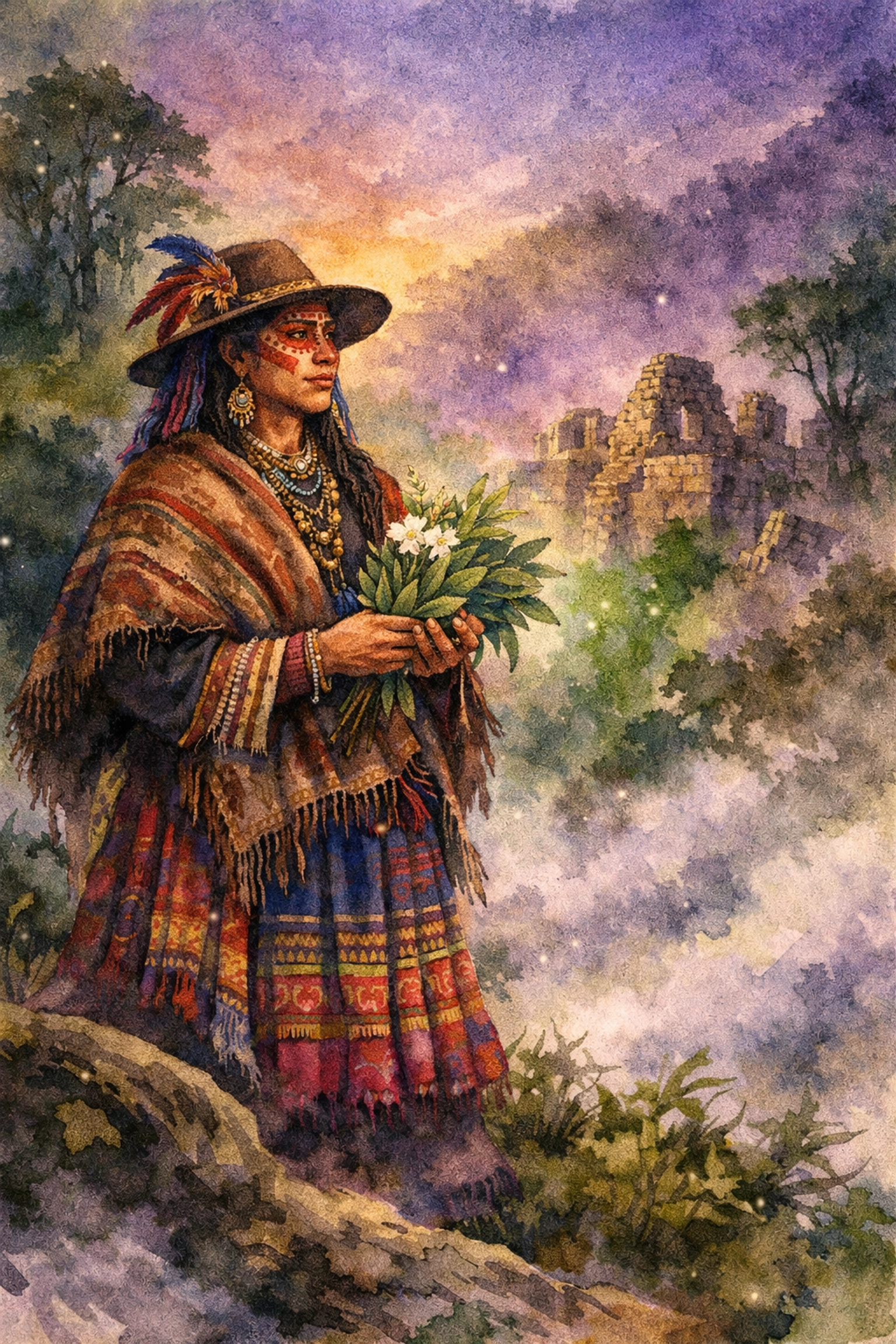
These weren't just symbolic roles. Historical accounts describe third gender healers with encyclopedic knowledge of forest pharmacology, individuals who could identify hundreds of plant species by touch in complete darkness. Their different way of seeing the world: unbound by rigid categories: translated into different ways of understanding nature itself.
The Spiritual Architecture of Third Gender
What links these traditions across diverse cultures is the recognition that gender diversity serves a cosmic purpose. In forest-adjacent communities throughout Central and South America, third gender individuals were seen as evidence of nature's abundance, not its errors.
The logic is beautiful in its simplicity: if nature creates diversity in everything: plants, animals, weather patterns: why would human gender be the one thing that's rigidly binary? The forest teaches that survival depends on variation, that monocultures die while diverse ecosystems thrive.
This ecological understanding of gender went hand-in-hand with spiritual roles. Third gender people often served as:
Ritual specialists who prepared sacred spaces and performed ceremonies that required both masculine and feminine energies.
Dream interpreters who could navigate the fluid logic of the unconscious mind precisely because they weren't locked into binary thinking.
Mediators in community disputes, able to see multiple perspectives without defaulting to gendered assumptions about who's right or wrong.
Textile artists and craftspeople who combined supposedly "masculine" and "feminine" skills to create work that held deeper meaning and power.
When Two Worlds Collided
The arrival of Spanish colonizers brought violence not just to bodies but to entire systems of understanding gender and sexuality. Catholic missionaries viewed third gender traditions as evidence of demonic influence, something to be stamped out through conversion, punishment, and re-education.
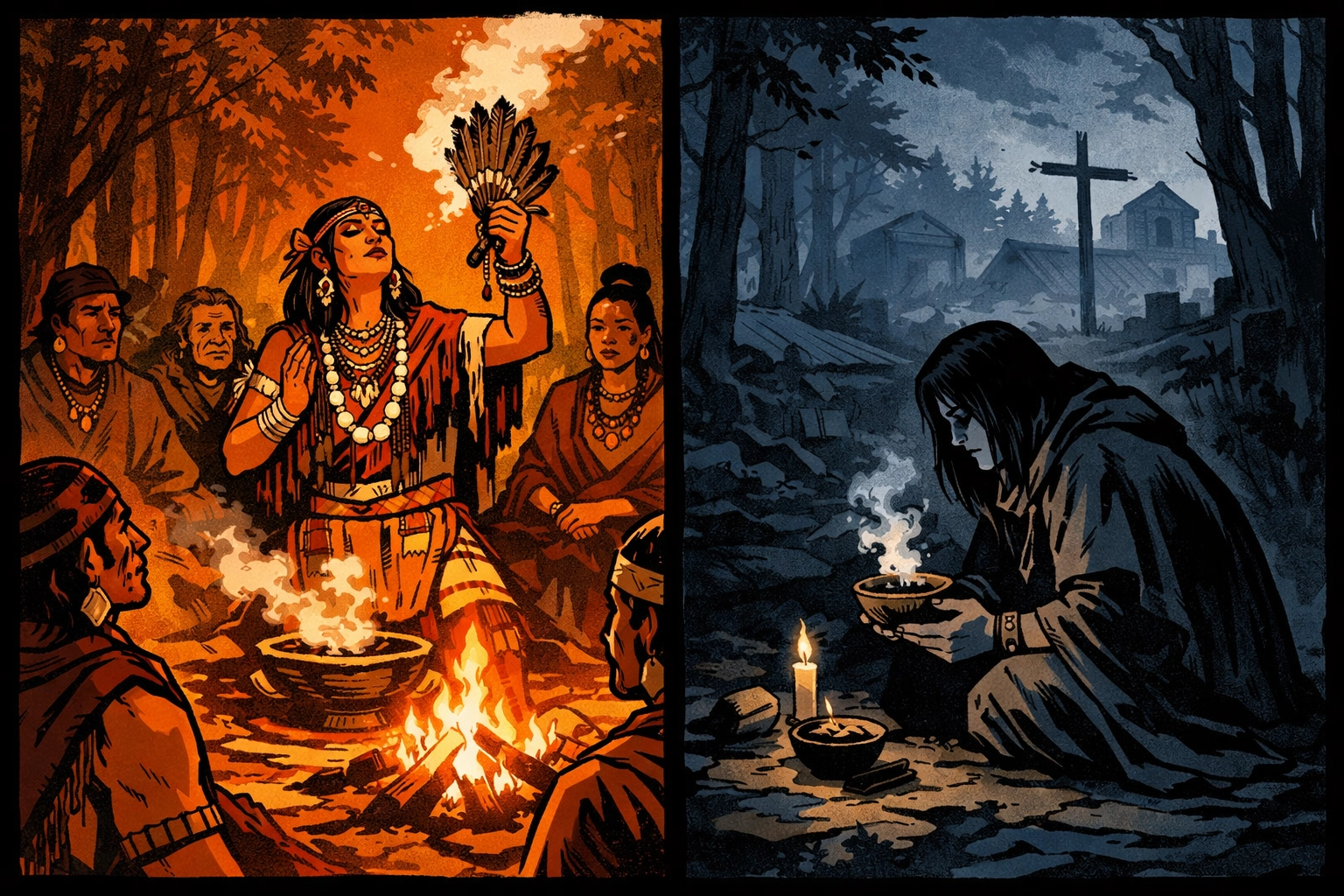
Countless records were destroyed. Languages were suppressed. Children were taken from families and sent to schools where they were beaten for expressing anything other than rigid gender conformity. The systematic erasure was so thorough that many Indigenous communities today have only fragments of what once was a complete worldview.
But here's the thing about forest traditions: they're resilient. They go underground when they need to, hiding in plain sight, passed down through whispers and demonstrations rather than written records. The muxe survived. Elements of quariwarmi practice persisted in remote Andean villages. The knowledge didn't die; it just got quieter.
Modern Renaissance and Reclamation
Something remarkable is happening now. As global conversations about gender diversity have expanded, Indigenous communities are reclaiming and celebrating their traditional third gender roles with new visibility. The muxe of Oaxaca hold annual velas: massive celebrations featuring beauty pageants, traditional music, and public affirmations of muxe identity.
Younger generations are researching, documenting, and reviving practices that were nearly lost. Social media has allowed isolated communities to connect, sharing stories and traditions across distances that once separated them. International LGBTQ+ activists are learning that their fight for recognition stands on Indigenous shoulders, built on frameworks that are centuries older than Stonewall.
This isn't about romanticizing the past or claiming some cultures are "better" than others. It's about recognizing that gender diversity is a human universal that's been handled in radically different ways. The forest traditions of Central and South America offer us models where third gender people weren't fighting for scraps of acceptance: they were integral to the social fabric.
What the Forest Still Teaches
These stories matter beyond their historical interest. They challenge us to imagine different futures by remembering different pasts. When we read gay romance books or explore LGBTQ+ fiction, we're participating in a tradition of storytelling that validates diverse experiences of gender and love. But those traditions didn't start with us, and they won't end with us either.
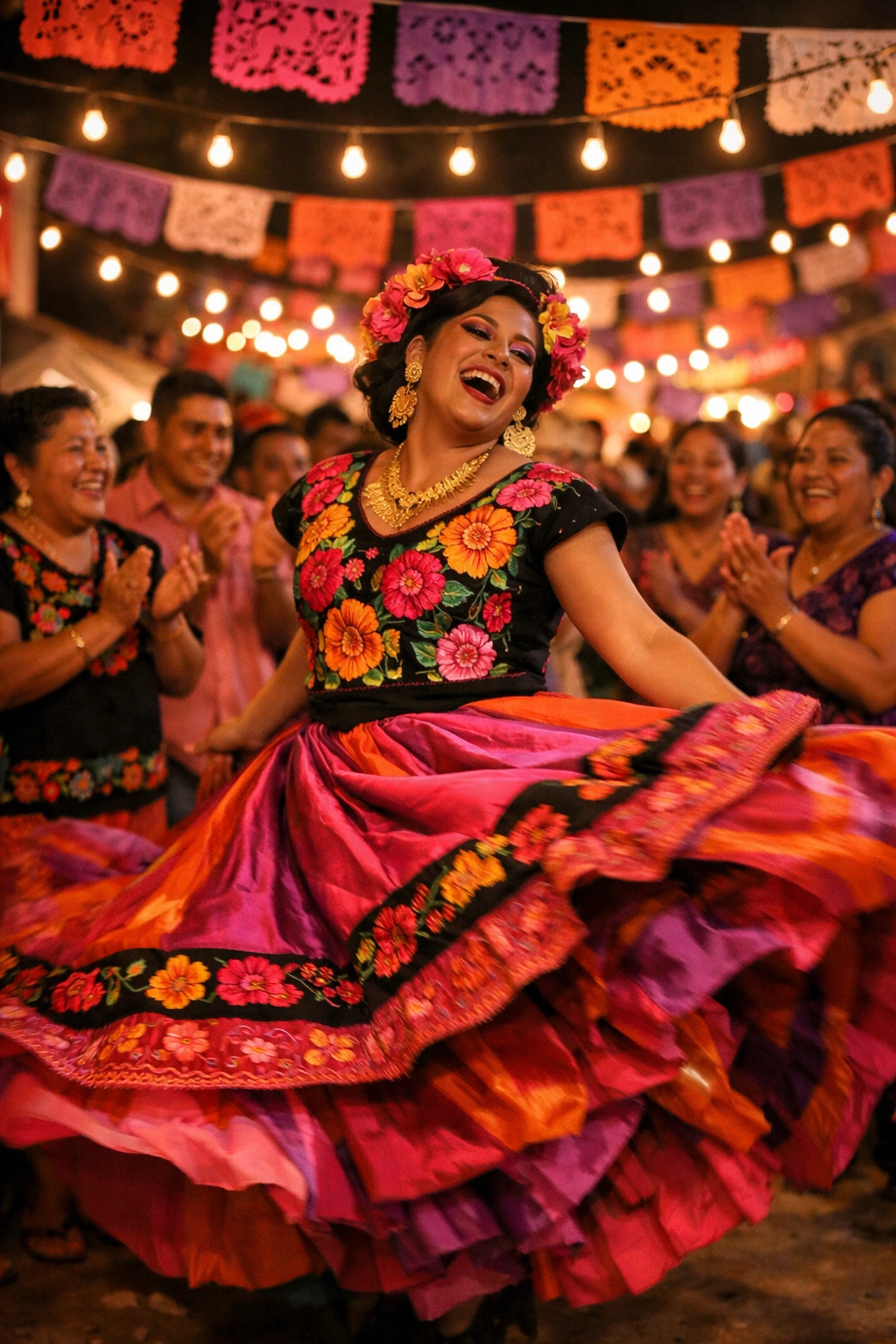
The forest guardians remind us that gender diversity isn't a modern invention or Western phenomenon. It's woven into the human story across continents and centuries. Every MM romance we read, every piece of queer fiction we celebrate at Read with Pride, stands on foundations built by people who lived their truths long before we had language for concepts like "LGBTQ+."
The muxe still walk the markets of Juchitán. Descendants of the quariwarmi still perform rituals in Andean villages. The knowledge systems that honored them survive in fragments, seeds waiting for the right conditions to flourish again. And maybe, just maybe, as we fight for recognition and rights in our own communities, we can learn something from those who understood centuries ago that diversity isn't a threat: it's the source of life itself.
Discover more stories celebrating LGBTQ+ history and culture at readwithpride.com. Follow us for more authentic queer narratives:
📘 Facebook: Read With Pride
🐦 X/Twitter: @Read_With_Pride
📸 Instagram: @read.withpride
#ReadWithPride #LGBTQHistory #ThirdGender #Muxe #IndigenousLGBTQ #QueerHistory #GenderDiversity #MMRomance #LGBTQFiction #QueerFiction #GayBooks #LGBTQCulture #GayRomanceBooks #QueerStories #PrideHistory #IndigenousTraditions #GenderFluidity #LGBTQRights #QueerCommunity #AuthenticPride

Leave a Reply
You must be logged in to post a comment.