

readwithpride.com
Here's a question that might make you uncomfortable: What if everything you think you know about sexual orientation is actually just… cultural baggage?
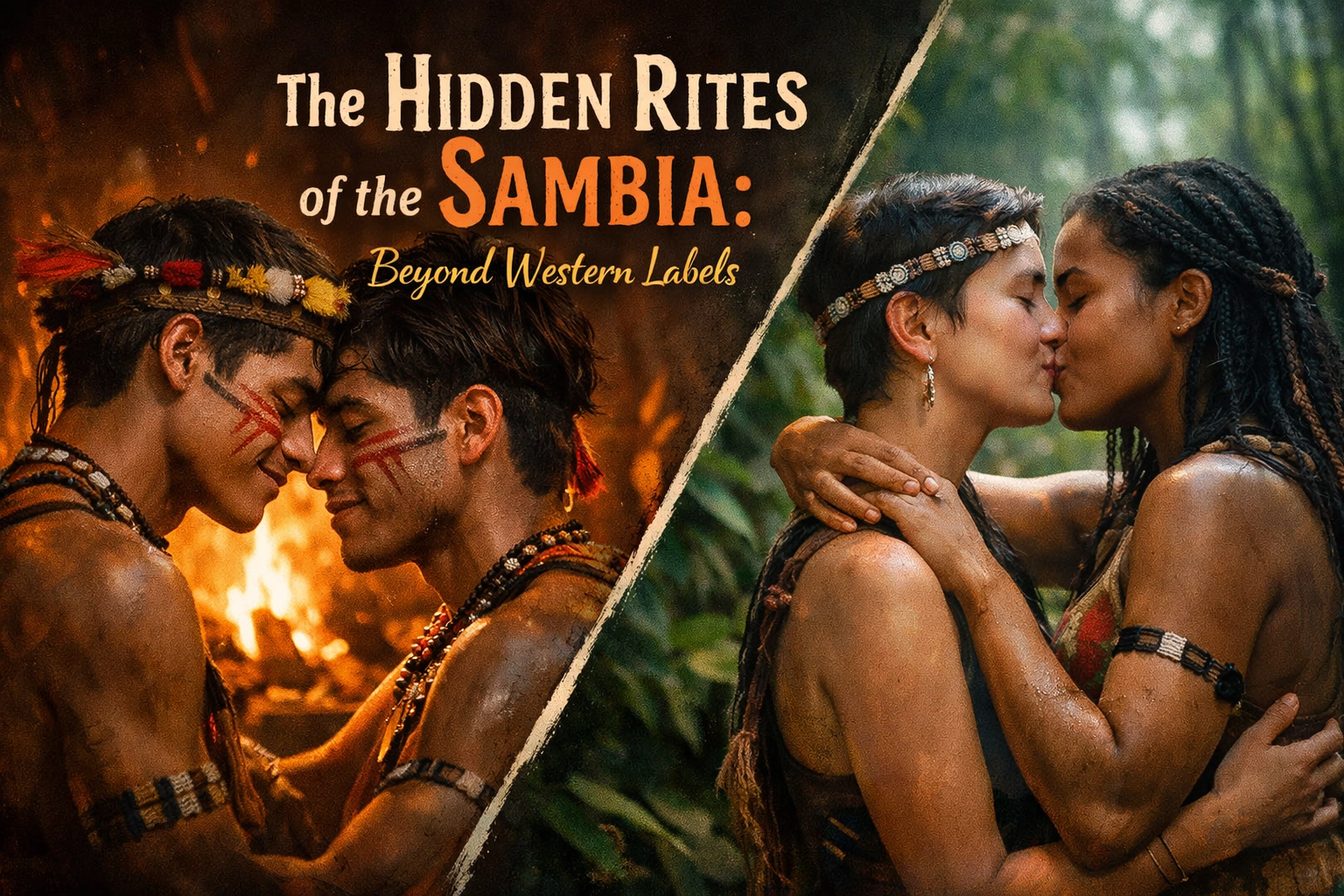
Before you close this tab, hear me out. Deep in the Eastern Highlands of Papua New Guinea, there's a people called the Sambia who've been challenging Western assumptions about sexuality for thousands of years. Their story isn't just fascinating anthropology: it's a mirror held up to our own rigid categories of gay, straight, and everything in between.
And honestly? That mirror shows some cracks in how we think about identity.
Who Are the Sambia?
The Sambia are a mountain-dwelling indigenous group living in some of Papua New Guinea's most remote regions. For centuries, they've practiced initiation rites that have baffled, scandalized, and fascinated Western anthropologists since their "discovery" in the 1970s.
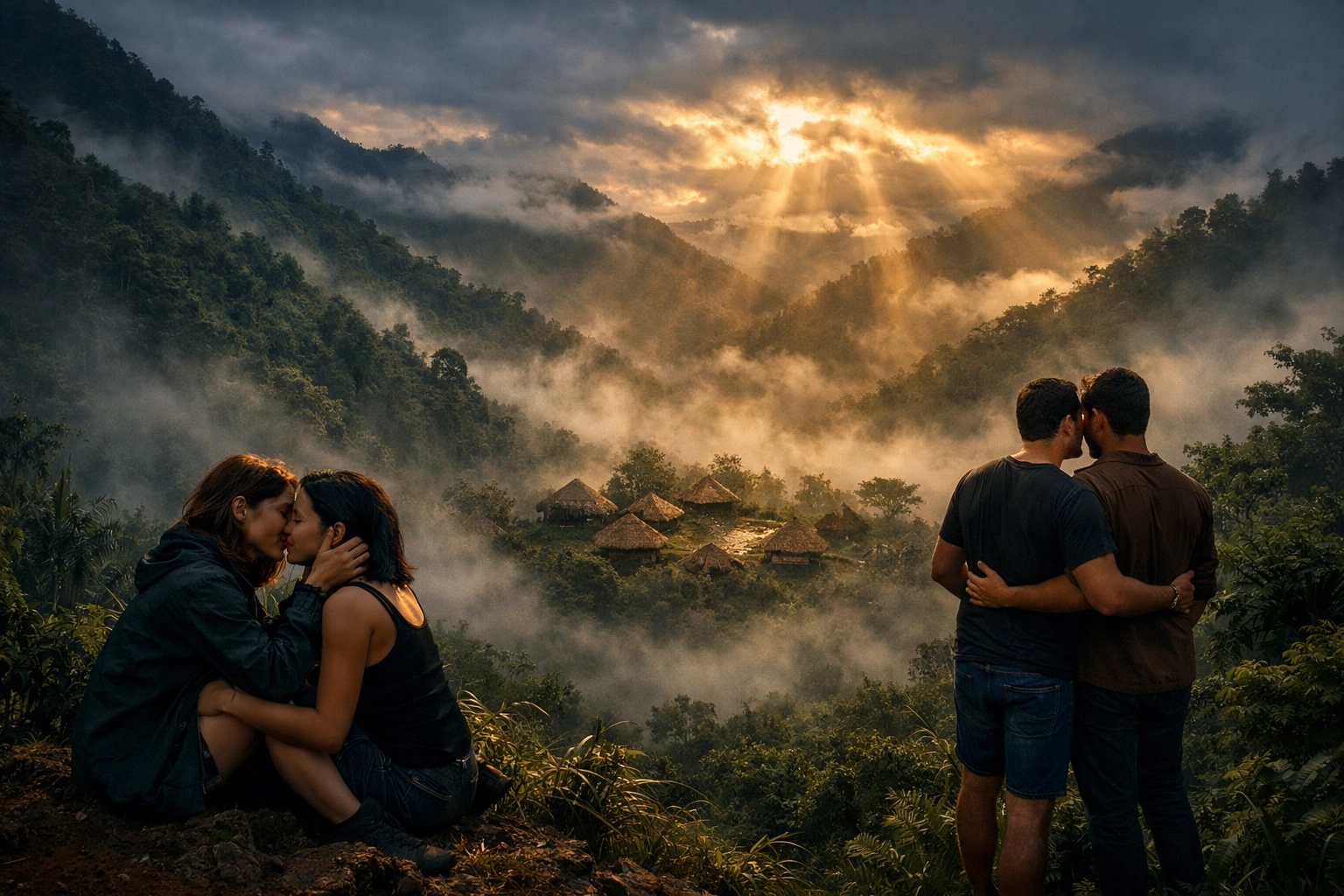
But here's the thing: the Sambia weren't waiting to be discovered. They've been living their truth for generations, with a complex understanding of masculinity, gender development, and human sexuality that doesn't fit neatly into the boxes we've created in the West.
Their rituals involve practices that, if described through a Western lens, would immediately be labeled as "homosexual activity." But that label? It completely misses the point of what's actually happening: and why.
The Rituals That Challenge Everything
Let's get into it. Sambia boys, starting between ages 6-10, undergo a multi-stage initiation process lasting 10-15 years. This isn't a weekend camping trip. It's a profound transformation from childhood to warrior manhood, involving rituals that include nose-bleeding ceremonies and ritualized oral sex with older initiated males.
I know what you're thinking. But stay with me.
The Sambia believe that boys are born without something called jurungdu: a vital masculine substance concentrated in semen. According to their cosmology, boys need to ingest this substance regularly during their developmental years to acquire the strength, bravery, stature, and warrior qualities necessary to survive in their harsh mountain environment.
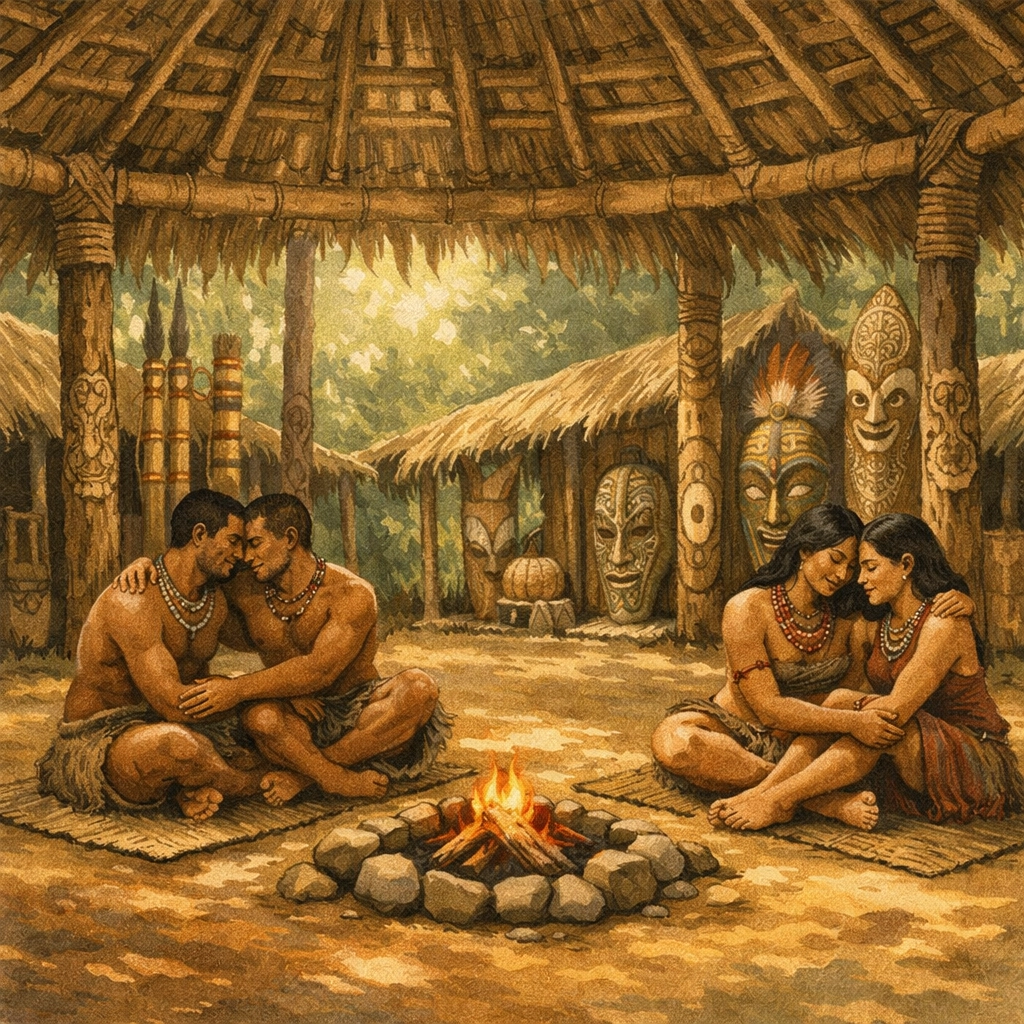
The initiation follows a clear progression: younger boys receive semen from older bachelors who've already developed their masculine strength. As the younger boys mature and advance through initiation stages, they transition to becoming donors for the next generation of initiates. Then, when they complete their initiation and marry women, they switch exclusively to heterosexual relationships and father children.
The nose-bleeding ritual serves as a complementary practice: a test of pain endurance and warrior fortitude. Blood symbolizes strength in Sambia culture, and the ability to withstand this painful procedure marks a boy's readiness to advance.
The Problem With Our Labels
Here's where Western anthropology has historically fumbled the ball.
When Gilbert Herdt, an American anthropologist, spent over 20 years studying the Sambia starting in the 1970s, he initially described these practices using terms like "ritualized homosexuality." But even Herdt eventually recognized that imposing Western sexual categories onto Sambia culture was like trying to translate poetry with a calculator: technically possible, but you lose everything that matters.
The Sambia don't have a word for "homosexual" or "gay" in their language. They don't conceive of these ritual practices as expressing a sexual orientation at all. Instead, they understand them as a necessary developmental stage: like puberty or learning to hunt: that all males must pass through to become proper men and husbands.
Once initiated men marry, they don't continue same-sex practices. They don't identify as bisexual. They don't experience an orientation crisis. They simply move into the next life stage, as naturally as we might move from high school to college.
To them, calling these practices "homosexual" would be as bizarre as calling breastfeeding a "fetish" or describing childhood as a "sexual orientation." It's a category error of massive proportions.
The Scholarly Controversy
Of course, nothing in anthropology is uncontested. Herdt's work has faced significant criticism, particularly around questions of consent and interpretation.
Some scholars have argued that characterizing boys' participation as driven by erotic desire overlooks potential coercion. They point out that child victims of sexual abuse often appear to be willing or even enthusiastic participants in situations where they're being manipulated. These critics suggest Herdt didn't adequately examine non-sexual motivations for ritual participation: like social pressure, fear of exclusion, or desire for status advancement.
It's a valid concern. The power dynamics are undeniable. Older males hold authority over younger initiates in a highly hierarchical warrior culture. Can true consent exist in such a framework?
But here's where it gets complicated: applying Western frameworks of consent, trauma, and abuse to non-Western cultures carries its own risks. Are we respecting Sambia self-determination, or are we imposing our values while claiming to protect them?
There's no easy answer. What's clear is that the Sambia themselves don't describe their experiences through a trauma framework. Most initiated men report pride in having completed the rites and having successfully transitioned to married life.
What This Means for How We Think About Sexuality
So why does any of this matter to us: queer readers exploring LGBTQ+ fiction and gay romance novels in 2026?
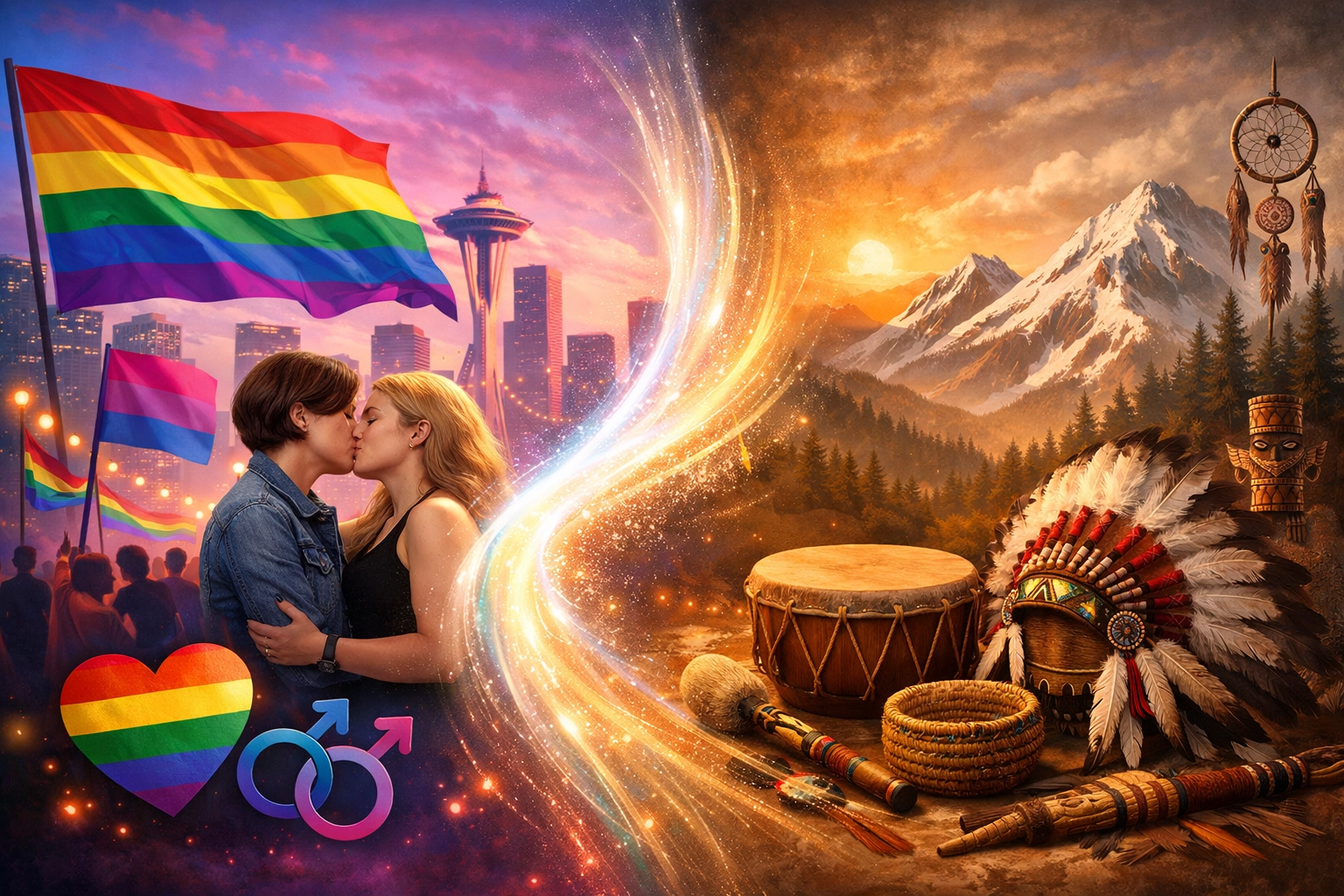
Because the Sambia case reveals something profound: sexual orientation as we understand it: as a fixed, lifelong identity category: isn't a universal human experience. It's a cultural construct, one that emerged from specific Western historical contexts.
That doesn't make being gay, bi, or queer any less real or valid. Your identity is real. Your attractions are real. Your experiences matter.
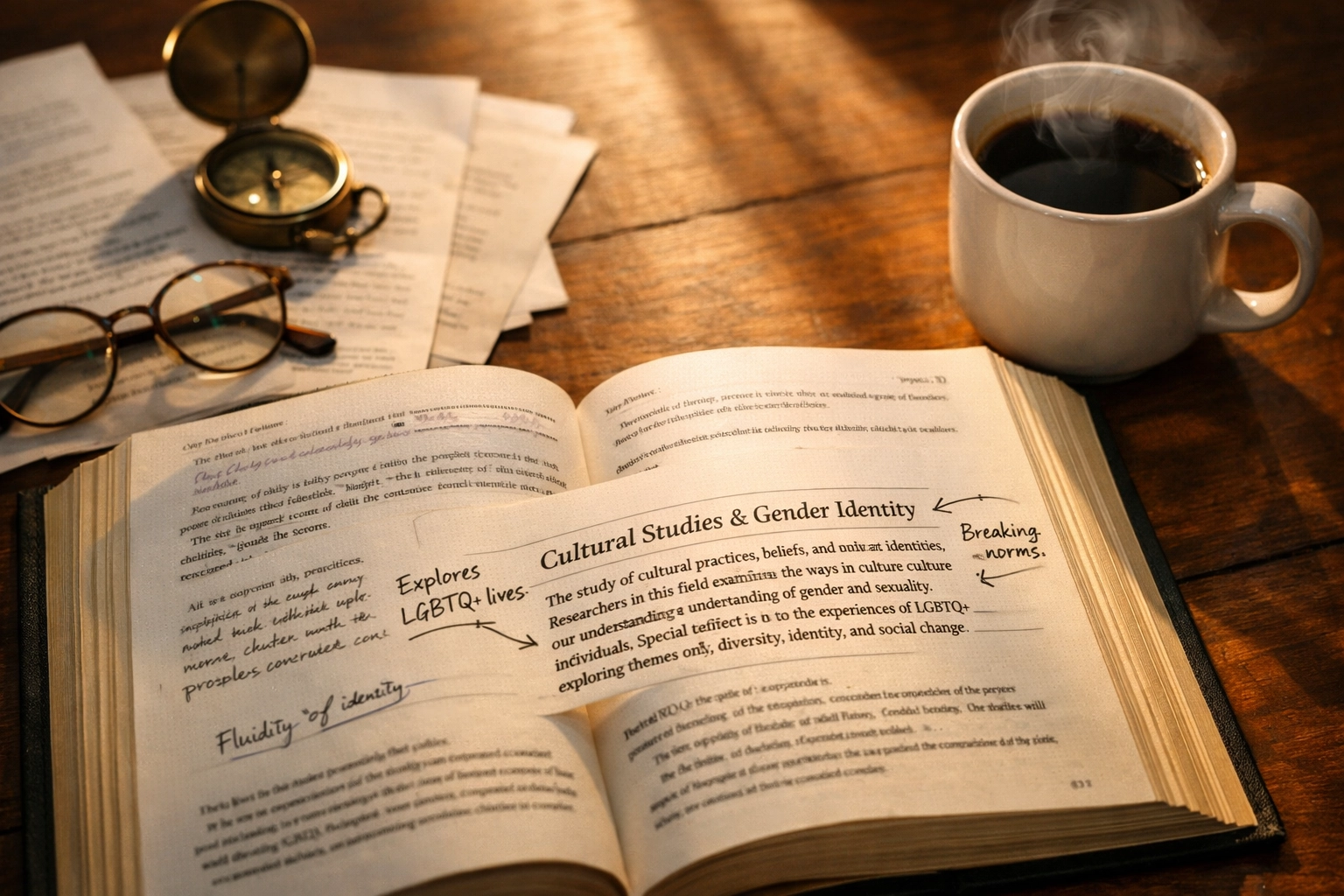
But it does suggest that human sexuality is far more fluid, contextual, and culturally shaped than we often acknowledge. The rigid categories we've created: the boxes of gay, straight, bi: may help us navigate our own cultural context, but they're not eternal truths written into human DNA.
Some cultures, like the Sambia, organize sexuality around age and initiation status rather than gender. Others, like certain Native American nations with Two-Spirit traditions, recognize multiple genders beyond male and female. Still others have understood same-sex relationships as temporary phases, universal practices, or spiritual callings.
Each culture creates its own map of sexuality. None is more "correct" than others: they're just different ways of organizing similar human experiences.
Reading Between the Cultural Lines
For those of us who love MM romance books and queer fiction, there's something liberating about the Sambia story. It reminds us that the categories we fight so hard to defend and celebrate are themselves products of history and culture.
The contemporary gay identity: the idea that some people are "born this way" with a fixed orientation toward the same sex: emerged largely in the late 19th and early 20th centuries in Western Europe and North America. Before that, same-sex behaviors existed everywhere, but they were organized differently: by age (ancient Greece), by social role (hijra in India), by spiritual calling (various indigenous cultures), or simply as acts anyone might engage in under certain circumstances.
Understanding this history doesn't undermine LGBTQ+ rights. If anything, it strengthens them by revealing that diversity in human sexuality has always existed: we've just called it different things and organized it different ways.
Final Thoughts
The Sambia people aren't a curiosity or an exotic case study. They're human beings living according to their own cultural logic, their own understanding of what it means to become a man, to build a family, to belong to a community.
Their practices challenge us to think more deeply about our own assumptions. They remind us that sexuality, gender, and identity are far stranger and more wonderful than any single culture can capture.
So the next time you're reading your favorite gay romance books or discussing MM romance tropes, remember: even our most cherished categories are just stories we tell ourselves. Beautiful, meaningful, identity-affirming stories: but stories nonetheless.
And maybe, just maybe, there's freedom in that realization.
Discover more thought-provoking LGBTQ+ content and explore our collection of gay fiction, MM romance novels, and queer literature at ReadWithPride.com
Follow us for more stories that challenge, inspire, and celebrate:
- Facebook: Read With Pride
- X/Twitter: @Read_With_Pride
- Instagram: @read.withpride
#ReadWithPride #LGBTQHistory #QueerAnthropology #MMRomance #GayFiction #QueerCulture #LGBTQBooks #GayRomanceBooks #CulturalDiversity #SexualityStudies #QueerTheory #IndigenousCultures #LGBTQPride #GayLiterature #MMRomanceBooks #QueerFiction #GayBooks2026 #LGBTQReading

Leave a Reply
You must be logged in to post a comment.