

readwithpride.com
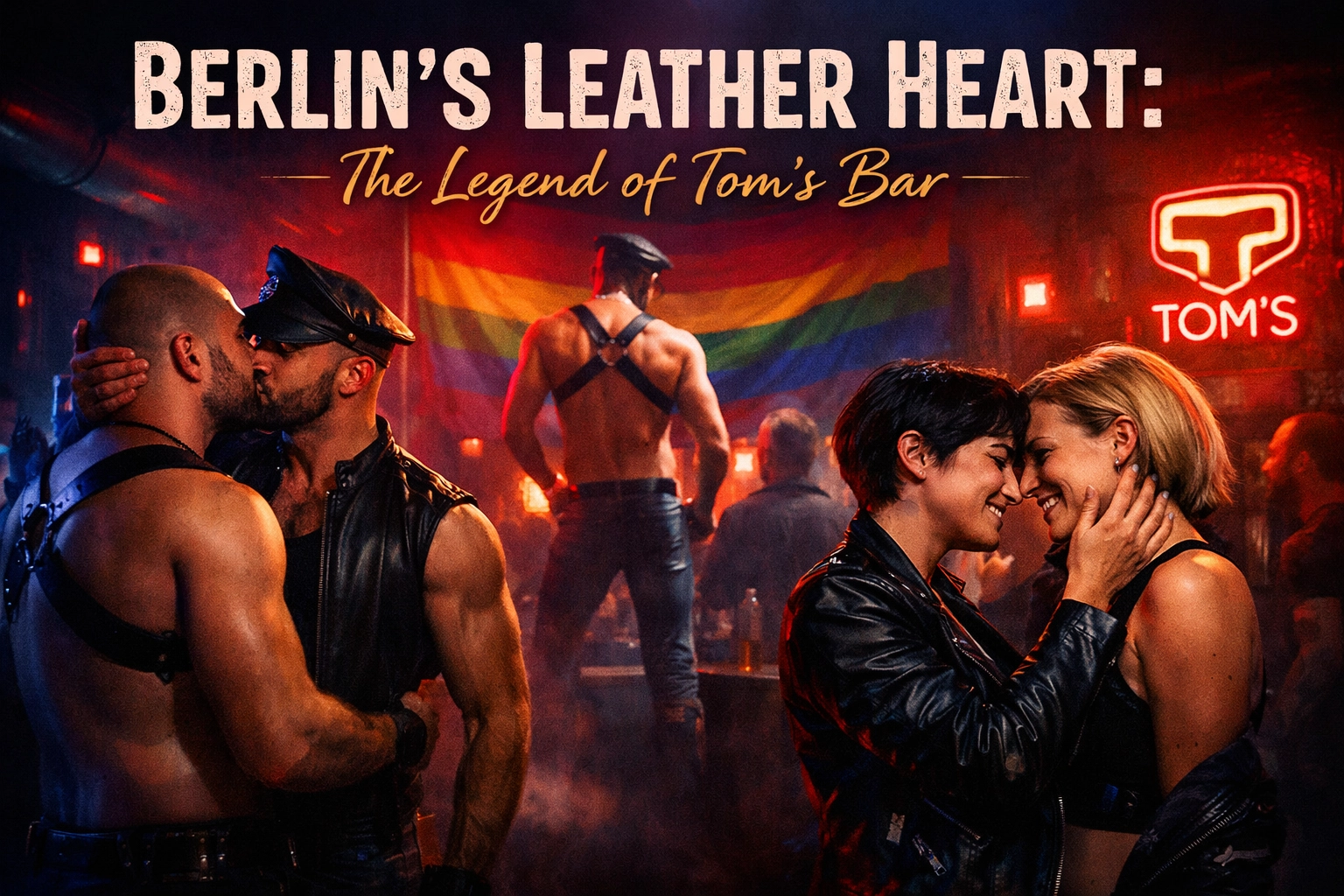
Walk down Motzstraße in Berlin's Schöneberg district, and you're stepping through layers of queer history. This neighborhood wasn't just a gay scene: it was the gay scene, hosting Germany's first gay bar and serving as the beating heart of European queer liberation in the early 20th century. And right there at number 19 sits Tom's Bar, a venue whose name alone conjures images of leather, longing, and the kind of cruising culture that shaped generations of gay men.
But here's the thing about legends: they're complicated. They evolve. And sometimes, they break your heart.
The Tom of Finland Dream
When you hear "Tom's Bar," your mind probably goes straight to those iconic drawings: muscular men in leather caps, tight jeans, boots that could kick down closet doors. Tom of Finland (Touko Laaksonen) didn't just draw homoerotic art; he created an entire aesthetic that turned underground desire into unapologetic pride. His work celebrated masculine gay sexuality at a time when the world demanded we hide.
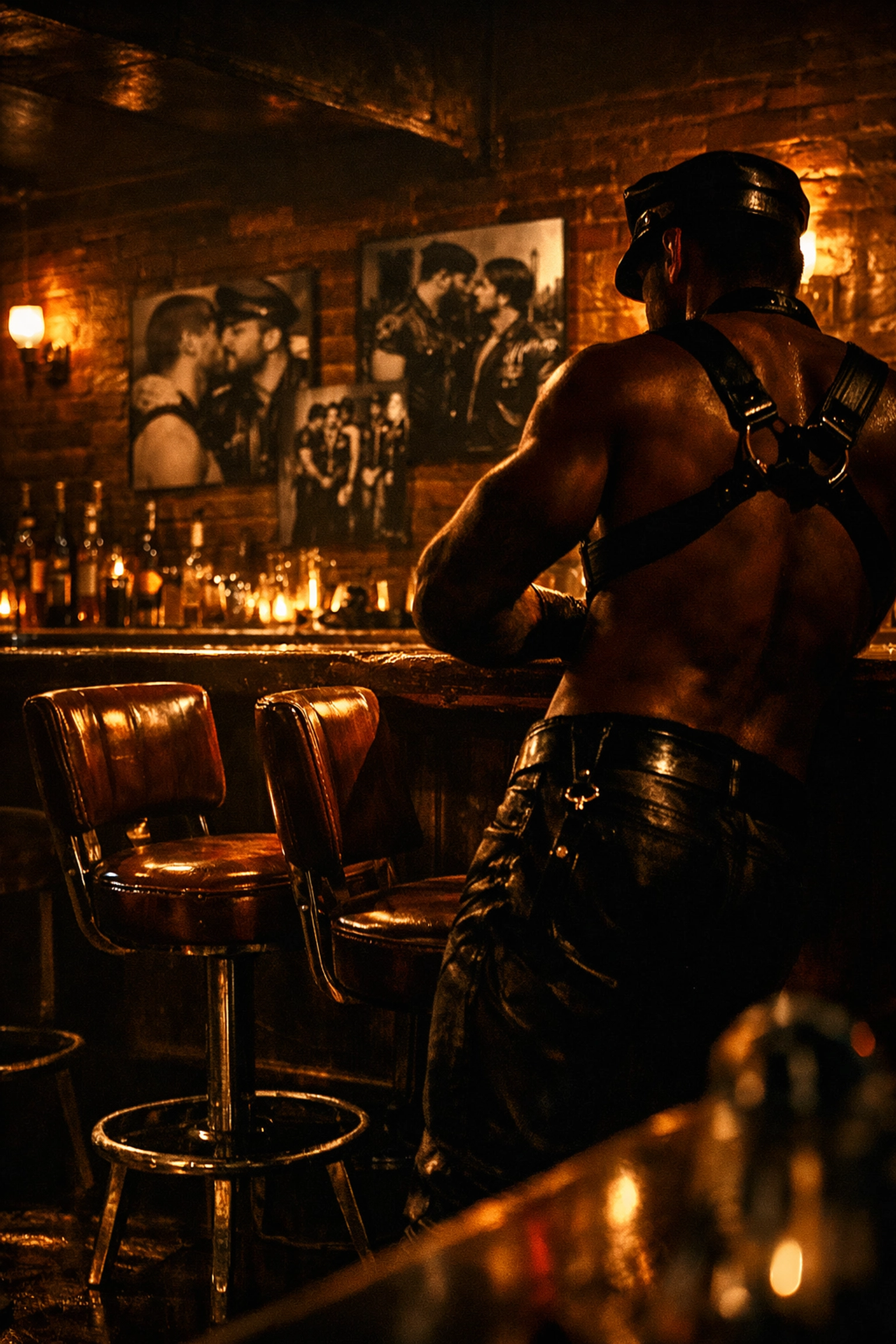
Cruising bars named "Tom's" popped up across the globe, each one a tribute to that leather-daddy fantasy. These weren't just drinking holes: they were temples. Places where the Tom of Finland aesthetic came to life, where you could be that confident, sexually liberated man strutting through those drawings. The leather scene wasn't about fashion; it was about power, vulnerability, brotherhood, and the radical act of claiming space for queer desire.
Berlin's Tom's Bar became legendary partly because of where it stood. Schöneberg wasn't some quiet suburb that happened to have a gay bar. This was ground zero. In the 1920s, venues like the Eldorado featured Marlene Dietrich and hosted drag queens and transgender patrons when most of the world pretended such people didn't exist. After the devastation of Nazi persecution and World War II, Schöneberg rebuilt itself as a sanctuary for LGBTQ+ folks who'd survived hell and refused to hide anymore.
The Motzstraße Magic
Nollendorfplatz and the surrounding streets became synonymous with gay liberation. Tom's Bar inherited that legacy: a time-honored institution in a neighborhood that had seen it all. For decades, it represented everything a proper gay cruise bar should be: unpretentious, slightly seedy in the best way, and absolutely committed to creating space for men to connect, hook up, and build community.
The beauty of these venues lay in their specificity. Not every gay bar catered to leather enthusiasts. Not every space welcomed the kind of overt sexuality that cruising culture embodied. Tom's Bar, like its namesake counterparts worldwide, served a particular purpose. It said: "Your desires aren't shameful. Your kinks aren't problems. Come as you are, literally and figuratively."
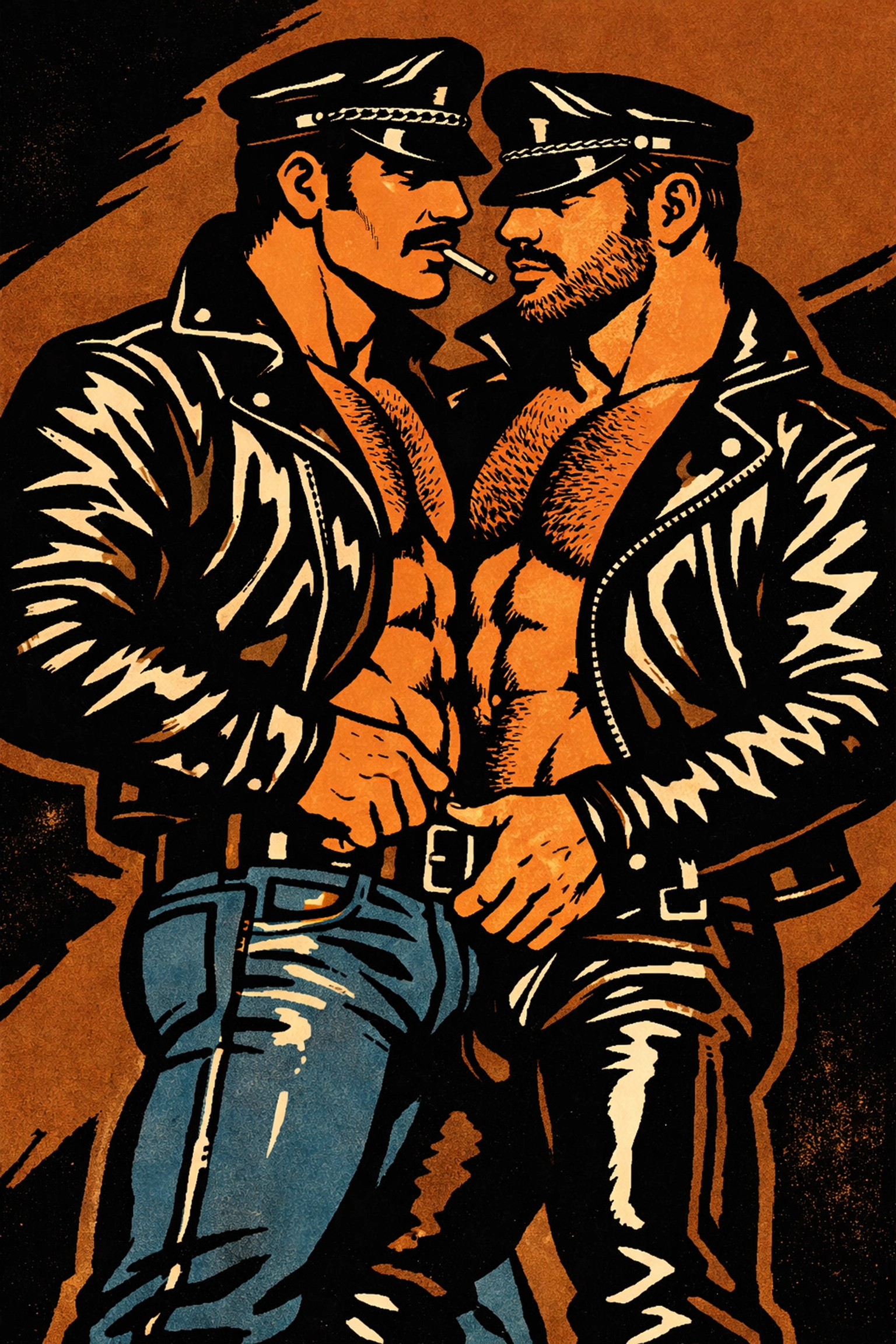
For travelers exploring gay Berlin, Tom's Bar became a pilgrimage site. You'd hear about it from that leather daddy you met in Amsterdam, or read about it in those crumpled gay travel guides people passed around like sacred texts. It represented continuity: the idea that no matter how much the world changed, there were still places where leather queens could gather without apology.
When Legends Change
Here's where our story gets messy, because reality doesn't care about our nostalgia.
Recent reports paint a troubling picture. Multiple visitors have shared experiences of being refused entry or even ejected from Tom's Bar: not for bad behavior, but for wearing leather. One particularly jarring account from late 2023 describes a patron being thrown out specifically because staff declared Tom's was "no longer a fetish bar" and leather-wearing customers weren't welcome.
Read that again: a bar named after Tom of Finland, located in the historic heart of Berlin's gay scene, allegedly rejecting people for embodying the Tom of Finland aesthetic.
If this is true, it's not just disappointing: it's a fundamental betrayal of the space's purpose and history. Cruising bars exist because mainstream gay venues didn't always welcome leather folks, because the broader LGBTQ+ community sometimes pushed sexual subcultures to the margins. These spaces said "we see you" to people who'd been made invisible.
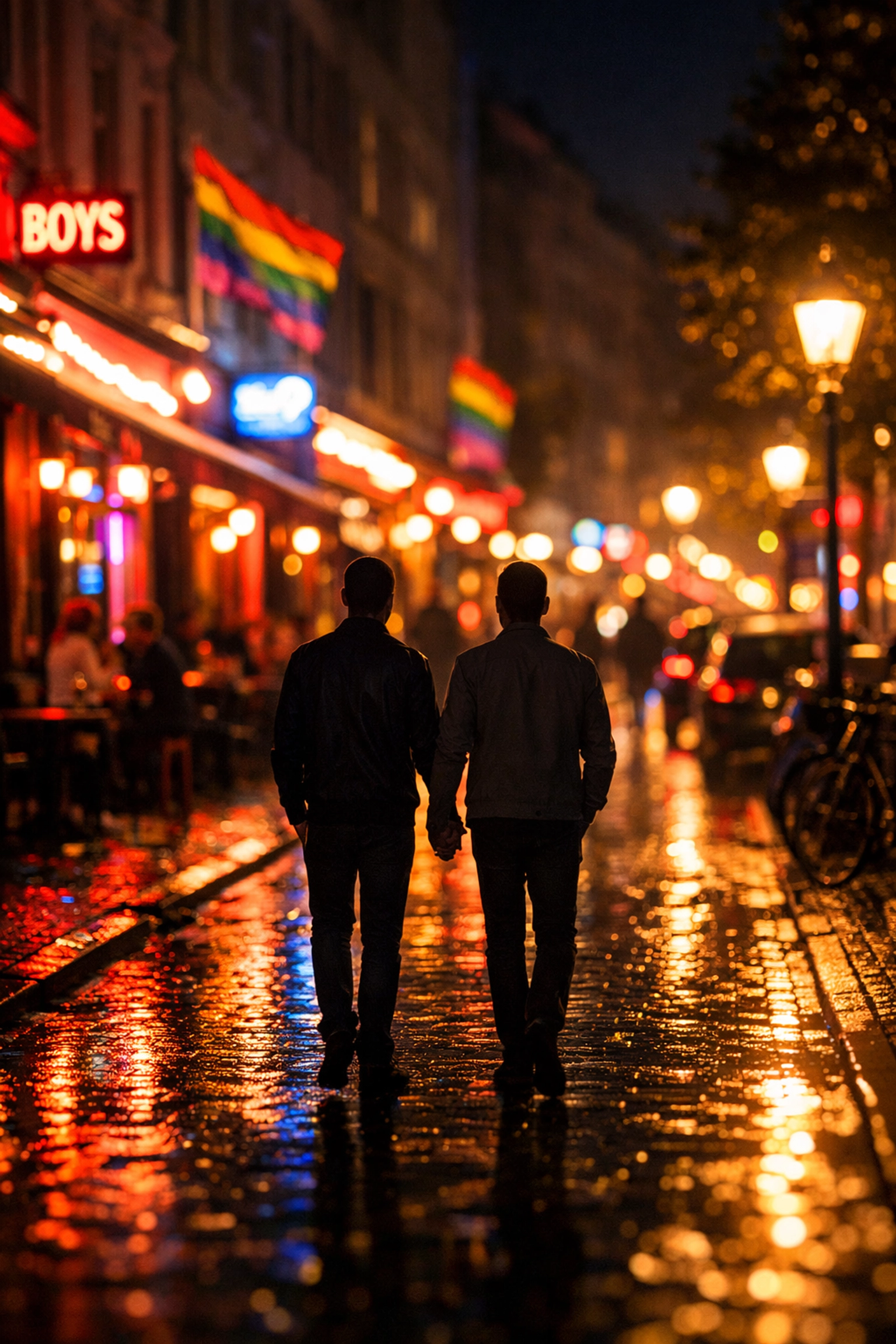
The irony burns hotter when you consider Berlin's reputation. This is the city that survived Nazi book burnings, rebuilt its queer scene from ashes, and became Europe's undisputed capital of sexual liberation. Berlin doesn't do respectable. Berlin does raw, real, and radically inclusive.
The Bigger Picture
Tom's Bar's struggles reflect broader tensions in LGBTQ+ culture. As cities gentrify and mainstream acceptance grows, the spaces that served us in harder times face impossible choices. Do you evolve with changing tastes and risk losing your identity? Do you stay true to your roots and risk becoming obsolete? Do you survive by any means necessary, even if it means betraying the community you were built to serve?
There's no easy answer. Venues close constantly: whether from rising rents, generational shifts, or the simple fact that dating apps replaced much of what cruising bars once provided. Why spend hours in a dimly lit bar when Grindr puts hundreds of profiles at your fingertips?
But here's what we lose when cruising bars disappear: physical space. Apps can't replace the embodied experience of reading a room, learning unspoken codes, understanding that a glance means more than a thousand messages. Younger queer folks deserve to inherit these spaces, to understand the culture that sustained us before Pride became a corporate sponsorship opportunity.
The Tom's Legacy
Whatever happens to Berlin's Tom's Bar specifically, the concept it represents matters. Cruising bars taught generations of gay men how to find each other, how to communicate desire, how to build community around shared interests and identities. They were universities of queer culture, and everyone who passed through their doors graduated with knowledge you couldn't learn anywhere else.
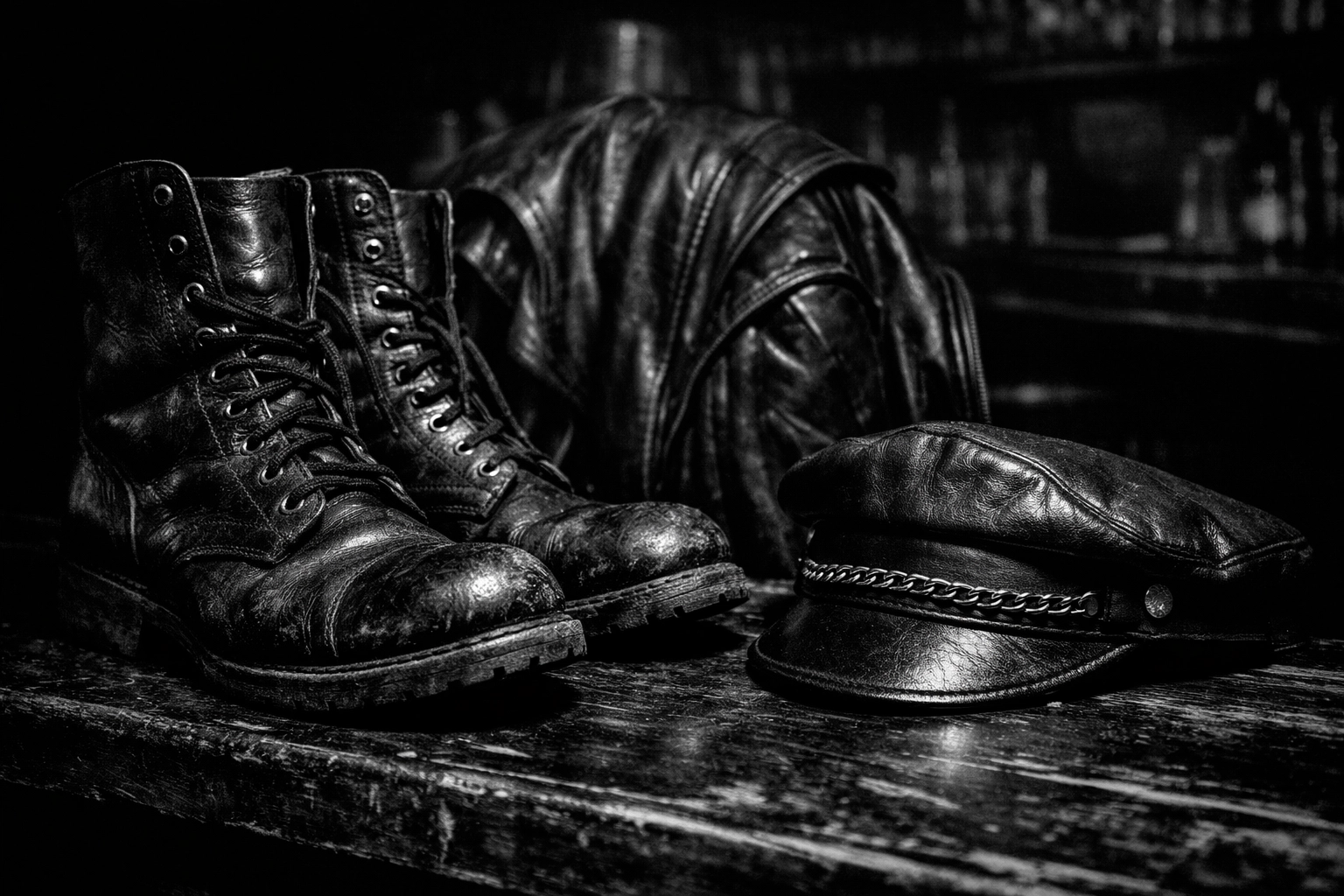
The Tom of Finland aesthetic endures precisely because it captured something eternal: the power of men loving men without shame, the beauty of sexual confidence, the radical act of existing loudly in a world that preferred we whisper. Those drawings hang in museums now, but they started in underground publications passed between furtive hands. Tom's Bars worldwide helped bring that underground into the light.
For readers exploring gay romance books and MM fiction, these histories matter. The leather daddy in your favorite MM romance novels isn't just a trope: he's connected to real communities and actual spaces where people lived, loved, and fought for liberation. When authors write about cruising culture or leather bars, they're drawing on decades of queer history.
Moving Forward
Should you visit Tom's Bar if you're in Berlin? That's complicated. The venue exists, the neighborhood remains rich with LGBTQ+ history, and Schöneberg still offers plenty of spaces for queer travelers. But manage your expectations. Research current reviews. Ask local queer folks for recommendations.
More importantly, support spaces that genuinely serve their communities. If you're into leather culture, seek out venues that welcome you authentically. If you're exploring Berlin's gay scene, venture beyond the obvious tourist traps to find places where locals actually gather.
And maybe: just maybe: the controversy around Tom's Bar will spark necessary conversations about what we owe our queer histories. About whether spaces can truly evolve without erasing their purpose. About how we balance preservation with progress.
Berlin's leather heart still beats, even if it's not always in the places we expect. The legend of cruising culture survives in stories, in art, in the memories of everyone who experienced it firsthand. And perhaps that's the real legacy: not any single venue, but the unstoppable human need to find each other, connect, and create spaces where our desires aren't just tolerated but celebrated.
Keep reading, keep exploring, and keep honoring the messy, complicated, beautiful history that brought us here. Check out more stories about LGBTQ+ culture and history at readwithpride.com, where we celebrate every chapter of our community's journey.
Follow us for more LGBTQ+ stories and history:
- Facebook: Read With Pride
- Instagram: @read.withpride
- X/Twitter: @Read_With_Pride
#ReadWithPride #LGBTQHistory #GayBerlin #LeatherCulture #CruisingHistory #TomOfFinland #QueerHistory #GayTravel #MMRomance #LGBTQBooks #GayRomanceBooks #QueerCulture #BerlinNightlife #LGBTQTravel #GayFiction #LeatherCommunity #Schöneberg #GayBars #QueerSpaces #LGBTQPride

Leave a Reply
You must be logged in to post a comment.