

readwithpride.com
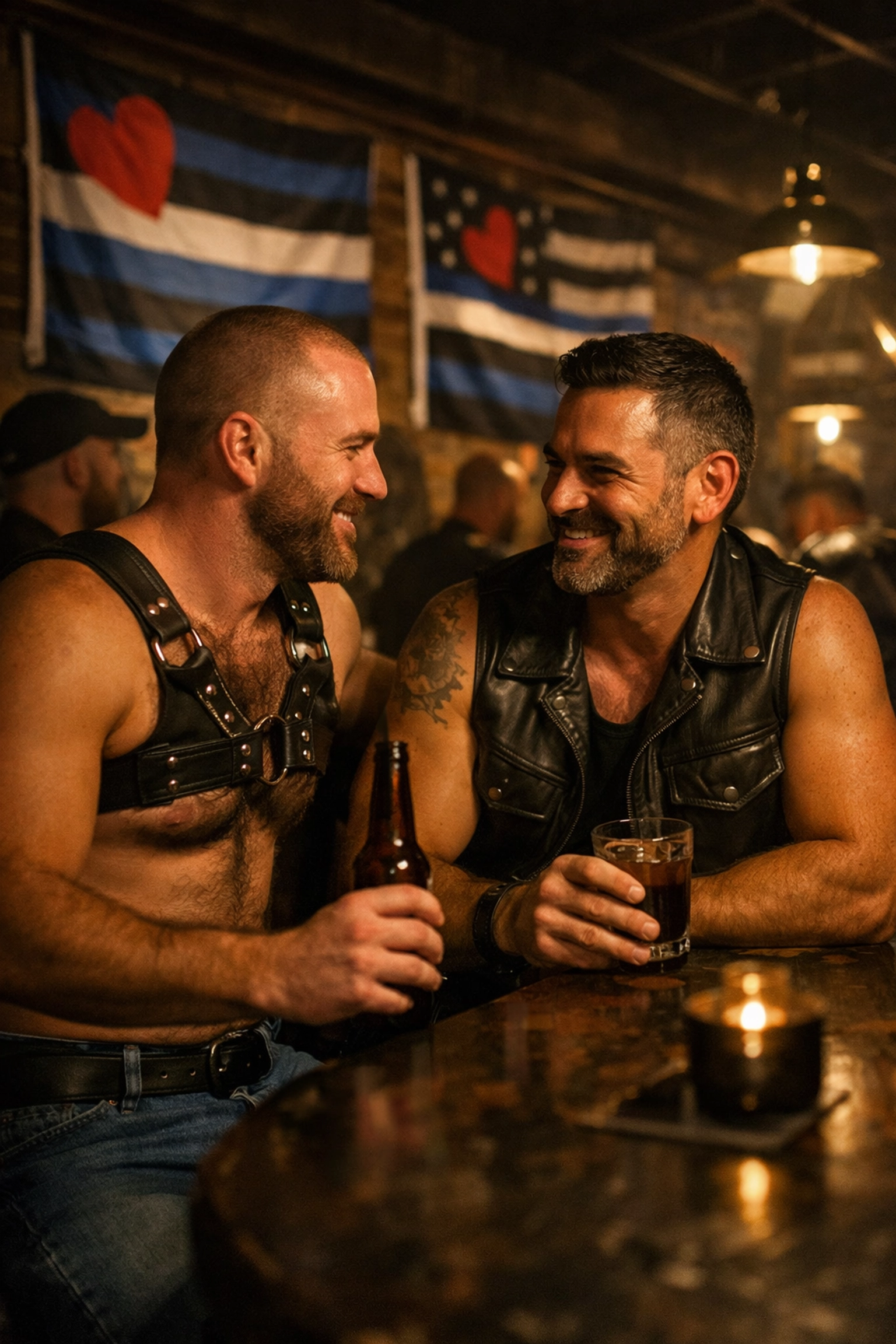
Walk into any Eagle bar from Amsterdam to San Francisco, and you'll feel it immediately, that unmistakable energy of leather, denim, and unfiltered authenticity. These aren't your typical rainbow flag-draped establishments. Eagle bars represent something deeper, grittier, and undeniably more subversive: a global network of independently owned spaces where the leather and cruise community found its wings.
What started as a single bar in New York City in 1970 exploded into a worldwide phenomenon with over 50 locations at its peak. But here's the twist, they're not a franchise. No corporate overlords, no standardized menus, no cookie-cutter experiences. Each Eagle bar stands alone, yet they're all connected by a shared ethos that transformed gay nightlife forever.
From Longshoreman Tavern to Leather Legend
The story begins in 1970, just one year after Stonewall shook the foundations of LGBTQ+ rights. A longshoreman's tavern called Eagle Open Kitchen, which had served straight dock workers since 1931, underwent a radical transformation. It reopened as The Eagle's Nest, and suddenly Manhattan had a new kind of gay bar, one that didn't apologize, didn't cater to mainstream tastes, and definitely didn't require khakis and polo shirts at the door.
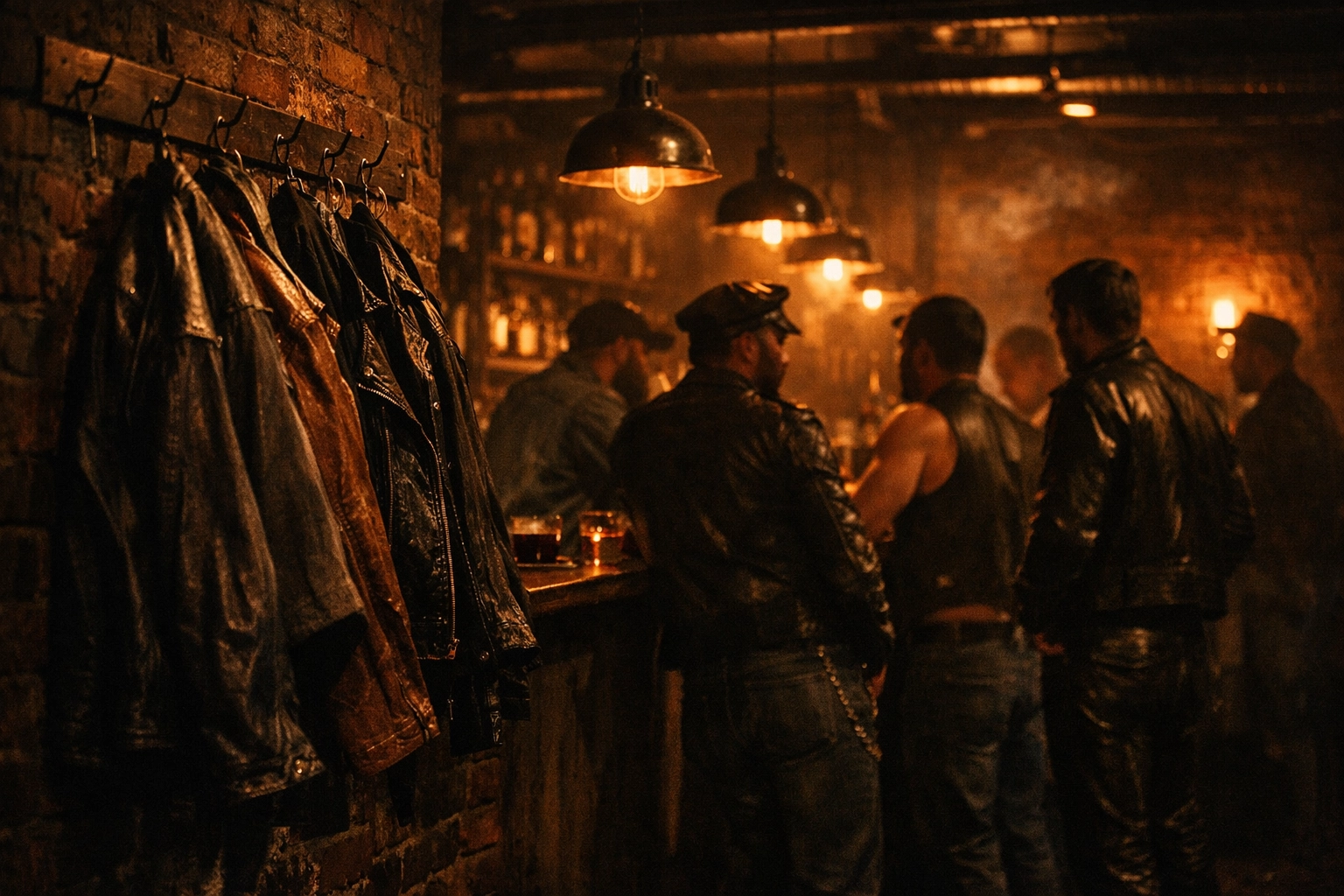
This wasn't your typical disco scene. The Eagle's Nest welcomed the leather crowd, the bikers, the rough-around-the-edges guys who'd been looking for their own space in an increasingly commercialized gay scene. The vibe was dark, masculine, and unapologetically sexual. It quickly became ground zero for New York's leather subculture, attracting sports clubs, motorcycle groups, and anyone who felt more at home in boots than boat shoes.
The Eagle Has Landed (Everywhere)
Here's where it gets fascinating. The success of The Eagle's Nest inspired bar owners across the country and eventually around the globe to adopt the Eagle name. But unlike Starbucks or McDonald's, there was no central authority handing out franchises. Instead, individual entrepreneurs saw what worked in New York and said, "We need that here."
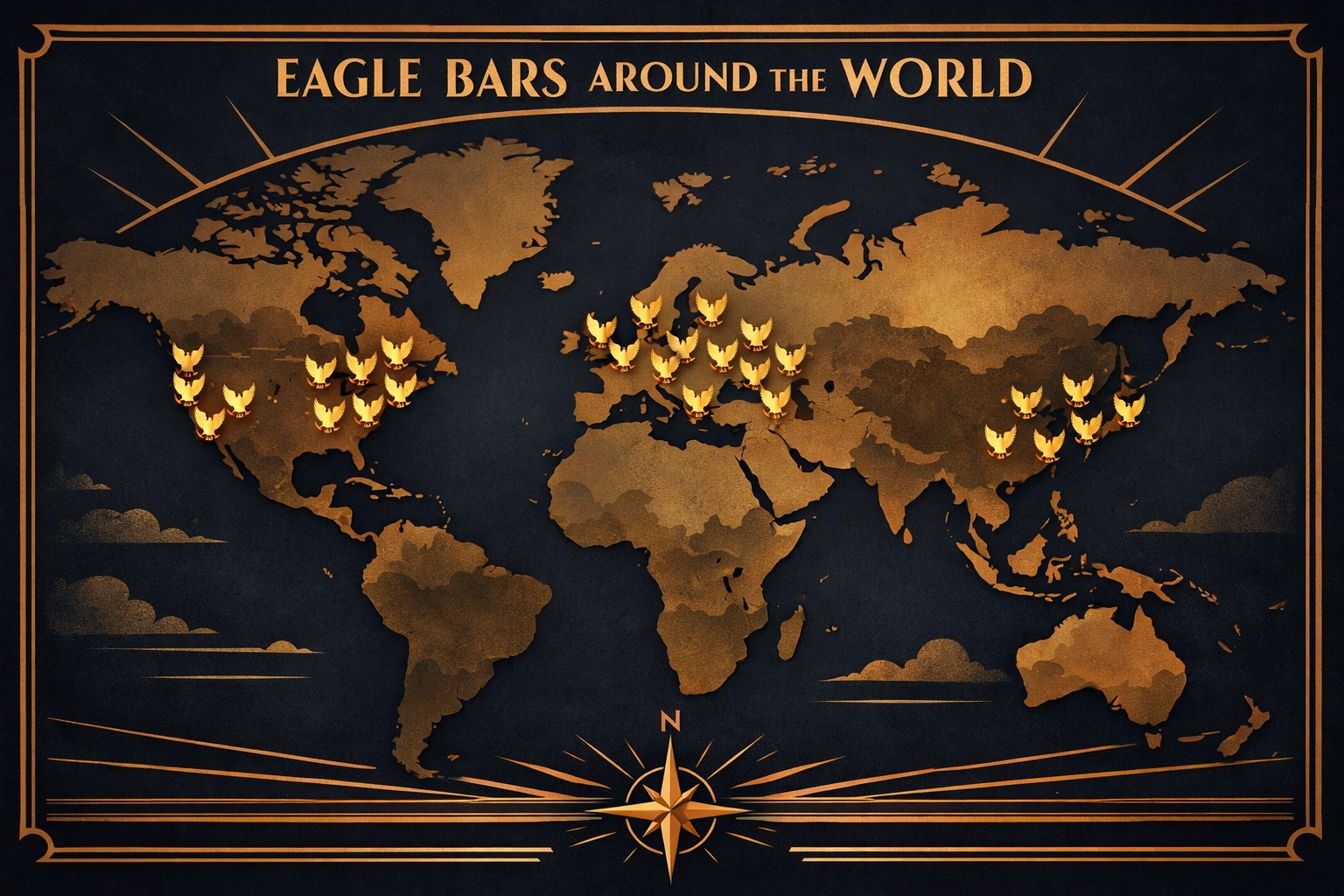
By the 2000s, Eagle bars had spread like wildfire. At their peak, over 50 locations operated worldwide. As of 2017, more than 30 Eagle bars were still going strong across the United States, Canada, the United Kingdom, the Netherlands, Austria, and even Japan. Each one independently owned, each one bringing its own local flavor to the Eagle identity.
Think about that for a moment. Without corporate backing, without a franchise model, without social media or viral marketing, these bars created a global network purely through word-of-mouth and shared values. That's the power of community, folks.
What Makes an Eagle an Eagle?
So what ties these independent establishments together? It's not just the name emblazoned above the door. Eagle bars share a distinct aesthetic and culture that's immediately recognizable to anyone in the know.
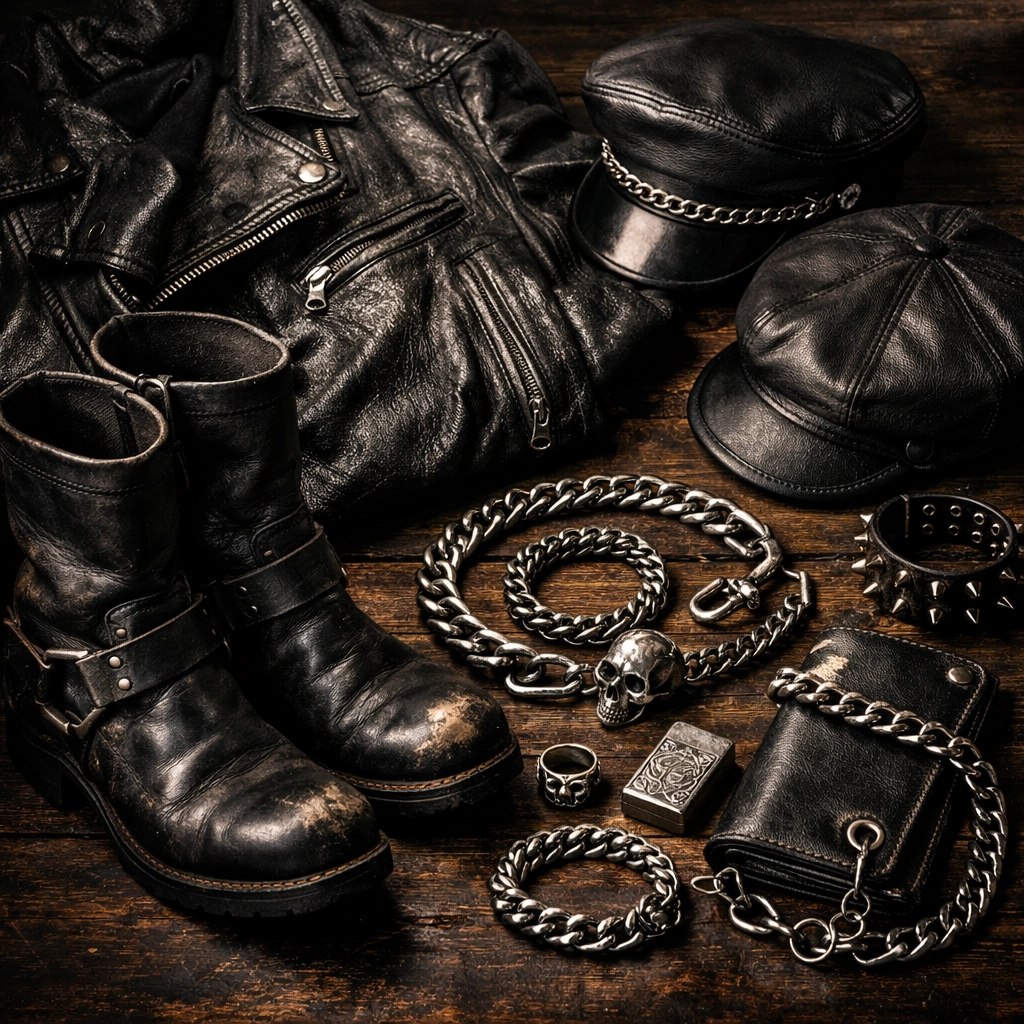
The Look: Dark. Industrial. Masculine. We're talking exposed brick, dim lighting, metal fixtures, and an atmosphere that feels more warehouse than wine bar. The decor isn't trying to be pretty, it's trying to be honest.
The Dress Code: Traditionally, Eagle bars enforced strict requirements. Leather, denim, uniforms, boots, chest wear, these weren't suggestions. Some locations would literally turn you away if you showed up in the wrong outfit. While many Eagle bars have relaxed these standards in recent years (capitalism demands broader audiences), the expectation of dressing the part still lingers in the air.
The Fetish Factor: Eagle bars center leather and BDSM culture. This isn't subtext; it's the entire text. These spaces normalize fetish wear, cruising culture, and sexual openness in ways that mainstream gay bars often shy away from.
The Community Events: Many Eagles host annual leather competitions, serving as feeder events for major international contests like International Mr. Leather. These competitions celebrate leather culture, body diversity, and sexual freedom, values that define the Eagle experience.
Not All Eagles Fly the Same
Of course, as with any global phenomenon, variations exist. Eagle London shifted toward serving a broader LGBT clientele, recognizing that strict adherence to leather culture wasn't economically viable in that market. Eagle Tokyo markets itself as a "Brooklyn-style" bar targeting the bear community, still masculine-focused but with a different cultural spin.
These adaptations show how the Eagle concept evolved to meet local needs while maintaining its core identity. It's the difference between a rigid franchise and an organic cultural movement. The Eagles that survived understood when to adapt and when to hold firm.
The Cruise Culture Connection
Let's talk about the elephant, or should we say eagle, in the room: cruising. Eagle bars didn't just tolerate cruising culture; they facilitated it. These were intentional spaces for gay and bisexual men to meet, flirt, and yes, hook up without pretense or judgment.
In an era before Grindr, before internet hookup sites, before smartphones made casual encounters as easy as swiping right, Eagle bars served as essential community infrastructure. They were where connections happened: both social and sexual. The darkened corners, the cruisy vibe, the understanding that everyone there was operating under similar assumptions: these elements made Eagle bars uniquely important to gay men seeking more than just cocktails and conversation.
This aspect of Eagle culture remains controversial and misunderstood, even within LGBTQ+ communities. But understanding the role these spaces played in gay life: particularly for men exploring leather and fetish interests: is crucial to appreciating their historical significance.
Legacy and Landmark Status
The original Eagle's Nest in New York closed in the late 1990s, victim to Chelsea's gentrification and skyrocketing rents. It's a story repeated countless times in LGBTQ+ history: the spaces where our community thrived get paved over for luxury condos.
But the Eagle's legacy soared beyond that single location. The global network of Eagle bars continues operating as vital community hubs and cultural institutions. In 2021, the San Francisco Eagle achieved official recognition as the city's first leather community landmark: a powerful acknowledgment of these spaces' cultural importance.
This landmark designation represents more than preserving a building. It validates leather culture, cruising culture, and sexual subcultures that mainstream society: and sometimes mainstream gay culture: prefers to ignore or sanitize. The Eagles that remain stand as monuments to unapologetic queer sexuality and community self-determination.
Why Eagles Still Matter
In 2026, with dating apps dominating how gay men meet and hookup culture thoroughly digitized, do Eagle bars still matter? Absolutely.
These spaces offer something algorithms can't replicate: physical community, embodied identity, and intergenerational connection. Young gay men exploring leather and fetish interests can meet older community members who've been living this lifestyle for decades. That knowledge transfer, that mentorship, that sense of belonging: it doesn't happen through profile pictures and chat messages.
Eagle bars also maintain spaces where sexual diversity within the LGBTQ+ community remains visible and celebrated. As mainstream gay culture increasingly mirrors heteronormative patterns, Eagles stand as reminders that queer sexuality encompasses vast territories beyond monogamous relationships and marriage equality.
Reading Between the Lines
At Read with Pride, we celebrate all aspects of LGBTQ+ culture and history: including the gritty, sexual, and subversive elements that don't always make it into sanitized pride parade narratives. The Eagle bar story reminds us that queer spaces have always been about more than visibility and acceptance. They're about freedom, authenticity, and the right to exist on our own terms.
Looking for MM romance books that explore leather culture, cruising, and the authentic experiences of gay men navigating sexual subcultures? Check out our collection of gay romance novels that don't shy away from the raw, real aspects of queer life. From steamy encounters to emotional connections, our curated selection of LGBTQ+ fiction honors all expressions of gay love and desire.
The Eagle bars spread their wings across the globe not through corporate strategy but through community need. They soared because gay men needed spaces that reflected their actual desires, not sanitized versions deemed acceptable to straight society. That's a legacy worth preserving: and celebrating.
Follow us for more LGBTQ+ history and culture:
- Facebook: Read with Pride
- Instagram: @read.withpride
- X/Twitter: @Read_With_Pride
- Website: readwithpride.com
#EagleBars #LGBTQHistory #LeatherCommunity #GayCulture #QueerHistory #MMRomance #GayRomanceBooks #ReadWithPride #LGBTQFiction #GayLiterature #QueerSpaces #LeatherPride #CruisingCulture #GayBars #LGBTQCommunity #AuthenticQueerStories #GayNovels #LGBTQEbooks #2026Pride

Leave a Reply
You must be logged in to post a comment.