

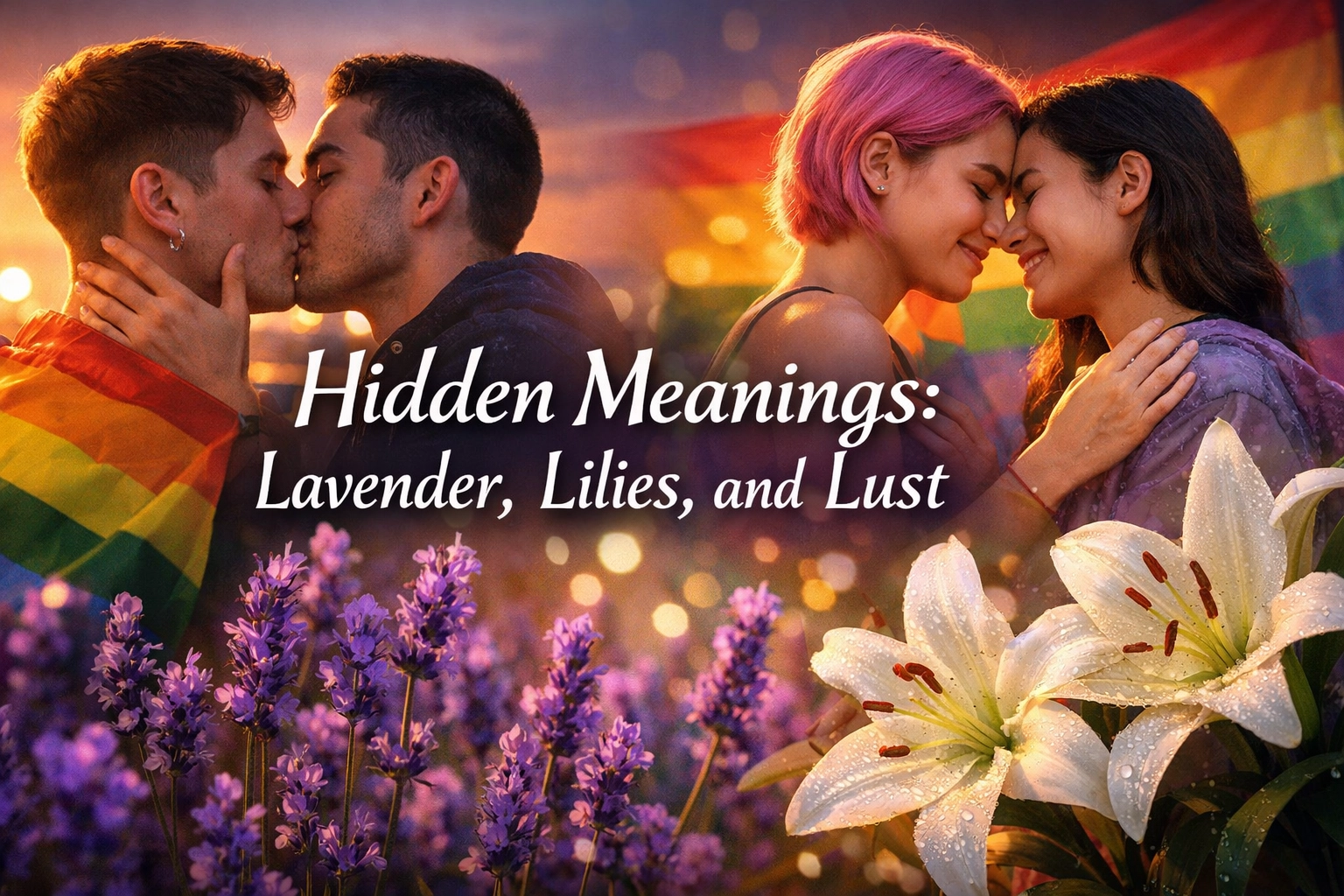
readwithpride.com
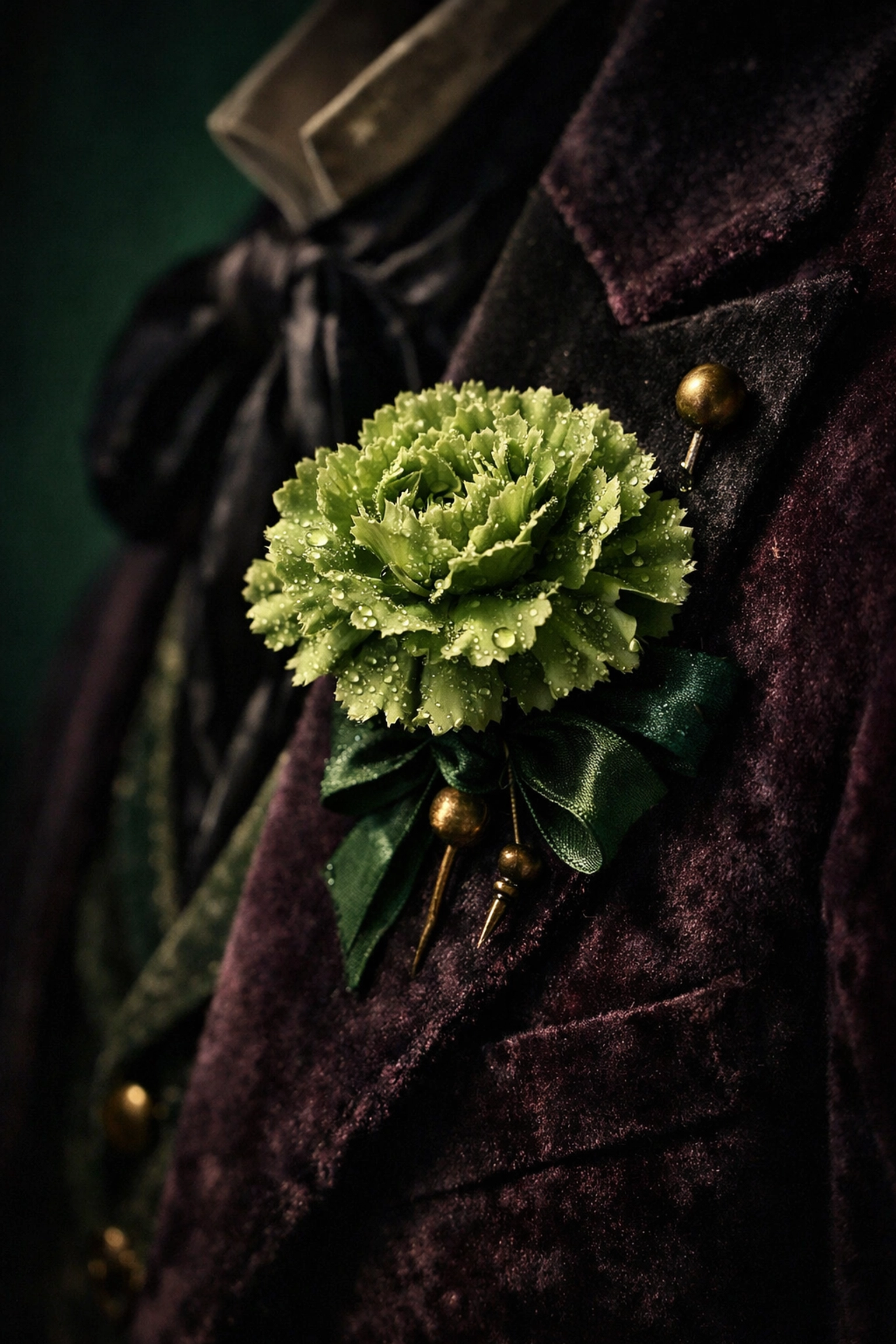
When Oscar Wilde walked into court in 1895 wearing a green carnation in his lapel, everyone who mattered knew exactly what it meant. Flowers have always been more than pretty decorations, they've been secret handshakes, love letters, and survival tools wrapped in petals and stems. For queer people throughout history, floristry wasn't just a career. It was a language, a refuge, and sometimes, a revolution.
The Botanical Closet
Before Grindr, before rainbow flags, before we could even say the word "gay" without whispering, there were flowers. The Victorians turned flower arrangement into an elaborate code called floriography, where every bloom carried specific meaning. A red rose meant passionate love, white lilies symbolized purity, and forget-me-nots begged for remembrance.
But queer folks? We took that Victorian handbook and rewrote it entirely.
Green carnations became the ultimate calling card after Wilde popularized them. Suddenly, wearing one wasn't just fashionable, it was dangerous, thrilling, an announcement to those in the know. Violets, particularly in shades of purple, became associated with Sappho and her island of Lesbos, where women loved women under Mediterranean skies. And lavender, oh, lavender became everything.
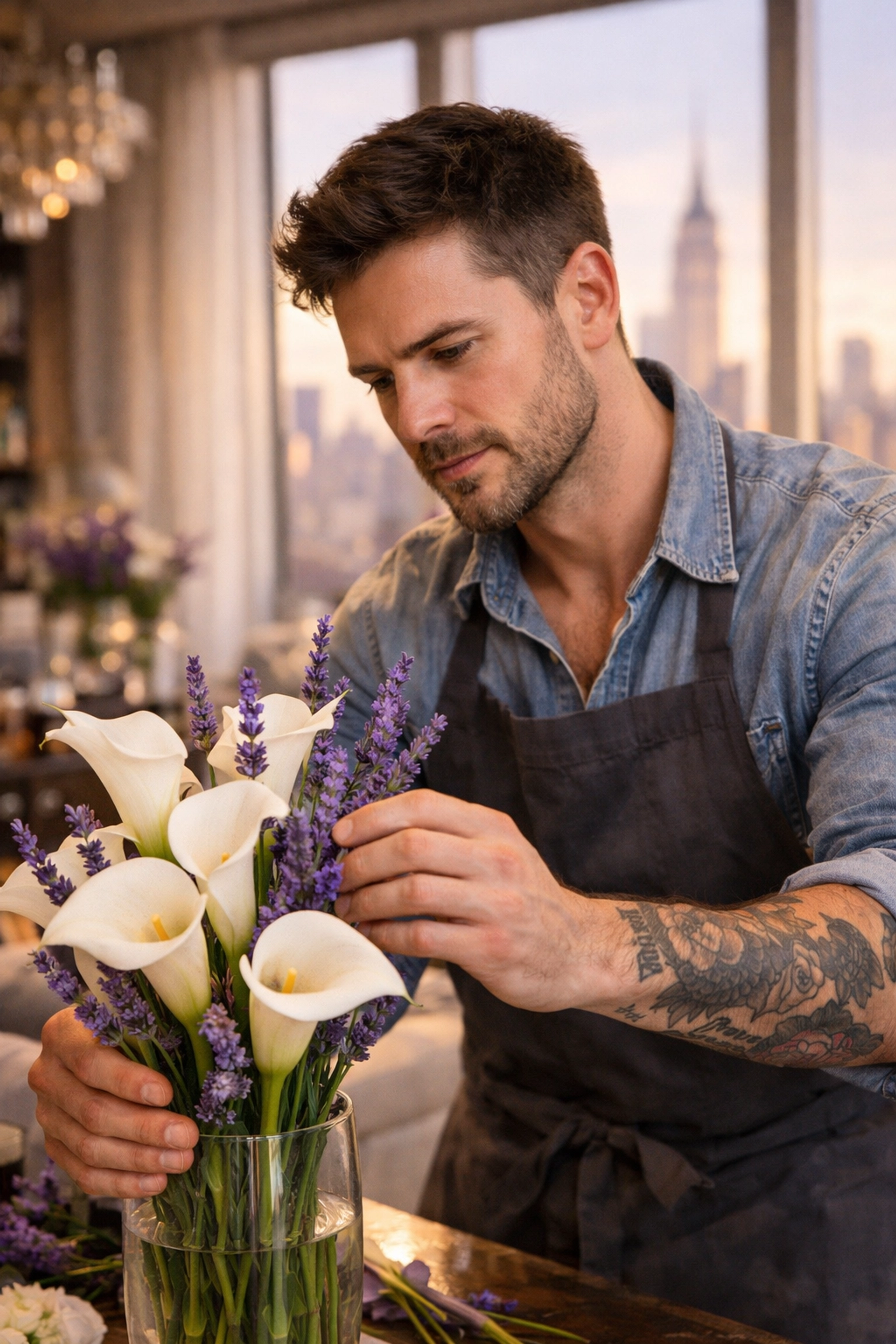
The "lavender menace" wasn't just a Betty Friedan panic in the 1970s. Lavender had been coded queer for decades before that. "Lavender marriages" described unions where one or both partners were gay. "Lavender lads" was British slang for gay men. The scent, the color, the delicate purple blooms: all of it whispered what couldn't be shouted.
Lilies played their part too, especially white calla lilies. In the early 20th century, when drag balls were the only places many could truly be themselves, calla lilies decorated venues and adorned performers. Their sculptural elegance matched the artistry of transformation happening inside those hidden ballrooms. They spoke of purity reclaimed, of beauty that defied narrow definitions.
The Florist's Advantage
Here's something nobody talks about enough: being a florist was one of the few "acceptable" creative careers for queer men in the mid-20th century. Too feminine for construction, too artistic for accounting, but somehow acceptable with flowers? It became a safe harbor.
Gay florists developed reputations not just for skill, but for understanding. They knew which society wife was ordering flowers for her husband's mistress. They knew which "confirmed bachelor" was actually maintaining a decades-long relationship with his "roommate." They knew because they saw everything, heard everything, and kept their mouths shut about everything.
The wealthy loved them for this discretion.
Manhattan's Upper East Side in the 1960s and 70s was full of gay florists who served the city's elite. They created arrangements for weddings where they knew the bride was marrying for money, not love. They designed centerpieces for dinner parties where half the guests were closeted. They brought beauty into homes that couldn't always hold honesty.
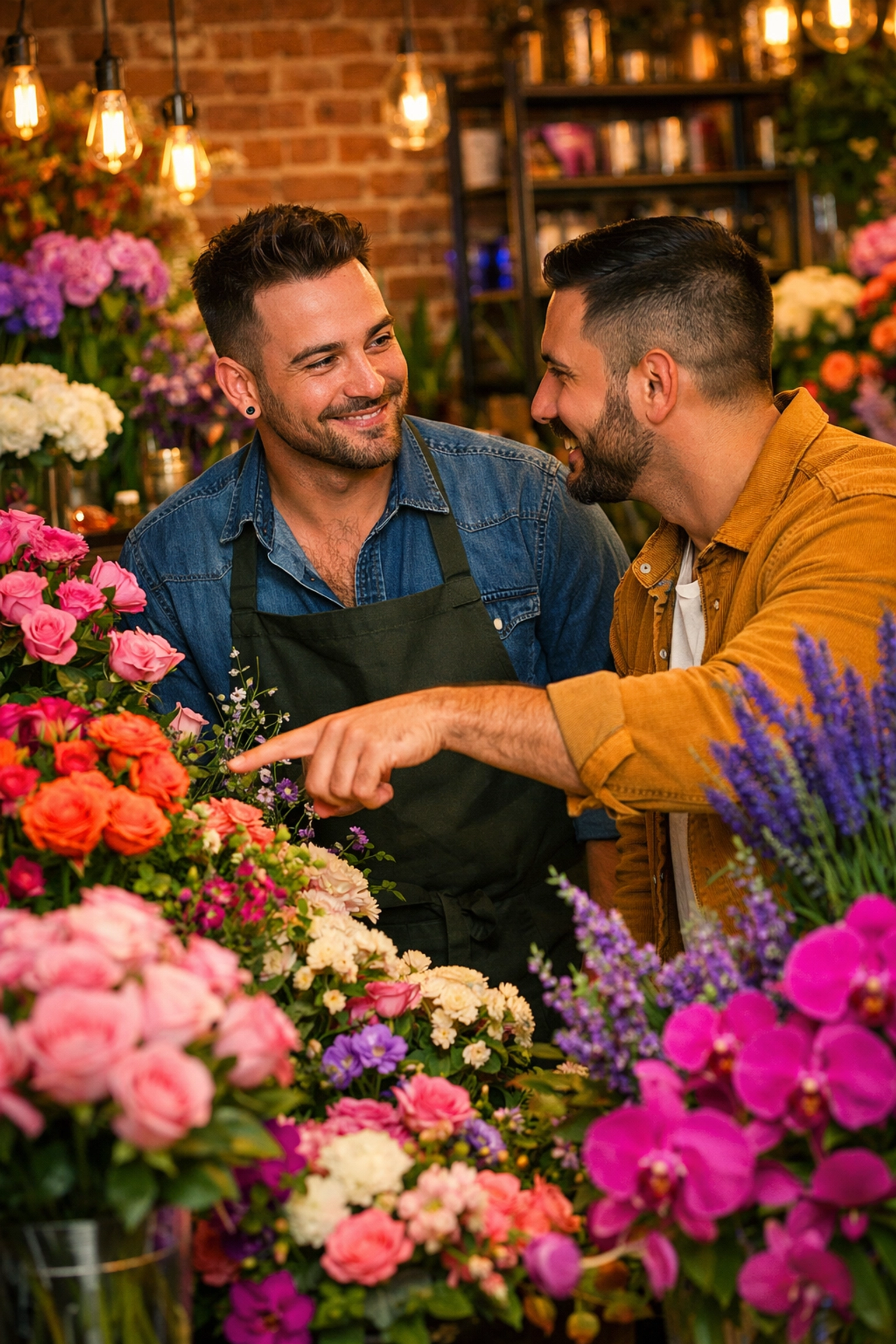
And the clients? They adored their florists. There was something about a gay man with impeccable taste, gentle hands, and absolute discretion that made him the perfect confidant. He could suggest the perfect orchids for a difficult mother-in-law. He knew which roses said "I'm sorry" versus which ones said "I'm not that sorry." He became part of the family's inner circle without threatening its carefully constructed facade.
The charm wasn't just professional: it was survival mixed with artistry. These florists developed personas that made them simultaneously indispensable and invisible. Camp enough to be entertaining but never threatening. Stylish enough to advise but never compete. They walked a tightrope and made it look like a catwalk.
Coded Commerce
Modern gay florists still carry this tradition, though now it's choice rather than necessity. Visit any high-end flower shop in Chelsea, the Castro, or Capitol Hill, and you'll likely find it run by someone who understands that flowers still speak a language beyond the obvious.
They're the ones who know that when someone orders "friendship flowers" for their "roommate's" birthday, they're probably not talking about friendship. They can read between the stems when a nervous customer asks for "something subtle but meaningful" for a first date. They understand that sometimes people want traditional arrangements, and sometimes they want something that subtly nods to queer history without announcing it to grandma.
One florist in Los Angeles specializes in recreating historical queer arrangements. Want the exact shade of green carnation Wilde wore? He'll source it. Planning a Harlem Renaissance themed event? He'll design arrangements using the same flowers from the Cotton Club era. It's living history, arranged in a vase.
The wealthy still gravitate toward these florists, and not always because they're queer themselves. There's a level of creativity, attention to detail, and emotional intelligence that comes from a life lived reading subtle signals and understanding unspoken rules. That skill translates directly into understanding what a client wants even when they can't articulate it.
Plus, let's be honest: we've always had excellent taste.
Petals and Power
Working with rich clients as a gay florist today means navigating interesting dynamics. There's still that element of being the "safe" gay friend, the one who brings beauty and style without threatening heteronormative structures. But there's also power in being the person who makes someone's wedding, party, or event absolutely perfect.
The best gay florists leverage this. They charge appropriately for their expertise. They set boundaries. They know their worth extends beyond just arranging flowers: they're providing vision, discretion, psychology, and art all wrapped into one service.
They're also keeping traditions alive. Every time a florist includes lavender in a wedding bouquet or suggests violets for an anniversary, they're continuing a conversation that's centuries old. Most clients don't know the history, but some do. And for those who do, there's a moment of recognition, of being seen, of understanding that this transaction is also a transmission of culture.
The Language Lives On
Today's queer people might not need flowers to signal their identities: we have apps and pride flags and entire neighborhoods. But the aesthetic legacy remains. Go to any gay wedding and you'll likely see more creative, thoughtful floral arrangements than at ten straight weddings combined. We understand that flowers aren't just decoration; they're communication.
And professional gay florists? They're historians, artists, therapists, and magicians all at once. They take something that could have been used to keep us hidden and instead use it to celebrate, to signal, to remember, and to create beauty on our own terms.
The wealthy clients who hire them get more than just beautiful arrangements. They get someone who understands that every event tells a story, that details matter, that discretion is currency, and that sometimes the most important message is the one whispered in lavender and lilies rather than shouted from rooftops.
The next time you see a florist, particularly a gay one crafting something extraordinary for someone's special day, remember: you're watching a tradition that stretches back through coded carnations, secret violets, and whispered lavender. You're witnessing art, survival, and pride all arranged in a vase.
And that's worth celebrating.
Discover more LGBTQ+ stories and perspectives at readwithpride.com
Follow us on Facebook, Instagram, and X/Twitter for daily doses of queer history, MM romance recommendations, and community celebration.
#ReadWithPride #LGBTQHistory #QueerHistory #GayFlorists #FlowerLanguage #LavenderMenace #OscarWilde #QueerCulture #LGBTQCommunity #MMRomance #GayRomance #QueerStories #LGBTQFiction #GayBooks #PrideHistory #FlowerCode #VictorianFlowers #QueerArt #LGBTQBusiness #GayLife #ReadWithPride2026 #QueerTraditions #LGBTQReading #MMRomanceBooks #GayLiterature

Leave a Reply
You must be logged in to post a comment.