

readwithpride.com
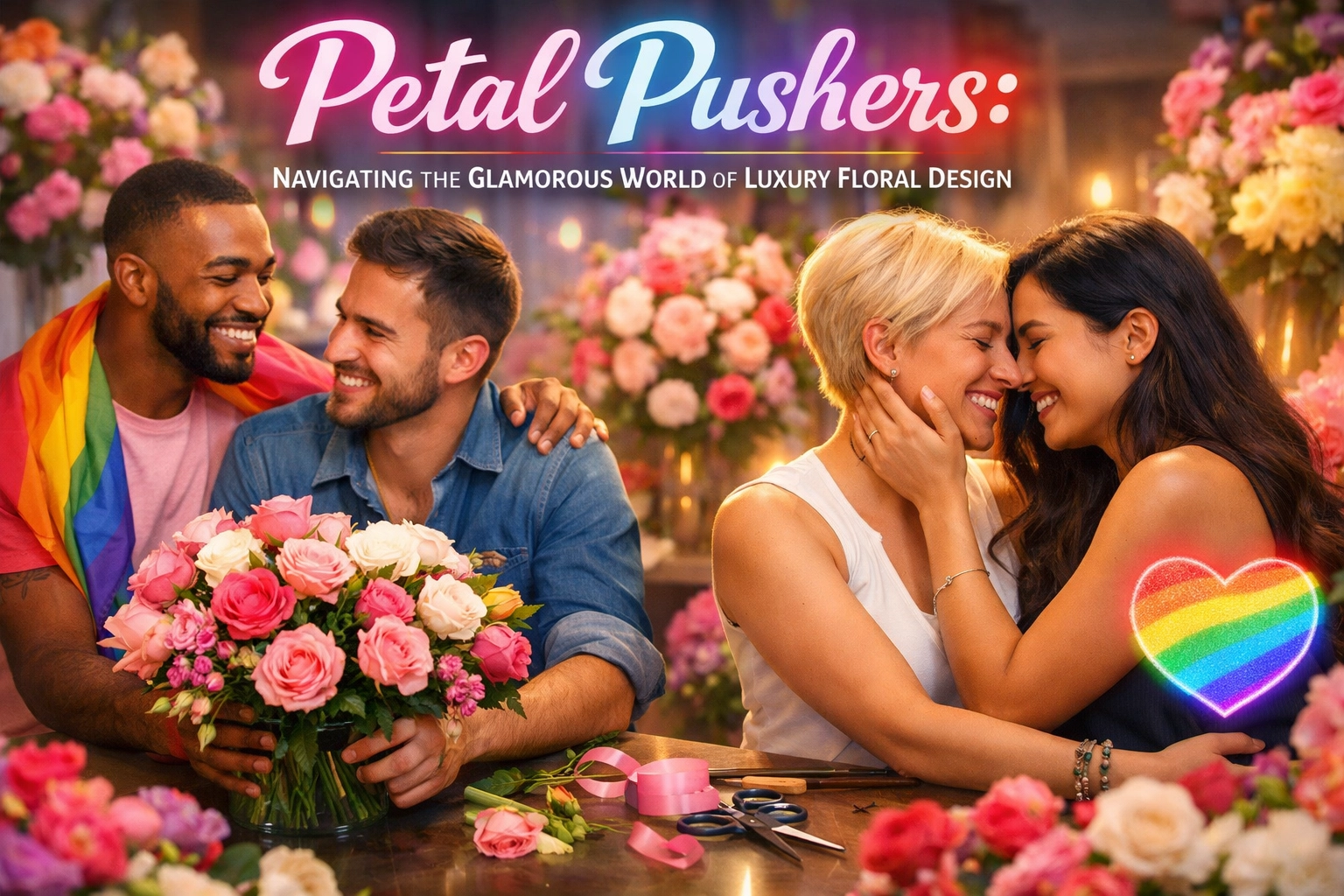
There's something undeniably fabulous about walking into a luxury event and being greeted by breathtaking floral arrangements that cost more than your first car. Behind those stunning installations? More often than not, a talented gay florist who's spent decades perfecting his craft, navigating the delicate balance between artistic vision and demanding clients who expect nothing less than perfection.
The luxury floral design industry is booming, projected to hit $34.2 billion by 2027, and gay men have carved out an undeniable presence in this glamorous, high-stakes world. From Fifth Avenue penthouses to Met Gala after-parties, from royal weddings to Cartier store openings, the petal pushers of the luxury market are creating living art that transforms spaces and tells stories through blooms.
The Historical Roots of Gay Floristry
The connection between gay men and floristry isn't exactly new. Throughout the 20th century, when many professional doors remained firmly closed to openly LGBTQ+ individuals, the floral industry offered a rare space where creativity, sensitivity, and an eye for beauty were celebrated rather than stigmatized. Flower shops became safe havens, places where gay men could express themselves, build communities, and create beauty without constantly monitoring their mannerisms or speech.
Oscar Wilde's famous green carnation wasn't just a fashion statement; it was a signal, a way of identifying kindred spirits in an era of silence. That tradition of floristry as both profession and safe space continued through the decades, even as the work itself evolved from simple bouquets to multi-million dollar installations.
The Art of Elite Client Management
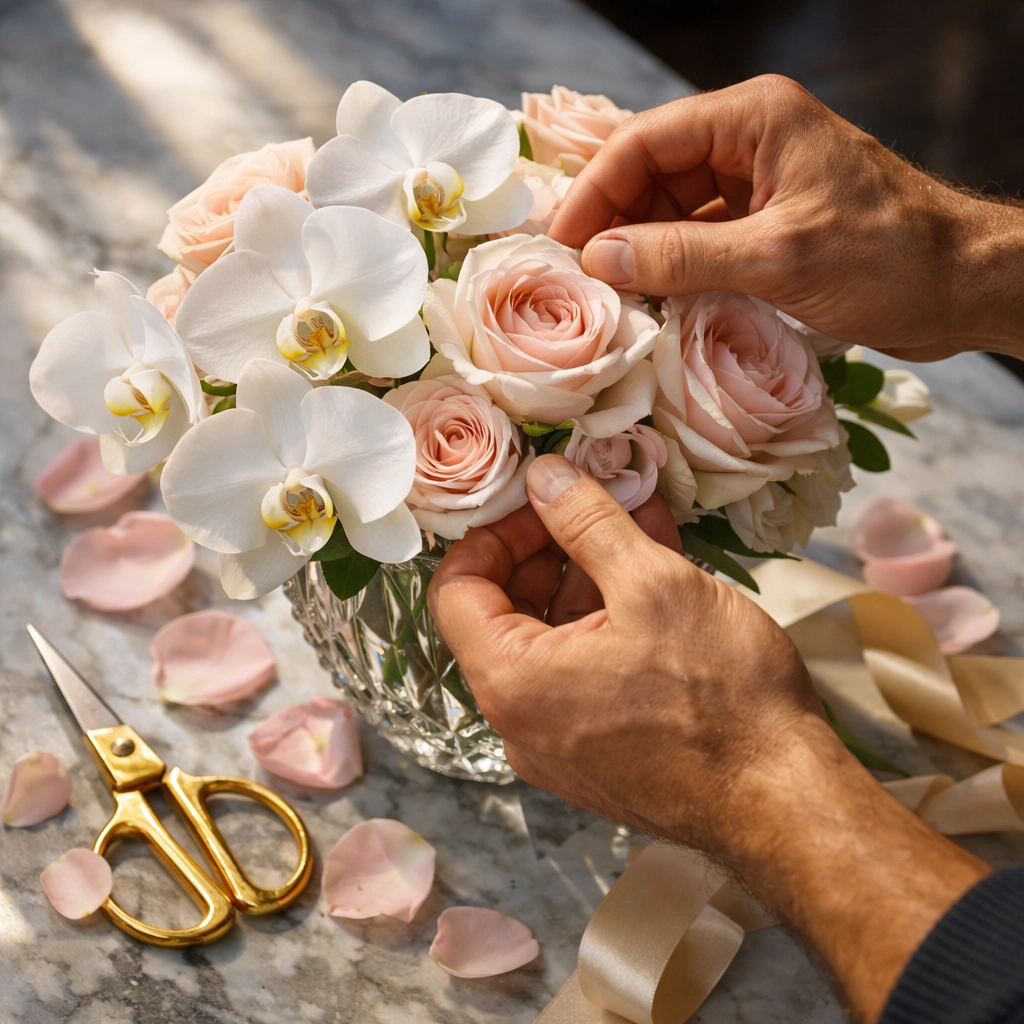
Working with ultra-wealthy clients is its own particular art form, requiring equal parts creative genius, psychological insight, and diplomatic finesse. These aren't clients who simply want "something pretty", they want showstoppers, conversation pieces, arrangements that will have their guests pulling out phones before they've even made it past the foyer.
Luxury floral designers become trusted confidants to their elite clientele. They're privy to divorce dramas, family feuds, and corporate power plays. A Park Avenue socialite might casually mention over arrangements for her spring gala that she's "finally leaving Richard" or that "the Vanderbilts are absolutely furious about not being invited." The best florists know when to listen, when to offer a sympathetic nod, and when to keep their mouths firmly shut.
The charm factor cannot be understated. Gay florists have long understood that their success with wealthy clients often depends on being simultaneously fabulous and unthreatening, the gay best friend archetype, but with better taste and access to imported Juliet roses at $200 per stem. It's a delicate performance, one that can feel both empowering (building genuine relationships, wielding creative influence) and exhausting (always being "on," managing expectations, code-switching).
Why Gay Men Dominate Luxury Floristry
Let's be honest about what makes gay florists particularly successful in the luxury market. There's an attention to detail that comes from spending a lifetime noticing things, the slight differences in fabric textures, color gradations invisible to others, the way light hits a petal at different times of day. Growing up gay often means developing a heightened awareness of your environment, reading subtle social cues, and understanding unspoken rules. These same skills translate beautifully to working with finicky orchids and even finickier clients.
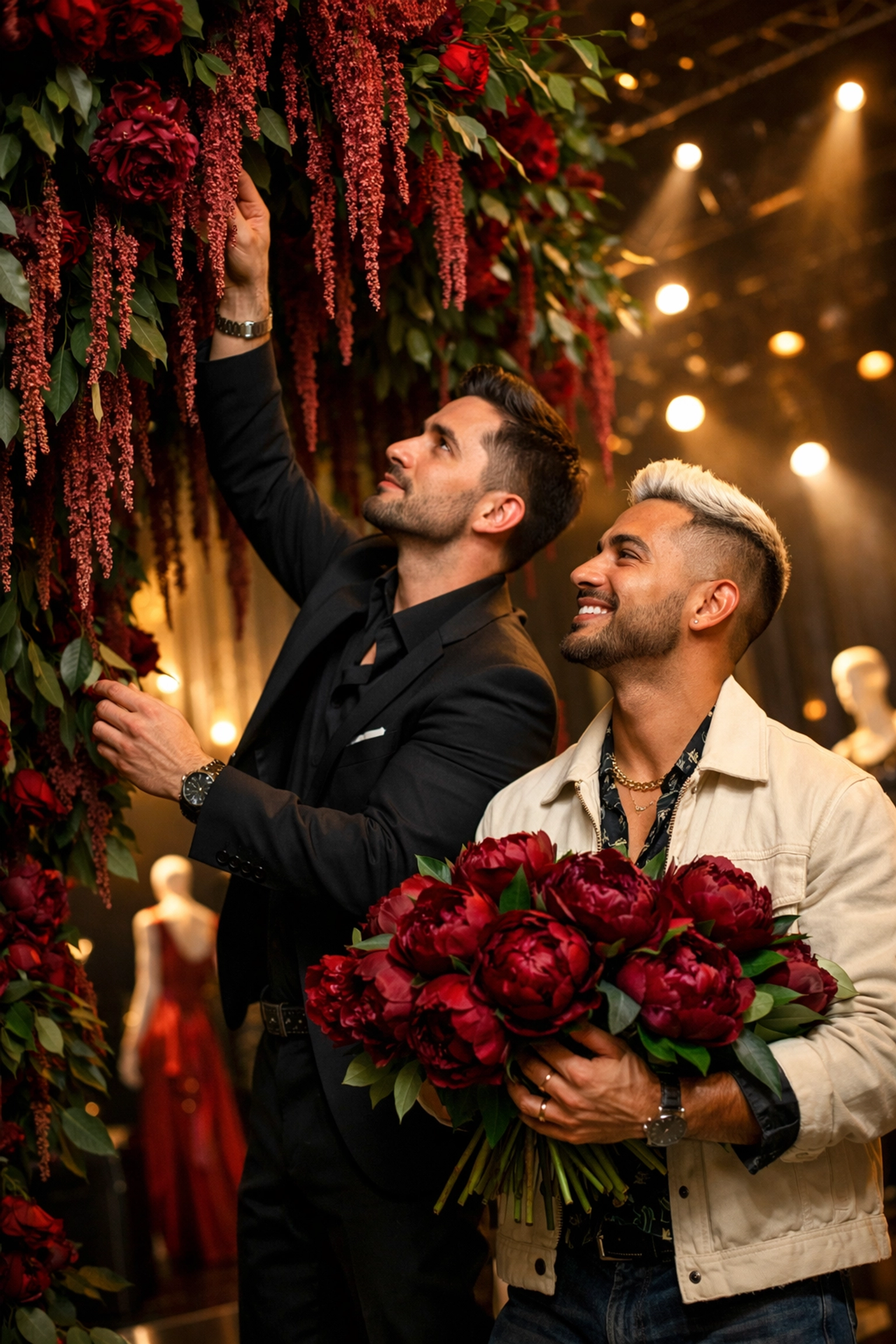
There's also fearlessness in pushing creative boundaries. When you've already broken one set of society's rules simply by existing authentically, why not experiment with unconventional color palettes or sculptural arrangements that make traditional florists clutch their pearls? Gay designers have brought drag queen energy to floral design, bigger, bolder, more theatrical installations that treat flowers as fashion rather than mere decoration.
The luxury floral world's overlap with fashion is particularly significant. Designers like Julia Rose are creating actual floral couture for New York Fashion Week, crafting wearable art from premium garden roses. When Prada or Dior or Alexander Wang need floral installations for fashion shows, they're calling designers who understand that flowers can be as much a statement as any runway look.
The Glamorous Reality (And Its Shadow Side)
The Instagram version of luxury floristry is pure fantasy, sipping champagne at the Carlyle while discussing centerpiece options, jetting to the Netherlands to hand-select tulips, rubbing shoulders with celebrities at events where your installations are photographed by Vogue. And yes, those moments absolutely happen.
But behind the glamour lies brutal reality. This is a business of 3 AM deliveries, ruined arrangements because humidity levels weren't precisely right, clients who change their minds three times on the day of their daughter's wedding, and flowers dying in transit despite every precaution. The pressure is immense when a single event installation can cost $50,000 to $500,000, and one mistake could tank your reputation.
There's also the particular exhaustion of performing affluence while not necessarily possessing it yourself. Many luxury florists are creating arrangements worth more than their monthly rent, working in homes that could house a small village, and then returning to their own modest studios in outer boroughs or less fashionable neighborhoods. The wealth gap between creators and clients can be jarring.

Building an Empire Through Relationships
Success in luxury floristry is as much about relationships as arrangements. The best designers become part of their clients' inner circles: they're invited to birthday parties, asked for decorating advice beyond flowers, trusted to know about events before official announcements go out. This access creates opportunities but also obligations. You're not just a vendor; you're part of the ecosystem of wealth, with all the complicated dynamics that entails.
Many gay florists leverage their positions beautifully. They become connectors, introducing clients to each other, facilitating business deals over discussions of peonies versus garden roses. They build networks that span industries: fashion, finance, entertainment, hospitality. A florist who does the flowers for a Netflix executive's home might get recommended for a premiere event, which leads to corporate work, which leads to more high-profile clients. It's a snowball effect, but only if you can maintain quality, discretion, and that essential charm that makes people want to work with you again.
The Modern Luxury Market
Today's luxury floral design emphasizes sustainability and local sourcing in ways that would have been unthinkable twenty years ago. The ultra-wealthy increasingly want to know their flowers are ethically sourced, that their arrangements aren't contributing to environmental destruction, that they're supporting artisanal growers rather than factory farms. It's a shift that's opened new opportunities for designers who can tell compelling stories about their blooms' origins.
Technology has changed the game too. Instagram and TikTok have made floral designers into celebrities in their own right, with hundreds of thousands of followers watching time-lapse videos of installations coming together. This visibility has democratized luxury floristry somewhat: you no longer need decades of connections to break in if you can create viral-worthy content. Though, of course, actually servicing ultra-wealthy clients still requires those traditional skills of discretion and relationship management.
The Power of Beauty
At its core, luxury floral design is about creating moments of transcendent beauty. There's something powerful in that, especially for gay men who may have grown up in environments where their own existence was framed as wrong or shameful. To create beauty, to be celebrated for that creation, to have wealthy and powerful people seek you out specifically because of your artistic vision: it's a form of vindication.
The best luxury florists understand they're not just arranging flowers; they're crafting experiences, memories, and emotions. A wedding arrangement becomes part of someone's love story. An installation at a product launch contributes to a brand's narrative. Flowers in a grieving widow's home offer comfort in ways words cannot.
The luxury floral world remains imperfect: it can be exclusive, demanding, and exhausting. But for the gay men who've carved out space in this glittering industry, it represents something more than just a career. It's proof that artistry, charm, and relentless dedication can open doors that once seemed permanently closed. It's a world where being fabulous isn't just accepted: it's practically a job requirement.
Discover more stories celebrating LGBTQ+ creativity, resilience, and culture at readwithpride.com.
Follow us for more engaging content:
- Facebook: Read With Pride
- Twitter: @Read_With_Pride
- Instagram: @read.withpride
#ReadWithPride #LGBTQStories #GayHistory #QueerCulture #LuxuryFloral #GayArtists #FlowerPower #LGBTQCommunity #QueerCreatives #GayPride #MMRomance #LGBTQFiction #GayBooks #QueerReading #PrideMonth #LGBTQLiterature #ReadWithPride2026

Leave a Reply
You must be logged in to post a comment.