

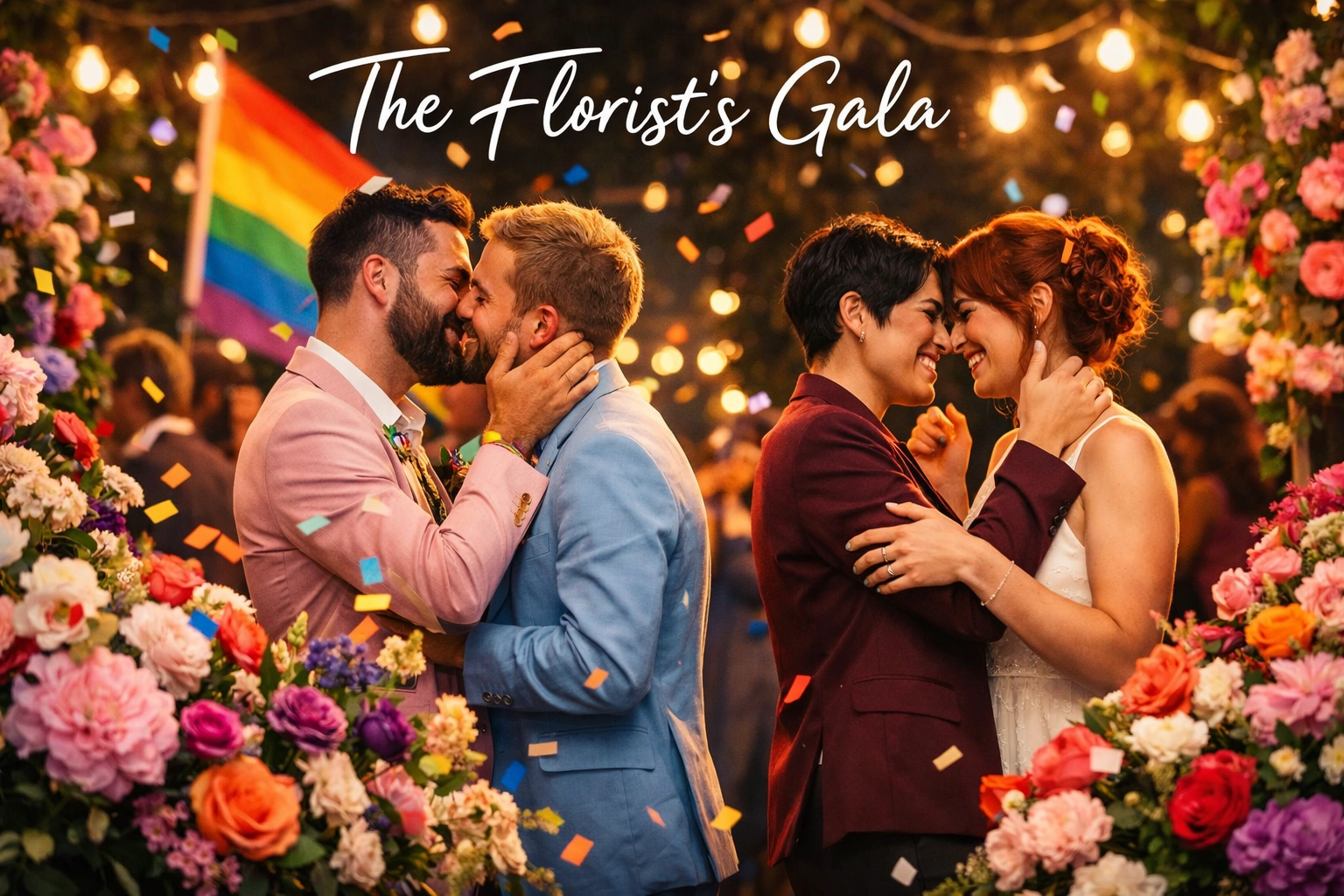
readwithpride.com
There's something deliciously ironic about a profession that requires both the gentlest touch and the sharpest elbows. Welcome back to our series on gay florists navigating the glittering, cutthroat world of high society, where a misplaced peony can cost you a six-figure contract, and the drama rivals any MM romance novel you've ever devoured.
When Roses Meet Ruthlessness
Picture this: You're knee-deep in French tulips at 3 AM, hands bleeding from rose thorns, racing to transform a billionaire's penthouse into a botanical wonderland before their charity gala. Meanwhile, three competing florists are circling like sharks, ready to poach your clients with a single Instagram post. This isn't your neighborhood flower shop, this is gladiatorial combat with gardenias.
The elite floral world operates on a completely different frequency. These aren't arrangements for your aunt's birthday; these are living sculptures that cost more than most people's cars. And the gay florists who've carved out their niche in this space? They've mastered the art of being both artist and assassin, diplomat and diva.
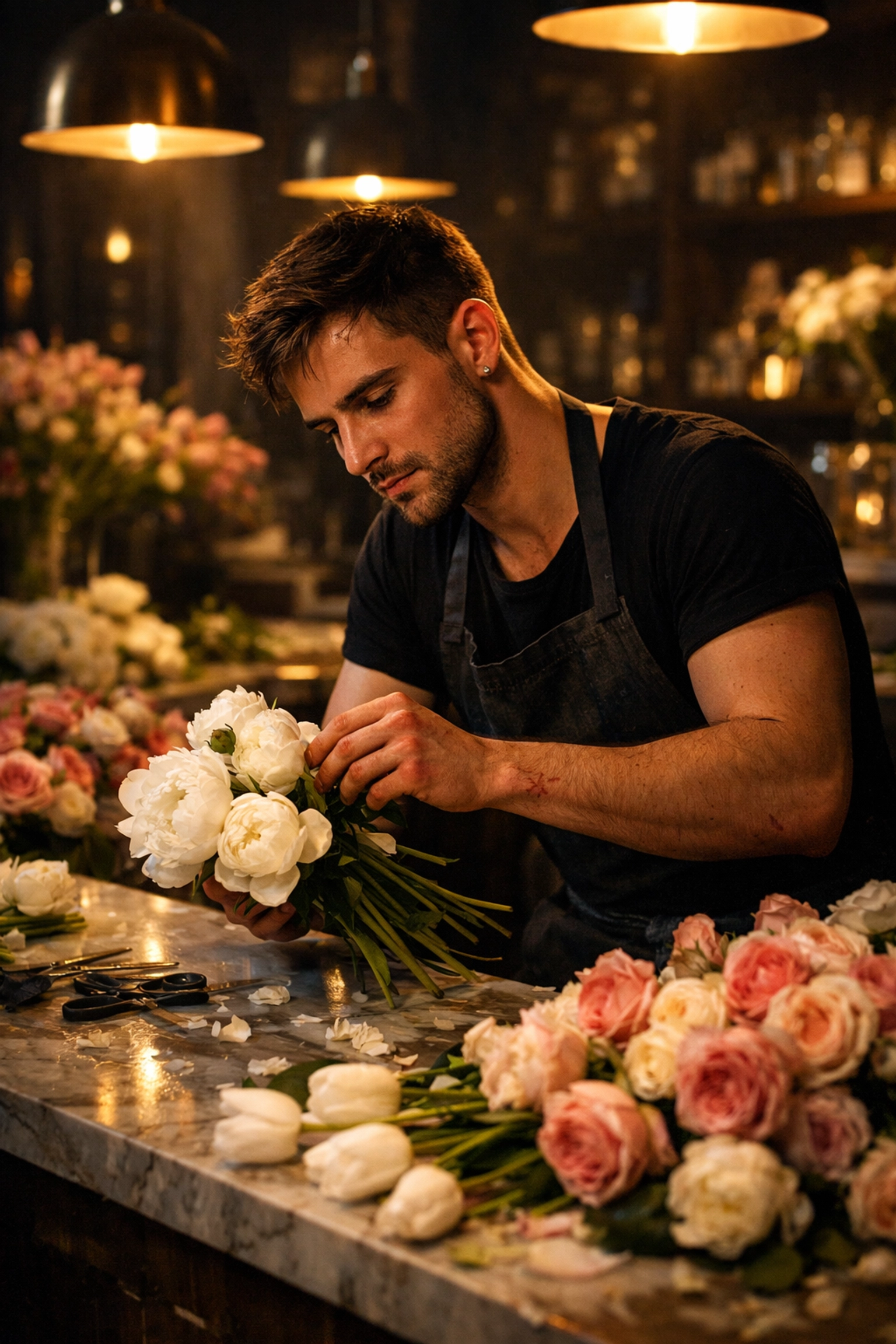
Take the scenario that plays out every fashion week, every society wedding, every museum gala: A client with unlimited funds but impossibly specific demands. They want "garden party meets Studio 54 meets Marie Antoinette, but make it modern." They want it to look effortless (after you've spent 72 hours making it happen). And God forbid you use the wrong shade of blush pink, that's last season's blush pink.
The Charm Offensive
Here's where the gay romance of it all comes in, not just in the literal sense (though trust us, there are plenty of those stories), but in the way these florists navigate their world. In an industry dominated by old-money expectations and new-money excess, being authentically queer becomes both armor and art form.
The charm isn't manufactured, it's survival. When you're pricing arrangements that cost more than most monthly salaries, you need to make clients feel like they're not just buying flowers, they're buying you. Your taste, your vision, your ability to understand that when Mrs. Vanderbilt says she wants "something cheerful," she actually means "outdo whatever that bitch at the Met Gala had last year."
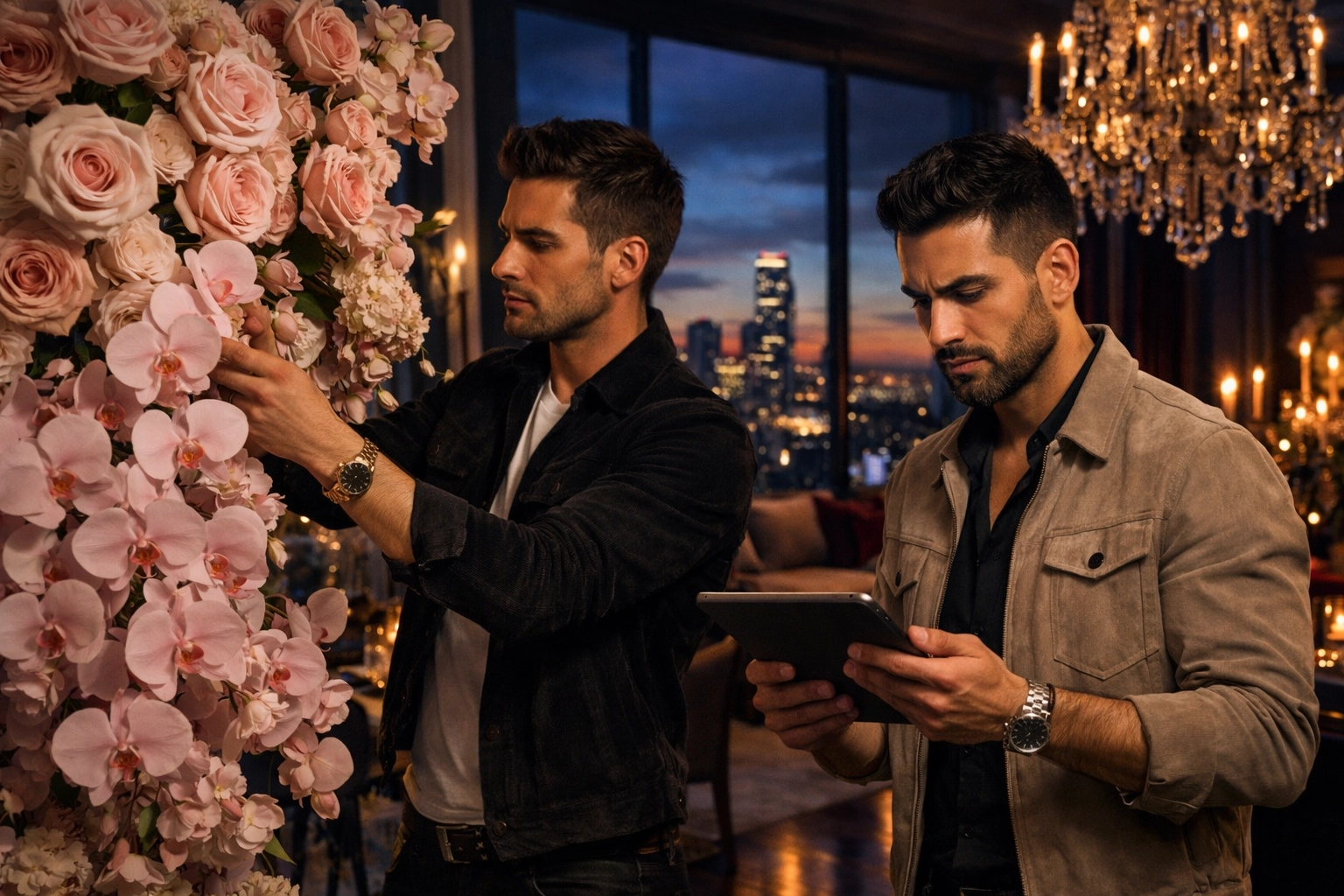
Many of these florists have perfected what we might call the "forced proximity" trope, if you're familiar with MM romance books, you know exactly what we mean. Spending hours in intimate spaces with wealthy clients, in their homes during their most vulnerable moments (planning weddings, funerals, coming-out parties), creates bonds that go beyond transactional. Some of the deepest friendships, and yes, occasionally more, bloom in these high-pressure environments.
Behind the Petals: The Real Work
But let's get real about the work itself. This isn't sitting in a charming shop tying ribbon around bouquets. This is:
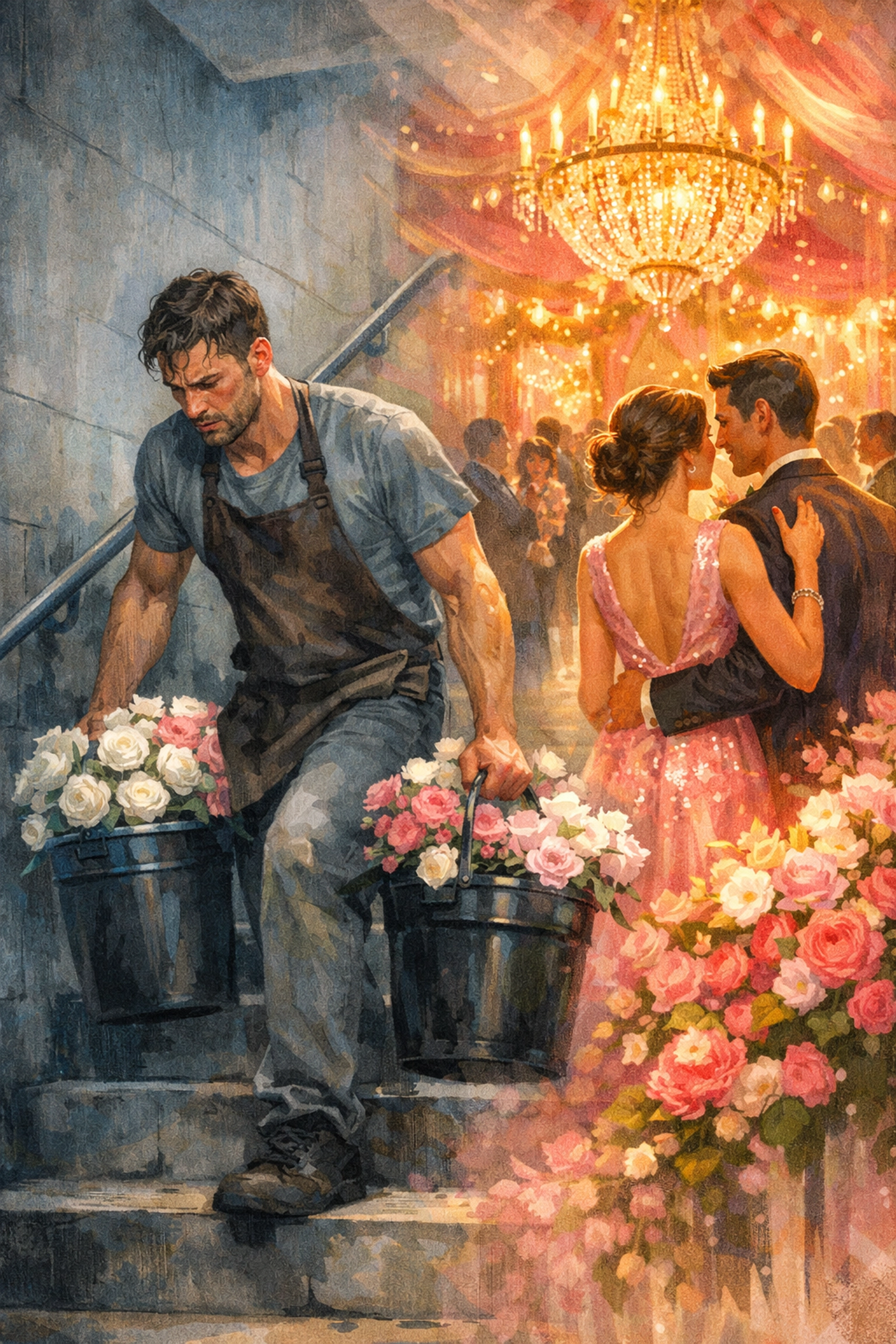
The Physical Brutality: Hauling hundreds of pounds of flowers up service elevators at ungodly hours. Working in freezing cold storage rooms. Standing for 16-hour stretches during event season. Your hands are constantly cut, stained green, and aching. One florist we spoke with called it "manual labor disguised as art," and honestly? That's the perfect description.
The Mental Chess Game: You're simultaneously managing suppliers (who might short you on the exact peonies you promised), clients (whose "simple and elegant" vision somehow requires 10,000 individual blooms), staff (who call in sick the day of your biggest event), and competitors (who are literally texting your clients right now with "better" offers).
The Financial Tightrope: Operating on razor-thin margins despite charging premium prices. One damaged shipment, one cancelled order, one bad review from an influencer, and you could lose months of revenue. It's not just about making beautiful things, it's about making a sustainable business in a luxury market that's notoriously fickle.
The Gay Advantage
Now, let's talk about why so many gay men have not just entered but dominated this particular niche. Beyond the obvious jokes about good taste (which, let's be honest, exist for a reason), there's something deeper happening here.
Growing up queer often means developing a heightened emotional intelligence, you learn to read rooms, decode subtext, navigate hostile spaces with grace. These skills translate directly into high-society floristry. You need to understand what clients really want when they can't articulate it. You need to charm both the conservative old-money matriarch and her progressive millennial daughter. You need to make everyone feel seen, valued, and understood.
Plus, there's an element of performance to the whole thing. Creating these massive installations isn't just craft, it's theatre. And who better to understand theatre than people who've been code-switching and performing since childhood? (We're not saying every gay person is performative, but we are saying that navigating straight spaces as a queer person involves a certain amount of… let's call it strategic presentation.)
Love Among the Lilies
Of course, we'd be remiss not to mention the romantic element, because this industry is absolutely ripe with gay love stories worthy of the best LGBTQ+ fiction. The meet-cutes write themselves: Two rival florists forced to collaborate on a massive wedding. A florist falling for the wedding planner who's been his professional nemesis. The enemies-to-lovers arc when you're both competing for the same society matron's approval.
The intensity of the work creates bonds. When you're building a floral cathedral at 2 AM together, surviving on coffee and adrenaline, something happens. Shared trauma? Proximity? Mutual respect for someone who understands this bizarre, beautiful, brutal world? All of the above?
One florist told us about falling for a fellow designer during a particularly disastrous gala setup, everything that could go wrong did, from wilted shipments to a client meltdown to a last-minute venue change. They spent 20 straight hours problem-solving together, and somewhere between the tears and the triumph, something clicked. Three years later, they run their business together. (Yes, it's as romantic as it sounds, and yes, their MM contemporary romance origin story involves a lot more swearing than your typical romance novel.)
The Price of Perfection
But it's not all romance and roses. The psychological toll of maintaining perfection in an imperfect world weighs heavy. The depression rates in creative industries are already high; add the pressure of serving the ultra-wealthy, the physical exhaustion, and the financial precarity, and you've got a recipe for burnout.
Many florists in this world struggle with impostor syndrome, no matter how successful they become, there's always that voice asking if they're really good enough, if they belong in these spaces. For queer florists, that voice sometimes has homophobic overtones, remnants of growing up in a world that told them they weren't enough.
The key to survival? Community. Finding your people, other gay florists, supportive clients, chosen family who understand when you can't make dinner because there's a last-minute emergency order for a Saudi prince's birthday party. The same networking that helps you survive professionally also saves you personally.
Why We Love These Stories
At Readwithpride.com, we're fascinated by these real-world narratives because they contain all the elements of the best gay romance books: high stakes, passionate people, beautiful settings, and the constant tension between vulnerability and strength. These florists live the kind of lives that would make incredible queer fiction, full of drama, artistry, ambition, and yes, love.
Whether you're reading gay novels about fictional characters or following the true stories of real people navigating queer life in unexpected industries, the themes remain: resilience, authenticity, community, and the search for connection in a complicated world.
Final Thoughts
The world of elite floristry is a microcosm of queer experience itself: beautiful and brutal, delicate and demanding, requiring both artistic sensitivity and strategic toughness. These gay florists aren't just creating pretty things for rich people; they're building empires, one stem at a time, in a world that often underestimates both their artistry and their business acumen.
So next time you see those breathtaking floral installations at a museum gala or society wedding, remember: behind those perfectly placed peonies is probably a gay florist who's been awake for 36 hours, is running on espresso and spite, and is absolutely nailing it.
Want more stories celebrating LGBTQ+ lives, work, and love? Follow us on Instagram, Facebook, and X/Twitter for daily doses of queer joy and the best MM romance recommendations.
#ReadWithPride #MMRomance #GayRomance #LGBTQFiction #QueerStories #GayBooks #MMRomanceBooks #LGBTQEbooks #GayRomanceNovels #QueerFiction #2026Books #GayLoveStories #MMContemporary #LGBTQReading #GayLiterature #PrideReading

Leave a Reply
You must be logged in to post a comment.