

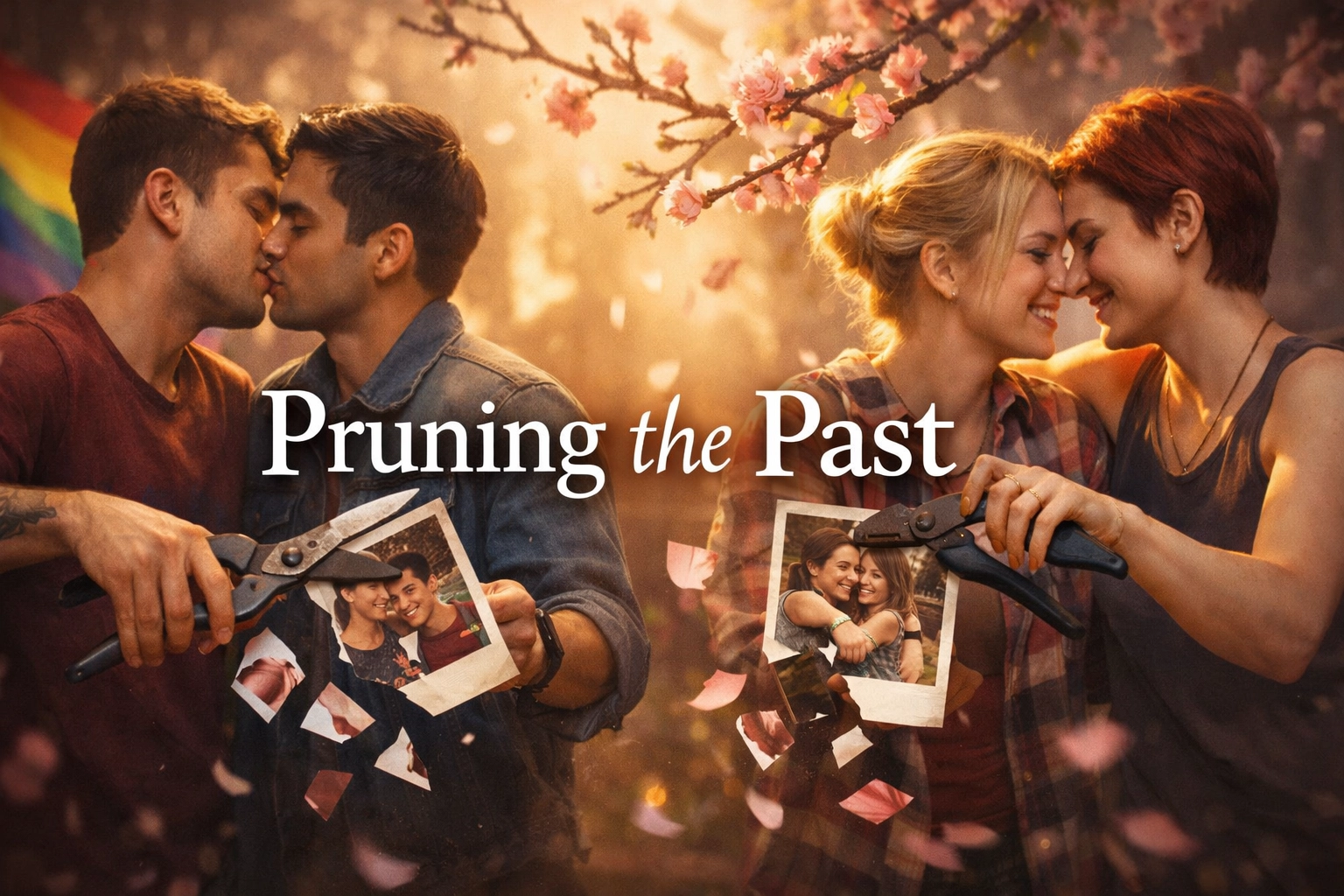
readwithpride.com
There's something poetic about a man who knows exactly which stems to cut and which to save. In the rarefied world of luxury floral design, gay florists have carved out a niche that goes far beyond arranging roses for society weddings. They're artists, therapists, and confidants to the ultra-wealthy: and they're constantly pruning their own pasts to thrive in this delicate, high-stakes environment.
The Art of Selective Memory
Marcus learned early in his career that wealthy clients don't just buy flowers: they buy the fantasy of who arranges them. Fresh out of design school in Chelsea, he'd been open about his working-class background, his East End accent still thick as molasses. That authenticity lasted exactly three Park Avenue consultations before a mentor pulled him aside.
"Darling, they want gay, but they want curated gay," she'd told him over martinis. "Give them enough edge to feel progressive, but not so much reality that it makes them uncomfortable over brunch."
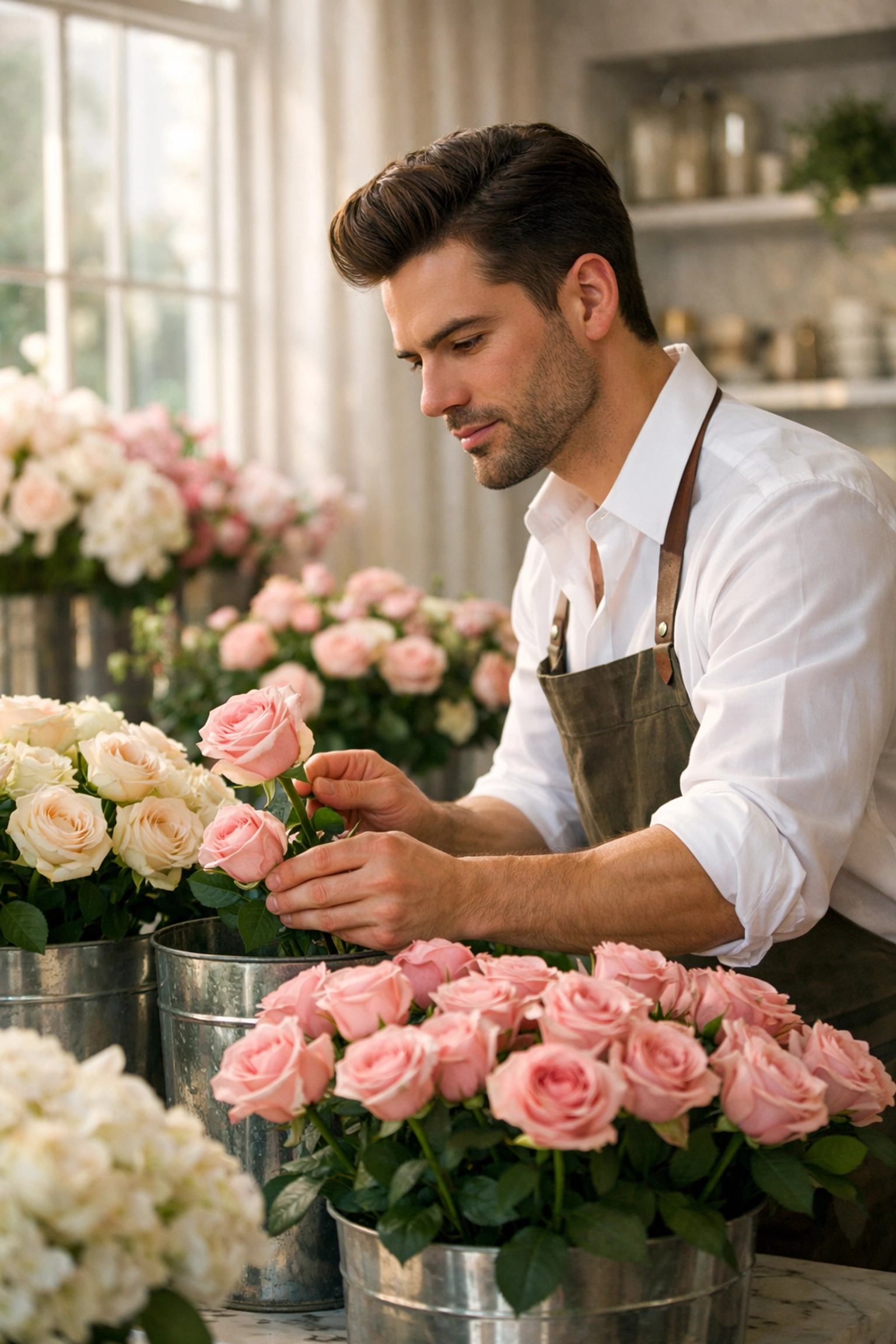
It's a tightrope walk that many queer creatives in elite industries know intimately. You prune away the rough edges of your history: the struggles, the poverty, the trauma: while keeping the parts that make you interesting at dinner parties. You're exotic, not threatening. Artistic, not angry.
But here's the thing about pruning: it's not about denial. It's about strategic growth.
What Gets Cut, What Gets Kept
In the back room of his Mayfair studio, Julian sorts through imported peonies with the precision of a surgeon. Each stem he discards tells a story about resource allocation, about knowing what drains energy versus what creates beauty. It's a lesson he applies to more than just flowers.
"I don't talk about my first relationship with clients," he explains, snipping away bruised petals. "Not because I'm ashamed, but because that version of me: the one who thought love meant tolerating less: doesn't serve the man I am now. I pruned that narrative. Kept the strength it gave me, released the pain it caused."
This selective editing isn't dishonesty: it's survival in an industry where your personal brand is inseparable from your professional one. Gay florists working with elite clientele must navigate a peculiar paradox: they're hired partly because of their queerness (wealthy women especially love the "gay best friend" dynamic), but they can't be too queer, too political, too real.
The Burden vs. The Bond
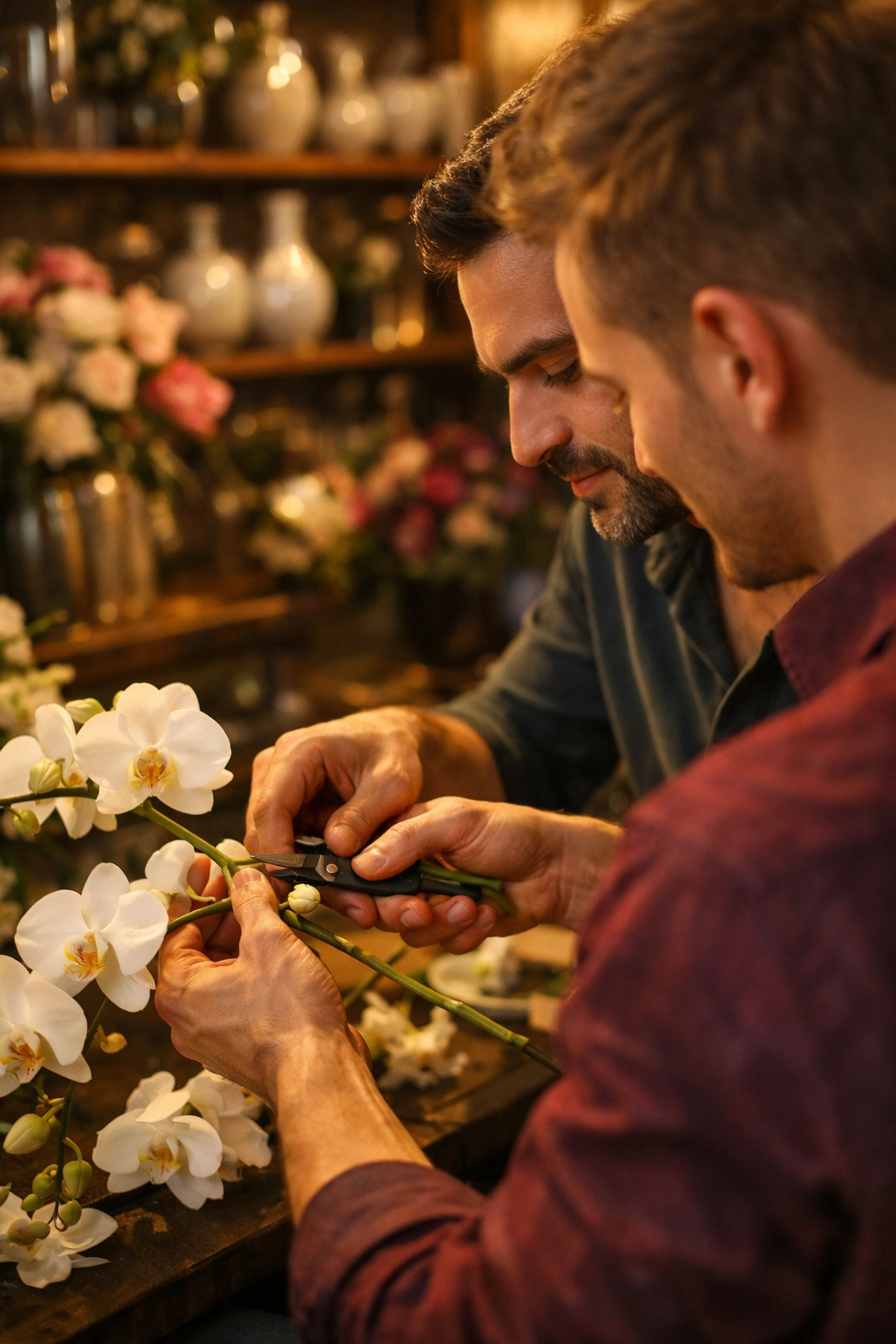
The research on pruning the past suggests we should "prune the burden, not the bond." For florists like David, who designs arrangements for billionaires' yachts and presidential galas, this principle is personal and professional gospel.
"I had a client once: old money, like her family arrived on the Mayflower: who wanted to know my 'coming out story' while I arranged tulips for her daughter's engagement party," David recalls. "She wanted the tearful, dramatic version. The Hallmark movie moment."
He didn't give it to her.
Instead, David shared the edited version: supportive parents, gradual acceptance, a happy ending. He pruned the six months he'd spent homeless at seventeen. He pruned the conversion therapy his grandmother paid for. He pruned the suicide attempt.
"Those experiences shaped who I am," David says, "but they don't define what I create. My clients don't need my trauma to validate their progressive credentials. I give them beautiful flowers and enough personality to feel like they know me. That's the transaction."
It sounds cynical, but it's actually quite healthy. Pruning the past doesn't mean pretending it didn't happen: it means choosing what weight you carry forward.
The Delicate Meets the Demanding
There's an exquisite irony in watching a gay man arrange orchids for a client who donated to anti-LGBTQ+ politicians. It happens more often than you'd think. The flower industry, especially at the luxury level, requires a certain compartmentalization.
"I once designed the centerpieces for a wedding where the groom's father had actively lobbied against marriage equality," admits Christian, who runs a prestigious studio in Knightsbridge. "The bride knew. She apologized privately and paid me triple my rate."
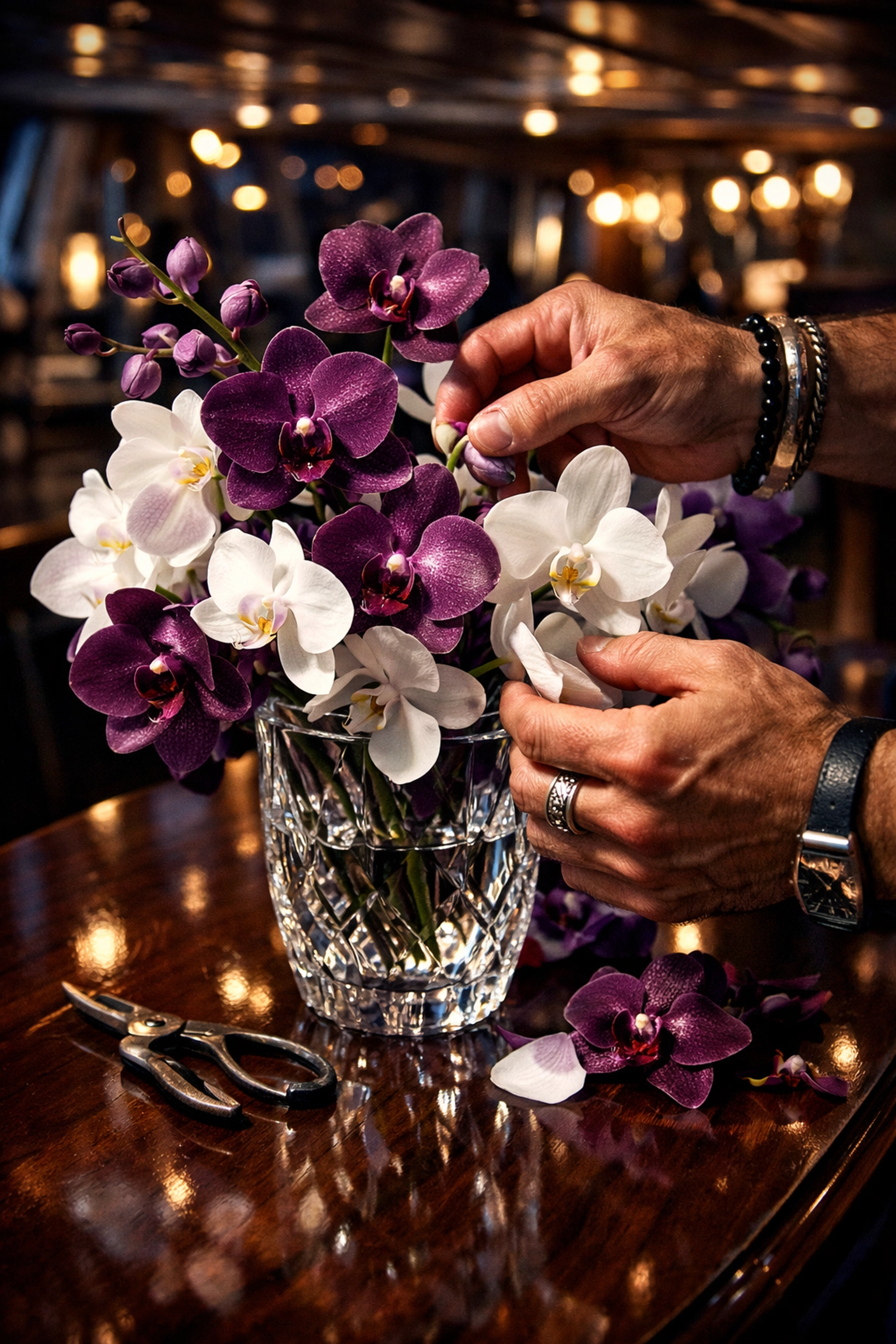
Christian took the job. Not because he needed the money: at his level, he's selective about clients: but because he'd learned something crucial about pruning: you can remove branches without burning down the whole tree.
"I didn't prune my principles," he clarifies. "I pruned my need for every interaction to be a political statement. That particular battle wasn't mine to fight that day. I made stunning flowers, took their money, and donated a portion to an LGBTQ+ youth charity. My past self: the angry activist at Pride marches: would have turned them down dramatically. My current self understands nuance."
Growth Requires Space
The metaphor of pruning works because it's fundamentally about creating space for new growth. In the literal sense, florists prune stems and remove dying leaves to let healthy blooms flourish. In the figurative sense, gay men in elite industries prune their histories to make room for the futures they're building.
This isn't assimilation: it's strategy.
Take Oliver, who grew up in council housing in Birmingham and now creates installations for Royal events. He hasn't erased his working-class background; he's simply learned to present it as character development rather than current identity. The struggle makes for good storytelling. The success makes clients feel like they're supporting a Cinderella narrative.
"I prune the resentment," Oliver says. "I used to be so angry about class disparity, about wealthy people who could throw away more money on flowers than my mum earned in a year. That anger was valid, but it was also exhausting. I pruned it. Kept the drive it gave me, released the bitterness."
The Weight of Presentation
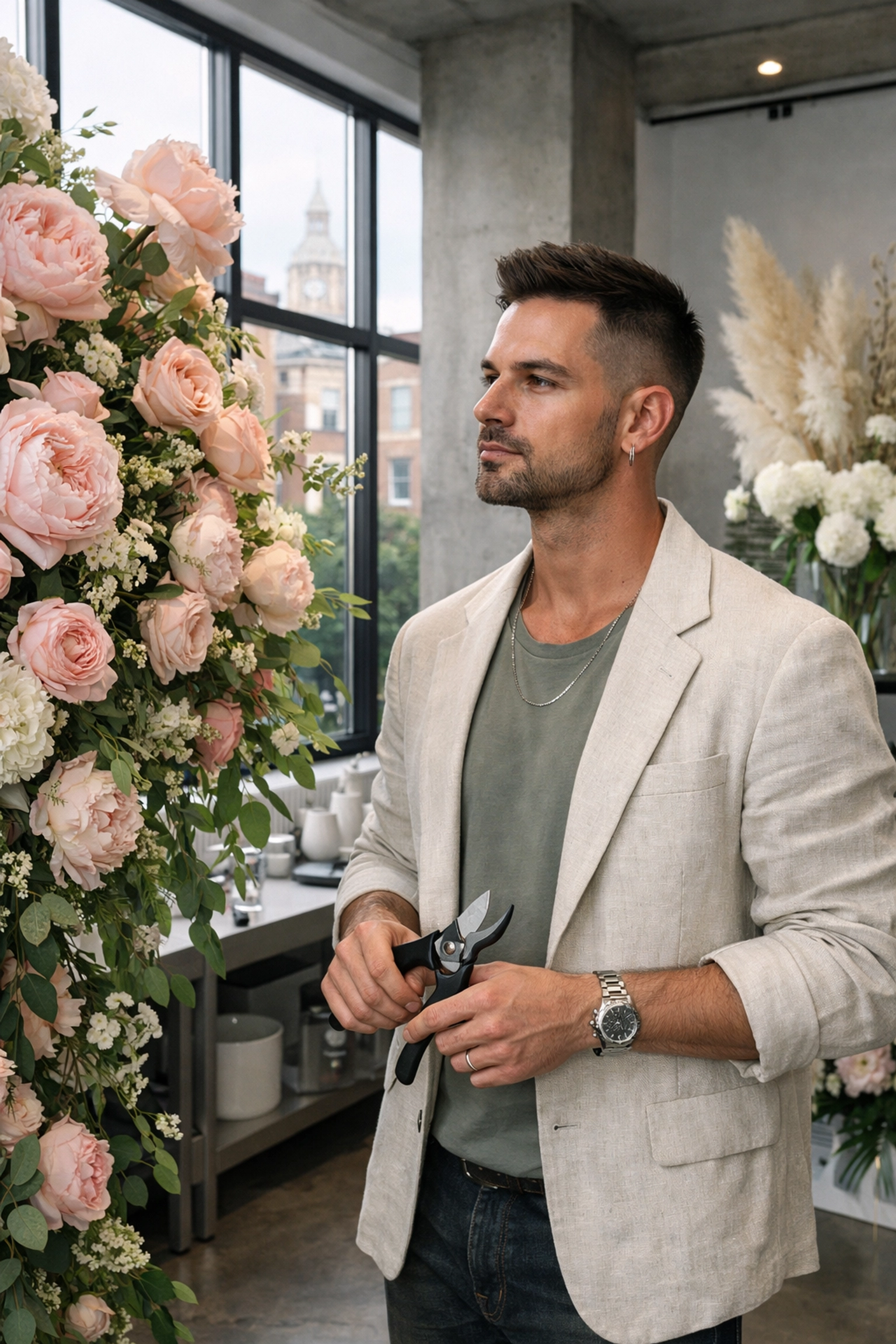
In the luxury floral industry, presentation is everything: and that applies to the florist as much as the flowers. Gay men in this space are acutely aware that they're performing a version of themselves, editing in real-time based on the room they're in.
"With old money clients, I'm more reserved," explains Thomas, whose Chelsea studio caters to aristocracy and new tech wealth alike. "With the tech billionaires, I can be more contemporary, more obviously queer. With society matrons, I'm charming but not threatening. It's exhausting, but it's also freeing in a way. I've pruned the need to be the same person in every space."
This flexibility: this strategic pruning of self-presentation: is something many LGBTQ+ people learn early. We code-switch, we edit, we curate. In the context of working with wealthy clients who hold tremendous power, that skill becomes both protection and power.
Lessons in Letting Go
The florists who thrive in this industry aren't the ones who forget their pasts: they're the ones who've learned to prune strategically. They keep the lessons, the resilience, the creativity born from having to navigate the world as outsiders. They release the weight of proving themselves constantly, of carrying every wound as a visible badge.
"Someone once told me that holding onto your entire past is like trying to arrange flowers while clutching every stem you've ever cut," says Marcus, now a decade into his luxury floristry career. "Your hands get too full. You can't create anything new. You have to learn what to put down."
For gay men working in elite spaces: whether floristry, fashion, design, or any creative industry where queerness is commodified: pruning the past is an act of self-preservation and power. It's choosing which stories to tell and when. It's protecting your tender parts while presenting your strong ones. It's understanding that you can honor your history without being imprisoned by it.
The Bloom After the Cut
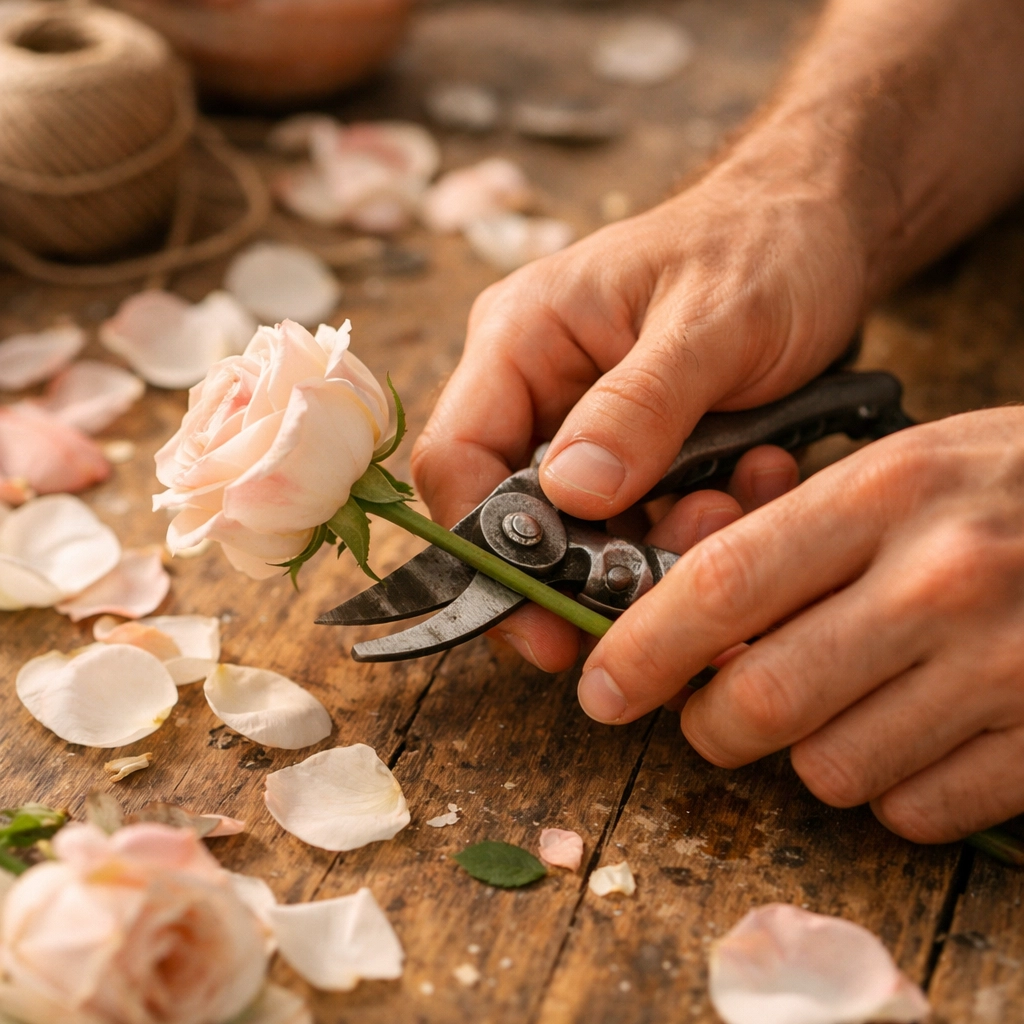
Every florist knows that sometimes you have to cut a stem down to almost nothing for it to grow back stronger. The same is true for personal histories. The pruning: the letting go of old narratives that no longer serve, the release of pain while keeping love, the shedding of who you were to make space for who you're becoming: is what allows for the most spectacular blooms.
In the world of luxury floristry, where gay men navigate between their authentic selves and the curated personas wealthy clients expect, this pruning becomes an art form as delicate as the arrangements themselves. They're not hiding: they're choosing. And in that choice, there's profound power.
Because at the end of the day, pruning isn't about cutting away who you are. It's about trimming back what blocks your light.
Looking for more LGBTQ+ stories that celebrate authentic queer experiences? Discover contemporary MM romance books, gay fiction, and LGBTQ+ ebooks that explore the full spectrum of our community at Read with Pride. From enemies to lovers MM romance to complex character-driven narratives, we celebrate stories where queer characters don't just survive: they thrive.
Follow us for daily LGBTQ+ book recommendations and community updates:
📘 Facebook
🐦 Twitter/X
📸 Instagram
#MMRomance #GayRomance #LGBTQBooks #ReadWithPride #QueerFiction #GayFiction #ContemporaryRomance #LGBTQRomance #GayBooks #MMBooks #QueerLiterature #LGBTQEbooks #GayLoveStories #2026Books #PrideReading #AuthenticQueerStories

Leave a Reply
You must be logged in to post a comment.