
EXPLORE NYC'S QUEER HISTORY – 15% OFF ALL GAY ROMANCE EBOOKS. VISIT READWITHPRIDE.COM NOW.
Understanding NYC's Gay Geography: A Correction
The title references "Soho," but historical accuracy requires clarification: Soho was never a major center of NYC's queer scene. The true progression of New York's LGBTQ+ neighborhoods moved from Greenwich Village to Chelsea to Hell's Kitchen. Soho remained primarily an arts and fashion district. This article examines the actual shifts in gay community spaces across Manhattan's west side.
Greenwich Village: The Original Queer Capital (1960s-1980s)
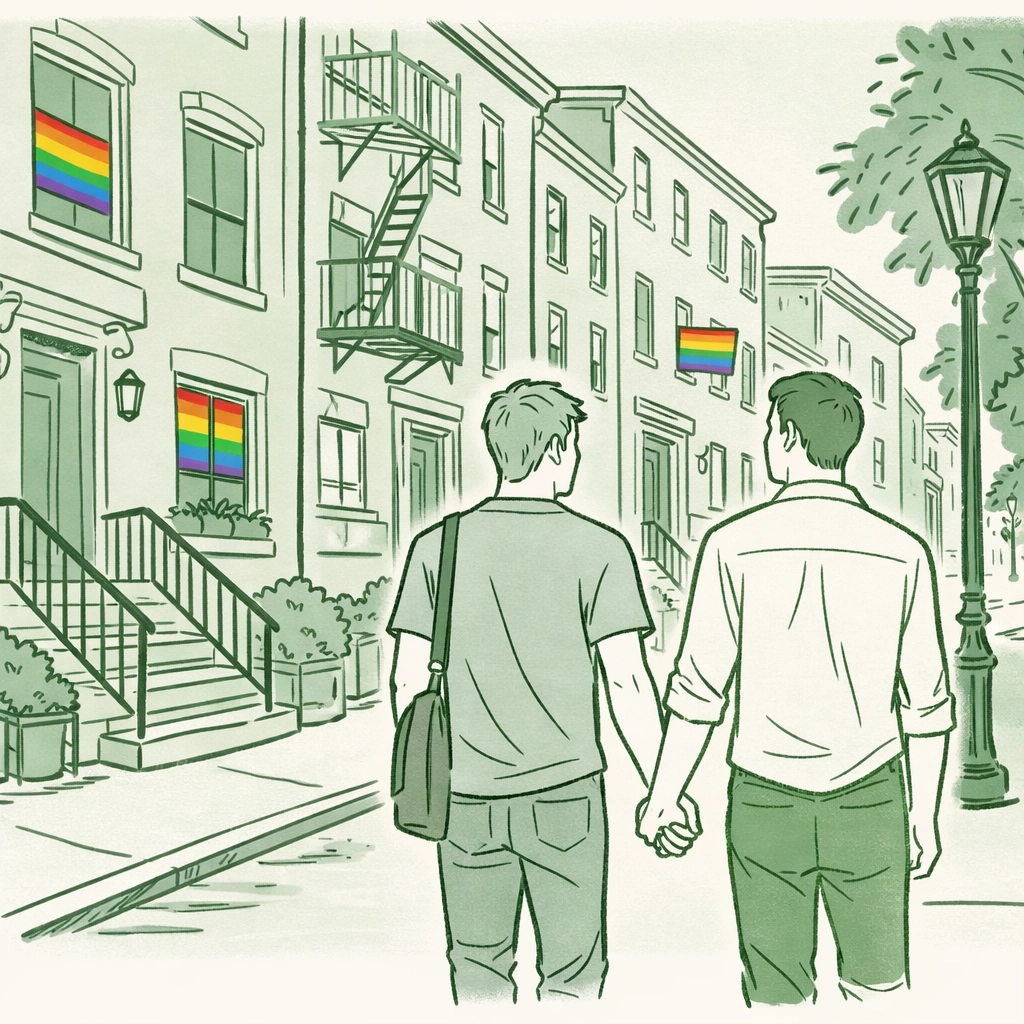
Greenwich Village established itself as America's first recognized gay neighborhood. The Stonewall Inn riots of 1969 cemented the Village's role as ground zero for LGBTQ+ rights. Christopher Street became synonymous with gay liberation. Bars like Julius', the Monster, and Marie's Crisis created spaces where gay men could gather openly.
Key Village Features:
- Stonewall National Monument designation (2016)
- Historic gay bars still operating
- High concentration of LGBTQ+ historical sites
- Extreme gentrification and rising costs
By the 1990s, rental prices in the Village forced many gay residents to seek alternatives. The community needed affordable space while maintaining proximity to queer infrastructure.
Chelsea's Rise as Gay Central (1990s-2000s)
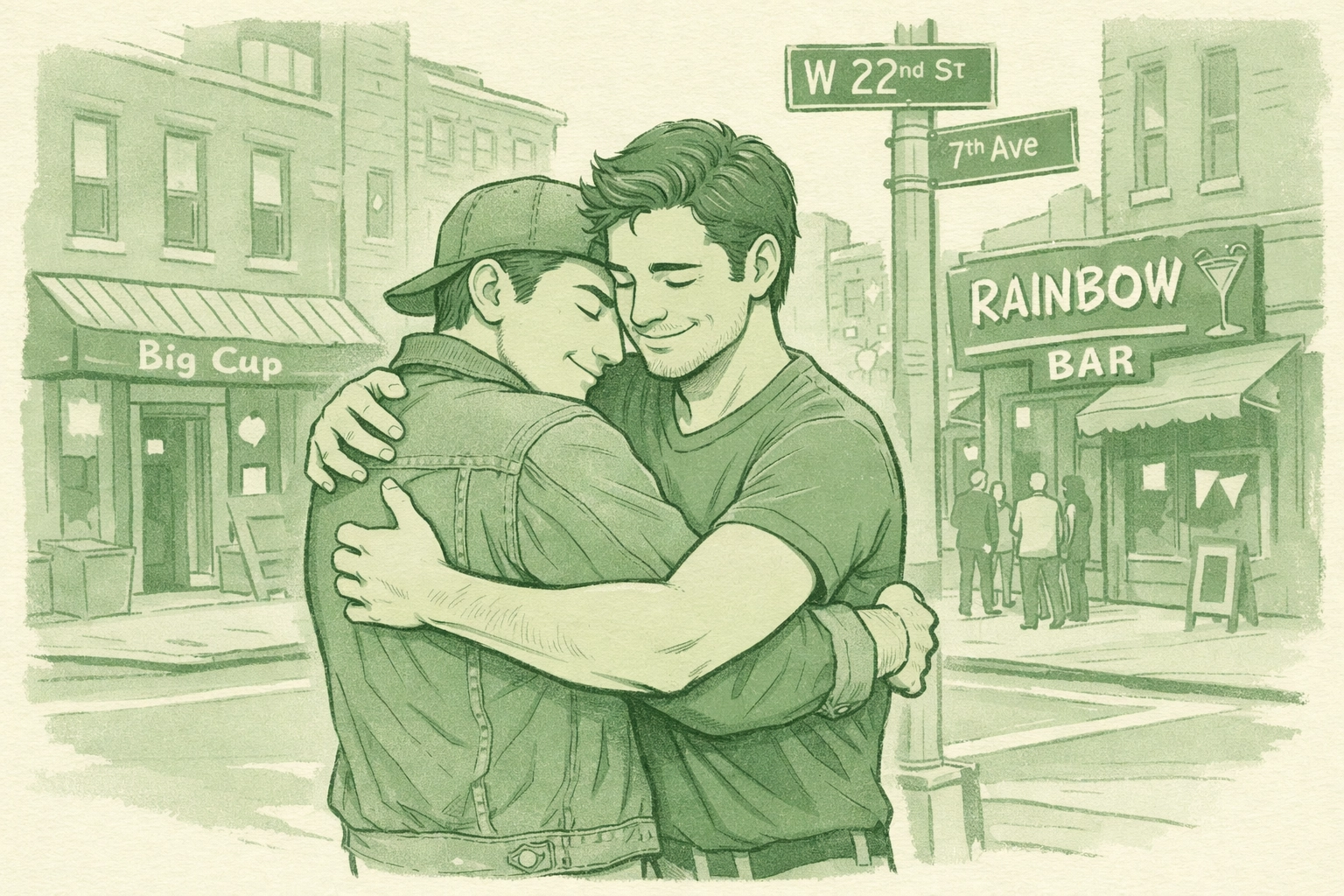
Chelsea emerged as the solution. Starting in the late 1970s but exploding in the 1990s, gay men relocated from Greenwich Village to Chelsea's more affordable housing stock. Eighth Avenue between 14th and 23rd Streets became the new epicenter of gay New York.
Chelsea's gay scene featured:
- 20+ gay bars and clubs
- Splash nightclub (closed 2013)
- The Rocking Horse Café (30-year institution, closed)
- Gym culture and body-conscious social spaces
- Annual events like the Black Party
- Gay-owned businesses concentrated on key blocks
DISCOVER GAY NYC STORIES IN OUR CONTEMPORARY MM ROMANCE COLLECTION. USE CODE PRIDE15 AT READWITHPRIDE.COM.
The Chelsea Decline (2010s-Present)
Chelsea's status as gay headquarters has diminished significantly. Only 6 gay bars remain in what was once the densest concentration of LGBTQ+ venues in America. Multiple factors contributed:
Gentrification Acceleration:
- Median home prices exceeding $2 million
- Straight families replacing gay singles and couples
- Chain restaurants replacing independent gay establishments
- The High Line park development attracting mainstream tourism
Digital Disruption:
- Grindr and dating apps reducing need for physical meeting spaces
- Social media replacing bar culture for community connection
- Younger gay men less interested in neighborhood-based identity
Economic Pressures:
- Rising commercial rents forcing bar closures
- Older gay business owners retiring without successors
- Competition from Brooklyn's emerging queer spaces
Iconic closures include Rawhide (leather bar), Barracuda Lounge, The Eagle NYC, and XL Nightclub. The physical infrastructure of gay Chelsea has largely disappeared.
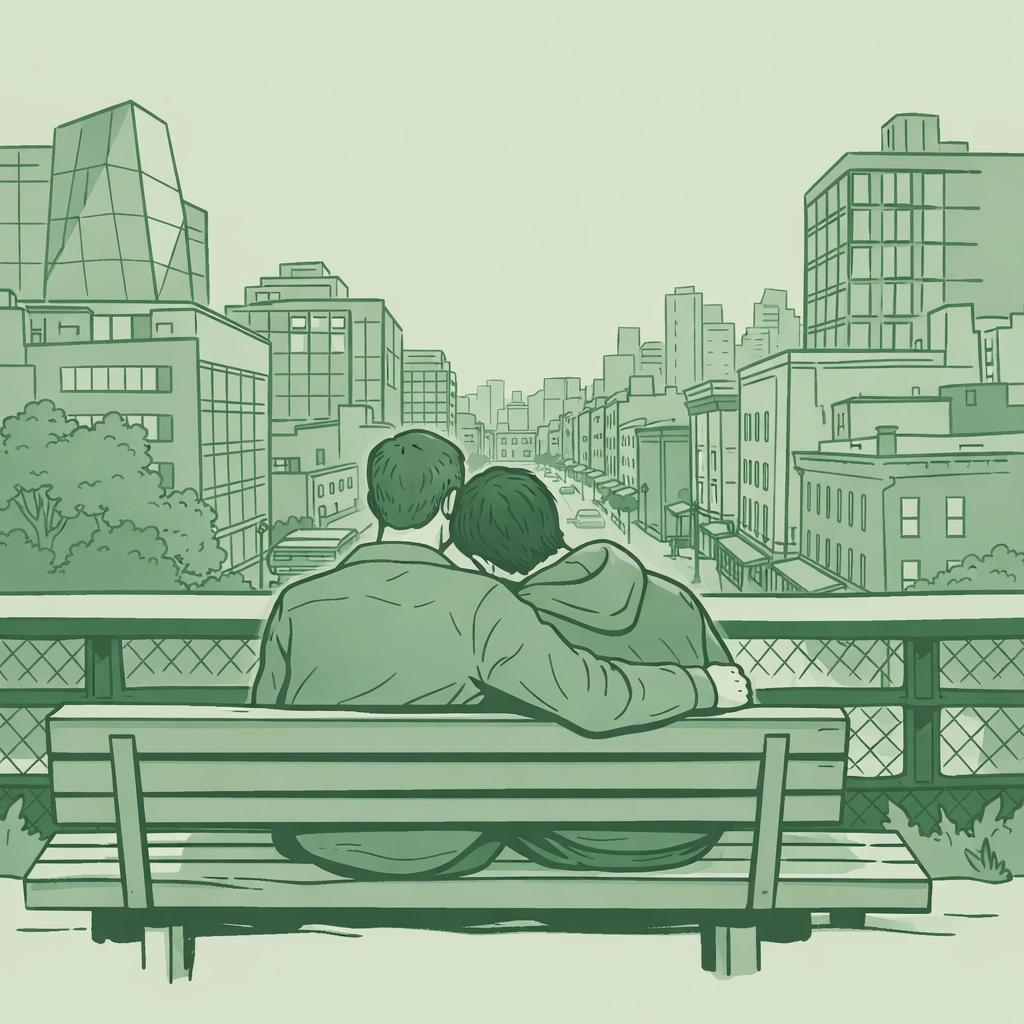
Hell's Kitchen: The New Center (2010s-Present)
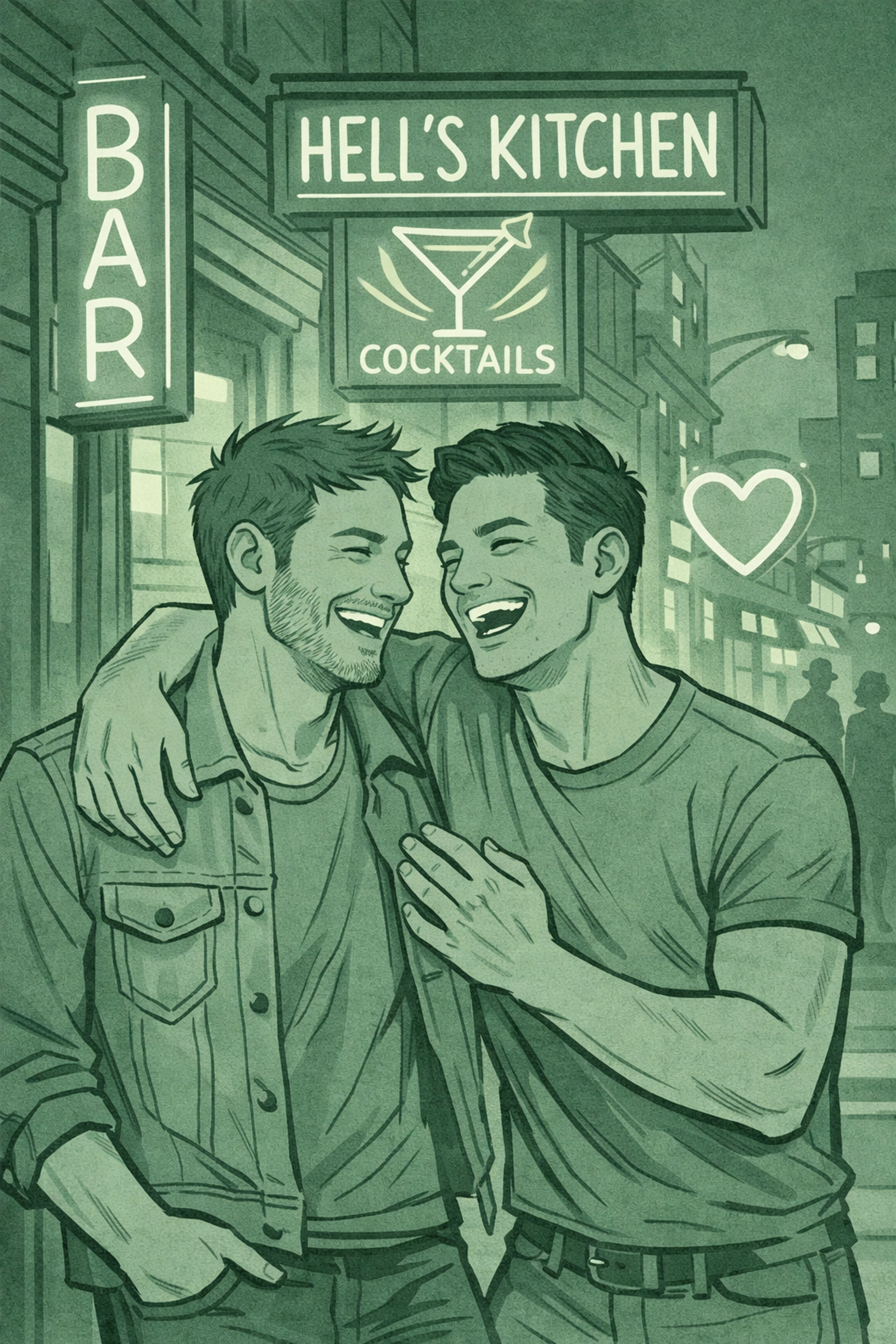
Hell's Kitchen now hosts nearly 20 gay bars, making it Manhattan's current queer hub. Located between Chelsea and Midtown (roughly 34th to 59th Streets, west of Eighth Avenue), Hell's Kitchen offers:
- More affordable rents than Chelsea or Village
- Diverse mix of bars serving different demographics
- Younger crowd with varied interests
- Industry (nightclub) and Therapy (bar/lounge) as anchors
- Proximity to theater district
Hell's Kitchen represents a shift toward integration rather than isolation. The neighborhood isn't exclusively gay but features significant LGBTQ+ presence alongside straight residents and businesses.
READ AUTHENTIC GAY FICTION SET IN REAL NEIGHBORHOODS. SHOP THE BERLIN COMPANIONS AND MORE AT READWITHPRIDE.COM.
Why Physical Neighborhoods Still Matter
Despite dating apps and digital connection, geographic gay communities serve essential functions:
Safety and Visibility:
- Spaces where public same-sex affection remains normalized
- Visible queer presence reducing harassment
- Emergency support networks during crises
Cultural Transmission:
- Older gay men mentoring younger community members
- Preservation of pre-digital social skills
- Historical memory and AIDS memorial sites
Economic Power:
- Concentrated consumer base supporting LGBTQ+ businesses
- Political organizing within defined districts
- Tourism revenue from gay travelers
The Brooklyn Factor
Younger gay men increasingly choose Brooklyn neighborhoods:
- Bushwick (mixed arts/queer scene)
- Williamsburg (upscale gay-friendly)
- Park Slope (lesbian concentration historically)
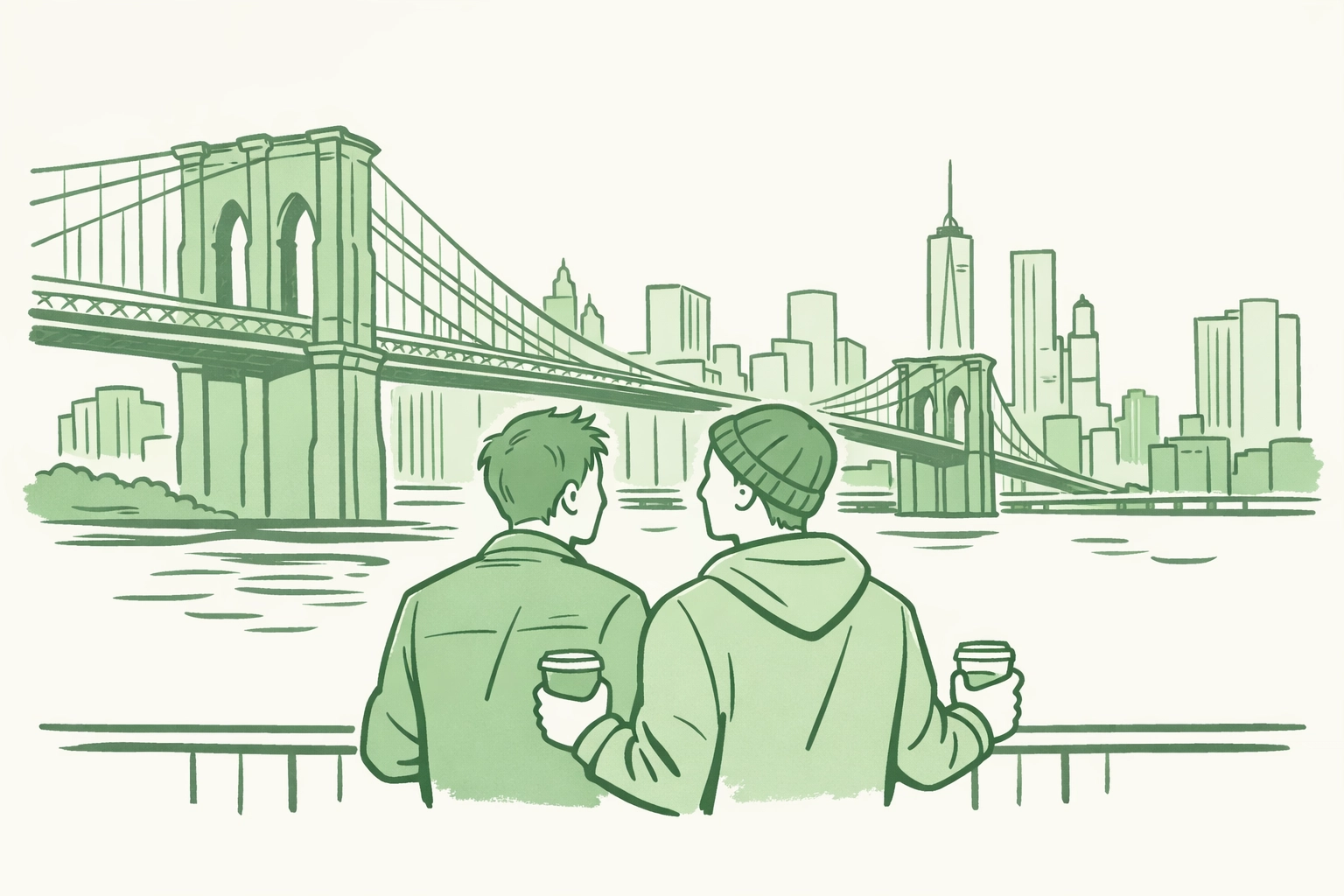
Brooklyn offers lower rents, larger apartments, and less body-conscious social pressure than Manhattan's gay neighborhoods. However, Brooklyn lacks the concentrated infrastructure and historical significance of Manhattan's queer spaces.
Lessons for Other Cities
NYC's shifting gay geography provides insights applicable globally:
Gentrification follows gay communities – LGBTQ+ pioneers revitalize neighborhoods, then get priced out by the mainstream appeal they created.
Digital doesn't fully replace physical – Apps supplement but don't eliminate the need for real-world queer spaces.
Neighborhoods evolve, not disappear – Gay community relocates rather than vanishing, seeking affordability and new energy.
Integration brings losses and gains – Mainstream acceptance reduces need for separate spaces but also dilutes distinct gay culture.
Reading NYC's Gay History Through Fiction
Understanding these neighborhood shifts enriches appreciation of contemporary gay romance and LGBTQ+ fiction set in New York. Authors writing MM romance and gay novels capture specific moments in this ongoing evolution.
EXPLORE OUR COMPLETE COLLECTION OF GAY ROMANCE BOOKS AND MM NOVELS AT READWITHPRIDE.COM. NEW RELEASES ADDED MONTHLY.
The Future of Queer NYC
Where does New York's gay scene go from here? Predictions include:
- Continued Hell's Kitchen dominance for nightlife
- Brooklyn's growing role for residential community
- Greenwich Village maintaining historical/tourism significance
- Queens potentially emerging as next affordable frontier
- Digital-physical hybrid models for community building
The gay neighborhoods of tomorrow may look nothing like those of the past. What remains constant: LGBTQ+ New Yorkers' resilience in creating spaces for connection, celebration, and survival.
Connect with Us
New York's queer history informs every gay love story, MM romance, and piece of LGBTQ+ literature we publish. Explore gay fiction that captures these authentic urban experiences.
SIGN UP FOR OUR NEWSLETTER AT READWITHPRIDE.COM – RECEIVE 20% OFF YOUR FIRST ORDER OF GAY BOOKS AND MM ROMANCE.
Follow us on social media for daily updates on gay romance books, LGBTQ+ ebooks, and queer fiction:
- Instagram: @dickfergusonwriter
- X/Twitter: @DickFergus94902
- Facebook: Dick Ferguson Writer
Visit www.readwithpride.com for our complete catalog of gay romance, MM fiction, and LGBTQ+ novels.
#ReadWithPride #GayRomance #MMRomance #LGBTQBooks #GayFiction #NYCQueerHistory #ChelseaGayScene #GreenwichVillage #GayNYC #QueerNeighborhoods #GayLoveStories #MMNovels #GayBooks #LGBTQLiterature #GayContemporaryRomance #QueerFiction #GayRomanceBooks #MMAuthors #ReadingWithPride #2026GayBooks #GayBookClub #SteamyMMRomance #HeartfeltGayFiction #LGBTQEbooks

Leave a Reply
You must be logged in to post a comment.