

There is a relationship timeline many of us absorb without ever agreeing to it.
Meet someone. Date. Become official. Move in. Get engaged. Get married. Buy a home. Perhaps adopt a dog with an unnecessarily elaborate name.
It can be a lovely path. It is not the only path.
For many LGBTQ+ people, life milestones arrive in different orders, at different ages, or with entirely different meanings. Coming out may happen gradually, privately, or more than once. Chosen family may become the first place where we feel fully known. A partnership may be monogamous, polyamorous, open, long-distance, cohabiting, or intentionally separate.
There is no single correct way to build a life. The most meaningful queer relationships are shaped by the people inside them, not by a checklist designed for someone else.
That is one reason MM romance themes can feel so powerful. The best stories understand that love is not only about the grand declaration. It is also about trust, identity, boundaries, belonging, and the small decisions that gradually make a life feel like home.
Coming out is a process, not a performance
Coming out is often described as one dramatic moment: a speech at the dinner table, a tearful conversation, a message sent at midnight.
Sometimes it is exactly that. More often, it is a series of smaller decisions.
You might come out to yourself first. Then a close friend. Then a sibling. You might tell a colleague but not a relative, or share your identity online before you feel ready to say it aloud. You might come out as gay, bi, lesbian, trans, non-binary, questioning, or another identity, and later find that a different word fits better.
You might also decide not to come out in a particular situation. That is valid too.
Your safety, privacy, housing, finances, health, and emotional wellbeing matter. Nobody is entitled to your personal history simply because they are curious. Coming out should be an act of self-definition, not a test of courage imposed by other people.
The most honest coming out stories make room for all of this: joy and fear, relief and uncertainty, celebration and complicated family responses. They remind us that a person can be proud of who they are while still needing time, support, or a carefully planned exit from an unsafe conversation.
In gay fiction and LGBTQ+ romance, coming out can also be a key relationship milestone. One character may be openly queer while another is still working through shame, fear, or family expectations. That dynamic can create emotional tension, but the strongest stories do not treat coming out as a magical cure. They show the ongoing work of building trust and making space for each person’s timeline.

The people who become family
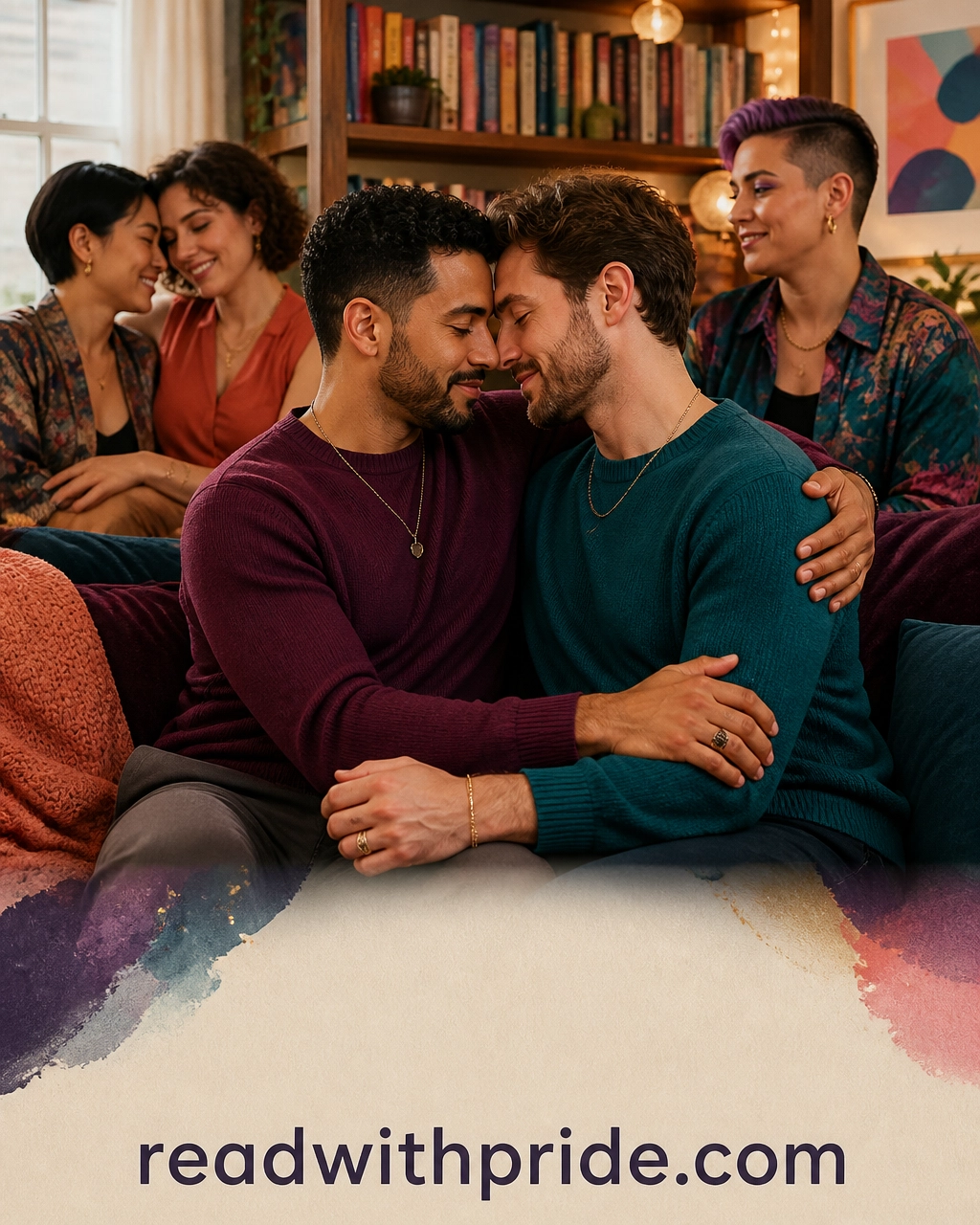
Chosen family is one of the most profound milestones in queer life.
It may begin with a friend who uses your correct pronouns before your relatives do. It may be the person who shows up with soup after a difficult appointment, the group chat that knows exactly when you need distraction, or the queer elder who offers advice without making you feel like a project.
Chosen family is built through repetition. The same people keep showing up. You create rituals together. You celebrate birthdays, promotions, first Prides, new names, breakups, recoveries, and the ordinary Tuesday evenings that somehow become precious.
Sometimes the milestone is giving someone a spare key. Sometimes it is naming them as an emergency contact. Sometimes it is realising that you no longer have to explain why your relationships, identity, or boundaries deserve respect.
This is where many queer love stories expand beyond romantic love. A partner can be part of your chosen family, but so can friends, former partners, queer siblings, housemates, neighbours, and community members. Love does not become less important because it is not romantic. If anything, queer communities have long understood that a strong life needs many kinds of care.
Read more about this experience in The Friend Who Became Family Before Anyone Else Understood, part of the wider Read with Pride LGBTQ+ blog and article collection.
A queer book club can become part of that support system too. Discussing LGBTQ+ novels with people who understand why a particular scene made you stare dramatically out of a window can be surprisingly healing. Shared reading creates language for experiences that are sometimes difficult to explain directly.
Partnership does not have one correct shape
A committed relationship can be monogamous. It can be polyamorous. It can be open, long-distance, relationship-anarchist, or intentionally separate households. It can change shape over time.
The important question is not whether a relationship looks conventional. The important questions are whether everyone involved has informed consent, honest communication, emotional safety, and room to express their needs.
For monogamous couples, milestones might include deciding what exclusivity means, meeting each other’s chosen family, moving in together, or agreeing how much visibility feels comfortable at work and in public.
For polyamorous and open relationships, milestones may involve conversations about boundaries, safer sex, jealousy, scheduling, privacy, metamour relationships, and changing agreements. These discussions are not evidence that the relationship is failing. They are part of how people care for one another.
No relationship structure eliminates difficult feelings. Monogamy does not prevent insecurity, and polyamory does not automatically create perfect communication. Every partnership requires honesty. Every person deserves the freedom to say, “This is working for me,” “I need something different,” or “Can we revisit what we agreed?”

Consent is not a one-time form. It is an ongoing conversation.
That idea appears often in thoughtful MM romance books, especially stories about characters learning that commitment is not ownership. A partner is not a prize to be won or a problem to be solved. They are a whole person with a past, a future, friendships, desires, limits, and the right to change their mind.
Why MM romance themes resonate so deeply
At their best, MM romance books offer more than chemistry and dramatic longing. They explore the emotional milestones that make relationships believable:
- The first time someone says “my boyfriend” or “my husband” without hesitation.
- The first honest conversation about family rejection.
- The first visit to a partner’s chosen-family gathering.
- The first argument that ends in repair rather than abandonment.
- The moment two people define commitment for themselves.
- The quiet discovery that domestic life can feel safe.
- The decision to stay, not because staying is obligatory, but because the relationship continues to be chosen.
These themes also appear across lesbian romance, bisexual romance, trans love stories, and wider queer fiction. Representation works best when it does not suggest that one identity owns a particular emotional experience.
A lesbian couple may be navigating coming out later in life. A gay man may be building a family after years of believing partnership was not possible. A bisexual character may be negotiating visibility within a relationship. A non-binary person may be creating language for a partnership that does not fit familiar labels.
The details differ. The need to be seen remains beautifully universal.
Readers looking for gay romance novels, heartfelt gay fiction, romantic LGBTQ+ novels, or emotionally layered MM fiction can explore the curated collection at readwithpride.com. Read with Pride is a space for stories that balance tenderness, desire, humour, conflict, and the messy work of becoming known.
Make your own milestones
The milestones that matter most may not look impressive on social media.
They might be:
- Holding hands in public for the first time.
- Introducing a partner to your chosen family.
- Spending a holiday with people who affirm you.
- Creating a shared home, even if that home is a small rented room.
- Deciding that you do not want to marry.
- Choosing marriage because it feels meaningful to you, not because it proves your relationship is real.
- Opening a relationship carefully and honestly.
- Closing a relationship structure that no longer works.
- Surviving a difficult conversation without abandoning yourself.
- Feeling ordinary in the best possible way.
You are allowed to celebrate these moments. You can write them down, take photographs, cook a favourite meal, exchange letters, or gather the people who helped you reach that point.
There is no queer Olympics of adulthood. You do not have to arrive anywhere by a particular age. You are not behind because your first relationship came later, your family looks different, or your version of commitment cannot be summarised in a greeting card.
In the world of LGBTQ+ fiction 2026, readers continue to seek stories that reflect this freedom: gay romance novels about second chances, lesbian romance about chosen futures, MM romance books about found family, and queer fiction that allows people to be complicated without making their identity the tragedy.
Even searches can be wonderfully specific: “C Section 2026” included: but the heart of the journey is simple. We want stories about people finding language, building trust, and making a life that feels honest.
That is the promise at the centre of Read with Pride: there is room for your identity, your relationship structure, your timeline, and your version of happily ever after.
Explore more queer love stories and LGBTQ+ ebooks, read the latest relationship reflections in the LGBTQ+ blog, follow Read with Pride on Facebook, and connect with us on Instagram.
#ReadWithPride #QueerRelationships #LifeMilestones #ChosenFamily #ComingOutStories #MMRomanceBooks #GayRomanceNovels #QueerLoveStories #LGBTQFiction2026 #GayFiction #LGBTQNovels #QueerBookClub #LGBTQReading #LesbianRomance #MMFiction #QueerCommunity
{“@type”:”BlogPosting”,”image”:[“https://cdn.marblism.com/cupQnjXeZyg.webp”,”https://cdn.marblism.com/ILXbX833R-B.webp”,”https://cdn.marblism.com/y5AoAg4yDQc.webp”],”author”:{“url”:”https://readwithpride.com”,”name”:”Read with Pride”,”@type”:”Organization”},”@context”:”https://schema.org”,”headline”:”Queer Relationships and Life Milestones: Coming Out, Chosen Family, and the Love Stories That Mark the Way”,”keywords”:[“Read with Pride”,”MM romance books”,”gay romance novels”,”coming out stories”,”queer book club”,”LGBTQ+ fiction 2026″,”C Section 2026″,”gay fiction”,”LGBTQ+ novels”,”queer love stories”,”queer relationships”,”life milestones”,”MM romance themes”],”publisher”:{“url”:”https://readwithpride.com”,”logo”:{“url”:”https://cdn.marblism.com/3frC7pIx901.jpg”,”@type”:”ImageObject”},”name”:”Read with Pride”,”@type”:”Organization”},”inLanguage”:”en”,”description”:”An authentic and inclusive reflection on queer relationships, coming out, chosen family, monogamy, polyamory, and the life milestones explored through MM romance themes and LGBTQ+ fiction.”,”articleSection”:”LGBTQ+ Relationships & Life Milestones”,”mainEntityOfPage”:”https://readwithpride.com”}

Leave a Reply
You must be logged in to post a comment.