

readwithpride.com
There's something profoundly intimate about watching a dancer rehearse in a black box theater. No costumes, no elaborate lighting: just raw movement, vulnerability, and the sound of bare feet sliding across the floor. It's in these stripped-down spaces that the most honest stories unfold, and for queer dancers, these black boxes have always been sanctuaries where truth moves freely.
Dance has long been a haven for LGBTQ+ expression, a language that speaks what words sometimes can't. From the ballet studios of New York to contemporary companies in Berlin, from folkloric traditions reimagined through queer lenses to modern dance collectives pushing boundaries: the world of dance is beautifully, unapologetically gay. And the stories that emerge from these spaces? They're electric.
The Language of Movement
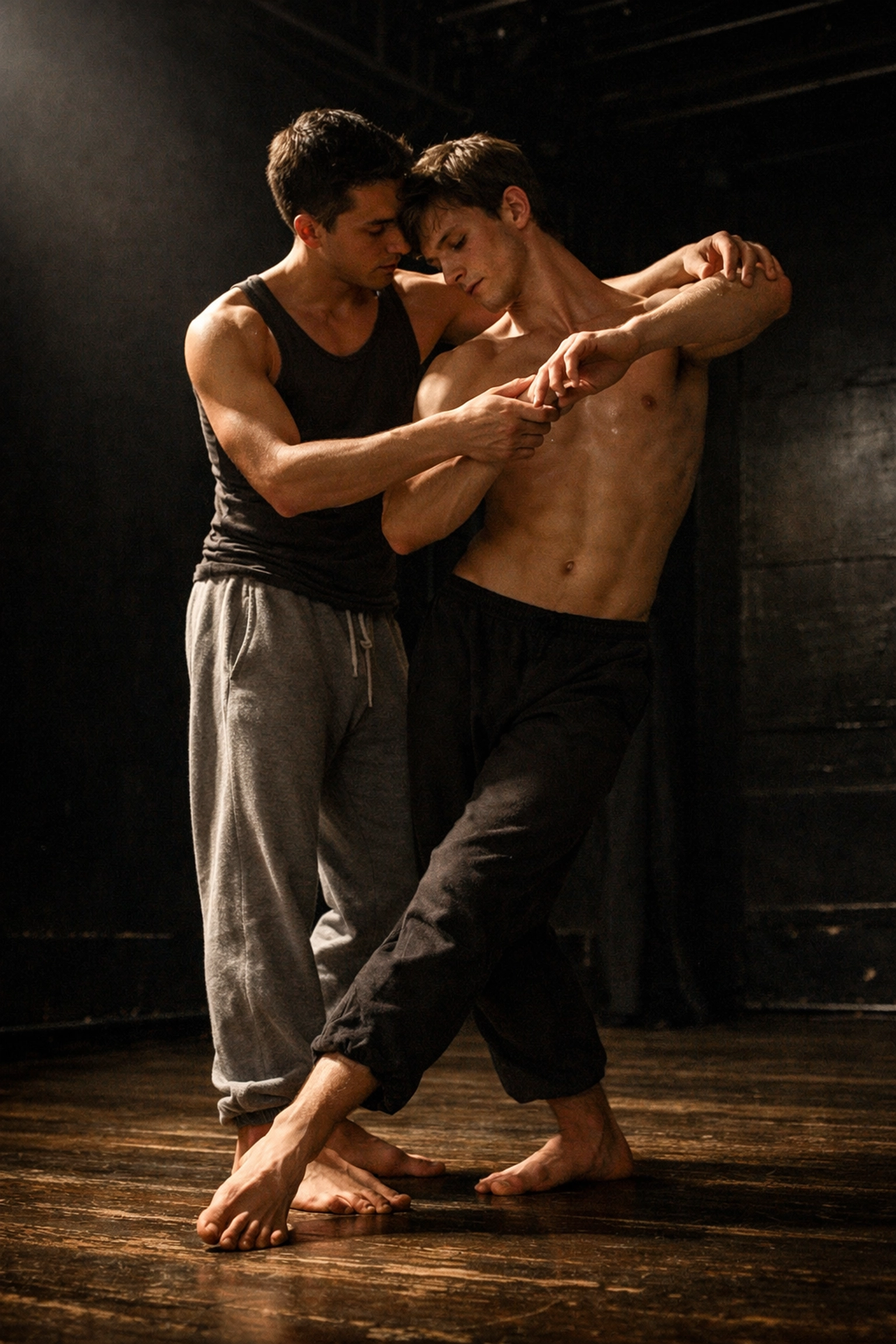
Dance communicates differently. When you're watching two male dancers move together: whether in a classical pas de deux reimagined or a gritty contemporary duet: there's an honesty that bypasses all the noise. The tension between a ballet dancer struggling with his company's conservative expectations and his desire to choreograph queerness into classical forms. The modern dancer finding freedom in movement after years of hiding. The ballroom icon teaching the next generation that voguing is both art and resistance.
Gay romance books and MM fiction have explored countless professions, but dancers occupy a unique space. Their bodies are their instruments, their art is their vulnerability, and their queerness often informs every arabesque, every leap, every moment of stillness. At Readwithpride.com, we're seeing more stories that center dance not just as a backdrop but as integral to character and plot.
Ballet's Closeted Beauty
Classical ballet has a complicated relationship with queerness. Historically built on rigid traditions and often conservative institutions, it's also been a profession that's attracted and sheltered queer artists for generations. The tension between these realities creates compelling narrative ground.
Picture a principal dancer at a prestigious company, closeted to protect his career, falling for the new soloist who dances with uninhibited freedom. Or two corps dancers stealing moments between rehearsals, their secret relationship mirroring the hidden queer history of ballet itself. These MM romance novels explore not just love but the cost of authenticity in spaces that demand perfection while quietly depending on queer artistry.
The best gay fiction set in ballet worlds doesn't shy away from the physical toll: the injuries, the eating disorders, the competition. But it also celebrates the transcendent moments when movement becomes more than technique, when two dancers create something that couldn't exist without their connection.
Modern Dance's Radical Freedom
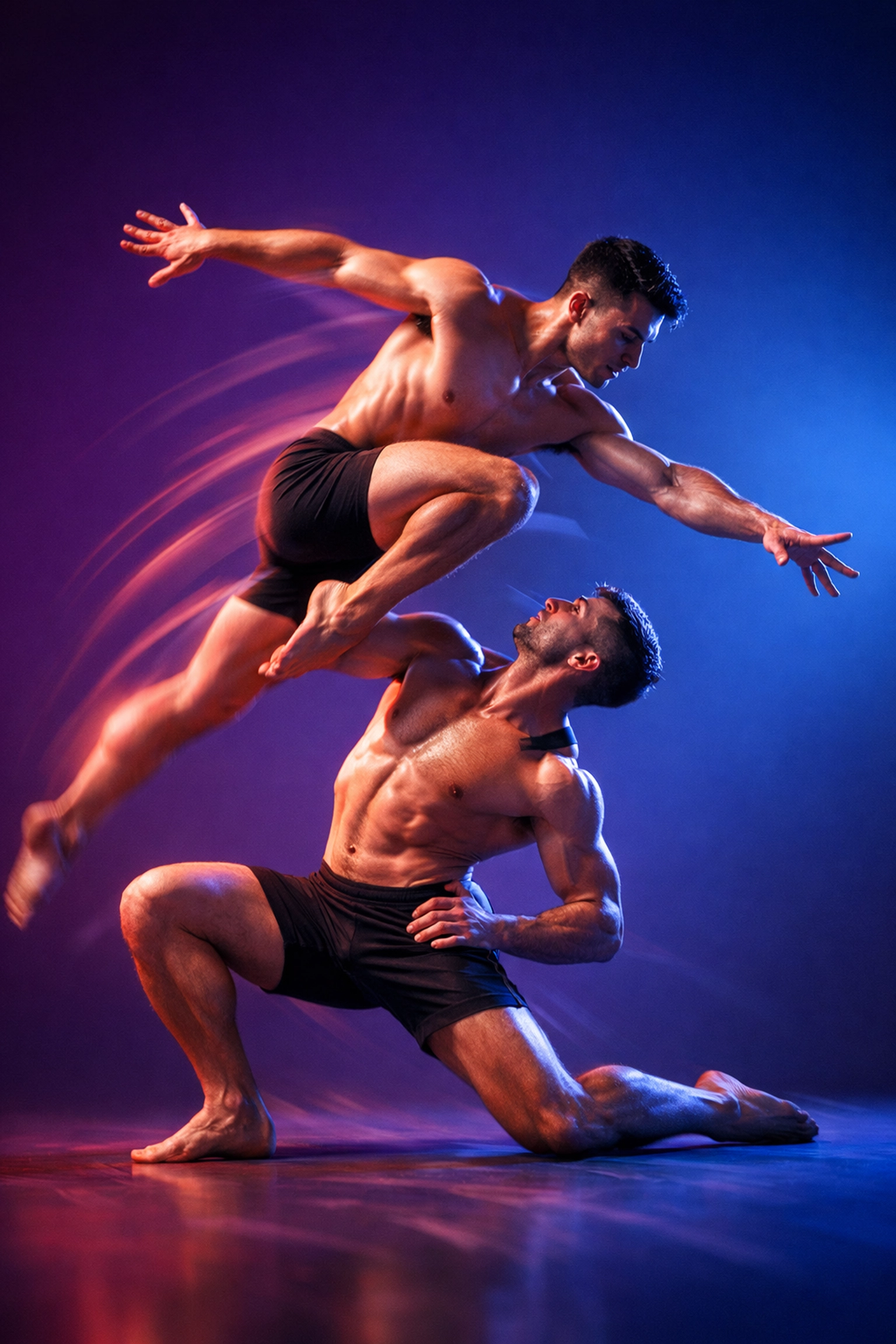
Modern and contemporary dance emerged partly as rebellion against ballet's constraints, and that revolutionary spirit makes it natural territory for queer fiction. These are spaces where choreographers have explicitly explored gender, sexuality, and identity through movement for decades.
Stories set in contemporary companies or experimental collectives can go wild. A choreographer creating a piece about queer desire that becomes the talk of the festival circuit. Two dancers from rival companies who meet at a residency and find their movement languages somehow complement each other perfectly. The retired dancer who opens a studio and finds unexpected romance with a student half his age who sees dance as liberation.
Gay romance books in modern dance settings can be grittier, messier, more experimental: mirroring the art form itself. There's room for polyamory, for kink, for relationships that don't follow traditional romance beats but create their own rhythm.
National Dance and Cultural Reclamation
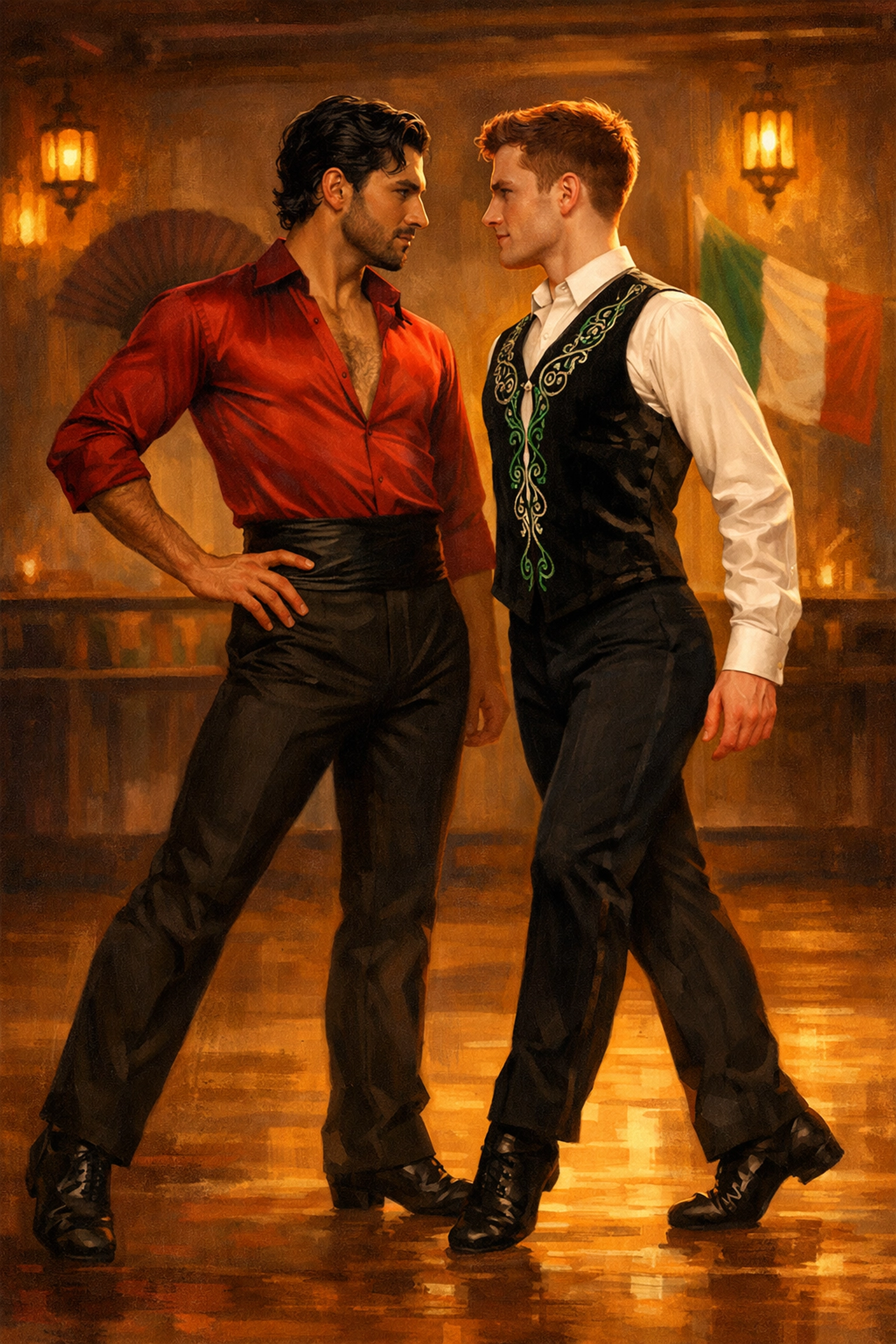
When we talk about dance, we can't ignore folkloric and national dance traditions: and how LGBTQ+ dancers navigate and sometimes subvert these cultural forms. From flamenco to Irish step dance, from African diaspora traditions to indigenous ceremonial dances, queer performers have always been part of these lineages, even when erased from official histories.
MM fiction exploring these intersections offers rich ground. The Irish dancer who finds community in queer ceili dancing. The flamenco performer challenging gender norms in tablao. Two men from different cultural backgrounds who meet at an international folk festival and discover that dance transcends language barriers: and sometimes creates its own vocabulary for desire.
These stories can explore cultural identity, family expectations, and what it means to honor tradition while claiming space for queer expression. They remind us that LGBTQ+ people exist in every culture, every tradition, and that our stories deserve to be told with full complexity.
The Black Box as Metaphor
The black box theater: that stripped-down rehearsal and performance space: serves as a perfect metaphor for queer dance narratives. It's where pretense falls away. Where you can't hide behind production values or elaborate sets. Where the story is told through bodies moving in space, honest and exposed.
In LGBTQ+ fiction, these black box spaces become sites of transformation. The community studio where a support group for queer dancers meets after hours. The university black box where a closeted dance major choreographs his coming-out piece. The professional rehearsal space where two dancers work through partnering exercises that become increasingly charged.
Teaching, Mentorship, and Desire
Dance teacher romances occupy their own special category in gay romance novels. The power dynamics, the physical intimacy of correction and partnering, the mentor-student relationship that complicates everything: it's all compelling narrative fuel.
But the best stories handle these dynamics thoughtfully. The retired principal who takes on a talented but undisciplined student and finds himself inspired again. Two teachers at competing studios who meet at a conference and discover chemistry off the dance floor. The age-gap romance between a celebrated choreographer and the company manager who keeps everything running.
These MM romance books work when they balance the professional relationship with genuine emotional connection, when they explore what it means to see and be seen: something dancers understand intimately.
Beyond the Studio
Dance stories don't have to stay in the studio. Dancers at summer intensives, where teenage dancers navigate first loves. Professional companies on tour, where the close quarters and shared hotels create their own pressure cooker for romance. Dance competitions, with their backstage drama and high stakes. Even dance films: the actors, choreographers, and crew members whose lives intertwine during production.
The best MM romance books use dance not just as setting but as character. Dance shapes how these characters move through the world, how they communicate, how they understand their bodies and desires. A dancer's body awareness translates to how they experience intimacy. Their discipline affects relationships. Their artistic passion informs everything.
Why We Need These Stories
Dance has always been inherently queer: fluid, expressive, challenging gender norms through partnering and costuming and movement vocabulary. Yet explicitly queer dance narratives in LGBTQ+ fiction are still relatively rare compared to other professions.
We need more stories about the ballet dancer redefining what male partnership can look like on stage. More stories about the contemporary choreographer whose work about queer desire gets programmed at major festivals. More stories about the folkloric dancers who find ways to honor tradition while claiming their identities. More stories about the teachers, the amateurs, the dance therapists, the disabled dancers, the trans dancers reshaping what's possible.
These aren't just romance plots with dancers plugged in: they're stories where dance and queerness inform each other, where movement becomes another language for desire, where the black box becomes a space to rehearse not just choreography but living authentically.
Finding Your Dance Story
At Readwithpride.com, we're committed to bringing you diverse gay fiction that explores every corner of queer life, including the dance world. Whether you're looking for steamy contemporary romance set in competitive companies or tender coming-of-age stories in small-town studios, there's a dance floor waiting for you.
Because ultimately, that's what dance offers: a space to move freely, to express without words, to find rhythm with another person. Barefoot in the black box, stripped of pretense, two dancers moving together create something that couldn't exist without both of them.
That's pretty much the perfect metaphor for MM romance, isn't it?
Discover your next favorite dance-themed gay romance at Readwithpride.com
Follow us for more LGBTQ+ book recommendations:
- Facebook: Read With Pride
- Instagram: @read.withpride
- X/Twitter: @Read_With_Pride
#MMRomance #GayRomance #LGBTQBooks #DanceRomance #BalletRomance #QueerFiction #ReadWithPride #GayBooks #MMFiction #QueerLit #LGBTQFiction #GayLoveStories #ContemporaryRomance #MMRomanceBooks #BestMMRomance2026 #GayRomanceBooks #DancersInLove #LGBTQRomance #PrideReading

Leave a Reply
You must be logged in to post a comment.