

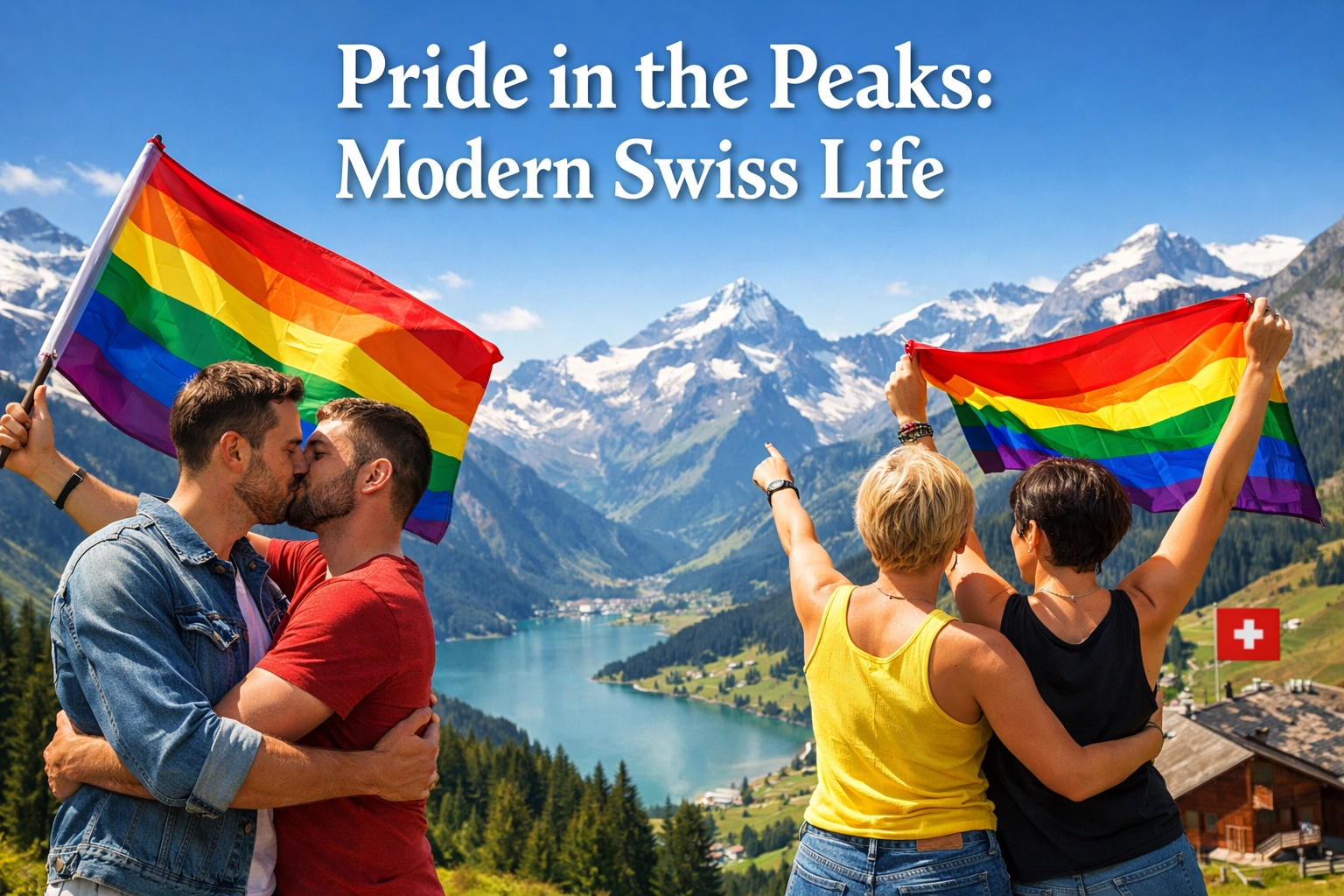
readwithpride.com
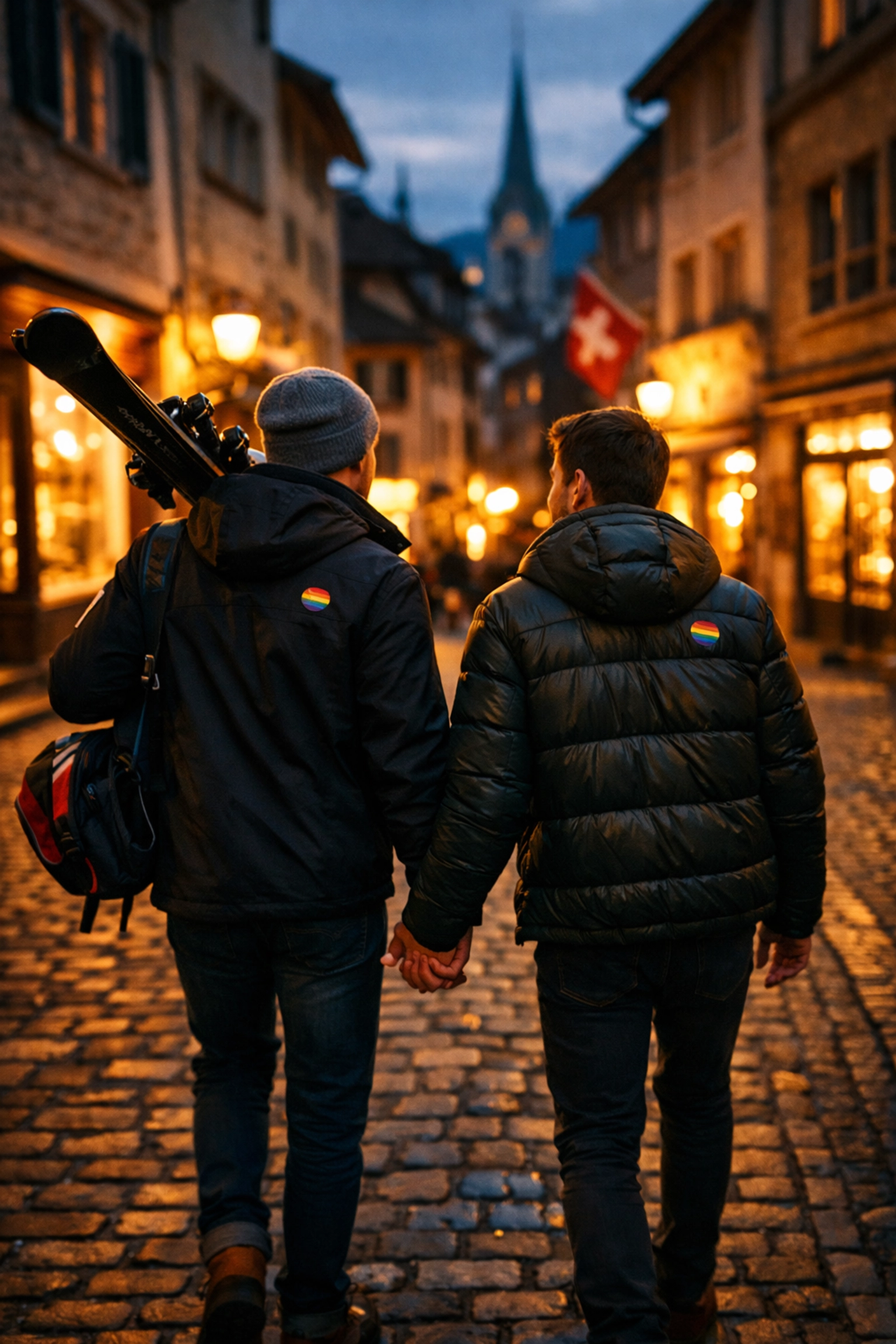
Marco watches his boyfriend Lucas navigate the narrow streets of Zürich's Niederdorf district, ski gear slung over one shoulder, rainbow pin gleaming on his jacket. It's January 2026, and they're heading to Arosa Gay Ski Week: a tradition that would've been unthinkable just decades ago in this Alpine nation. As they board the train toward the mountains, Marco thinks about his grandfather, who lived his entire life closeted in a country that once criminalized who he loved. Switzerland's journey from silence to celebration wasn't written in the history books Marco studied at ETH Zürich. But it's written in every Pride flag flying in these mountain towns, every same-sex couple holding hands on the Bahnhofstrasse.
When Neutrality Meant Invisibility
Switzerland's famous neutrality extended to LGBTQ+ issues for far too long: not in a protective way, but in a convenient silence. While neighboring countries debated and protested, Swiss society maintained a quiet conservatism. Male homosexuality was decriminalized in 1942 (earlier than many European nations), but that legal change didn't translate to social acceptance. The age of consent remained unequal until 1992, and "promoting homosexuality" stayed criminalized until 2000.
The real shift began in the 1980s with grassroots organizing. Pink Cross, founded in 1932 as one of the world's oldest LGBTQ+ organizations, spent decades working behind closed curtains before stepping into the spotlight. The HIV/AIDS crisis forced conversations that Swiss politeness had avoided. Activists pushed, society resisted, and slowly: painfully slowly: progress happened.
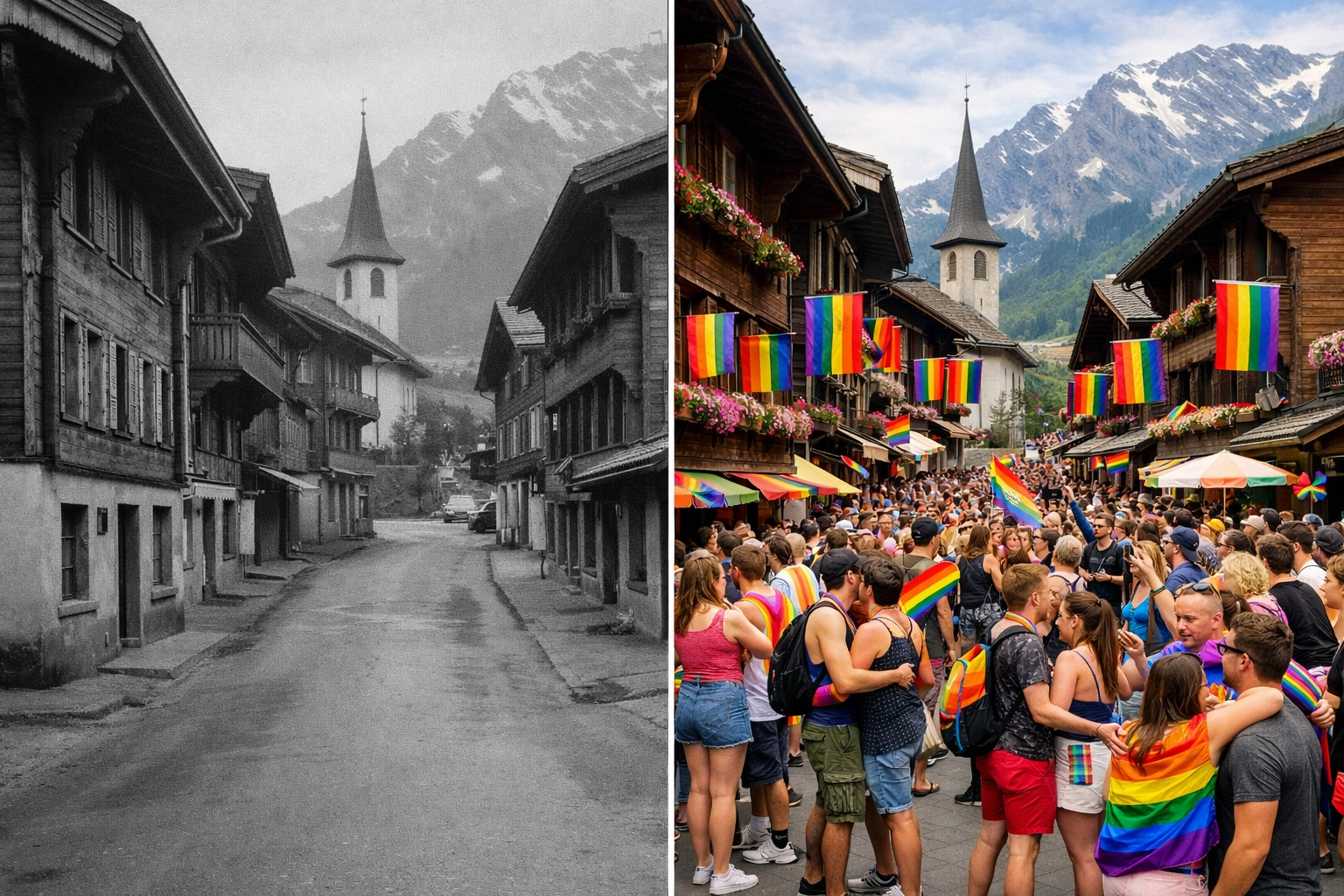
Same-sex partnership recognition came in 2007, but full marriage equality didn't arrive until September 2021, making Switzerland one of the last Western European countries to grant this right. The referendum passed with 64.1% support: a stunning margin that reflected how far attitudes had shifted. Today's Switzerland isn't your grandfather's Switzerland.
Mountains, Mandates, and Marriage
When Lucas proposed to Marco last winter at the top of Mount Rigi during Rainbow Week, it was legal. Simple as that. They could marry in any canton, adopt children together, access the same tax benefits as straight couples. The paperwork looked identical to their heterosexual friends' marriage licenses: no asterisks, no different forms, no second-class status.
Swiss law now protects against discrimination based on sexual orientation in employment, housing, and public services. Since 2020, hate crimes motivated by sexual orientation carry enhanced penalties. Anti-discrimination provisions exist in criminal law, meaning that homophobic harassment isn't just socially unacceptable: it's prosecutable.
But here's where Switzerland gets interesting: the country's federal structure means implementation varies by canton. Zürich and Geneva lead in progressive policies and social services, while more rural, conservative cantons lag behind. It's not uniform, but the legal baseline ensures minimum protections everywhere.
Where the Rainbow Meets the Snow
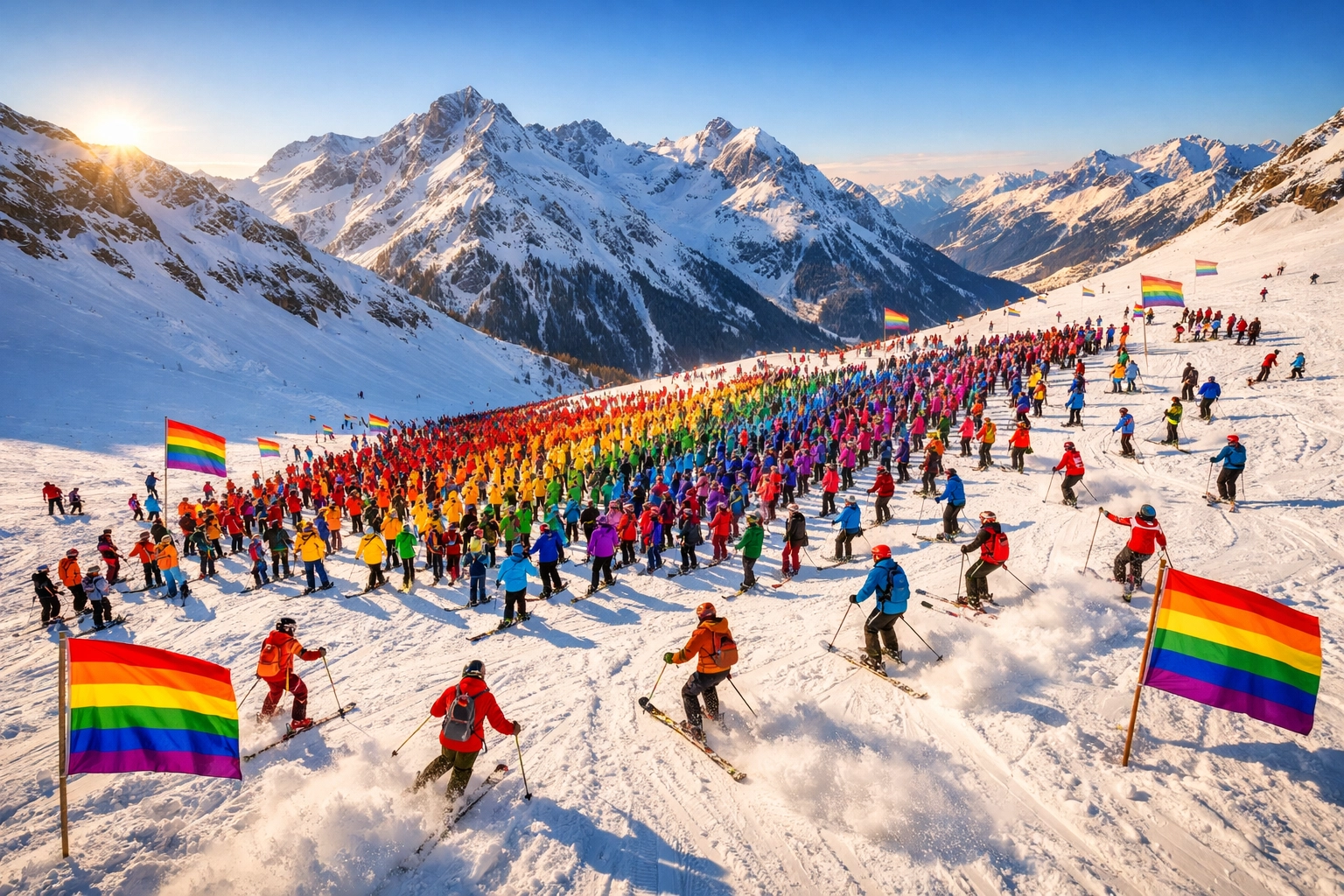
Marco and Lucas arrive in Arosa to find over 600 participants from 30+ countries gathered for Europe's premier queer ski event. Since 2005, Arosa Gay Ski Week has transformed a quiet Alpine village into a winter wonderland of fabulous ski fashion, drag shows at altitude, and après-ski parties that last until the lifts open. The 220 kilometers of slopes become runway and playground.
But Arosa isn't alone. SWING Gay Ski Week in Lenzerheide offers a more intimate experience each March. Rigi Rainbow Week combines hiking, wellness, and community programming. These aren't fringe events tolerated by grudging locals: they're embraced as tourism highlights, advertised by regional tourism boards, and staffed by locals who return year after year.
Zürich has become Switzerland's de facto queer capital. The Niederdorf district pulses with LGBTQ+ nightlife: Cranberry Bar, one of the oldest gay bars in Europe, still serves elaborate cocktails to packed crowds. Zürich Pride draws thousands each June, with corporate sponsors, political participation, and families with children waving Progress Pride flags. The LGBTQ+ film festival showcases international cinema to sold-out screenings.
Geneva, cosmopolitan and French-speaking, hosts its own Pride festival celebrating "love and differences." The city's proximity to France means cultural exchange flows freely, and Geneva's international organizations bring global perspectives to local activism.
Interlaken surprises visitors: this adventure sports hub between two lakes welcomes queer travelers to paragliding, canyoning, and skydiving with zero judgment. Smaller than Zürich or Geneva, it offers proof that acceptance isn't just an urban phenomenon.
The Stories We Tell Ourselves
Here's what strikes Marco most about modern Swiss LGBTQ+ life: visibility. Not just tolerance, not just legal rights: actual, everyday visibility. Same-sex couples shop at Coop without sideways glances. Rainbow families navigate playgrounds without explanation. Queer students attend schools with anti-bullying policies that explicitly protect LGBTQ+ youth.
The MM romance books Marco devours from readwithpride.com reflect this evolution. Contemporary gay romance novels set in Switzerland no longer need to be tragic coming-out stories or tales of escape to more accepting countries. They can be ski instructor romances, corporate office love stories in Zürich's banking district, or cozy mysteries in Lucerne. The genre has expanded because the reality expanded.
That's not to say Switzerland is perfect. Rural areas still harbor conservative attitudes. Transgender rights lag behind LGB protections: legal gender marker changes require medical procedures that many activists consider unnecessarily invasive. Bisexual erasure persists. Queer people of color and immigrants face intersectional discrimination that white, Swiss-born LGBTQ+ individuals don't experience.
Writing New Chapters in the Snow
On their third day in Arosa, Marco and Lucas join a group ski lesson. Their instructor: a local man in his sixties named Stefan: mentions his husband casually while explaining proper pole placement. No big announcement, no defensive posture, just a reference to "my husband and I skiing this slope yesterday."
That casualness is revolutionary. Stefan grew up when silence was survival. Now he teaches tourists proper parallel turns and mentions his marriage like it's weather commentary. Progress isn't always marches and legislation: sometimes it's a ski instructor's offhand comment on a Tuesday morning.
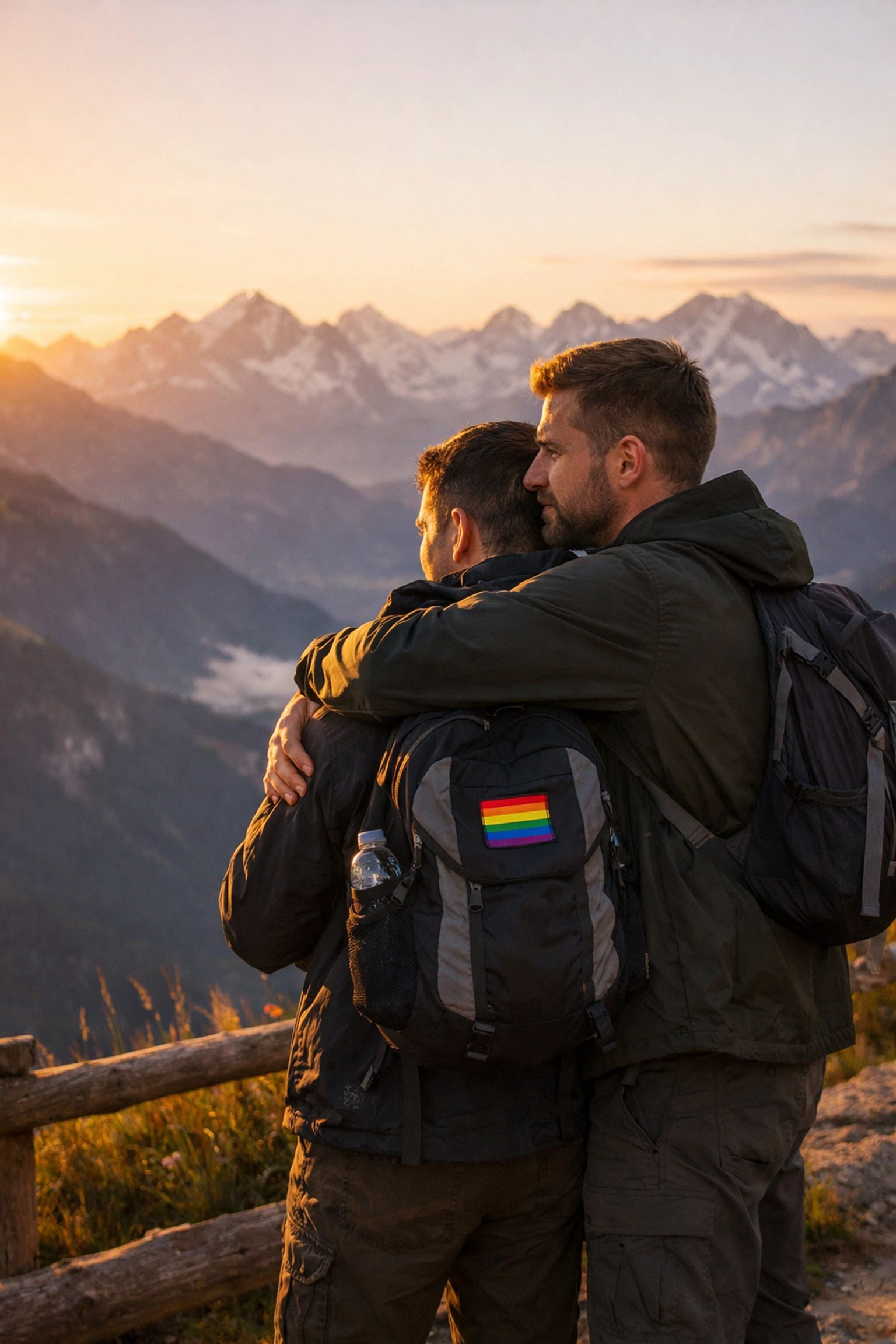
Switzerland's LGBTQ+ evolution mirrors its geography: slow, steady climbs with breathtaking views when you reach the summit. The country's multilingual, multicantonal structure means change happens at different speeds in different places, but the trajectory is unmistakable. From criminalization to marriage equality in roughly 80 years isn't fast, but it's real.
Finding Pride in Every Peak
As Marco and Lucas ride the cable car down from Weisshorn on their final day, the sun setting over snow-covered peaks, Marco photographs the moment. Not for drama, not to prove anything: just because it's beautiful and it's theirs. They're two men in love in the Swiss Alps, planning their wedding, discussing whether to start with a dog or jump straight to adoption.
The Switzerland his grandfather knew is gone. The Switzerland of whispers and shame has been replaced: imperfectly, incompletely, but undeniably: by a country where queer visibility is increasingly unremarkable. Where gay ski weeks sell out months in advance. Where Pride parades close down major city streets. Where romance novels about men falling in love don't require tragedy to feel authentic.
Read with Pride celebrates these stories: both the historical struggle and the contemporary joy. Because understanding where we've been helps us appreciate where we are. And in Switzerland's case, where we are is pretty spectacular: mountains, chocolate, watches, and increasingly, a society where LGBTQ+ people can simply exist without constantly justifying their presence.
Marco and Lucas's story is one of thousands being written right now in Swiss cities and Alpine villages. It's not revolutionary: and that's exactly the point. The most profound change is when love stops being political and becomes simply… love. In the peaks and valleys of Switzerland, that transformation is ongoing, imperfect, and genuinely hopeful.
Discover MM romance books celebrating love in every setting at readwithpride.com – from Swiss Alps to global adventures, find stories that reflect the beautiful diversity of queer love.
Connect with our community:
- Facebook: facebook.com/ReadWithPride
- Instagram: @read.withpride
- X/Twitter: @Read_With_Pride
#ReadWithPride #MMRomance #GayRomanceBooks #LGBTQFiction #SwissLGBTQ #QueerTravel #GaySkiWeek #MMRomanceBooks2026 #QueerFiction #GayLoveStories #LGBTQBooks #ContemporaryMMRomance #PrideInThePeaks #GayRomanceNovels #QueerLiterature

Leave a Reply
You must be logged in to post a comment.