

readwithpride.com
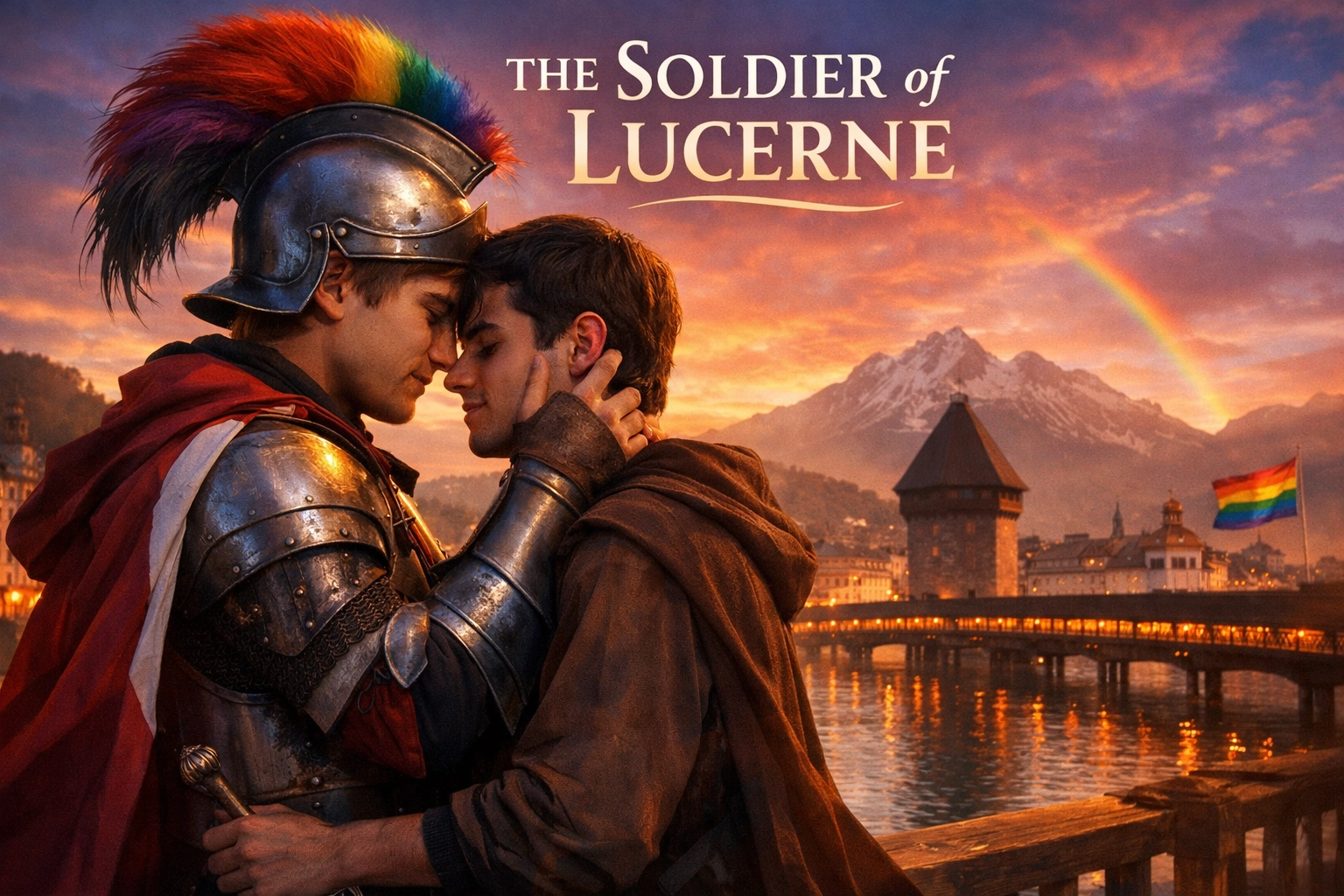
There's something achingly beautiful about a love that exists in the margins of history, one that must be hidden, whispered, stolen in moments between duty and danger. The Soldier of Lucerne captures exactly that: a brief, burning connection between two men in an era when Switzerland's famous neutrality couldn't protect them from the judgments of their own society.
This MM historical romance isn't just another period piece. It's a window into a Switzerland we rarely see in queer fiction, one where the very concept of neutrality takes on layered meaning when you're living a life that society refuses to acknowledge.
When Neutrality Meant Nothing to the Heart
Switzerland has long been synonymous with neutrality, maintaining its independence through centuries of European conflict. But what did neutrality mean for queer men living under its shadow? The answer: not much protection at all.
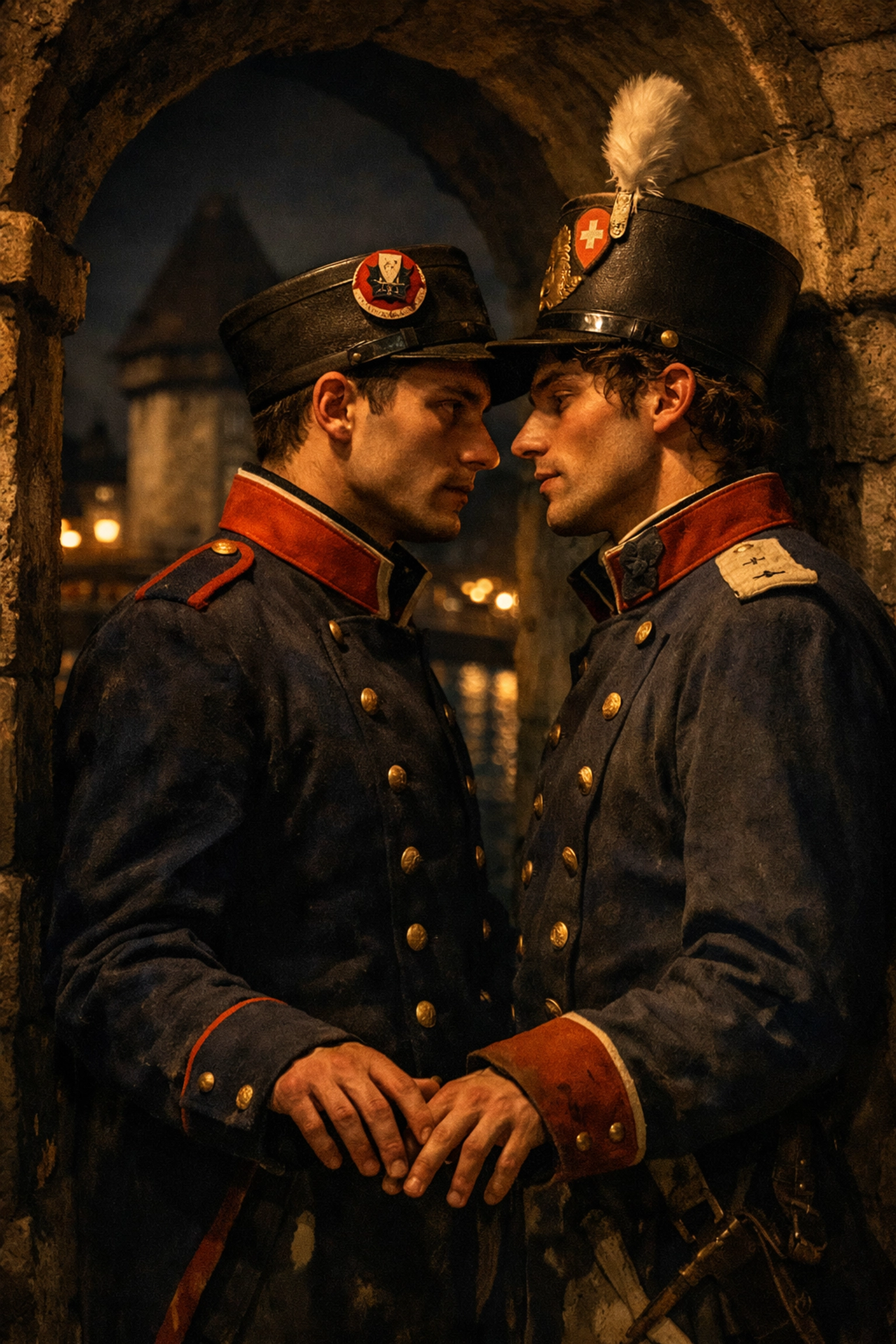
While Switzerland avoided military entanglements, it didn't avoid the social conservatism that swept through Europe. Same-sex relationships were criminalized in various Swiss cantons throughout history, with some regions only decriminalizing homosexuality in the 1940s. The federal government didn't fully decriminalize it until 1942, and even then, discrimination persisted for decades.
The Soldier of Lucerne is set against this backdrop, a time when loving another man could cost you everything: your position, your reputation, your freedom. The soldier in our story represents duty, honor, and the rigid expectations of military life. The civilian represents the possibility of something else: authenticity, connection, a life lived outside the lines.
Their connection is intense precisely because it's brief. There's no time for slow burns when every moment together risks exposure. This is MM romance stripped to its emotional core, two people grabbing at happiness with both hands, knowing they might never get another chance.
The Lion of Lucerne: A Symbol Worth Considering
Lucerne itself is steeped in history, home to the famous Lion Monument, a memorial carved into a cliff face, commemorating Swiss Guards who died protecting the French monarchy during the Revolution. It's a symbol of loyalty, sacrifice, and duty unto death.

There's something poignant about setting a gay love story in a city defined by such monuments to traditional masculine honor. Our soldier character embodies that same loyalty and discipline, but directs it toward something his society can't accept: another man. The civilian becomes his private revolution, his personal risk, his reason to question everything he's been taught about duty and desire.
What Makes This Historical Romance Different
The beauty of gay romance books set in historical periods is how they illuminate the universal nature of queer love while acknowledging the specific dangers of the past. This isn't a sanitized version of history where everyone's secretly progressive. The tension in The Soldier of Lucerne comes from real stakes.
The tropes at play here hit hard:
- Forbidden love (obviously, this is historical Switzerland, not modern Zurich)
- Duty vs. desire (military honor versus personal truth)
- Brief encounter (they know this can't last, which makes every moment count)
- Class difference (soldier and civilian occupy different social spheres)
- Secret relationship (every touch, every look must be carefully hidden)
These aren't just romance tropes, they're survival strategies. And that's what elevates this from simple historical fiction into something emotionally devastating.
Switzerland Then and Now: A Long Road to Recognition
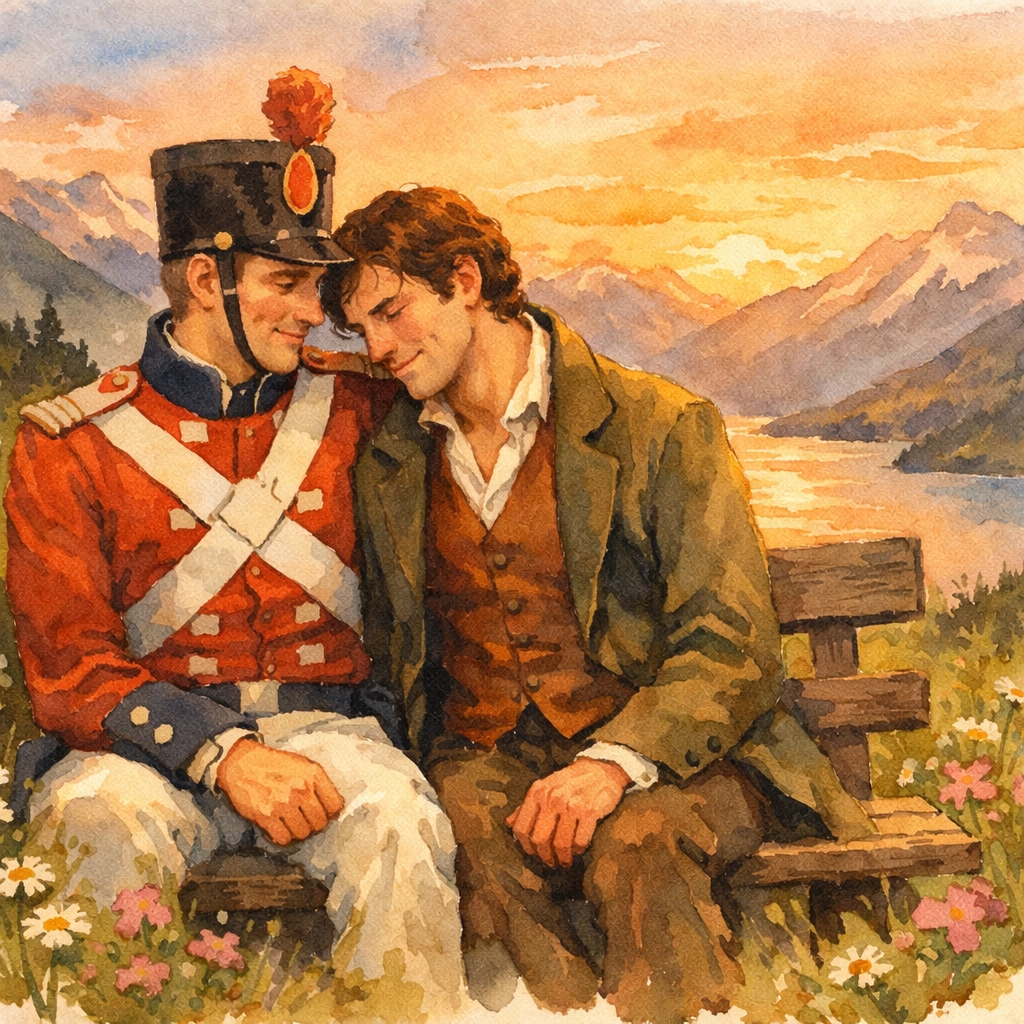
Contemporary Switzerland looks very different for LGBTQ+ people. Same-sex marriage became legal in 2022 after a national referendum, a landmark victory that came after decades of activism. But the journey was long and painful.
Even in the 1990s, Swiss LGBTQ+ individuals faced discrimination in employment, housing, and public life. The country's direct democracy system meant that rights were literally put up for public vote, forcing queer Swiss citizens to watch their neighbors decide whether they deserved equality.
Reading MM historical romance like The Soldier of Lucerne reminds us that today's rights were won through the courage of people who loved in secret, who took risks, who refused to deny their truth even when society demanded it. The soldier and civilian in this story are part of that lineage, fictional, yes, but representing real people who lived real lives in the shadows.
Why We Need These Stories
Here's the thing about gay historical romance: it's not just about the past. When we read about two men falling in love in historical Switzerland, navigating impossible circumstances, we're reminded of several crucial truths.
First, queer people have always existed. We weren't invented in the 1960s or conjured into being by pride parades. We've been here through every era, every conflict, every moment of human history. Stories like this refuse to let us be erased.
Second, these stories show that love persists even in hostile environments. The soldier and civilian in Lucerne didn't have the luxury of safe spaces, supportive communities, or legal protections. They had only each other and the courage to reach for connection anyway. That's both heartbreaking and inspiring.
Third, MM romance books set in the past help us appreciate how far we've come while acknowledging how far we still have to go. Switzerland may have marriage equality now, but there are still Swiss LGBTQ+ people facing discrimination, still battles being fought, still progress to make.
The Power of Brief, Burning Love
Not every romance can be (or should be) a happily-ever-after with a cottage and a dog and matching coffee mugs. Sometimes the most powerful love stories are the ones that burn bright and brief: the ones that change you forever even if they can't last.
The Soldier of Lucerne embraces this truth. The intensity comes from impermanence. These men know they're stealing time, that their connection exists in a bubble that must eventually burst. That knowledge infuses every interaction with desperate tenderness.
This is gay romance fiction for readers who want to feel everything: the joy, the fear, the bittersweet knowledge that some loves are meant to be moments rather than lifetimes. It's for readers who understand that sometimes a brief connection can be more honest and transformative than decades of comfortable companionship.
Finding These Stories Today
If The Soldier of Lucerne sounds like your kind of romance: historical, emotionally intense, grounded in real queer history: you're in luck. There's a growing collection of MM historical romance that takes queer history seriously while delivering the emotional satisfaction we crave from romance.
From Readwithpride.com, you can explore everything from medieval knights to Victorian gentlemen, from war-torn battlefields to glittering ballrooms. Historical gay romance gives us the opportunity to see ourselves in every era, to claim our place in history, to imagine the loves that were lived and lost before we had the language to name them.
The soldier and the civilian in Lucerne join a long tradition of queer historical characters who loved despite everything, who found each other in the dark corners of an unaccepting world, who made their own neutrality in a society that demanded they choose between authenticity and survival.
These are the stories that remind us: we've always been here, loving fiercely, surviving courageously, creating our own histories one stolen moment at a time.
Ready to explore more MM historical romance? Check out our full collection of gay romance books at Readwithpride.com and discover the queer love stories history tried to hide.
#MMRomance #GayRomance #HistoricalRomance #LGBTQBooks #SwissHistory #MMHistoricalRomance #GayRomanceBooks #QueerFiction #ReadWithPride #MMBooks #GayLoveStories #HistoricalMMRomance #ForbiddenLove #QueerHistory #GayFiction
Follow us for more queer stories:
Facebook: Read With Pride
Instagram: @read.withpride
X/Twitter: @Read_With_Pride
Website: readwithpride.com

Leave a Reply
You must be logged in to post a comment.