

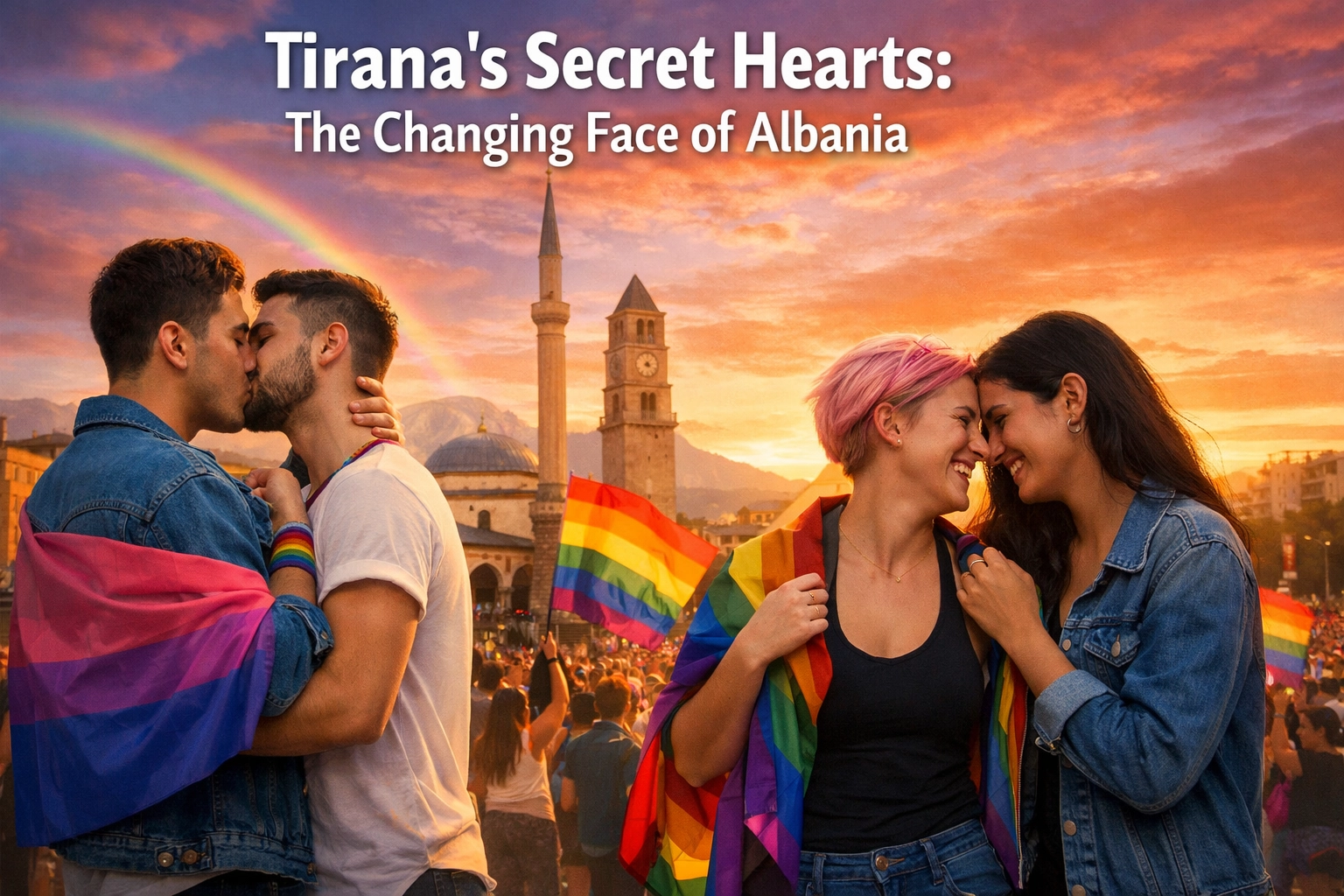
readwithpride.com
If you'd asked about gay life in Tirana a decade ago, you'd have gotten whispers, averted eyes, and stories told only in the safety of locked apartments. But Albania's capital is shedding its layers faster than you can say "xhaxhi" (uncle, but make it gossipy). The cranes dotting the skyline aren't just building new boulevards: they're constructing a new identity, and the LGBTQ+ community is quietly, carefully, and courageously carving out space in this transformed landscape.
From Enver Hoxha's Bunkers to Rainbow Flags
Albania's relationship with queerness has been… complicated. Under communist rule until 1991, homosexuality was illegal and punishable by up to ten years in prison. The regime's paranoia extended to everything Western, modern, or different: which pretty much covered being gay. After communism fell, the laws changed, but hearts and minds? That took longer.
Decriminalization came in 1995, but don't break out the champagne just yet. Albania's traditional culture, deeply rooted in the Kanun (an ancient code of conduct), meant that legal tolerance didn't translate to social acceptance. Families kept secrets. Young men married women they didn't love. And the rainbow stayed firmly in the realm of mythology, not activism.
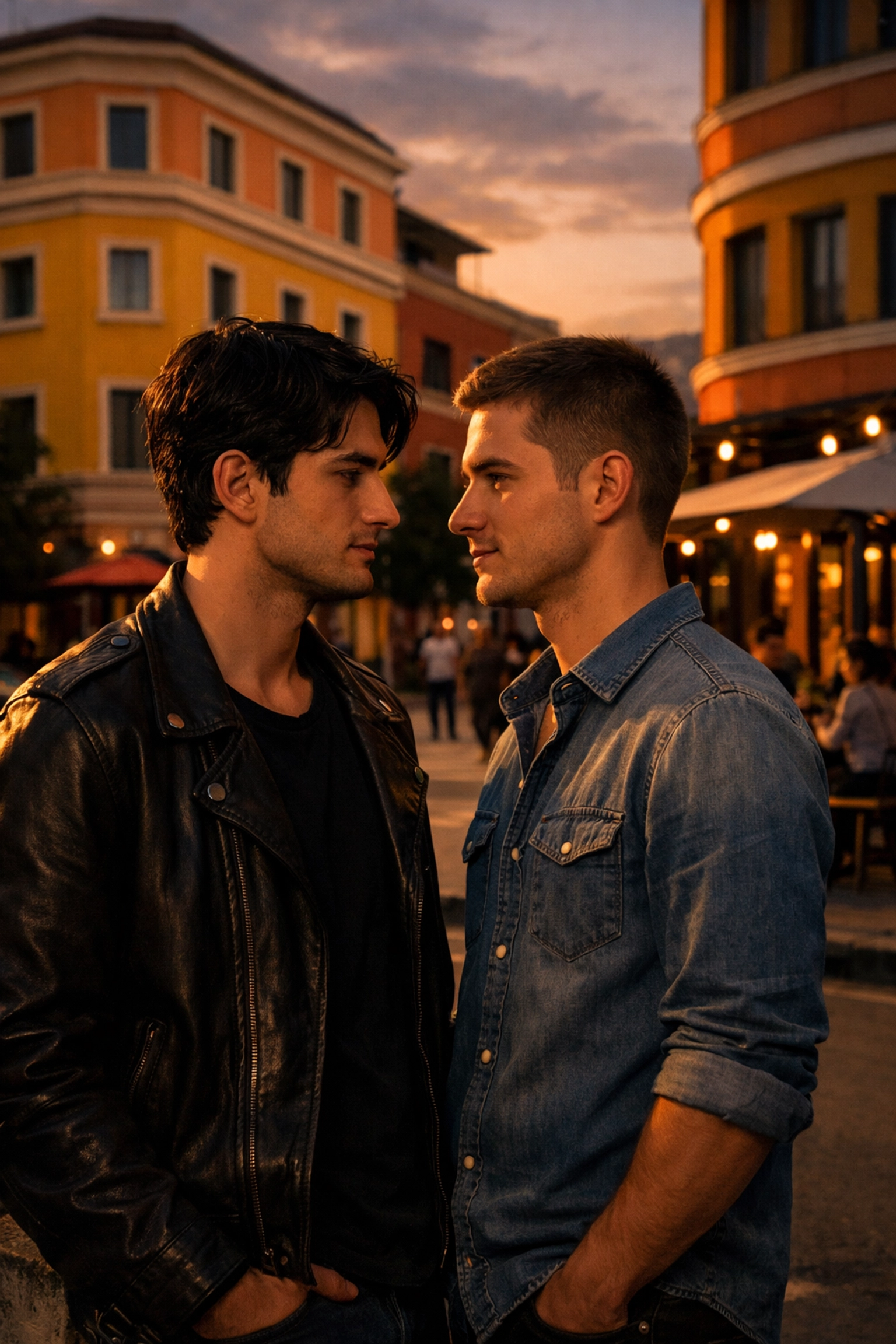
But something shifted in the 2010s. As Tirana began its aggressive urban transformation: tearing down Soviet-era eyesores and building glass towers: a parallel transformation started bubbling beneath the surface. Young Albanians who'd studied abroad returned with different ideas. The internet connected isolated queer kids to global communities. And slowly, achingly slowly, spaces began to emerge.
The Tirana Two-Step: Progress and Pushback
Modern Tirana is a study in contrasts. You've got trendy cafes in the Blloku district where same-sex couples can (mostly) hold hands without incident, sitting mere blocks from neighborhoods where such displays would invite harassment. The city's Northern Boulevard extension and massive Tirana 2030 Masterplan promise a Barcelona-style renaissance, but social progress doesn't follow architectural blueprints.
LGBT organizations like Aleanca and Pink Embassy operate openly now, hosting events and providing support. Pride marches happen: though they're small, heavily policed, and often met with counter-protests. It's progress measured in millimeters, not miles.
The urban-rural divide is stark. In Tirana, Durrës, or coastal tourist towns, you might find underground gay bars, discreet dating app meetups, and friend groups that "know but don't ask." Venture into northern Albania's mountain villages, and you're back to survival mode: marriage pressure, emigration as the only escape route, or living in permanent, suffocating silence.
When Greece Becomes the Promised Land
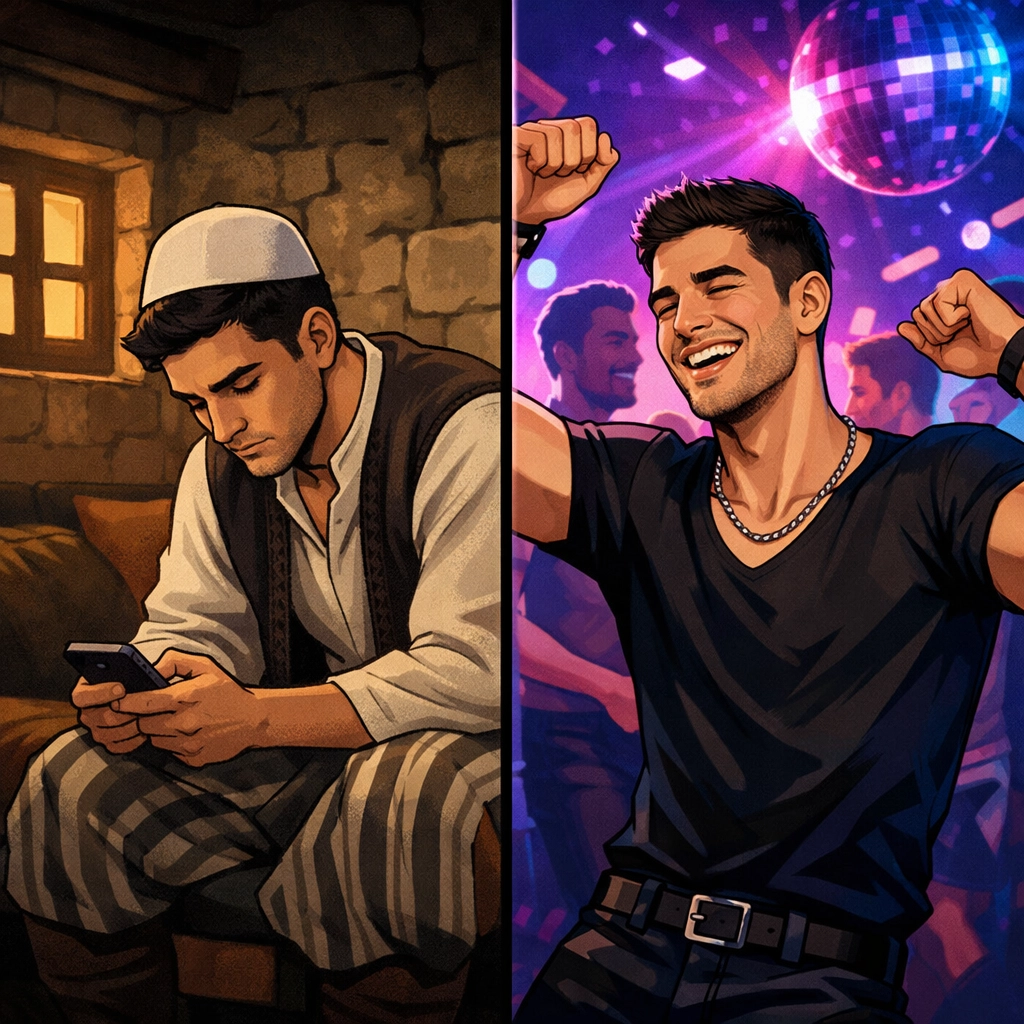
This is where the Greek connection gets interesting. Just across the border, Greece: despite its own conservative Orthodox culture: offers something Albania can't quite manage yet: relative anonymity and established queer spaces. Athens has Gazi, the openly gay neighborhood. Thessaloniki has bars, clubs, and a visible community.
For young Albanian gay men, Greece represents possibility. Some cross the border for weekend escapes, dancing in Athens clubs before returning to their closeted Monday realities. Others make the move permanent, joining the hundreds of thousands of Albanians who've emigrated to Greece over the past three decades.
These cross-border romances? They're complicated. There's the language barrier, sure, but also the economic disparity. Greeks might fetishize the "rough Albanian guy," while Albanians might see Greeks as their ticket to a freer life. When genuine connection happens: and it does: these couples navigate not just relationship stuff but questions of identity, belonging, and where home actually is.
The MM romance books at Readwithpride.com that explore these cross-cultural connections? They're hitting something real. The tension between tradition and desire, the risk of loving openly, the pull between two worlds: that's not just fiction, that's lived experience.
The New Generation: DM Slides and Defiant Acts
Albania's Gen Z queers are built different. They're navigating Grindr and Instagram, finding community online when physical spaces remain limited. They're consuming global queer culture: watching "Heartstopper," reading gay romance novels, following international LGBTQ+ activists: and reimagining what's possible.
Some are starting to come out to friends, though family remains the ultimate frontier. Others are creating content, building Albanian-language LGBTQ+ resources, and pushing back against the narrative that being gay is somehow un-Albanian or a Western import. (Spoiler: queer people have always existed everywhere, colonizers just criminalized us.)
The dating scene is a fascinating mix of extreme discretion and growing boldness. You've got guys meeting on apps but insisting on public first dates to avoid outing themselves, then developing feelings and facing the impossible question: what now? Can they imagine a future together in Albania, or is emigration the only path forward?
What the Architectural Renaissance Means (and Doesn't)
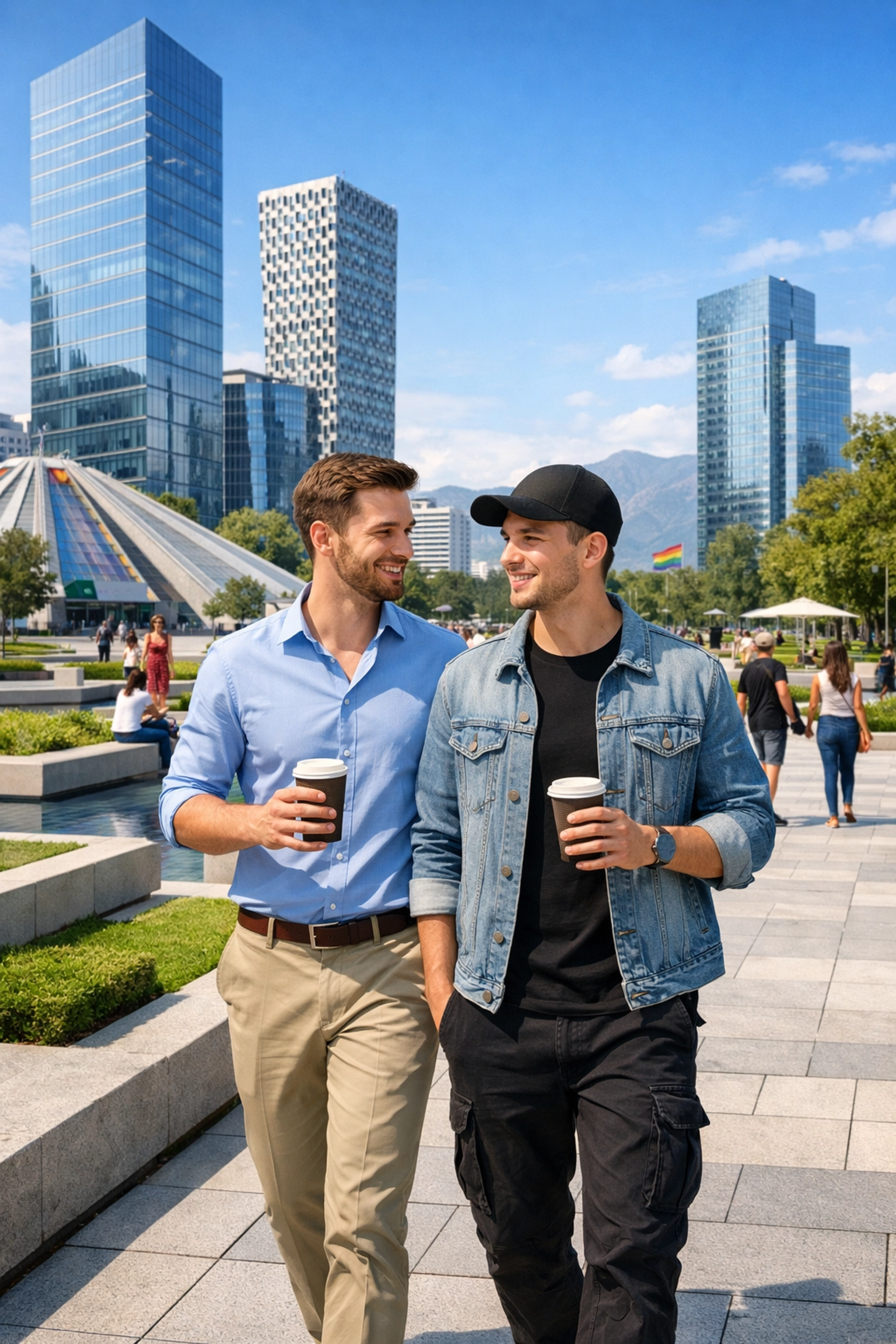
Tirana's physical transformation is genuinely impressive. The Northern Boulevard project promises green spaces, modern infrastructure, and a city designed for the 21st century. The orbital forest surrounding the city aims to address decades of chaotic, unplanned construction. It's urban planning as optimism.
But here's the thing about shiny new buildings: they don't automatically come with progressive values. A gay couple can walk through a beautiful new park and still face harassment. A renovated stadium doesn't mean queer athletes feel safe coming out. Infrastructure is infrastructure; social change requires different tools.
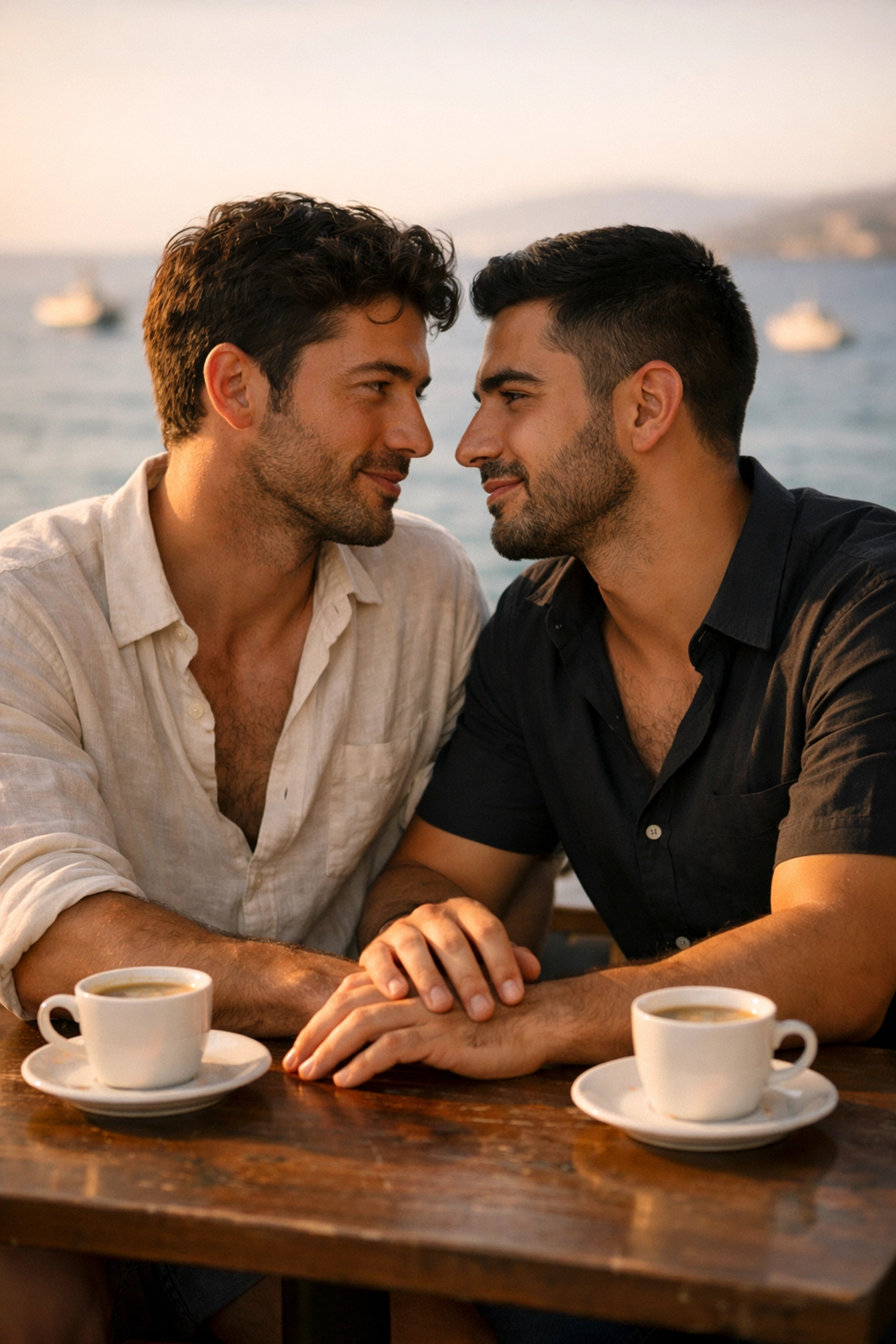
That said, urbanization does create opportunities. More anonymous cities mean more freedom to move, to meet, to exist without the entire neighborhood knowing your business. Mixed-use developments create diverse communities. International investment brings exposure to different cultural norms. The connection isn't direct, but it's there.
Stories Worth Telling
The gay romance books and MM fiction exploring Albanian experiences remain relatively rare, but they're growing. Stories about architects redesigning not just cities but their own lives. Accounts of young men torn between family duty and authentic love. Tales of cross-border romances negotiating language, culture, and the eternal question of where to call home.
These aren't just escapist romance novels: though there's nothing wrong with escape when reality is exhausting. They're acts of visibility, reminders that queer Albanians exist, love, struggle, and deserve stories that center them.
Reading LGBTQ+ fiction from platforms like Readwithpride.com offers both mirrors and windows: Albanian readers see themselves represented, while international audiences gain insight into specific cultural contexts of queer life. It's how empathy gets built, story by story.
The Road Ahead
Is Albania becoming a queer utopia? Absolutely not. Homophobia remains pervasive. Religious and cultural conservatism runs deep. Legal protections exist on paper but enforcement is spotty. Violence and discrimination are real risks.
But is change happening? Yes. Slowly, unevenly, frustratingly, but yes. Every openly gay person living their life is an act of quiet revolution. Every family that chooses love over shame chips away at the old ways. Every cross-border relationship proves that love doesn't respect arbitrary lines on maps.
Tirana's secret hearts are beating stronger, if not yet freely. The city's transformation mirrors its queer community's journey: under construction, full of promise, occasionally dangerous to navigate, but moving forward nonetheless.
For those of us who love MM romance and gay fiction, these stories matter. They remind us that love persists everywhere, even in places where it must be whispered rather than shouted. And they challenge us to imagine futures where those whispers become conversation, then celebration.
The new Tirana is being built one crane, one boulevard, one brave coming-out at a time. And that's a story worth reading.
Explore more LGBTQ+ stories and MM romance books at readwithpride.com
Follow us for more queer fiction and community stories:
- Facebook: facebook.com/profile.php?id=61586883027069
- Instagram: @read.withpride
- X/Twitter: @Read_With_Pride
#MMRomance #GayRomance #LGBTQFiction #QueerBooks #GayBooks #AlbanianLGBTQ #TiranaLife #CrossBorderRomance #ReadWithPride #GayFiction #LGBTQRomance #QueerLiterature #MMBooks #GayLoveStories #2026Books #LGBTQReads #AuthenticQueerStories #BalkanLGBTQ

Leave a Reply
You must be logged in to post a comment.